Leave Your Message
-
Phone
-
E-mail
-
Whatsapp
-
WeChat

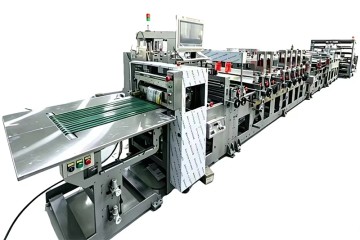
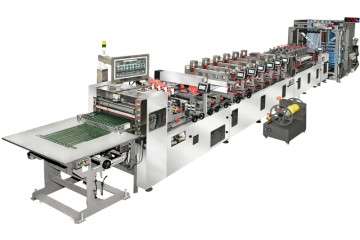
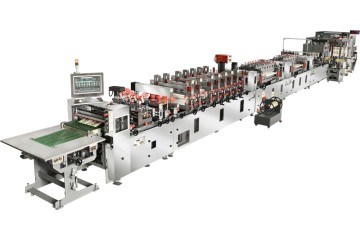
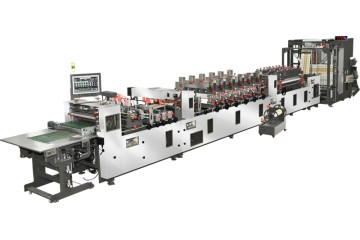
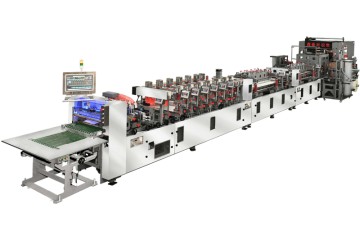
In the modern global food industry, the demand for extended shelf life, freshness preservation, and aesthetic appeal has driven massive innovation in packaging technology. The global snack and dry food market is expanding at an unprecedented rate, fueled by shifting consumer behavior toward portion-controlled, convenient, and on-the-go snacks. From roasted nuts and dried fruits to potato chips, pet treats, and specialty coffee, the stability of these products relies heavily on their barrier protection. This is where the Al Aluminum Foil Bag Maker steps in as an indispensable asset for manufacturers worldwide.
Aluminum foil (Al) is widely recognized as the ultimate barrier material in flexible packaging. Unlike standard polymer films, aluminum foil offers absolute protection against moisture, oxygen, ultraviolet light, and external contaminants. Even at extremely thin gauges, aluminum foil maintains zero permeability, ensuring that delicate oils in snacks do not oxidize, and dry foods remain perfectly crisp and free from moisture absorption. As a result, commercial food packers are increasingly moving away from basic mono-material plastics toward sophisticated multi-layer laminates featuring an aluminum foil core.
To maintain profitability in a highly competitive FMCG (Fast-Moving Consumer Goods) landscape, manufacturers must optimize throughput. Low-speed, manual, or semi-automated packaging lines are no longer viable. Today's manufacturing requires high-speed bag-making lines capable of forming, sealing, and cutting hundreds of pouches per minute without compromising seal integrity. The integration of advanced servo control systems, automated tension management, and real-time defect detection has transitioned the modern bag maker into an intelligent, high-speed production terminal.
Processing aluminum foil laminates presents unique mechanical challenges compared to standard plastics. Aluminum foil has virtually no elasticity; it is highly sensitive to tension fluctuations. Too much tension causes web snapping or micro-fractures in the aluminum barrier layer, which compromises the pouch's barrier efficiency. Conversely, too little tension leads to wrinkling, misalignment, and poor heat-seal quality.
To address these issues, advanced Al Aluminum Foil Bag Makers utilize sophisticated closed-loop tension systems. By employing multi-axis electronic shaft control and high-precision servo motors, the machine ensures that the web is fed smoothly through the forming collars and sealing bars. This level of synchronization guarantees that the aluminum layer remains completely intact, preserving its protective properties.
Another technical bottleneck in high-speed bag making is heat sealing. Aluminum foil is an excellent thermal conductor, meaning it dissipates heat rapidly. To form a hermetic seal at speeds exceeding 150 cycles per minute, the sealing jaws must deliver precise temperature control, high pressure, and sufficient dwell time. Modern machines overcome this by incorporating intelligent PID temperature controllers and pneumatic/servo-driven sealing bars that distribute heat and pressure uniformly across the seal area.
High-speed production cannot afford material waste. The inclusion of CCD (Charge-Coupled Device) vision inspection systems allows the machine to scan the printing registration marks and seal lines in real-time. If any drift or defect is detected, the machine automatically adjusts the servo motors to correct the alignment on the fly. This ensures that every single pouch produced meets strict quality standards, drastically reducing scrap rates of expensive aluminum laminates.
The versatility of the modern Al Aluminum Foil Bag Maker allows it to cater to diverse and complex packaging configurations:
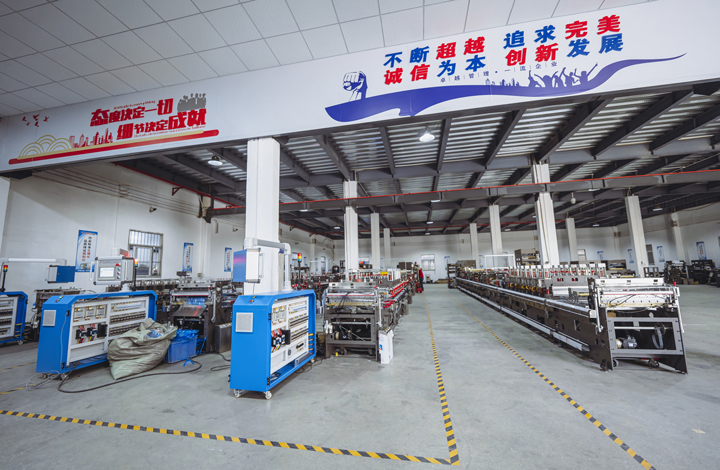
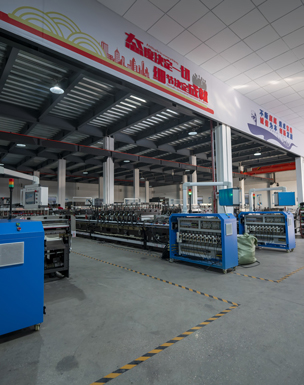
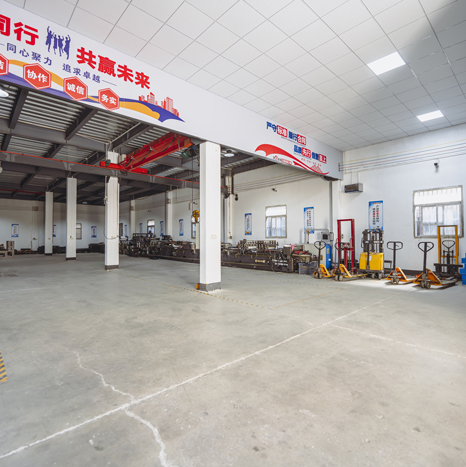
Xintaihong Machinery Equipment (Guangdong) Co., Ltd. (hereinafter referred to as "Xintaihong")




Welcome To Learn About Our Company
of experience


The flexible packaging industry is moving toward a future defined by sustainability, digital integration, and ultra-high efficiency. As regulatory bodies push for reduced carbon footprints and circular economy initiatives, machine manufacturers are adapting. One major trend is the development of bag makers capable of handling hybrid materials. While traditional aluminum foil laminates remain unmatched in barrier performance, newer, recyclable mono-material PP/PE barriers and biodegradable metallic films are emerging. The next generation of bag-making machinery must be versatile enough to run these new materials smoothly without requiring extensive mechanical retooling.
Furthermore, the integration of Industry 4.0 concepts is revolutionizing the production floor. Smart bag makers now feature IoT connectivity, allowing operators to monitor real-time metrics such as heat-seal temperature, cycle speed, and energy consumption remotely. Predictive maintenance algorithms can analyze motor torque and vibration, alerting maintenance teams before a mechanical failure occurs. This proactive approach minimizes unplanned downtime, maximizing the overall equipment effectiveness (OEE) of high-speed packaging lines.