Leave Your Message
-
Phone
-
E-mail
-
Whatsapp
-
WeChat

High-efficiency machinery optimized for moisture-proof seed and fertilizer packaging solutions.
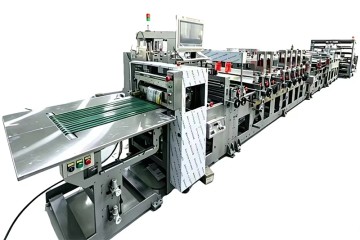
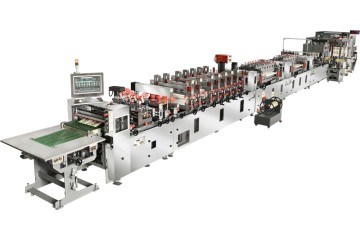
In the agricultural sector, the quality of inputs directly determines the yield of harvest. Among these inputs, seeds and fertilizers represent the foundation of global food security. However, both are highly susceptible to environmental degradation, with moisture being their primary adversary. This is where advanced bag equipment for moisture-proof packaging of agricultural seeds and fertilizers becomes indispensable.
Seeds are living organisms in a state of dormancy. Exposure to moisture levels above their safe threshold triggers premature metabolic activity, leading to respiration, heating, and rapid loss of viability. In worst-case scenarios, excess humidity fosters the growth of mold and pathogens, rendering entire seed batches useless. For chemical and organic fertilizers, moisture absorption causes caking—a process where granules fuse into solid blocks, making them impossible to distribute evenly using mechanical spreaders. Furthermore, moisture can trigger chemical decomposition in compound fertilizers, resulting in the volatilization of vital nutrients like nitrogen.
Industry Insight: High-barrier, hermetically sealed packaging is no longer an option; it is a regulatory and commercial necessity. Modern bag-making machinery must deliver flawless seals to isolate sensitive agricultural products from atmospheric humidity during transit, storage, and long-term preservation.
The global market for agricultural packaging has undergone a massive paradigm shift. Historically, simple single-layer woven polypropylene (PP) bags or basic polyethylene (PE) sacks were the standard. While cost-effective, these formats offered minimal protection against vapor transmission. Today, the commercial landscape demands high-performance, multi-layered laminated films (such as PET/AL/PE, BOPP/PE, or Nylon-reinforced structures) that provide absolute barriers against oxygen and moisture.
This shift is driven by three major industrial trends:
To process advanced barrier films, bag manufacturing machinery must incorporate sophisticated control systems. Traditional mechanical bag makers often struggle with the thermal properties of multi-layer laminates, leading to micro-channel leaks or burned seals. Modern solutions integrate several key technologies to solve these challenges:
By replacing mechanical linkages with independent servo motors for each station, electronic shaft systems ensure precise tension control. This prevents stretching or thinning of the barrier layers, which could compromise moisture resistance.
Charge-Coupled Device (CCD) inspection systems monitor seal integrity and alignment in real-time. Any deviation in print registration or sealing width is instantly detected, preventing defective, leaky bags from leaving the production line.
Moisture-proof bags require hermetic seals. Multi-stage heating and cooling elements apply precise temperature and pressure profiles, ensuring that the inner sealant layers fuse completely without damaging the outer protective barrier.
For re-closable seed pouches, integrating zipper profiles without creating micro-gaps at the side seals is critical. Ultrasonic or specialized thermal welding ensures the zipper ends are perfectly crushed and sealed.
Step inside our world-class manufacturing facility where precision meets innovation.
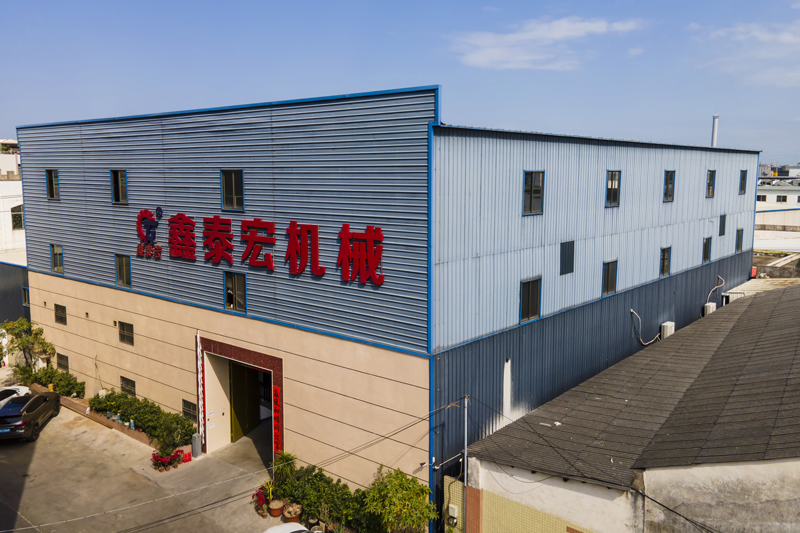
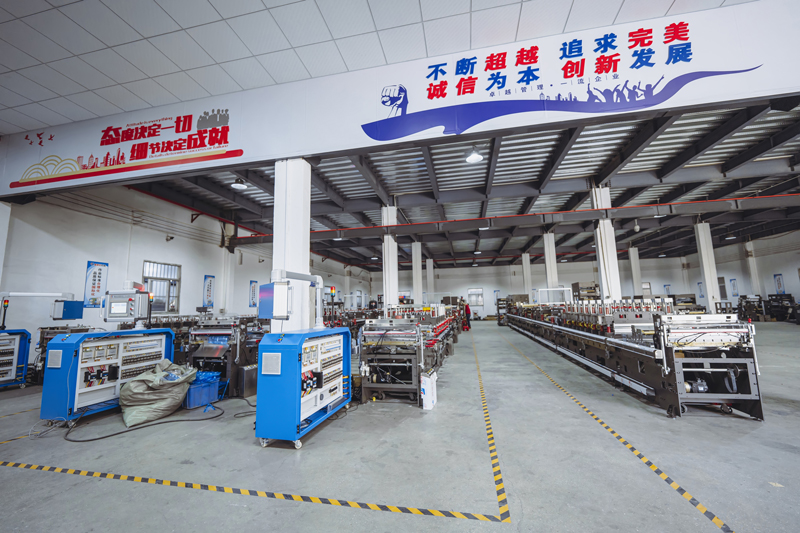
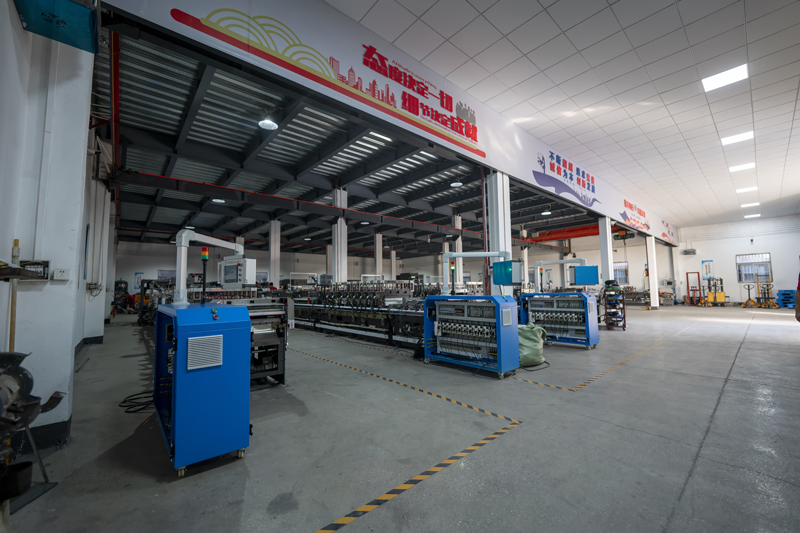
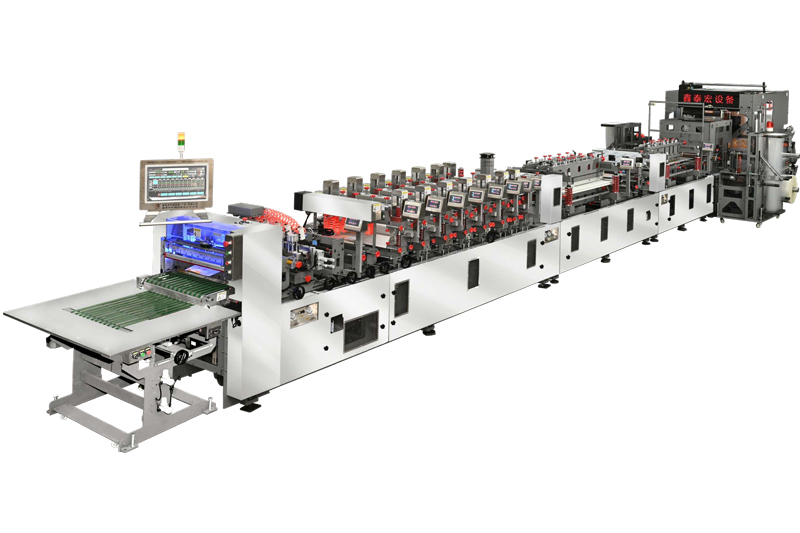
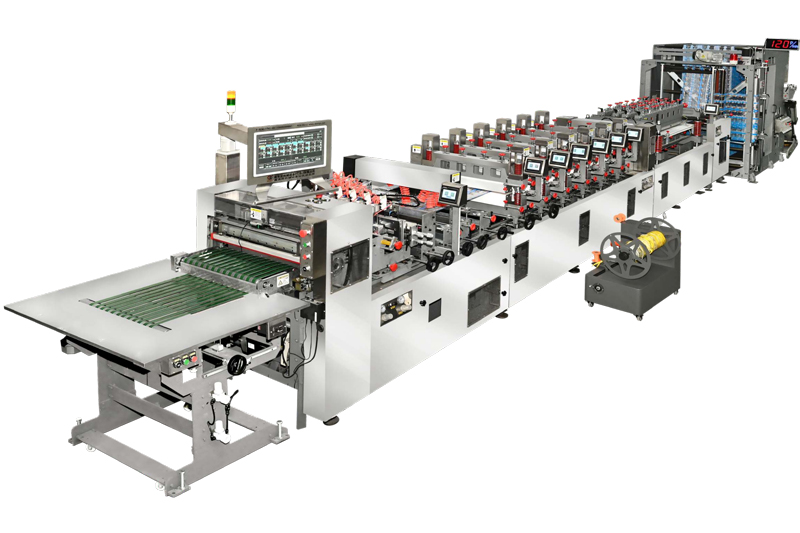
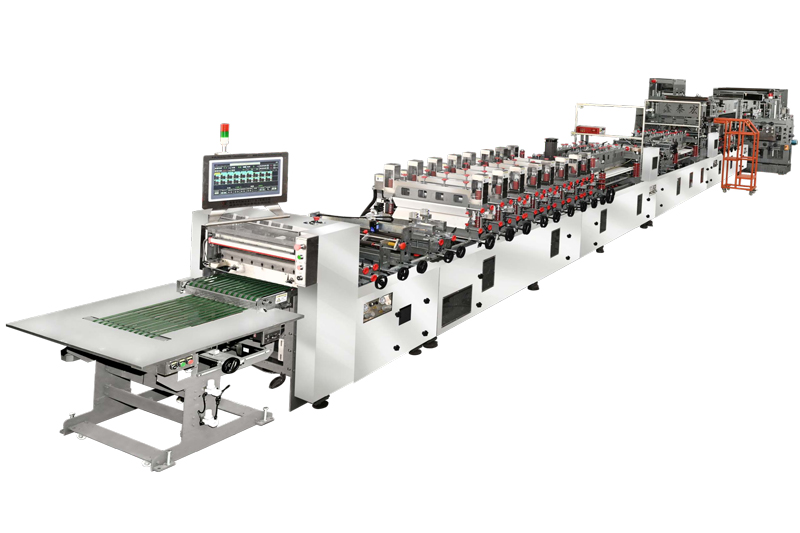
Different agricultural products demand distinct packaging styles and barrier levels. A high-performance bag-making machine must be versatile enough to handle these varying requirements.
Hybrid vegetable, flower, and crop seeds are expensive and packaged in smaller quantities (typically 50g to 1kg). The packaging must not only protect the seeds but also act as a premium marketing tool on retail shelves. Stand-up pouches with re-closable zippers are the industry standard for this application.
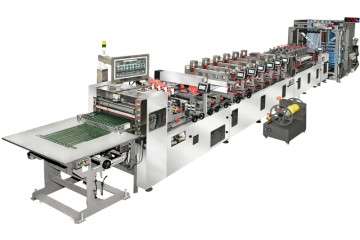
The bag equipment must feed laminated barrier films (often incorporating aluminum foil or metallized PET), punch bottom gussets, insert and seal the zipper, and perform precise die-cutting. Any failure in the zipper-crush zone will allow moisture to seep in, ruining the seeds. The DZF-500-1000TSZ Electronic Shaft Bottom-insertion Stand-up Zipper Bag Making Machine with CCD is engineered specifically for this high-precision task, ensuring zero-defect zipper seals.
Fertilizers are typically packed in larger volumes (5kg to 25kg) and stored in harsh environments, such as open-air farm sheds. The packaging material is thick, heavy-duty co-extruded PE or woven PP with a PE inner liner. Center-sealing (pillow or gusseted bags) is the preferred format due to its high burst strength and structural stability when stacked.
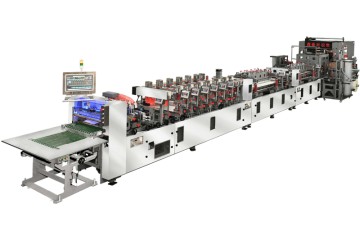
For this scenario, the bag-making equipment must handle thick materials and apply high thermal energy to achieve deep weld penetration. The DZF-600-800IIIT Center Sealing Bag Making Machine provides the necessary sealing pressure and temperature control to fuse thick plastic layers, guaranteeing dust-proof and moisture-proof packaging that survives rough handling and stack pressure.
Bio-stimulants, powder fertilizers, and trace element mixes are highly hygroscopic. Even brief exposure to air can cause them to liquefy or cake. These are often packaged in single-use three-side seal flat pouches. The sealing must be exceptionally clean, as powder contamination in the seal area can cause micro-channels.
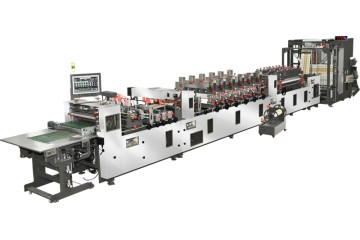
Using a machine like the DZF-600-800IIIT Three Side Sealing Bag Making Machine with CCD ensures that the seals are formed with extreme precision. The integrated CCD camera scans the seal zones to detect any trapped powder particles, rejecting compromised bags automatically and maintaining the moisture barrier integrity of the batch.
The agricultural packaging industry is moving rapidly toward two major goals: sustainability and intelligence. Bag-making machinery manufacturers are innovating to meet these future demands.
Eco-Friendly Barrier Films: With growing environmental regulations, there is pressure to replace traditional non-recyclable multi-layer plastics with mono-material laminates (like all-PE structures) or biodegradable barrier films. These new materials have much narrower sealing temperature windows. Modern bag equipment must utilize highly sensitive, PID-controlled heating systems to seal these eco-friendly films without melting or warping them.
Smart Packaging Integration: The incorporation of QR codes for traceability, anti-counterfeiting features, and even humidity indicator strips is becoming common. Advanced bag-making machines are designed to integrate seamlessly with digital printing and labeling units, ensuring that these smart features are applied inline without reducing production speeds.
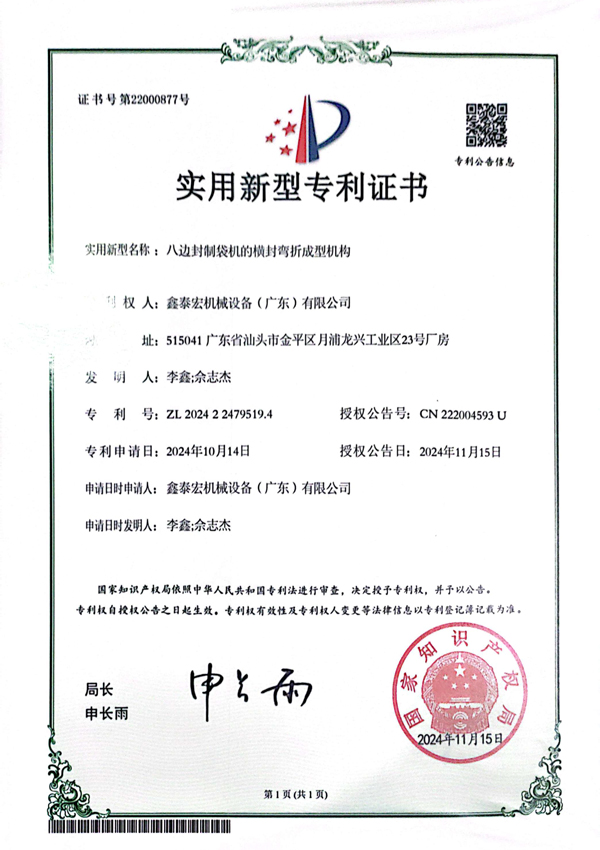
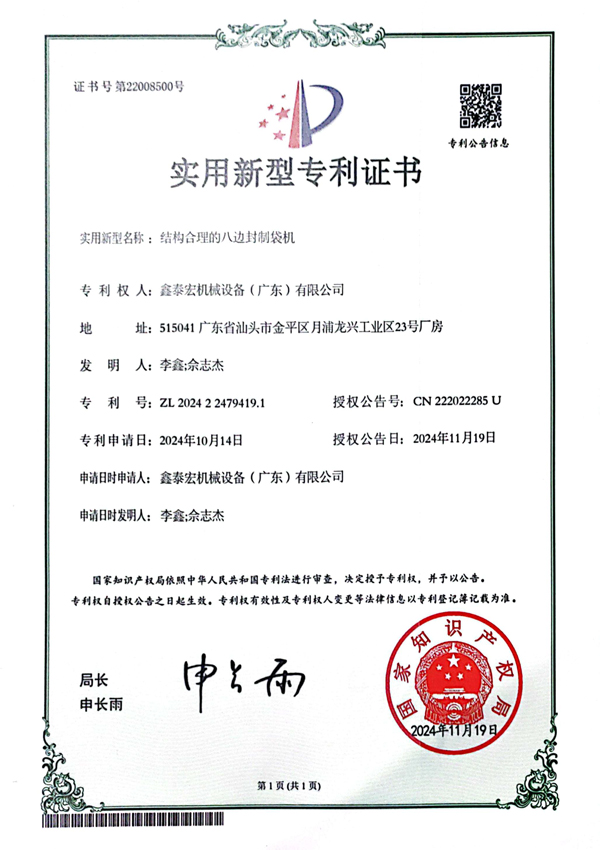
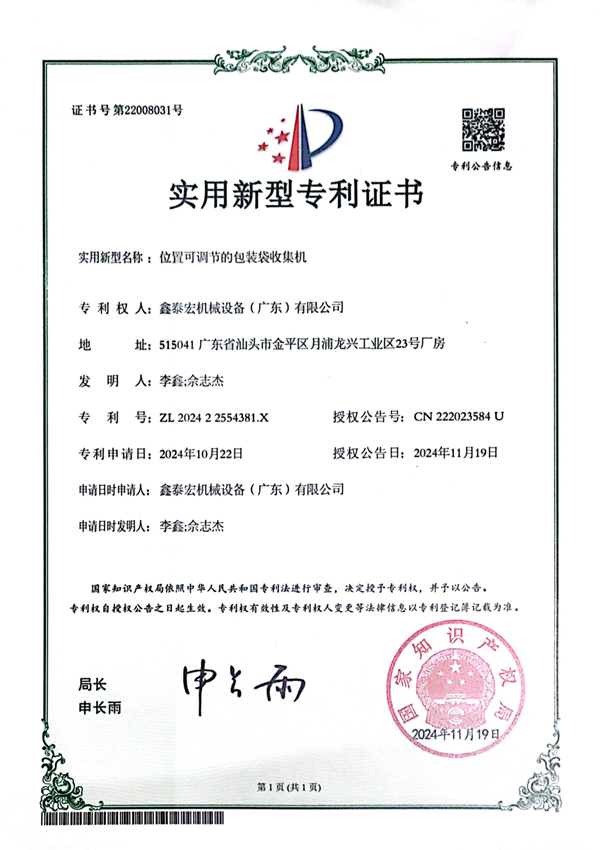
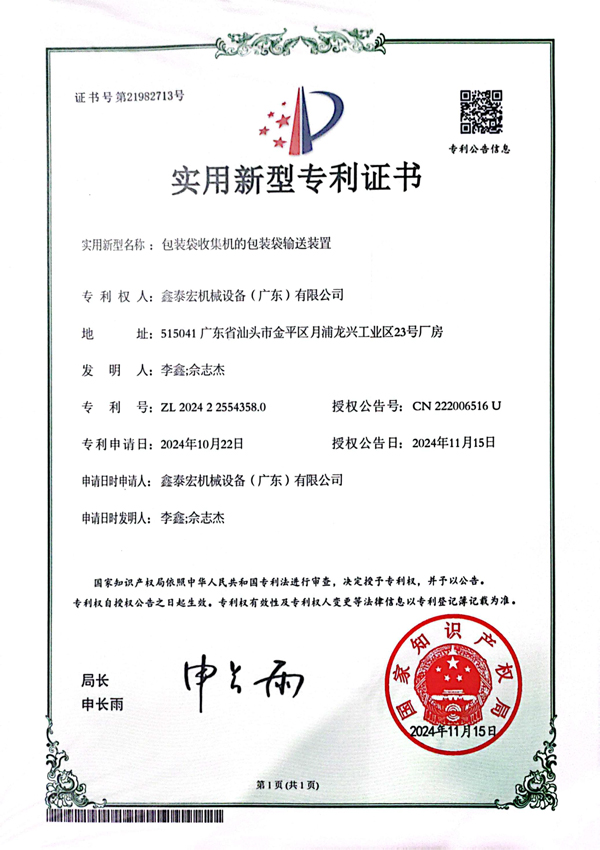
Our commitment to quality is validated by globally recognized standards.
Explore our full lineup of bag-making machines engineered for high-performance moisture-proof packaging.