Leave Your Message
-
Phone
-
E-mail
-
Whatsapp
-
WeChat

High-speed, multi-functional systems designed for complex multi-layer barrier films
The global packaging sector is undergoing a monumental shift toward flexible structures, catalyzed by the rising demand for extended shelf-life, resource efficiency, and reduced logistics costs. Among these formats, vacuum pouches and retort pouches represent the pinnacle of high-performance flexible packaging. Retort pouches, specifically designed to withstand thermal sterilization processes up to 121°C–135°C under high pressure, are rapidly replacing traditional metal cans and glass jars for ready-to-eat (RTE) meals, pet foods, and organic soups.
For packaging manufacturers, capturing this high-margin market segment requires advanced bag making machines capable of processing sophisticated multi-layer films. These films typically combine outer layers of PET for printability, intermediate layers of Aluminum Foil or AlOx/SiOx for gas and moisture barrier properties, OPA (Nylon) for puncture resistance, and cast polypropylene (CPP) for reliable heat sealing. Operating at high volumes demands equipment that guarantees zero-defect seals, precise tension control, and dynamic adaptation to temperature variations.
Understanding the physics of hermetic sealing and thermal stress
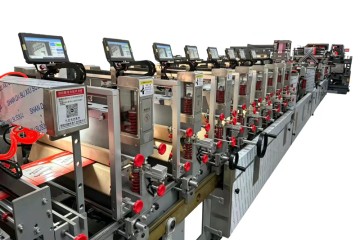
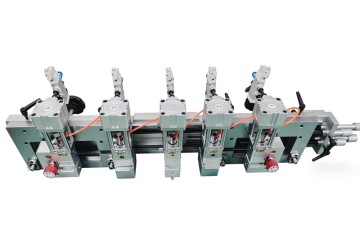
Retort sterilization subjects pouches to intense heat and pressure. If the sealing interface has microscopic voids or uneven cooling, the seal will fail during autoclaving. Our machines utilize multi-stage heating bars with independent PID temperature control to achieve flawless molecular bonding.
Laminated structures containing metal foils have very low elasticity. Any sudden tension spike during high-speed feeding can cause delamination or micro-fractures in the barrier layer. Electronic shaft control ensures ultra-precise, synchronized web tension.
Integrating reclosable zippers or bottom gussets into retort and vacuum pouches adds geometric complexity. Achieving high cycle rates while ensuring the zipper-to-film transition is perfectly sealed requires advanced ultrasonic and thermal sealing systems.
A major trend driving the industry is the shift from mixed-material laminates to mono-material structures (such as polypropylene-based retort laminates) to meet global sustainability mandates. Mono-materials have a significantly narrower sealing temperature window. Modern bag-making machines must feature micro-processor controlled heat sealing parameters to prevent burn-through while guaranteeing hermetic closure.
Where precision meets high-speed industrial packaging demands
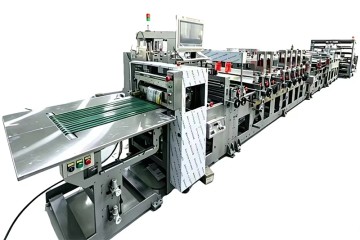
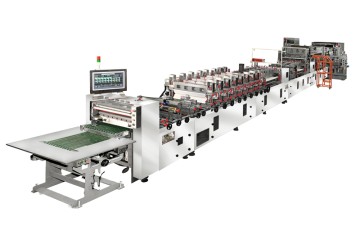
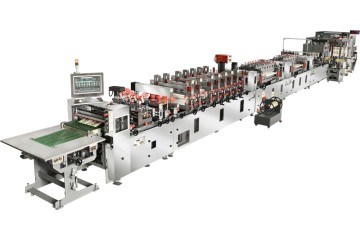
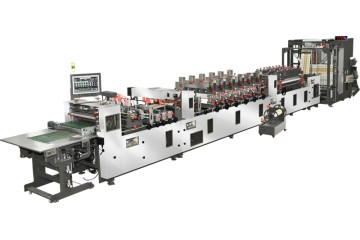
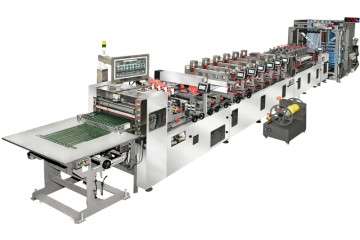
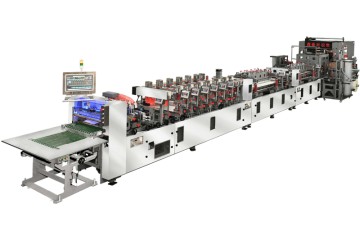
Military Meal, Ready-to-Eat (MRE) programs and commercial retail entrees demand packaging that can survive drop tests, extreme ambient temperatures, and autoclave sterilization cycles. Retort pouches produced on our DZF-600-800IIIT series offer superior structural strength. The integration of CCD vision systems ensures that print registration, tear notches, and seal margins are maintained within sub-millimeter tolerances, avoiding expensive batch rejections.
The premium pet food market has experienced exponential growth, with stand-up retort pouches becoming the standard for wet food and gravy-rich recipes. These pouches require robust bottom gussets to stand upright on retail shelves and complex shapes for brand differentiation. Our high-speed stand-up pouch machines process bottom-insertion films smoothly, sealing multiple layers at the gusset junction without leaks.
Vacuum packaging of fresh fish, beef, and poultry requires thick, puncture-resistant co-extruded films. The bag-making process must ensure that the side seals can withstand the high vacuum pressures applied during final packaging. Our three-side seal bag-making machines are engineered to handle high-thickness films (up to 150+ microns) without slowing down production speeds, maintaining high seal strength across every run.
Medical devices, implants, and liquid pharmaceutical formulations are packaged in specialized pouches that undergo steam autoclave or gas sterilization. The absolute integrity of the sterile barrier is non-negotiable. Our machines feature precise validation protocols, electronic parameter tracking, and automated CCD camera validation of seal widths to meet stringent medical-grade quality standards.
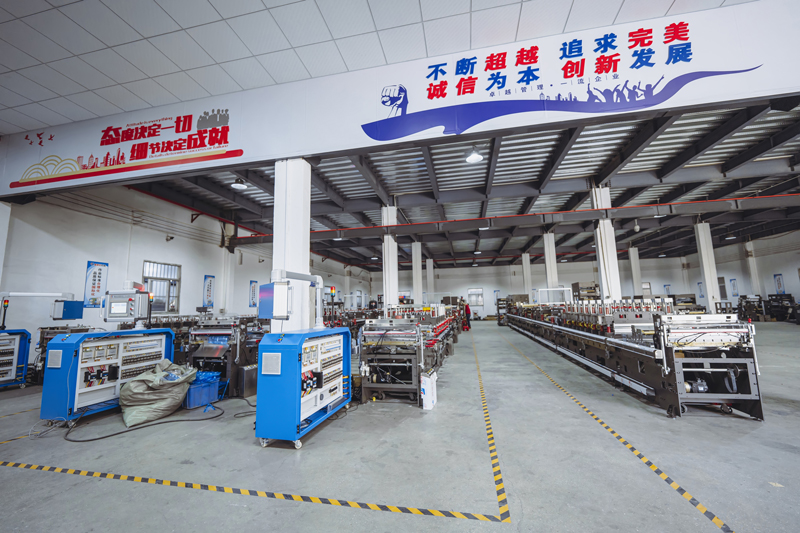
Explore our production floors and advanced machining equipment
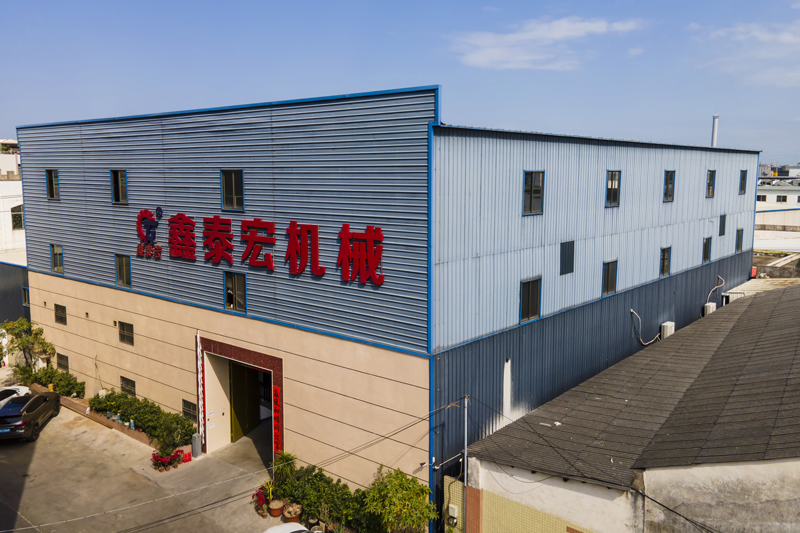
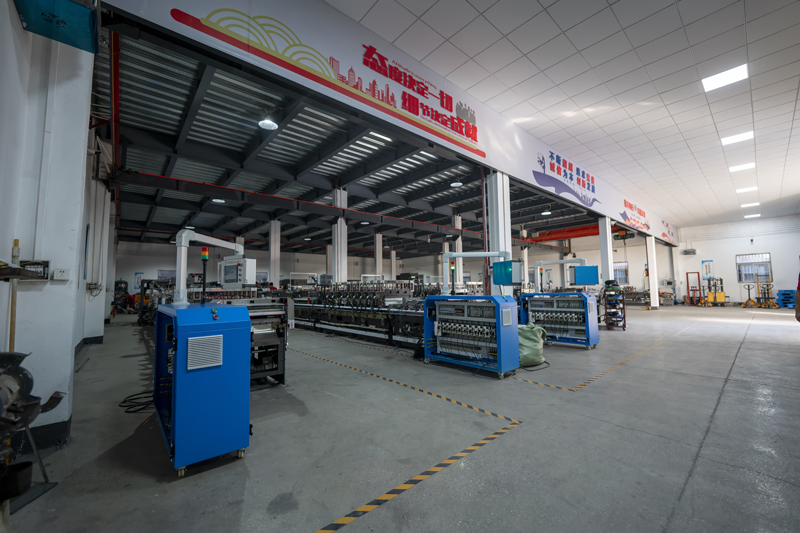
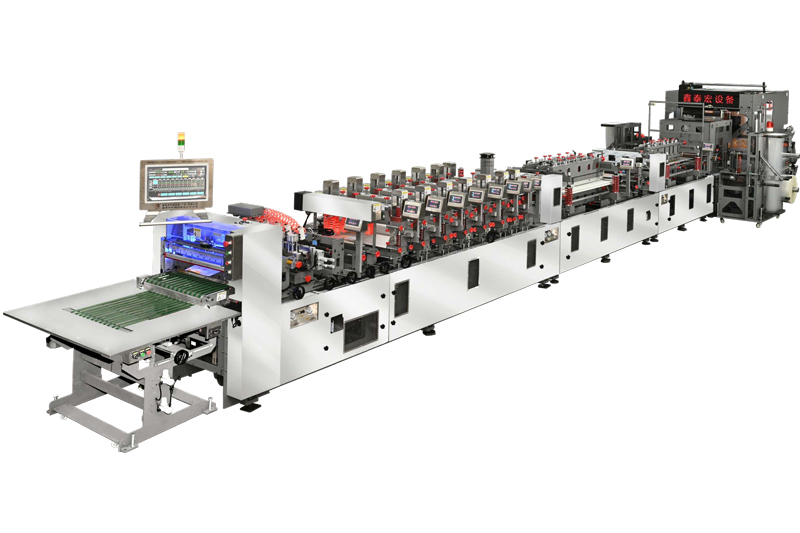
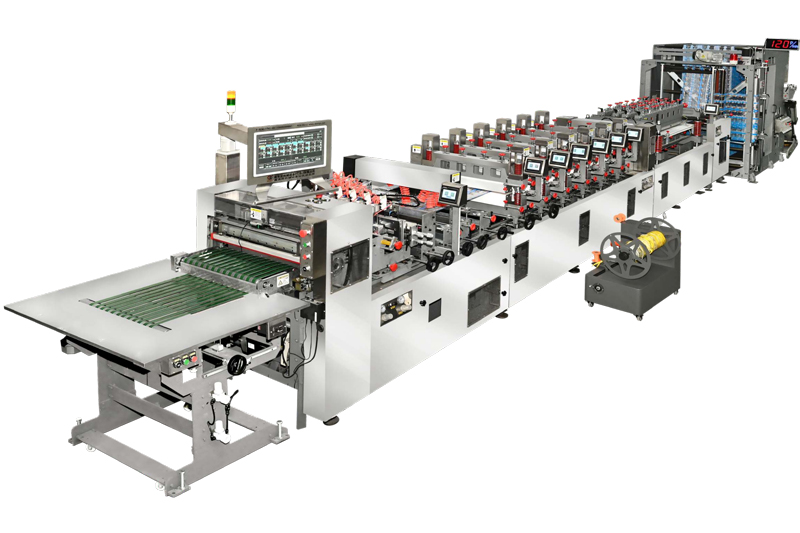
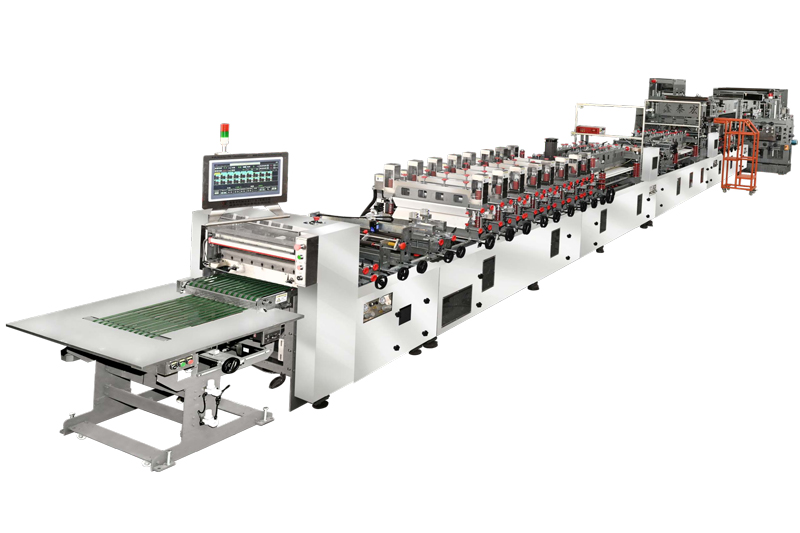
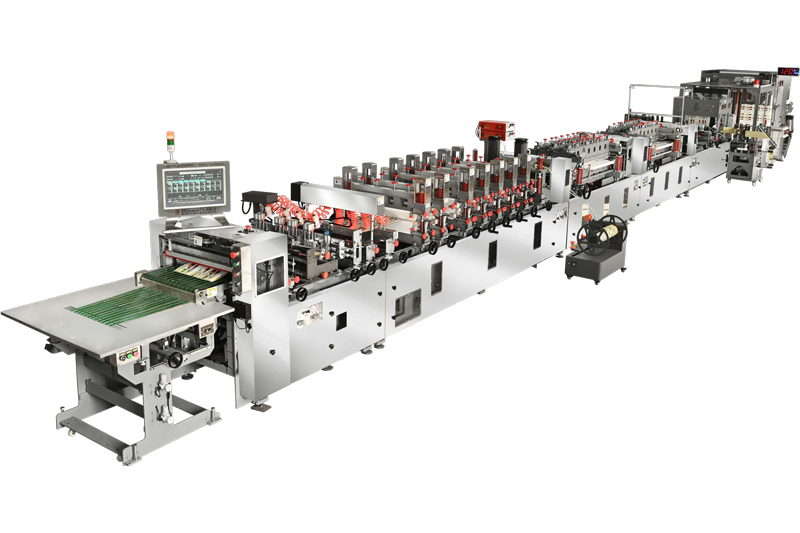
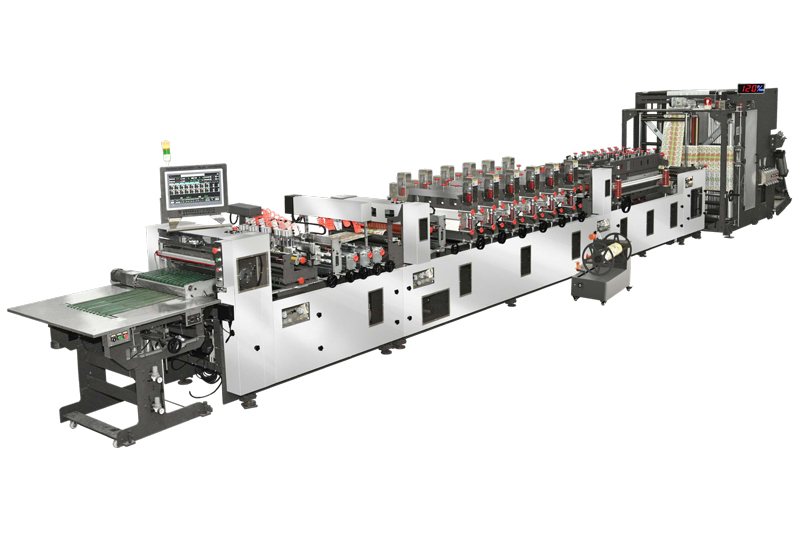
To remain competitive in high-volume markets, bag making machines must integrate smart technologies. Here is how our engineering platform elevates production standards:
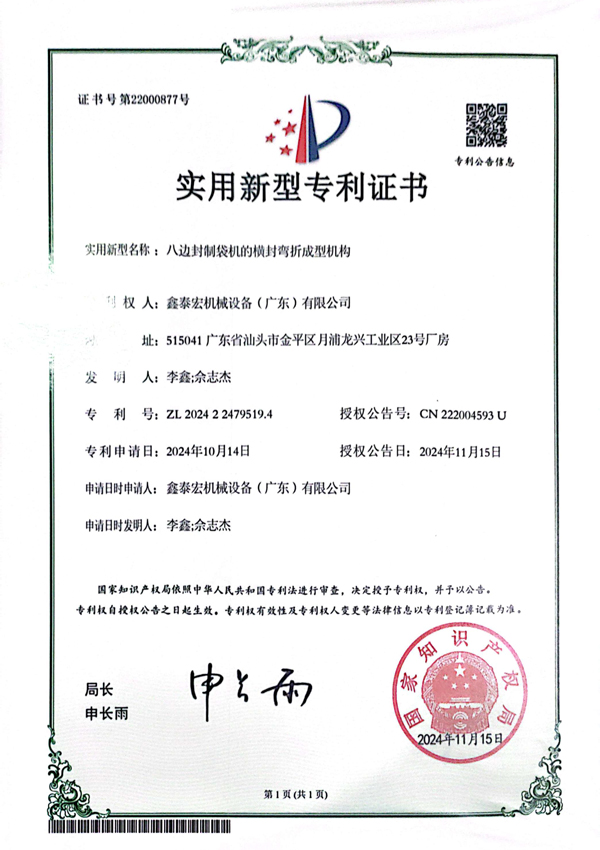
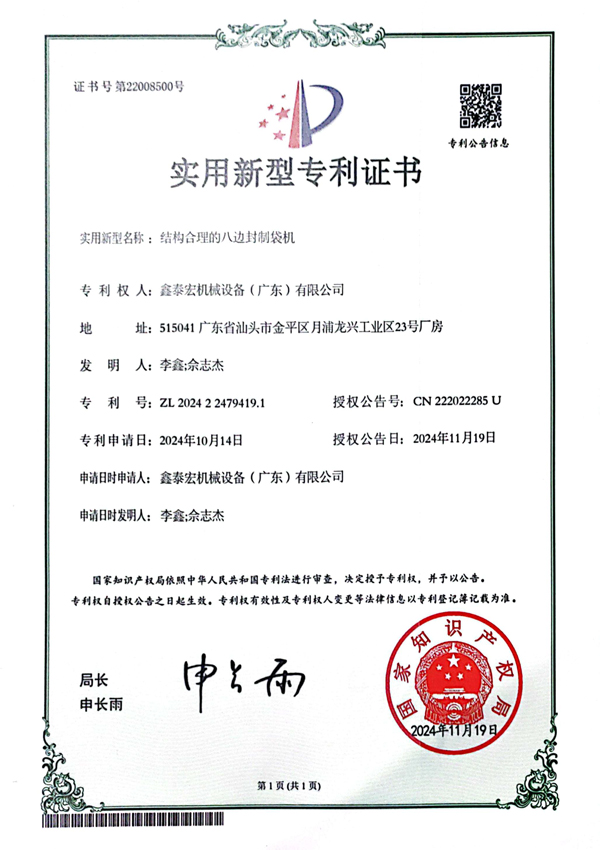
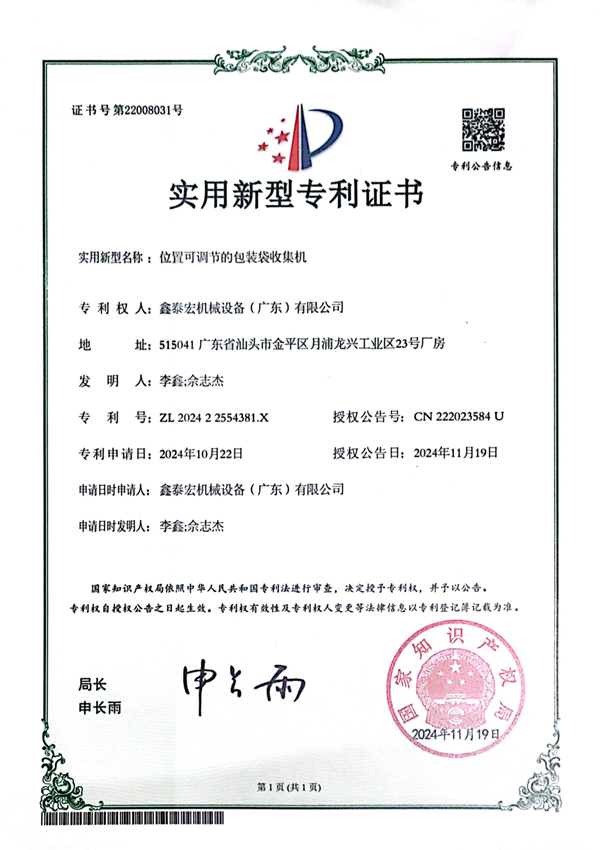
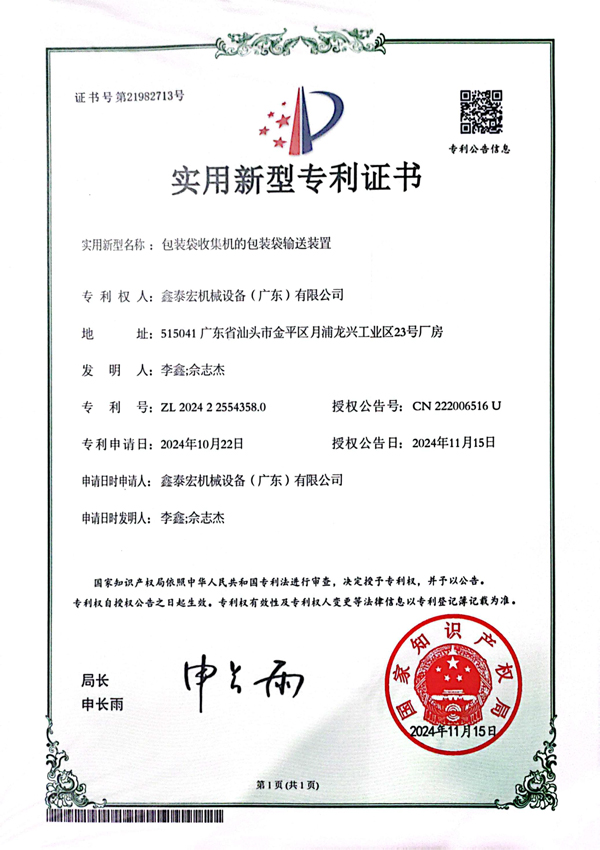
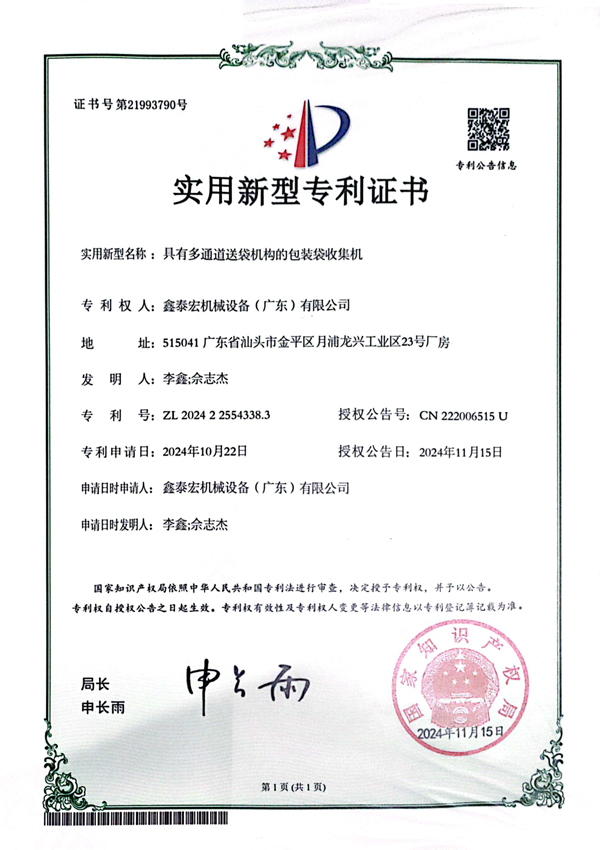
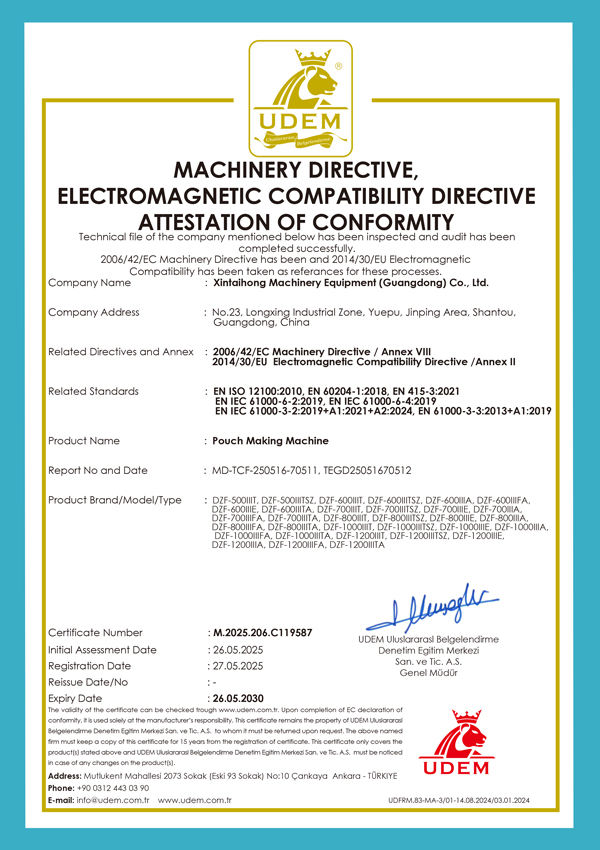
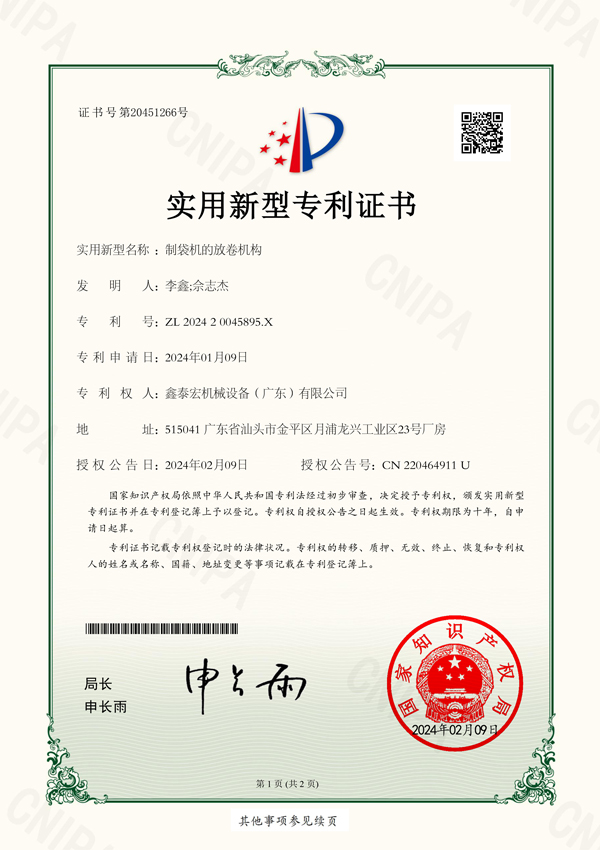
Built to international safety, electrical, and operational standards
Engineered solutions for vacuum, retort, stand-up, and flat-bottom pouches