Leave Your Message
-
Phone
-
E-mail
-
Whatsapp
-
WeChat

Engineered for high performance, reliability, and precision in liquid daily chemical packaging.
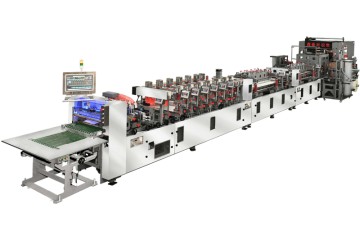
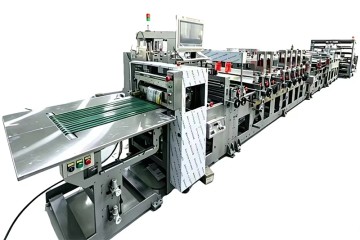
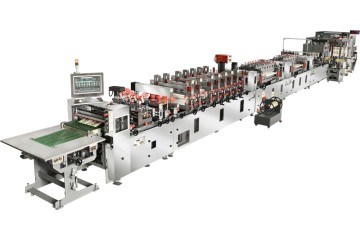
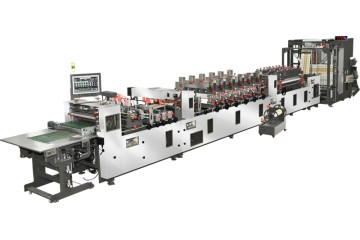
In the modern packaging landscape, the transition from traditional rigid plastic bottles to flexible spout pouches is accelerating at an unprecedented rate. This shift is particularly prominent in the liquid daily chemical sector, which includes products such as liquid laundry detergent, fabric softeners, hand soaps, shampoos, body washes, and household cleaning agents. Spout bag packaging offers a lightweight, eco-friendly, and cost-effective alternative that aligns with global sustainability initiatives and consumer preferences.
From an industrial perspective, spout bags reduce raw material usage by up to 70% compared to rigid plastic containers. They drastically lower transportation costs, as empty pouches occupy significantly less space than empty bottles, resulting in a smaller carbon footprint during logistics. However, producing high-quality spout bags that can withstand the chemical properties of detergents and personal care products requires specialized bag making machinery. The machinery must be capable of processing multi-layer laminated films, ensuring absolute seal integrity, and maintaining high speeds to satisfy market demands.
The global demand for liquid daily chemical spout packaging is driven by several critical factors:
How our machinery solves complex challenges in liquid packaging production lines.
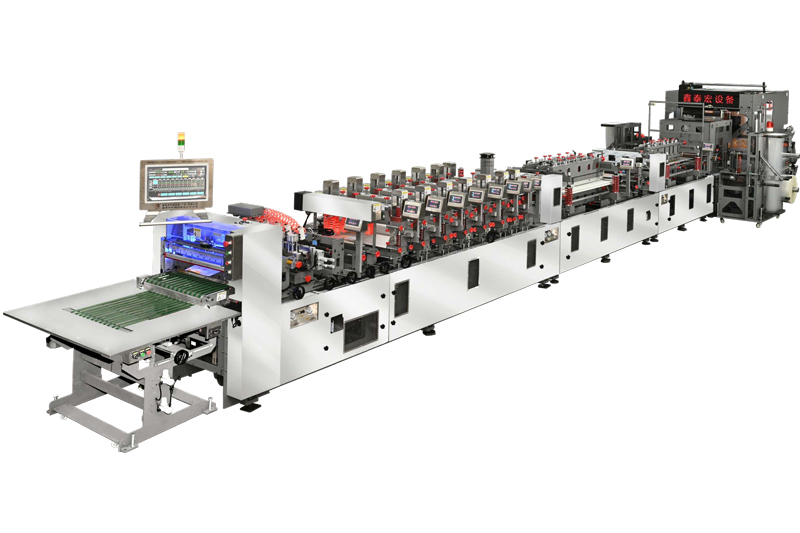
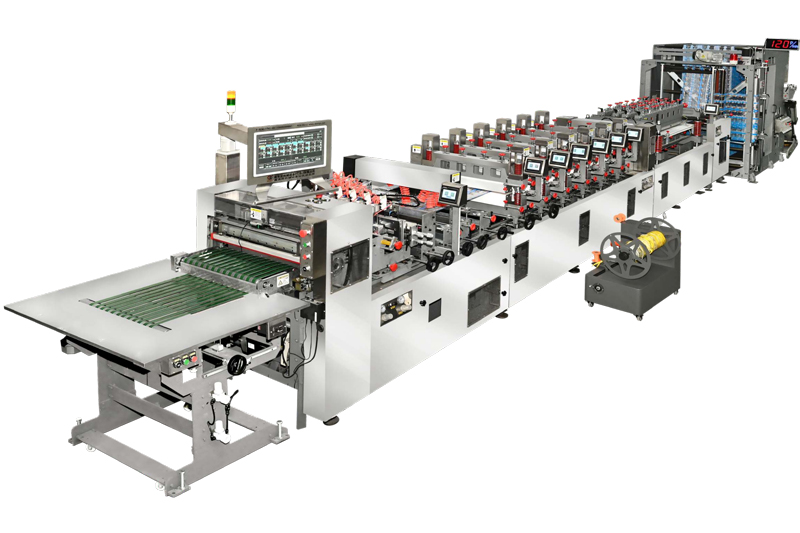
Equipped with advanced CCD camera detection systems to ensure real-time tracking, automatic correction, and zero-defect bag making.
Delivers precise tension control and synchronization, minimizing film waste and optimizing sealing parameters for multi-layer laminates.
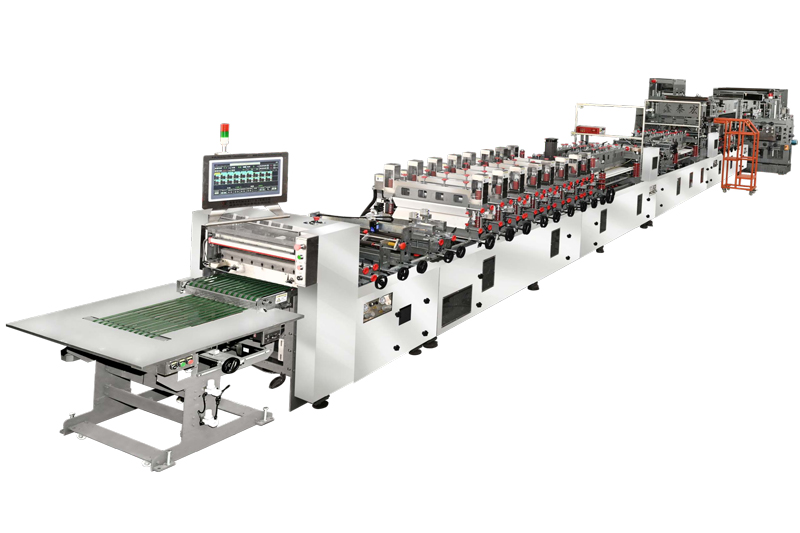
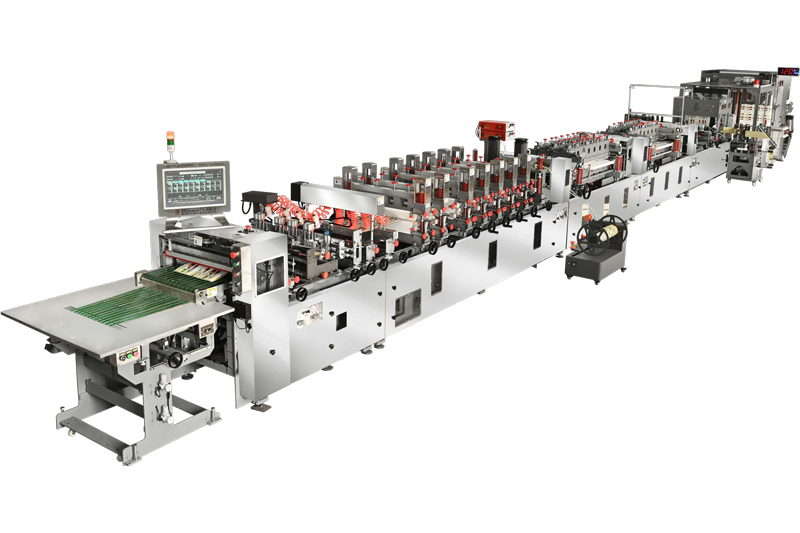
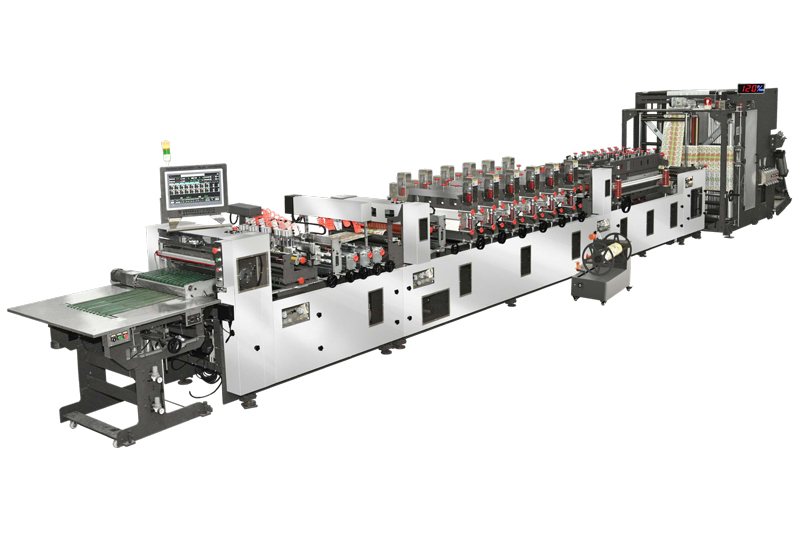
Versatile configurations for bottom-insertion stand-up zipper bags, center sealing, and three-side sealing spout bags.
Liquid daily chemicals possess unique physical and chemical characteristics that present distinct challenges for packaging machinery. Unlike dry foods or powders, liquids exert continuous hydrostatic pressure on the seals. Furthermore, ingredients like surfactants, alcohols, essential oils, and acidic or alkaline formulations can interact with plastic films, potentially degrading the laminate adhesive and causing delamination. Therefore, the bag-making process must guarantee absolute reliability.
The primary concern for liquid packaging is leakage. A micro-channel or pinhole in a seal can compromise an entire shipping batch. Advanced bag-making machinery utilizes multi-stage heat sealing and cooling stations to stabilize the molecular structure of the plastic laminate at the seal seam. Precision temperature control, combined with adjustable pressure and dwell time, ensures that the melted polymer layers fuse seamlessly without thinning the film at the edges.
Stand-up pouches (Doypack style) require precise bottom gusset insertion to ensure the bag stands upright when filled. The insertion of the spout—usually done inline or in secondary processes—demands accurate die-cutting and heat sealing. The machinery must seal the rigid PE or PP spout base to the flexible laminate film, a process that requires specialized sealing jaws shaped to match the spout's flange geometry.
Spout bags for liquid chemicals are typically made of multi-layer laminates (e.g., PET/NY/AL/PE or PET/NY/PE). Each layer serves a purpose: PET for printability, Nylon (PA) for puncture resistance, Aluminum (AL) for barrier properties, and PE for sealability. Because these materials have different elasticities, maintaining precise tension control during high-speed feeding is critical. The integration of electronic shaft control (servo-driven systems) prevents film stretching, wrinkles, and registration misalignment.
The bag-making machinery sector is undergoing a digital transformation. The integration of Industry 4.0 standards, Internet of Things (IoT) sensors, and AI-driven diagnostic systems is reshaping how packaging lines operate. Real-time monitoring allows manufacturers to track heat sealing temperatures, pressure variables, and mechanical speeds, preventing downtime through predictive maintenance.
Historically, multi-layer laminates containing aluminum foil or mixed plastics were difficult to recycle. Today, the industry is transitioning toward mono-material structures (such as all-PE or all-PP laminates) that are fully recyclable. These mono-materials, however, have narrower heat-sealing windows and are more sensitive to temperature fluctuations. Modern bag-making machinery must feature highly precise, PID-controlled heating elements and rapid-cooling technology to process these eco-friendly films without causing deformation or weakening the seals.
As production speeds exceed 100 bags per minute, manual inspection becomes impossible. Integrating high-speed CCD cameras directly into the bag-making line allows for real-time inspection of bag width, print alignment, zipper placement, and bottom gusset formation. Defective bags are automatically flagged and rejected without stopping the machine, ensuring maximum throughput and consistent quality.
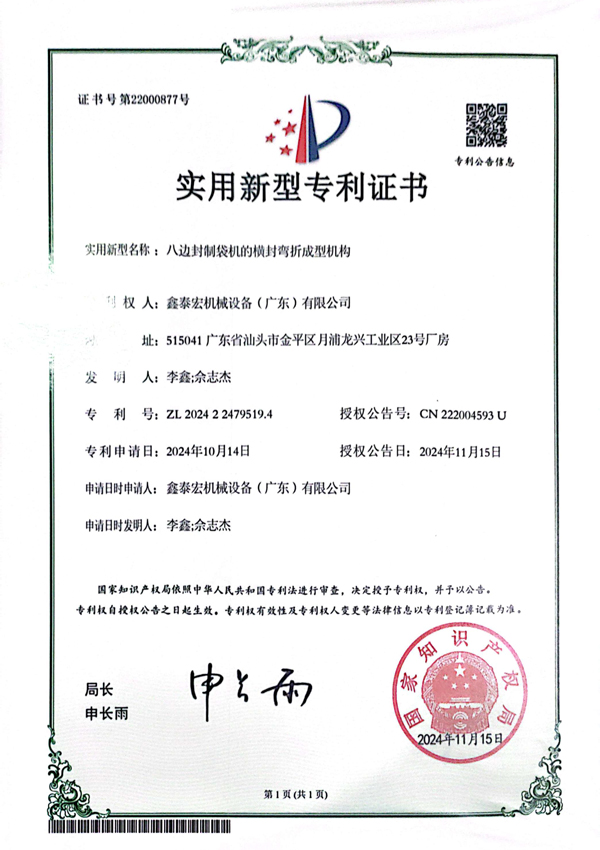
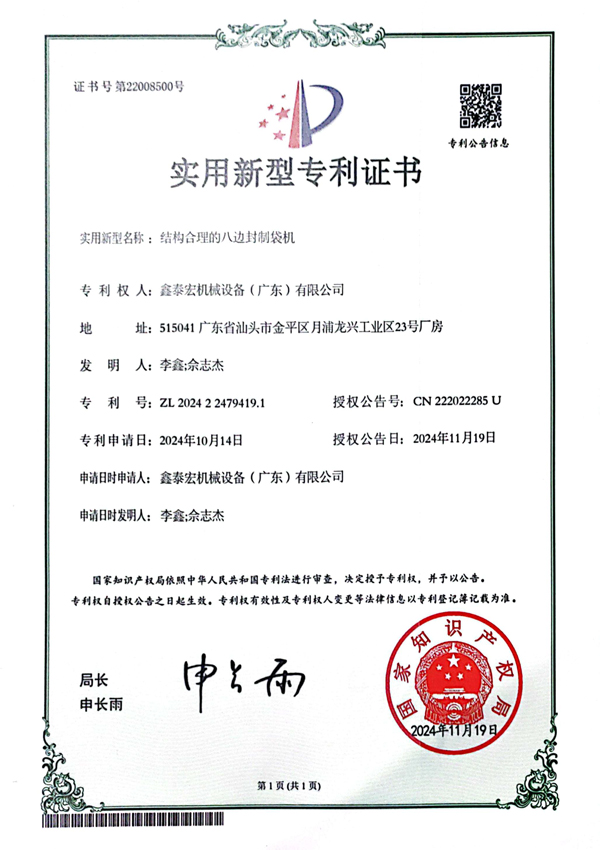
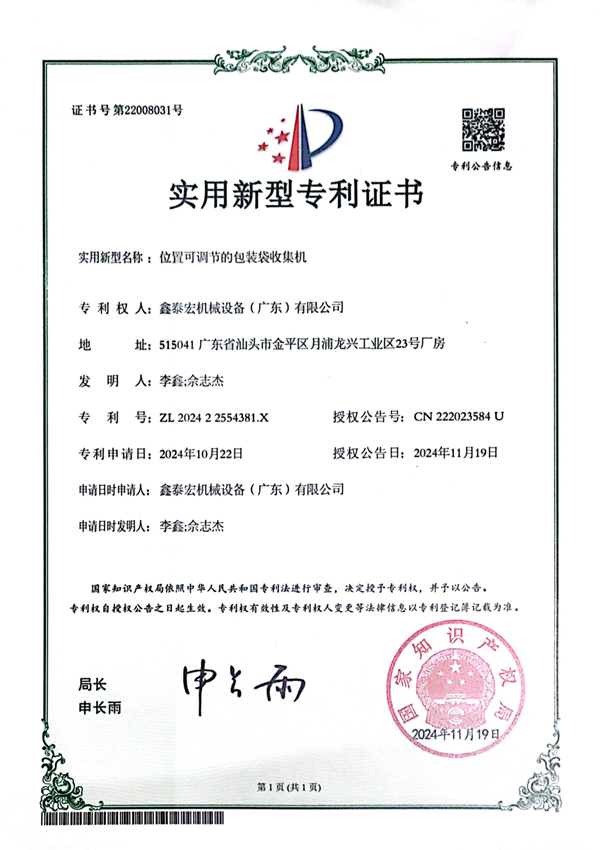
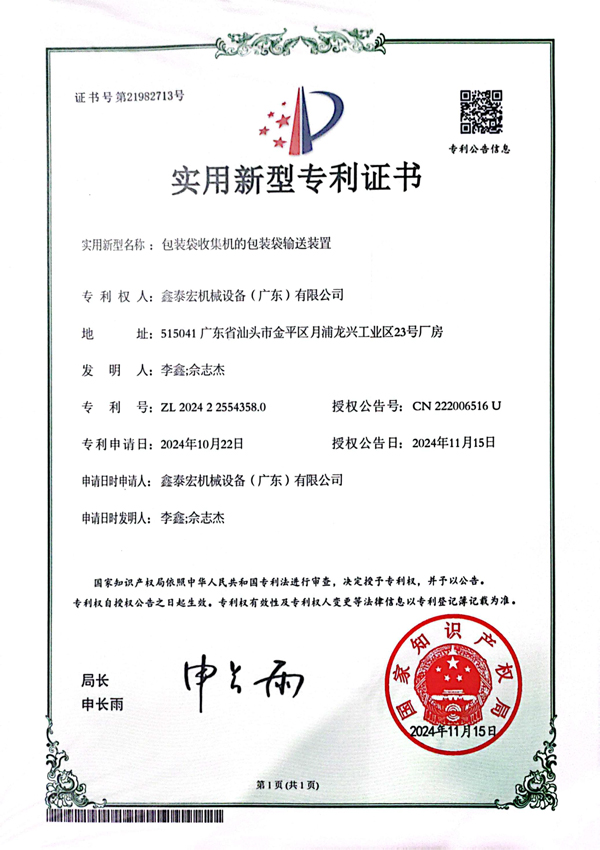
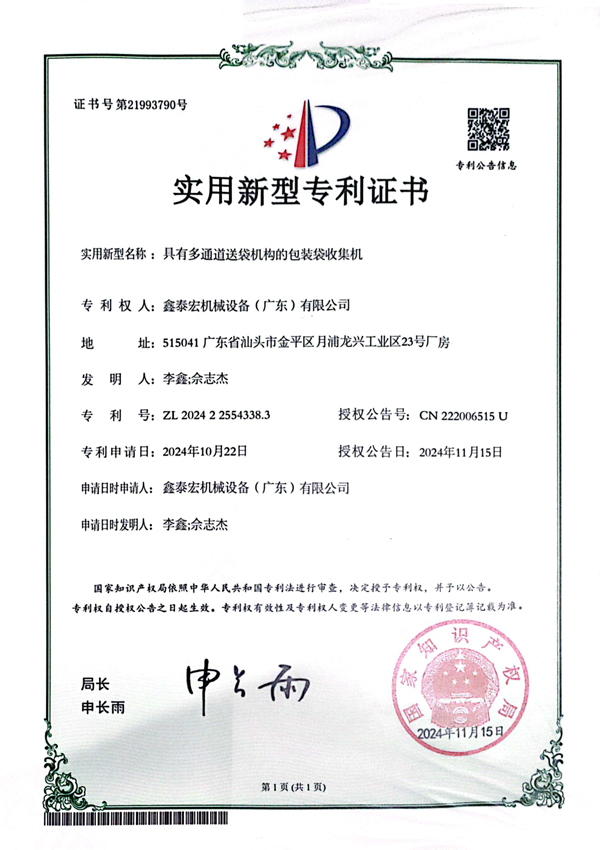
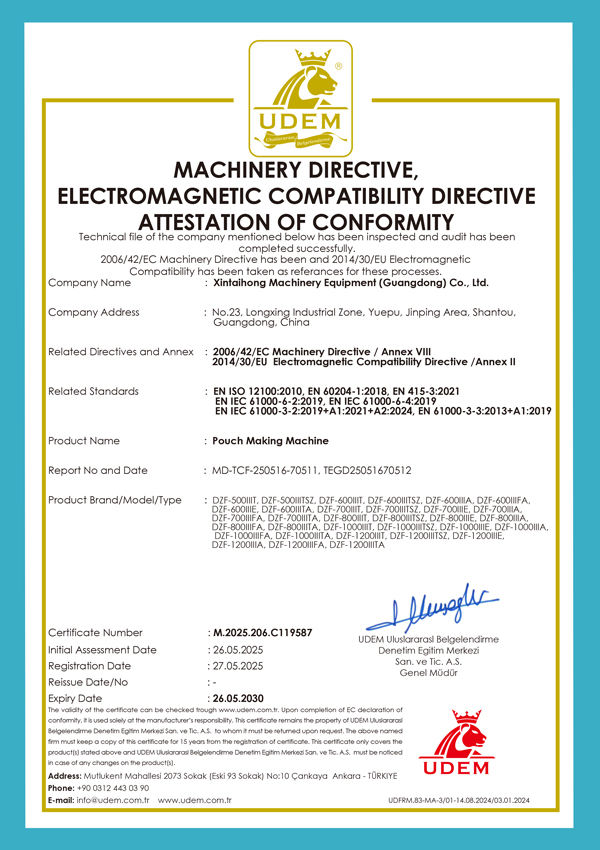
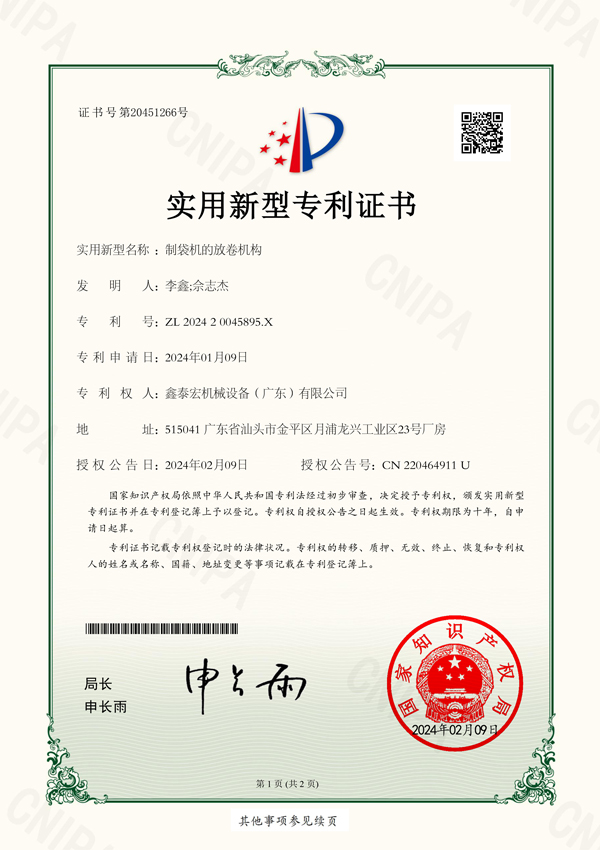
Our commitment to manufacturing excellence is validated by international standards.
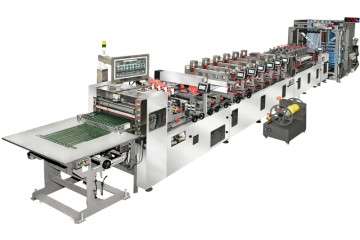
High-performance machinery tailored for various bag configurations and daily chemical applications.
Get in touch with our engineering team to discuss customized spout bag making solutions tailored to your liquid daily chemical products.
Contact Our Experts