So, picking the best Poly Bag Making Machine for 2026? It's not just about price tags and how fast it can run. Buyers around the world really need equipment that fits the materials they have locally, the skills of their workers, their power setup, and the quality level they expect. And honestly, a dependable machine should give you consistent bag widths, clean seals, accurate cutting, and steady output—even through those long production shifts. Honestly, even a tiny error can mean bags get rejected, film gets wasted, and shipments end up delayed.
So, before you sign that purchase agreement, here are a few practical things you'll want to check—especially if you've been buying this kind of equipment for a while. Look at the servo motor control, how thick a film it can handle, how stable the sealing temperature is, the actual speed under real working conditions, and whether spare parts are easy to get. And don't be shy—ask suppliers for sample bags, factory videos, maintenance schedules, and test results they can actually document. Because a machine that claims 150 bags per minute? That number can look pretty different once you're running recycled film or thicker materials. At the end of the day, what really counts is the output you get—not fancy brochures. Buyer experience backs this up too: operator training can matter just as much as how the machine is designed. Things like clear control panels, easy access to heating parts, and straightforward troubleshooting steps can cut downtime a lot. And don't overlook supplier communication. How fast they respond, how well they support installation, what the warranty actually covers, and whether the technical docs are useful—all of that says a lot about how reliable a company is. As for certifications? Check them against credible records. Don't just take a sales pitch at face value.
Look, no machine is perfect—and honestly, that matters.
A cheaper price tag can sometimes hide higher energy bills or maintenance that’s a real pain. On the flip side, top-tier equipment might be overkill for a small factory’s everyday output. That’s where this introduction comes in: it helps buyers around the world weigh technical performance, how trustworthy a supplier is, running costs, and long-term practicality—so they can make a careful investment decision before they commit.
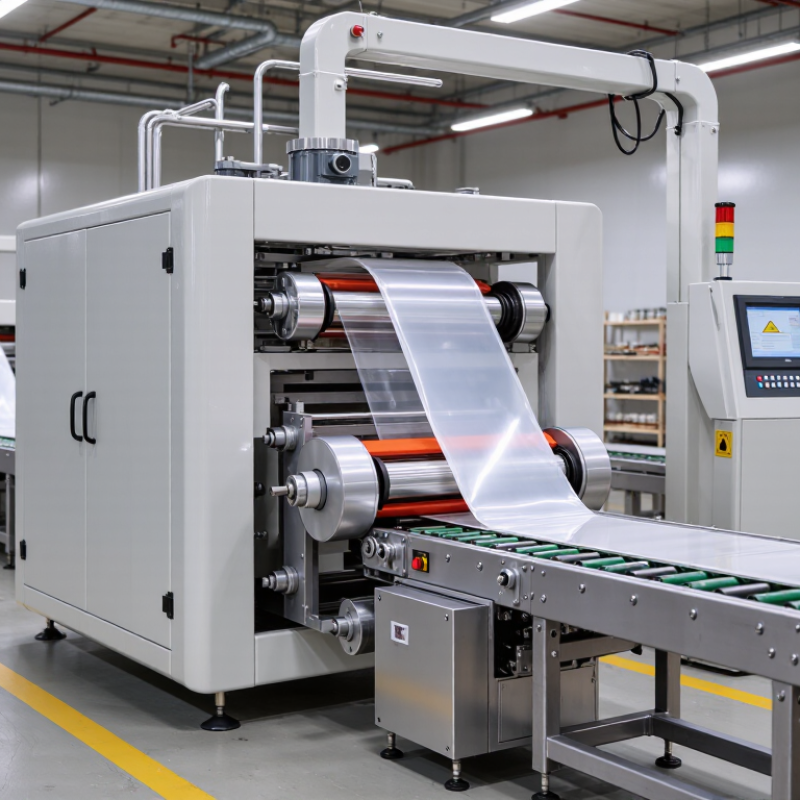
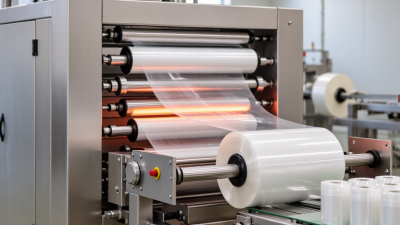
A Plastic Poly Bag Making Machine converts polyethylene film into finished bags through controlled unwinding, sealing, cutting, and counting. The process begins with a film roll mounted on an unwind shaft. Tension rollers keep the film flat and stable. A heated sealing bar then joins the layers, while a knife separates each bag. Some configurations add gussets, handles, perforations, or waste-bag star seals.
It is more than a heated blade. Operators adjust sealing temperature, dwell time, film tension, and cutting length. A small error can create wrinkles, weak seams, or uneven bag mouths.
In practical production, clean sensors and consistent film thickness matter as much as machine speed. A 2026 buyer should examine output quality, changeover time, energy use, and reject rates. Speed alone can mislead.
The Plastics Europe Plastics—The Fast Facts 2024 report recorded 413.8 million tonnes of global plastics production in 2023. The OECD Global Plastics Outlook reported 353 million tonnes of plastic waste in 2019, with only 9% recycled. These figures show why responsible material selection and waste control deserve attention. Recycled-content films may require different temperature settings. That point is easy to underestimate. Machine performance also depends on film formulation, thickness, and local operating conditions. Buyers should request measured test results, not impressive claims. A factory trial with actual film is often the most reliable evidence.
2026 Best Poly Bag Making Machine for Global Buyers?
How Poly Bag Making Machines Work Step by Step
A Bag Making Machine starts with a roll of polyethylene film. The operator places it on an unwind shaft and adjusts the tension carefully. Too much tension can stretch the film. Too little tension creates wrinkles. Guide rollers then move the film through the machine at a controlled speed.
The film passes through heated sealing bars. These bars soften selected areas and create the bag’s bottom or side seam. Temperature, pressure, and dwell time must match the film thickness. A photocell can detect printed marks and control cutting positions. Without accurate detection, bag lengths may drift during production.
Next, a knife or punch forms the opening and separates each bag. Some machines add handles, perforations, or waste trim removal. Finished bags move onto a conveyor or stacking table. An operator should check seal strength, dimensions, surface cleanliness, and edge quality at regular intervals. Small samples reveal problems early.
Real production is rarely perfect. Dust, unstable film, or changing room temperature can affect sealing. I have seen a clean-looking seam fail after cooling. That is why practical testing matters more than screen readings alone. Buyers should examine adjustment access, safety guards, spare-part support, and operator training before choosing equipment for global production.
Choosing the right Pe Bag Making Machine starts with the bag application, not the machine price. Grocery bags often require high-speed side sealing and consistent handle cutting. Waste liners usually need strong bottom seals and flexible film control. Thin packaging bags may benefit from precise temperature adjustment and stable web feeding. A blown film line is useful when buyers want to produce film in-house. However, it requires more floor space, trained operators, and careful thickness control.
For flat bags, a side-seal machine offers simple operation and reliable output. Bottom-seal models suit heavier liners and larger bags. Wicket bag machines can improve stacking and packing speed for bakery or garment applications. If printed bags are required, check registration accuracy, ink compatibility, and drying performance. A machine may look impressive during a short demonstration. Long production runs reveal more.
Tips: Test your actual film before purchasing. Measure seal strength, bag dimensions, noise, and material waste. Ask for maintenance records and spare-part availability. Keep safety guards and emergency stops non-negotiable. No machine is perfect. Even an efficient model may need slower settings for recycled or uneven film. Review the sample bags under heat, weight, and repeated handling before approving the final configuration.
Choosing the best poly bag making machine starts with specifications, not impressive claims. Global buyers should compare material compatibility, bag width, bag length, film thickness, and production speed. A machine handling polyethylene film may perform differently with recycled or blended materials. Confirm the permitted film range in writing.
Rated speed can mislead. Ask for output data using your actual film thickness and bag dimensions. Check sealing temperature control, cutting accuracy, registration tolerance, and scrap percentage. Small errors can become thousands of rejected bags. A stable sealing system often matters more than peak speed. Energy consumption per operating hour also affects long-term cost.
Safety design deserves careful attention. Compare guarding, emergency stops, electrical protection, noise levels, and documentation for the destination market. Ask whether remote support, spare parts, training, and maintenance instructions are available in a usable language. Factory trials provide stronger evidence than brochures. Request sample bags from your own film, then inspect seal strength and dimensions. A perfect comparison is impossible. Some buyers still focus too heavily on speed and overlook changeover time. That mistake can reduce daily output. Also examine installation space, operator skill requirements, and voltage compatibility before signing any purchase agreement.
2026 Best Poly Bag Making Machine for Global Buyers?
Choosing a poly bag making machine starts with the material, not the advertised speed. LDPE creates soft, flexible bags with clear film. LLDPE improves stretch and puncture resistance. HDPE produces a firmer film with a crisp feel. Recycled content can reduce material costs, but its melt flow may vary between batches. That variation affects sealing stability. Test the actual film before ordering equipment.
Bag format determines the machine structure. Flat bags need simple longitudinal and bottom sealing. Gusseted bags require accurate folding control and stable tension. T-shirt bags need handle punching, stacking, and precise registration. Drawstring and perforated formats add more mechanical steps. Small details matter. A handle that shifts by three millimeters can weaken packing efficiency.
Production compatibility depends on film width, thickness, roll diameter, sealing temperature, and daily output. A machine rated for high speed may perform poorly with thin recycled film. Ask for trial runs using your resin, target dimensions, and planned seal pattern. Check temperature control, web alignment, changeover time, and spare-part availability. Operators also need clear controls and practical maintenance access. I would not select equipment from a specification sheet alone. Factory conditions are rarely perfect, and real production may expose problems that demonstrations hide.
| Machine Configuration | Primary Materials | Suitable Bag Formats | Typical Film Thickness | Typical Bag Width | Typical Output Range | Sealing Method | Best Use Case |
|---|---|---|---|---|---|---|---|
| Flat-Bag Making Machine | LDPE, LLDPE, HDPE, recycled PE blends | Flat shopping bags, produce bags, liner bags, simple industrial bags | 8–100 microns | 100–800 mm | 60–180 bags/min | Bottom seal or side seal | General-purpose high-volume bags |
| T-Shirt Bag Machine | HDPE, LDPE, LLDPE, biodegradable PE compounds | Die-cut vest bags, T-shirt bags, supermarket carrier bags | 7–40 microns | 220–700 mm | 40–120 bags/min | Bottom heat seal with handle punching | Retail and grocery packaging |
| Drawstring Bag Machine | LDPE, LLDPE, HDPE, selected compostable films | Drawstring trash bags, laundry bags, promotional bags | 15–80 microns | 300–900 mm | 30–80 bags/min | Bottom seal with drawstring channel | Convenience and waste-bag products |
| Garbage Bag Machine | LDPE, LLDPE, HDPE, post-consumer recycled PE blends | Flat refuse bags, star-sealed bags, perforated roll bags | 10–80 microns | 400–1,200 mm | 40–120 bags/min | Bottom seal, star seal, or side seal | Household, commercial, and industrial waste bags |
| Side-Seal Bag Machine | PE, PP, CPP, laminated flexible films | Flat pouches, garment bags, stationery bags, small sachets | 20–150 microns | 50–600 mm | 80–250 cuts/min | Impulse, constant-heat, or ultrasonic seal | Precise cut-length and narrow-format bags |
| Bottom-Seal Bag Machine | LDPE, LLDPE, HDPE, some coextruded PE films | Heavy-duty sacks, courier bags, medical disposal bags, liner bags | 30–200 microns | 200–1,000 mm | 30–100 bags/min | Hot knife or impulse bottom seal | Strong seams and medium-to-heavy films |
| Perforated Roll Bag Machine | HDPE, LDPE, LLDPE, recycled PE blends | Produce rolls, food-service bags, refuse-bag rolls, glove bags | 6–40 microns | 200–800 mm | 80–180 bags/min | Bottom seal with inline perforation | Continuous roll packaging and dispensing |
| Pouch-Making Machine with Zipper Unit | PE, PP, PET/PE, nylon/PE, metallized laminates | Stand-up pouches, zipper bags, flat sachets, food pouches | 60–180 microns | 80–500 mm | 30–100 pouches/min | Heat seal with zipper or spout attachment | Shelf-ready food and consumer products |
| Compostable Film Bag Machine | PLA blends, PBAT/PLA compounds, starch-based blends, certified compostable films | Compostable shopping bags, produce bags, bin liners, packaging sacks | 10–80 microns | 200–800 mm | 30–100 bags/min | Temperature-controlled heat seal | Applications requiring certified compostable materials |
| Printed Bag-Making Line | PE, PP, biodegradable films, laminated substrates | Printed retail bags, branded industrial liners, promotional bags | 15–120 microns | 200–1,000 mm | 30–120 bags/min | Side seal, bottom seal, or wicket seal | Multi-color printed packaging programs |
Choosing the best poly bag making machine in 2026 starts with the supplier, not the machine price. Experienced buyers should inspect the factory, review production records, and request recent customer references. A polished showroom video is not proof. Ask to see a live trial using your planned film material, bag size, thickness, and sealing pattern.
Quality must be measured, not assumed. Check film tracking, temperature control, cutting accuracy, sealing strength, and stable output during a long test. Request sample bags from the trial. Measure their width, length, seal consistency, and appearance. Ask whether key components have calibration records and whether the control system stores production data. One overlooked detail can create thousands of weak seals. I have learned that impressive speed claims often need closer inspection.
After-sales support deserves equal attention. Confirm installation procedures, operator training, spare-part availability, and remote troubleshooting hours. A reliable supplier should provide clear manuals, wiring diagrams, maintenance schedules, and response times in writing. Ask how quickly common parts can be shipped to your region. Also clarify who pays for technician travel and commissioning. Some suppliers promise support warmly, then become slow after payment. That risk should be tested before signing. A small video call with the service team can reveal more than a formal presentation. Even strong machines need practical support, especially during the first weeks of production.
Buying an Ld Bag Making Machine requires more than comparing speed and purchase price. A reliable evaluation starts with the finished bag, film thickness, seal strength, output size, and local production targets. Ask for trial samples using your actual film. A polished demonstration can hide practical limitations.
Compliance must be checked before payment. Confirm electrical requirements, machine guarding, emergency stops, noise levels, documentation, and applicable import rules. Requirements vary by destination. Request test records, wiring diagrams, user manuals, and a clear spare-parts list. Independent inspection before shipment adds confidence, especially for first-time buyers.
Tips: Calculate total cost over three years. Include freight, customs, installation, training, electricity, blades, heaters, maintenance, and production waste. Ask how quickly technical support responds across time zones. Check whether common parts are locally available. A cheaper machine may create expensive downtime. I have seen buyers focus too heavily on hourly output. That number is useful, but not complete. Stable sealing and easy adjustment often matter more during long shifts. Leave room for mistakes. Your first cost model may miss currency changes or delayed commissioning. Review it with an operator and an electrical technician before signing.
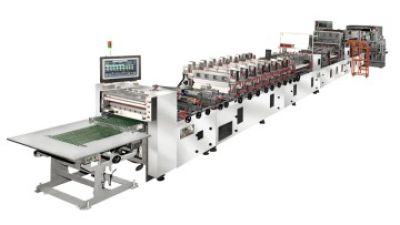
The High-Speed Flat Bottom Pouch Machine with Zipper is designed for flexible packaging manufacturers seeking faster output, dependable operation, and adaptable bag formats. Built in China with integrated electrical, pneumatic, and intelligent control technologies, this heavy-duty system uses multiple servo motors to coordinate film feeding, forming, sealing, zipper application, and cutting. Its stable performance and low-noise operation support continuous production while helping reduce material waste and labor dependence.
The machine is suitable for manufacturing flat bottom pouches, eight side sealing bags, and three side sealing bags in a variety of sizes and structures. With precise motion control and flexible parameter settings, it can handle different packaging materials and production requirements while maintaining consistent sealing quality. The zipper function adds convenience and improves package usability, making the equipment suitable for modern food, household, personal care, and general consumer packaging applications.
As a high-speed solution for mid-to-high-end flexible packaging lines, the machine is engineered for efficient workflow integration and reliable long-term performance. Its robust construction, user-friendly operation, and cost-conscious design help manufacturers increase production capacity without compromising pouch appearance or dimensional accuracy.
Start with the bag application, not the lowest price. Grocery bags need fast side sealing and accurate handle cutting. Heavy liners need strong bottom seals. Thin films need careful temperature control. The cheapest option may waste more material.
A side-seal machine suits many flat bags. It offers simple operation and steady output. Bottom-seal models work better for heavier liners and larger bags. Test the actual film before deciding.
A blown film line helps produce film in-house. It needs more floor space and trained operators. Thickness control must remain stable. This choice can become expensive when operators lack experience.
Test your planned film, bag size, thickness, and sealing pattern. Measure seal strength, dimensions, noise, and material waste. Check bags under heat and repeated handling. Short demonstrations can hide problems.
Watch a long production trial, not only a polished demonstration. Inspect film tracking, temperature control, cutting accuracy, and seal consistency. Measure sample bags carefully. One weak setting can create thousands of faulty seals.
Check registration accuracy, ink compatibility, and drying performance. Misaligned printing looks poor on every bag. Ask for printed samples from the actual trial. Small errors become obvious in large batches.
Request installation steps, operator training, manuals, wiring diagrams, and maintenance schedules. Confirm remote troubleshooting hours and written response times. Ask about spare-part delivery to your region. Support often matters most after payment.
Safety guards and emergency stops should never be optional. Confirm their operation during testing. Ask for clear maintenance procedures. A fast machine is not useful when basic safety remains uncertain.
Choosing the best Poly Bag Making Machine for global production requires more than comparing price and output speed. Buyers should first understand how the machine converts plastic film into finished bags through film feeding, sealing, cutting, and optional functions such as punching, printing, or handle forming. Different applications may require machines for shopping bags, garbage bags, packaging liners, courier bags, or other customized formats. Important specifications include bag dimensions, film thickness, production speed, sealing quality, automation level, energy use, and compatibility with suitable polyethylene materials.
A reliable purchasing decision also depends on supplier evaluation. Buyers should review machine construction, quality-control procedures, testing records, installation guidance, spare-parts availability, training, and after-sales response. Global purchasers should calculate the total cost of ownership, including shipping, setup, maintenance, energy consumption, and operator requirements. They should also confirm that the machine and finished products meet the relevant standards in their target markets. A balanced comparison of performance, flexibility, support, compliance, and long-term operating value can help buyers select equipment that fits both current production needs and future growth.