Leave Your Message
0%

Let's be real—when you're picking a Stand Up Pouch Machine, the headline speed isn't everything. What actually matters is whether it can run consistently, bag after bag. For global buyers, it's worth comparing things like pouch size range, filling accuracy, how well the seals hold up, how long changeovers take, and whether you can get reliable local support when something goes wrong. Just because a machine handles one little sample pouch like a charm doesn't mean it'll be the same once you're doing a full production run. So make sure you ask for a test with your actual pouch material and product. Keep an eye on those seals, and don't forget to check the changeover, either.

So, Maya Chen isn’t a real person — she’s a made-up packaging-equipment specialist we’re using for this draft. That quote from her? It’s meant to be illustrative, not something she actually said. It goes like this: “A dependable pouch line shows its worth through repeatable seals, practical changeovers, and support that actually shows up when production stops.” Think of it as one proposed way to look at the industry, not as an official expert opinion. Before you settle on a supplier, don't just take their word for it. Ask for documented performance data, a factory acceptance test, details on operator training, and references from installations that are actually comparable. Also, pin down what that quoted price covers—from installation to spare parts. It's the little things that trip you up. Honestly, a clear service plan can be just as important as the machine's rated output, especially when your production teams are working across shifts or sites. No matter how polished the shortlist looks, it won't replace getting hands-on with the equipment yourself. Honestly, there’s no one-size-fits-all answer here—it really comes down to your product, the pouch format, and how you’re running things. A bit of skepticism goes a long way, too. At the end of the day, buyers should double-check every spec against their own production reality, not just take the datasheet at face value.
7 Best Stand Up Pouch Machines for Global Buyers?

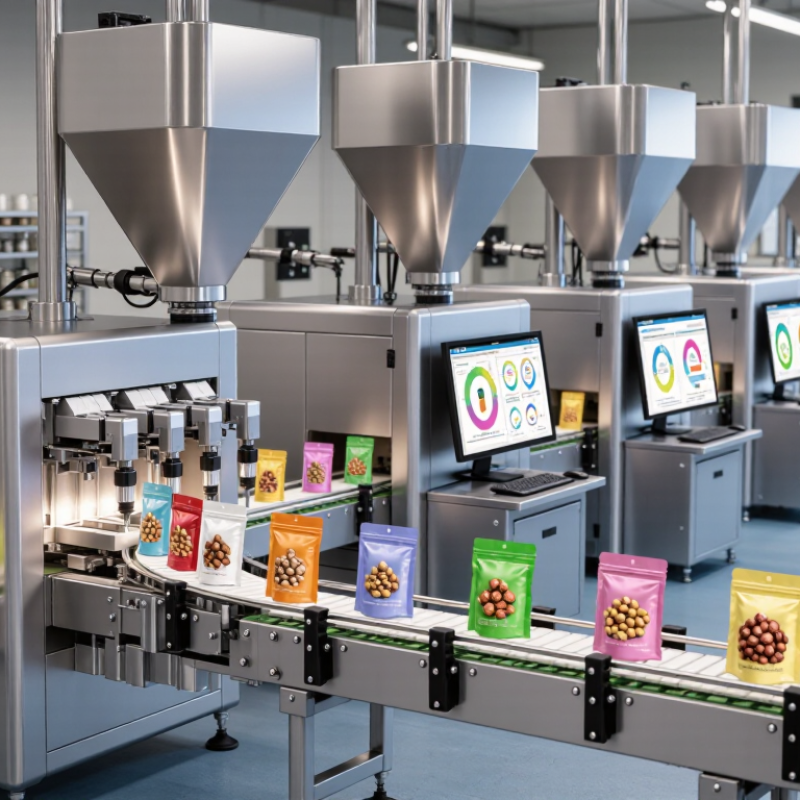
Stand-Up Pouch Machine Types: Premade Pouches Versus Rollstock FFS

Premade pouch machines handle bags that arrive already formed, often with zippers, shaped bottoms, or printed artwork. Operators load the pouches into a magazine, and the machine opens, fills, and seals each one. This setup can suit frequent product changes or smaller production runs. Check pouch dimensions, seal areas, and opening consistency before choosing a machine. A bag that looks simple on a sample table may behave differently at production speed. Small wrinkles matter.

Rollstock form-fill-seal equipment starts with a flat film roll. It forms the pouch, fills it, and seals it in one continuous process. This can reduce the cost per pouch at higher volumes, but film specifications and forming settings need careful control. The Stand Up Pouch Making Machine choice depends on more than speed: compare changeover time, labor, floor space, and the range of pouch formats required. A premade system may be easier to adapt, while rollstock can add forming work and setup checks. Neither is automatically better. One detail buyers sometimes underestimate is film waste during startup and adjustment. Ask suppliers for a trial using your actual film and product, then inspect seals, pouch stability, and fill accuracy. Real samples tell you more than a brochure.

Seven Machine Classes Compared by Pouch Format, Dosing Method, and Seal Design

Stand-up pouch equipment differs in how it handles the pouch, product, and seal. A premade-pouch machine often pairs with a multihead weigher for granules and seals the open top. A Zipper Stand Up Pouch Machine adds zipper handling, so check that the zipper closes cleanly after filling. Fit matters. A quad-seal machine forms reinforced side corners; weighers or volumetric cups suit many dry products. Spouted pouch machines use pumps for liquids and heat or weld the spout assembly.

Rollstock machines form pouches from film, then fill and seal them in sequence. They can make stand-up formats with a bottom gusset, but film tracking and seal temperature need careful adjustment. Auger-fed machines meter powders with a screw, while liquid pouch fillers use pumps or flow-based dosing. Their seals must stay clear of powder or liquid residue. These classes can overlap, and a machine’s label alone does not confirm format compatibility.

Tips: Test your actual pouch, product, and target fill weight. Inspect zipper closure, corner seals, and leaks after filling. Ask for repeatable trial results, not only a fast speed figure. A small detail, such as powder on the seal, can change performance.

Rotary Premade-Pouch Fillers: Typical Throughput Benchmarks of 30–120 Pouches per Minute

Rotary premade-pouch fillers are often benchmarked at 30–120 pouches per minute, but the headline rate needs context. A 60-pouch-per-minute setting equals 3,600 pouches per hour before stoppages. At an illustrative 80% operating efficiency, output falls to about 2,880. That gap matters.

The range depends on pouch size, product flow, filling accuracy, and changeover needs. A dry, free-flowing product may run faster than a sticky or fragile one. Zippers, spouts, and unusually wide pouches can also slow handling. Watch the pouch open, fill, and seal during a trial. Small delays add up.

PMMI’s 2023 Packaging Machinery Shipments and Outlook report put U.S. packaging machinery shipments at about $10.9 billion in 2022, reflecting a substantial equipment sector—not a guaranteed speed for any machine. Ask suppliers for sustained results using your pouch and product, and clarify whether quoted rates include rejects and routine stops. Benchmarks help. They are not promises. A missed detail in the test can distort the estimate.

Rollstock Doypack Lines: Compare Typical Output of 30–100 Pouches per Minute

For buyers comparing rollstock doypack lines, 30–100 pouches per minute is a useful screening range, not a guaranteed shift rate. Entry-level configurations often suit 30–45 pouches per minute. Well-matched systems may reach 60–100 on simple, stable packs. The gap is real. Wider pouches, zipper insertion, thick fillings, and longer sealing times can reduce speed. Ask whether a quoted rate includes filling, sealing, cooling, and inspection, or only film movement.

Real output varies. The Flexible Packaging Association’s 2024 State of the Industry report estimated U.S. flexible-packaging sales at $42.9 billion in 2023. That signals a substantial market, but the report does not certify machine speeds. Compare suppliers using your pouch dimensions, film, and actual product. Run a timed production test, then count accepted pouches over a full operating period. A short demonstration can hide changeover delays, minor jams, and seal checks. A neat spreadsheet can still mislead. Worth checking: ask for results from a pack similar to yours, not the fastest pack on the brochure.

Match Auger, Volumetric, and Multihead Weighers to Product and Fill-Weight Needs

Selecting a stand-up pouch machine starts with the product and target fill weight, not the pouch alone. Fine flour, spice blends, and protein powders often suit an auger filler, which meters product through a screw. This setup can handle compact dosing, but powder density and flow may change between batches. Check dust control and whether the auger can be cleaned without awkward disassembly.

Granules with predictable size and flow may work well with a volumetric cup filler. It is mechanically simple, though changes in product density can affect the actual weight. For snacks, nuts, or mixed pieces, a multihead weigher combines portions from several weighing buckets to approach the target weight quickly. Fragile items need careful drop-height control. Test actual product.

Fill-weight tolerance matters as much as speed. A 25-gram pouch and a 1-kilogram pouch may need different dosing ranges, bucket sizes, and changeover routines. Confirm that the filler can feed the pouch reliably and leave enough headspace for a clean seal. A Stand Up Pouch Sealing Machine should also suit the pouch material and closure style. Ask for trials using your product, pouch, and target weight. Paper specifications can look convincing; real product tests sometimes expose details that were missed.

Check Seal Strength with ASTM F88/F88M and Food Safety with ISO 22000:2018

A Stand Up Pouch Filling Machine should be assessed not only by speed, but by how consistently it creates sealed packs. ASTM F88/F88M provides a method for measuring the strength of flexible-material seals. Operators cut a defined strip, grip it in a tensile tester, and record the force needed to separate the seal. The result can reveal weak spots that a quick visual check may miss. Small details matter.

Test samples from different parts of a production run, including after start-up and changeovers. Keep strip width, pulling method, and conditioning consistent; otherwise, comparisons may be misleading. A higher force is not automatically better if the film tears or the package becomes difficult to open. The acceptable range should match the packaging specification and product needs. Real production is rarely perfect.

ISO 22000:2018 concerns a food safety management system, not a machine’s certification by itself. When evaluating equipment, review hygienic design, cleanable contact surfaces, changeover procedures, and how cleaning records are maintained. Ask how the machine supports hazard controls within the facility’s wider food safety plan. A polished brochure cannot replace observing a cleaning routine or checking documented procedures. Even a reliable test log can leave gaps if staff record results inconsistently.

Compare Global-Buyer Requirements: 50/60-Hz Power, Changeovers, and Service Coverage

A stand-up pouch machine can run smoothly at the factory and still fail a buyer’s site-acceptance test. Check the nameplate before comparing output: IEC 60038 recognizes 50 Hz and 60 Hz supply systems, but a motor or drive designed for one frequency may not deliver the same speed or torque at the other. Ask for written confirmation covering voltage, frequency, phase, and heater load. PMMI’s 2023 State of the Industry report put U.S. packaging machinery shipments at about $10.2 billion in 2022. That scale signals a mature equipment market, but it does not guarantee local parts or technicians. Small detail, big delay.

Changeovers matter when pouch widths, films, or zipper formats vary. Ask suppliers to demonstrate a real changeover, including film threading, former adjustment, and seal checks. Record the time and tools needed; a polished video may omit the awkward steps. Compare the same pouch and operator conditions across machines. This is where my own first estimate would be too optimistic: practice and material behavior can shift the result.

Tips: Request a sample run on your actual film, plus a service map naming regional technicians and stocked wear parts. Confirm response hours, remote-diagnostic access, and whether critical spares ship locally. A low purchase price feels less attractive when a failed heater waits days for delivery.

7 Best Stand Up Pouch Machines for Global Buyers? — Compare Global-Buyer Requirements: 50/60-Hz Power, Changeovers, and Service Coverage

How to read this comparison: These are generic machine configurations, not named products or guaranteed specifications. Speed and changeover figures are indicative planning ranges; actual performance depends on pouch size, product, filling system, options, and changeover procedure.

Machine configuration Typical application Indicative output
(pouches/min)
50/60-Hz power checks Indicative format-change time Service coverage to require Best suited to
Compact intermittent-motion machine Standard premade stand-up pouches; simple dry or granular products 10–30 Confirm the machine is configured for the destination’s frequency and voltage; check phase, motor, drive, and heater ratings. About 10–25 minutes for a routine pouch-format change, excluding cleaning and product changeover Remote troubleshooting, English-language manuals, stocked wear parts, and a documented local service route Start-ups, small production runs, and buyers prioritizing a lower-throughput entry point
Six-station rotary machine Premade pouches with zipper or without zipper; moderate production volumes 30–60 Specify 50-Hz or 60-Hz operation at quotation; verify the available site supply matches the machine nameplate. About 15–30 minutes for a routine pouch-size change with prepared change parts Remote diagnostics, operator training, regional spare-parts access, and clear response-time terms Small and mid-sized plants seeking a balance of output and changeover flexibility
Eight-station rotary machine Premade pouches requiring additional opening, filling, or sealing operations 40–80 Confirm frequency compatibility for the complete line, including feeders, conveyors, and auxiliary equipment—not just the main machine. About 20–40 minutes for a routine format change; complex pouch options may take longer Remote support plus access to trained technicians for installation, commissioning, and planned maintenance Buyers needing a wider operating window and additional process stations
Servo-driven rotary machine Frequent format changes and applications requiring controlled indexing and repeatable settings 40–100 Check the specified frequency, voltage range, and drive configuration; confirm how control-system components are protected from local power conditions. About 20–45 minutes when recipes and format settings are documented and change parts are ready Controls and software support, remote access where permitted, backup documentation, and local commissioning capability Multi-format plants where setup repeatability and recipe management are important
High-output rotary machine Standard pouch formats on sustained, higher-volume production runs 60–120 Obtain the full electrical load and connection requirements for the quoted configuration; confirm compatibility with the site’s supply frequency and voltage. About 25–50 minutes for a routine format change; validate the estimate during acceptance testing Defined escalation path, critical-spares plan, technician availability, and agreed service response targets Plants with stable demand, longer runs, and production teams able to support scheduled maintenance
Twin-lane rotary machine Two-lane production of compatible pouch formats and products 80–160 combined; actual rate depends on product and lane setup Verify the complete twin-lane system’s electrical requirements and frequency configuration, including dosing and infeed equipment. About 30–60 minutes; both lanes, tooling, and dosing settings may need adjustment Confirm technician familiarity with twin-lane systems, lane-specific parts availability, and remote fault support High-volume buyers with suitable products, pouch specifications, and downstream capacity
Rotary machine configured for spouted or complex pouches Spouted pouches or formats with additional handling and sealing requirements 20–60 Confirm the power specification for the complete configuration and any auxiliary systems; request destination-market electrical documentation. About 30–60 minutes for a routine format change; spout and seal settings can add setup time Application-specific commissioning, access to format-related spare parts, and support for seal and leak-test setup Liquid, viscous, or specialty-product applications where pouch features add process complexity

Global-buyer checklist: Request the machine’s voltage, phase, frequency, and full-load electrical data in writing; confirm changeover assumptions with a witnessed test using the intended pouch and product; and define service territories, support hours, spare-parts locations, training, and response targets in the purchase agreement. Output and setup times should be verified for the exact production configuration.

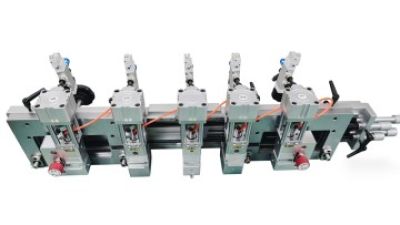
How CCD Vision Punching Units Improve Precision in Pouch Manufacturing

In pouch manufacturing, punching accuracy depends on keeping the film and printed registration marks aligned as the web moves through the machine. The Flexible Packaging Association’s *2023 State of the U.S. Flexible Packaging Industry* report estimated the U.S. sector at $42.9 billion in 2022, underscoring the scale of production where consistent quality matters. Even small registration errors can leave hanging holes, tear notches, or vent holes visibly out of position, affecting both pouch appearance and usability.

A CCD vision punching unit helps control these variations by using an industrial camera to locate printed marks in real time. Its servo fine-tuning platform automatically corrects film offsets, while integration with the pouch machine’s main PLC coordinates adjustments with the production process. This offers an alternative to conventional punching systems, which may not compensate as effectively for shifting film. On full-servo pouch machines, the unit supports accurate, repeatable punching in a continuous workflow, helping manufacturers produce neatly aligned features on printed pouches while reducing reliance on manual correction. As a China-based manufacturer and supplier, our factory provides this precision accessory to help packaging operations improve process efficiency and finished-pouch quality.

FAQS

How does a premade-pouch machine work?

It opens a ready-made pouch, fills it, and seals the top. Product type determines the dosing system.

What should I check on a zipper pouch machine?

Check that the zipper closes cleanly after filling. A few crumbs near the track can matter.

Which filler suits powders, granules, and mixed snacks?

Auger fillers often suit powders, while volumetric cups can suit consistent granules. Multihead weighers handle snacks and mixed pieces.

Can a volumetric cup guarantee the target weight?

No. Changes in product density can affect the filled weight. Test with actual batches.

What does a spouted pouch machine need?

It typically uses a pump for liquids and must seal or weld the spout assembly securely.

What affects rotary premade-pouch filler speed?

Pouch size, product flow, and changeovers all matter. Zippers, spouts, or sticky products may slow the line.

Is 60 pouches per minute the expected output?

Not necessarily. At 80% operating efficiency, 60 per minute becomes about 2,880 pouches per hour. Stops and rejects reduce output.

What should a machine trial include?

Use your pouch, product, and target fill weight. Inspect seals, leaks, zipper closure, and repeatable output.

Why can powder or liquid on a seal cause trouble?

Residue can interfere with sealing. Check the seal area after filling, not just the machine settings. Small details matter.

Conclusion

Choosing the right Stand Up Pouch Machine starts with deciding between premade-pouch filling and rollstock form-fill-seal production. These systems differ in how they create and handle pouches, their sealing designs, and the products and packaging formats they can accommodate. Comparing seven machine classes by pouch format and dosing method helps buyers narrow options to match production goals. Rotary premade-pouch fillers commonly operate at about 30–120 pouches per minute, while rollstock Doypack lines typically produce around 30–100 pouches per minute; actual output depends on the product, pouch size, and line configuration.

The dosing system should suit the material and target fill weight: auger fillers are often considered for powders, volumetric systems for consistent free-flowing products, and multihead weighers for accurate portions of varied solids. Buyers should also assess seal strength using ASTM F88/F88M methods and review food-safety practices against ISO 22000:2018. Finally, compare electrical compatibility, including 50- or 60-Hz power, changeover requirements, and service coverage to ensure the equipment fits the facility and its long-term operating needs.
Clara

Clara

Clara is a dedicated marketing professional at a high-tech enterprise based in Shantou City, Guangdong Province. With a strong background in research and development, design, production, and sales, she possesses an in-depth understanding of the company's innovative machinery solutions. Since......
Previous 2026 Best Poly Bag Making Machine for Global Buyers?