Leave Your Message
0%

When you're on the hunt for a hand bag making machine supplier in China, start with your production requirements – not those flashy catalog shots. I mean, McKinsey's The State of Fashion report for 2024 projects global fashion sales growth of just 2–4%. But hey, that's the overall fashion market, not really a direct indicator for bag-making equipment demand. Still, it shows you that manufacturers are really walking a tightrope between cost, quality, and flexibility. And you know what? The little things matter more than you'd think. Like, even when you're feeding through thick leather, you need consistent stitch spacing, clean edges, and it has to hold up for the whole shift without breaking down. It's those small details that separate the good from the great.

Honestly, when you're picking a handbag making machine, it's got to fit what your factory actually churns out – the materials, the styles, all of it. Don't just take the sales pitch at face value. Get the suppliers to bring the machine to you, or better yet, have them run a demo using your own leather or fabric. You've got to check things like cycle time, how long it takes to adjust settings, whether spare parts are easy to get ahold of, and if they'll train your operators properly. And don't just rely on pretty brochures – ask for actual numbers and sample outputs. Because a brochure can't show you how the machine behaves after it's been running for hours on end, right? That's where the real issues pop up. So do your homework before you commit. So Edwards Deming, that quality guru from manufacturing, once said, “Quality is everyone’s responsibility.” And honestly, that hits the nail on the head here. You can't just blame the machine—operator training, the inspection process, even how suppliers back you up, they all play a part in how that final bag turns out. Let's face it, no machine is flawless. When you're comparing options, it's smart to look beyond the shiny specs. You gotta factor in setup time, how much maintenance it'll need, and any quirks the seller mentions during demos. Doing this kind of homework means you're judging Chinese suppliers on real evidence, not just their smooth promises.
China Best Hand Bag Making Machine Supplier

Understanding Handbag Making Machines and Their Core Functions

A handbag making machine turns flat material into a structured bag through several coordinated operations. Depending on its design, it may feed sheets, crease fold lines, apply adhesive, form the body, and attach handles. Each stage affects the next. A crease placed a few millimeters off can leave the finished bag visibly uneven.

A Paper Hand Bag Making Machine is designed for paper bags, where material thickness and grain direction influence folding and bonding. Operators typically adjust feed guides, glue application, and forming pressure for each paper specification. Then they inspect seams, corners, and handle strength. Simple checks matter.

Automation can improve repeatability, but it does not remove every production issue. Humidity may soften paper, while excess adhesive can mark the surface or slow handling. I would not assume one setup suits every order; small test runs reveal problems early. A supplier’s technical guidance is useful when it explains changeovers, routine maintenance, and realistic output conditions, rather than promising identical results for every material.

Types of Handbag Machines Available from Chinese Suppliers

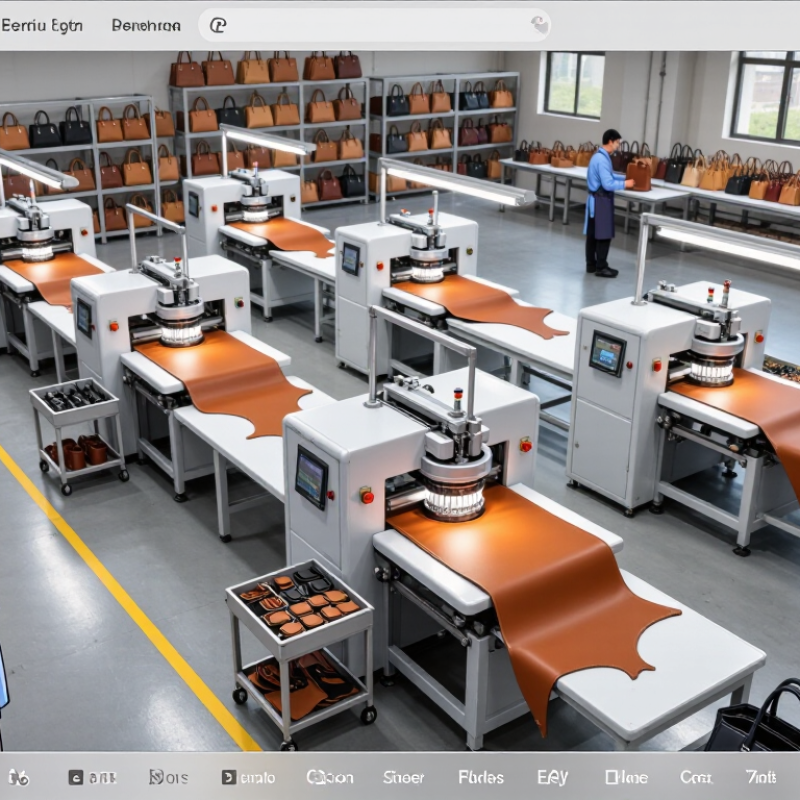
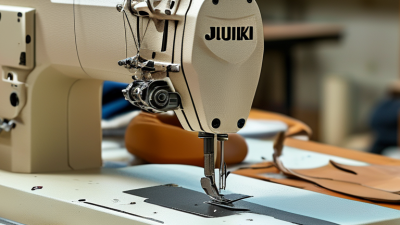
Chinese suppliers offer several machine types for different handbag materials and production stages. CNC knife cutters handle leather, fabric, and synthetic sheets, while hydraulic die-cutting presses suit repeated shapes and thicker stock. Skiving machines thin leather edges before folding. Post-bed and flatbed sewing machines then join panels, linings, and straps. Small details matter.

Finishing equipment may include edge-painting machines, embossing presses, and hardware-setting machines for buckles or rivets.

Grand View Research estimated the global handbag market at USD 51.3 billion in 2023, with projected growth of 6.8% annually from 2024 to 2030. This market estimate is not a forecast of machine sales, but it signals a broad production environment where flexibility matters.

Buyers should check sample quality, stitch consistency, and changeover time—not just advertised speed. A Second Hand Used Bag Making Machine may lower initial costs, but worn feed parts can create uneven seams and costly rework. Inspect it with the intended material.

Fast is not always efficient.

A supplier’s test run should use your actual leather thickness, thread, and pattern; otherwise, the result may not reflect daily production.

Key Features That Distinguish Leading Chinese Suppliers

Leading Chinese suppliers stand out through practical engineering, not simply a long feature list. A capable Bag Making Machine should handle the materials and bag styles a factory actually produces. Ask whether it can feed coated fabric evenly, keep seam spacing consistent, and manage corners without pulling the material. Details count. Clear information about speed, power requirements, and compatible materials helps buyers compare equipment without relying on vague claims.

Reliable suppliers also explain how machines are tested before shipment. Request a trial using your material, thread, and sample pattern. Watch for skipped stitches, uneven feeding, and adjustments that take too long. Ask what inspection records are available and which parts may need routine replacement. A polished brochure can still leave unanswered questions. That is worth noticing.

Technical support is another important distinction. Check whether manuals include clear setup steps, maintenance intervals, and troubleshooting guidance. Confirm how remote assistance works and whether replacement parts can be identified and ordered easily. No setup is perfect; operators may need time to learn a new machine, and actual output depends on material and workflow. A supplier who discusses these limits plainly can help buyers plan training, installation, and production expectations more realistically.

Manufacturing Capacity, Quality Control, and Industry Standards

A dependable hand bag making machine supplier should show how production capacity is measured, not just quote a maximum speed. Ask for output figures using your material, bag dimensions, and sealing pattern. A short trial run can reveal whether the machine feeds fabric evenly and holds consistent seal widths. Small details matter.

Quality control should begin before assembly. Inspect the frame, wiring, temperature sensors, and moving parts against documented checks. During a factory acceptance test, watch several production cycles, including start-up and changeovers. Record defects, adjustment time, and finished-bag measurements. One polished sample proves little.

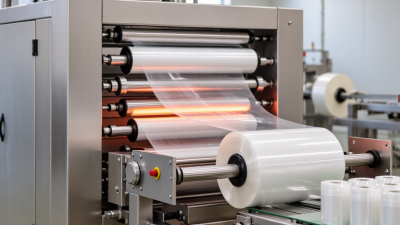
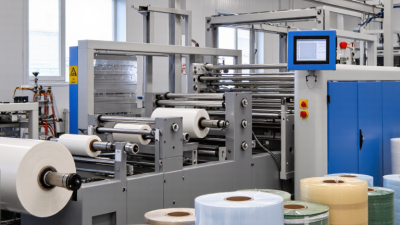
Industry standards vary by market and machine type, so request relevant safety documentation, operating instructions, and maintenance records. A supplier should explain how operators use guards and emergency stops, and how faults are logged. For a Pe Bag Making Machine, also check whether sealing temperature and cutting position remain stable across different film thicknesses. Ask for traceable inspection records. No line is perfect. I would still ask what happens when a sensor drifts or a seal fails; vague answers deserve a second look.

How to Evaluate and Select a Handbag Machine Supplier

China Best Hand Bag Making Machine Supplier
How to Evaluate and Select a Handbag Machine Supplier

Choosing a handbag machine supplier starts with your materials and production goals, not a catalogue headline. Describe the leather or fabric thickness, seam types, daily output, and bag designs you actually make. Ask the supplier to run a sample using your material. Watch the feed, stitch consistency, edge alignment, and how quickly an operator can adjust settings. Small details matter.

Check the machine’s working range, adjustment options, and maintenance requirements against your current workflow. Request clear specifications, operating instructions, and a parts list. Ask how technical support works, what training is available, and how replacement parts are handled. A polished demonstration is useful, but it cannot answer every question. Ask for a longer test run.

Compare total operating costs, not only the purchase price. Include setup, training, routine maintenance, and expected downtime in your estimate. Speak with existing customers who make similar products, where possible. A fast speed figure can mislead if feeding or material changes slow the line. I would also leave room for uncertainty: a supplier’s estimate may not match your workshop exactly. Record your sample results and confirm important details in writing before choosing.

How to Evaluate and Select a Handbag Machine Supplier

Suggested evaluation weighting (%) for comparing suppliers. Adjust the weights to match your production requirements.

Prioritize machine performance and material compatibility, then verify service support, customization options, spare-parts availability, and applicable safety compliance using supplier documentation.

Ordering, Installation, Training, and After-Sales Support

China Best Hand Bag Making Machine Supplier: Ordering, Installation, Training, and After-Sales Support

Ordering a bag-making machine should start with the product, not the price. Share sample bags, material thickness, target output, and available floor space with the supplier. Ask for a written configuration and a checklist of included parts. Small details matter: a different handle width may require another setting or accessory. Confirm lead time, packing method, installation scope, and who pays for travel before placing the order.

Installation works best when the site is ready. Check power, compressed air, floor level, and material flow before the technician arrives. During commissioning, run your own material and record speed, sealing quality, and changeover time. Training should cover safe operation, routine cleaning, basic fault checks, and settings for each product.

The World Economic Forum’s Future of Jobs Report 2023 estimates that 6 in 10 workers will need training before 2027. The figure is broad, but it underlines why operator training should not be treated as a one-hour handover. A checklist can miss real production habits; review it after the first week.

Tips: Ask for a remote troubleshooting contact, spare-parts list, and response-time commitment in writing. Keep photos of settings and maintenance records beside the machine. After-sales support matters most when a small fault stops a full shift.

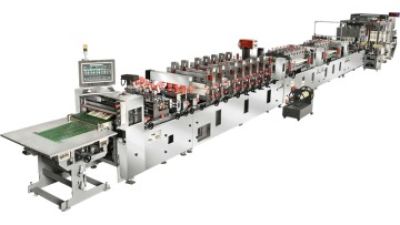
A Practical Guide to the DZF-500-1000TSZ CCD-Equipped Stand-Up Zipper Bag Making Machine

The DZF-500-1000TSZ CCD-equipped stand-up zipper bag making machine is designed for flexible packaging lines that need to produce doypacks, stand-up pouches, zipper bags, and three- or four-side-seal pouches. Its heavy-duty, multifunction design combines electrical, pneumatic, and servo-driven systems to support high-speed, stable operation with reduced noise. CCD equipment can assist visual monitoring during production, helping operators maintain pouch positioning and consistent quality. These capabilities are especially relevant as the Flexible Packaging Association’s *2023 State of the U.S. Flexible Packaging Industry* reported that U.S. industry sales reached $42.9 billion in 2022, a 7.5% increase over 2021.

For converters, production efficiency depends not only on machine speed but also on material use, labor requirements, and changeover flexibility. Multiple servo motors provide coordinated control across key operations, while the machine’s format range supports production of several common pouch styles on one platform. This can help manufacturers improve output, reduce avoidable raw-material waste, and limit reliance on manual intervention. For mid- to high-end packaging operations, the DZF-500-1000TSZ offers a practical way to expand capacity while maintaining dependable pouch quality across varied production demands.

FAQS

What should I tell a supplier before requesting a machine recommendation?

Share your material type, thickness, seam styles, bag designs, and daily production target. Specific details help narrow the options.

How can I check whether a machine handles my material well?

Ask for a trial using your fabric or leather, thread, and sample pattern. Watch the feed, seam spacing, and edge alignment. Look closely.

What problems should I watch for during a machine test?

Check for skipped stitches, uneven feeding, pulled corners, and adjustments that take too long. Record what you see.

Which machine specifications are useful to compare?

Review working range, speed, power needs, compatible materials, and adjustment options. A single speed figure can be misleading.

What support details should I confirm?

Ask about setup instructions, maintenance intervals, operator training, and remote help. Confirm how replacement parts are identified and ordered.

Should I compare machines by purchase price alone?

No. Include setup, training, routine maintenance, and possible downtime in your estimate. Small costs add up.

How can I judge whether a supplier’s production estimate is realistic?

Request a longer test run and, where possible, speak with customers making similar bags. Your workshop may get different results.

What should I keep on record before choosing a supplier?

Save sample results, specifications, parts lists, and written confirmations. I might be giving written records too much credit, but they make later checks easier.

Conclusion

A Hand Bag Making Machine helps manufacturers transform materials into finished handbags through processes such as cutting, stitching, shaping, and finishing. Chinese suppliers may offer different machines for specific production tasks, from individual operations to integrated equipment setups. When comparing options, consider each machine’s functions, compatibility with your materials and designs, operating efficiency, ease of use, and potential to support consistent product quality.

A reliable supplier should demonstrate suitable manufacturing capacity, clear quality-control procedures, and alignment with relevant industry standards. Evaluate technical specifications, customization options, communication, and the supplier’s experience before making a decision. Also clarify ordering details, delivery, installation, operator training, maintenance guidance, and after-sales support. Careful assessment of these factors can help you choose equipment that fits your production needs and establish a practical, dependable working relationship with your supplier.
Aurora

Aurora

Aurora is a dedicated marketing professional with extensive expertise in the field of machinery equipment. With a strong background in research and development, design, production, and sales, Aurora plays a pivotal role in enhancing brand visibility and communicating the company's core offerings.......
Previous 7 Best Stand Up Pouch Machines for Global Buyers?