Picking out a Flat Bottom Pouch Machine isn’t just about comparing how fast they run, what they cost, or how shiny they look in stainless steel. Honestly, there’s a lot more you should consider.
Recent reports really shed some light on why this choice actually matters. For example, Smithers’ report, *The Future of Flexible Packaging to 2028*, highlights how consumers and brands are still demanding lightweight, resealable, and shelf-friendly packaging — no surprises there. Plus, Grand View Research points out that the global flexible packaging market keeps growing steadily. All this puts pressure on manufacturers to crank out more bags — but without letting seal quality slip.
Here’s a good tip from Jorge Izquierdo, Vice President of Market Development at PMMI: “Automation is no longer a luxury; it’s a must.” And that totally makes sense, especially when it comes to pouch manufacturing. You want a machine that’s just right for your film type, pouch size, filling material, and the speed you need.
Don’t just look at the big picture — pay attention to the details. Things like the gusset-forming system, the width of the sealing jaw, how well the film tension is managed, the zipper unit, and servo precision — all these matter. If you’re working with powders, dust control and easy cleaning of the seals might be more important than just trying to hit a certain throughput. For heavier stuff, you need to test for the bag’s bottom strength and overall stability.
And just because a machine has a big frame doesn’t mean it’ll make you more money. It’s worth testing that theory, too. Ask your suppliers to run samples with your actual materials — whether it’s laminate, powders, granules, or liquids. Check out the seal strength, how many bags get rejected, how long changeovers take, and even how much compressed air it uses. Industry research from PMMI keeps pointing out that labor efficiency, automation, and reliable equipment are top priorities when choosing a machine.
But let’s be real — no single report can tell you exactly what’s perfect for your factory. A faster machine might waste material, or a cheaper one could cause costly downtime. The reality is, the best flat bottom pouch machine is the one that keeps bags consistent, is easy to maintain, and provides good value over the years you’ll be using it.
Define Your Flat Bottom Pouch Production Requirements
Choosing a flat bottom pouch machine starts with production facts, not catalogue speed.
Define the pouch size, film structure, filling weight, and daily output. A 500-gram snack pouch needs different forming control than a compact coffee bag. Record the largest and smallest pouch dimensions. Include gusset depth, zipper placement, seal width, and acceptable tolerance.
Smithers’ flexible packaging market data projects global demand to rise from approximately USD 257 billion in 2023 to over USD 300 billion by 2028. That growth increases pressure on converters to reduce waste and maintain consistent seals. Ask how many pouch styles will run each month. Frequent changes require accessible tooling, recipe storage, and short changeover procedures. For a Snack Flat Bottom Pouch Machine, check whether the stated speed applies to your film, pouch size, and filling conditions. It often does not.
Film behavior deserves a plant trial.
Recycled or thinner structures may wrinkle, stretch, or seal differently. Request test runs using your actual laminate, zipper, and product. Measure start-up waste, seal strength, registration accuracy, and rejected bags. PMMI industry research continues to identify automation, labor efficiency, and flexible production as major packaging priorities. Still, more automation can create maintenance complexity. I would not ignore that. Confirm compressed-air use, electrical load, cleaning access, operator training, and spare-part availability. A machine that fits the brochure may not fit your floor, workflow, or people.
Compare Pouch Machine Types and Forming Methods
How to Choose a Flat Bottom Pouch Machine?
Choosing a Flat Bottom Pouch Making Machine starts with the pouch structure, not the machine brochure. Compare forming methods carefully. Vertical form-fill-seal systems make bags from rollstock, using a forming collar, bottom gusset, and heat-sealed edges. They suit high-volume products with consistent powder or granular flow. Horizontal form-fill-seal systems offer more controlled handling for fragile products and complex shapes. Premade pouch machines reduce forming work, but their pouch costs and feeding requirements can be higher.
According to PMMI’s 2023 State of the Industry report, U.S. packaging machinery shipments reached 10.2 billion dollars in 2022. The report also forecast about 4.1% annual growth through 2027. This investment reflects demand for faster changeovers and improved automation. However, speed alone is a weak buying criterion. Ask for actual trials using your film, zipper, product weight, and target seal strength. Watch the gusset fold. Small wrinkles can become leaks.
I have seen teams choose four-lane forming because the output looked impressive. Later, frequent film adjustments reduced real production efficiency. That choice needed more reflection. Check changeover time, temperature control, material waste, and operator access. A machine running 80 bags per minute may be less practical than one running 55 bags with stable seals. Smithers’ flexible-packaging outlook also highlights recyclable structures and downgauging as key market pressures. Test future materials before signing. No forming method wins every format.
Evaluate Machine Capacity, Speed, and Pouch Size Range
Choosing a Flat Bottom Pouch Machine requires more than comparing advertised speeds. In a real packing room, floor space, product density, film structure, and sealing temperature affect output. Start with hourly demand, then add a practical safety margin of 15 to 20 percent. A machine running at its limit may look efficient. It can also create more stoppages.
Capacity should be measured through usable output, not cycle rate alone. Request testing with your actual product and film. Watch feeding accuracy, seal quality, film tracking, and changeover time. A Printed Flat Bottom Stand Pouch Machine may promise high pouch counts, yet cleaning and manual adjustments can reduce daily production. Record rejected pouches during a full shift. That figure often reveals more than a showroom demonstration.
Speed matters only when pouch quality stays consistent. Confirm the minimum and maximum pouch dimensions, including width, height, gusset, and fill volume. If product sizes vary, check how quickly operators can change forming parts and settings. A narrow size range may become expensive later. I once underestimated setup time during a similar evaluation. The calculation looked correct, but the schedule did not. Ask for documented tolerances, maintenance intervals, electrical requirements, and operator training details. Reliable suppliers should support realistic trials before purchase.
How to Choose a Flat Bottom Pouch Machine? - Evaluate Machine Capacity, Speed, and Pouch Size Range
| Machine Configuration |
Typical Product Capacity |
Typical Speed |
Compatible Pouch Width |
Compatible Pouch Height |
Typical Fill Range |
Best-Fit Application |
Key Evaluation Point |
| Intermittent-motion, single-lane |
Up to approximately 25 pouches/minute |
15–25 pouches/minute |
80–180 mm |
120–320 mm |
50 g–2 kg |
Small production runs, specialty foods, powders, and frequent product changeovers |
Prioritizes setup flexibility and accurate filling over maximum output |
| Intermittent-motion, multi-lane |
Up to approximately 45 pouches/minute |
25–45 pouches/minute |
90–220 mm |
140–380 mm |
100 g–3 kg |
Medium-volume packaging of granules, snacks, coffee, pet food, and dry ingredients |
Confirm whether the selected filling system can maintain accuracy at the target speed |
| Continuous-motion, single-lane |
Up to approximately 60 pouches/minute |
40–60 pouches/minute |
100–240 mm |
160–400 mm |
100 g–5 kg |
Stable, high-volume production with limited size changes |
Requires consistent pouch dimensions, film quality, and product flow |
| Heavy-duty, large-format |
Up to approximately 35 pouches/minute |
15–35 pouches/minute |
180–350 mm |
250–550 mm |
2–15 kg |
Bulk pet food, agricultural products, minerals, chemicals, and industrial materials |
Check frame strength, sealing temperature range, load-bearing components, and discharge height |
| Servo-driven changeover model |
Up to approximately 50 pouches/minute |
20–50 pouches/minute |
80–300 mm |
120–500 mm |
50 g–10 kg |
Manufacturers producing multiple pouch formats and product sizes |
Evaluate recipe storage, tool-free adjustments, changeover time, and operator access |
| Premade-pouch filling and sealing system |
Up to approximately 40 pouches/minute |
15–40 pouches/minute |
100–300 mm |
150–450 mm |
100 g–10 kg |
Premium products, printed pouches, zipper bags, and products requiring flexible packaging styles |
Verify pouch magazine capacity, zipper handling, opening reliability, and seal inspection |
| High-speed automated line |
Up to approximately 80 pouches/minute |
50–80 pouches/minute |
100–250 mm |
150–400 mm |
100 g–5 kg |
Large-scale production with automated weighing, checkweighing, metal detection, and case packing |
Assess the complete line speed; the slowest connected machine determines actual output |
|
Selection note: Actual output depends on product characteristics, target fill weight, pouch dimensions, filling accuracy, sealing time, pouch material, operator skill, and the number of changeovers. When comparing machines, request a product trial and confirm sustained production speed rather than relying only on the maximum rated speed.
|
Check Material Compatibility and Sealing Performance
How to Choose a Flat Bottom Pouch Machine?
Material compatibility should guide your machine selection. A pouch line may handle one film well and struggle with another. Check the film structure, thickness, stiffness, and surface treatment before reviewing machine speed. Common structures include polyethylene, polypropylene, laminates, paper-based films, and foil combinations. Each material transfers heat differently.
Ask for controlled trials using your actual production material. Observe feeding, forming, cutting, and pouch opening. A film that wrinkles near the forming shoulder may need better tension control. Excessive static can also cause misalignment. Small details matter. They affect waste and downtime.
Sealing performance deserves close attention. Review sealing temperature, pressure, dwell time, and cooling control. The machine should create a clean seal without burning the film or leaving weak corners. Test both the seal strength and appearance after filling. A pouch may look acceptable but leak during transport. I have seen test results change after several hours of storage. That is easy to overlook.
Choose a machine with adjustable sealing jaws and clear temperature monitoring. Ask how quickly operators can change settings between materials. Simple adjustments reduce mistakes. Still, no machine removes every production risk. One successful trial is not enough. Repeat tests with different roll batches, filling weights, and operating speeds. Your decision should reflect real factory conditions, not only a polished sample.
Assess Automation Features, Controls, and Changeover Time
A Flat Bag Making Machine should be judged by its working rhythm, not its brochure speed. Ask for automatic film tracking, tension correction, fault detection, and recipe storage. These features reduce operator intervention when roll diameter or material stiffness changes. In a plant trial, watch the web near the forming collar. Does it wander? Does the controller correct smoothly, or does an operator keep touching the guide? Small interventions become expensive during long shifts.
Controls need equal attention. A clear HMI should show temperature zones, registration error, seal pressure, alarm history, and production counts. Access levels should protect recipes while allowing approved adjustments. Deloitte’s 2024 Smart Manufacturing Survey reported that 86% of manufacturers view smart manufacturing as a major competitiveness driver within five years. Yet digital control is not automatically useful. A crowded screen can slow response. Test it with a gloved operator. That detail matters.
Measure changeover from the last good pouch to the first verified pouch. Include cleaning, tooling, recipe loading, and quality checks. PMMI’s 2024 State of the Industry research identifies labor availability and workforce skills as continuing automation pressures. Repeatable changeovers therefore have practical value. Ask for logged changeover data, not a best-case demonstration. A claimed “ten-minute changeover” may exclude film threading and seal verification. A perfect score on paper can mislead.
How to Choose a Flat Bottom Pouch Machine?
Assess Automation Features, Controls, and Changeover Time
The chart uses a five-point selection scale. Higher scores indicate more automation, stronger control capabilities, and faster changeovers. Fully automatic systems generally reduce manual intervention and setup time, while simpler configurations may offer lower initial complexity but require more operator involvement.
Review Safety, Maintenance, Cost, and Supplier Support
When choosing a flat bottom pouch machine, inspect safety before discussing production speed.
Check fixed guards, door interlocks, emergency stops, and clear electrical labeling. Operators should reach controls without leaning across hot sealing jaws. Dust around the film path also deserves attention. Small details matter.
Maintenance affects daily reliability.
Look for tool-free access to sealing jaws, sensors, and forming tubes. Ask how often lubrication, calibration, and cleaning are required. During a factory evaluation, request a demonstration after several hours of running. Heat drift may appear later, not during a short test. No evaluation is perfect.
Compare the total cost, not only the purchase price.
Include energy use, spare parts, film waste, changeover time, and planned downtime. A cheaper machine can become expensive when one sensor delays production for two days. Supplier support is equally important. Ask for operator training, maintenance manuals, remote diagnostics, and documented response times. Confirm whether critical spare parts are locally available. Request references from users with similar pouch sizes and materials. Good support prevents confusion. Still, promises should be recorded in the contract. I would also allow budget for unexpected adjustments, because real production rarely matches the first trial.
High-Speed Zipper Bag Making Machine: Features, Benefits, Applications, and Buying Guide
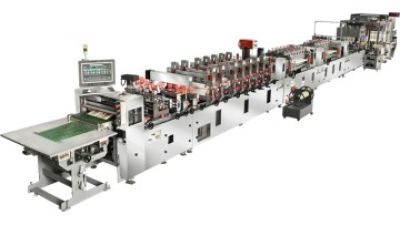
The Heavy-Duty High-Speed Multi-Function Stand-Up Pouch Making Machine is designed for manufacturers seeking efficient, flexible, and stable pouch production. Equipped with multiple servo motors and an integrated light, electrical, and pneumatic control system, it supports accurate feeding, sealing, cutting, and zipper processing. Its low-noise operation, high-speed performance, and durable structure make it suitable for producing doypack bags, stand-up bags, zipper bags, four-side sealing pouches, and three-side sealing pouches.
This machine can increase production capacity while reducing raw material waste and dependence on manual labor. Precise servo control helps maintain consistent pouch dimensions and sealing quality, which is important for mid-to-high-end flexible packaging lines. It can also be configured for different materials, pouch sizes, sealing structures, and production requirements, allowing manufacturers to handle diverse packaging orders with greater efficiency.
When choosing a high-speed zipper bag making machine, buyers should evaluate maximum bag width, production speed, zipper and sealing compatibility, automation level, material range, and changeover time. Reliable electrical components, convenient operation, accessible maintenance points, and responsive technical support are also important considerations. A machine supplied directly from an experienced manufacturing facility can provide practical customization, stable quality control, and better long-term value for growing packaging operations.
FAQS
Start with the pouch structure, not the machine brochure. Compare forming methods, product flow, film type, pouch size, and seal requirements.
Vertical systems form bags from rollstock using a forming collar and bottom gusset. They suit high-volume powders and granules with consistent flow.
Horizontal systems provide gentler handling for fragile products and unusual pouch shapes. They may offer better control during filling and sealing.
They reduce pouch-forming work. However, premade pouches can cost more and may require stricter feeding control. The easier option is not always cheaper.
No. A machine producing 55 stable bags per minute may outperform one producing 80 bags with frequent seal problems.
Request trials using your actual film, zipper, product weight, and seal target. Watch the gusset fold closely. Small wrinkles can cause leaks.
Check fixed guards, door interlocks, emergency stops, and clear electrical labels. Look for tool-free access to sealing jaws, sensors, and forming tubes.
Include energy, spare parts, film waste, changeovers, and planned downtime. One failed sensor can stop production for two days.
Ask for training, maintenance manuals, remote diagnostics, and written response times. Confirm local spare-parts availability and record promises in the contract.
Yes. Test thinner and recyclable structures before signing. Their sealing behavior may differ. The first trial may not predict long-term production.
Conclusion
Choosing the right Flat Bottom Pouch Machine starts with clearly defining your production requirements, including pouch dimensions, materials, expected output, and product characteristics. Compare different machine types and pouch-forming methods to identify the configuration that best matches your packaging goals. Capacity, operating speed, pouch size range, and ease of adjustment should be evaluated carefully to ensure reliable performance as production demands change.
Material compatibility and sealing quality are equally important, especially when working with different film structures or pouch formats. Consider automation features, control systems, changeover time, and operator convenience to improve efficiency and reduce downtime. You should also review safety functions, maintenance requirements, energy use, total operating cost, spare-parts availability, and technical support. A well-chosen machine should provide stable pouch quality, consistent production, flexible operation, and dependable long-term value. Comparing these factors systematically will help you select equipment that supports both current needs and future growth.