Leave Your Message
0%

Picking the right Pouch Equipment isn’t just another purchase—it’s a practical decision. The machine has to fit your product, your film structure, your pouch style, and the production volume you’re actually expecting. A liquid detergent pouch is not handled the same way as a dry snack pouch. Seal pressure, filling accuracy, dust control, and film tension? All of it matters.

Jim Pittas, President and CEO of PMMI, put it this way: “Automation is key to maintaining a competitive edge.” That’s true, but it deserves some careful thought. Automation can make things more consistent, sure. But it can’t magically fix a poorly designed package or the wrong film. The best Pouch Equipment should support reliable filling, stable sealing, quick changeovers, and safe operator access. It should also leave room for future products. And honestly, that flexibility gets overlooked a lot.

Take a close look at the factory floor. Is there enough space around the machine? Can operators reach the sealing jaws without twisting themselves into knots? How long does cleaning take after a sticky product run? Those little details affect output every single day. Ask suppliers for test results using your actual product and packaging material. Get real numbers for waste, seal strength, changeover time, and compressed-air consumption. Don’t just rely on impressive speed claims. Faster isn’t always better.

Even experienced buyers slip up. I’ve seen projects chase hourly output while ignoring service response and spare-parts availability. That can get expensive fast. Compare the full ownership cost—training, maintenance, energy use, downtime, all of it. A dependable Pouch Equipment partner should be honest about limitations. And that honesty might reveal a better machine, or a redesign you need, before installation even begins.
How to Choose the Right Pouch Equipment?

Define Your Pouch Packaging Requirements

How to Choose the Right Pouch Equipment?

Define Your Pouch Packaging Requirements

Choosing pouch equipment starts with a measurable packaging brief, not a machine catalogue. Define the product, pouch style, fill weight, target output, and available floor space. The Flexible Packaging Association’s 2024 State of the Flexible Packaging Industry Report valued U.S. sales at $39.5 billion in 2023. This growth increases equipment choices, but it also increases selection risk. Smithers forecasts the global flexible packaging market will approach $300 billion by 2028. Your requirements must be specific.

Record the product’s density, moisture sensitivity, temperature, and flow behavior. A 500-gram powder may bridge inside a narrow hopper. A sticky sauce may require heated product paths and stronger sealing control. Note the pouch width, gusset depth, zipper type, and film structure. Then define acceptable seal strength, leak limits, and oxygen or moisture barriers. Do not estimate these values casually. Ask material suppliers for verified technical data.

Production goals need equal attention. State the average speed, peak speed, changeover frequency, and labor available per shift. A machine running 80 pouches per minute may fail if cleaning takes three hours. Include inspection, coding, dust control, and reject handling. A practical trial should test real product, film, and fill weights. A clean demonstration can mislead. My checklist would still be incomplete without seasonal variation and future pouch sizes. Leave room for correction; equipment decisions rarely survive unchanged.

Identify the Materials and Pouch Formats You Need

How to Choose the Right Pouch Equipment?

Identify the Materials and Pouch Formats You Need

Choosing pouch equipment starts with the material, not the machine’s advertised speed. In packaging trials, I have seen excellent equipment struggle with thin films and uneven seals. Material thickness, stiffness, coating, and seal temperature all affect performance. A pouch designed for dry seeds may use polyethylene, laminated film, paper-based layers, or recyclable mono-material. Each option requires different sealing pressure and temperature control.

Pouch format matters just as much. Flat pouches suit lightweight seed portions and simple filling lines. Stand-up pouches need stronger bottom seals and accurate forming. Gusseted bags provide more volume but demand careful film tracking. Zipper closures, tear notches, and transparent windows also change the equipment configuration. Seed Packing Pouch Equipment should match the pouch’s dimensions, opening style, and filling weight.

Check the real production conditions. Measure powder or seed dust, filling accuracy, seal width, and changeover time. Small seeds can collect near the seal area. That detail is easy to miss.

Test several material samples before approving a machine. A pouch may look attractive but fail after vibration, stacking, or temperature changes. I would also question overly precise supplier promises. Actual results depend on film quality, operator training, and maintenance discipline. неприятно

Match Equipment Features to Your Production Process

How to Choose the Right Pouch Equipment?

Match Equipment Features to Your Production Process

Choosing pouch equipment should begin with your production process, not a catalog photo. Review pouch size, material thickness, filling accuracy, sealing temperature, and expected output. Iso Packaging Pouch Equipment must fit the product’s flow, from fine powders to liquid contents. A narrow seal may fail when dust reaches the sealing area. A weak film path can also create wrinkles near the zipper or spout. Small details matter.

In practical line reviews, operators often reveal problems that specifications miss. Ask them to test changeover time, cleaning access, control settings, and jam recovery. Run sample materials through the equipment before approval. Check seal strength, leak resistance, and weight consistency under normal production speed. Document every result. A fast machine is not always the best machine. Sometimes, a slower unit produces fewer rejected pouches. That trade-off deserves honest review.

Tips: Match the filler to product behavior. Test the widest pouch and thinnest film. Confirm spare-part availability and operator training. Leave space for inspection equipment. Recheck settings after long runs. I have seen teams overlook heat drift during extended testing. It was a costly lesson. Keep the process flexible. Production rarely stays unchanged.

Evaluate Speed, Capacity, and Automation Levels

Choosing pouch equipment requires more than comparing advertised output. Speed should match product behavior, pouch size, and sealing conditions. A machine rated at 100 pouches per minute may slow down with heavier filling or frequent size changes. Ask for a production trial using your actual material. Measure stable output, not a brief peak. Record rejects, stoppages, and changeover time.

Capacity affects both daily volume and future flexibility. Calculate required pouches per shift, then include cleaning, inspection, and planned maintenance. Running near maximum capacity leaves little room for moisture variation or operator adjustments. It sounds efficient. It can become fragile. Check hopper volume, film roll diameter, sealing-jaw temperature range, and available floor space. Confirm whether the feeder handles your product without crushing, bridging, or uneven dosing.

Automation should solve a defined labor or quality problem. Basic systems may suit short runs and frequent manual changes. Higher automation can control filling, sealing, coding, and inspection, but it also needs trained operators and reliable sensors. Review alarm history, recipe control, data access, and safety interlocks with a qualified technician. Do not judge automation by screen size. Watch an operator recover from a jam. That moment often reveals the real learning curve. I would also budget for the imperfect day: a new film roll, a sticky product, or a tired shift. Equipment that performs only in ideal conditions is not truly productive.

How to Choose the Right Pouch Equipment?

Evaluate speed, capacity, and automation levels using typical reference values for common pouch-packaging configurations.

Higher speed is useful for large production volumes, while greater hopper capacity can reduce refill frequency. Higher automation levels generally support more consistent operation and less manual intervention. Actual performance depends on product properties, pouch size, filling accuracy, and line configuration.

Check Compatibility, Quality Control, and Changeover Needs

Choosing pouch equipment starts with compatibility, not machine speed. Match the forming set to pouch width, gusset depth, film thickness, zipper profile, and filling temperature. A laminated film may run smoothly in trials but wrinkle near the seal jaw. Check web tension, registration accuracy, seal-bar pressure, and material memory with actual production rolls.

PMMI’s 2023 State of the Industry Report recorded approximately $10.2 billion in U.S. packaging machinery shipments during 2022. That investment reflects a practical need for reliable, adaptable lines.

For quality control, ask for seal-strength testing under ASTM F88 conditions and leak testing after filling. Record temperature, dwell time, pressure, and reject rates. Lab Test Pouch Making Equipment should include repeated trials, not one successful sample. A clean seal is not enough.

Changeover capability matters when products change daily. Look for recipe storage, tool-less adjustments, clear scale markings, and accessible film paths. Smithers’ flexible packaging outlook identifies shorter runs and format variation as continuing market pressures.

Therefore, measure changeover time with operators present. Five minutes on a brochure can become twenty beside a hot sealing jaw. The uncomfortable detail: automated settings still need human judgment. Dust, film curl, and uneven zipper feeding can defeat perfect calibration. Ask suppliers to demonstrate three pouch sizes, then inspect waste, operator steps, and restart stability. Keep those trial records before purchase.

Compare Costs, Maintenance, Safety, and Supplier Support

How to Choose the Right Pouch Equipment?

Cost should be measured beyond the purchase price. For Juice Stand Up Spout Pouch Equipment, compare output speed, energy use, spare parts, and changeover time. A cheaper machine may need frequent adjustments. That hidden labor can reduce production capacity. Request a sample run using your actual pouch film and liquid. Check seal strength, filling accuracy, and rejected pouch rates. Record results carefully. Small differences become expensive over thousands of units.

Maintenance access matters every working day. Look for tool-free cleaning points, clear inspection windows, and commonly available replacement parts. Ask how long routine servicing takes. Safety features should include guarded moving parts, emergency stops, stable frames, and clear operating instructions. Operators should not need improvised fixes. That happens sometimes. It deserves attention. Supplier support also requires evidence, not promises. Check training options, response times, technical documentation, and remote troubleshooting procedures. Ask for references from facilities with similar pouch sizes and production volumes. A reliable supplier explains limitations honestly. If answers remain vague, pause before ordering. I would also test the equipment after deliberate minor setup errors, because real operators occasionally miss a setting. The machine should fail safely, display a useful warning, and recover without damaging sealed pouches.

How to Choose the Right Pouch Equipment? – Compare Costs, Maintenance, Safety, and Supplier Support

Comparison of common pouch-packaging equipment options. Costs are typical planning ranges in USD for new equipment and may vary according to output, pouch size, automation level, filling accuracy, materials, and regional installation requirements.

Equipment Type Typical Applications Typical Output Indicative New Equipment Cost Maintenance Profile Safety and Compliance Priorities Supplier Support to Require Best Fit Overall Value
Manual / Semi-Automatic

Manual pouch filling and sealing station
Small production runs, samples, seasonal products, powders, granules, and products with frequent changeovers. Approximately 5–20 pouches per minute, depending on operator skill and product characteristics. US$2,000–US$15,000
Excluding optional scales, conveyors, and inspection devices.
Low mechanical complexity. Requires regular cleaning, seal-bar inspection, calibration of weighing devices, and replacement of sealing elements. Guard heated surfaces, provide emergency-stop controls, manage repetitive-motion risks, and use suitable food-contact materials where applicable. Operator training, spare sealing parts, setup guidance, remote troubleshooting, and clear cleaning instructions. Start-ups, pilot production, and low-volume operations. ★★★★☆
Premade Pouch

Premade pouch filling and sealing machine
Snacks, pet food, coffee, powders, liquids, sauces, and products requiring high presentation quality. Approximately 20–70 pouches per minute, depending on pouch style, filling system, and product properties. US$25,000–US$100,000+
Higher for multi-lane, vacuum, zipper, or specialized filling configurations.
Moderate complexity. Requires scheduled lubrication where permitted, sensor cleaning, jaw and gripper inspection, and change-part management. Interlocked guards, emergency stops, controlled access to moving parts, seal-temperature monitoring, and verification of seal integrity. Factory acceptance testing, installation support, recipe setup, format-change training, recommended spare-parts list, and response-time commitments. Medium-volume production with several pouch formats. ★★★★★
Vertical Form-Fill-Seal

VFFS machine with integrated filler
Granules, powders, snacks, frozen foods, and free-flowing products packed from rollstock film. Approximately 30–120 pouches per minute; actual speed depends on product flow, pouch size, and sealing dwell time. US$35,000–US$150,000+
Multihead weighers, auger fillers, and gas-flush systems increase the total cost.
Moderate to high. Requires film-path cleaning, forming-collar inspection, sealing-jaw checks, sensor alignment, and periodic calibration. Guarding around forming and sealing areas, film-cutting protection, electrical safety, dust-control measures, and appropriate lockout procedures. Product trials, film compatibility testing, commissioning, preventive-maintenance schedules, software support, and parts availability. High-throughput products using rollstock film. ★★★★★
Horizontal Form-Fill-Seal

HFFS machine
Stand-up pouches, sachets, three-side-seal packs, liquids, viscous products, and products needing precise pouch shaping. Approximately 40–180 pouches per minute, depending on machine lanes, product dosing, and pouch design. US$60,000–US$250,000+
Complex zipper, spout, shaped-pouch, and multi-lane systems may cost more.
High complexity. Requires accurate alignment, sealing-jaw inspection, servo and pneumatic checks, film tracking, and regular format-part replacement. Full perimeter guarding, interlocked access doors, pneumatic isolation, emergency stops, controlled heat zones, and validated seal performance. Application engineering, pouch-design review, sample testing, production ramp-up support, operator certification, and local service capability. High-volume, premium, or specialty pouch formats. ★★★★☆
Premade Pouch + Multihead Weigher

Weighing and pouch-filling line
Snacks, confectionery, nuts, dried foods, hardware, and other free-flowing products requiring portion control. Approximately 30–100 pouches per minute, depending on target weight, product consistency, and number of weigh heads. US$70,000–US$220,000+
Includes the filling system but may exclude metal detection, checkweighing, and conveyors.
Moderate to high. Requires cleaning of contact parts, load-cell checks, vibration control, belt inspection, and software recipe management. Hygienic design, food-contact documentation, guarding around moving parts, overload protection, and accurate weight verification. Product testing, target-weight validation, calibration support, recipe backup, sanitation training, and replacement load cells or sensors. Accurate portioning of dry, free-flowing products. ★★★★★
Auger Filler Line

Auger-based powder pouch system
Flour, spices, milk powder, coffee, supplements, chemical powders, and other dry powdered products. Approximately 20–80 pouches per minute, depending on powder behavior, fill weight, and dust-control design. US$45,000–US$180,000+
Nitrogen flushing, dust extraction, and high-accuracy dosing can increase the investment.
Moderate to high. Requires auger and hopper cleaning, dust removal, seal inspection, calibration, and wear-part replacement. Dust extraction, grounding and bonding, suitable electrical classification where required, enclosed powder handling, and hygienic cleaning procedures. Powder-flow trials, dust-management guidance, auger-sizing support, changeover assistance, and calibration documentation. Consistent dosing of powders and fine particulates. ★★★★☆
Liquid / Viscous Filler

Liquid pouch filling and sealing machine
Sauces, detergents, beverages, gels, creams, oils, and other liquid or semi-liquid products. Approximately 20–100 pouches per minute, depending on viscosity, fill volume, and cleaning requirements. US$40,000–US$180,000+
Pumps, heating systems, CIP features, and multi-lane designs affect the final cost.
Moderate to high. Requires pump and nozzle cleaning, leak checks, hose inspection, seal-jaw cleaning, and sanitation validation. Spill containment, hygienic design, electrical protection against moisture, guarded moving parts, and validated leak-free seals. Viscosity testing, filling-accuracy trials, cleaning validation, nozzle support, spare pump components, and technical training. Liquid products with defined fill-volume requirements. ★★★★☆
Integrated Automated Line

Complete pouch line with inspection and case packing
Large-scale operations requiring automatic feeding, pouch filling, checkweighing, metal detection, coding, inspection, and secondary packaging. Approximately 60–200+ pouches per minute, subject to the slowest component in the line. US$150,000–US$500,000+
Total cost depends on line integration, inspection technology, robotics, and factory utilities.
High system complexity. Requires planned downtime, preventive maintenance, automation backups, sensor checks, and coordinated service across modules. Risk assessment for the complete line, interlocked guarding, emergency-stop zoning, electrical compliance, hygienic design, and documented validation. Single-point project management, line-performance guarantees, integration testing, training, spare-parts planning, software backup, and service-level agreements. High-volume plants prioritizing labor reduction and consistent output. ★★★★★

Selection guidance: Compare total cost of ownership rather than purchase price alone. Include utilities, compatible film or premade pouches, tooling, installation, operator training, spare parts, preventive maintenance, downtime, inspection equipment, and expected product changeover frequency. Before purchase, request a product trial using the actual pouch material and product, documented safety compliance, acceptance-test criteria, and written supplier response times.

China CCD Vision Punching Units for Pouch Machines: Precision, Quality, and Supplier Selection Guide

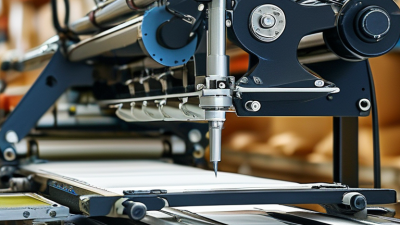
The global flexible packaging market was valued at approximately **US$255.9 billion in 2023**, with continued growth expected through 2030, according to Grand View Research. As pouch production expands, manufacturers require punching systems that maintain accuracy at high speeds while protecting printed graphics. A China-made CCD vision punching unit addresses this need by combining an industrial CCD camera with a servo fine-tuning platform. It monitors registration marks in real time, automatically corrects film deviation, and supports clean, consistent punching for hanging holes, tear notches, and vent holes.

Supplier selection should focus on more than the camera itself. Buyers should verify compatibility with full-servo pouch machines, communication with the main PLC control system, response speed, adjustment range, and the supplier’s ability to provide installation support and spare parts. The PMMI *Global Packaging Trends* reports emphasize automation, integrated controls, and reduced material waste as major priorities for packaging manufacturers. In this environment, closed-loop vision correction can reduce misalignment defects and help maintain stable production without repeated manual intervention. A qualified factory should also provide application testing, customized mounting solutions, clear technical documentation, and quality inspection before shipment, enabling the unit to integrate smoothly into an uninterrupted pouch-making process.

FAQS

How should I choose pouch equipment for my product?

Start with the film, pouch shape, filling weight, and sealing temperature. Thin films may wrinkle or seal unevenly. Test real materials before choosing equipment. Do not guess.

Which pouch formats need special equipment features?

Flat pouches suit lightweight portions and simple filling lines. Stand-up pouches need strong bottom seals and accurate forming. Gusseted bags require careful film tracking. Zippers, tear notches, and windows also change the machine setup.

How can I verify the machine’s actual production speed?

Request a trial using your material, pouch size, and normal filling weight. Measure stable output, rejects, stoppages, and changeover time. Peak speed can look impressive but may not last. Record the slower moments too.

What should I check before buying a high-capacity system?

Calculate pouches per shift, including cleaning, inspection, maintenance, and product changes. Avoid operating continuously near maximum capacity. Moisture variation and operator adjustments need spare capacity. It sounds efficient. It can become fragile.

What should the feeder handle during production?

The feeder should dose consistently without crushing, bridging, or uneven delivery. Small seeds or particles may gather near the seal area. That detail matters. Check hopper volume and filling accuracy during repeated trials.

Is higher automation always the better choice?

Automation helps when it solves clear labor, quality, or consistency problems. It still requires trained operators, reliable sensors, and sensible maintenance. Watch someone clear a jam. That moment reveals more than a large screen.

How should I test sealing and pouch quality?

Test seal strength, leakage, temperature, dwell time, pressure, and reject rates. Inspect filled pouches after vibration, stacking, and temperature changes. A clean seal is not enough. Repeat the test.

What makes equipment easy to change over?

Useful features include recipe storage, tool-less adjustments, clear scales, and accessible film paths. Measure changeover time with real operators beside the equipment. A five-minute claim may become twenty minutes. Dust, film curl, and uneven zipper feeding can still disrupt settings.

Conclusion

Choosing the right Pouch Equipment begins with a clear understanding of your packaging requirements, including pouch size, product type, filling volume, sealing method, and expected production output. You should identify the materials and pouch formats you plan to use, then select equipment that can handle those specifications consistently. Consider whether the machine supports your production process, desired operating speed, capacity, and preferred level of automation.

It is also important to evaluate compatibility with existing systems, product protection, sealing quality, inspection functions, and changeover convenience when switching between pouch formats. A complete comparison should include purchase cost, operating efficiency, maintenance requirements, safety features, and the availability of technical support and spare parts. By reviewing these factors together, you can choose equipment that improves productivity, reduces downtime, supports reliable quality control, and remains suitable for future production growth.
Aurora

Aurora

Aurora is a dedicated marketing professional with extensive expertise in the field of machinery equipment. With a strong background in research and development, design, production, and sales, Aurora plays a pivotal role in enhancing brand visibility and communicating the company's core offerings.......
Previous How to Choose Pouch Equipment in 2026?