Leave Your Message
0%

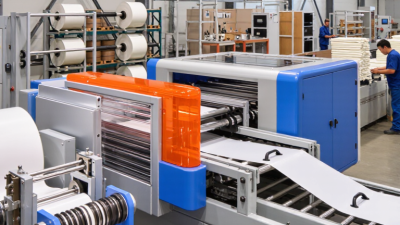
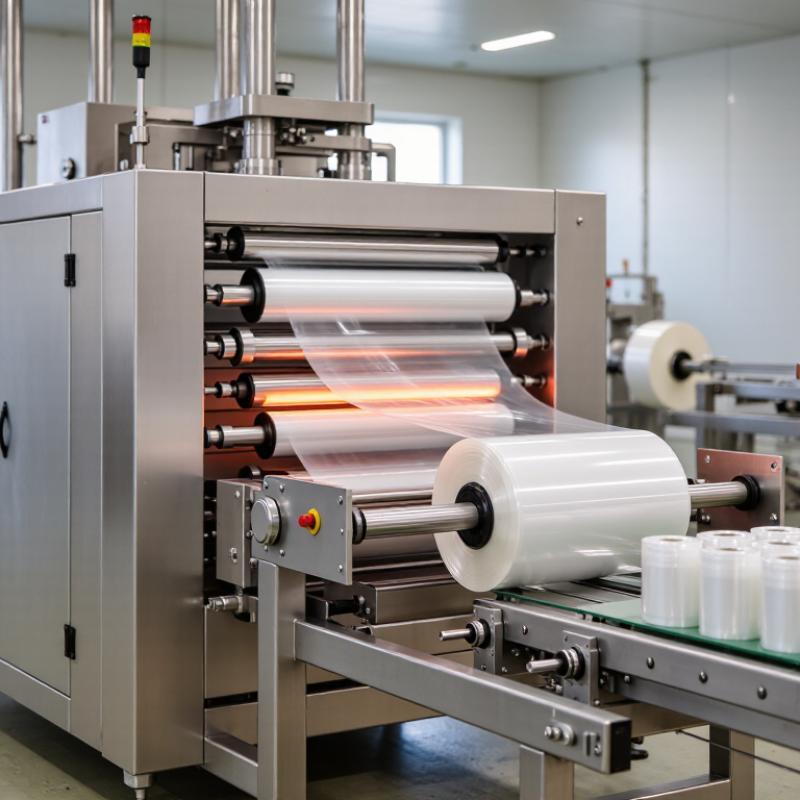
A Pe Bag Making Machine takes a roll of polyethylene film and turns it into consistent bags by carefully folding, sealing, cutting, and stacking. The whole process kicks off with a roll of film perched on an unwind unit. Rollers guide the film smoothly, while sensors keep tension and alignment in check — gotta keep it tight! Then, a heated sealing bar bonds the layers together. After that, a servo-driven knife slices each bag to just the right length. Small tweaks really matter here — even a millimeter off can mess up an entire batch.

According to Grand View Research, the global flexible packaging market was valued at around USD 268.37 billion in 2023. They’re expecting this growth to keep going through 2030, mainly because of lighter packaging and higher demand for efficient converting systems. Meanwhile, Smithers’ report, The Future of Global Flexible Packaging to 2028, highlights automation, material use, and tighter production control as key players. This kind of insight shows that today’s Bag Making Machines need to do more than just be fast. They should also minimize film waste, ensure seals stay strong, and produce bags with consistent dimensions.

Dr. Edward Kosior, founder of Nextek, once said, “There is no silver bullet.” And honestly, that’s still so true here. A machine’s performance alone just isn’t enough to fix every packaging problem. Operators need practical experience, correct temperature settings, stable film quality — and a good dose of patience for maintenance. From the outside, a Pe Bag Making Machine may look pretty simple. But inside, it’s a complex dance of heated knives, pneumatic systems, sensors, and smart software working together. The reality is, production isn’t perfect all the time. Wrinkles can appear in the film, seals might fail, and data can sometimes be misleading. That’s why reputable manufacturers always test their machines with real polyethylene types, various bag sizes, and actual operating speeds before giving a thumbs-up. It’s all about making sure it works reliably — even when things get messy.
What Is a PE Bag Making Machine and How Does It Work?

PE Bag Making Machine: Definition, Purpose, and Main Applications

A Pe Bag Making Machine converts polyethylene film rolls into finished plastic bags. It unwinds the film, controls its tension, seals selected areas, and cuts each bag to size. Depending on the setup, it can produce flat bags, bottom-sealed bags, or bags with handles. Operators adjust temperature, speed, film width, and cutting length through a control panel.

A practical solution for consistent bag production

The main purpose is consistent, efficient bag production. These machines serve retail packaging, food storage, garment packing, household liners, and industrial wrapping. A heated sealing bar softens the film, while pressure forms a clean seam. A sharp cutter then separates individual bags. In practice, film thickness and room temperature can affect sealing quality. No setting is perfect.

Tips: Check the film path before starting. Keep the sealing surface clean. Test several bags before full production. Watch for wrinkles, weak seams, or uneven cuts. A small adjustment can prevent a large batch of waste. Operators should record successful settings for each film type. Even experienced users need to review results, because material behavior can change between production rolls.

Key Components and Their Roles in Bag Production

A PE bag making machine converts polyethylene resin into film, then cuts and seals it. Its performance depends on coordinated components, not one impressive unit. The hopper feeds measured pellets into a heated extruder barrel. A screw melts and mixes the resin. Temperature zones matter. An annular die forms a thin tube, while an air ring cools and stabilizes it. Nip rollers flatten the tube and control its thickness. A haul-off system sets line speed. Unstable tension can create wrinkles, weak seals, or uneven bags. The OECD Global Plastics Outlook (2022) identifies packaging as the largest plastics-use sector, representing about 40% of global plastic demand. This scale explains why small control errors can multiply across long production runs.

During conversion, photoelectric sensors track printed marks or bag length. A PLC synchronizes the servo drive, sealing bar, perforator, and knife. Heat and pressure create the bottom seal. Cooling time protects its strength. Gusseting equipment folds side panels when larger volume is required. Corona treatment may improve ink adhesion, but excessive treatment can damage film quality. PlasticsEurope’s Plastics—the Fast Facts 2023 reports that packaging accounted for 39.3% of European plastics demand in 2022. That figure supports investment in reliable feeding, cooling, and inspection systems. Yet operators should not trust sensors blindly. Dust, resin variation, and dull knives still cause rejects. Production records often reveal the real bottleneck: a drifting temperature probe, not the main machine. Higher speed cannot repair poor calibration.

What Is a PE Bag Making Machine and How Does It Work? - Key Components and Their Roles in Bag Production

Component Primary Role How It Works Typical Reference Data Effect on Bag Quality
Film Roll Unwinder Feeds polyethylene film into the bag-making section. A shaft, chuck, or expanding core supports the roll while tension-control devices regulate film release. Designed for film rolls commonly ranging from approximately 300 to 1,200 mm in width, depending on machine format. Stable unwinding helps prevent wrinkles, stretching, and uneven bag dimensions.
Tension-Control System Maintains consistent film tension during feeding. Load cells, dancer rollers, or magnetic/pneumatic brakes detect and correct tension changes. Tension is adjusted according to film thickness, roll weight, material type, and line speed. Reduces telescoping rolls, film slack, registration errors, and dimensional variation.
Guide Rollers and Edge Guide Keeps the film centered and aligned with the sealing and cutting path. Rollers direct the web, while an optical or ultrasonic edge sensor can move the guide laterally to correct drift. Correction is typically automatic and continuous during production. Improves side alignment, seal positioning, and repeatability across the bag roll.
Photoelectric Mark Sensor Detects printed registration marks when bags contain artwork or repeating graphics. The sensor reads contrast between the mark and the film background, allowing the controller to adjust cutting timing. Useful for printed film; detection performance depends on mark contrast, film transparency, and print quality. Keeps printed images, seals, and cuts in the correct relative position.
Servo or Stepper Drive Controls film indexing and synchronizes feeding with sealing and cutting. The motor receives position and speed commands from the controller and adjusts the feed length for each bag. Servo drives generally provide closed-loop position feedback and are commonly selected for high-accuracy registration. Provides more consistent bag length and smoother acceleration than basic open-loop control.
Heat-Sealing Bar or Roller Creates the bottom, side, or other required sealed joints. Heated surfaces apply controlled temperature, pressure, and dwell time to fuse compatible polyethylene layers. Common PE film sealing temperatures are often about 120–180°C, but the correct setting depends on resin grade, thickness, and speed. Correct heat balance produces strong, continuous seals without burning, shrinkage, or channel leaks.
Cutting Knife or Hot Knife Separates individual bags or forms perforated bag sections. A mechanical blade cuts through cooled sealed film, while a heated knife can cut and seal the edge in one operation. Cut length is set through the machine control system and may be synchronized with a registration mark. A sharp, correctly aligned knife creates clean edges and reduces incomplete cuts or film tearing.
Punching Unit Makes handles, ventilation holes, or other shaped openings. A shaped die and counterplate remove a controlled area of film after the bag position is indexed. Die geometry is selected according to the handle design, bag width, film thickness, and required opening size. Accurate punching improves handle symmetry and reduces stress concentrations around the opening.
Cooling and Stabilizing Section Allows newly sealed areas to cool and retain their shape. Air flow, cooling plates, or a controlled dwell section removes heat before stacking or winding. Cooling requirements increase with thicker film, higher sealing temperature, and greater production speed. Helps prevent seal distortion, blocking, sticking, and deformation during downstream handling.
PLC and Touchscreen Control Coordinates machine timing, settings, alarms, and production data. The programmable controller receives sensor signals and commands the drives, heaters, actuators, and safety circuits. Typical adjustable parameters include bag length, sealing temperature, speed, delay, counter values, and alarm limits. Repeatable recipes and monitored settings support consistent production between batches.
Pneumatic System Operates clamps, punches, cylinders, and other fast mechanical movements. Compressed air drives cylinders through valves controlled by the PLC. Many systems operate around 0.5–0.7 MPa, subject to the machine design and component ratings. Stable air pressure supports consistent clamping force and punching accuracy.
Conveyor, Stacker, or Winder Collects finished bags as individual pieces, stacks, or rolls. The discharge system matches the machine cycle and transfers bags to packing or further processing. Selection depends on bag format, output rate, packaging method, and whether bags are loose, stacked, or perforated. Proper collection prevents folding, miscounting, surface damage, and pile instability.
Safety Interlocks and Emergency Stop Protects operators from moving, hot, and electrically energized parts. Guard switches, emergency-stop buttons, and fault circuits stop or inhibit hazardous motion when an unsafe condition is detected. Safety functions should be designed, tested, and maintained according to applicable machinery-safety requirements. Reduces injury risk and helps prevent equipment damage during jams, access-door opening, or abnormal operation.

How Polyethylene Film Is Prepared for Bag Making

A PE bag making machine depends on stable polyethylene film. Film preparation begins with clean, moisture-controlled resin pellets. Operators feed the pellets into an extruder, where heat and pressure melt them evenly. The temperature must stay within a narrow working range. Excessive heat can weaken the film. Insufficient heat may leave unmelted particles.

In blown-film production, the molten polyethylene exits through a circular die. Air inflates it into a clear tube, forming a rising bubble. Cooling rings solidify the bubble while guide rollers flatten it. The flattened film then passes through tension controls and winds onto a roll.

Small wrinkles matter. They can later cause uneven sealing or poor bag dimensions. Before use, the film may rest briefly to stabilize its shape and internal stress. A technician checks thickness across the roll, not only at the center.

This practical inspection often catches problems early. The film is then printed, slit, or fed directly into an Ld Bag Making Machine. Clean rollers are essential. Dust can create pinholes. A useful improvement is better temperature logging, although records do not replace visual checks. Even experienced operators can miss a gradual change in bubble width.

Step-by-Step Process of Converting Film into PE Bags

A PE bag making machine converts plastic film into finished bags through controlled feeding, cutting, sealing, and stacking. The process begins when a roll of polyethylene film enters the unwind unit. Tension rollers keep the film flat and centered. If tension changes, wrinkles may appear before cutting even starts.

The film then passes through guide rollers and a photocell or length-control system. This system detects printed marks or measures the required bag length. The machine pulls the film forward and positions each section accurately. A heated sealing bar presses across the film, creating a strong bottom or side seal. Temperature, pressure, and dwell time must match the film thickness. Too much heat can weaken the seal, while too little heat may leave small openings.

After sealing, a sharp blade cuts individual bags from the continuous film. Some machines add handles, perforations, or waste edges during this stage. A stacking unit collects the bags into even piles for inspection and packing. Operators usually check seal strength, dimensions, surface cleanliness, and cutting accuracy. Small defects can come from dust, uneven film thickness, or poor alignment. In real production, adjustments are rarely perfect on the first attempt. Careful testing remains essential, especially when changing film material or bag size.

Bag Forming, Sealing, Cutting, and Handle Creation Methods

A PE bag making machine converts a continuous plastic film roll into usable bags. The process begins with film feeding and web alignment. Tension rollers keep the material flat and reduce wrinkles. A photocell can detect printed marks, helping the machine position each bag accurately. Small errors still occur when film thickness changes.

Bag forming depends on controlled folding and measured length. The film passes over forming guides, creating a side fold or bottom gusset. Heated sealing bars then join selected layers under pressure. Temperature, dwell time, and pressure must match the film type. Excessive heat can weaken the seal, while low heat may leave open edges. Operators usually inspect seal width and test samples by hand.

After sealing, a sharp knife cuts each bag at a programmed interval. The cutting position must match the seal, or the finished bag may look uneven. Handle creation uses different methods. A punch can remove a central opening, while a die cuts stronger loop or vest-style handles. Waste film is collected for controlled handling. A Pp Bag Making Machine uses similar forming, sealing, cutting, and handle systems, but polypropylene film often needs different heat and tension settings. The machine may run smoothly, yet handle holes can shift slightly during long production. Regular sensor checks and manual samples remain useful.

Machine Types, Adjustable Settings, and Production Variables

A PE bag making machine converts polyethylene film into bags through feeding, forming, sealing, and cutting. Common machine types include flat bag, bottom-seal, side-seal, and T-shirt bag systems. Each design suits a different package shape and output target. A Tea Bag Making Machine is a separate category, built for porous filter materials rather than PE film.

Adjustable settings control product consistency. Operators can change bag length, film width, sealing temperature, cutting position, and running speed. Tension controls help prevent wrinkles as the film moves through guide rollers. Too much tension can stretch the film, while too little may cause misalignment. Seal pressure and dwell time also matter. A weak seal may open during handling. Excessive heat can distort thin film.

Production variables often change during a shift. Resin formulation, film thickness, ambient temperature, and cooling air can affect sealing results. Dust on the film surface may create small leaks. Technicians usually inspect sample bags, measure dimensions, and test seal strength at regular intervals. In practice, settings are rarely perfect on the first run. A slower speed may improve accuracy, but it can reduce hourly output. That trade-off needs real production data, not guesswork. Even experienced teams should record adjustments, because a successful setting today may fail after film thickness changes.

PE Bag Making Machine: Typical Production Speed by Machine Type

PE bag machines convert polyethylene film into finished bags through film feeding, sealing, cutting, and optional punching or stacking. The chart shows typical operating-speed ranges in bags per minute. Actual output varies with bag length, film thickness, sealing temperature, material type, and machine configuration.

Reference ranges: flat-bag machines commonly operate at higher speeds, while handle punching, thicker film, longer bags, and complex sealing patterns generally reduce throughput.

DZF-600-1200ⅢE Flat Bottom Pouch Machine: Insights from Smithers’ Flexible Packaging Report 2024

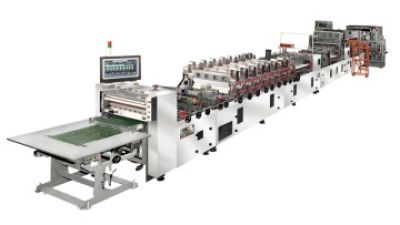
The 2024 flexible packaging market is placing greater emphasis on production efficiency, material utilization, automation, and consistent quality. Designed in line with these priorities, the DZF-600-1200ⅢE flat bottom pouch machine combines electrical, mechanical, and pneumatic systems with multiple servo motors. Its heavy-duty structure supports high-speed operation while maintaining precise control, stable performance, and relatively low operating noise. The machine is suitable for producing flat bottom pouches, eight-side-sealing bags, and three-side-sealing bags for a wide range of flexible packaging applications.

By integrating advanced motion control with an efficient bag-making process, the equipment can help manufacturers increase output, reduce raw material waste, and lower reliance on manual labor. Its stable running performance also supports consistent pouch dimensions, sealing quality, and finished-product appearance, which are important requirements for mid-to-high-end packaging lines. With a cost-effective design and strong adaptability, the machine can serve as core equipment for packaging producers seeking to modernize production, improve operational efficiency, and respond more flexibly to changing order volumes.

FAQS

What are the main components of a PE bag making machine?

The hopper feeds resin pellets into the extruder. The screw melts and mixes the material.

How does film become a finished bag?

A film roll enters the unwind unit. Tension rollers keep it flat and centered.

Why is film tension important?

Stable tension reduces wrinkles and keeps the film aligned. Uneven tension can cause weak seals or crooked cuts.

How do temperature, pressure, and dwell time affect sealing?

These settings must match the film thickness and material. Too much heat may weaken the seal.

How does the machine control bag length?

A photocell detects printed marks, or a control system measures film movement. The machine then positions each sealing and cutting cycle.

How are handles created on plastic bags?

A punch can remove a central opening. A die can create loop or vest-style handles.

What causes uneven cuts or misplaced handles?

Possible causes include changing film thickness, poor alignment, sensor drift, or a dull knife.

What should operators inspect during production?

Check seal strength, bag dimensions, cutting accuracy, surface cleanliness, and stacking quality.

Why can a smoothly running machine still produce rejects?

Dust, resin variation, unstable cooling, and drifting temperature probes can create defects.

Conclusion

A Pe Bag Making Machine is industrial equipment designed to convert polyethylene film into practical bags for packaging, retail, agriculture, and everyday storage. Its main purpose is to produce bags efficiently and consistently by controlling film feeding, alignment, tension, sealing, cutting, and optional handle formation. Key components typically include film unwinding and guiding units, rollers, a sealing system, cutting blades, a control panel, and a collection or stacking section.

The production process begins with prepared polyethylene film, which is loaded onto the machine and guided through the forming line. The film is folded or positioned according to the required bag design, then heat-sealed to create strong edges or bottoms. Precision cutting separates individual bags, while punching or trimming equipment can create different handle styles. Operators may adjust bag length, width, seal temperature, cutting speed, film tension, and output rate. Different machine configurations support various bag shapes and production volumes, allowing manufacturers to balance quality, flexibility, and efficiency.
Clara

Clara

Clara is a dedicated marketing professional at a high-tech enterprise based in Shantou City, Guangdong Province. With a strong background in research and development, design, production, and sales, she possesses an in-depth understanding of the company's innovative machinery solutions. Since......
Previous How to Choose Bag Making Machinery for Your Business?