The global market for handbag making machines caters to brands, contract factories, and workshops of all sizes. In this guide, I’ll walk through ten different manufacturers, highlighting their unique strengths, production setups, and regional reach. Some focus mainly on industrial sewing systems, while others develop equipment for cutting, embossing, edge-painting, or automated assembly — you know, the whole shebang.
When choosing a machine, I looked at a bunch of factors: info from public sources, machine specs, what kinds of factory applications they’re best suited for, the kind of tech support they offer, and what industry experience they've reported. But it's not just about big-picture stuff — I also consider practical details like how consistent the stitches are, whether the machine can handle different materials, how quickly it can switch over from one task to another, energy consumption, and how easy it is for operators to learn and use. These things really matter, especially when you're working with materials like leather, coated fabrics, canvas, or synthetic stuff over long production runs. Honestly, a glossy brochure won’t tell you the whole story.
Names like JUKI, Dürkopp Adler, PFAFF Industrial, Seiko Sewing Machine, and Typical might come up alongside specialized equipment suppliers. But keep in mind, what works well for one handbag style or factory size might not be ideal for another, especially depending on your region’s service network. For example, a machine built for flat canvas panels might choke on thick, layered corners — a detail that’s easy to overlook if you're not careful.
Now, I should mention, no ranking system is perfect. The data available publicly can be incomplete, sometimes poorly translated, or just outdated. So, think of this overview as a helpful starting point for comparing suppliers — but definitely don’t rely on it alone. It’s crucial to do real factory trials or technical audits before making a decision. Don’t forget to ask for sample production runs, warranty info, spare parts availability, safety documents, and installation support. Also, always verify the real output figures — don’t just take them at face value. A good handbag making machine should fit your specific product, workforce skills, and quality standards — not just look quick and fast on paper.
Handbag Machinery Categories and Their Roles in Cutting, Sewing, and Finishing
Handbag Machinery Categories and Their Roles in Cutting, Sewing, and Finishing
When comparing the top ten handbag machine manufacturers worldwide, buyers should study machine categories, not only production speed.
Cutting equipment shapes the workflow from the first sheet.
Computer-controlled cutters handle leather, synthetic material, foam, and lining with consistent dimensions. Die cutters remain useful for repeated panels and thicker materials. However, blade pressure and material stretch can change results. A small test batch is essential.
Sewing machinery controls strength, appearance, and operator comfort.
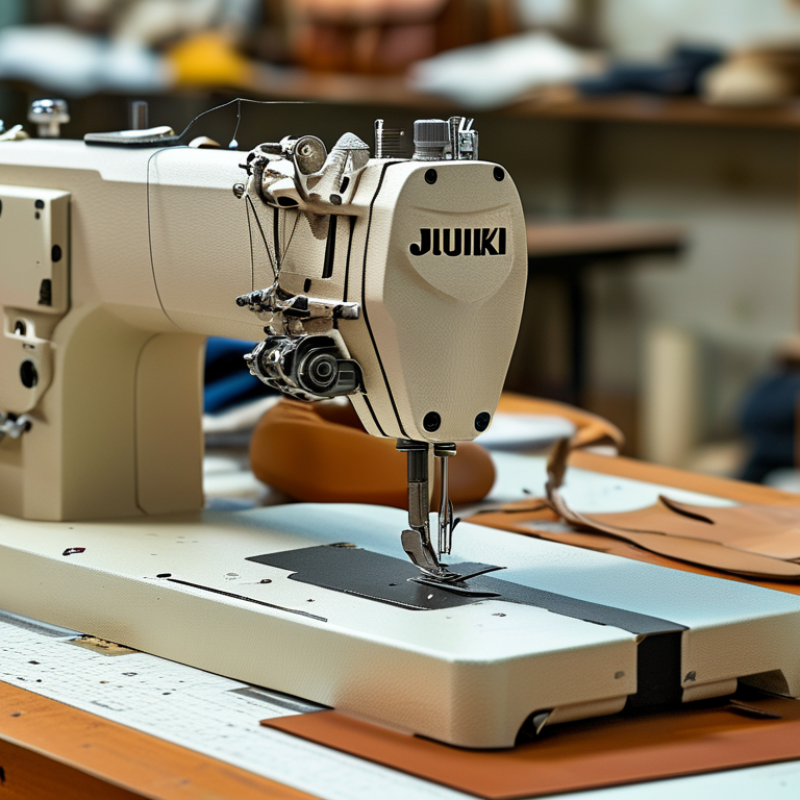
Flat-bed machines suit linings and lightweight panels. Post-bed machines help operators reach curved bodies and narrow edges. Cylinder-bed models support three-dimensional bags, especially around gussets and handles. Heavy-duty machines need suitable needles, thread tension, and presser-foot pressure. Poor adjustment can leave uneven stitches or damaged surfaces. That detail is often underestimated.
Finishing equipment gives the handbag its usable form.
Edge-painting systems create smoother borders on straps and panels. Skiving machines reduce leather thickness before folding or joining. Riveting, snap-setting, embossing, and polishing equipment improve function and visual consistency.
Not every factory needs every machine.
Space, product range, technician skills, and maintenance access should guide purchasing decisions. Real production trials matter more than impressive specifications.
A flawless setup is rare. Even experienced teams may overlook noise, dust, or changeover time.
Reliable manufacturers should provide clear technical data, operator training, spare-part support, and documented safety procedures.
Key Industry Benchmarks: 3,000–5,000 Stitches per Minute
When comparing hand bag making machine manufacturers worldwide, buyers often notice the 3,000–5,000 stitches per minute benchmark. This range indicates strong production capacity, but speed alone does not prove machine quality. A skilled operator must maintain even stitch spacing on leather, canvas, synthetic fabric, and layered seams.
Not every bag needs speed. A machine running at 5,000 stitches per minute may create heat, vibration, or thread tension problems during thick corner seams. In practical testing, manufacturers should provide samples using the buyer’s actual materials. Inspect the seam near handles, folds, zippers, and reinforced stress points. Uneven stitches become visible under bright inspection lighting.
Experienced factories also examine acceleration, braking control, needle penetration, and motor response. A stable 3,500 stitches per minute can outperform a faster machine that frequently stops for adjustment. Ask for noise readings, maintenance intervals, spare-part availability, and operator training records. These details reveal more than a catalog number.
I would question any performance claim without documented testing. Production conditions differ. Thread size, needle selection, material thickness, and operator technique can change the result. A useful benchmark should include continuous operation, measured output, rejected pieces, and seam consistency. The headline speed is only one part of the evidence.
How the Top 10 Manufacturers Compare by Automation, Capacity, and Precision
Top 10 Hand Bag Making Machine Manufacturers Worldwide
The top ten hand bag machine manufacturers differ sharply in automation, production capacity, and precision. A Paper Hand Bag Making Machine may run automatically, but feeding stability still depends on paper quality and operator setup. Some systems handle cutting, folding, gluing, and forming in one continuous line. Others require manual loading between stages. That difference affects labor costs, floor space, and daily output.
Automation is not simply a higher number on a brochure. Experienced buyers inspect sensor response, changeover time, and fault recovery. A machine producing 120 bags per minute may lose efficiency during frequent size changes. Medium-capacity equipment can perform better for mixed orders. Capacity should match real working conditions, not only factory testing.
Precision appears in handle placement, fold alignment, and glue control. Small errors become visible around the bag’s square corners. The strongest manufacturers provide sample testing, maintenance records, and measurable tolerance data. Their technical teams also explain what the machine cannot do. That honesty matters. A polished demonstration can hide difficult adjustments.
Some comparisons remain imperfect. Paper humidity, adhesive temperature, and operator experience can change results. I would request a long production trial before judging the final ranking. A quiet machine is not always the most reliable one. In practice, stable feeding and accessible service points often matter more than impressive automation features.
Top 10 Hand Bag Making Machine Manufacturers Worldwide
Anonymous comparative benchmark by automation, production capacity, and precision. Scores are normalized to a 0–100 scale from commonly published industrial machine specifications and operating capabilities.
Higher scores indicate stronger relative performance. Automation reflects integrated control and process functions, capacity reflects estimated output potential, and precision reflects repeatability and stitch-position consistency.
Regional Manufacturing Strengths Across Asia, Europe, and North America
Top 10 Hand Bag Making Machine Manufacturers Worldwide
Regional manufacturing strengths shape how leading hand bag making machine manufacturers design, build, and support their equipment. Across Asia, production centers often combine high-volume engineering with competitive component sourcing. Their machines may support stitching, edge finishing, cutting, and automated material feeding. This suits factories producing consistent styles at large scale. However, buyers should inspect software quality, spare-part access, and operator training. Low pricing alone can create expensive delays.
European manufacturers are often associated with precision, durability, and refined control systems. Their equipment may deliver stable stitching tension and accurate cutting on leather, canvas, and synthetic materials. Detailed manuals and strong process documentation can help experienced technicians reduce setup errors. North American suppliers commonly emphasize modular systems, workplace ergonomics, and responsive technical support. These features matter when production changes frequently. They also help smaller factories avoid excessive downtime.
A practical comparison should examine output per hour, energy use, maintenance intervals, and safety guarding. Ask for sample testing with your actual materials. Small details matter. When evaluating a
Second Hand Used Bag Making Machine, check motor noise, frame alignment, electrical records, and replacement-part availability. A refurbished machine can perform well, but its history must be verified. No regional advantage is absolute. Even reliable suppliers may underestimate local training needs or installation conditions. That is where buyer experience, independent inspection, and written service commitments become valuable.
Machine Selection Standards: CE, ISO 9001, Energy Use, and Safety Compliance
When comparing the Top 10 Hand Bag Making Machine manufacturers worldwide, compliance should outweigh glossy specifications. A Bag Making Machine with CE marking should include a traceable Declaration of Conformity, risk assessment, and technical file. CE is not a quality award. It indicates conformity with applicable European requirements. ISO 9001 adds process discipline, including documented inspections, corrective actions, and supplier controls. ISO’s 2022 Survey recorded more than 1.2 million ISO 9001 certificates worldwide, showing its broad industrial relevance.
Look closely at energy data. Ask for kilowatt-hours per production cycle, not only motor power. The International Energy Agency reports that electric motor systems represent more than 40% of global electricity consumption. Small efficiency losses become expensive during continuous cutting, stitching, sealing, or handle-forming operations. Variable-speed drives, standby modes, and efficient heaters can reduce waste. Request test conditions, material type, output speed, and scrap rates. Numbers without conditions can mislead.
Safety deserves a physical inspection. Guards should cover moving blades, rollers, belts, and heated zones. Emergency stops must remain reachable from the operator’s normal position. ISO 12100 supports machinery risk assessment, while IEC 60204-1 addresses electrical equipment safety. Check lockout points, noise readings, and access to maintenance areas. A machine may pass paperwork yet feel awkward on the factory floor. That gap matters. I would also question unusually low energy claims, because measurement errors are possible and sometimes overlooked.
Comparing CNC Cutting, Programmable Sewing, and Digital Production Systems
Top 10 Hand Bag Making Machine Manufacturers Worldwide
When comparing the top 10 hand bag machine manufacturers worldwide, buyers should examine three production systems: CNC cutting, programmable sewing, and digital workflow control. CNC cutting improves repeatability, especially when leather panels must match within tight margins. A quality cutter can reduce material waste, but performance depends on nesting software, blade calibration, and operator training. Small errors still happen.
Programmable sewing systems handle repeated handles, pockets, and curved seams with consistent stitch paths. They can shorten setup time and reduce rework on medium-volume orders. Grand View Research’s Industrial Sewing Machines Market report projects steady growth through 2030, supported by factory automation and labor-saving equipment. Digital production systems connect pattern files, cutting data, sewing programs, and inspection records. Fortune Business Insights reports strong double-digit growth in digital textile printing, reflecting wider demand for connected, customized production. However, digital integration can become expensive when older machines cannot exchange files cleanly.
Tips: Ask each manufacturer for a live test using your actual leather, lining, thread, and hardware. Measure cutting waste, seam accuracy, changeover time, and operator steps. Request maintenance records and training details. Do not trust speed claims alone. A fast machine with frequent stoppages may lose more output than a slower, stable system. Reports provide useful market direction, but factory trials reveal the uncomfortable truth: software quality and daily discipline often matter as much as machine specifications.
Purchase Criteria Based on Output, Material Compatibility, Service, and ROI
When comparing the top 10 hand bag making machine manufacturers worldwide, output claims need careful testing. Ask for a factory trial using your actual film, bag dimensions, and handle style. A Pe Bag Making Machine may advertise 100 bags per minute, yet real output can fall after sealing, stacking, and changeovers. Measure saleable bags per hour, not the impressive number on a brochure.
Material compatibility should match your production plan. Check polyethylene grades, film thickness, recycled content, printing alignment, and sealing temperature. Request sample bags with filled loads, not empty samples. Inspect seal strength, handle comfort, edge quality, and waste percentage. Small defects become expensive when thousands of bags leave the line. The fastest machine is not always the best.
Service can protect ROI more than a lower purchase price. Confirm installation training, remote diagnostics, spare-part availability, response times, and preventive-maintenance guidance. Review customer references and maintenance records where possible. Calculate labor savings, energy use, scrap, downtime, and expected annual output. Include tooling and technician travel costs. Be realistic. Early ROI estimates often look cleaner than factory life. A short paid trial may reveal hidden changeover delays before a major investment.
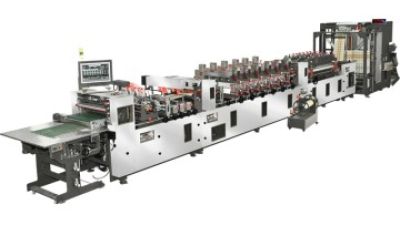
DZF-600-800IIIT High-Speed Three-Side Sealing Bag Machine with CCD Inspection: Features and Benefits
The DZF-600-800IIIT High-Speed Three-Side Sealing Bag Machine with CCD Inspection is designed for manufacturers producing three-side sealing pouches and bags at high speed without sacrificing consistency. Industry research from Smithers, including *The Future of Global Flexible Packaging to 2028*, identifies flexible packaging as a steadily expanding market, driven by demand for lightweight materials, efficient production, and reliable sealing performance. This machine responds to these requirements through multiple servo motors and integrated light, electrical, and pneumatic systems, supporting synchronized operation, reduced noise, and precise control for food, daily chemical, pharmaceutical, and electronic accessory packaging.
Its integrated cabinet structure keeps wiring organized while helping reduce dust exposure and operating noise. Full-servo synchronous drive technology coordinates registration, sealing, rounding, and cutting, while the real-time CCD visual inspection system tracks printed patterns and automatically corrects alignment deviations. Defective bags can also be identified and rejected during production, helping reduce material waste and manual inspection demands. According to PMMI packaging automation research, manufacturers increasingly prioritize connected inspection and automated quality control to address labor pressures and improve line efficiency. For China-based suppliers and factories, this high-speed three-side sealing bag machine combines advanced visual inspection, stable automation, and adaptable production performance in one compact system.
FAQS
Cutting machines prepare leather, synthetic materials, foam, and lining. Flat-bed machines suit light panels and linings. Post-bed and cylinder-bed machines handle curves, gussets, and three-dimensional bags. Finishing machines support skiving, edge painting, riveting, embossing, and polishing.
Material stretch and blade pressure can change panel dimensions. Test several pieces before full production. Measure the edges carefully. Small errors may become large waste later.
Post-bed machines help operators reach curved bodies and narrow edges. Cylinder-bed machines work well around gussets and handles. Flat-bed machines remain practical for linings and lightweight panels. The best choice depends on bag shape.
Needle size, thread tension, and presser-foot pressure require careful adjustment. Poor settings may create uneven stitches or surface damage. Check a sample panel before starting a full run. This detail is easy to underestimate.
Request a traceable Declaration of Conformity, risk assessment, and technical file. A conformity mark does not guarantee overall machine quality. Process certification can show documented inspections and corrective actions. Still, paperwork needs a physical factory check.
Ask for kilowatt-hours per production cycle, not only motor power. Request test conditions, material type, output speed, and scrap rates. Standby modes and variable-speed drives may reduce energy waste. Numbers without conditions can mislead.
Guards should cover blades, rollers, belts, and heated zones. Emergency stops must remain reachable from the operator’s normal position. Inspect lockout points, noise levels, and maintenance access. A compliant machine may still feel awkward.
Run a trial using actual materials, bag dimensions, and handle styles. Measure saleable bags per hour after sealing, stacking, and changeovers. Include labor, energy, scrap, downtime, tooling, and technician travel costs. Early ROI estimates often look too clean.
Conclusion
The global Hand Bag Making Machine industry includes equipment for material cutting, stitching, edge treatment, assembly, and finishing. Modern production lines may combine CNC cutting systems, programmable sewing machines, and digital workflow tools to improve consistency, reduce waste, and support different handbag materials. A key performance benchmark is sewing speed, with many industrial machines operating between 3,000 and 5,000 stitches per minute, although actual productivity also depends on design complexity, operator skill, and material thickness.
When comparing the top manufacturers worldwide, buyers should evaluate automation levels, production capacity, precision, energy efficiency, and after-sales support. Regional strengths vary across Asia, Europe, and North America, offering different advantages in manufacturing scale, engineering, customization, and service networks. Important purchasing standards include CE and ISO 9001 compliance, workplace safety, reliable maintenance, and reasonable energy consumption. Ultimately, the best machine choice should match expected output, compatible materials, required quality, available technical support, and long-term return on investment.