Leave Your Message
0%

Picking out the top seven Poly Bag Making Machines isn't just about checking their advertised speeds. Buyers around the world really need machines that offer steady film control, precise sealing, minimal waste, and reliable after-sales support. I mean, sure, a machine might boast 120 bags per minute, but if the tension isn't dialed in properly, you'll end up with wrinkles, uneven seals, and costly delays. Little details like that really matter—and so does the operator's view of the process. Honestly, it all adds up.

According to a report from Smithers called *The Future of Global Flexible Packaging to 2029*, sectors like food, healthcare, retail, and e-commerce are still the big drivers pushing demand. The report also points out that automation, material savings, and thinner films are major investment trends right now. Meanwhile, Grand View Research highlights steady growth in flexible packaging, thanks to the push towards more convenient and lightweight options. Sounds promising, right? But, here’s the thing—those numbers don't automatically mean profits. Factors like energy consumption, how well the film works with the machine, maintenance access, and local tech support can totally change the game when you're choosing equipment.

Dr. David Tyler, a researcher in polymer processing, puts it simply but wisely: “Process stability matters more than headline speed.” And honestly, that’s something you really want to keep in mind. The best poly bag machine isn’t one that just makes cool-looking samples in a showroom—it’s the one that can deliver consistent, reliable seals day in and day out, even during long shifts.

In this guide, I’ll walk you through seven of the top machine types and manufacturers, looking at what really matters for buyers—things like servo controls, bag size options, the range of materials they can handle, safety features, and quality consistency. We'll also touch on whether the machines can handle recyclable films and if they’re built responsibly. Now, I gotta admit, some comparisons aren’t perfect because different suppliers test their machines under different conditions, which can be confusing. So, be sure to ask for factory trials, solid data, and references from other plants before you make any big commitments.
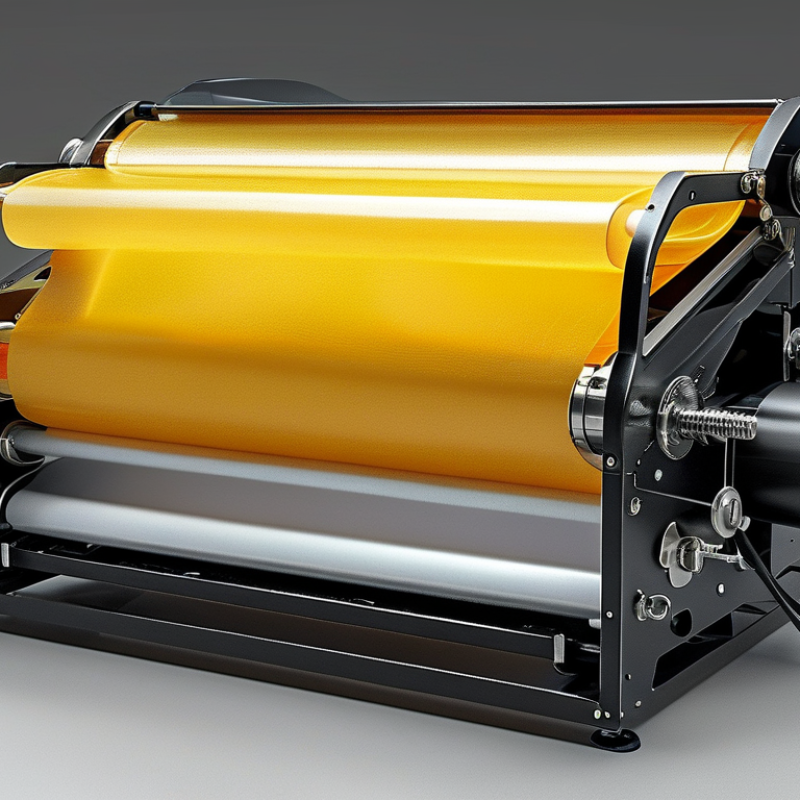
7 Best Poly Bag Making Machines for Global Buyers?

Poly Bag Making Machines: Types, Functions, and Production Uses

Poly bag making machines convert plastic film rolls into practical bags through sealing, cutting, punching, and counting. Common types include flat bag machines, side-seal machines, bottom-seal machines, and wicket bag systems. Each design serves a different production purpose. Flat bags suit garment packaging and general storage. Side-seal models create strong vertical seals for retail and industrial packaging. Bottom-seal machines handle larger bags, often used for household products or liner applications.

A typical machine unwinds film, aligns the web, applies heat, and cuts each bag to a fixed length. Sensors help control registration and reduce uneven edges. Some models add handle punching, perforation, gusseting, or automatic stacking. Production details matter. A 500-millimeter film width may support small shopping bags, while thicker film requires stronger sealing pressure and longer cooling time. Food-related packaging also needs suitable materials, clean production conditions, and documented compliance for the target market.

In practical purchasing, I would check film thickness range, bag length accuracy, sealing temperature stability, and changeover time. These factors affect daily output more than speed claims alone. A machine rated for high speed may produce excessive scrap with thin film or unstable tension. That is easy to overlook. Operators should test real film samples before approval. Noise, maintenance access, spare-part availability, and control-system training also influence long-term reliability. The best machine is not always the fastest one; it is the one that consistently makes acceptable bags for the intended use.

Key Factors for Comparing Poly Bag Making Machines Worldwide

7 Best Poly Bag Making Machines for Global Buyers?

Comparing poly bag making machines worldwide starts with the product, not the advertised speed. Smithers’ flexible packaging forecast places the global market above $300 billion by 2028. That growth increases demand for stable, adaptable production. Buyers should match machine width, film thickness, bag length, and sealing method with actual orders. A machine rated at 180 bags per minute may perform differently with recycled or thinner film. Speed can mislead.

The key technical factors are servo control, sealing temperature stability, registration accuracy, and material waste. Check whether the machine supports common polyethylene grades and different roll widths. Energy use also matters. The European plastics industry reports that packaging represented about 40% of plastics demand in Europe in 2023. Efficient heaters and shorter changeover times can reduce operating costs. Small details matter. Ask for measured power consumption, not estimates.

Global buyers should also compare safety systems, spare-part availability, remote support, and operator training. Local voltage and language requirements can affect installation. I have found that simple interfaces often help more than excessive automation. However, this is not universal. A high-output factory may need advanced inspection and automatic adjustment. Request production samples using your own film. Review seal strength, edge quality, noise, and scrap rates. One overlooked issue is maintenance access; a fast machine becomes expensive when cleaning takes hours. Independent test data is more reliable than a polished brochure.

Seven Leading Poly Bag Machine Options for Global Buyers

Seven Leading Poly Bag Machine Options for Global Buyers

Global buyers can choose from seven practical poly bag machine options. A blown-film line suits factories producing film and bags together. A bottom-seal machine handles regular shopping and packaging bags efficiently. Side-seal equipment creates clean, strong seals for small formats. T-shirt bag machines support high-volume retail production. Drawstring bag units add convenient closure channels. Wicketed bag machines serve bakeries, produce suppliers, and fulfillment operations. Gusseted bag systems provide extra volume for bulky goods.

The right Plastic Poly Bag Making Machine depends on material, bag size, output, and local standards. An operator should check film thickness before selecting sealing temperature. Small variations can cause weak corners or uneven edges. That detail matters.

Experienced buyers also inspect servo control, temperature stability, cutting accuracy, and emergency-stop access. A clear touchscreen reduces training time. Tool-free adjustments can shorten changeovers between bag sizes. For recycled or blended film, testing is essential because sealing behavior may change. Some machines accept multiple film types, but flexibility should be verified with samples, not promises.

Energy use deserves attention. Efficient heaters and controlled air systems can reduce operating costs. Noise levels, spare-part availability, and technical support affect long-term reliability. A machine may look impressive during a demonstration, yet perform differently on a busy factory floor. Requesting trial production is sensible. Even then, one test is rarely enough. Examine seal strength, hourly output, scrap rate, and maintenance records before making a final decision.

Material Compatibility, Bag Styles, and Manufacturing Capabilities

Choosing among the 7 best poly Bag Making Machines requires more than comparing output speed. Material compatibility comes first. A dependable Bag Making Machine should process HDPE, LDPE, and, where specified, recycled resin blends. Film thickness, melt strength, and sealing temperature can change production results sharply. Equipment for T-shirt bags differs from machines producing flat bags, gusseted sacks, courier envelopes, or drawstring bags. Bag style matters.

Smithers’ 2024 flexible packaging outlook identifies polyethylene films as major materials in global flexible packaging production. The report also highlights continued demand for downgauging and recycled-content solutions. Buyers should therefore check film-width ranges, thickness tolerance, servo control, sealing accuracy, and scrap handling. A machine rated for 120 bags per minute may deliver less with thicker film or complex gussets. Real factory trials are more credible than catalogue figures.

Tips: Request samples using your actual resin and target thickness. Measure seal strength, bag dimensions, noise, and changeover time. Ask for maintenance records and operator training details. Energy use also deserves attention; the International Energy Agency reports that industrial motors and driven systems consume a significant share of global electricity. Efficient drives can reduce operating costs, though savings depend on load patterns. One overlooked issue remains spare-part access. A fast machine becomes expensive when a small heater or sensor stops production. Perfect compatibility is rare. Test before committing.

Performance, Automation, Energy Use, and Maintenance Requirements

7 Best Poly Bag Making Machines for Global Buyers?

For global buyers, a Pe Bag Making Machine should be judged beyond rated speed. In production trials, stable film tracking often matters more than headline output. A practical machine forms consistent seals across changing roll widths and temperatures. Operators should inspect seal strength, cutting accuracy, and bag stacking. Request test samples using your actual polyethylene film. Real film reveals problems quickly. Good controls reduce adjustment time, but they cannot replace skilled setup.

Automation affects labor, waste, and repeatability. Servo-driven feeding can improve registration during acceleration. Automatic length setting, edge correction, and fault alarms reduce manual intervention. Still, sensors need cleaning. Dust creates false alarms.

Energy use depends on heater insulation, motor efficiency, and idle modes. Measure kilowatt-hours per thousand bags, not installed power alone. A lower-energy machine may run slower, so compare equal output and bag quality.

Maintenance requirements are often underestimated. Check sealing knives, belts, bearings, and temperature probes regularly. Keep spare heating elements and cutting blades in controlled storage. A maintenance log can reveal drift before rejected bags fill a pallet.

Access matters too; cramped panels turn simple service into lost production hours. The Pe Bag Making Machine should support safe cleaning and quick component replacement. No machine is maintenance-free. I would leave room for human error when estimating payback.

How to Select the Right Poly Bag Machine for Your Business Needs

Selecting a poly bag machine starts with the product, not the brochure. A Ld Bag Making Machine may suit LDPE film, but it may struggle with thicker blends or recycled content. Check film width, thickness range, bag length, and sealing temperature. Measure your current rolls with a caliper. Small errors become expensive at high speed.

The OECD Global Plastics Outlook reports that plastic waste reached 353 million tonnes in 2019, while packaging represented about 40% of total use. This pressure makes material efficiency important. Choose servo-driven film control, accurate temperature sensors, and scrap monitoring. Ask for output data using your actual film, not laboratory samples. A machine producing 180 bags per minute sounds impressive. It may perform differently on a humid factory floor.

Look closely at maintenance access. Can one operator replace a sealing blade safely? Are heaters, sensors, and belts locally available? Smithers’ flexible packaging analysis identifies lightweighting, automation, and recycling compatibility as major market influences through the decade. Your selection should reflect those realities. I would also test noise, changeover time, and power consumption during a full shift. Sometimes the cheaper machine creates more downtime. That lesson is easy to miss.

DZF-600-800IIIT Center Sealing Bag Making Machine: Features, Benefits, and Buying Guide

The DZF-600-800IIIT Center Sealing Bag Making Machine is designed for continuous production of center-sealed and three-side-sealed bags. Its fully automatic workflow integrates film unwinding, tension adjustment, center folding, longitudinal sealing, transverse sealing, photoelectric color-mark tracking, slitting, and finished-bag collection. A mature mechanical synchronous transmission system uses one main drive shaft to coordinate each stage, helping maintain stable operation and consistent bag dimensions.

Its defining feature is the vertical sealing seam positioned along the middle rear of the bag, creating a strong and practical package structure. This design is suitable for powder and granular materials, as well as many food-packaging applications. Automatic color-mark correction supports accurate cutting and sealing, while continuous forming can reduce manual handling and improve production efficiency. Adjustable tension and sealing settings also allow operators to work with different flexible films and packaging specifications.

When choosing this machine, confirm the required bag style, film material, bag size, thickness range, and production speed first. Check whether the sealing temperature, tracking accuracy, slitting method, and collection system match the intended application. Buyers should also evaluate control-system convenience, machine accessibility for cleaning, spare-parts availability, safety protection, and technical service. A clear specification comparison and sample-bag test can help verify sealing strength, appearance, dimensional accuracy, and stable performance before purchase.

FAQS

: What should global buyers compare before choosing a poly bag machine?

: Start with actual orders, not advertised speed. Match machine width, film thickness, bag length, and sealing method. A 180-bag-per-minute rating may drop with thin or recycled film. Speed can mislead.

Which machine type fits different bag applications?

A blown-film line produces film and bags together. Bottom-seal machines suit regular shopping and packaging bags. Side-seal machines create clean seals for smaller formats. T-shirt, drawstring, wicketed, and gusseted machines serve specialized needs. Choose by bag design.

Why should buyers test their own film?

Recycled and blended films may seal differently. Request trial production using your actual film rolls. Check weak corners, uneven edges, seal strength, and cutting accuracy. One sample may not reveal every problem.

Which technical features deserve close inspection?

Examine servo control, temperature stability, registration accuracy, and material waste. Stable heating helps prevent weak or inconsistent seals. Accurate cutting produces cleaner bag edges. Do not trust specifications alone.

How can buyers evaluate energy use?

Ask for measured power consumption during normal production. Efficient heaters may reduce operating costs. Shorter changeovers can also save energy and labor. Estimates are not enough.

What installation issues can affect international purchases?

Confirm local voltage and electrical requirements before shipment. Check language options for screens and manuals. Ask about operator training, spare parts, and remote technical support. Small gaps can delay installation.

Is more automation always better?

Not necessarily. Simple interfaces may reduce training time and operating mistakes. High-output factories may need automatic inspection and adjustment. I might favor simplicity too much without knowing the factory’s workload.

How should buyers judge a machine demonstration?

Request repeated production trials, not one polished demonstration. Record hourly output, scrap rate, noise, seal strength, and maintenance time. Inspect access around heaters, cutters, and cleaning areas. A fast machine becomes expensive when cleaning takes hours.

Conclusion

Choosing the right Poly Bag Making Machine is essential for businesses producing reliable, efficient, and cost-effective packaging. These machines vary by bag type, material compatibility, production speed, sealing method, automation level, and intended application. Common capabilities include manufacturing flat bags, shopping bags, garbage bags, industrial liners, and customized film packaging from materials such as polyethylene and other compatible films. Understanding these differences helps buyers match equipment with their product requirements and production goals.

For global buyers, key comparison factors include output capacity, bag dimensions, thickness range, energy consumption, control systems, maintenance needs, safety features, and availability of technical support. The most suitable machine should balance performance with long-term operating costs and production flexibility. By evaluating automation, material efficiency, ease of adjustment, spare-part access, and future expansion needs, companies can select a Poly Bag Making Machine that supports consistent quality, dependable operation, and sustainable business growth.
Elena

Elena

Elena is a dedicated marketing professional with extensive expertise in the machinery equipment industry. With a deep understanding of the products offered by her company, she plays a pivotal role in showcasing the innovative features and benefits through compelling blog articles on the company’s......
Previous How to Choose the Best Bag Making Machinery in 2026?