Leave Your Message
-
Phone
-
E-mail
-
Whatsapp
-
WeChat

Advanced high-efficiency equipment customized for heavy-duty food pouch manufacturing
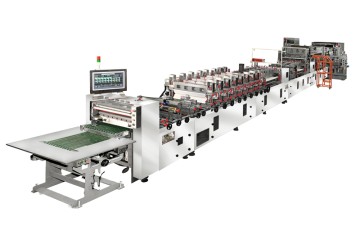
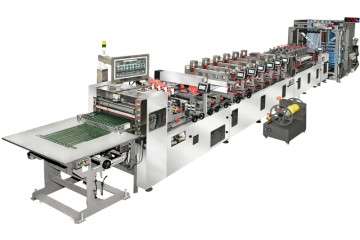
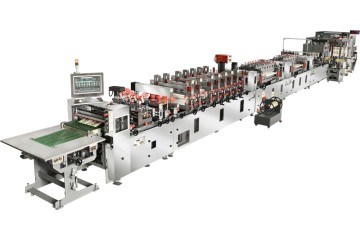
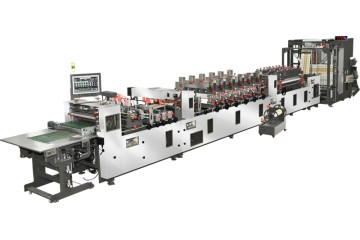
In recent years, the global pet food market has undergone a dramatic transformation. Driven by pet humanization, premiumization, and strict regulatory standards, manufacturers are shifting away from traditional low-barrier, single-layer packaging toward high-performance, multi-layered structures. Among these, BOPP (Biaxially Oriented Polypropylene) laminated films combined with the eight-side seal (flat bottom) pouch design have emerged as the gold standard for heavy-duty pet food packaging, particularly for volume sizes ranging from 5kg to over 20kg.
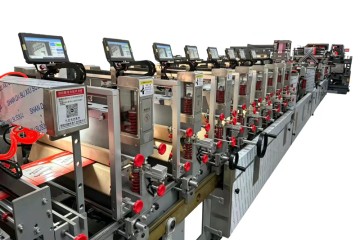
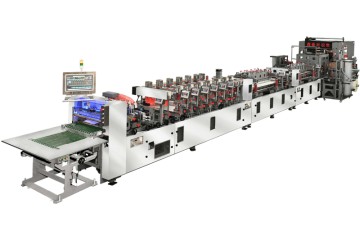
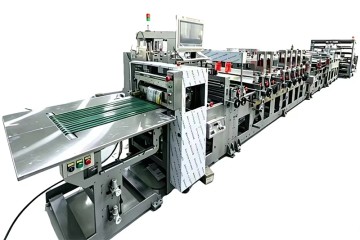
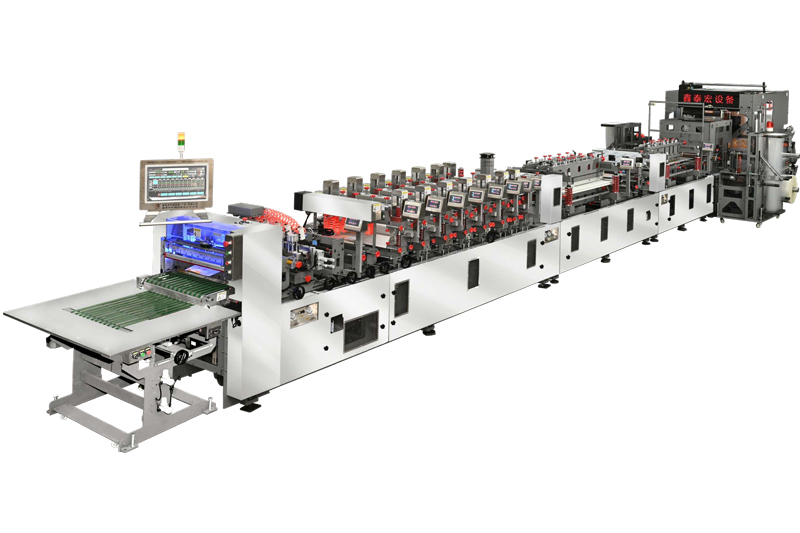
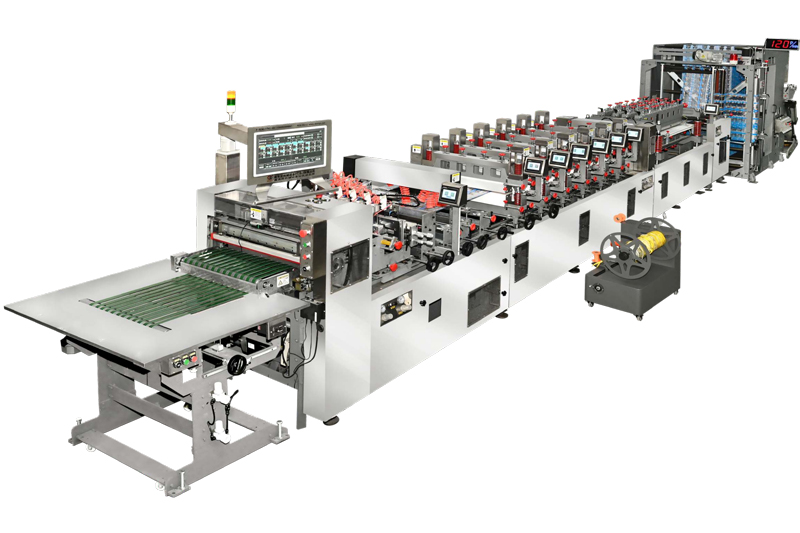
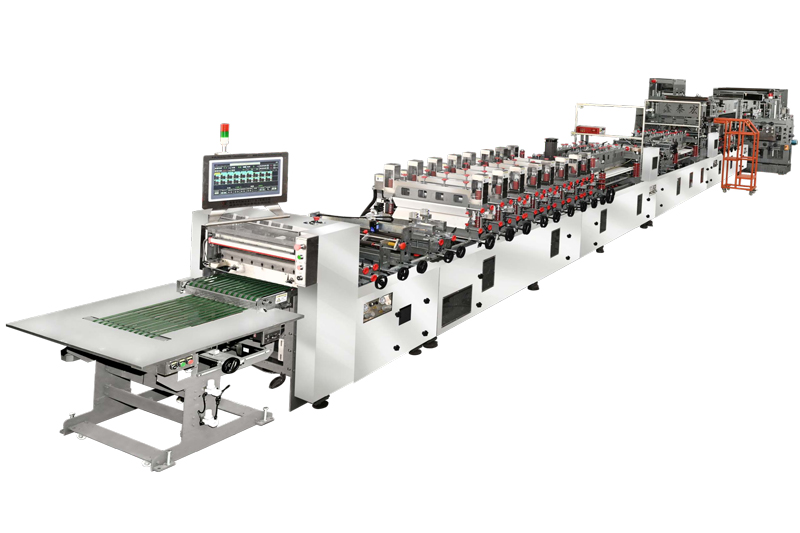
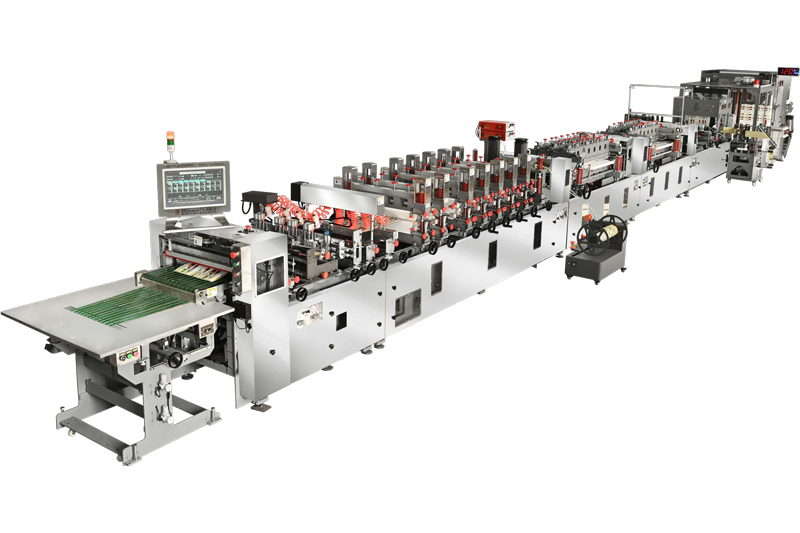
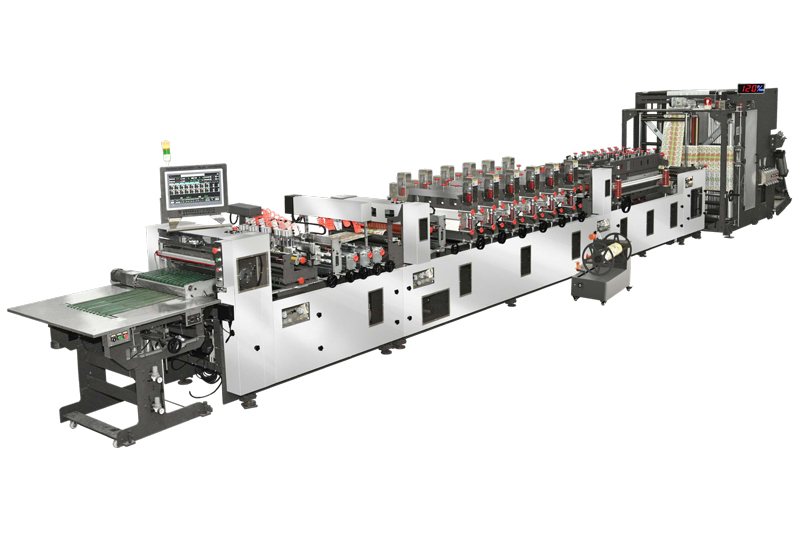
Manufacturing these complex pouches requires highly sophisticated machinery. A dedicated BOPP bag making machine designed for heavy-duty pet food eight-side seal pouches must integrate precise tension control, high-temperature thermal sealing, automated gusset insertion, and intelligent vision-guided quality control. This article delves into the industrial dynamics, technical requirements, and future trends of this cutting-edge packaging vertical.
Ensures zero-backlash, ultra-precise synchronization between multiple feeding, sealing, and cutting modules under variable tensions.
Real-time visual monitoring detects defective seals, printing misalignment, and punch deviations instantly, reducing waste to near-zero.
Multi-stage heating and cooling bars apply uniform pressure to thick laminated BOPP/PE/AL structures, ensuring leak-proof seals.
The eight-side seal pouch, often referred to as a box pouch or flat-bottom bag, offers a distinct structural advantage over traditional stand-up pouches or pillow bags. It features five printable panels: front, back, bottom, and two side gussets. This structure maximizes shelf presence and brand visibility while providing a stable, flat base that prevents the bag from tipping over when filled with heavy kibble.
From a commercial standpoint, the benefits are profound:
BOPP is widely celebrated for its excellent clarity, high tensile strength, outstanding printability, and robust moisture barrier properties. However, for heavy-duty applications, BOPP is rarely used alone. It is typically laminated with other materials, such as Polyethylene (PE) for sealability, Cast Polypropylene (CPP), or Aluminum/PET foil for high gas barrier protection.
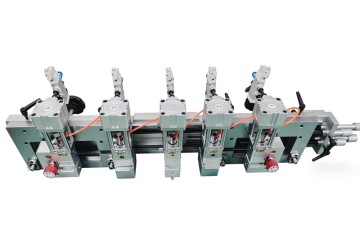
Sealing these multi-layer laminated materials is a major challenge. The exterior BOPP layer must withstand high sealing temperatures without melting or shrinking, while the inner sealant layer (usually PE) must melt completely to form a hermetic bond. Modern BOPP bag making machines employ advanced PID temperature controllers and heavy-duty, pneumatic-driven sealing bars to manage this narrow heat window, ensuring that the critical corner seals of the eight-side pouch remain intact even under high drop-test stresses.
To produce heavy-duty flat-bottom pouches at scale, bag making machines have evolved from mechanical link-driven mechanisms to fully automated, servo-controlled mechatronic systems. Key engineering modules include:
Traditional machines relied on mechanical line shafts, which suffered from mechanical wear and registration drift over time. Modern systems utilize independent servo motors for each functional group (feeding, sealing, gusseting, and cutting), synchronized digitally via a high-speed industrial bus (such as EtherCAT). This electronic shaft architecture allows for dynamic tension adjustments, minimizing material stretch and ensuring precise cutting alignment.
Heavy-duty pet food bags often feature integrated handles for consumer convenience. The alignment of these handle punches, relative to the printed artwork and the zipper profile, must be flawless. CCD vision systems inspect the running web in real-time, feeding positional errors back to the servo controller to make micro-adjustments on the fly. Defective bags are automatically flagged and sorted, preventing costly product recalls.
Forming the flat bottom of an eight-side seal pouch requires precise folding and insertion of a separate bottom web. The machine must run two webs simultaneously: the main body web and the bottom gusset web. The bottom insertion unit must align the webs perfectly, fold the gussets, and apply heavy heat sealing to the multi-layered "K-seals" or "round seals" at the corners. These corners are the most common failure points in drop tests, making high-precision temperature and pressure control critical.
The industrial demand for high-speed BOPP bag making machines is surging across North America, Europe, and the Asia-Pacific region. As pet ownership climbs to historic levels, pet food manufacturers are investing heavily in automated packaging lines. This has triggered a demand for bag-making machinery that can interface directly with high-speed multi-head weighers and rotary filling machines.
Another major trend is the shift toward sustainability. Traditional multi-material laminates (e.g., PET/AL/PE) are difficult to recycle. The industry is rapidly moving toward mono-material structures, such as all-PP (BOPP/MCPP) or all-PE laminates. These eco-friendly films have narrower sealing windows and lower stiffness, demanding even higher precision and gentler material handling from the bag making machine. Companies that deploy advanced machines with precise tension control and multi-stage cooling stations are uniquely positioned to adopt these green materials without sacrificing production throughput.
Explore our state-of-the-art manufacturing plant and precision machining equipment
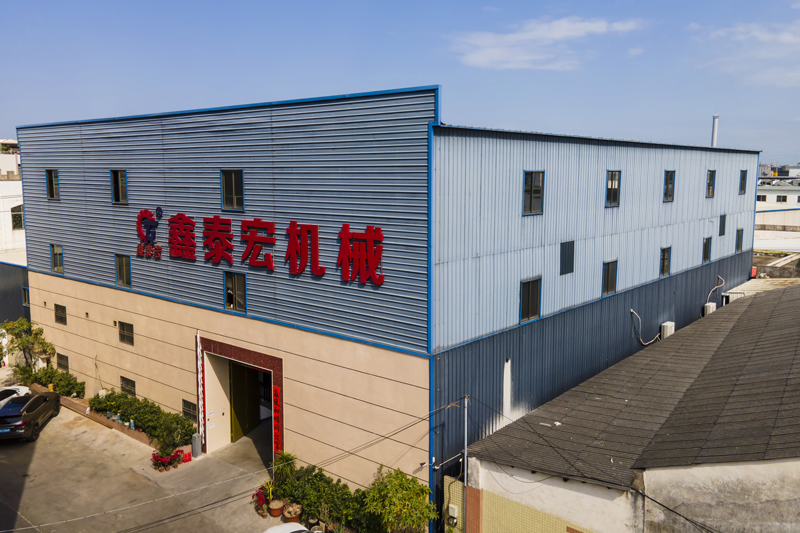
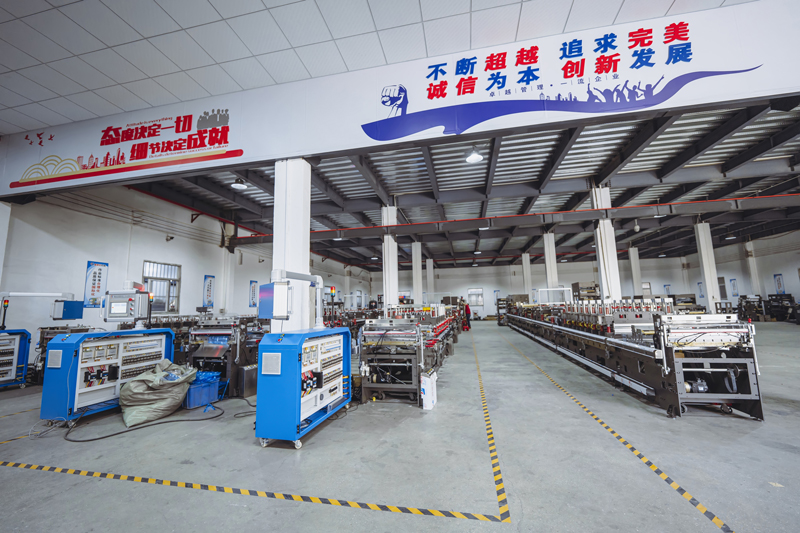
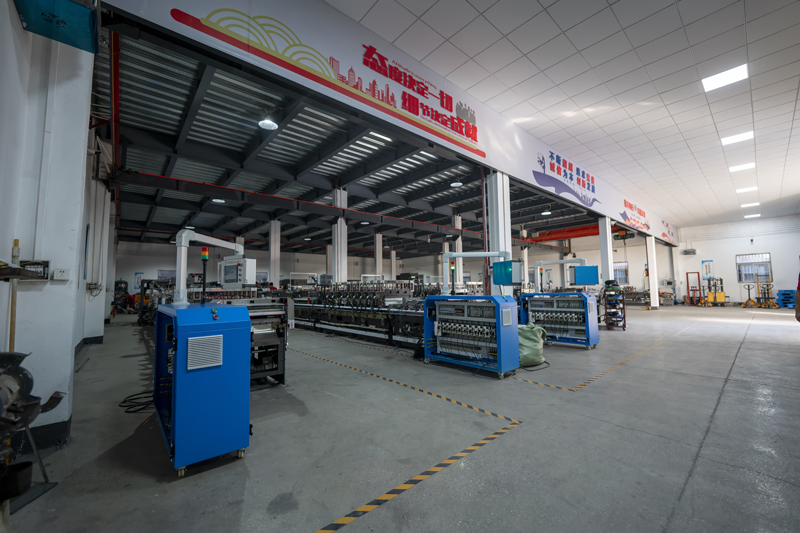
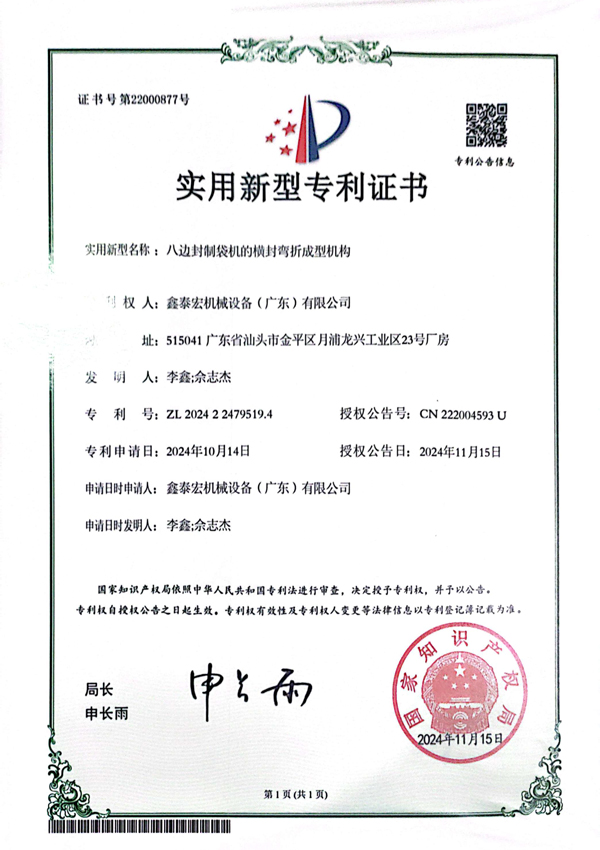
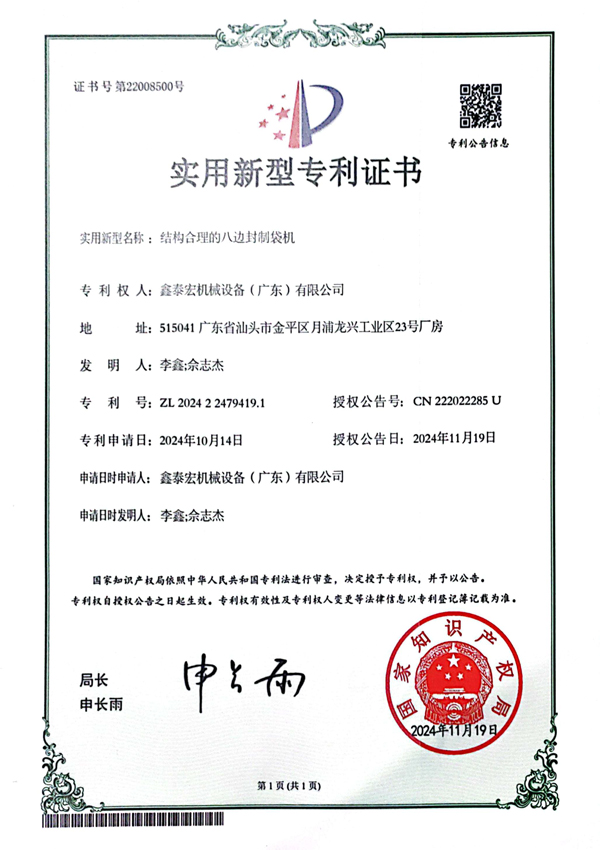
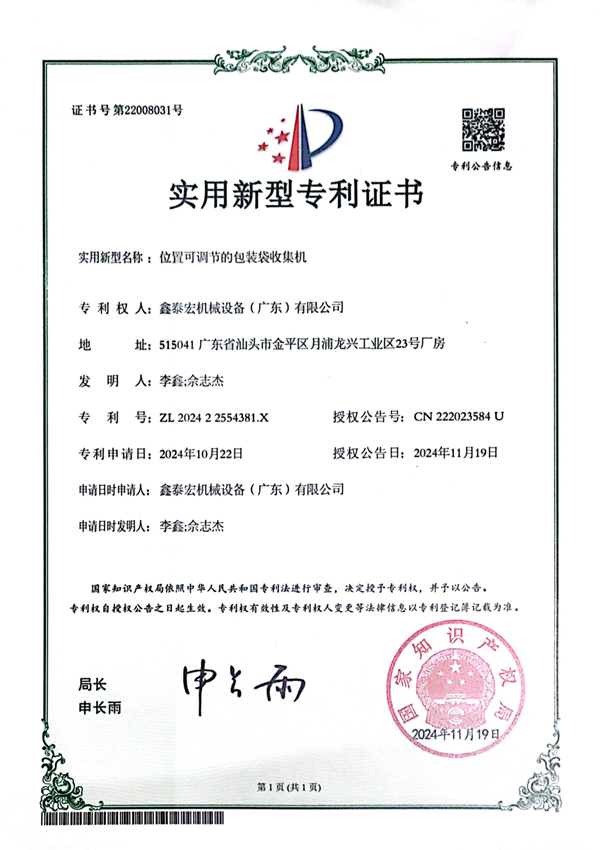
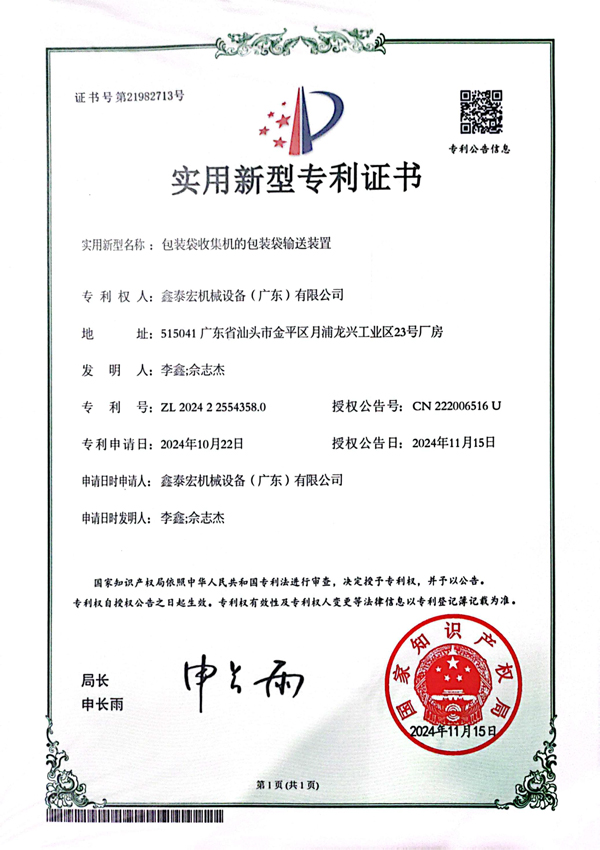
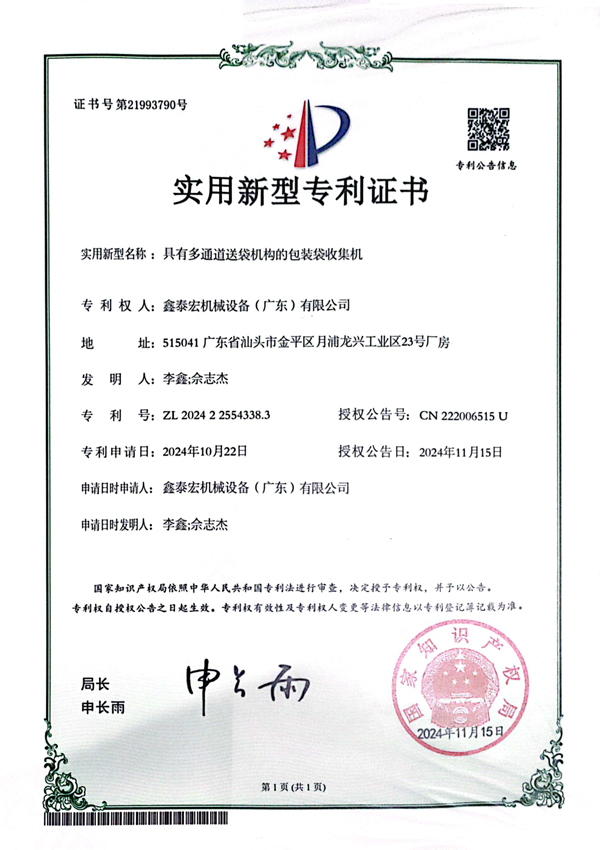
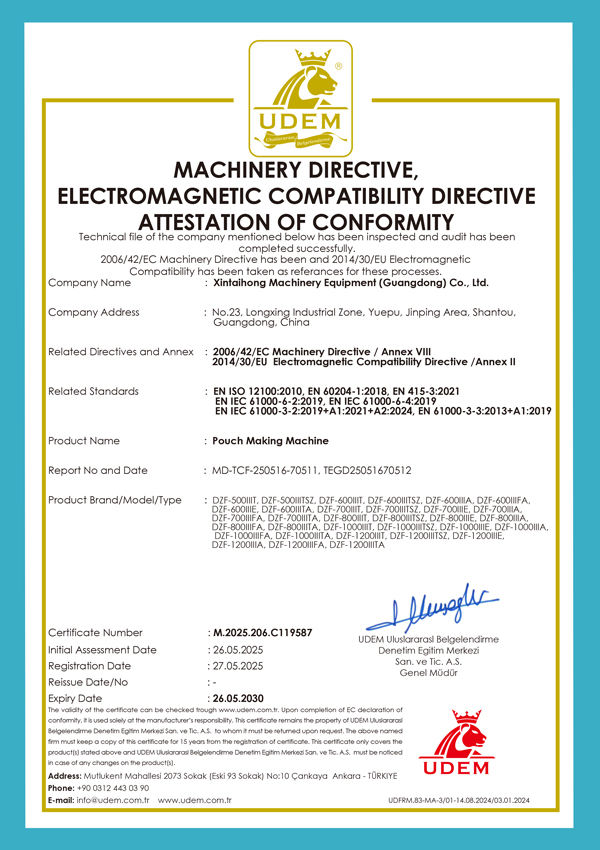
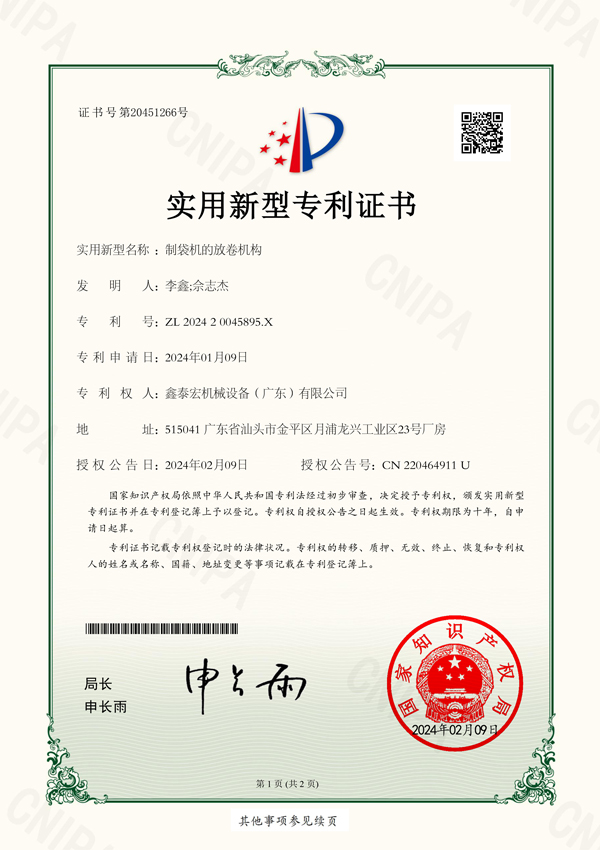
Our commitment to global quality standards and manufacturing excellence
Explore our full range of high-performance machinery engineered for advanced bag sealing and forming applications