Leave Your Message
-
Phone
-
E-mail
-
Whatsapp
-
WeChat

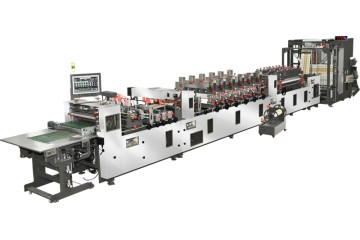
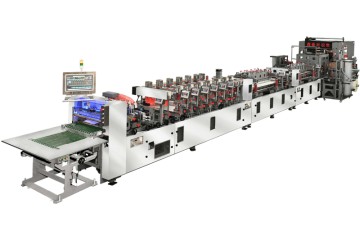
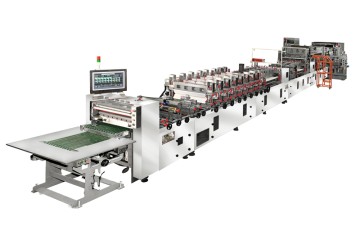
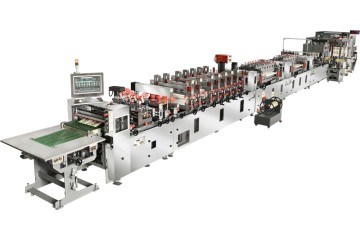
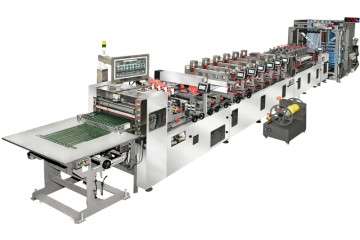
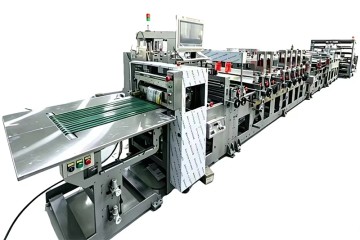
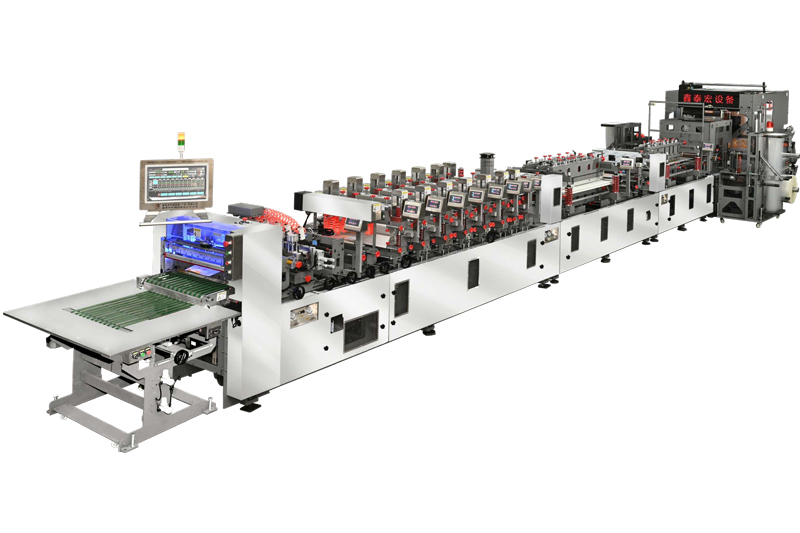
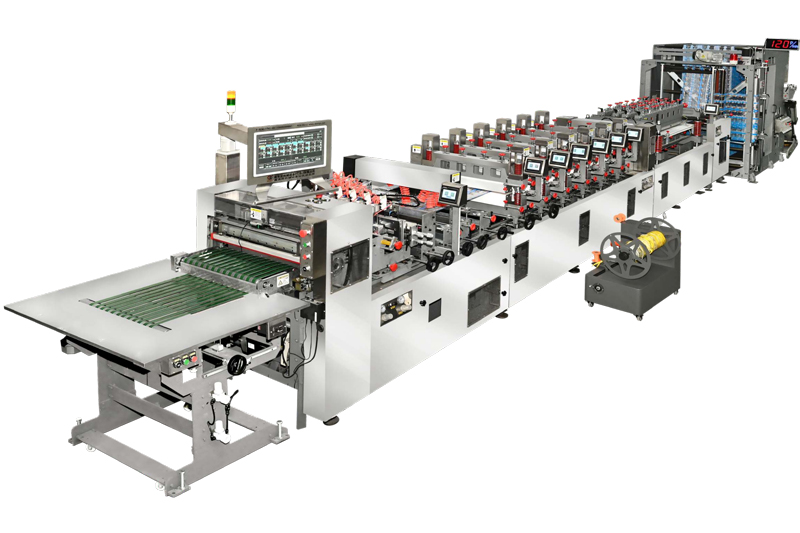
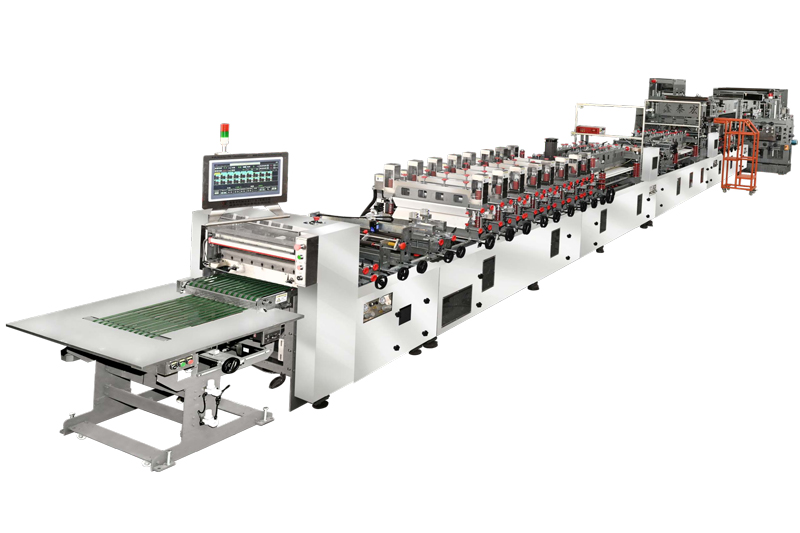
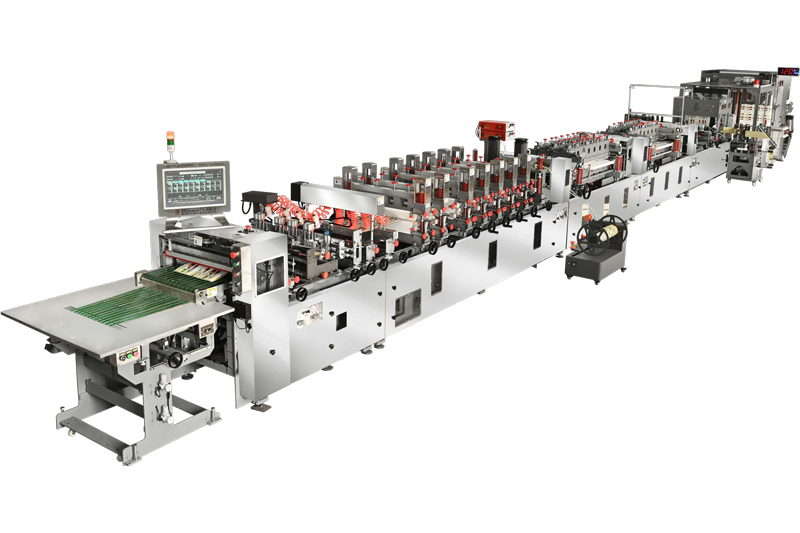
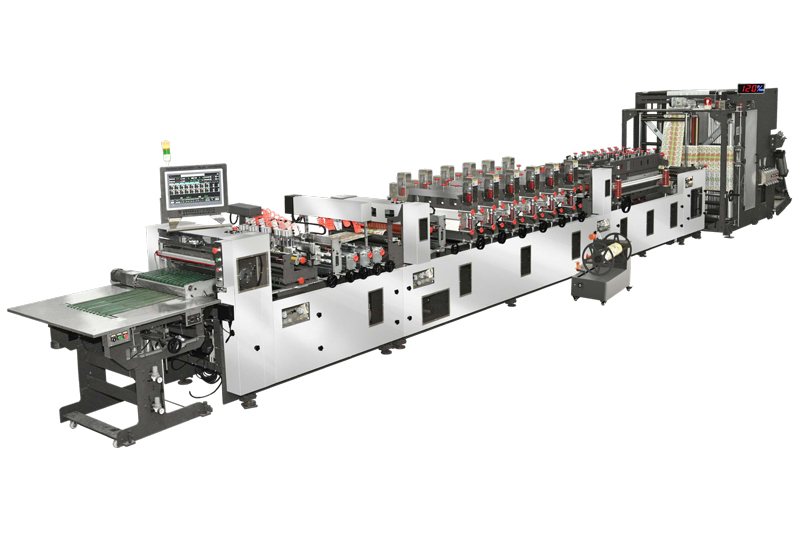
Explore our premium machinery line engineered for high-performance flat-bottom box pouch and CPP film conversion.
The global packaging sector is undergoing a massive shift towards sustainability, cost-efficiency, and superior shelf presence. At the heart of this transformation is Cast Polypropylene (CPP) film, recognized for its exceptional heat-seal strength, high clarity, and robust puncture resistance. When deployed in a high-speed CPP cast polypropylene pouch machine, this material unlocks unprecedented possibilities for manufacturing premium packaging formats, most notably the flat-bottom box pouch.
Flat-bottom box pouches, also referred to as 3D pouches or block-bottom bags, represent the pinnacle of modern flexible packaging design. Combining the best attributes of a traditional gusseted bag with the freestanding stability of a stand-up pouch, this format offers five printable panels for maximum brand exposure. Historically, manufacturing these complex structures required rigid materials or multi-layered laminates that were difficult to recycle. Today, advanced machinery allows manufacturers to process mono-material CPP laminates, meeting both corporate sustainability mandates and strict environmental regulations without sacrificing structural integrity.
"The integration of Cast Polypropylene (CPP) into flat-bottom pouch production allows brands to create 100% recyclable, mono-material packaging structures that exhibit superior sealing performance and barrier protection."
As consumer preference leans heavily toward eco-friendly products, flexible packaging converters face the challenge of transitioning away from non-recyclable multi-material films (such as PET/PE or PET/AL/PE). CPP has emerged as the ideal candidate for mono-material PP structures (BOPP/CPP or PP/CPP). The commercial demand for flat-bottom pouches is growing exponentially in sectors like pet food, premium coffee, organic snacks, and chemical powders. To capitalize on this trend, packaging companies require specialized machinery capable of handling the unique elasticity and thermal characteristics of cast polypropylene during high-speed sealing and cutting operations.
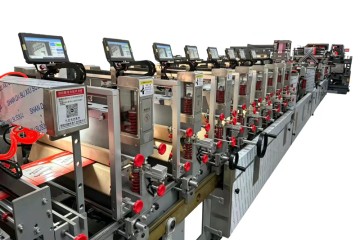
Processing CPP on a pouch-making machine is inherently more complex than working with stiffer substrates like BOPP or PET. CPP has a lower modulus of elasticity, meaning it stretches more easily under tension. If tension is not controlled with absolute precision, the film will stretch, leading to misaligned print registration, warped seals, and inconsistent pouch dimensions. Advanced CPP cast polypropylene pouch machines utilize electronic line shaft (ELS) technology and independent servo motors at every critical station to maintain micro-level tension control throughout the production line.
Maintains absolute web tension across multiple unwinding and folding stations, preventing CPP film stretching and ensuring perfect panel alignment.
Real-time optical cameras detect print marks and auto-correct cutting and punching positions, minimizing waste and maintaining aesthetic consistency.
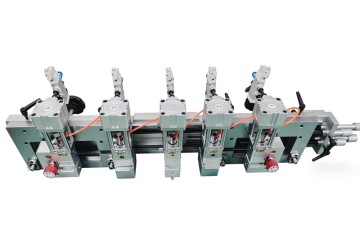
Independently controlled heating profiles prevent burn-through on delicate CPP films while ensuring hermetic, leak-proof seals at the gussets.
Manufacturing a flat-bottom pouch requires the simultaneous processing of multiple webs: the main front/back panels, two independent side gussets, and the bottom insertion sheet. The machine must fold, align, and seal these five distinct panels at high speeds. Because the bottom seal involves multiple layers of film intersecting (often up to 4 or 6 layers at the corners), the risk of leaks is high. A specialized flat-bottom box pouch machine overcomes this by utilizing ultrasonic sealing or multi-stage thermal sealing bars followed by instant cooling stations. This solidifies the molecular structure of the CPP, ensuring the pouch remains rigid and leak-proof under heavy loads.
The physical characteristics of CPP combined with the structural stability of the flat-bottom pouch make this packaging format highly sought after across several demanding industries:
Pet food packaging requires high puncture resistance to withstand sharp kibble and superior grease barriers to prevent oils from seeping through the film. Flat-bottom pouches made from co-extruded CPP laminate structures provide the perfect barrier. The flat bottom allows large bags (ranging from 1kg to 10kg) to stand upright on retail shelves without tipping over, offering a clean, box-like appearance that appeals to consumers.
Coffee beans release carbon dioxide post-roasting, necessitating the integration of a one-way degassing valve. Flat-bottom pouch machines can be equipped with inline valve applicators. The high thermal resistance of CPP ensures that the valve is welded securely to the inner layer without damaging the outer printed layer, preserving the aroma and freshness of the coffee over extended shelf lives.
For products like flour, sugar, protein powders, and infant formula, leak-proof seals are non-negotiable. CPP's excellent sealability prevents fine powders from escaping through micro-channels in the seals. Furthermore, the inclusion of press-to-close zippers or slider closures is handled seamlessly by inline zipper insertion units, providing end-users with convenient, reclosable packaging.
By integrating CCD vision punching units, the machine can punch out handles, tear notches, and euro-slots with sub-millimeter accuracy, even at production speeds exceeding 80 pouches per minute.
As the flexible packaging industry moves toward smart manufacturing and Industry 4.0, pouch-making machinery is evolving rapidly. Key trends shaping the future of CPP pouch production include:
Modern production lines are increasingly incorporating artificial intelligence to analyze data from CCD cameras and sensor networks. By monitoring sealing temperatures, pressure, and web tension in real-time, the system can predict maintenance needs and automatically adjust parameters to prevent defects before they occur. This reduces downtime and dramatically lowers material waste during job changeovers.
In response to global plastic reduction targets, raw material manufacturers are developing bio-based CPP films derived from renewable resources. These films often have narrower sealing temperature windows and different tensile properties than traditional petroleum-based resins. Next-generation pouch-making machines are engineered with highly sensitive heating elements and software algorithms specifically calibrated to run these sustainable substrates without compromising throughput.
Take a virtual look inside our state-of-the-art manufacturing facility equipped with advanced precision machining tools.
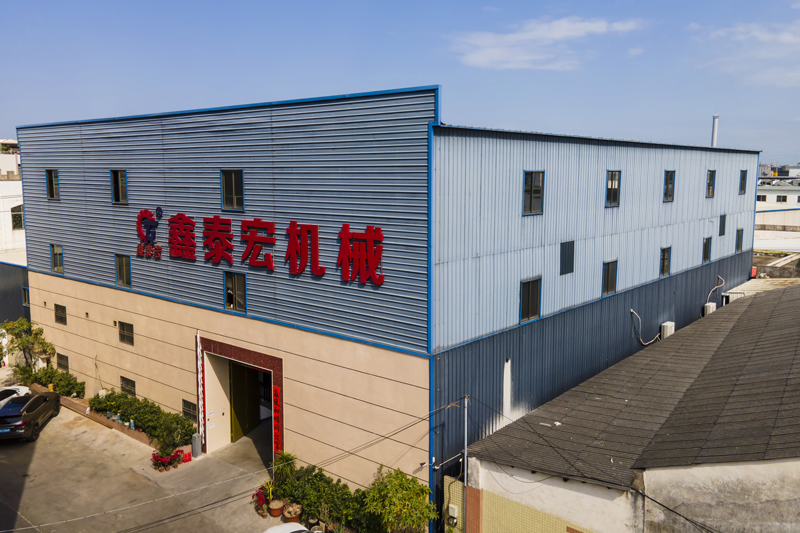
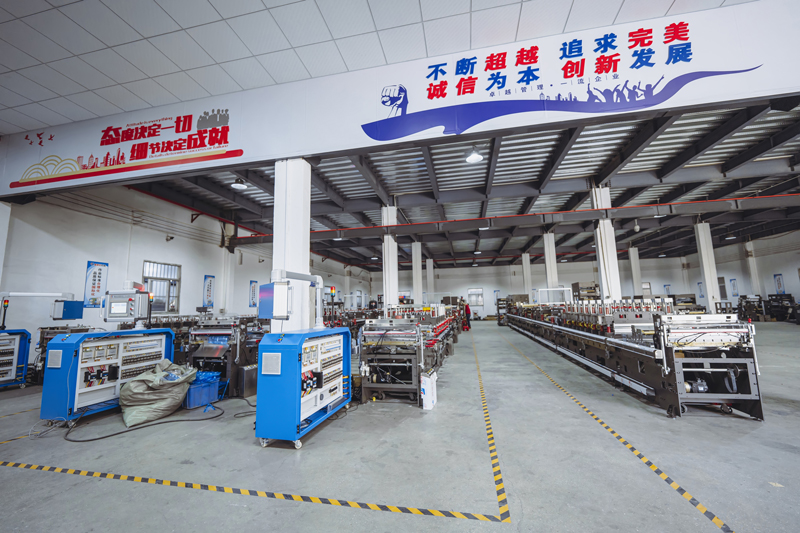
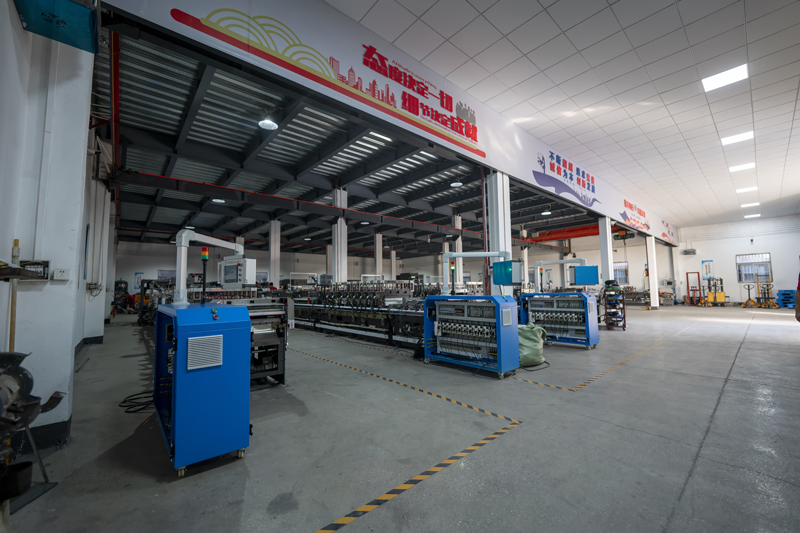
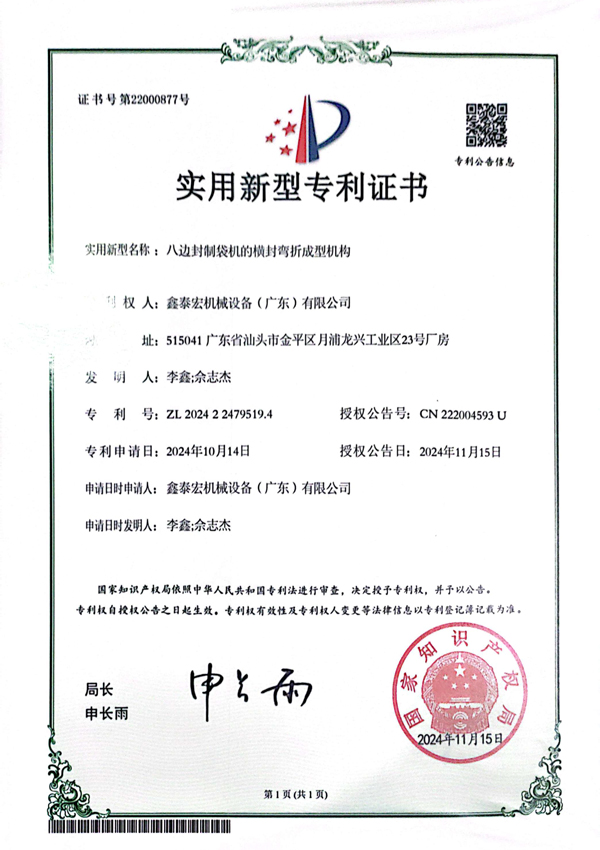
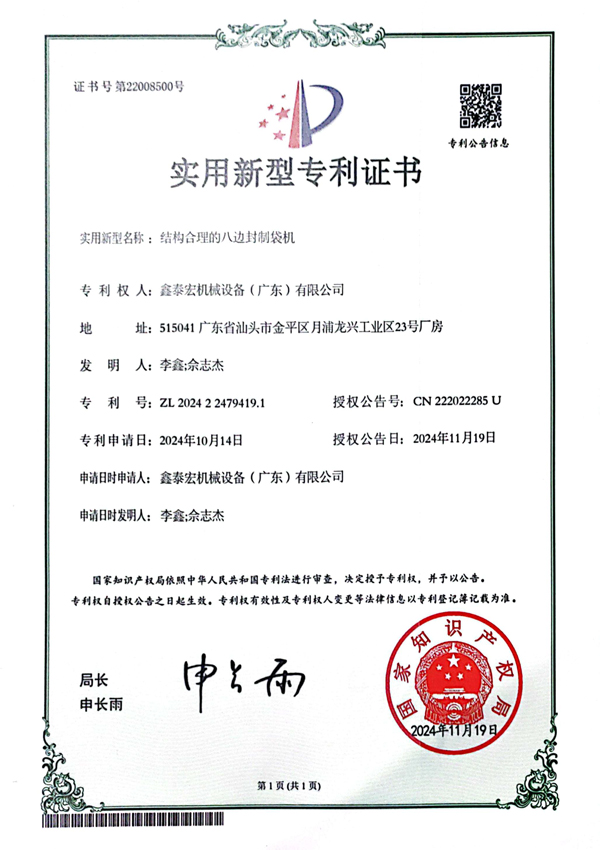
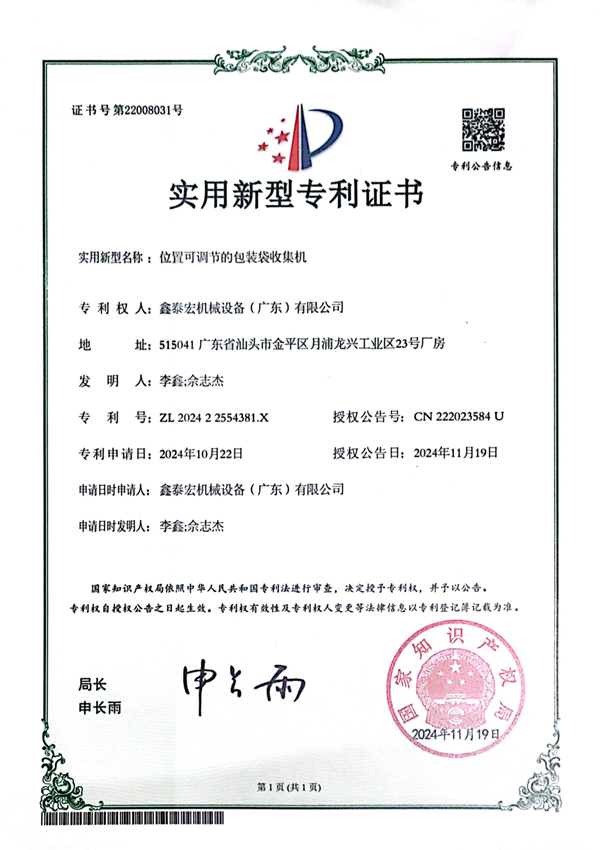
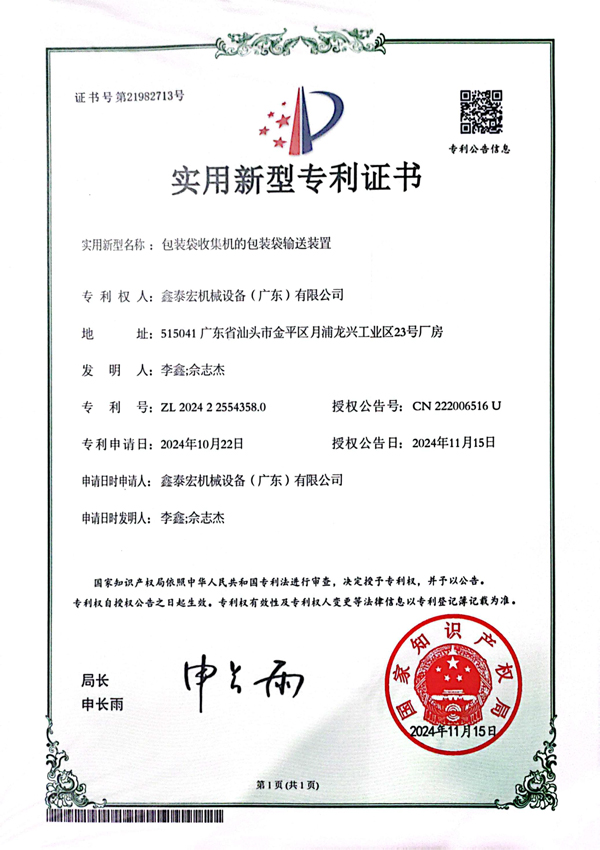
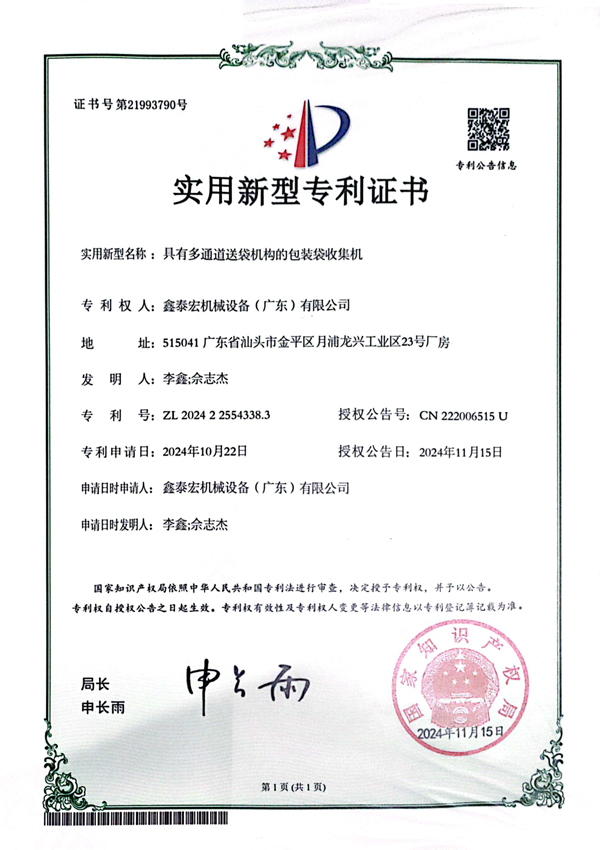
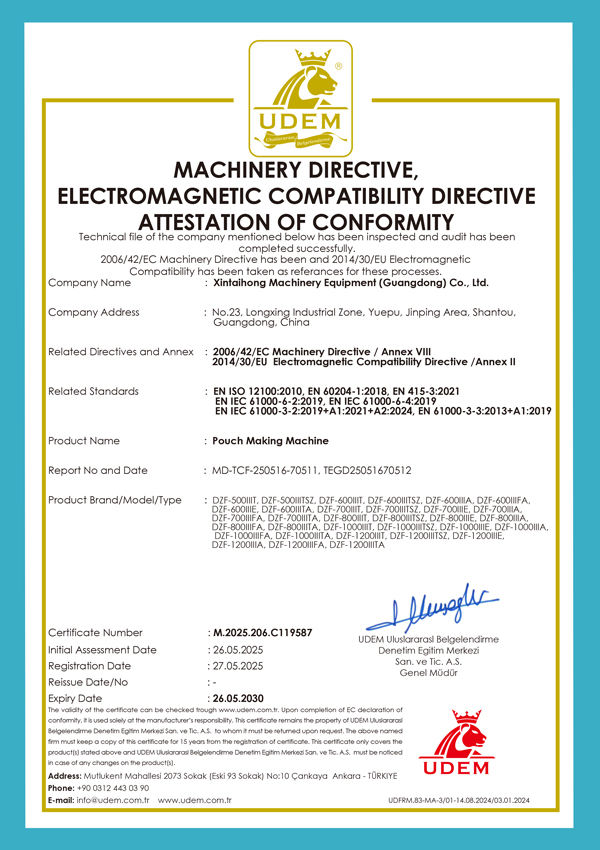
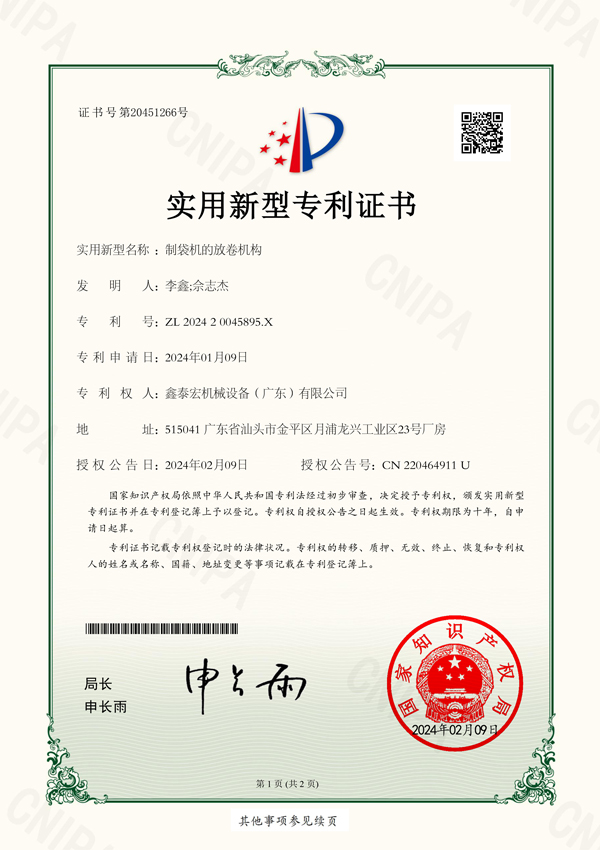
Our commitment to quality and safety is backed by international standards and certifications.
Browse our full range of high-speed bag making machinery, vision systems, and specialized slitting equipment.