Leave Your Message
-
Phone
-
E-mail
-
Whatsapp
-
WeChat

In the contemporary packaging landscape, the transition from rigid containers to lightweight, flexible alternatives has accelerated at an unprecedented rate. Central to this evolution is Cast Polypropylene (CPP), a material celebrated for its outstanding optical clarity, high heat resistance, excellent sealing strength, and superior puncture resistance. When compared to Biaxially Oriented Polypropylene (BOPP) or Polyethylene (PE), CPP offers a unique set of mechanical properties that make it the premier choice for the inner sealing layer of multi-layer laminated structures. This is particularly critical in challenging packaging applications such as high-volume vacuum seal and thermal retort processing.
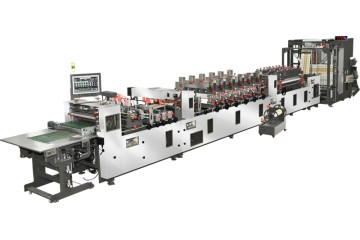
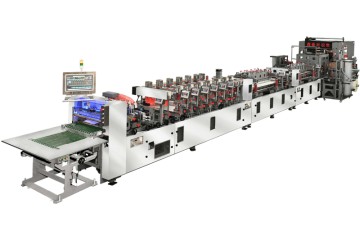
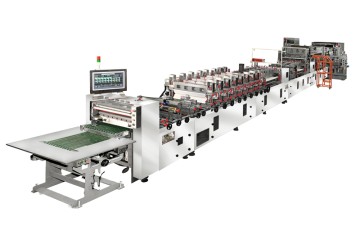
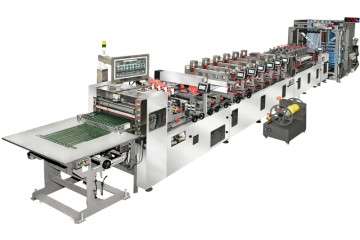
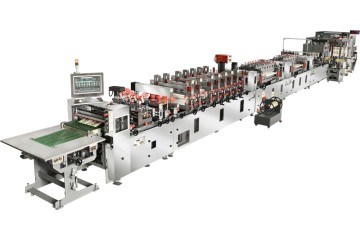
To process this versatile polymer efficiently, modern packaging manufacturers rely on highly specialized CPP Cast Polypropylene pouch machines. These advanced systems are engineered to handle the specific thermal and mechanical characteristics of CPP films, which require precise tension control and meticulous temperature management during the heat-sealing process. As consumer demand for shelf-stable food products, ready-to-eat (RTE) meals, and sterile medical supplies continues to surge, the role of high-speed, automated CPP pouch-making machinery has become indispensable for global packaging converters.
Unlike standard packaging films, Cast Polypropylene maintains its structural integrity and seal strength even when subjected to extreme temperatures (up to 135°C) during retort sterilization. It acts as the ultimate barrier and sealant, preventing product contamination and ensuring long shelf-life without refrigeration.
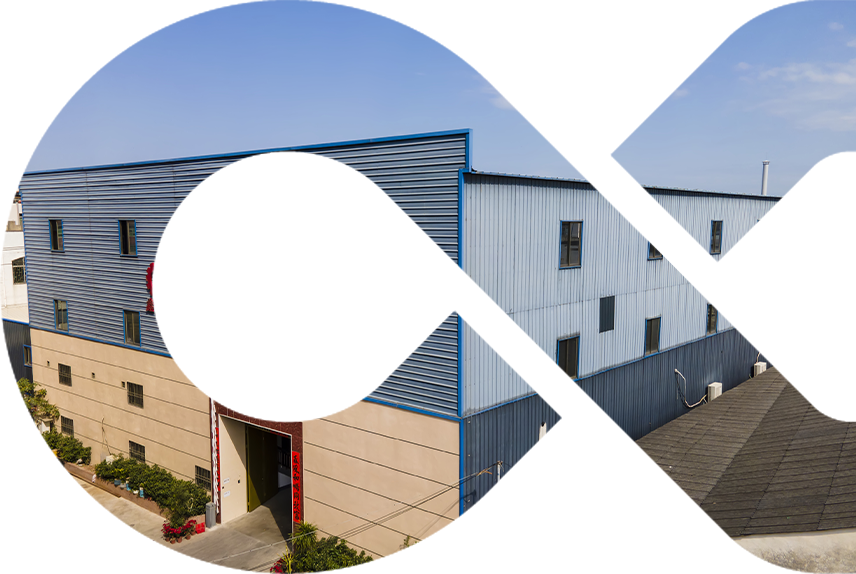
Xintaihong Machinery Equipment (Guangdong) Co., Ltd.


The global flexible packaging market is undergoing a major paradigm shift, heavily driven by changes in consumer lifestyle and industrial requirements. High-volume vacuum and retort pouch production has emerged as one of the fastest-growing segments. Retort packaging, which involves sterilizing packaged food in a pressurized vessel, demands absolute structural perfection. A single micro-leak can compromise food safety, leading to product recalls and substantial financial losses. Consequently, manufacturers are demanding pouch-making machines that deliver 100% seal reliability at extremely high production speeds.
Furthermore, the push for environmental sustainability is reshaping the industry. Traditional retort pouches utilize multi-material laminates (typically PET/Aluminum Foil/Nylon/CPP) which are difficult to recycle. Today, there is a massive research and development focus on mono-material PP pouches, where Cast Polypropylene is laminated with MDO-PE or barrier PP films. Processing mono-material structures is technically challenging because PP has a narrow sealing temperature window. This requires next-generation pouch machines equipped with ultra-precise PID temperature controllers, advanced cooling units, and servo-driven sealing bars to prevent film distortion while maintaining high throughput.
Several macro-economic factors are propelling the demand for high-speed CPP pouch machinery. The rapid expansion of the pet food industry, particularly wet food in retort pouches, requires millions of pouches daily. Similarly, the global demand for ready-to-eat meals and military MREs (Meals, Ready-to-Eat) has skyrocketed. In the medical sector, sterilization pouches made with CPP backing are widely adopted for surgical instruments and medical devices. To remain competitive, packaging converters must transition from semi-automated, low-speed systems to fully integrated, electronic shaft-driven pouch-making lines that operate continuously with minimal downtime.
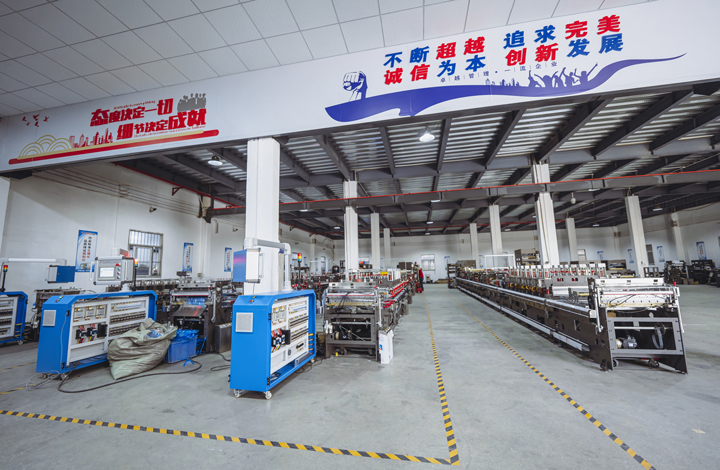
Leading the Packaging Sector with Advanced Engineering
The versatility of CPP pouch machines allows them to cater to a diverse array of industrial applications. Depending on the barrier requirements and sterilization methods, these machines configure different pouch formats, including three-side seal, stand-up pouch (SUP) with zipper, and flat-bottom pouches.
Retort food packaging is perhaps the most demanding application for CPP films. The pouches contain food products that are sterilized inside an autoclave at temperatures ranging from 121°C to 135°C under high pressure. The inner CPP layer must fuse perfectly to form a hermetic seal that acts as an absolute barrier against bacteria, oxygen, and moisture. Our pouch-making machines feature specialized sealing jaw designs that apply uniform pressure across the entire sealing area, eliminating the risk of thin spots or weak seals that could fail during the retort process. Typical products packaged this way include ready-to-eat curries, seafood, baby food, and wet pet food chunks in gravy.
Vacuum packaging requires the removal of air from the pouch before sealing. This puts immense physical stress on the seal joints, as the film tightly conforms to the contours of the product. CPP, when laminated with Nylon (PA), offers the necessary elasticity and puncture resistance to withstand this mechanical stress. A high-performance CPP pouch machine ensures that the side seals and bottom seals are completely free of microscopic voids. This is essential for packaging processed meats, cheese blocks, raw seafood, and industrial components that require oxidation prevention.
In healthcare, surgical instruments, catheters, and intravenous infusion bags must undergo steam sterilization. The packaging must allow steam to enter (often through a medical paper or Tyvek web) and remain sterile after the process. CPP is laminated to these substrates to provide a clean-peel opening mechanism while ensuring the pouch remains sealed during high-temperature autoclaving. Pouch-making machines for this sector must comply with strict hygienic standards and incorporate CCD vision inspection systems to detect any foreign particles or seal defects in real-time.
In medical and retort packaging, even a 0.1mm deviation in seal alignment can lead to contamination. Integrating CCD vision systems and automatic rejection units ensures that every single pouch conforms to strict international quality standards.
Over 15 Years of Technical Accumulation
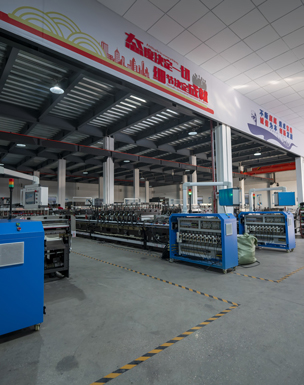
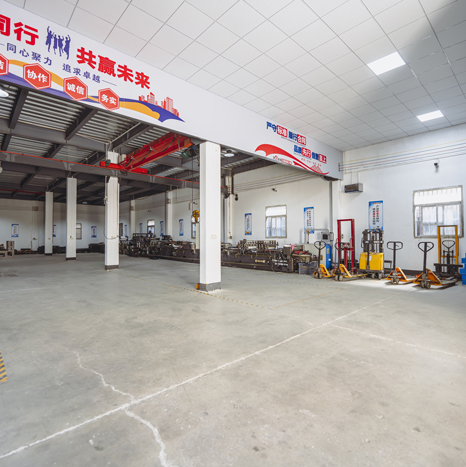
Operating a pouch-making line at speeds exceeding 150 to 200 cuts per minute requires a deep understanding of thermodynamics and mechanical engineering. When working with CPP film, several technical challenges must be overcome:
Because CPP has high thermal conductivity and a relatively low melting point compared to PET, heat must be applied rapidly and then immediately dissipated to set the seal. Advanced CPP pouch machines utilize multi-stage heating stations followed by highly efficient water-cooled or air-cooled sealing jaws. This fast heating and cooling cycle prevents the film from shrinking or wrinkling, ensuring flat, aesthetically perfect pouches that stack easily on automated filling lines.
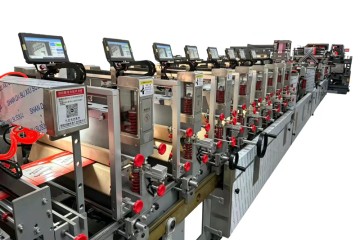
Traditional mechanical link-driven machines struggle with accuracy at high speeds due to mechanical wear and backlash. Modern systems, like the DZF series from Xintaihong, utilize independent electronic shaft technology. Each function—from web feeding and zipper insertion to sealing and cutting—is controlled by individual, synchronized servo motors. This allows for micro-adjustments in real-time, reducing material waste during startup and job changeovers.
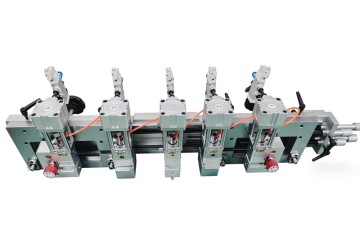
For retort pouches that require tear notches, rounded corners, or handle punches, precision is non-negotiable. The integration of CCD vision systems allows the machine to scan registration marks continuously. If the film shifts even slightly due to web stretch or print misalignment, the CCD system communicates with the servo-driven punch unit to adjust its position instantly. This ensures that every single punch and cut is centered perfectly, reducing scrap rates to near zero.
The future of CPP Cast Polypropylene pouch manufacturing lies in smart automation. Packaging converters are increasingly seeking machines that feature IoT connectivity, enabling remote diagnostics, predictive maintenance, and real-time production monitoring. By analyzing data from sensors embedded in the heating elements, servo drives, and tension rollers, operators can predict component failures before they occur, maximizing uptime. Xintaihong remains at the forefront of this technological revolution, continuously integrating intelligent control algorithms into our self-developed machinery to help our clients achieve maximum efficiency and profitability.
Partner with Xintaihong for Advanced Packaging Solutions