Leave Your Message
-
Phone
-
E-mail
-
Whatsapp
-
WeChat

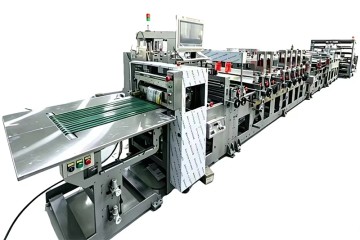
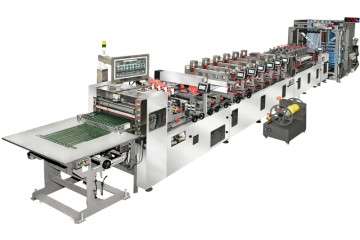
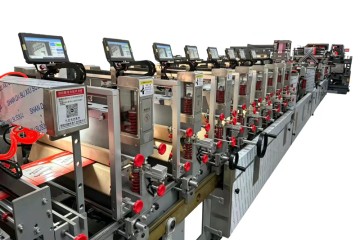
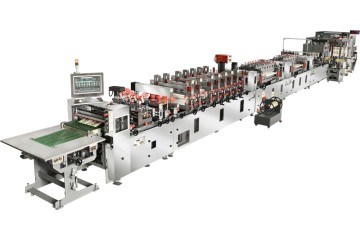
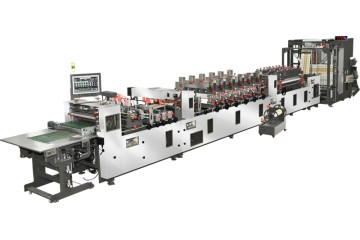
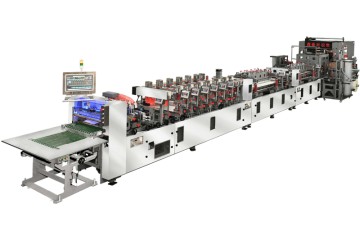
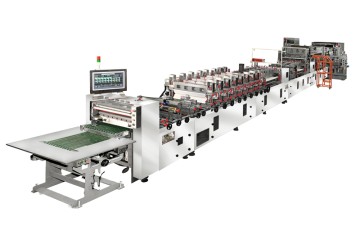
Discover our dedicated machinery configurations engineered specifically for multi-layer CPP, barrier laminate films, and puncture-resistant agro-industrial packaging.
Micro-crystalline CPP heat-seal layers fused under servo-regulated dwell times yield zero-capillary barrier seams, preventing vapor permeation even under 90% RH tropical storage environments.
Cast polypropylene inner matrices resist acidic fertilizers, humic compounds, micronutrient salts, and solvent-based agrochemicals that commonly cause stress cracking in conventional PE liners.
Specially calibrated sealing kinematics preserve tensile yield around sharp hybrid cereal seed husks and crystalline granular fertilizer pellets, eradicating transit drop ruptures.
The agricultural input sector is experiencing an unprecedented structural transformation. As high-value hybrid seeds—such as genetically optimized corn, hybrid rice, brassica oilseeds, and specialized horticultural strains—command increasing market value per kilogram, the tolerance for packaging-induced degradation has effectively vanished. Concurrently, modern fertilizer formulations have evolved far beyond bulk crushed minerals. High-efficiency specialty inputs, including water-soluble fertilizers (WSF), controlled-release polymer-coated urea, bio-fertilizers enriched with mycorrhizal fungi, and chelated micronutrients, demand hermetic environments to preserve biochemical efficacy.
Historically, bulk woven polypropylene (WPP) sacks with loose poly-liners dominated agrochemical logistics. However, this legacy format suffers from catastrophic failure mechanisms: atmospheric water vapor transmission rates (WVTR) through stitching punctures and micro-perforations cause granular fertilizers to deliquesce, cake, and form solid rock-like agglomerations. For seeds, ambient moisture infiltration triggers premature enzymatic activity, breaks embryo dormancy, accelerates lipid peroxidation, and invites fungal pathogens such as Aspergillus and Fusarium. The resulting degradation can slash germination viability from 98% down to sub-60% within a single shipping cycle across humid equatorial transit zones.
To eliminate these multi-million dollar supply chain losses, world-leading agrochemical producers are switching to preformed barrier pouches fabricated from advanced polymer laminates—specifically those utilizing Cast Polypropylene (CPP) as the functional sealant matrix. The specialized CPP Cast Polypropylene Pouch Machine represents the technological fulcrum of this transition, bridging precision mechanical conversion with the exacting thermo-rheological requirements of co-extruded barrier webs.
In high-barrier flexible multi-layer structures (e.g., PET/AL/CPP, BOPP/VMPET/CPP, or mono-material oriented PP/Cast PP laminates), Cast Polypropylene delivers decisive engineering advantages over conventional Blown Low-Density Polyethylene (LDPE) and Linear Low-Density Polyethylene (LLDPE):
1. Thermal Resistance & Differential Melting Windows: Cast polypropylene features a significantly higher vicat softening point and peak melting temperature (typically 158°C to 165°C for homopolymers, and 135°C to 148°C for random copolymers) compared to standard PE (105°C to 125°C). This allows pouch-making machines to operate at elevated thermal seal temperatures with shorter dwell cycles, delivering robust fusion without causing outer carrier layer delamination or graphic distortions.
2. Interfacial Chemical Resistance: Chemical fertilizers contain high concentrations of nitrogen (ammoniacal and nitrate), phosphorous pentoxide, potassium chloride, and organic acid adjuvants. These aggressive compounds often migrate through the amorphous regions of conventional PE films, leading to environmental stress cracking (ESC). CPP possesses a dense semi-crystalline structure that provides an impenetrable shield against chemical plasticization and acidic leaching.
3. Optical Brilliance and Pouch Rigidity: Unlike cloudy blown PE, cast polypropylene provides crystalline optical clarity and high flexural modulus. When manufactured into flat-bottom or stand-up pouch styles on our automated pouch machinery, the finished packages present rigid shelf presence, resisting corner collapse and deformation under vertical stacking loads.
Fabricating high-barrier pouches utilizing CPP sealant substrates presents unique challenges to machinery builders. Because CPP has a narrower viscoelastic window and is sensitive to residual heat stress, conventional pouch machines often suffer from edge curling, seal wrinkles, and inconsistent longitudinal tensile elongation. Modern computerized pouch-making machines solve these physics challenges through advanced mechatronic integration:
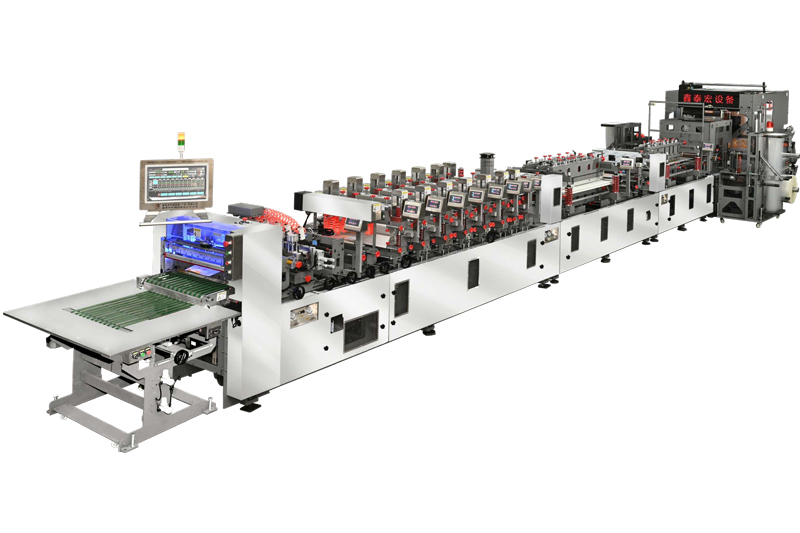
Eliminating mechanical line-shafts, each functional station—from unwinding and edge-guide tracking to punch units, sealing jaws, cross coolers, and rotary cutters—is actuated by individual high-torque AC synchronous servo motors synchronized over high-speed industrial Ethernet (EtherCAT or Profinet). This enables microsecond-level synchronization of acceleration and deceleration curves, preventing transient tension spikes that would otherwise stretch high-barrier laminates containing aluminum foil or brittle vacuum metalized layers.
To achieve high-speed conversion without compromised barrier seals, modern CPP pouch machines utilize multi-stage heating sections followed by isolated chilled conditioning bars. Heat is applied incrementally across three to four successive sealing passes, ensuring complete polymer chain entanglements across the entire lamination interface. Immediately following the heat cycle, chilled water cooling blocks (maintained precisely between 12°C and 16°C) quench the molten seam under controlled pressure. This crystallizes the CPP polymer morphology rapidly, eliminating inner residual stresses, eliminating pouch waviness, and locking in maximum burst pressure resistance.
Modern seed and fertilizer packaging relies heavily on sophisticated anti-counterfeiting features, holographic hot stamps, and micro-printed QR codes for seed traceability. Intelligent charge-coupled device (CCD) vision systems continuously scan both printing registration marks and pouch punch positions at linear web velocities reaching up to 60 meters per minute. When microscopic pitch variations or thermal film creep are detected, the electronic shaft system automatically adjusts the phase angle of the traction rollers within sub-millimeter tolerances, ensuring zero defective packages escape the line.
Exploring how specialized pouch geometries and CPP material science protect specific agrochemical commodities across volatile global climates.
Hybrid seeds are high-capital biological assets. A seed container must preserve internal moisture content between 6% and 8% relative equilibrium. If relative humidity within the packaging exceeds 12%, seed respiration skyrockets, depleting stored endosperm starches and emitting internal metabolic heat that renders the seed sterile.
Pouch Format: Center-sealed bags with side gussets and four-side sealed flat bottom pouches (produced via our DZF-600-1200ⅢE Vision Flat Bottom Pouch Machine). The multi-layer laminate typically consists of PET / ALU Foil / CPP or OPP / AL / CPP. The electronic shaft center sealing mechanism produces continuous, gas-tight longitudinal fins that can withstand nitrogen-flush vacuum packaging without microscopic pinholes, ensuring up to 36 months of viable seed shelf life in non-climate-controlled rural depots.
Water-soluble fertilizers (such as high-potassium 12-12-36 or calcium nitrate formulas) are extremely hygroscopic. Exposed to ambient air for merely several hours, these powders begin capturing moisture molecules, converting free-flowing crystal powder into an un-dissolvable rock slab that clogs precision fertigation drippers.
Pouch Format: Stand-up pouches with heavy-duty moisture-tight press-to-close zippers (manufactured on the DZF-500-1000TSZ Multi-Function Stand-up Zipper Bag Making Machine). Utilizing a robust Kraft Paper / PET / CPP or BOPP / VMPET / CPP laminate, the machine produces a hermetic seal below the zipper track while enabling recurring end-user reclosure in the field. The internal CPP layer prevents acidic fertilizer salts from attacking the outer barrier substrates.
The fastest-growing segment in modern agronomy is biologicals: live bacterial inoculants (e.g., Rhizobium, Bacillus subtilis) and mycorrhizal fungi blended with humic carrier powders. These living microbial cultures are exceedingly vulnerable to moisture degradation, oxygen oxidation, and light exposure.
Pouch Format: Three-side seal vacuum pouches (fabricated on the DZF-600-800IIIT Three Side Sealing Machine with CCD). The hermetic CPP inner liner guarantees zero seal failure during high-vacuum extraction and inert gas backfilling, securing biological colony counts (CFU/g) over multi-continent shipping corridors.
Driven by the European Union's Packaging and Packaging Waste Regulation (PPWR) and global ESG initiatives, agricultural packaging converters are under intense pressure to abandon non-recyclable multi-material structures (such as PET/Aluminum/PE). The future belongs undeniably to Mono-Material Recyclable Solutions—specifically structures built entirely around the polypropylene polymer tree: BOPE/CPP or Oriented BOPP/Cast Polypropylene (BOPP/CPP).
Processing mono-material polypropylene laminates is notoriously difficult because both the outer structural film and the inner sealant film share identical or closely matched melting points. Without exceptionally precise thermal boundaries, heat-sealing bars will bleed heat straight through to the outer face, obliterating dimensional stability. Our latest generation of DZF Electronic Shaft Pouch Machines integrates proprietary multi-zone digital PID thermal control loops, nano-coated anti-stick sealing bars, and high-frequency servo pressure profiling. This allows flexible packaging converters to manufacture 100% recyclable mono-PP agricultural pouches with zero distortion, high tensile rigidity, and total moisture-barrier integrity.
Take a look inside our high-precision machining centers, robotic assembly floors, and testing facilities dedicated to high-speed flexible packaging machinery.
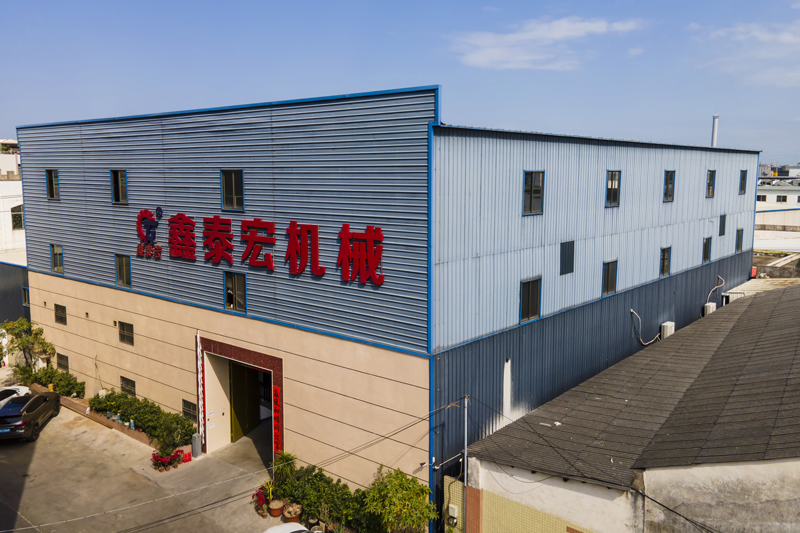
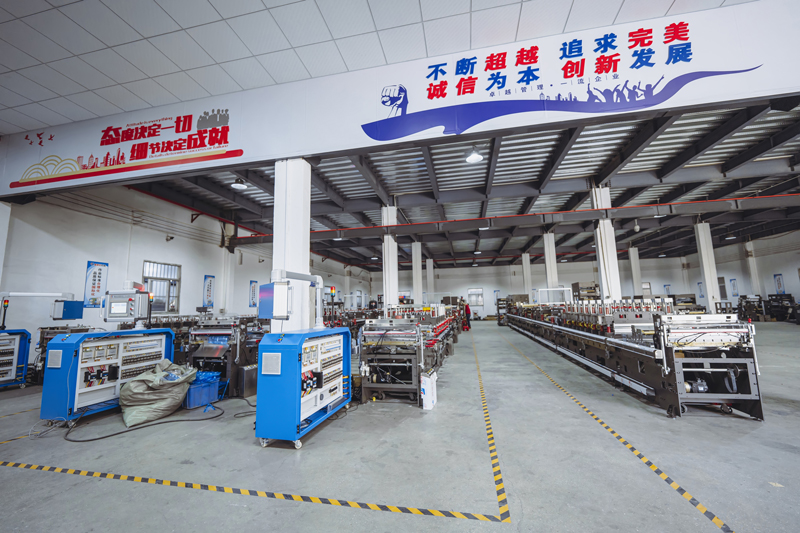
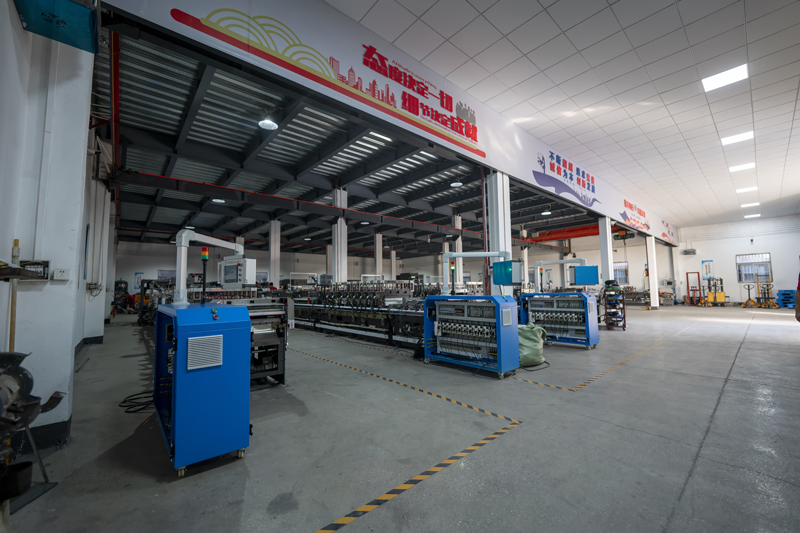
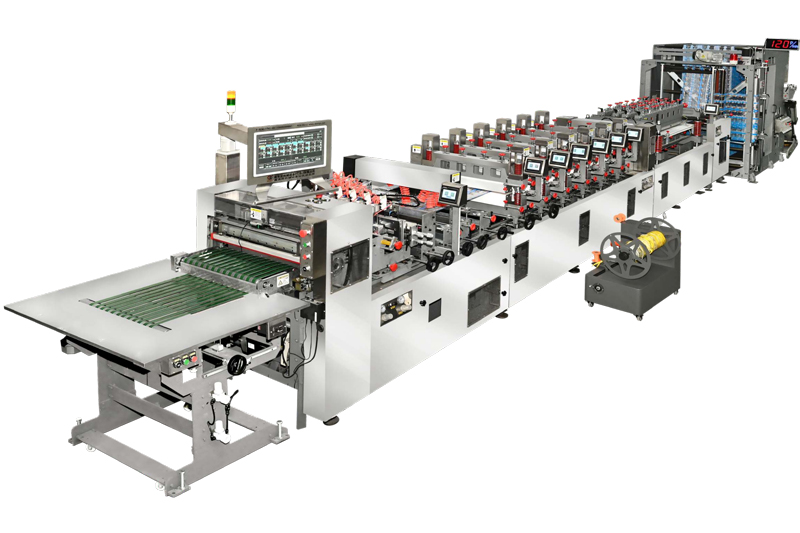
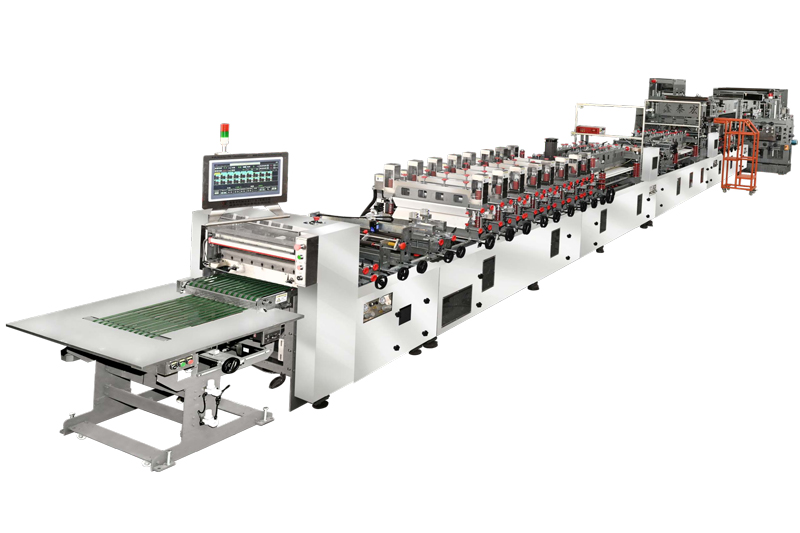
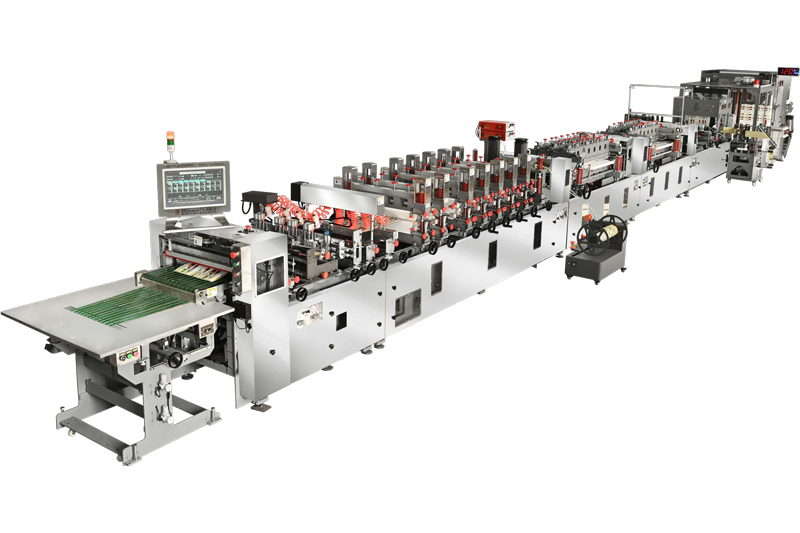
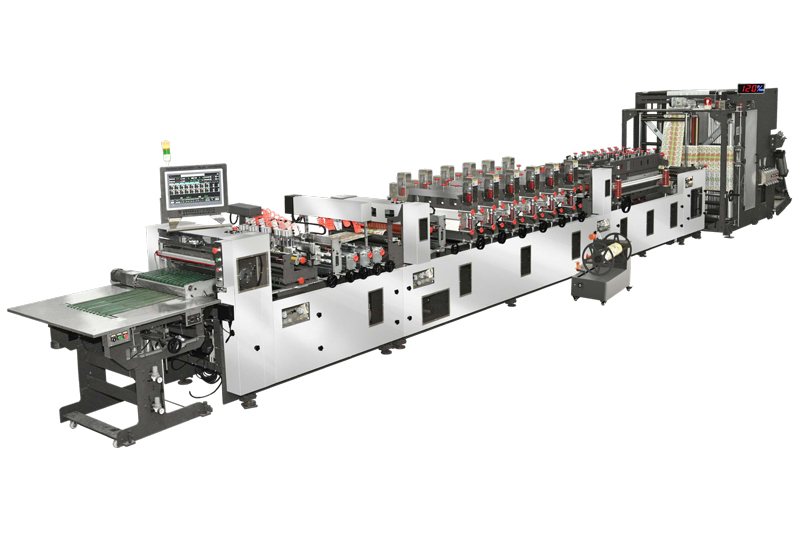
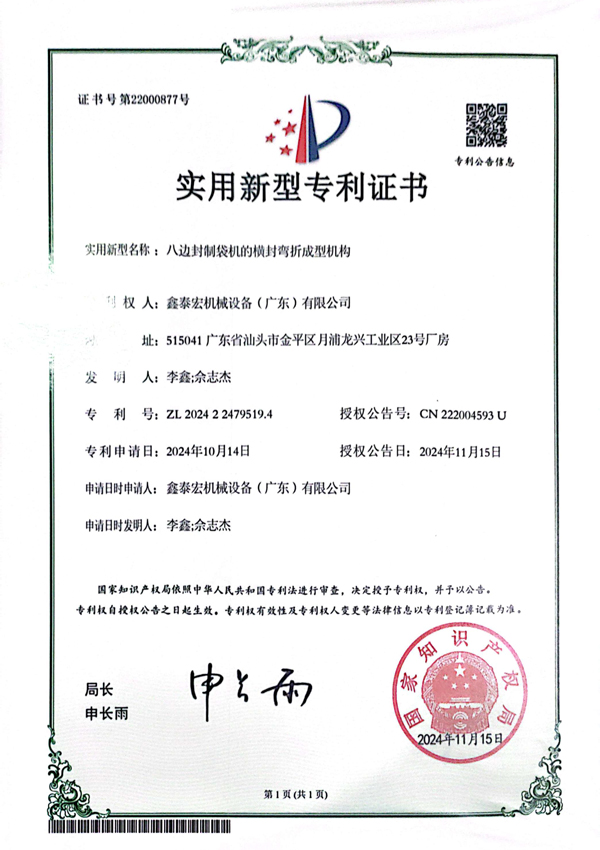
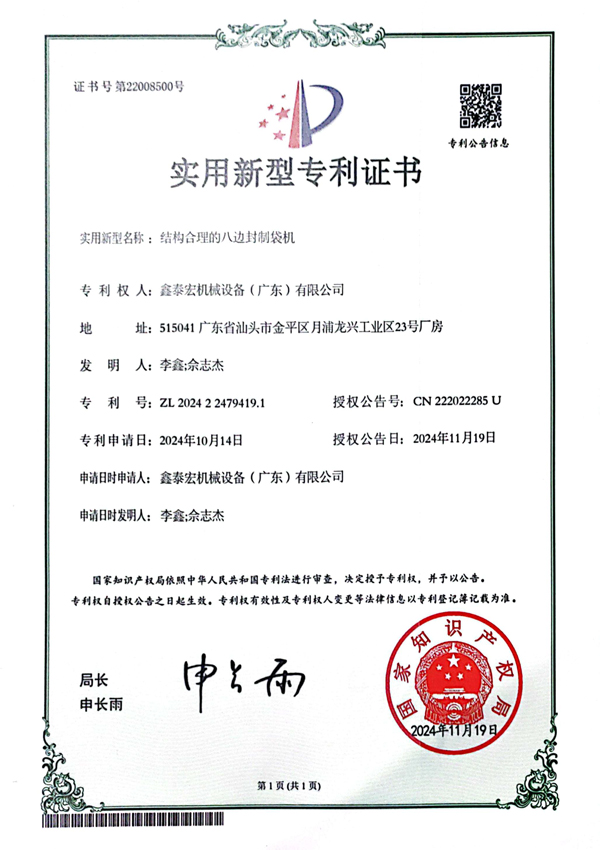
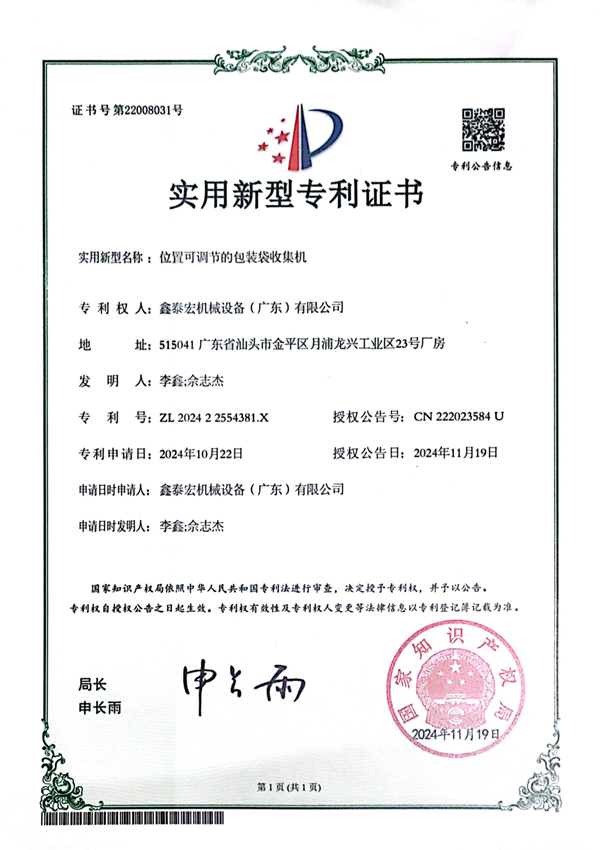
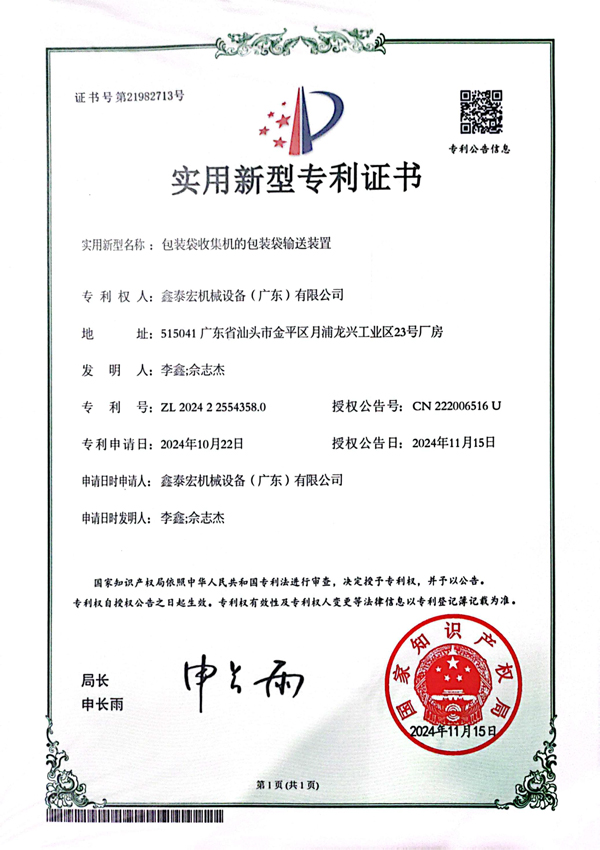
Our precision pouch manufacturing machinery complies rigorously with international CE directives, ISO 9001 quality management, and export safety certifications.
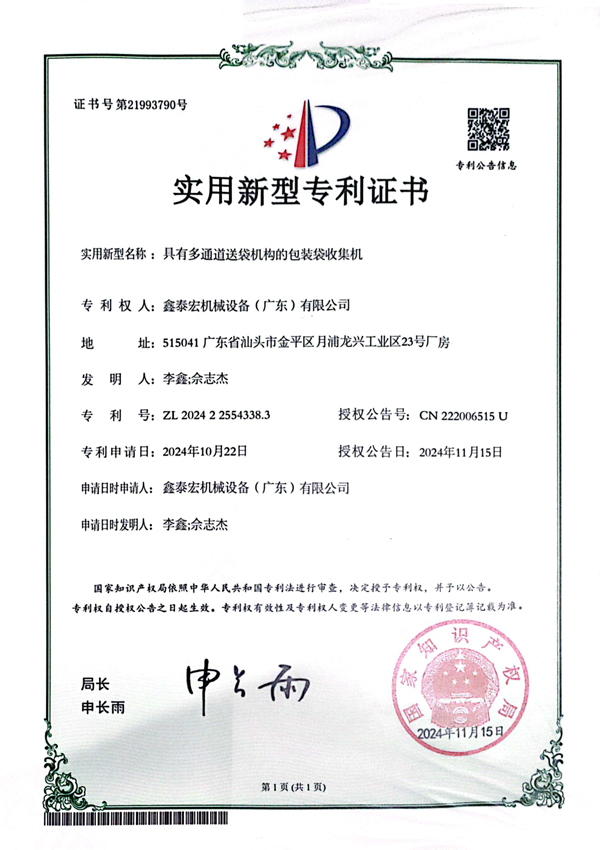
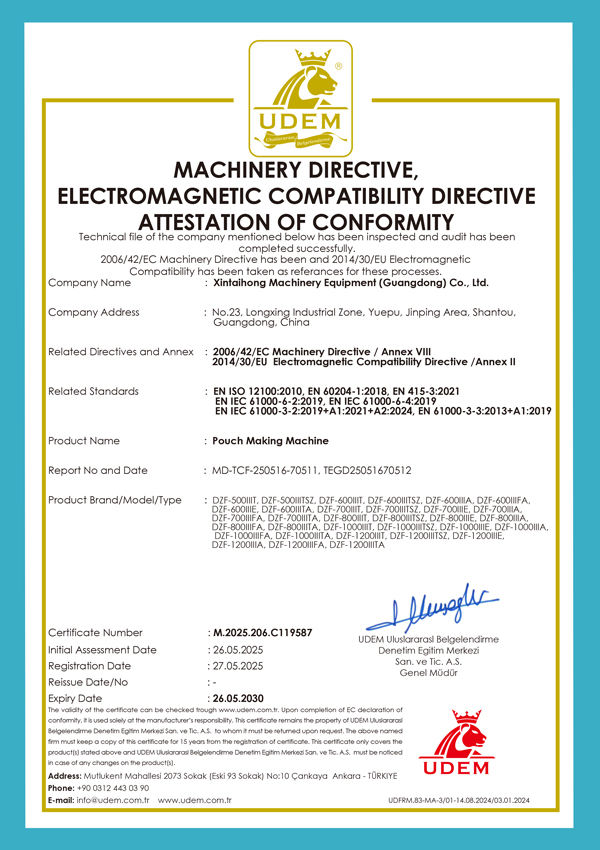
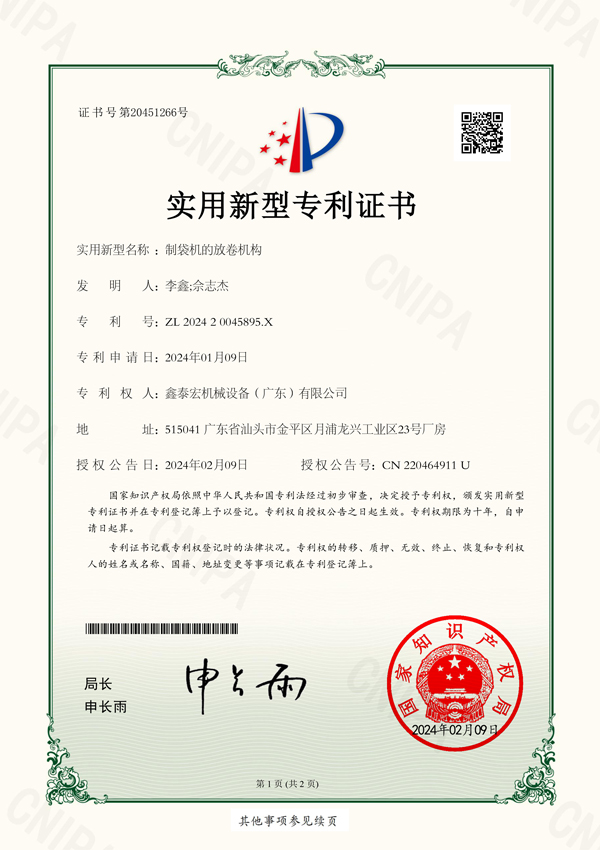
Explore our full line of computerized center seal, three-side seal, stand-up zipper, and flat bottom bag machines designed for high-barrier CPP packaging conversion.