Leave Your Message
-
Phone
-
E-mail
-
Whatsapp
-
WeChat

Explore our high-performance automated solutions tailored specifically for pharmaceutical safety and sterile medical pouch production.
In the highly regulated medical and pharmaceutical industries, packaging integrity is not just a matter of product presentation; it is a critical factor in patient safety. Cast Polypropylene (CPP) has emerged as a premier material choice for medical barrier bags and pharmaceutical pouches. Unlike blown films, cast polypropylene film offers exceptional optical clarity, high heat resistance, superior puncture resistance, and excellent seal strength. These characteristics make it ideal for products that must undergo rigorous sterilization processes, such as steam autoclaving, ethylene oxide (EtO) gas sterilization, or gamma irradiation.
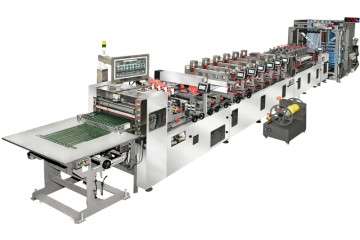
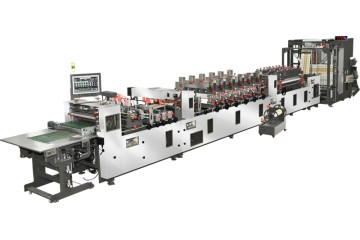
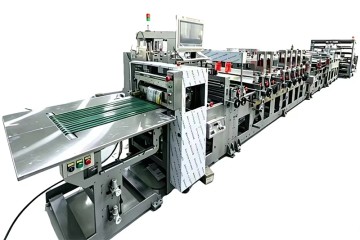
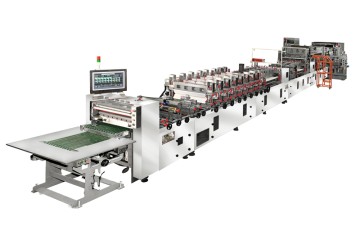
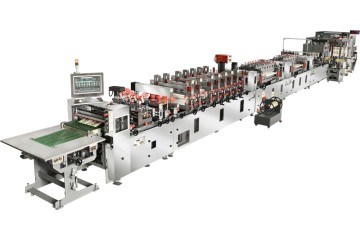
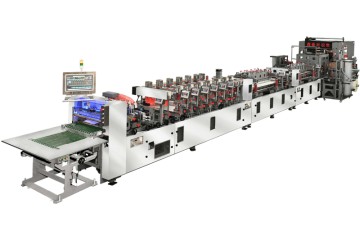
A specialized CPP Cast Polypropylene Pouch Machine is engineered to handle the specific physical properties of CPP film. Because CPP has a relatively narrow heat-sealing temperature window and is prone to stretching under tension, standard bag-making machines often fail to produce consistent seals. Precision-engineered medical pouch machines utilize advanced thermal control and tension regulation to ensure that every barrier bag meets the zero-defect standards required by global healthcare authorities.
CPP films can withstand high temperatures up to 121°C or 134°C, making them perfectly suited for autoclave sterilization without losing structural integrity or seal strength.
Provides an excellent moisture, oxygen, and microbial barrier when laminated with materials like PET, Aluminum Foil, or AlOx, extending pharmaceutical shelf life.
Allows medical professionals to visually inspect the contents, such as surgical instruments or liquid formulations, prior to opening the sterile field.
The global market for pharmaceutical and medical barrier bags is experiencing rapid growth, driven by the expansion of the biopharmaceutical sector, increasing demand for single-use medical devices, and more stringent healthcare regulations worldwide. Regulatory bodies such as the FDA (Food and Drug Administration) and compliance standards like ISO 11607 mandate that medical packaging must maintain sterility until the point of use. This has created a significant push toward highly automated, validation-ready pouch manufacturing machinery.
Manufacturers are moving away from manual or semi-automated packaging processes to fully integrated, cleanroom-compatible bag-making lines. The integration of CCD vision systems, real-time seal monitoring, and precise data logging is no longer optional; it is a fundamental requirement for risk mitigation. In this context, a specialized CPP pouch machine provides the precise control over seal pressure, temperature, and dwell time necessary to guarantee validation repeatability (IQ/OQ/PQ).
To process CPP films successfully for medical applications, modern machinery must incorporate several advanced engineering features:
CPP requires exact heat application to melt and fuse the layers without causing film shrinkage or weakening the adjacent material. Modern machines feature multi-zone PID temperature controllers coupled with highly responsive heating elements to maintain temperature stability within ±1°C.
By replacing mechanical linkages with individual servo motors (electronic shaft technology), the machine achieves unmatched precision in film feed, tension control, and cutting. This minimizes material stretching, which is a common issue with cast polypropylene, ensuring precise pouch dimensions and seal placement.
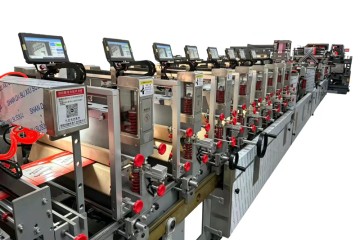
High-resolution CCD cameras monitor the entire production line in real time. They inspect the accuracy of the print registration, detect microscopic seal defects, identify foreign particulate contamination, and verify the correct positioning of tears and punches. Defective pouches are automatically rejected without stopping the line.
For specific barrier laminates, ultrasonic sealing is integrated to provide instant, localized heating. This is highly effective for thick or multi-layered medical pouches, reducing the thermal stress on the surrounding barrier films.
The versatility of CPP-based barrier pouches allows them to be used across a broad spectrum of medical and pharmaceutical applications:
The future of medical packaging is leaning heavily toward sustainability without compromising sterile integrity. The flexible packaging industry is actively developing mono-material structures (such as all-PP laminates using BOPP and CPP) to replace traditional non-recyclable multi-material structures like PET/PE or PET/Al/PE. Consequently, CPP Cast Polypropylene Pouch Machines must adapt to run these new, eco-friendly materials that have different sealing behaviors and narrower operating windows.
Additionally, the integration of Industry 4.0 concepts, such as remote machine diagnostics, predictive maintenance, and cloud-based production data storage, is becoming standard. This allows pharmaceutical manufacturers to maintain complete traceability records for every batch of pouches produced, satisfying stringent audit requirements.
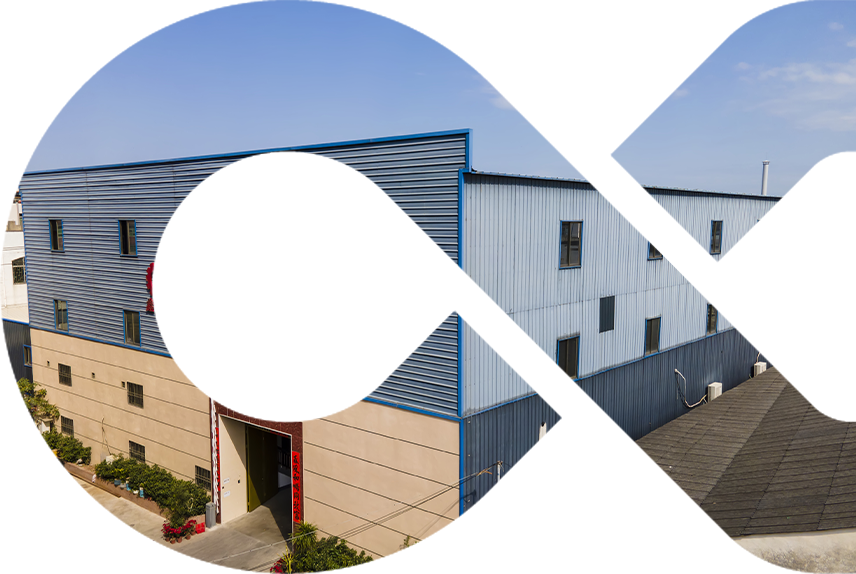
Xintaihong Machinery Equipment (Guangdong) Co., Ltd. (hereinafter referred to as "Xintaihon")

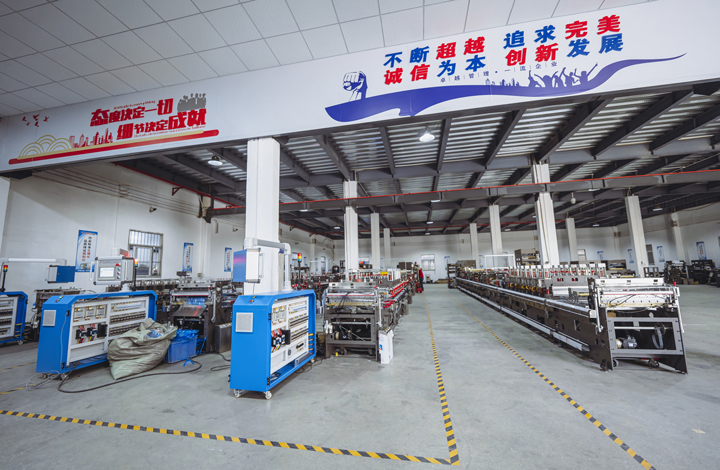
 Patented High-Speed Packaging Excellence
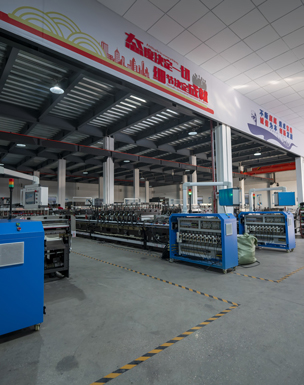
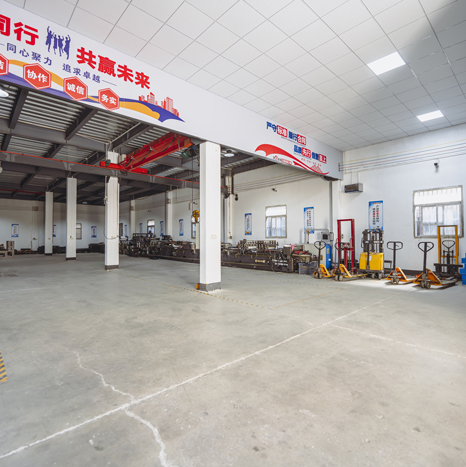
Discover our full range of high-performance packaging machinery designed for medical, pharmaceutical, and high-barrier industrial applications.