Leave Your Message
-
Phone
-
E-mail
-
Whatsapp
-
WeChat

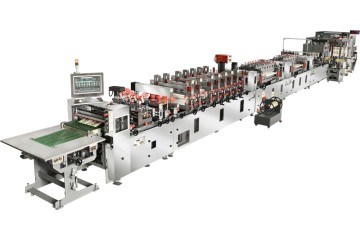
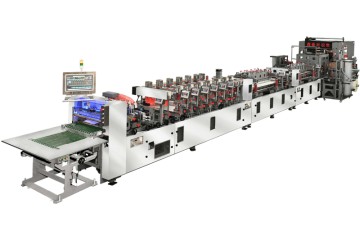
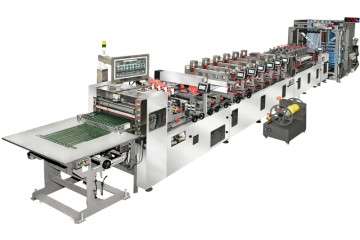
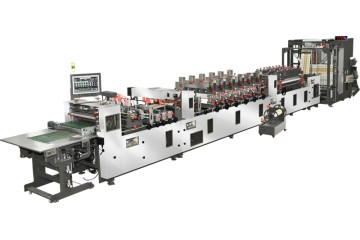
Portugal's industrial sector is undergoing a rapid technological transformation, fueled by the rising global demand for sustainable, efficient, and smart packaging solutions. From the bustling northern manufacturing hubs around Porto and Braga to the central plastics cluster in Leiria and Aveiro, Portuguese packaging converters are aggressively upgrading their production lines. As a dedicated partner, Gur Is Bag Making Machines serves as a premier supplier and manufacturer, providing cutting-edge machinery tailored to meet the strict quality standards and environmental regulations of the Iberian Peninsula.
In recent years, the Portuguese market has experienced a significant shift away from rigid packaging formats toward flexible, lightweight barrier pouches. This transition is motivated by both economic and ecological factors: flexible packaging reduces transportation costs, minimizes material usage, and offers a dramatically lower carbon footprint. To stay competitive, local manufacturers require high-precision equipment capable of processing advanced materials—such as recyclable mono-PE films, bio-based plastics, and high-barrier laminates. Gur Is machinery is engineered to deliver exactly this level of adaptability and precision.
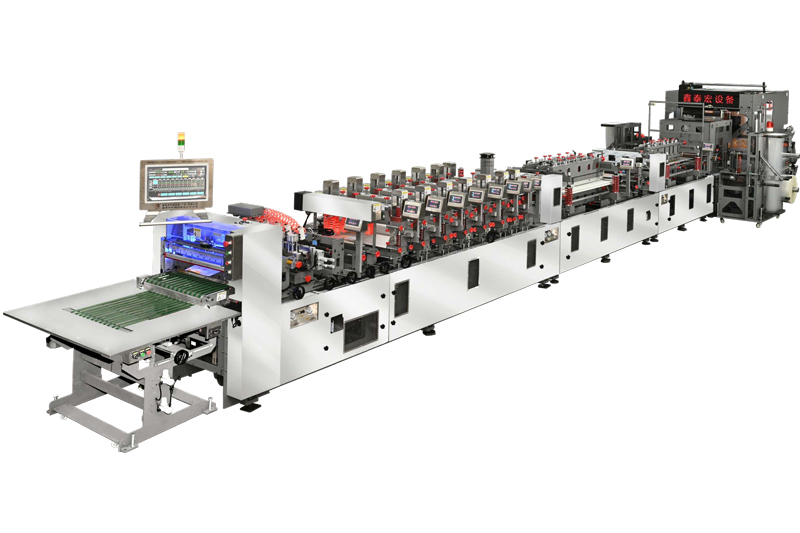
Modern packaging lines in Portugal require high levels of automation, real-time quality control, and minimal waste. Our machines integrate advanced AI-ready systems to meet these stringent demands.
Equipped with high-definition CCD camera registration systems, our machines guarantee precise print alignment and real-time defect detection, minimizing scrap rates on premium printed films.
Eliminating mechanical gear wear, the Electronic Shaft technology ensures perfect tension control and ultra-high positioning accuracy, even during high-speed production runs.
From three-side seal pouches to complex stand-up zipper bags with bottom insertion, our machinery handles diverse configurations to satisfy multiple consumer sectors.
1. Premium Food & Beverage Packaging (Azeite & Bacalhau)
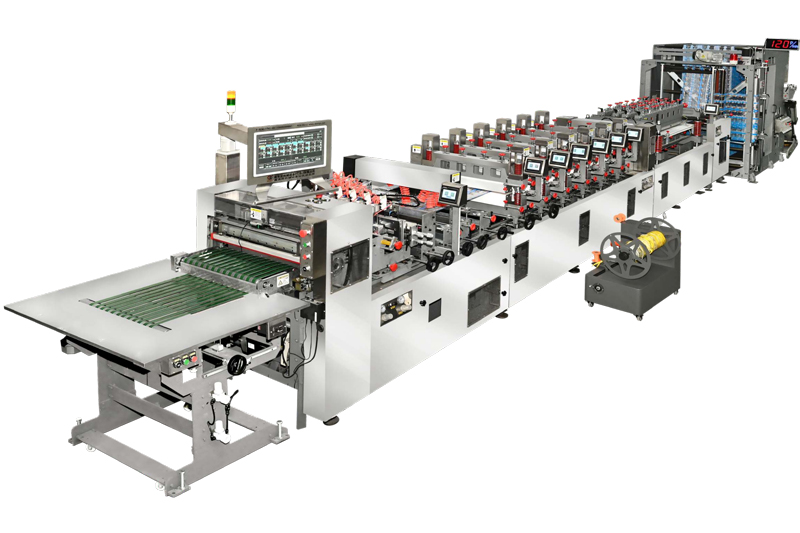
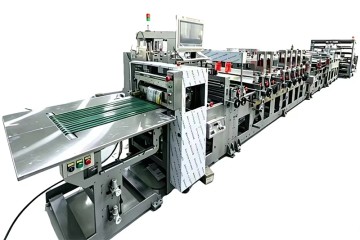
Portugal is globally renowned for its high-quality olive oil (azeite), canned fish, and dried cod (bacalhau). Traditional glass and rigid metal packaging are increasingly being replaced by custom-designed stand-up pouches with zipper closures. These bags offer excellent barrier properties against oxygen and light, preserving the aroma and quality of Portuguese delicacies. The DZF-500-1000TSZ Multi-Function Bottom-Insertion Stand-up Zipper Bag Making Machine is the ideal choice for producing these high-demand formats.
2. Agricultural & Fertilizers Sector in Alentejo
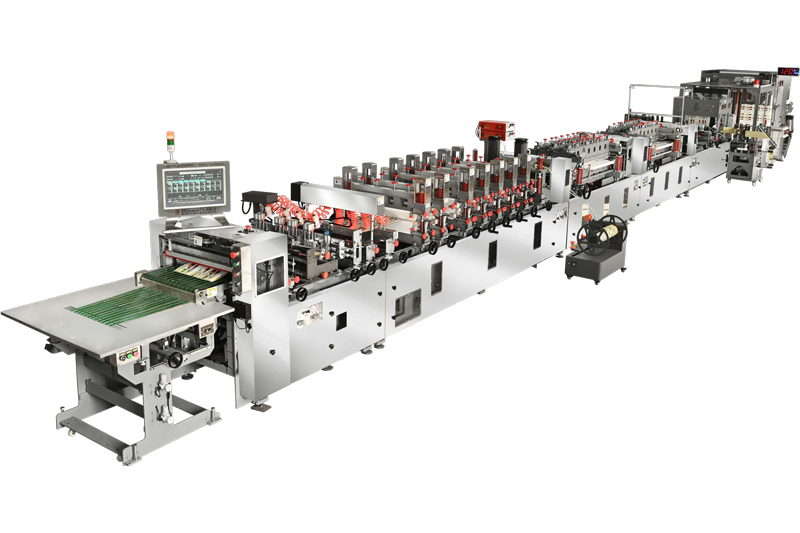
The vast agricultural plains of the Alentejo region require durable, heavy-duty packaging for seeds, soil, and fertilizers. Our center-sealing and bottom-insertion bag making lines produce robust pouches capable of withstanding rough handling, moisture, and UV exposure.
3. E-commerce Logistics Hubs in Lisbon & Porto
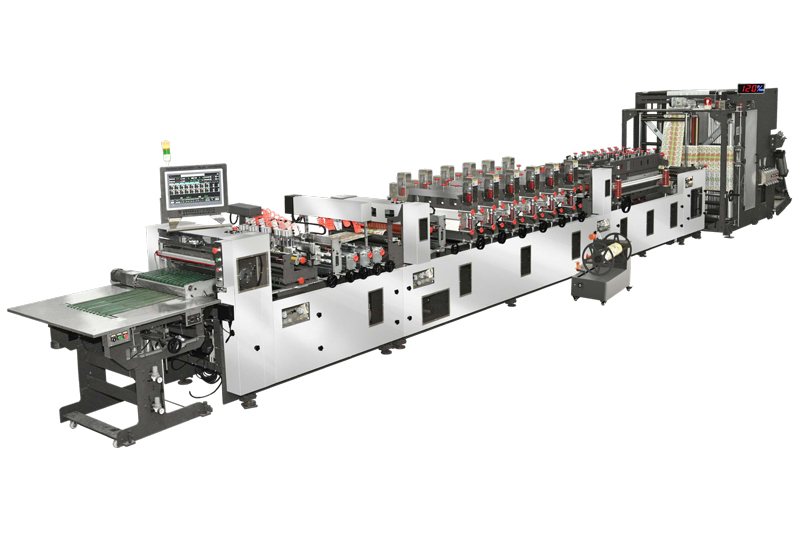
With the rapid growth of online retail throughout Iberia, e-commerce giants and local logistics providers demand millions of poly-mailers and protective bubble-lined shipping bags daily. High-speed center-sealing and side-welding machines ensure that suppliers can meet tight delivery schedules with cost-effective, durable packaging.
4. Cosmetics & Pharmaceuticals in Coimbra
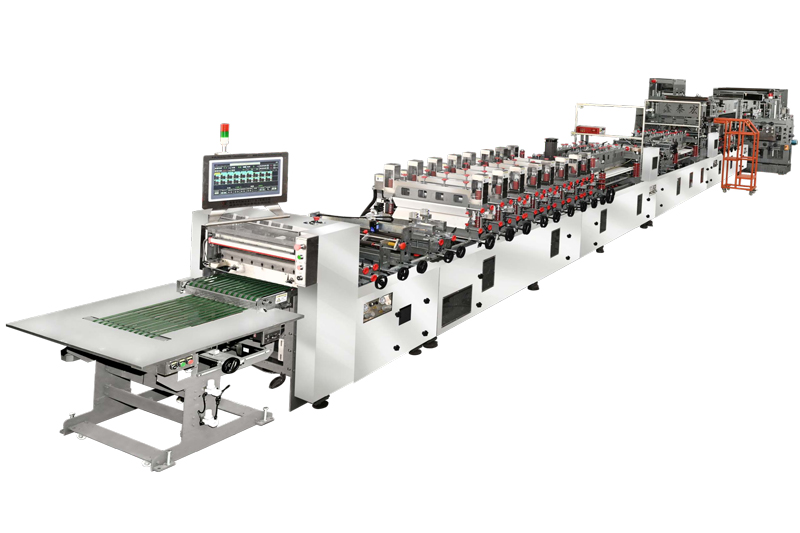
Coimbra and Lisbon host advanced pharmaceutical and biotech clusters. These industries mandate strict hygienic conditions and zero-defect packaging. The integration of CCD camera inspection systems in our DZF-600-800IIIT Three-Side Sealing Bag Making Machine ensures that every pouch is sealed to perfection, protecting sensitive medical and cosmetics products from external contamination.
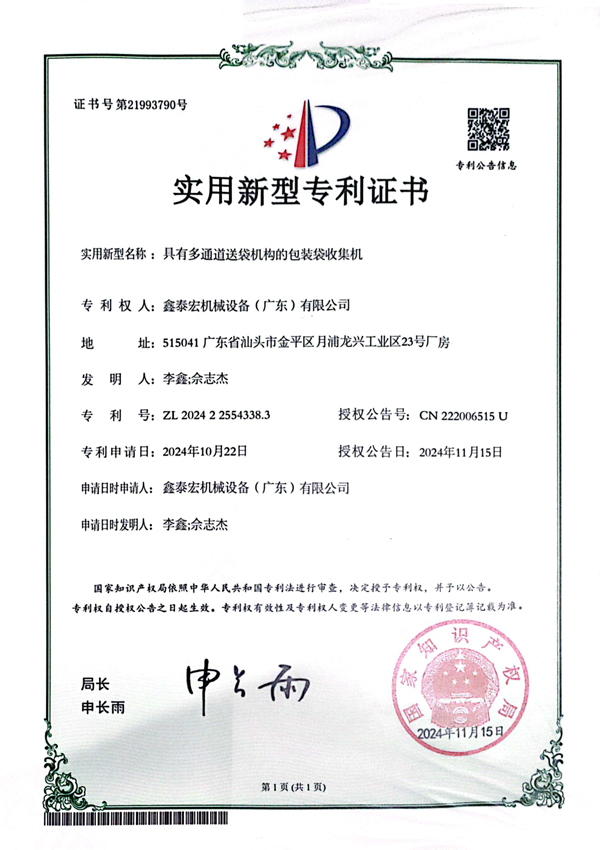
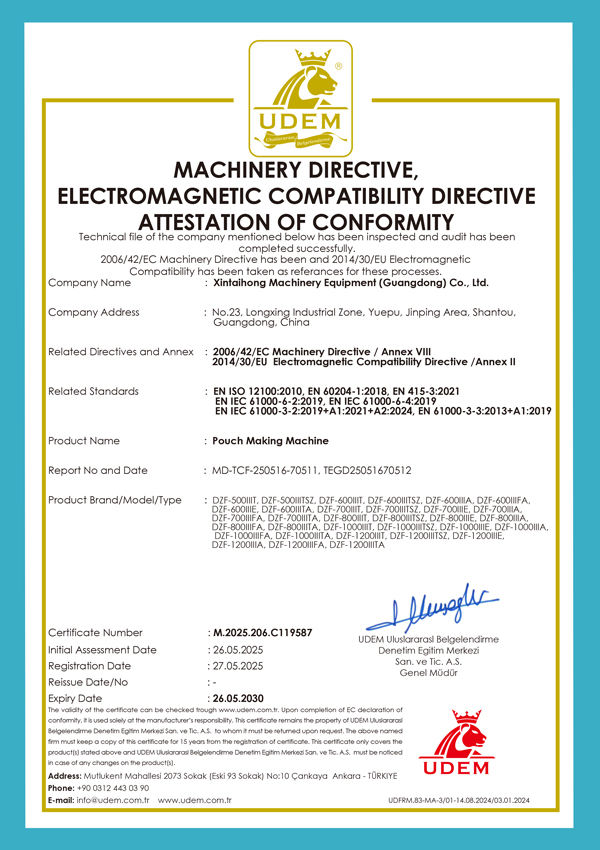
To succeed in the highly regulated European market, Portuguese manufacturers must comply with strict CE directives regarding machine safety, environmental noise, and energy efficiency. Gur Is Bag Making Machines are engineered with these European standards at their core.
Our machines utilize premium components from world-renowned brands (such as Yaskawa, Siemens, and Omron) to ensure reliable operation and local parts availability. The electronic shaft system allows for digital control over every individual sealing and feeding step. This means that format changes can be executed via the user-friendly touchscreen interface in a fraction of the time required by traditional mechanical systems. For Portuguese factories running short-run, high-mix production schedules, this flexibility translates directly into increased profitability and reduced downtime.
Furthermore, waste reduction is built into the software. The CCD camera system continuously monitors the printed web, automatically adjusting the draw length if it detects any drift in the print mark. This prevents the production of misaligned bags, ensuring that expensive printed laminates are never wasted.