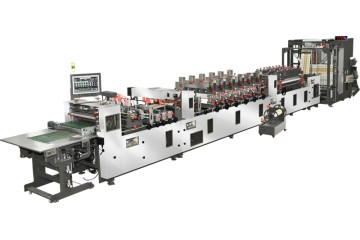
Leave Your Message
-
Phone
-
E-mail
-
Whatsapp
-
WeChat

Discover our premium line of high-performance HDPE bag makers, specifically engineered to support fast-paced snack food and dry food packaging lines.
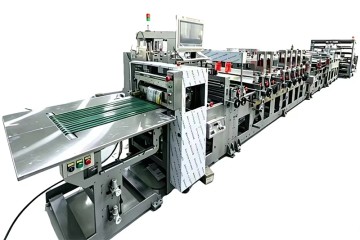
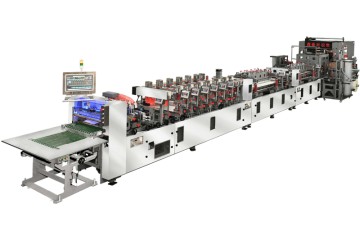
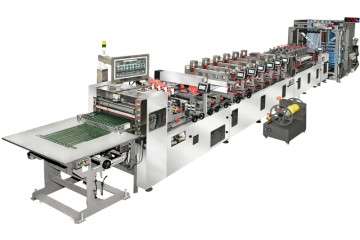
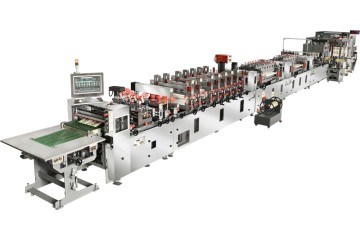
In the modern food processing and packaging industry, the demand for high-speed, reliable, and efficient packaging machinery has never been greater. High-Density Polyethylene (HDPE) has emerged as a cornerstone material for flexible packaging due to its exceptional tensile strength, moisture barrier properties, and cost-effectiveness. Consequently, the role of an advanced HDPE plastic bag maker has transitioned from simple bag fabrication to complex, high-speed, multi-lane manufacturing systems capable of meeting the stringent requirements of snack and dry food brands worldwide.
Snack foods, including potato chips, nuts, pretzels, and dried fruits, along with dry foods like cereals, grains, and powdered mixes, require packaging that preserves freshness, prevents oxidation, and maintains structural integrity throughout the logistics chain. High-speed flexible packaging machines must handle thin, multi-layered HDPE co-extrusions and laminated films without stretching, tearing, or misaligning. This demands state-of-the-art servo motor integration, precise tension controls, and real-time defect detection systems.
Global consumer demand for convenience foods is driving packaging lines to run 24/7. Modern HDPE bag makers are now engineered with electronic shaft systems and CCD camera-based alignment to minimize downtime during film changeovers and ensure zero-defect sealing at speeds exceeding 150 to 250 bags per minute.
HDPE is widely favored in the dry food sector because it offers an excellent barrier against moisture vapor. When combined with other polymer layers (such as PET, BOPP, or metalized films) in a laminate structure, it provides a comprehensive barrier against light, oxygen, and external contaminants. A dedicated HDPE plastic bag maker must be calibrated to seal these varied materials perfectly, balancing heat, pressure, and dwell time to produce strong, airtight seals that prevent spoilage and extend shelf life.
Achieving high-speed operations without compromising seal quality requires complex engineering. Modern flexible packaging machinery utilizes several core technologies to optimize productivity:
Let's explore how these machines perform in specific commercial environments:
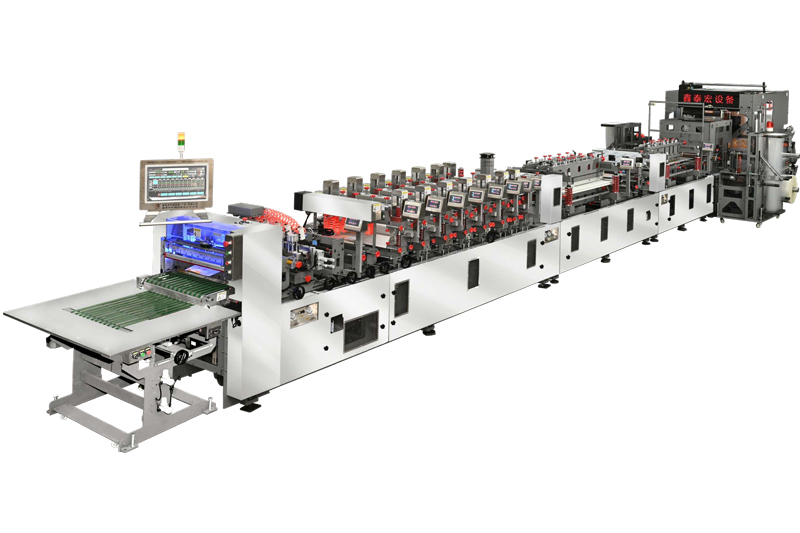
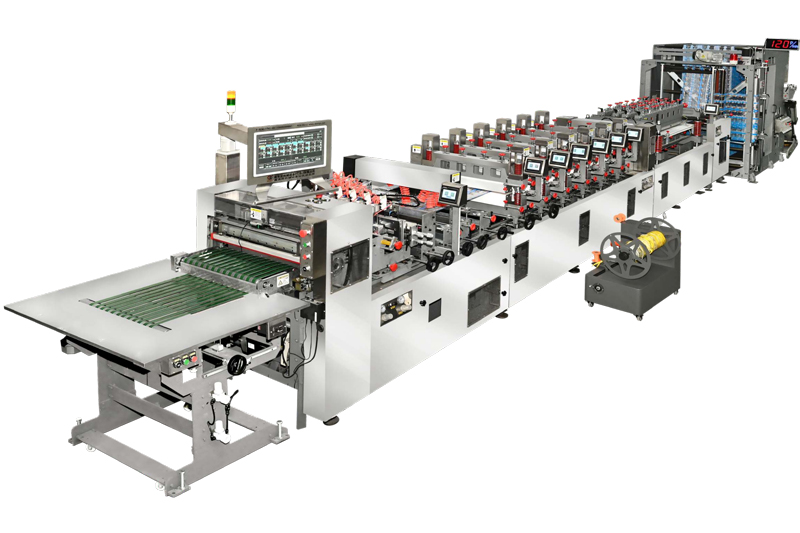
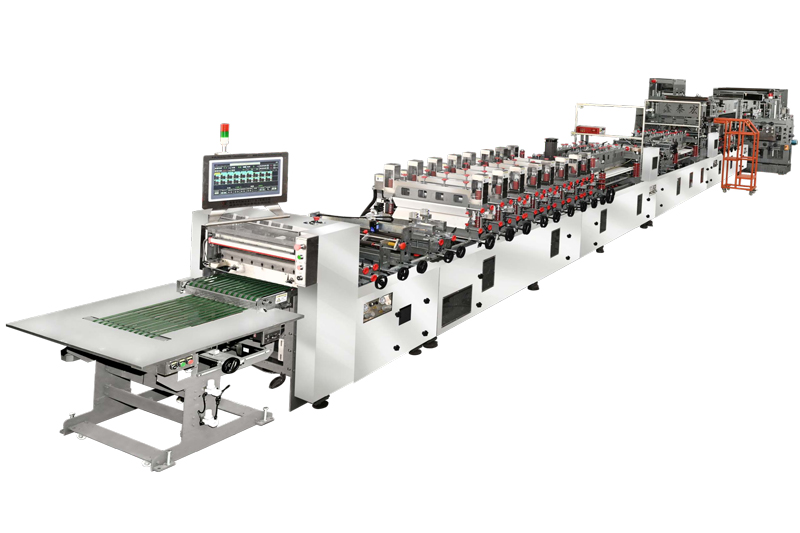
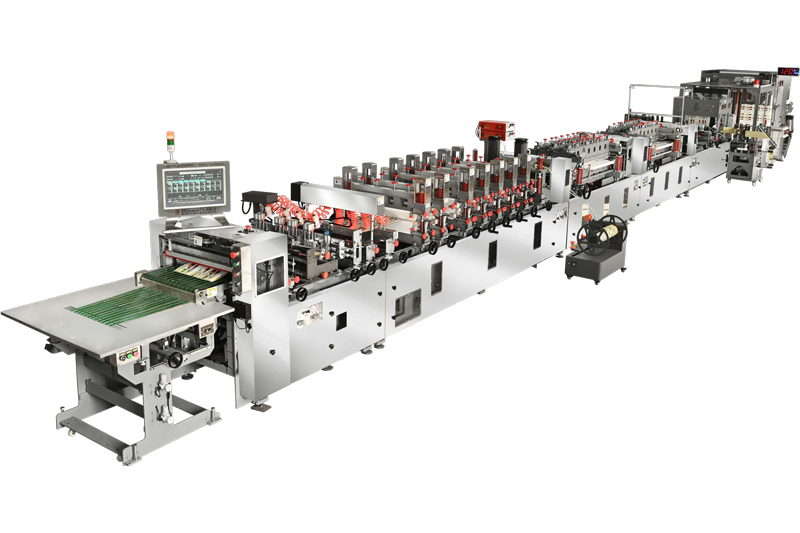
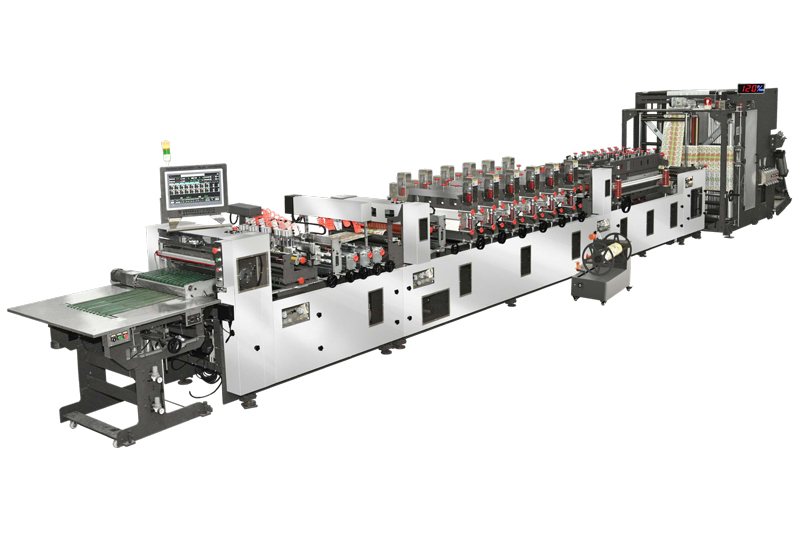
The flexible packaging industry is undergoing a profound transformation. Environmental regulations and consumer preferences are pushing brands toward sustainable packaging materials, such as mono-material laminates (all-PE structures) and biodegradable films. Traditional bag makers often struggle with these eco-friendly substrates due to their narrow sealing temperature windows. However, next-generation HDPE plastic bag makers are designed with ultra-precise thermal profiling and tension controls to handle these delicate, eco-friendly films at high speeds without stretching or warping.
Furthermore, the integration of Industry 4.0 standards allows manufacturing plants to collect real-time data from their bag-making machines. Predictive maintenance alerts, energy consumption monitoring, and automated recipe recall for different packaging sizes dramatically reduce setup times and prevent unexpected mechanical failures. This smart automation ensures that snack and dry food manufacturers can keep up with volatile market demands while maintaining high overall equipment effectiveness (OEE).
By using electronic shafts instead of mechanical linkages, changeover times between different bag formats (e.g., transitioning from a simple 3-side seal to a stand-up zipper pouch) are reduced from hours to minutes, directly boosting plant productivity.
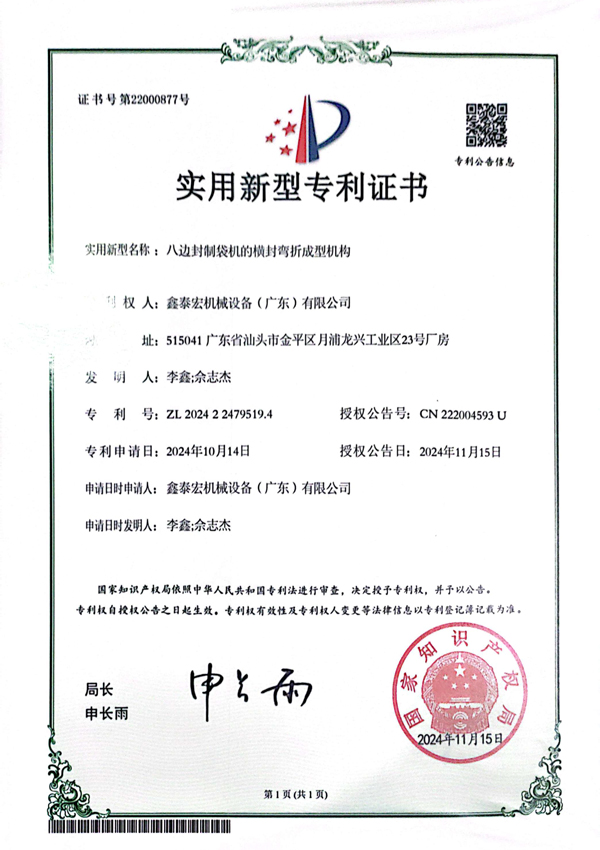
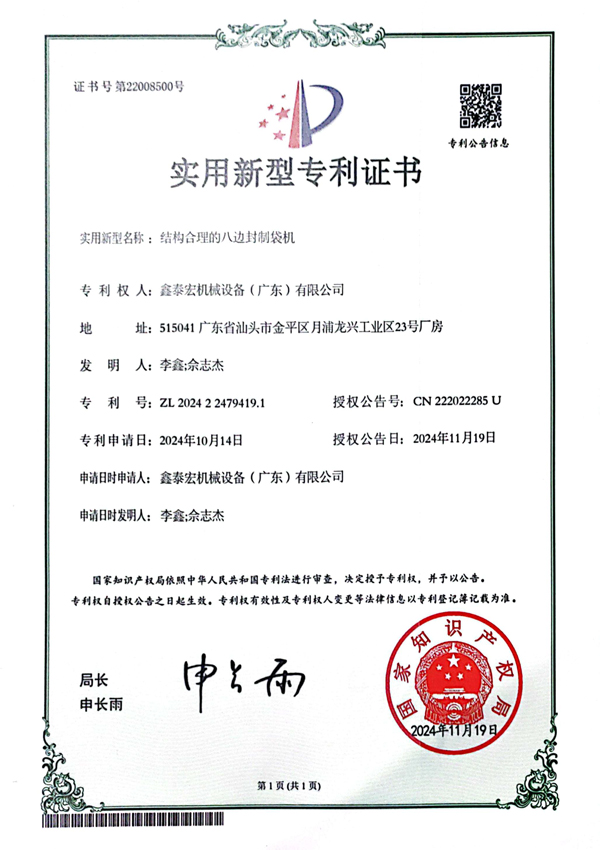
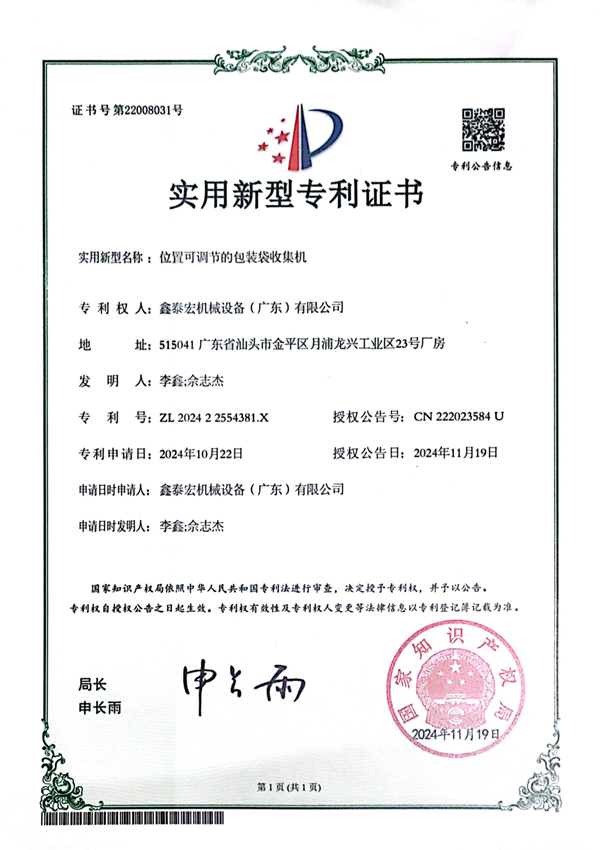
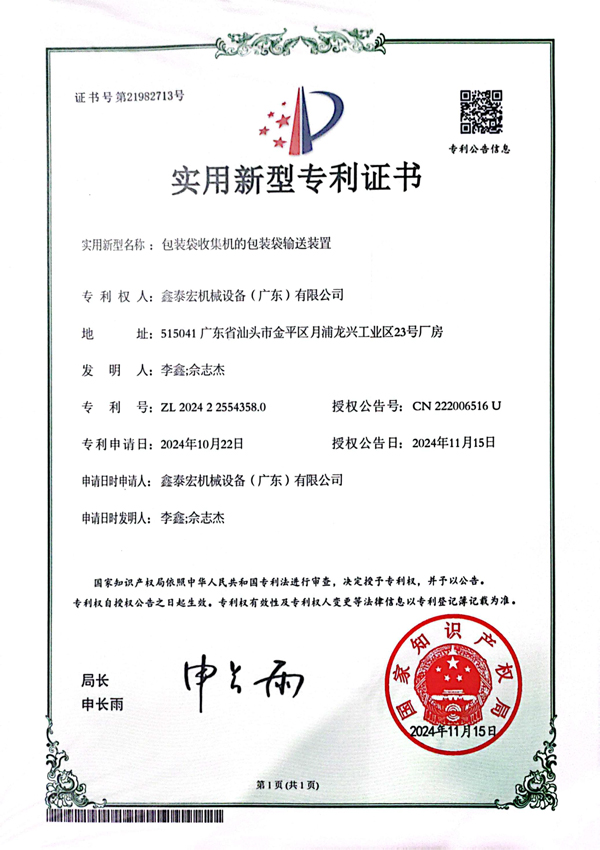
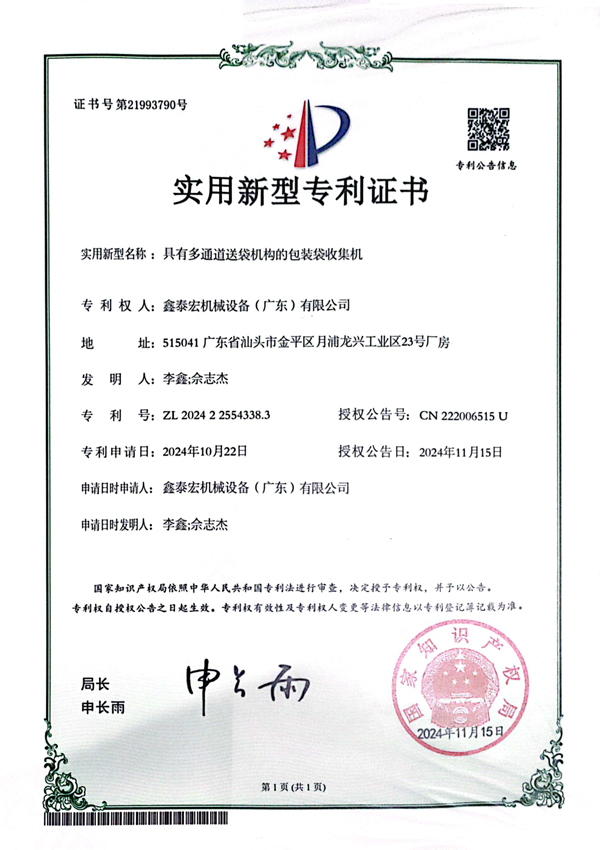
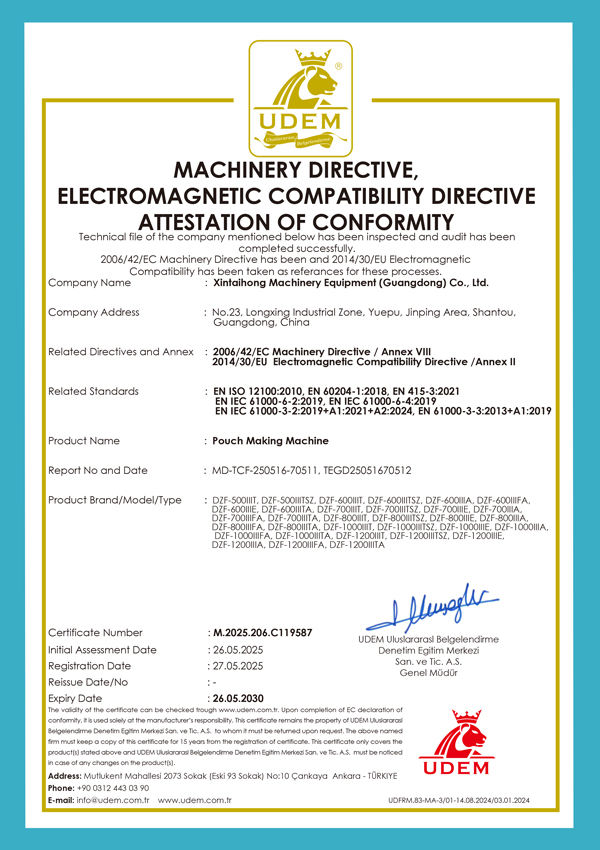
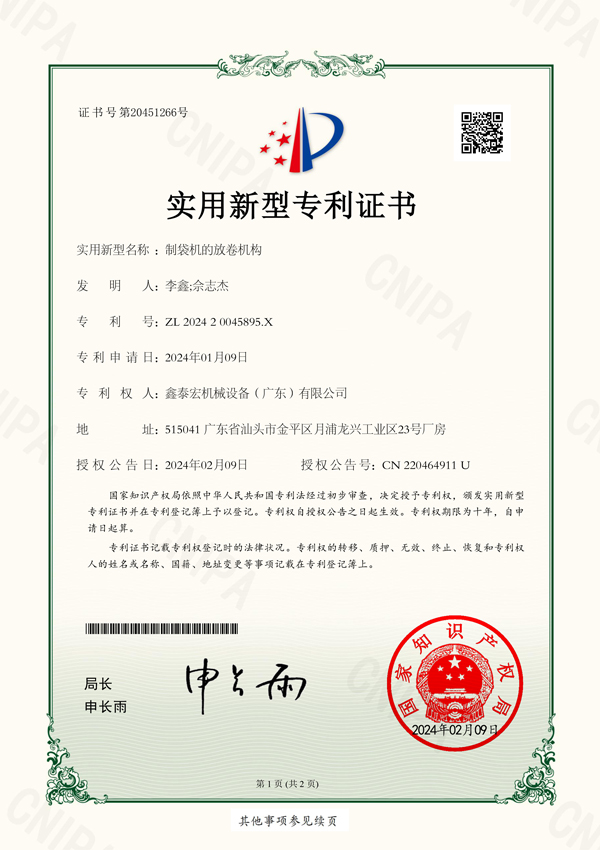
Our manufacturing processes comply with strict international standards, ensuring safety, reliability, and precision engineering in every machine we deliver.
Explore our full portfolio of high-speed flexible packaging machinery, tailored to support diverse bag designs, materials, and production scales.