Leave Your Message
-
Phone
-
E-mail
-
Whatsapp
-
WeChat

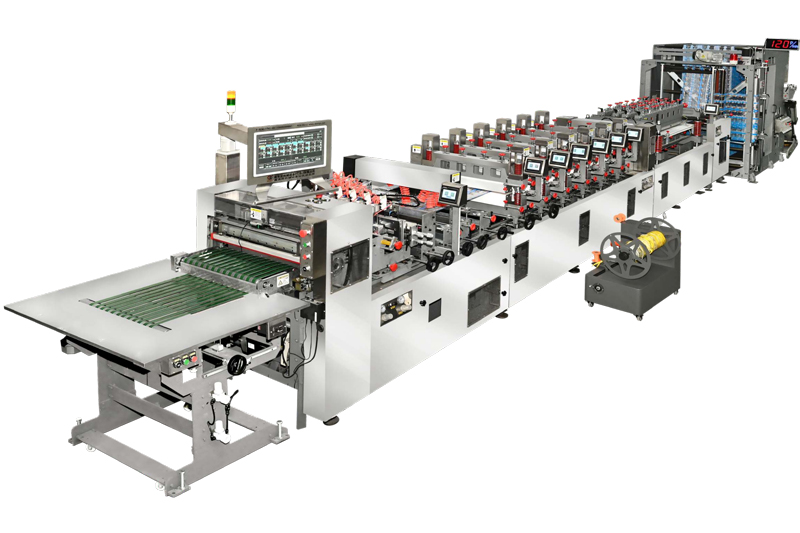
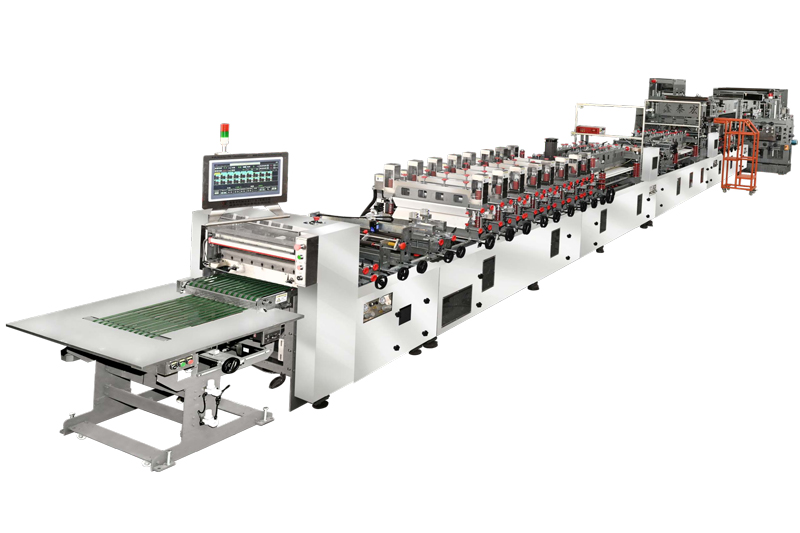
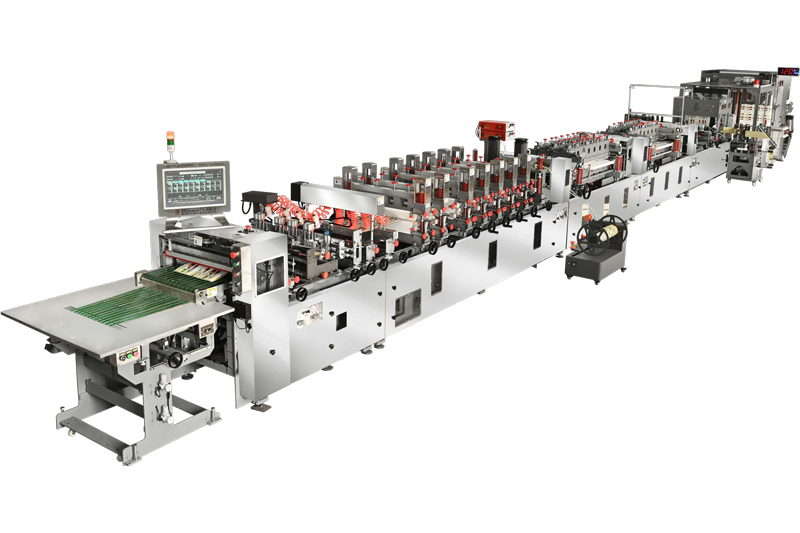
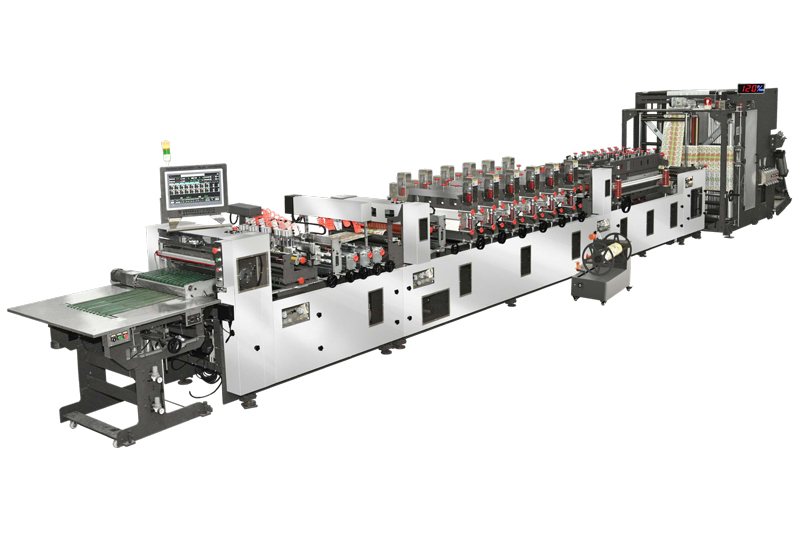
The global packaging sector is witnessing a massive, structural transition from rigid packaging containers to lightweight, sustainable flexible packaging alternatives. At the center of this revolution is the LDPE bag machine for stand-up zipper pouch production lines. Low-Density Polyethylene (LDPE), known for its exceptional flexibility, tensile strength, and moisture-barrier properties, has become the material of choice for manufacturing high-quality stand-up pouches. When integrated with advanced zipper insertion mechanisms, these machines produce self-supporting pouches that offer both structural integrity and resealable convenience.
Modern commercial and industrial landscapes demand high throughput, minimal material waste, and the flexibility to process complex laminated films (such as PET/LDPE, Kraft Paper/LDPE, or pure recyclable monomaterial PE structures). Stand-up zipper pouches (SUPs) have penetrated industries ranging from food and beverage to pet food, cosmetics, pharmaceuticals, and household chemicals. In response, manufacturing facilities are moving away from legacy mechanical lines and adopting fully automated, electronically synchronized pouch-making systems that can seal, punch, insert zippers, and cut with micrometer precision.
Consumers prioritize convenience and product freshness. The addition of a zipper profile to a stand-up bag extends the shelf life of perishable items and prevents accidental spills, making it highly valuable in retail environments. For manufacturers, transitioning to an LDPE bag machine optimized for stand-up zipper pouches means lowering transportation costs (since empty pouches take up significantly less space than rigid bottles or cans) and reducing the overall carbon footprint of packaging logistics. This commercial driver has forced machinery OEMs to design systems capable of continuous, high-speed operation without compromising seal strength or aesthetic appeal.
Replacing traditional mechanical link drives with multi-axis servo motors (electronic shaft technology) ensures precise tension control and flawless alignment across complex laminates.
Real-time CCD optical tracking systems detect print registration deviations and automatically adjust punching units to eliminate misalignment errors.
Engineered to handle 100% recyclable PE-based laminates, adapting heat sealing temperatures dynamically to prevent material burn-through.
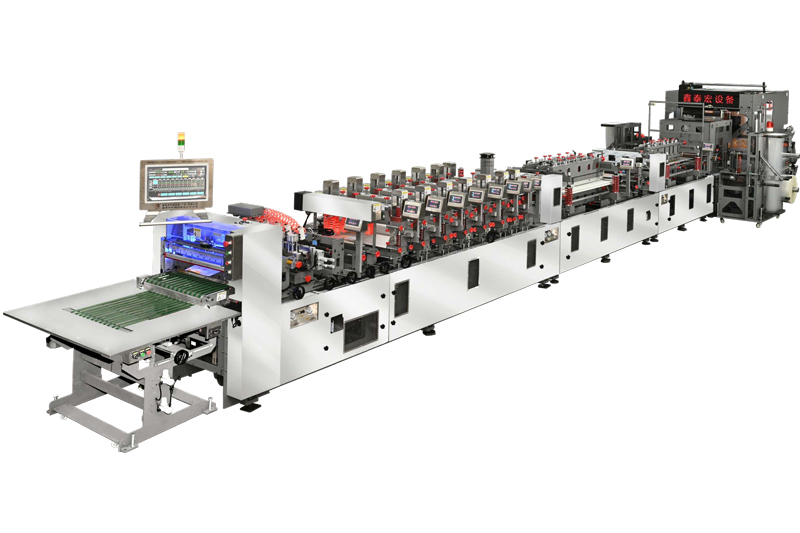
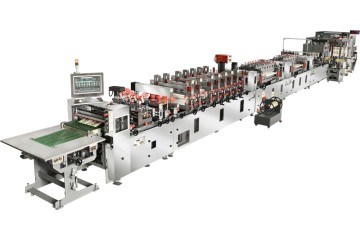
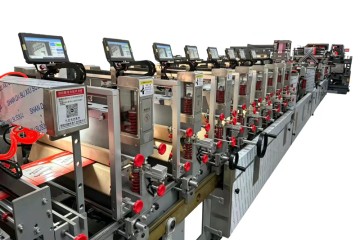
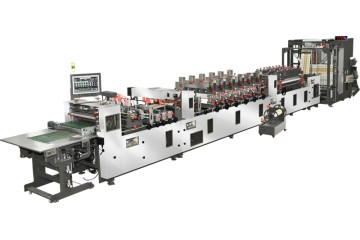
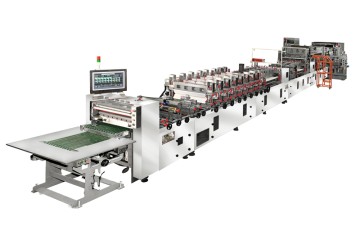
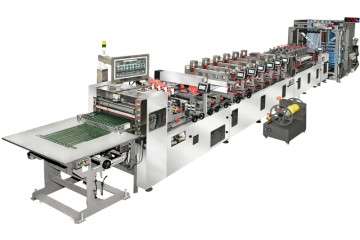
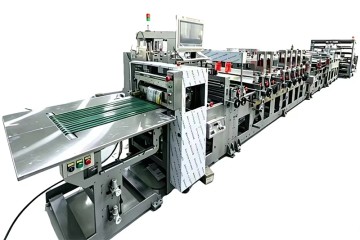
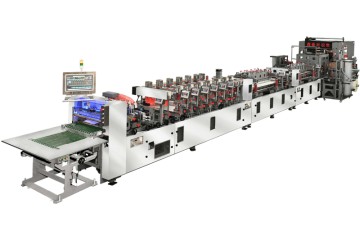
The technological trajectory of the LDPE bag machine for stand-up zipper pouch production lines highlights the rapid advancement of industrial automation. Historically, pouch making relied on mechanical chain drives and cams, which required lengthy changeover times and were prone to mechanical wear. Today's state-of-the-art systems, such as the DZF series, utilize sophisticated motion control platforms where every functional module—unwinding, tension control, bottom gusset insertion, zipper sealing, ultrasonic welding, punching, and cutting—is driven by independent servo motors synchronized via high-speed industrial Ethernet protocols.
One of the most critical mechanical challenges in stand-up pouch production is the bottom insertion process. The bottom gusset must be perfectly centered and sealed to ensure the bag stands upright when filled. Multi-functional bottom-insertion machines solve this by implementing automated web guiding systems and dedicated bottom-folding jigs. Whether producing a standard Doyen seal pouch, a K-seal pouch, or a sophisticated flat-bottom bag, the modern LDPE bag machine adapts dynamically to varying material thicknesses and film stiffnesses.
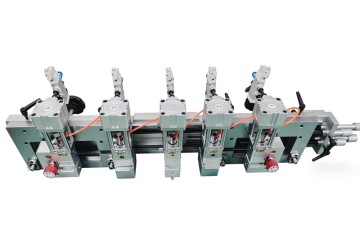
Integrating a plastic zipper profile into a moving film web requires precise heat, pressure, and cooling management. If the sealing temperature is too high, the LDPE substrate degrades, causing weak spots; if it is too low, the zipper will delaminate under pressure. Advanced production lines employ multi-stage zipper sealing bars followed by immediate water-cooled or air-cooled conditioning blocks. To ensure the corners of the zipper do not puncture the bag or create micro-leaks, ultrasonic spot-welding units are integrated to crush the zipper ends before final perimeter sealing, ensuring a hermetic seal every time.
The versatility of the LDPE bag machine allows it to serve multiple distinct market verticals. Understanding these deep application scenarios helps packaging companies select the correct machinery configuration for their specific manufacturing demands.
In the food industry, protecting products from moisture, oxygen, and light is critical. Stand-up zipper pouches often utilize multi-layer structures, combining PET for printability, Al Foil or EVOH for barrier properties, and LDPE as the inner sealing layer. The LDPE bag machine must process these composite films without causing delamination. Typical applications include coffee bags with degassing valves, dried fruit pouches, and snack packaging where gas flushing (nitrogen injection) is required during the packaging process to maintain freshness.
The pet food market has transitioned heavily to large-format flat-bottom and stand-up zipper pouches. These bags often hold weights ranging from 1kg to 10kg, requiring exceptionally strong bottom seals and heavy-duty zippers. Machine lines configured for this scenario utilize reinforced sealing jaws, extended cooling zones, and heavy-duty punching units to handle thick, multi-ply films. The incorporation of slider zippers or hook-and-loop style closures is also common, requiring specialized feed units on the bag-making line.
For liquid detergents, hand sanitizers, cosmetics, and agricultural chemicals, stand-up pouches must resist chemical degradation and prevent leaks. The LDPE inner liner provides chemical resistance, while the pouch machine must deliver flawless seal integrity. CCD vision inspection systems are crucial here, scanning every punch and seal to guarantee zero-defect shipments. Any deviation in the zipper alignment or bottom gusset folding is instantly flagged, and the defective pouch is automatically rejected before collection.
As global environmental regulations tighten, the flexible packaging industry is moving towards a circular economy. The traditional multi-material laminated pouches (e.g., PET/PE) are difficult to recycle because separating the polymer layers is economically unfeasible. The industry is rapidly shifting toward monomaterial PE pouches (where both the structural outer layer and the inner sealing layer are made of polyethylene). Processing monomaterial PE films on a stand-up zipper pouch line presents unique challenges: PE has a very narrow sealing temperature window and is highly prone to stretching under tension.
To overcome this, next-generation LDPE bag machines feature high-precision digital tension controllers and sensitive thermal couples that monitor sealing bar temperatures in real-time. By integrating AI-driven predictive heat controllers, the machine can adjust sealing parameters instantly based on the speed of the line, preventing film deformation and ensuring strong, clean seals even on thin, sustainable films.
Furthermore, Industry 4.0 integration allows these machines to connect to factory MES (Manufacturing Execution Systems). Operators can monitor production metrics, track roll consumption, receive maintenance alerts, and troubleshoot issues remotely. This level of smart automation reduces downtime, optimizes energy consumption, and maximizes overall equipment effectiveness (OEE) for modern packaging plants.