


Top 6 Engineering Advantages to Look for When Choosing a flexible Bag Making Machine Manufacturer
As the global flexible packaging sector pivots aggressively toward sustainability, converters and packaging enterprises face a fundamental transformation in material science. The widespread adoption of bio-based, compostable, and recyclable films has shifted manufacturing priorities away from traditional polyethylene setups. Processing biodegradable polymers requires strict temperature control, specialized tension profiles, and precise mechanical tolerances to prevent film stretching, tearing, or weak seal integrity. Navigating this operational shift begins upstream with equipment selection. Partnering with a specialized flexible Bag Making Machine Manufacturer dictates whether a packaging plant can achieve stable, high-speed commercial throughput while processing temperature-sensitive ecological films.
Learn the top 5 engineering features you need to check when sourcing a compostable bag making machine, including multi-servo tension control, precision thermal sealing, modular pouch tooling, vision rejection system and heavy-duty machine frame. Xintaihong supplies PLA PBAT biodegradable pouch equipment for food, agriculture and pet packaging.
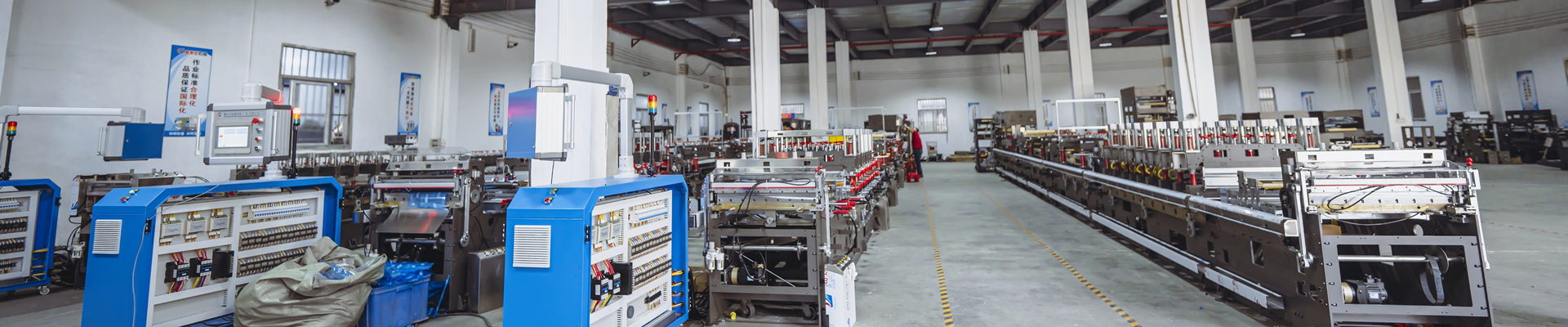
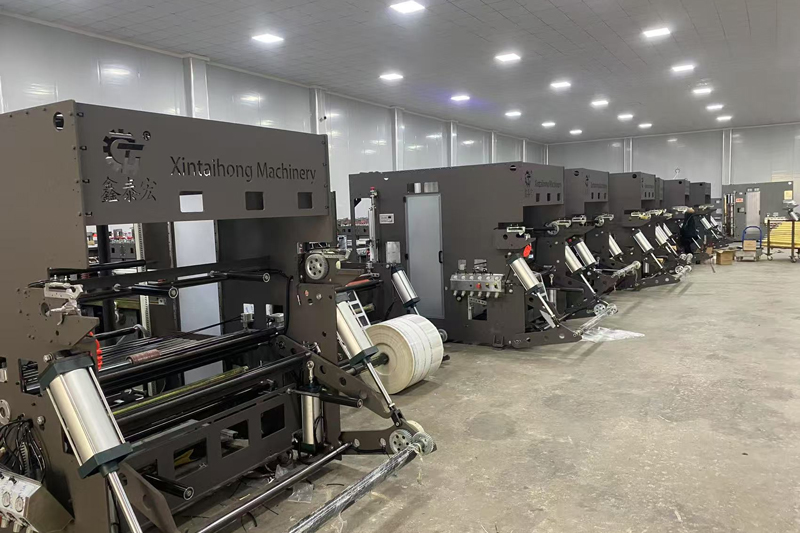
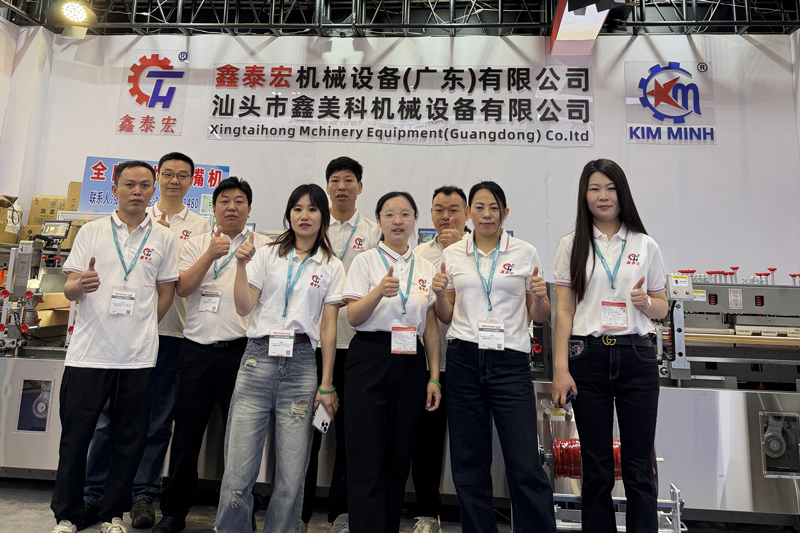
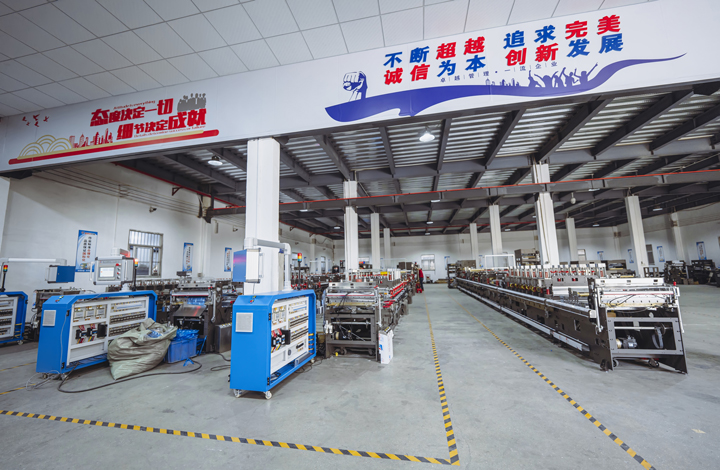
Established in 2009 and headquartered in Shantou City, Guangdong Province, Xintaihong Machinery Equipment (Guangdong) Co., Ltd. operates four production workshops and a dedicated machining center with a workforce of over 100 industry professionals. Integrating research, design, production, and sales, the enterprise specializes in high-speed pouch-making systems—including fully automatic eight-side sealing machines, four-side and middle-seal post-forming lines, and multi-functional three-side sealing units with double zippers and self-inserted bottoms. By aligning mechanical evolution with the mechanical behaviors of eco-friendly substrates, technical teams can evaluate equipment partners through five distinct engineering benchmarks.
Advanced Multi-Servo Drive Coordination and Tension Control
Traditional mechanical transmission systems rely heavily on complex cams, gears, and mechanical shafts that introduce backlash and inertia during high-speed production cycles. When handling compostable films—such as PLA (polylactic acid), PHA, or PBAT blends—these traditional setups often generate micro-fluctuations in web tension, leading to register drift, distorted seals, and excessive material waste. Modern production demands independent motion control architectures.
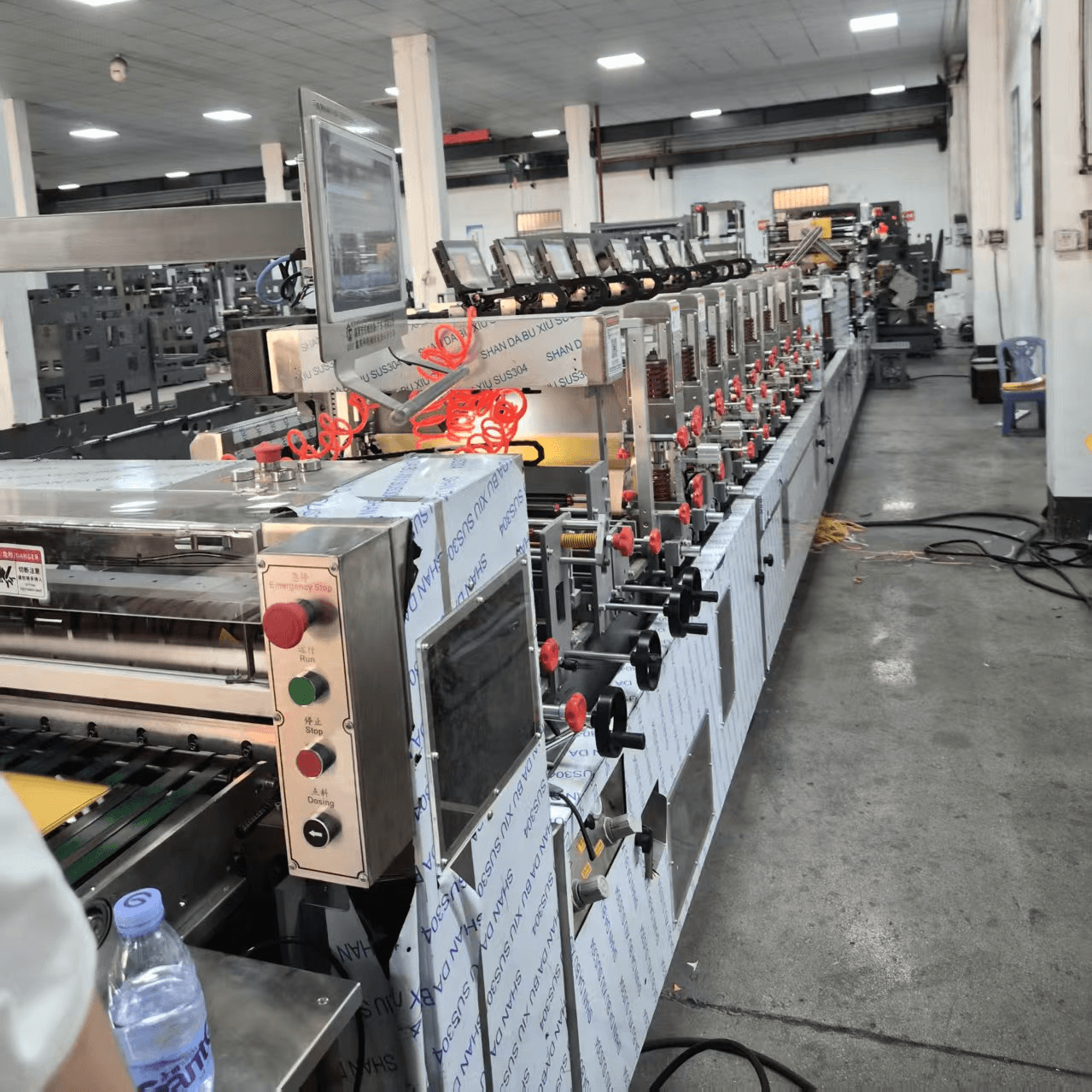
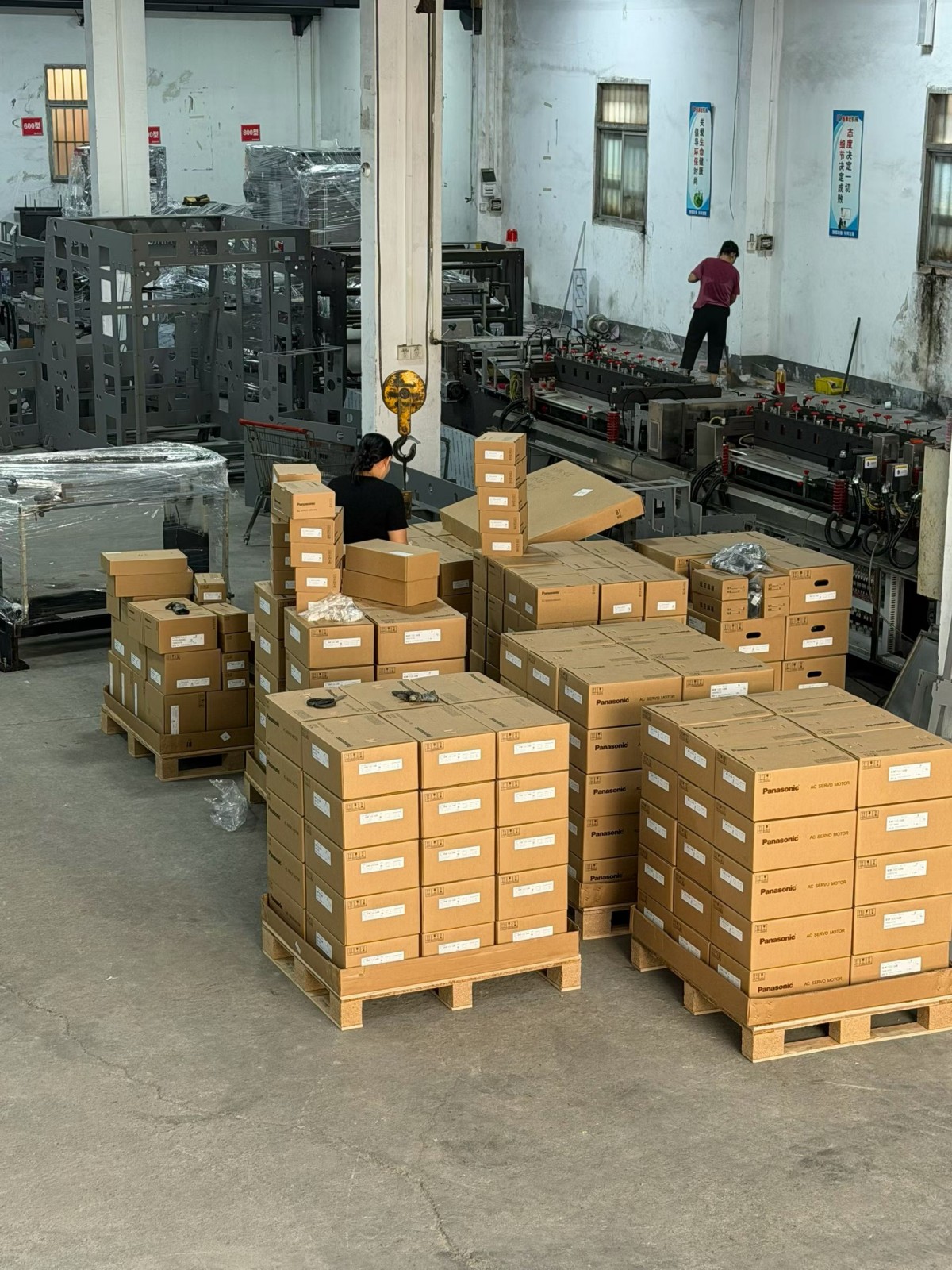
An experienced Compostable Bag Making Machine Manufacturer integrates multi-servo motor architectures driven by advanced synchronization algorithms. In advanced automated lines, independent servo axes govern the unwinding unit, feeding rollers, cross-sealing mechanisms, and transverse cutting stations. For instance, integration with high-precision control platforms, such as the Japan Panasonic servo system utilized in advanced flexible packaging lines, ensures closed-loop tension feedback across every processing stage. This independent axis management eliminates mechanical lag, maintains uniform tension regardless of roll diameter depletion, and accommodates the specific elongation and elasticity limits characteristic of biodegradable polymer webs.
Intelligent Thermal Sealing and Temperature Regulation
Sealing window parameters represent one of the most critical challenges when transitioning standard pouch lines to compostable substrates. Petroleum-based polymers like standard polyethylene possess broad sealing temperature ranges and forgiving thermal thresholds. In contrast, bio-based films often exhibit narrow thermal windows; excessive heat causes film shrinkage, burn-through, or edge curling, while insufficient heat results in incomplete molecular diffusion and weak seal strengths.
Optimized thermal engineering requires precision PID temperature control modules paired with high-conductivity alloy sealing bars. Engineering teams must design heating configurations that maintain thermal variance within tight tolerances across the entire length of the sealing jaw. Furthermore, advanced machines incorporate programmable dwell-time controls and pneumatic pressure regulation to match the specific melt-flow index of compostable laminated structures. This ensures hermetic sealing performance for applications ranging from dry food snack pouches to fertilizer and agricultural packaging bags, without compromising the structural integrity of the bio-resin matrix.
Versatile Pouch Configuration and Modular Tooling Flexibility
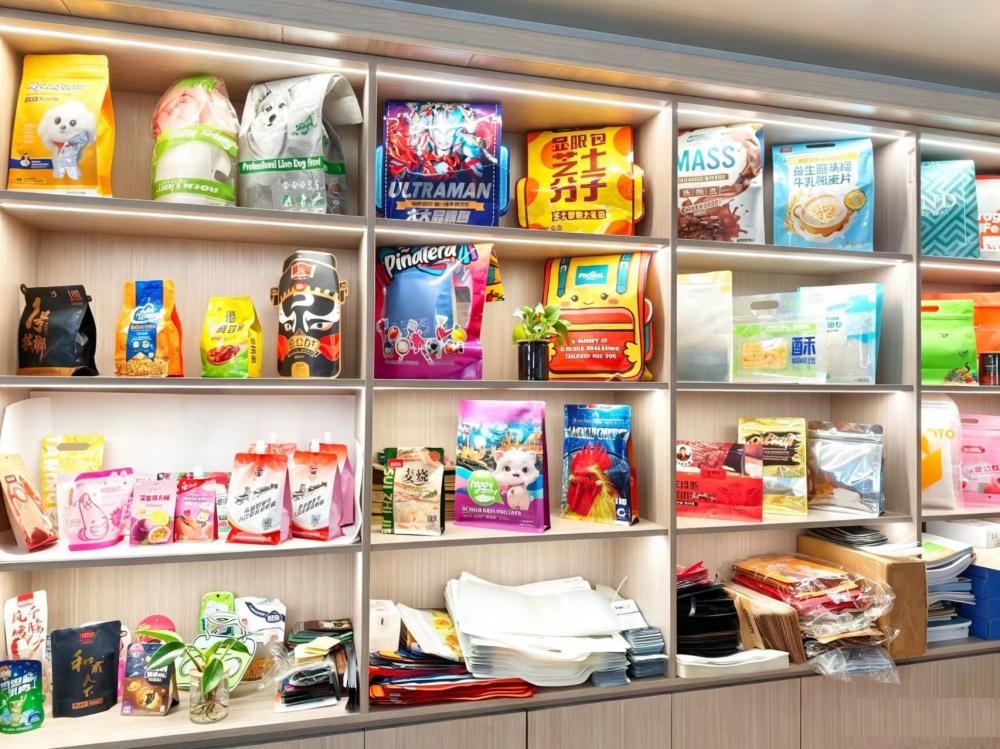
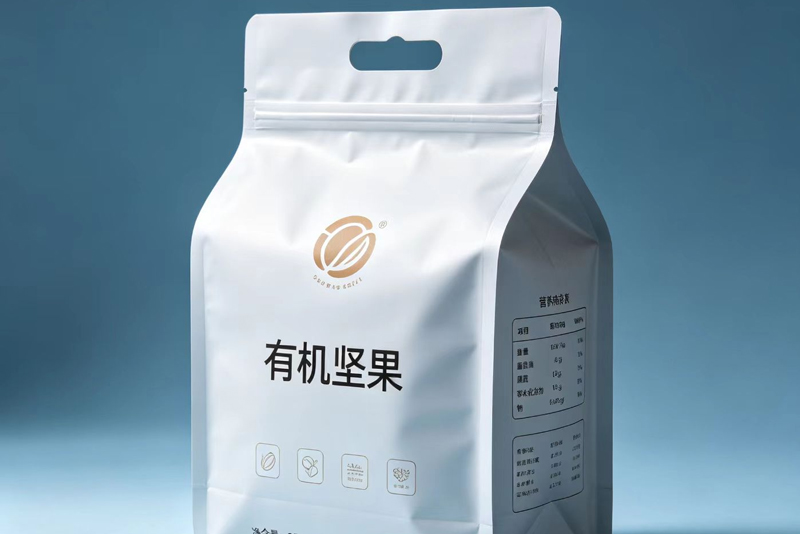
Modern flexible packaging markets demand diverse pouch formats to serve distinct retail environments. Brands require multi-functional capabilities spanning standard three-side seal pouches, stand-up pouches with self-inserted bottom gussets, double-zipper configurations for reclosability, and eight-side seal box pouches capable of bearing heavy payloads for pet food and industrial applications.
A capable Compostable Bag Making Machine Manufacturer designs modular tooling interfaces that allow operators to transition between different bag styles with minimal mechanical changeover downtime. Equipment architecture must accommodate optional auxiliary attachments—such as inline zipper applicators, hole punchers, tear notches, and visual electronic axis tracking systems—without disrupting the primary drive train. This modularity ensures that packaging converters can scale their product offerings from cosmetic sample sachets to heavy-duty cat food and dog food bags on a single production floor, optimizing capital expenditure and floor space utilization.
Precision Cutting and Rejection Automation for High-Speed Lines
Operational efficiency in bag making is defined not only by running speed but also by finished yield rates and waste minimization. High-speed manufacturing environments operating at hundreds of cuts per minute are vulnerable to cumulative tracking errors, web misalignments, or optical registration slippage caused by printed film variations.
To maintain strict quality control standards, advanced bag making systems incorporate visual electronic axis detection and automated error-rejection mechanisms. High-resolution optical sensors monitor print registration marks in real-time, instantly communicating with servo controllers to correct feed lengths dynamically. When a defect or out-of-tolerance condition is detected—such as a failed seal or misplaced zipper—the system routes the defective pouch into a separate rejection bin without halting the primary production cycle. This automation prevents jammed downstream packaging lines and ensures that clean production standards are met, particularly for food and daily chemical applications where quality consistency is non-negotiable.
Advantages of CCD Visual Register Cutting System (Visual Knife Alignment)
- Ultra-precise cutting tolerance up to ±0.1 mm. The CCD camera captures the printed graphics and dynamically compensates the cutter position via servo axes. It offsets film stretch and tension variation, critical for elastic compostable PLA/PBAT films.
- Works without dedicated eye marks. It recognizes logos, QR codes or artwork directly instead of relying on printed registration marks, simplifying artwork revision.
- Faster job changeover. Operators only select the target pattern on HMI, eliminating tedious photocell adjustment. Ideal for mixed small-batch orders.
- Stable registration for multi-lane inline production. Each cutter is compensated independently for multi-up layouts, keeping consistent print alignment across all lanes.
- Inline defect detection & automatic rejection (optional). Detects misprint, mis-registration and sends trigger signal to reject defective pouches without stopping the line.
- Reliable tracking at high running speed, avoiding mark-lost and lag issues common with conventional photocell sensors.
Robust Structural Rigidity and Long-Term Operational Stability
The mechanical foundation of any industrial machinery directly dictates its vibration dampening, acoustic profile, and long-term durability. Lightweight machine frames subjected to continuous multi-axis servo acceleration at high operating frequencies suffer from structural fatigue, bearing wear, and progressive loss of registration accuracy over time.
Industrial-grade manufacturing requires heavy-duty cast frames, precision-machined steel plates processed within dedicated machining centers, and vibration-isolated structural designs. Minimizing operational noise and mechanical vibration preserves encoder accuracy and optical sensor calibration during multi-shift factory operations. Equipment built with high wear-resistant components ensures consistent output across extended production cycles, reducing unplanned maintenance intervals and supporting continuous factory operations for global export enterprises and industrial packaging manufacturers.
Evaluating equipment partners through these engineering dimensions ensures that packaging operations remain resilient amid shifting material requirements and market demands. For comprehensive insights into automated pouch-making technologies, engineering specifications, and global application support tailored to modern flexible packaging standards, further technical documentation and product details can be explored directly at https://www.gdxthjx.com/.
The evolution of sustainable manufacturing depends on bridging advanced motion control with environmentally responsible substrate processing. As packaging converters continue to adopt bio-based and recyclable structures, engineering precision will remain the definitive factor separating scalable, cost-effective production lines from inefficient operations. Investing in robust, adaptable machinery infrastructure positions processing plants to meet rigorous international standards while maintaining long-term commercial competitiveness across global markets.