Leave Your Message
-
Phone
-
E-mail
-
Whatsapp
-
WeChat

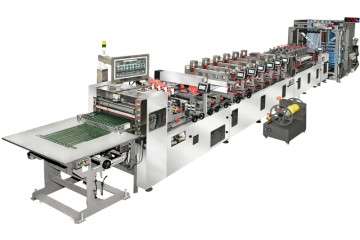
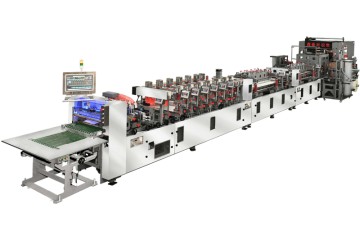
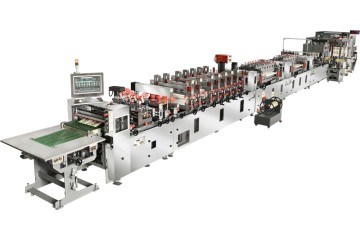
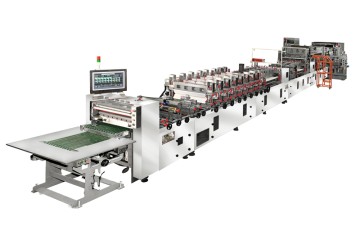
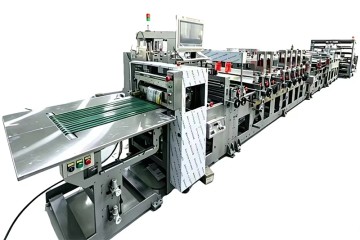
For decades, the industrial hardware and small components sector relied heavily on low-density polyethylene (LDPE) and other plastic formulations. Poly bags were the default choice for packing screws, bolts, fasteners, brackets, bearings, and electronic terminals due to their cheap cost and moisture resistance. However, the global manufacturing landscape is undergoing a massive paradigm shift. Driven by aggressive carbon-neutral targets, stringent plastic taxes, and Extended Producer Responsibility (EPR) regulations, industrial giants are looking for sustainable alternatives. This is where the Non-Plastic Bag Making Machine becomes a critical asset for modern factories.
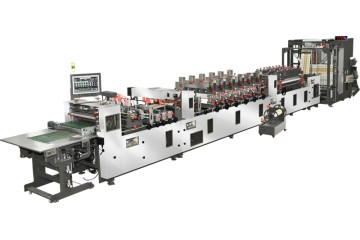
Transitioning away from single-use plastics in the hardware sector is uniquely challenging. Unlike soft goods or food, hardware components are heavy, have sharp edges, and are often coated in anti-rust oils. The machinery designed to create these bags must process new eco-friendly substrates—such as kraft paper, reinforced barrier papers, and certified compostable films—without compromising on production speeds or pouch integrity. The modern non-plastic bag making machine is engineered to handle these tough materials, delivering reinforced seams and puncture-resistant structures that keep industrial supply chains moving sustainably.
With regulations like the European Union's Packaging and Packaging Waste Regulation (PPWR) and various state-level bans in North America, companies that fail to adopt non-plastic packaging formats face heavy compliance penalties. Investing in a dedicated non-plastic bag making line ensures future-proof compliance while satisfying the sustainability mandates of major B2B clients.
Traditional bag-making machines rely on the thermo-plastic properties of PE or PP to create strong seals through simple heat and pressure. Non-plastic materials like heavy kraft paper or bio-based polymers behave completely differently. Paper lacks elasticity and does not melt; it requires precise adhesive application systems, complex folding guides, and extended heat dwell times to achieve a secure seal. Bio-plastics, on the other hand, have narrow sealing temperature windows and are highly sensitive to tension changes. Attempting to run these materials on legacy plastic machinery results in frequent tearing, weak seals, and massive material waste. A specialized non-plastic bag making machine utilizes advanced tension controls and high-precision sealing technology to eliminate these issues.
Industrial hardware is incredibly diverse, demanding highly customizable packaging formats. Modern non-plastic bag making machines are engineered to support a wide range of specific industrial applications:
Screws, heavy bolts, and nails exert concentrated pressure on bag walls. Non-plastic bag makers construct multi-layer reinforced paper bags with gusseted bottoms, dispersing weight and preventing puncture failures during transit.
Connectors, microchips, and terminals require dust-free, anti-static environments. Specialized non-plastic bag making machines integrate anti-static paper stocks with precise micro-perforations to maintain component integrity.
Retail hardware requires clear product visibility and hang-hole slots. Advanced machines punch precise euro-slots into reinforced paper headers and can incorporate biodegradable PLA windows for product display.
The primary concern when packing metal hardware in paper is tearing. To combat this, modern non-plastic bag making machines are configured to run reinforced, long-fiber kraft papers. These papers have high tensile strength and tear resistance. The machine's folding and sealing stations are designed to handle thicker paper weights (up to 120gsm or more) without cracking the fibers at the folds. By applying reinforced three-side seals or flat-bottom structures, the bags distribute the weight of loose metal parts evenly, ensuring that a bag of heavy hex nuts remains intact from the packaging line to the customer's hands.
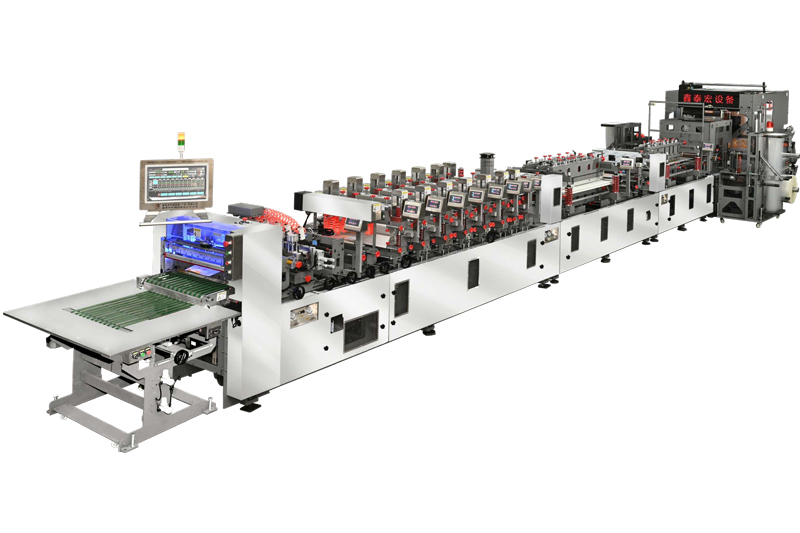
To meet the rigorous demands of industrial packaging, bag-making machinery has evolved with cutting-edge automation and monitoring technologies. These features ensure zero-defect production at high speeds:
Traditional mechanical drivetrains struggle with the variable tension requirements of non-plastic webs. Electronic shaft technology replaces chains and gears with dedicated servo motors for each roller and sealing bar. This allows for micro-adjustments in web tension, preventing paper breaks and ensuring that compostable films do not stretch or deform during high-speed feeding.
When packing small components, precision is key. CCD camera inspection systems monitor print registration, punch alignment, and seal quality in real-time. If a print shift or structural defect is detected, the machine automatically adjusts the feed or rejects the individual bag without stopping the entire production line. This is crucial for maintaining high efficiency in automated assembly lines.
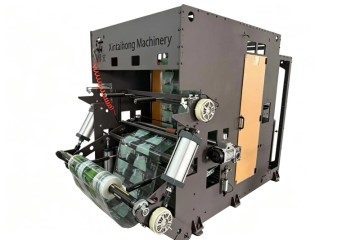
In high-volume manufacturing, downtime is the enemy of profitability. Non-stop film splicing unwinding systems allow operators to load a new roll of material while the machine is running. The system automatically splices the tail of the expiring roll to the start of the new roll at full production speed, eliminating downtime and maximizing daily output.
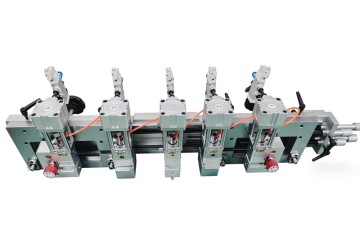
By pairing a CCD vision unit directly with the punching station, the machine ensures that hanging holes and tear notches are placed with sub-millimeter accuracy. This prevents misaligned punches that can weaken the bag header, causing bags to tear when hung on retail display pegs.
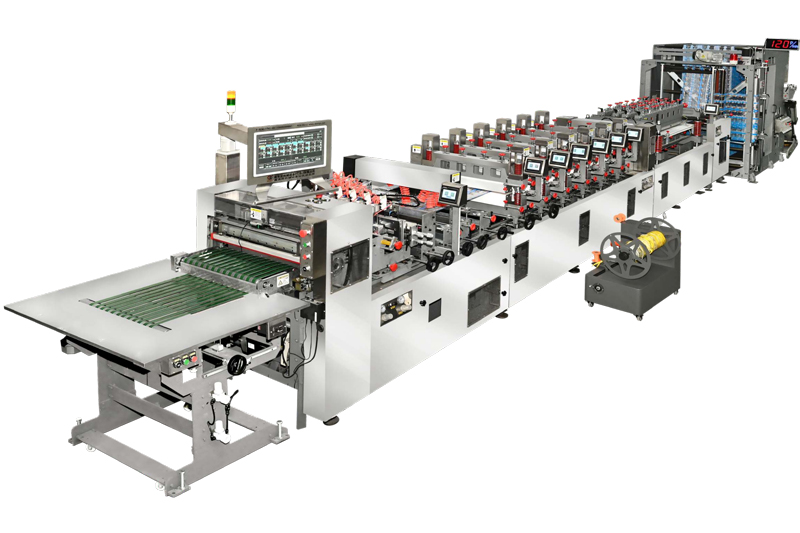
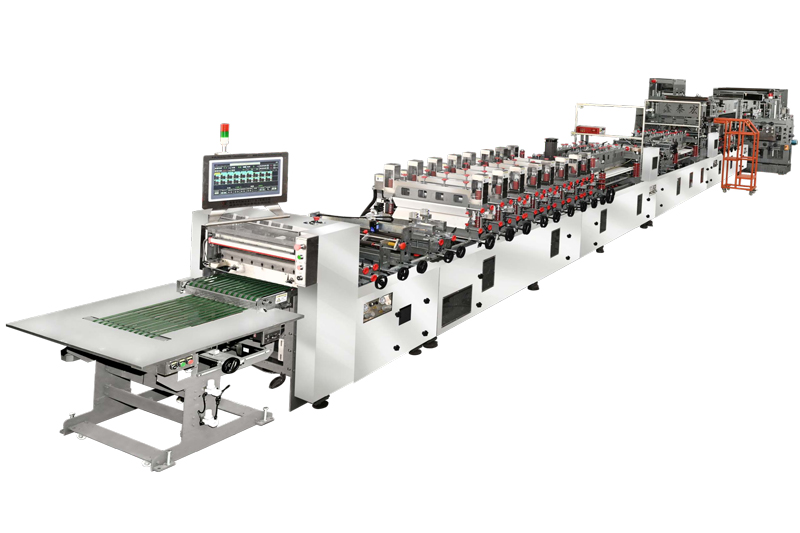
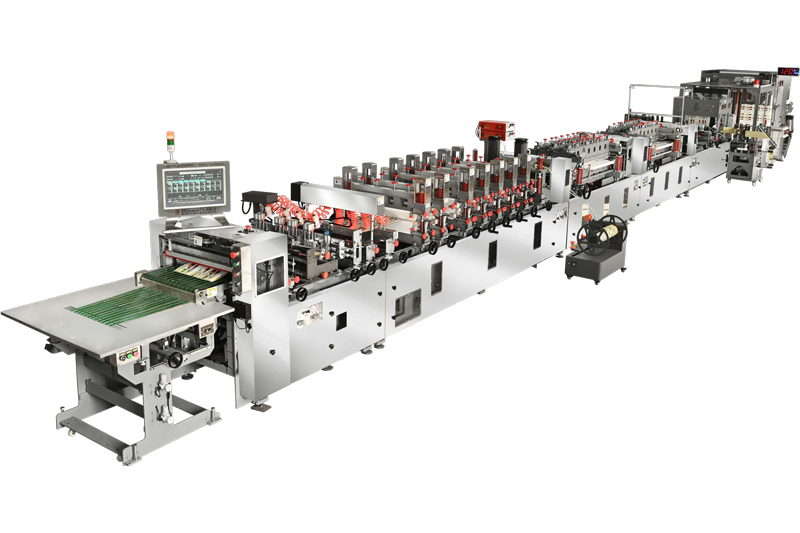
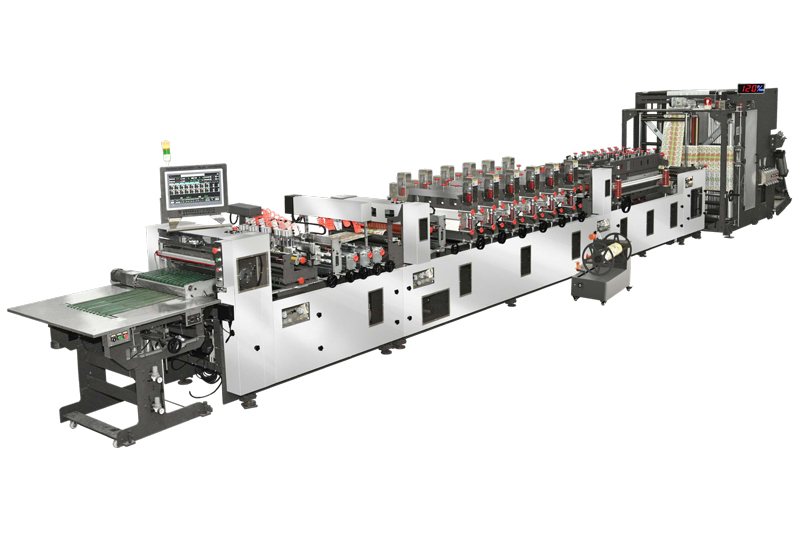
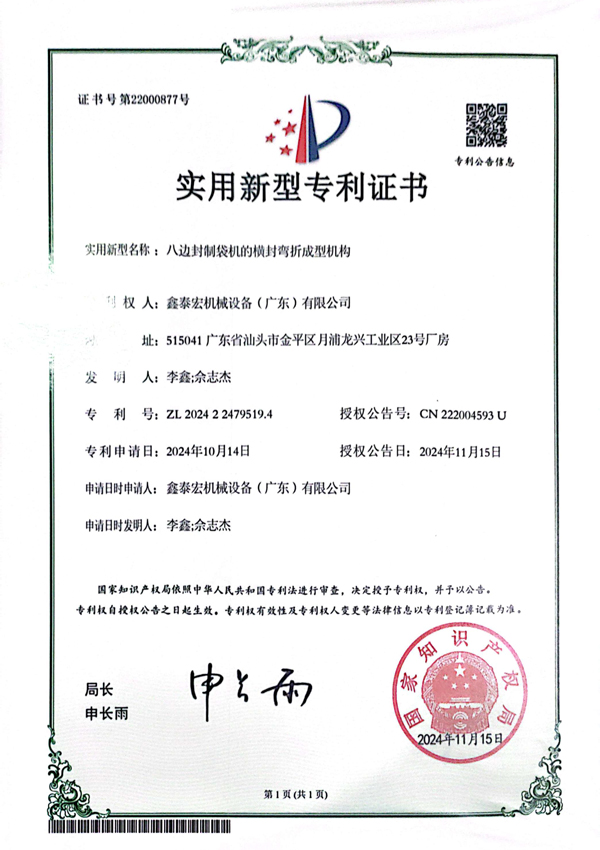
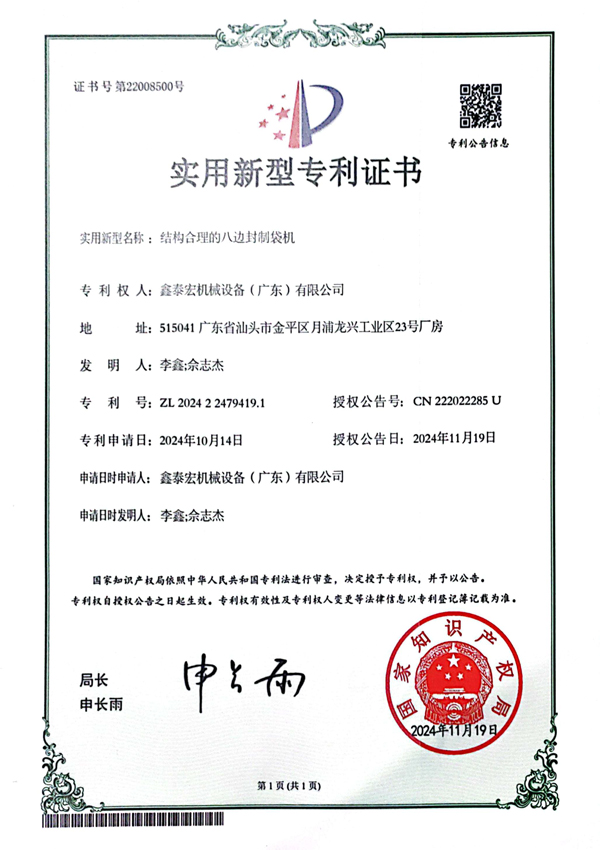
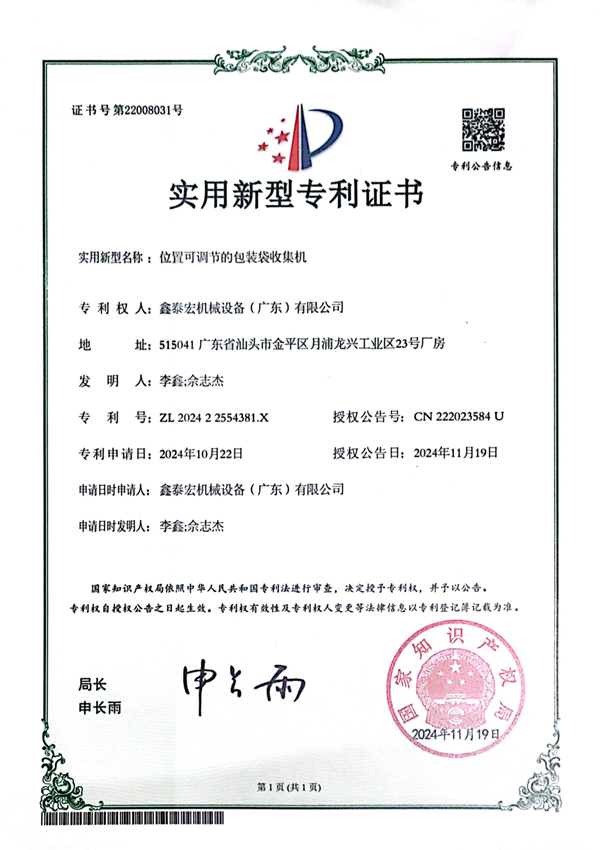
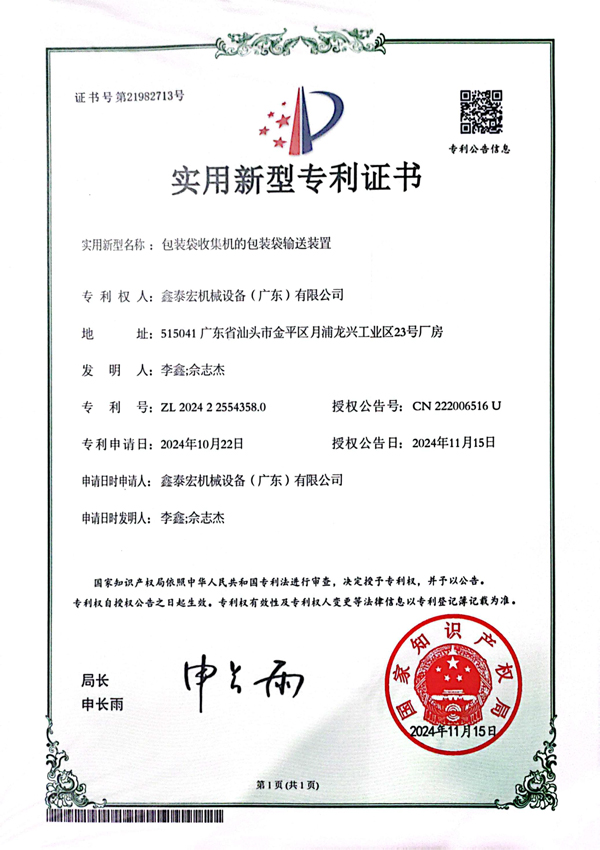
While the initial capital expenditure for a high-performance non-plastic bag making machine might exceed that of a basic plastic bag line, the long-term commercial returns are substantial. Businesses that transition early position themselves as premium, sustainable suppliers, unlocking contracts with major industrial distributors who mandate eco-friendly packaging from their vendors.
Additionally, the reduction in plastic tax liabilities in regions like the UK and EU directly offsets the material costs of kraft paper and biodegradable webs. When factored alongside the marketing value of "100% Plastic-Free Packaging," the return on investment (ROI) is typically realized within 18 to 24 months. By streamlining the bag fabrication process and incorporating automatic sorting and packing modules, labor costs are minimized, resulting in a highly profitable, sustainable production model.
As industry 4.0 matures, non-plastic bag making machines are becoming increasingly connected. Future-ready systems feature IoT integration, allowing plant managers to track material usage, monitor heating element efficiency, and run predictive maintenance diagnostics remotely. Furthermore, as new mono-material barrier papers are developed (which are fully recyclable in standard paper streams), these machines are engineered with modular forming steps, ensuring they can adapt to the sustainable materials of tomorrow without requiring complete machinery replacements.