Leave Your Message
-
Phone
-
E-mail
-
Whatsapp
-
WeChat

High-precision solutions featuring CCD vision and electronic shaft systems optimized for Argentine industries
How Modern Non-Plastic Bag Making Machinery is Reshaping the South American Packaging Industry
In recent years, Argentina has witnessed a monumental shift in its environmental policies and consumer behaviors. As one of the largest economies in South America, the nation is actively addressing plastic pollution by implementing stringent regulations on single-use plastics. From the autonomous city of Buenos Aires to the agricultural hubs of Córdoba and Santa Fe, municipal laws banning traditional thin-film plastic shopping bags have paved the way for sustainable alternatives. This regulatory framework has driven local manufacturers to seek reliable non-plastic bag making machine manufacturers & suppliers who can equip them with the technology needed to produce recyclable, compostable, and paper-based pouch packaging.
Argentina's industrial sector is renowned for its resilience and adaptability. Packaging converters across the country are upgrading their production lines from traditional blown-film extruders and plastic bag sealers to advanced multi-functional non-plastic bag making machines. These new machines utilize biodegradable films, kraft paper, and complex recyclable laminates to manufacture stand-up pouches, flat-bottom bags, and three-side sealed bags. By transitioning to eco-friendly materials, local manufacturers not only comply with domestic laws but also position themselves as premium suppliers for the export market, particularly to neighboring Mercosur countries and the European Union.
Furthermore, the agricultural sector—Argentina’s economic backbone—is increasingly adopting non-plastic packaging. From organic grains and seeds to dried fruits and specialty pet foods, there is an urgent demand for high-barrier, non-plastic pouches that maintain product freshness without leaving a lasting environmental footprint. Manufacturers who invest in versatile machinery capable of running paper-based structures with biodegradable barrier layers are capturing this high-margin market segment.
The applications for non-plastic packaging in Argentina are diverse, spanning multiple key sectors:
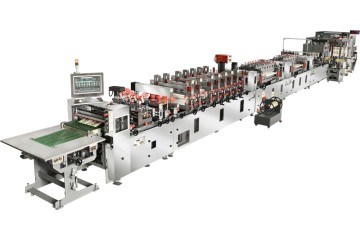
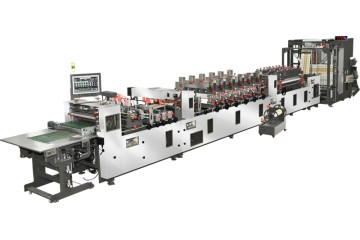
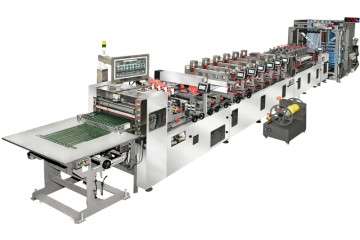
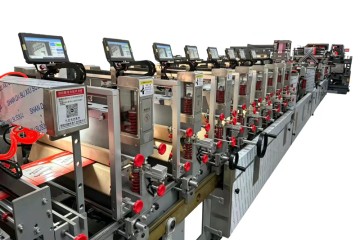
To successfully process alternative, non-plastic substrates, packaging machinery must offer unmatched precision. Unlike traditional polyethylene, paper and biodegradable films have different tensile strengths, heat-sealing window temperatures, and elasticity. This is where advanced technologies, such as the Electronic Shaft control and CCD Vision Punching Units, become indispensable.
An electronic shaft system ensures precise synchronization of the feeding, sealing, and cutting sections without the mechanical play associated with traditional chain drives. This level of control is crucial when working with delicate paper laminates or bio-based films that are prone to tearing under high tension. Additionally, integrated CCD vision systems detect registration marks in real-time, correcting any misalignment instantly. This minimizes waste—a critical factor given that eco-friendly raw materials are often more expensive than conventional plastics.
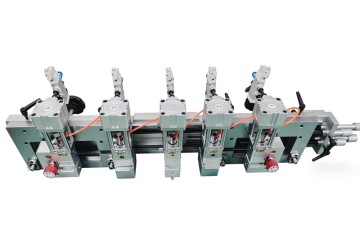
When producing premium stand-up zipper pouches, any misalignment in the bottom insertion or the zipper sealing can ruin the entire batch. The CCD camera monitors the alignment continuously, ensuring that every pouch is perfectly shaped and sealed, maintaining the high aesthetic standards required by Argentine retail brands.
Looking ahead, the Argentine packaging industry will continue to lean heavily towards smart automation. As labor and energy costs fluctuate, local manufacturers are prioritizing energy-efficient machines with high-speed output and minimal setup times. Modern non-plastic bag making machines feature intuitive HMI interfaces, remote diagnostics, and modular designs that allow quick changeovers between different bag styles (e.g., transitioning from a three-side seal bag to a flat-bottom pouch). By partnering with global suppliers who offer robust technical support and high-quality components, Argentine converters can future-proof their operations and lead the transition to a circular economy.
Take a look inside our state-of-the-art production facilities and precision machining equipment
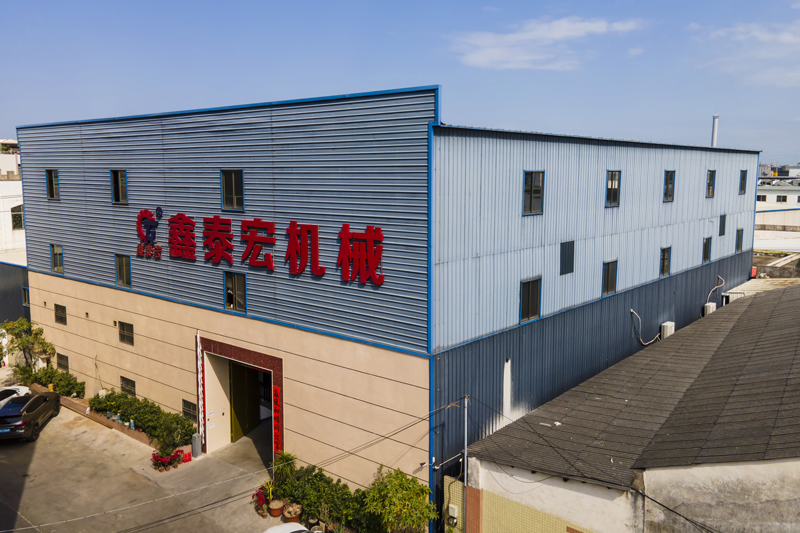
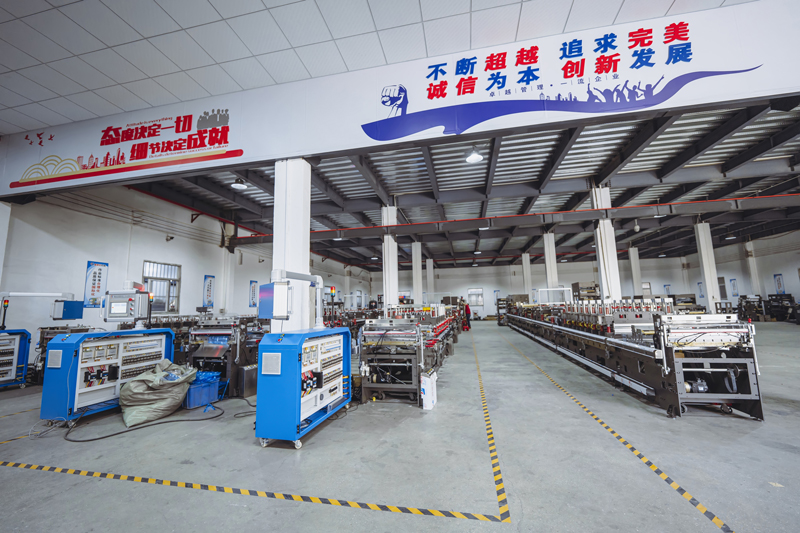
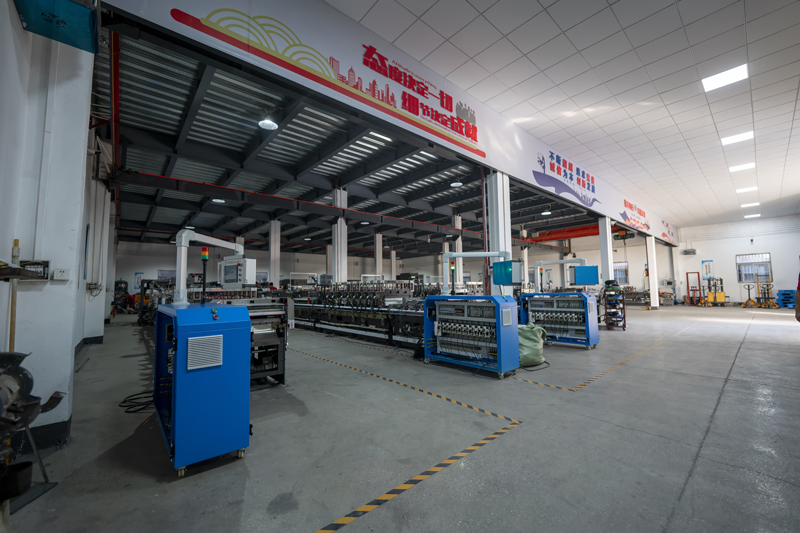
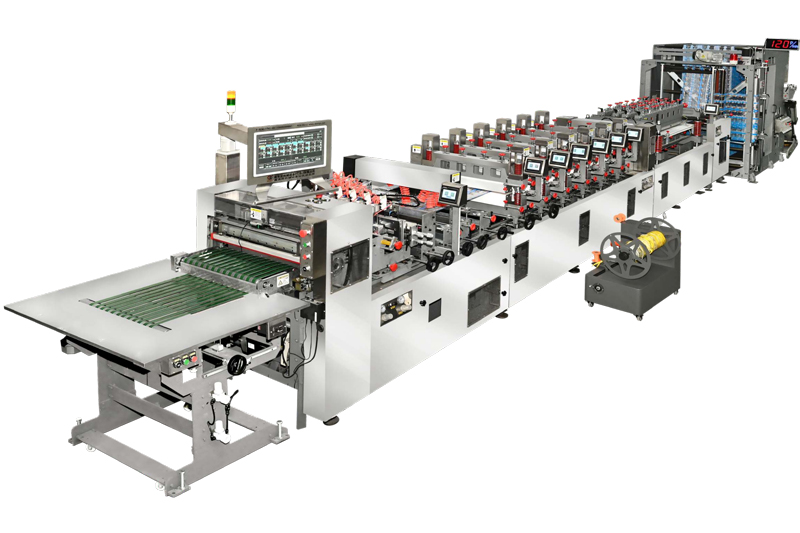
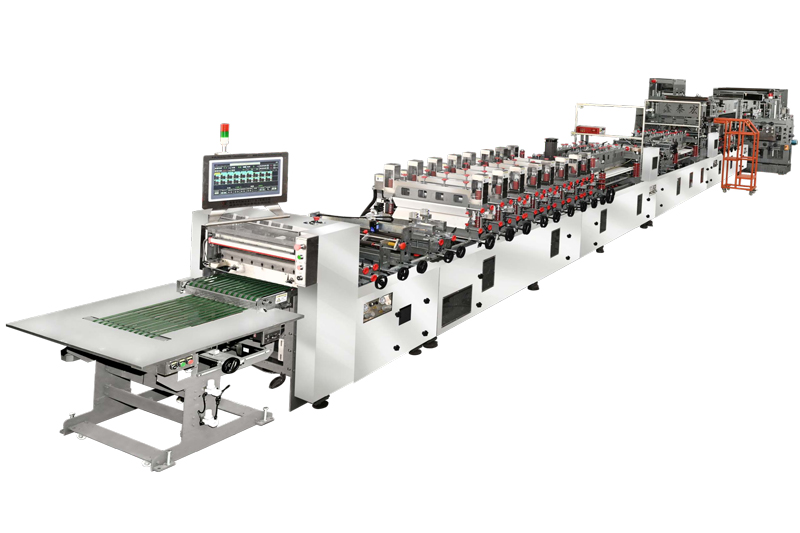
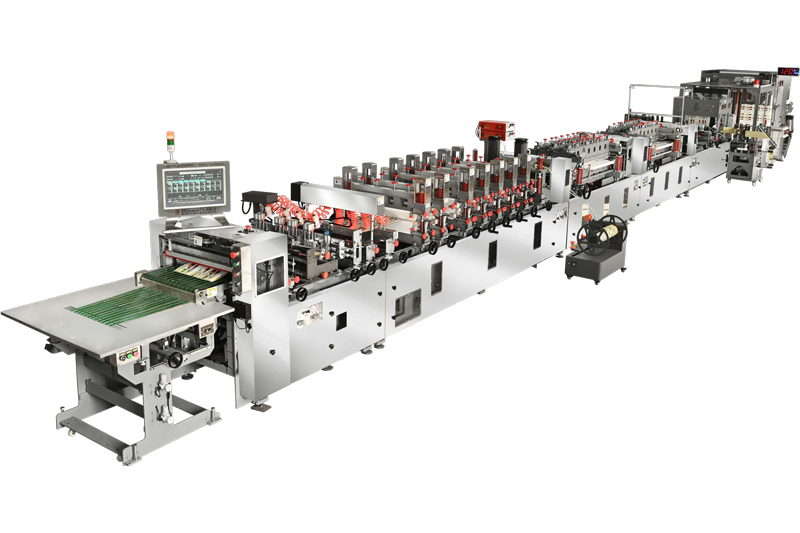
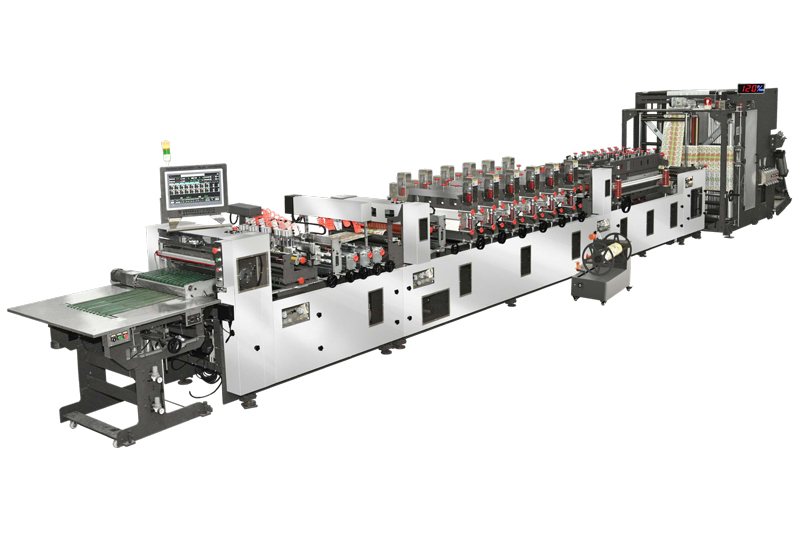
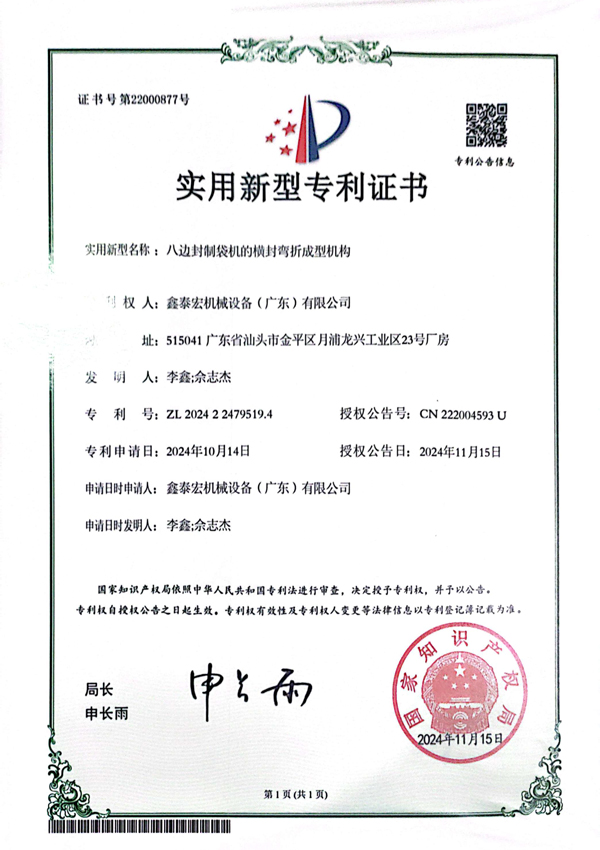
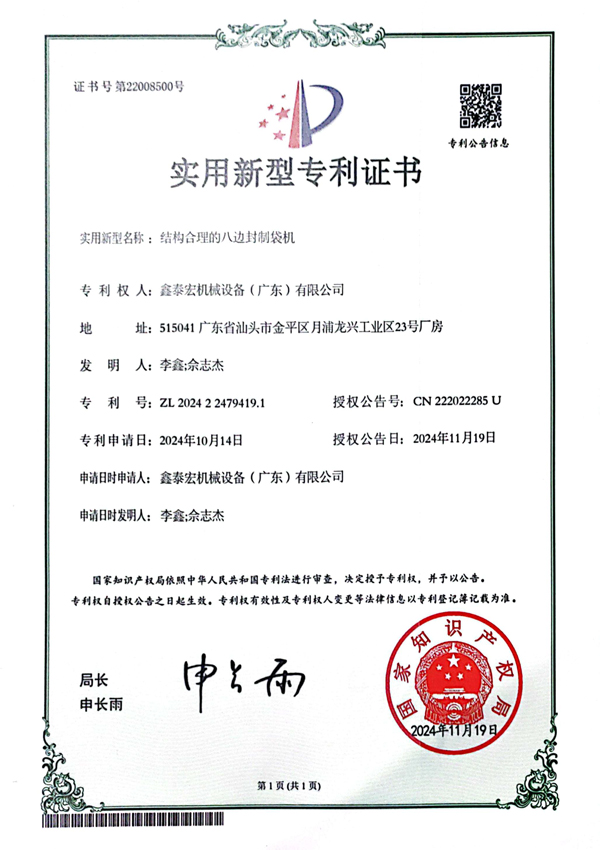
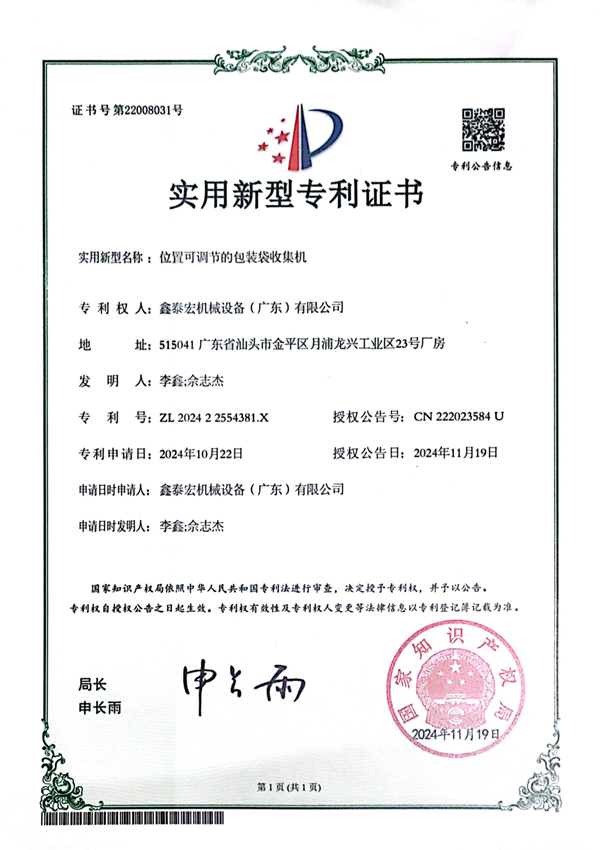
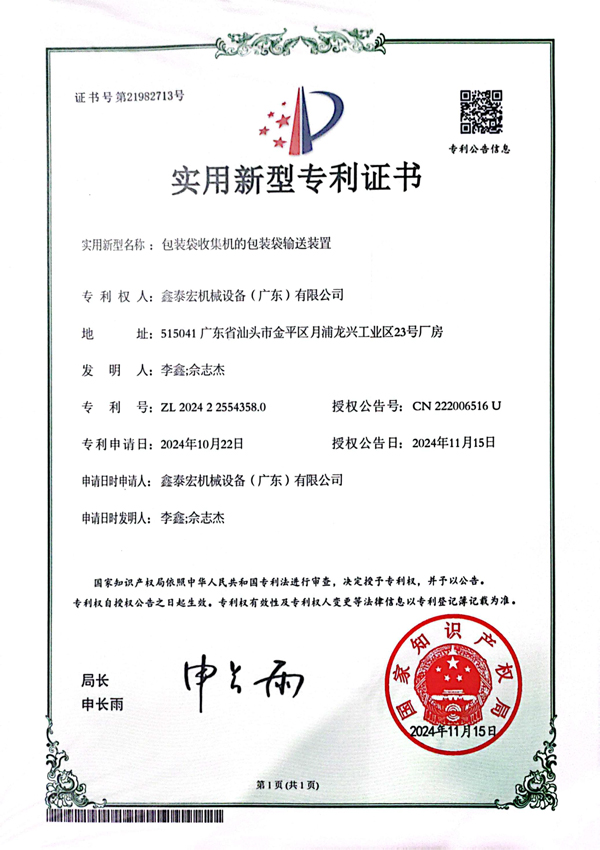
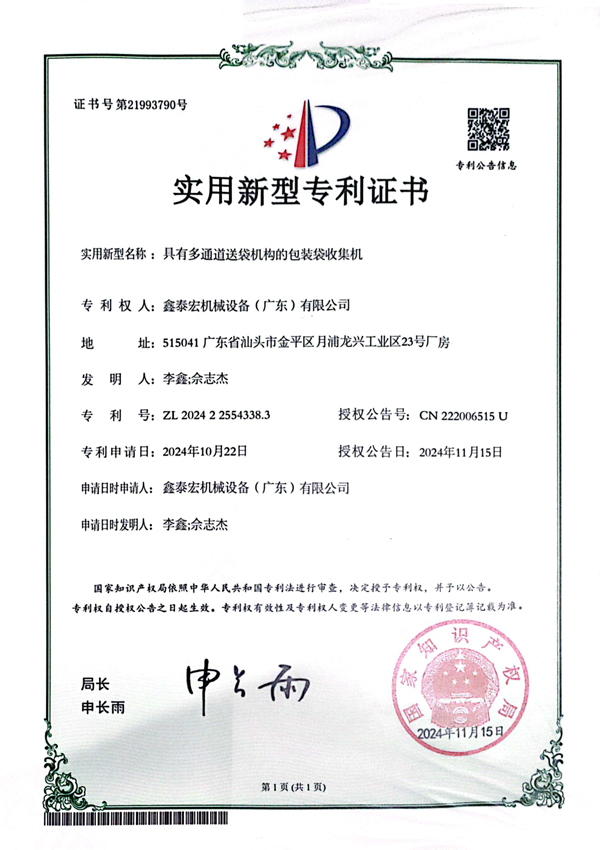
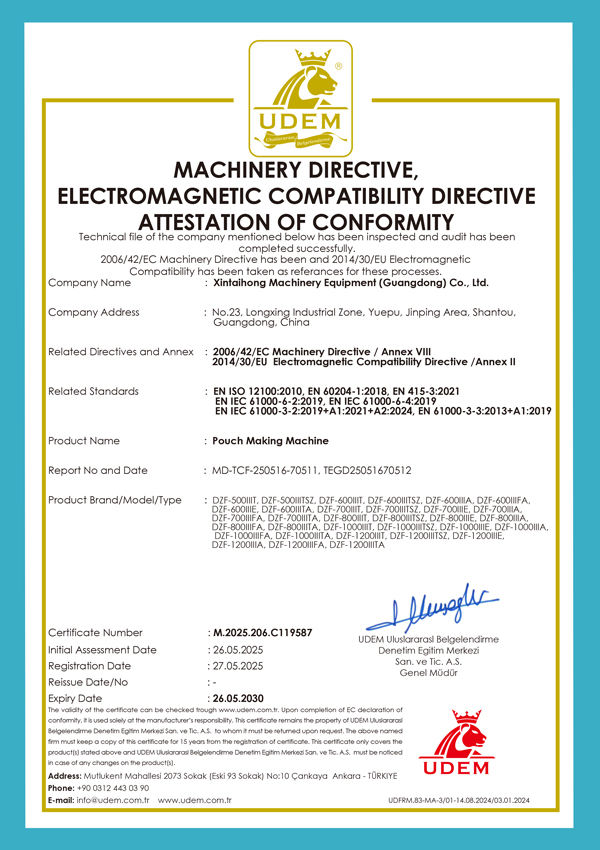
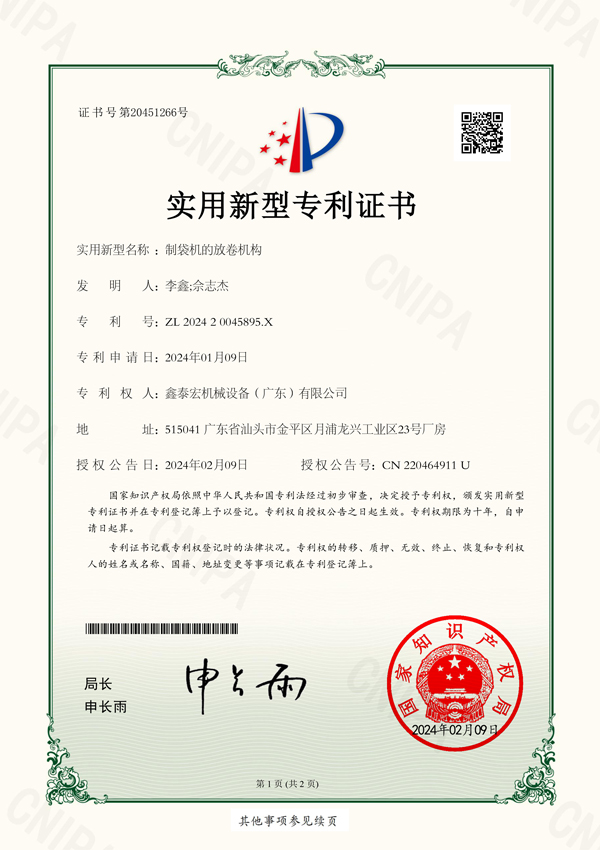
Our commitment to global standards, ensuring safety, reliability, and precision
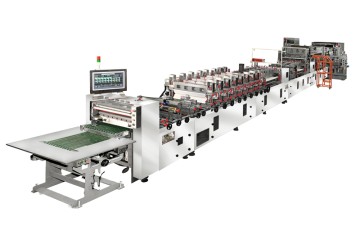
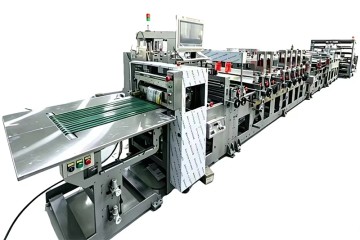
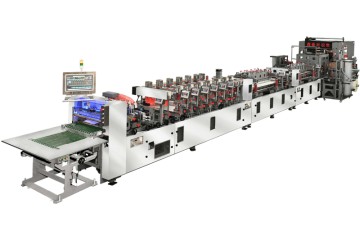
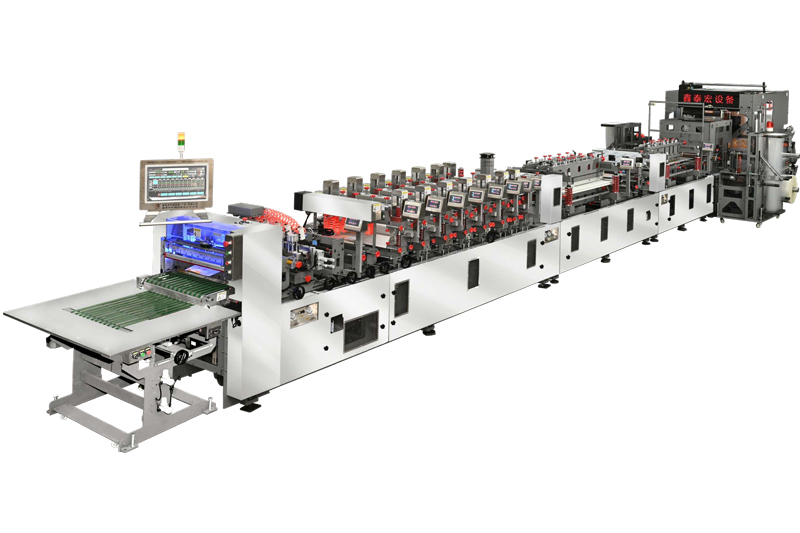
Explore our high-performance models designed for varied packaging demands