Leave Your Message
-
Phone
-
E-mail
-
Whatsapp
-
WeChat

Understanding shifting consumer demographics, food processing modernization, and Make in India packaging initiatives.
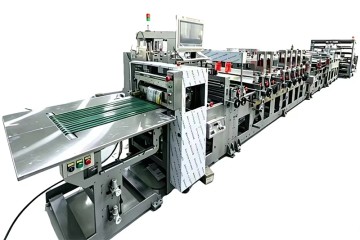
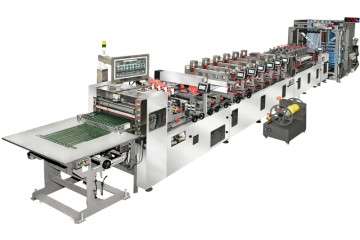
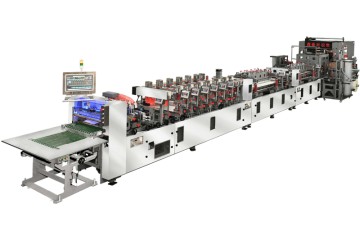
The flexible packaging manufacturing sector in India is experiencing an unprecedented structural transformation. Driven by the exponential growth of fast-moving consumer goods (FMCG), ready-to-eat (RTE) foods, organized retail expansion, and pharmaceuticals, converting plants from Ahmedabad, Vapi, and Surat in Gujarat to Pune, Daman, Bhiwandi, and Sivakasi are rapidly retiring legacy mechanical pouch makers in favor of high-efficiency, multi-axis servo pouch manufacturing lines. Cast Polypropylene (CPP) films have emerged as an indispensable substrate in this transition due to their exceptional seal strength, optical clarity, puncture resistance, and sterilizability at elevated temperatures.
Unlike standard oriented films, CPP presents distinctive elongation properties and sensitive thermal sealing windows. In Indian manufacturing environments—where extreme ambient temperature fluctuations occur between dry winters in northern industrial estates and sultry, humid monsoons in coastal production zones—processing CPP film requires intelligent micro-tension loops and dynamic sealing pressure controls. As an established ODM partner serving major packaging converters throughout Maharashtra, Tamil Nadu, Telangana, and the National Capital Region (NCR), our pouch machinery is engineered specifically to eliminate film puckering, tension stretch, and uneven gusseting on locally produced BOPP/CPP, PET/CPP, and high-barrier metallized CPP (MCPP) substrates.
Our strategic manufacturing solutions match the regional specialty needs of India's prominent packaging clusters:
Optimized to meet the strict technical thresholds of modern Indian converting facilities.
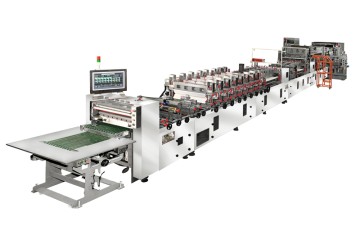
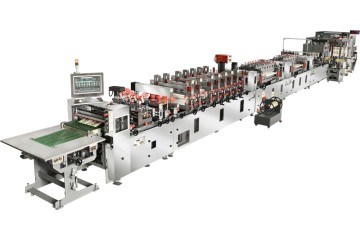
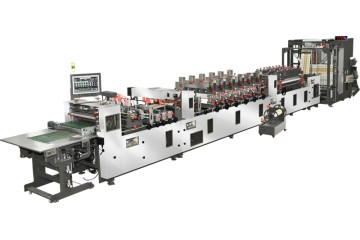
Eliminates mechanical gear train backlash. Multi-servo drive coordination provides independent programmable positioning for sealing bars, pulling rollers, and cut-off stations, avoiding film elongation on delicate unoriented CPP heat-seal layers.
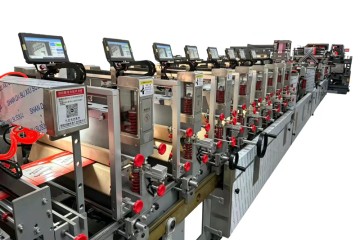
Integrated high-speed machine vision dynamically verifies punch registration, zipper insertion accuracy, and print-to-cut alignment in real-time, instantly rejecting off-spec pouches and preserving high yield during long runs.
PID-regulated heating blocks coupled with high-efficiency water-cooling circulation plates freeze the polymer orientation instantly post-seal, guaranteeing crystal-clear seal borders with zero wrinkle artifacts on cast polypropylene.
Solid stress-relieved steel side walls and dust-sealed electrical cabinets outfitted with industrial air conditioning maintain system longevity in Indian workshop environments characterized by ambient heat and voltage instability.
Engineered to assist converters in complying with India's Plastic Waste Management (PWM) Amendment Rules. Perfectly seals 100% recyclable BOPE/CPP and MDO-PE/CPP laminate structures without burn-through.
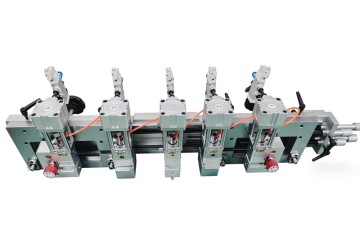
Quick-release sealing jaws and pneumatic zipper positioners reduce job changeover windows between center seal, 3-side seal, and stand-up gusseted configurations to less than 30 minutes, vital for high-mix batch orders.
How customized pouch configurations fulfill end-use demands from Mumbai to Kolkata.
The ready-to-eat (RTE) food sector in India, driven by iconic recipes such as Dal Makhani, Paneer Butter Masala, and Biryani, requires multilayer laminates (commonly PET/ALU/OPA/RCPP) capable of withstanding autoclaving at 121°C. Retort Cast Polypropylene (RCPP) serves as the inner food-contact sealant. Our machines apply precision dwell-time control and reinforced double-action pneumatic sealing bars, guaranteeing total hermetic sealing integrity that eliminates pinhole leakages during transport across varying road conditions in regional supply chains.
India's indigenous snack market relies on nitrogen gas-flushed pillow pouches and center-seal gusseted pouches manufactured at speeds exceeding 180 to 220 cuts per minute. Cast Polypropylene laminated with metallized BOPP or PET offers the barrier required to prevent oil rancidity in fried snacks like Bhujia, Sev, and Banana chips. Our DZF series utilizes ultra-smooth film unwinding cradles and ultra-low friction web guides that prevent static buildup, tracking drift, or scratch defects on high-gloss film substrates.
Surat in Gujarat and Tirupur in Tamil Nadu dominate the textile packaging industry, consuming millions of high-clarity CPP side-weld and bottom-gusset bags per day for sarees, shirts, and hosiery. CPP provides the crystalline gloss and structural stiffness required to showcase garment embroidery on retail shelves. Our pouch machinery easily integrates automated peel-and-seal permanent adhesive tape applicators, punch handles, and breathable eyelet punch heads within a single synchronous inline process.
Spices contain volatile aromatic essential oils that quickly degrade conventional low-density polyethylene sealants. Specialty CPP barrier laminates mitigate spice oil scalping. Utilizing our electronic-shaft stand-up zipper pouch makers, spice processors in Kerala, Rajasthan, and Andhra Pradesh achieve vapor-tight reclosable seals that lock in freshness for premium Garam Masala, Cardamom, and Turmeric consumer packs.
Tour our state-of-the-art production floors, advanced CNC machining centers, and strict quality control stations delivering world-class equipment to Indian plants.
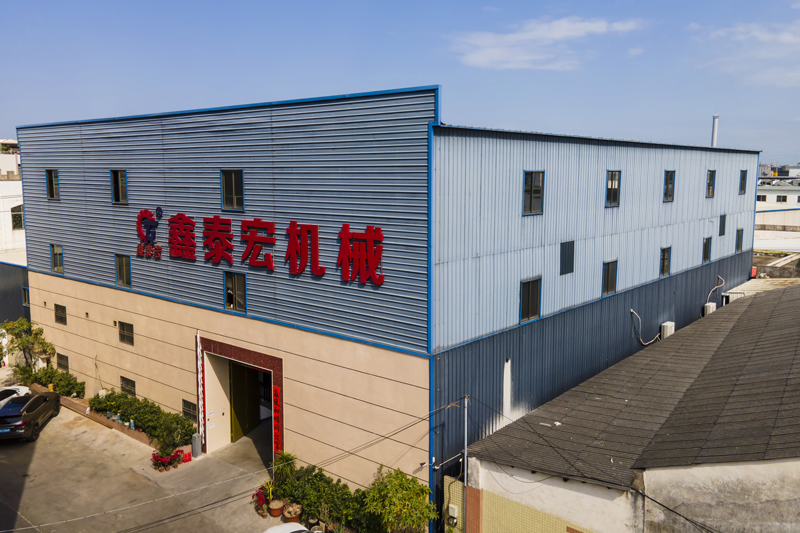
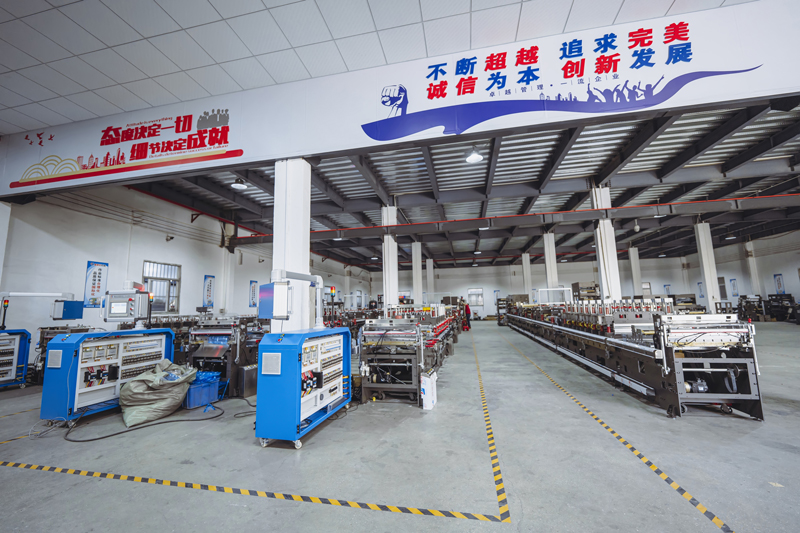
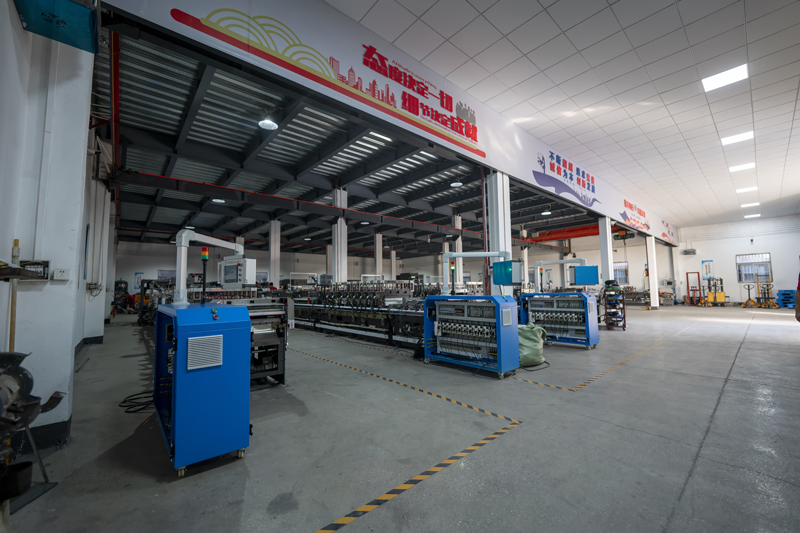
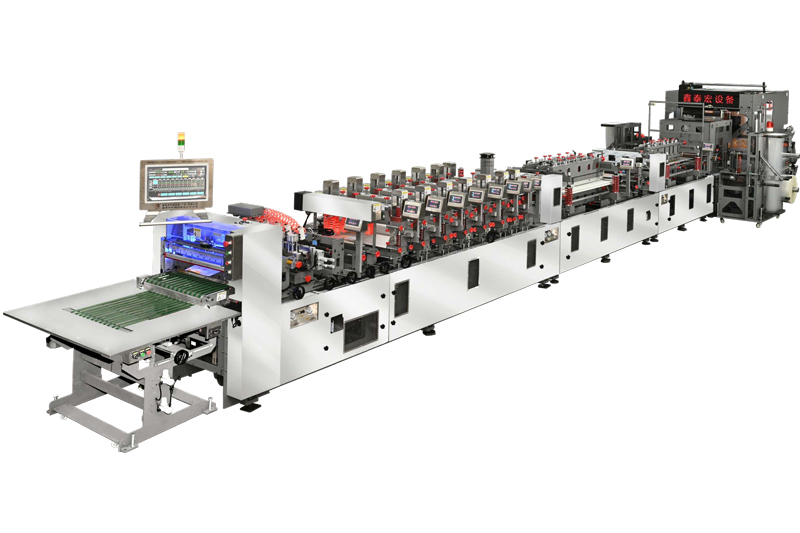
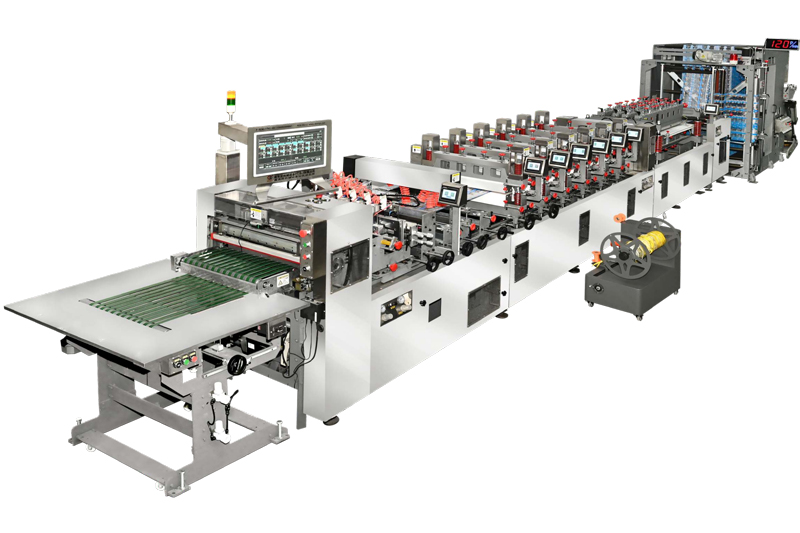
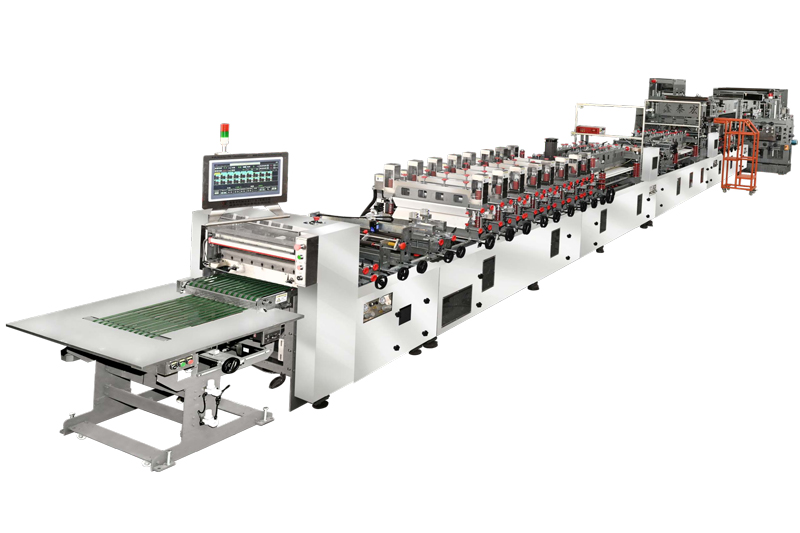
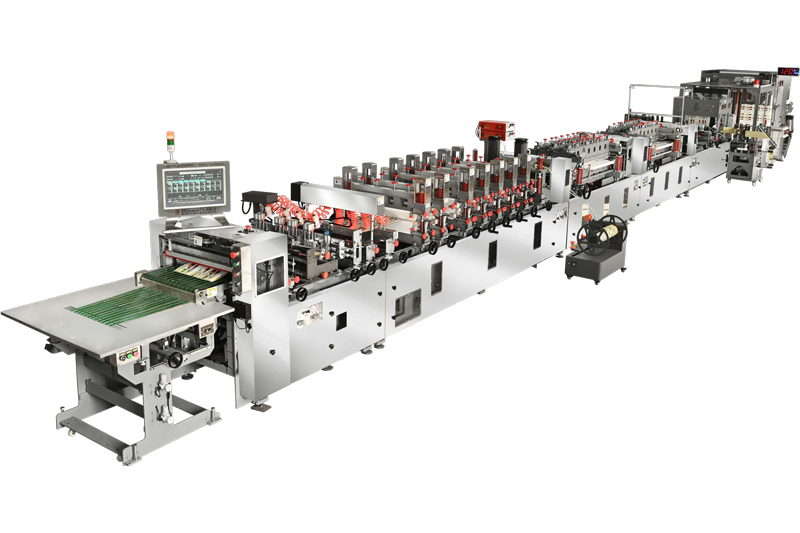
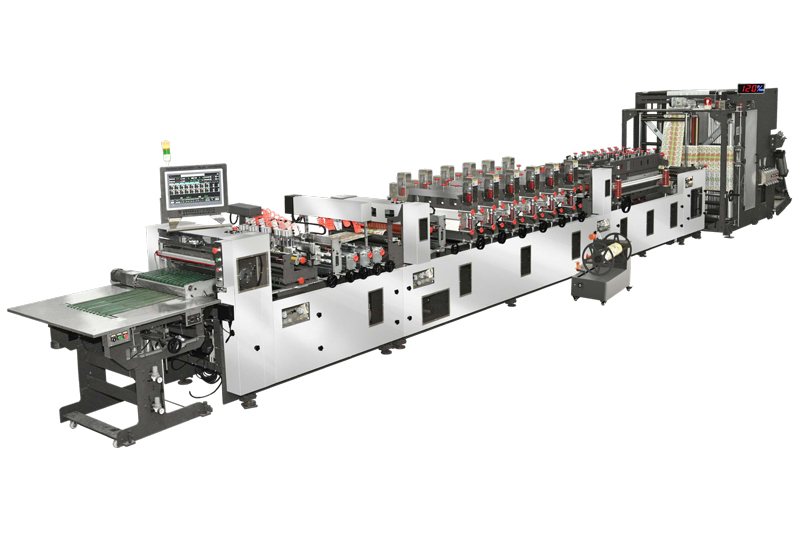
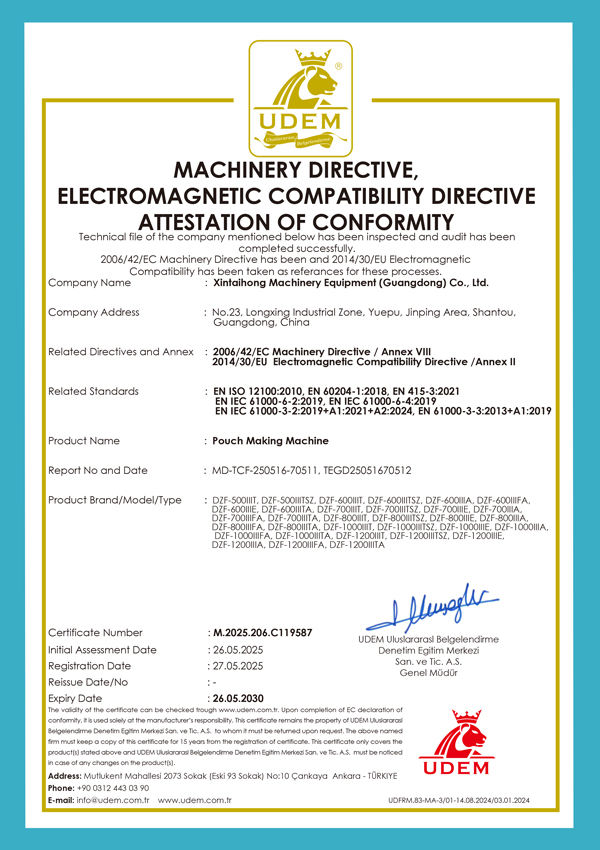
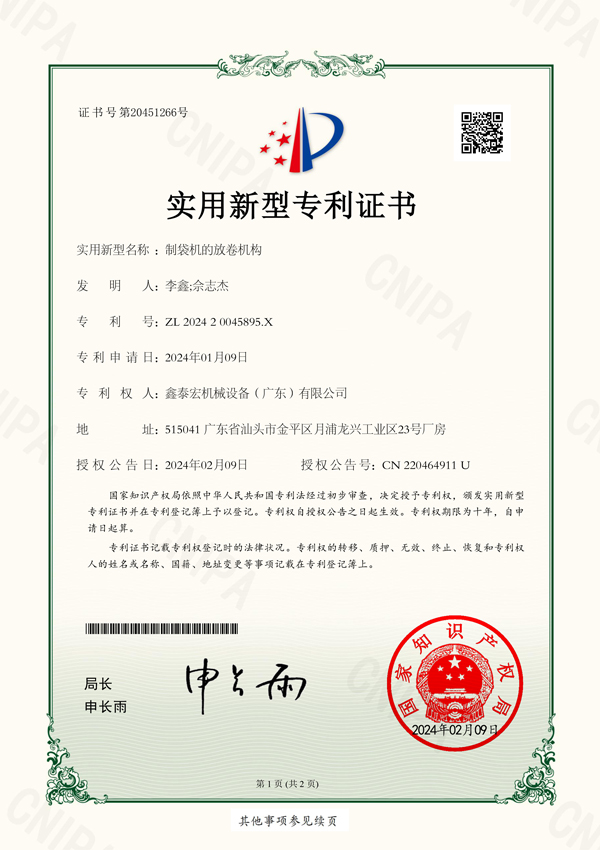
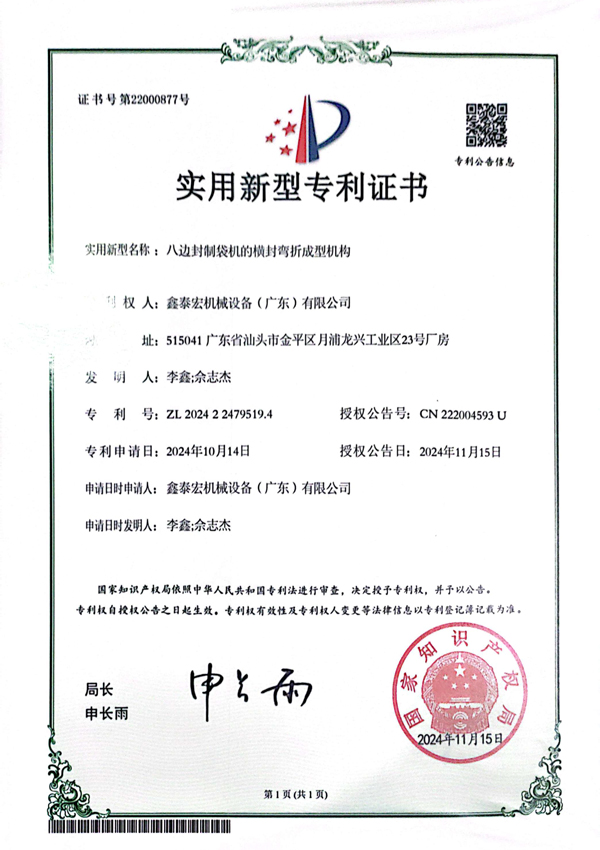
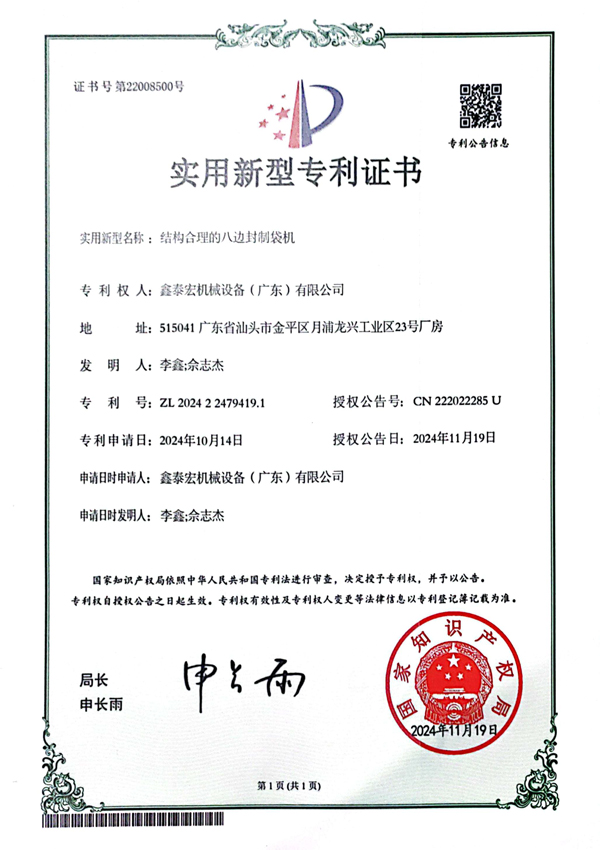
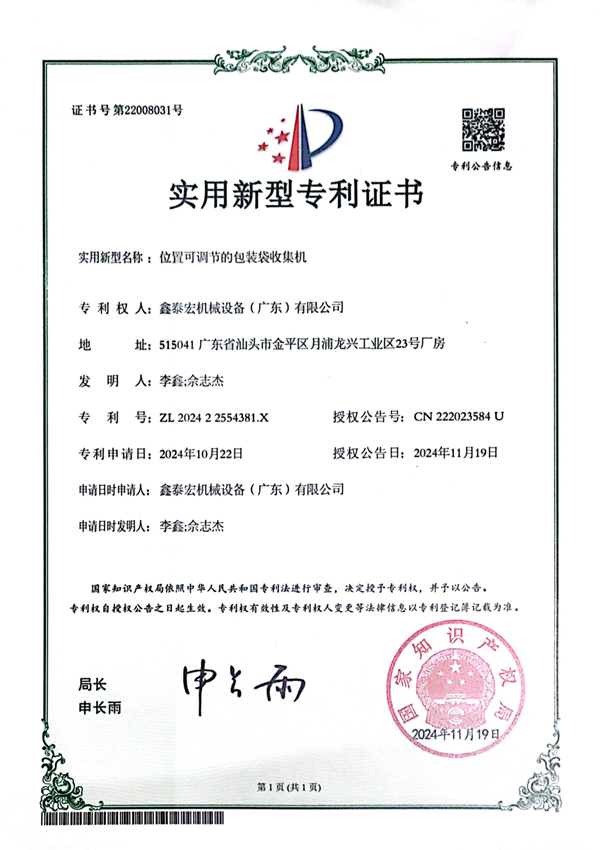
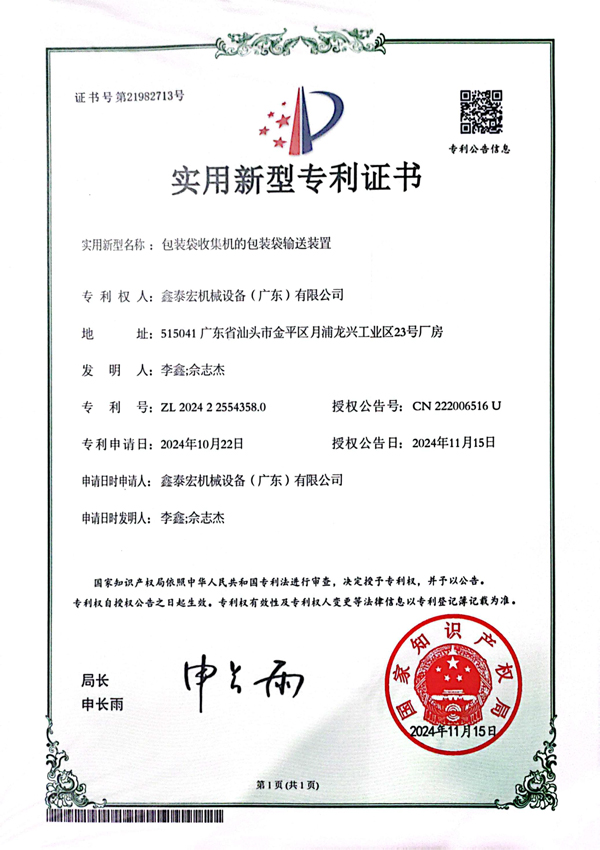
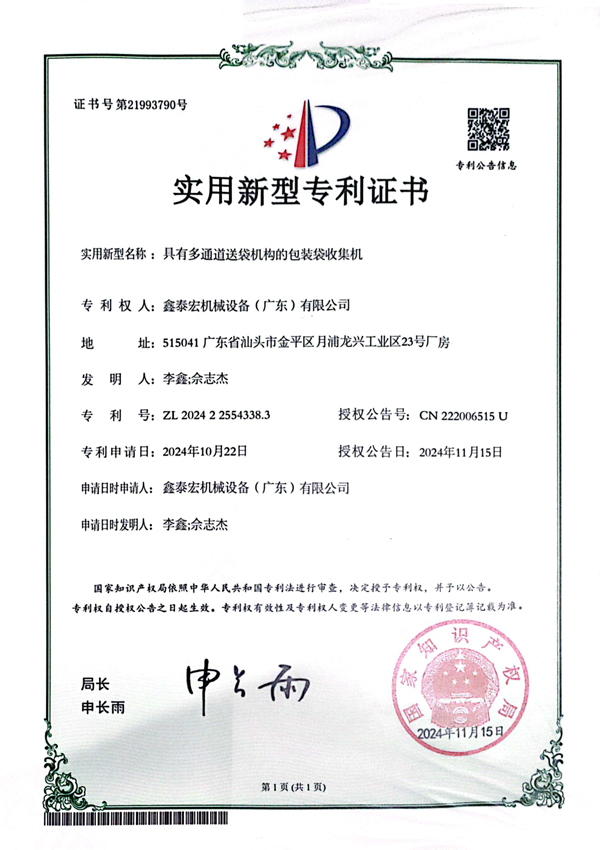
Certified to international CE, ISO9001, and safety directives to guarantee reliable 24/7 industrial uptime for high-output Indian operations.
Solving complex challenges associated with resin variations, cooling differentials, and high-speed web handling.
Cast Polypropylene films produced across Indian petrochemical plants—such as those manufactured with Reliance, IOCL, or GAIL polyolefin polymers—exhibit unique modulus of elasticity, coefficient of friction (COF), and melt flow index (MFI) characteristics. Unlike conventional biaxially-oriented films, CPP maintains an unoriented molecular structure that renders it prone to longitudinal stretching when pulled under excessive line tension. Our ODM machinery incorporates high-resolution magnetic powder braking tension systems paired with dancing roller position feedback loops driven by ultra-responsive servo motors. This architecture keeps web tension within a strictly controlled window of ±1.5N, ensuring the web does not stretch, deform printed graphics, or distort tear-notch punch coordinates.
The sealing temperature delta for CPP films is notably narrow compared to PE films. An overshoot of just 5°C can cause film burn-through and resin thinning at the seal edge, leading to catastrophic package rupture during rough transport. Conversely, insufficient temperature creates brittle, peeling seals. Our sealing stations incorporate copper-alloy heating jaws embedded with multi-zone cartridge heaters and dual thermocouple feedback circuits. Coupled with rapid-cooling chilling bars cooled by high-flow internal water channels, our lines freeze the seal seam under mechanical pressure, preserving pristine optical transparency and maximizing burst pressure resistance up to industry-leading standards.
With India’s Ministry of Environment, Forest and Climate Change (MoEFCC) mandating strict Extended Producer Responsibility (EPR) targets and the phasing out of non-recyclable multi-material laminate structures, Indian converters are aggressively migrating toward mono-material All-Polypropylene (PP) packaging structures. Our DZF series bag making machines are tested and optimized for mono-material substrates such as BOPE/CPP, MDO-PE/CPP, and barrier-coated mono-PP films. By managing sealing bar dwell cycles with microsecond accuracy, converters can achieve complete seal hermeticity without compromising recyclability or aesthetic finish.
We provide Indian clients with tailored engineering configurations, including:
Whether you operate a boutique packaging workshop in Rajkot or manage high-volume industrial converting factories across Daman and Greater Noida, our ODM CPP Cast Polypropylene pouch making machinery provides the competitive speed, yield efficiency, and mechanical durability required to lead the Indian packaging marketplace.