Leave Your Message
-
Phone
-
E-mail
-
Whatsapp
-
WeChat

Engineered for ultra-high conversion efficiency across food packaging, retail displays, and agricultural sacks in Selangor, Johor, and Penang industrial hubs.
An in-depth perspective on market dynamics, polymer substrate adoption, and technological shifts throughout ASEAN's leading processing center.
The Malaysian flexible packaging sector is witnessing a transformative era driven by increasing demand for high-barrier food protection, export-oriented Halal commodity packaging, and the modernization of industrial bag conversion facilities. Biaxially Oriented Polypropylene (BOPP) films continue to dominate the flexible pouch and sack segments across Peninsular and East Malaysia. Known for outstanding clarity, remarkable tensile strength, low elongation, and superior moisture barrier properties, BOPP films have emerged as the foundational substrate for everything from fresh snack packaging and daily consumer detergents to bulk agricultural fertilizer sacks.
From the industrial corridors of Klang Valley (Selangor) and Pasir Gudang (Johor) to the precision electronics manufacturing clusters in Penang and Kulim High-Tech Park, packaging converters are actively upgrading their machinery fleets. The imperative is clear: conventional mechanically synchronized bag making equipment cannot cope with modern demands for micro-tension tolerances, quick-changeover flexibility, and zero-defect sealing standards required by multinational FMCG brand owners.
Malaysia operates as a pivotal re-export and converting center for Southeast Asia, exporting processed food, palm oil derivatives, and spices across APAC and the Middle East.
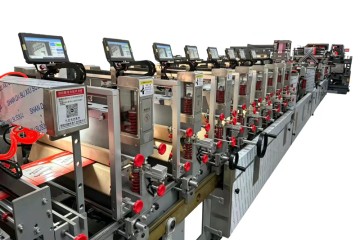
High-speed optical inspection detects film drift, misprinted eye marks, and edge curl in real time, automatically adjusting servo axes to eliminate misaligned cuts.
Engineered to withstand Malaysia’s equatorial humidity and ambient temperatures while adhering to Energy Commission (Suruhanjaya Tenaga) conservation benchmarks.
The Malaysian Plastics Manufacturers Association (MPMA) and national circular economy initiatives have accelerated interest in recyclable mono-material substrates. Historically, multi-material laminates combining BOPP, Aluminium Foil, and PE created recycling bottlenecks. Today, Malaysian converters are adopting OEM bag making machinery engineered to seal oriented mono-PE and oriented mono-PP films without film stretching or thermal burn-through.
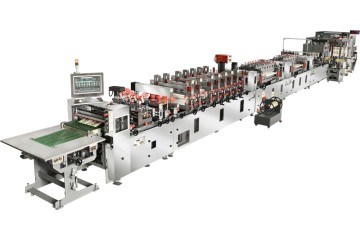
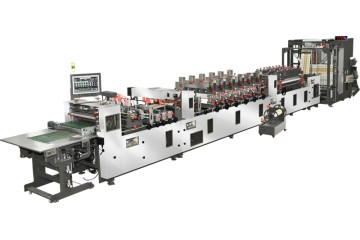
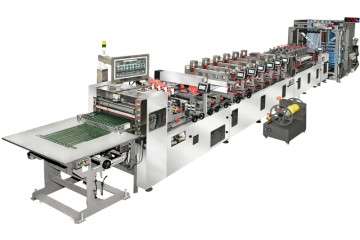
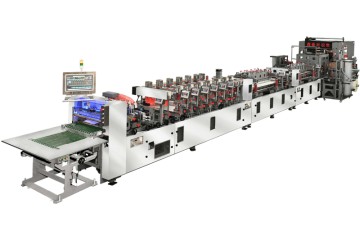
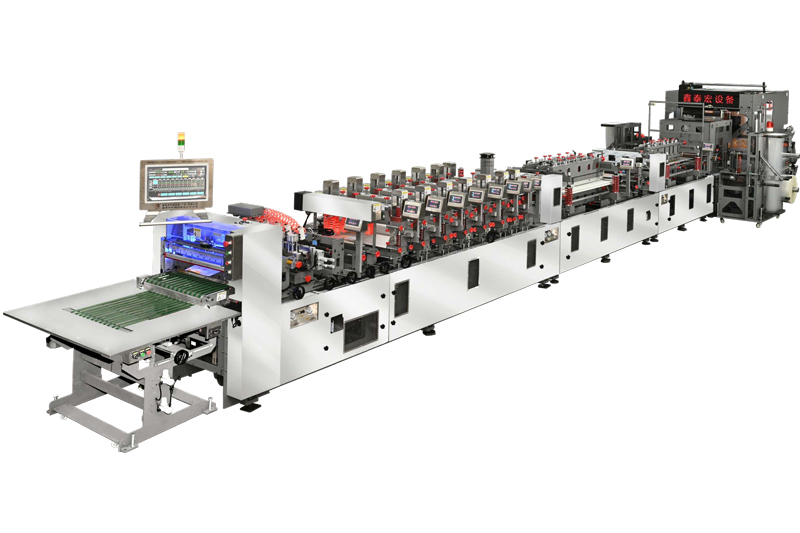
Our OEM BOPP bag making machines feature independent PID temperature zones along both transverse and longitudinal sealing stations. Utilizing high-conductive beryllium-copper alloy sealing bars alongside cryogenic or chilled-water cooling plates, the machinery guarantees tight hermetic seals on metallized BOPP (VM-BOPP), pearlized BOPP (BOPP Pearl), and matt-finished OPP films at speeds reaching 180 to 240 cycles per minute.
Customized machine configurations resolving unique industrial and regulatory demands across the country.
Malaysia is universally recognized as the world's leading Halal food hub, governed by stringent JAKIM compliance. Stand-up pouch packaging for local delicacies—including dried tropical fruits, Malaysian white coffee sachets, rendang retort curry pastes, and savory prawn crackers—requires impenetrable oxygen and moisture barriers. Our DZF series bag makers provide bottom-insertion gusset stability and ultrasonic zipper sealing that prevent micro-leakage and aroma loss.
As one of the world's primary producers of palm oil and agricultural produce, Malaysia demands robust bulk packaging. Woven polypropylene sacks laminated with high-gloss printed BOPP films are heavily utilized for palm kernel expeller (PKE), animal feed, organic fertilizers, and Kedah-grown aromatic rice. The machinery incorporates heavy-duty bottom-folding units and hot-melt reinforcement to withstand 25kg to 50kg transit stress.
Centered around the semiconductor strongholds of Bayan Lepas, Batu Kawan, and Kulim, the electronics and electrical (E&E) export sector relies heavily on anti-static dissipative BOPP bags, moisture barrier pouches, and vacuum seal envelopes. Our machines integrate ionization de-static blowers and precision punch units to manufacture surface-clean, static-neutral pouches that safeguard microchips and printed circuit boards.
With the exponential expansion of regional e-commerce logistics centers throughout Subang, Shah Alam, and Senai, automated production of BOPP garment envelopes, tamper-evident courier bags, and high-clarity self-adhesive lip bags has skyrocketed. Electronic-shaft servo cutting delivers clean shear cuts without burrs, sustaining high-volume roll-to-bag turnover around the clock.
Explore our world-class machining centers, multi-axis CNC milling workshops, and automated assembly bays serving clients in Malaysia and across 60+ countries.
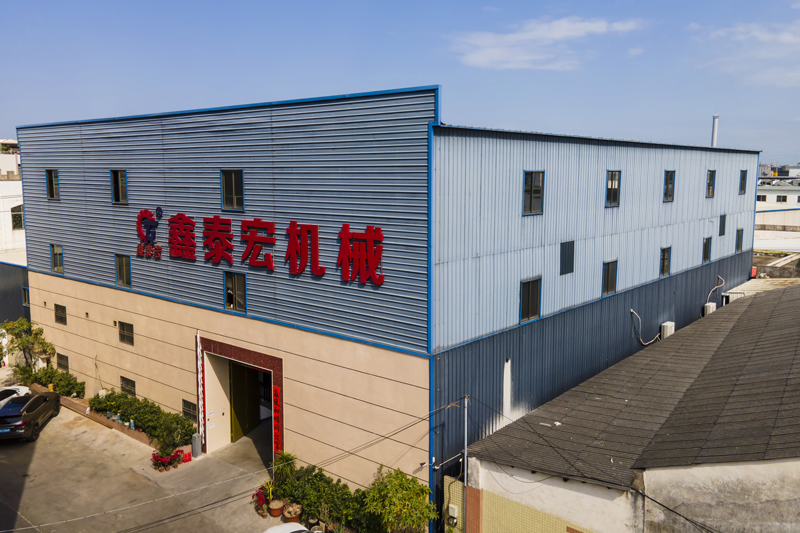
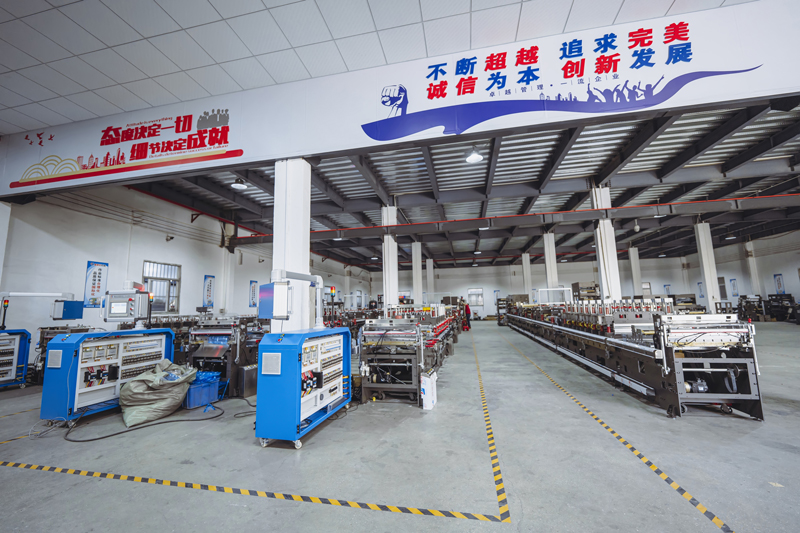
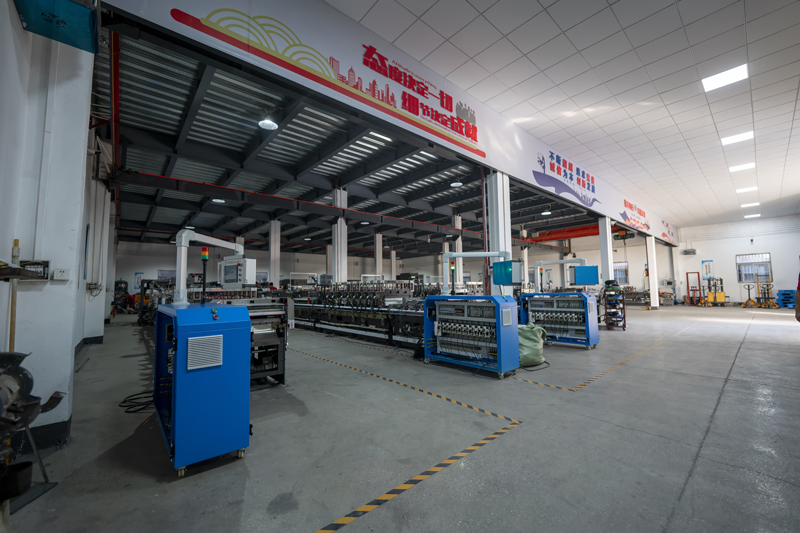
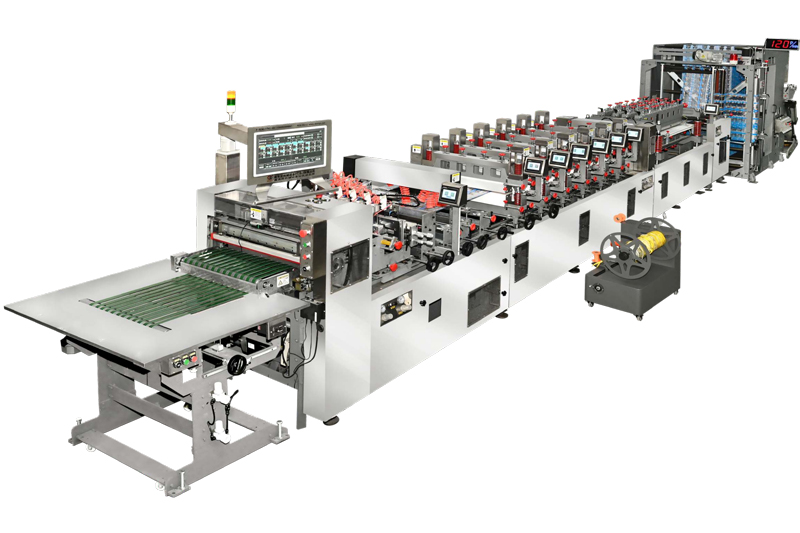
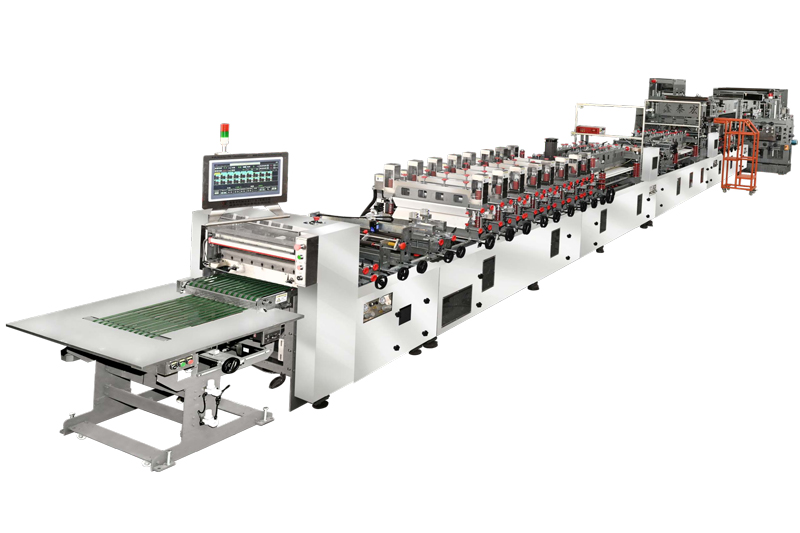
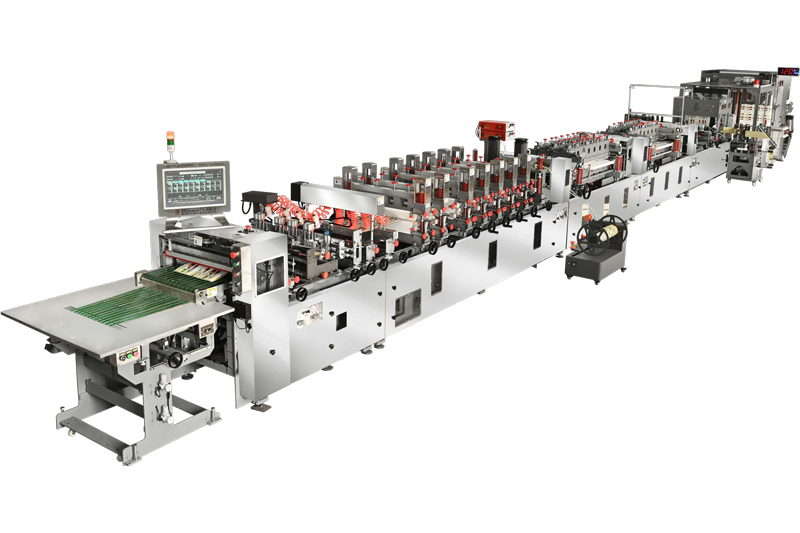
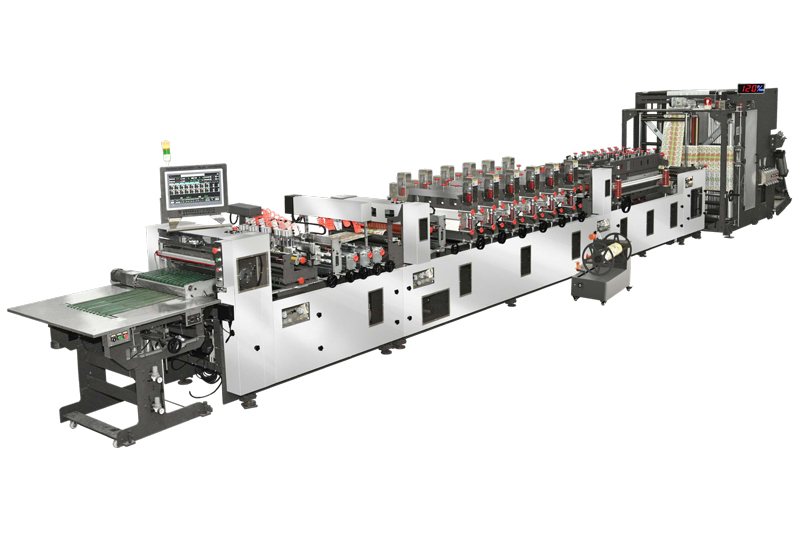
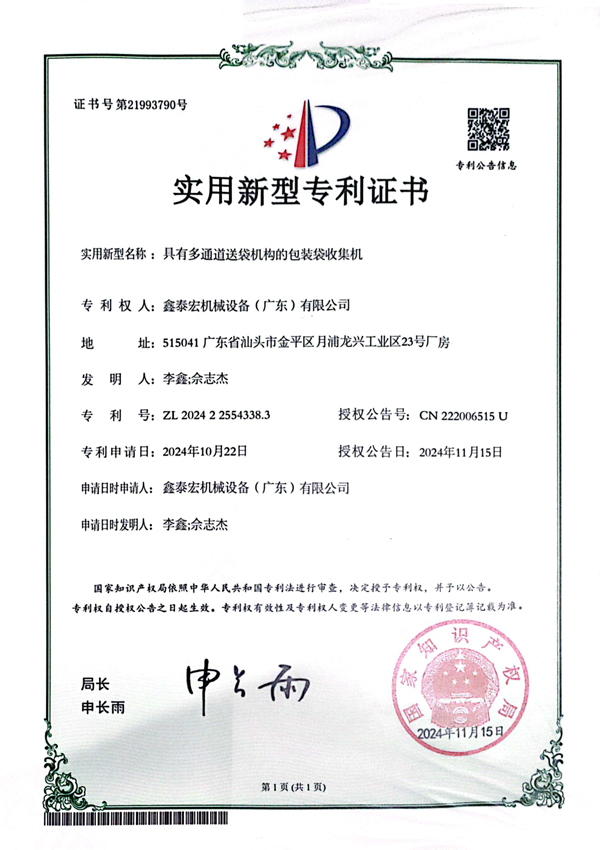
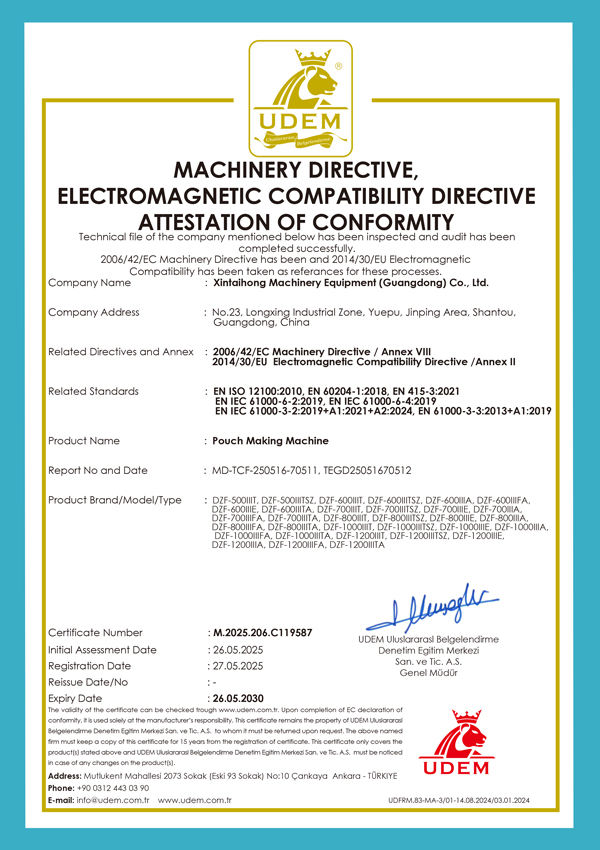
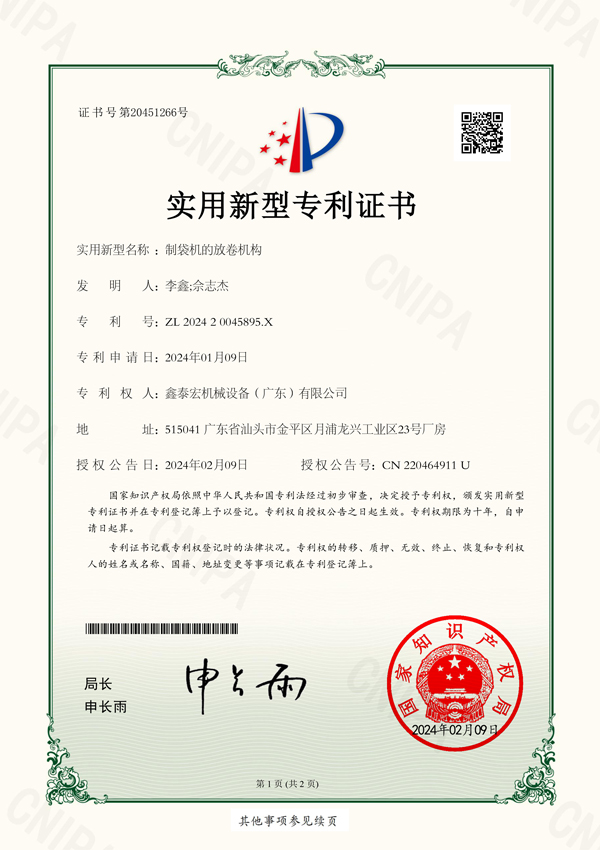
Full compliance with CE directives, ISO 9001 quality management, and international electrical safety frameworks, ensuring turnkey installation across Malaysian industrial parks.
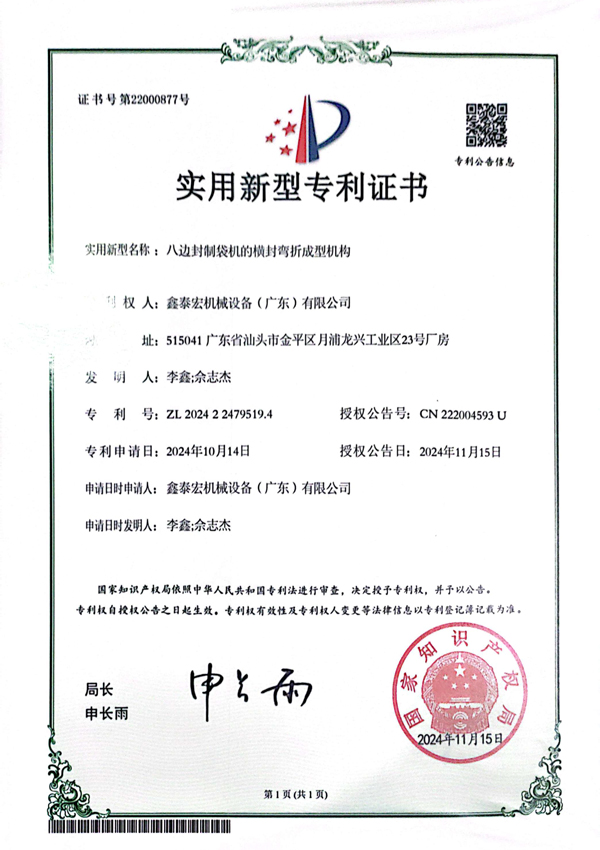
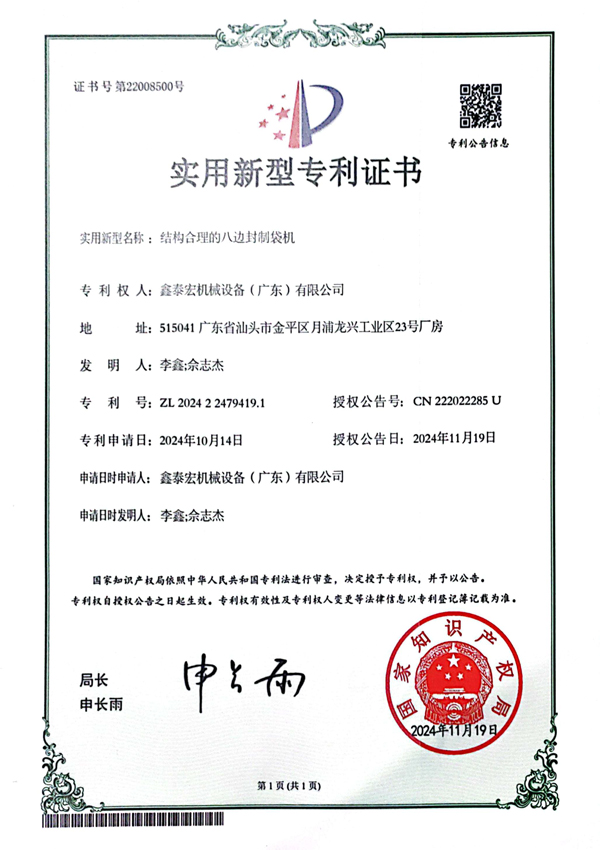
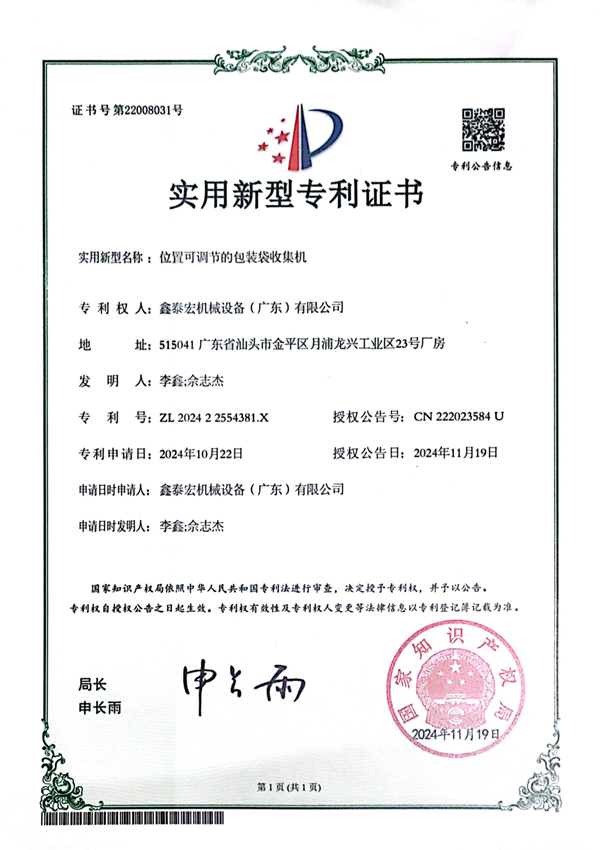
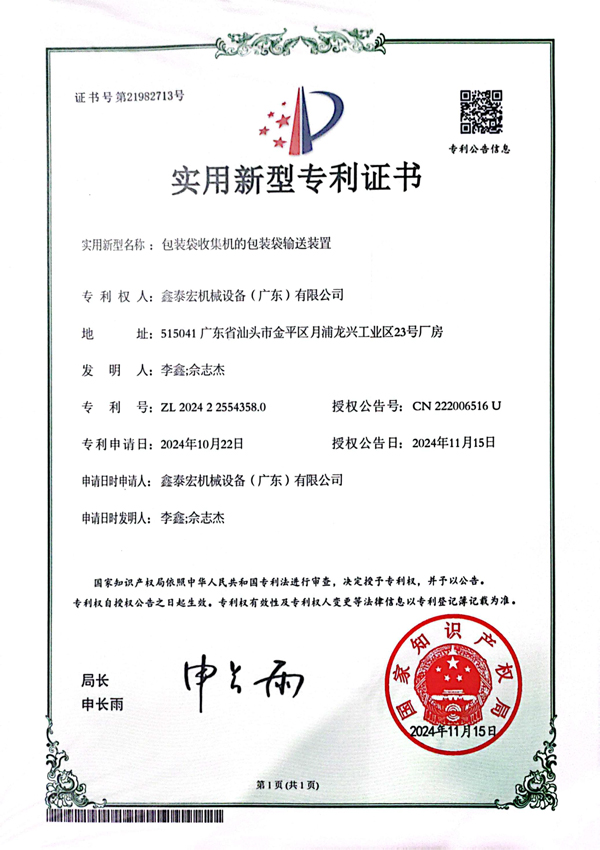
Crucial considerations for engineering managers and procurement teams to maximize plant uptime and long-term capital ROI.
Investing in a high-speed BOPP pouch making production line is a capital-intensive decision that dictates plant capacity for a decade or more. When evaluating OEM equipment builders for Malaysian operational deployments, manufacturing executives must analyze far more than the nominal cycle rate. The following technical criteria are essential:
Traditional mechanical shaft machines rely on cumbersome gearboxes, bevel gears, and chains. Over years of high-volume runs, mechanical backlash builds up, leading to register drift, uneven sealing pressure, and extensive downtime during bag dimension changeovers. Conversely, our electronic-shaft architecture equips each sealing, feeding, punching, and pull station with dedicated high-torque servo motors synchronized via high-speed EtherCAT or CANopen industrial Ethernet buses. Changeovers that previously took 45 minutes can now be completed through a 15-inch touch screen HMI in under 4 minutes by loading stored recipes.
Substrate thickness variations and tension fluctuations frequently trigger eye-mark drift, particularly on sensitive BOPP films. The inclusion of intelligent CCD cameras enables dynamic visual tracking of printed registration targets and die-cut outlines. If a deviation exceeding ±0.1mm is detected, the machine's predictive motion algorithm automatically compensates before defective pouches reach the delivery conveyor. This reduces scrap rates to less than 0.3%, protecting margins amid rising virgin polymer prices in Southeast Asia.
Unexpected machine outages halt entire supply chains. Our factory commitment extends beyond equipment shipping to full lifecycle support. We maintain standardized components—featuring world-class brands such as Schneider, SMC, Panasonic, and Omron—that are readily accessible throughout Malaysia. Remote diagnostic modules integrated into the control system allow our software engineers to diagnose PLC states, update motion profiles, and clear operational anomalies via secure cloud link within minutes.
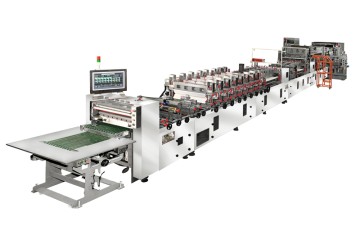
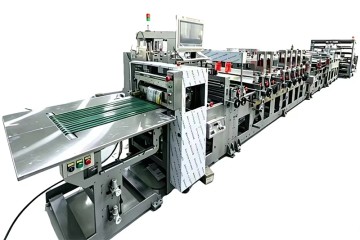
Comprehensive range of center-seal, three-side seal, stand-up zipper, and flat-bottom box pouch making machinery.