Leave Your Message
-
Phone
-
E-mail
-
Whatsapp
-
WeChat

The Russian packaging industry is undergoing a significant transformation. Driven by economic shifts, changes in consumer behavior, and the urgent need for import substitution, local manufacturers are actively upgrading their production lines. Flexible packaging, particularly stand-up pouches, flat-bottom bags, and three-side sealed pouches, has become the preferred choice across various sectors. From food processing in Moscow to chemical manufacturing in the Ural region, the demand for reliable, high-speed, and automated OEM pouch making machines is at an all-time high.
Russian enterprises are looking for machinery that combines durability with cutting-edge technology. With the departure of several Western European equipment suppliers, Russian manufacturers have turned their focus toward high-quality OEM partners who can deliver customized solutions. The integration of advanced features such as electronic shaft control and CCD camera vision systems is no longer a luxury but a necessity to maintain competitiveness, minimize waste, and meet strict quality regulations (GOST standards).
Local Russian brands are expanding rapidly to fill the market gaps left by global conglomerates. This expansion requires massive scaling of local packaging capabilities. OEM pouch making machines offer the flexibility to adapt to varying film materials, including locally produced barrier films, ensuring uninterrupted production cycles.
The application of flexible pouches in Russia is incredibly diverse, spanning across multiple high-volume industries:
1. Food and Dairy Industry: Russia has a massive market for mayonnaise, ketchup, condensed milk, and baby food. These products are traditionally packaged in Doypack (stand-up pouches) with spouts or zippers. High-speed sealing and precise temperature control are critical to ensure product freshness and prevent leakage during long-distance transportation across Russia's vast territory.
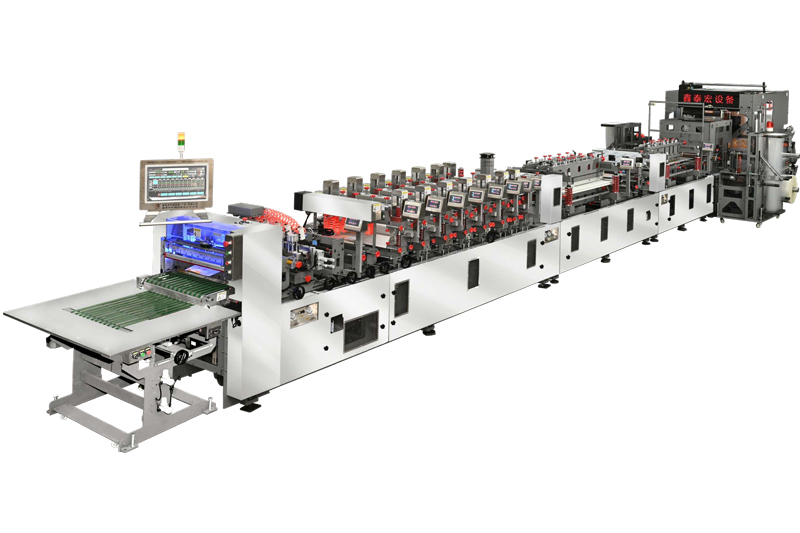
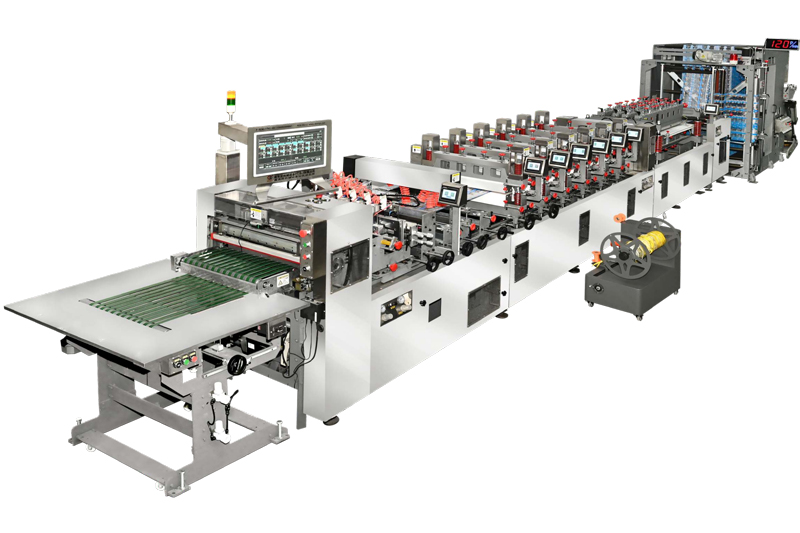
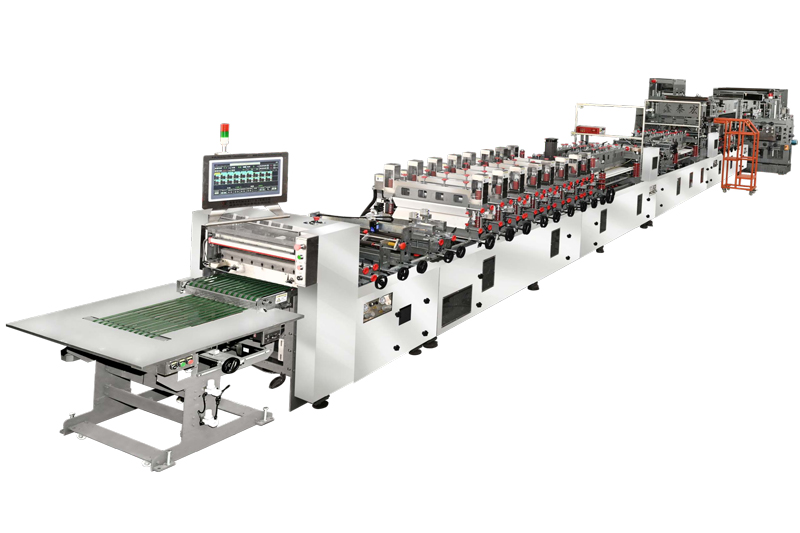
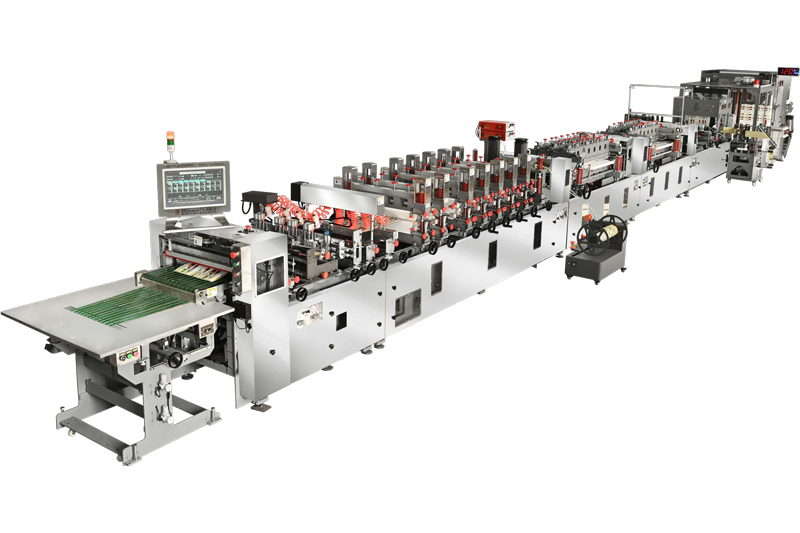
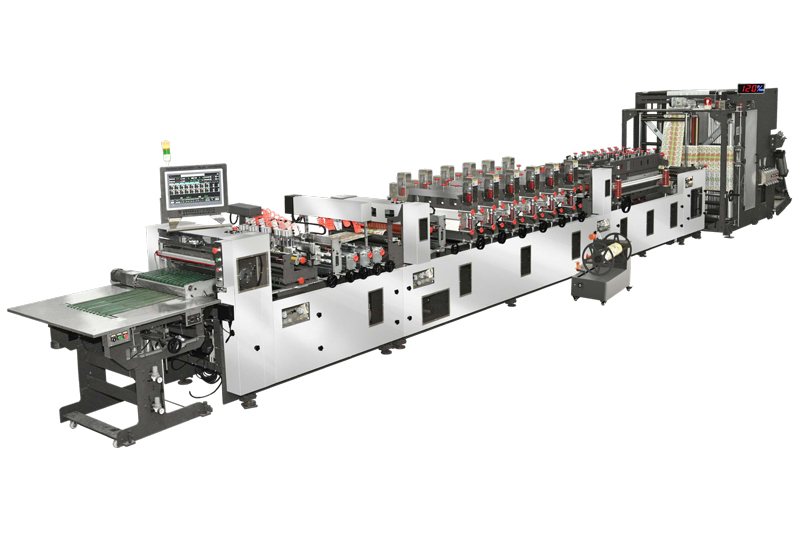
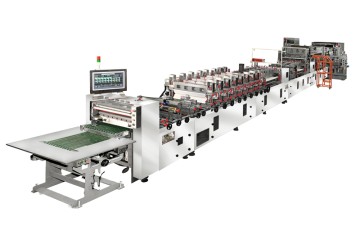
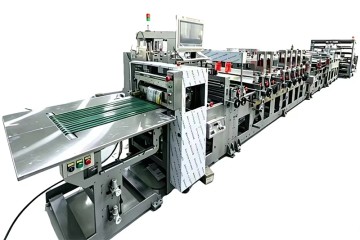
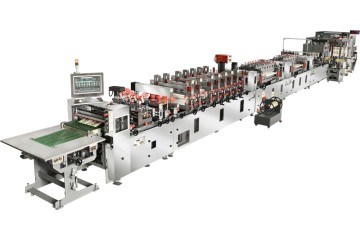
2. Pet Food Packaging: The Russian pet food market is experiencing robust growth. Premium pet food brands rely heavily on flat-bottom pouches with zippers. These bags offer excellent shelf appeal and resealable convenience, keeping dry pet food fresh. Machinery like the DZF-600-1200ⅢE Flat Bottom Pouch Machine is highly sought after by local pet food manufacturers for its capability to produce stable, heavy-duty bags.
3. Household Chemicals and Cosmetics: Liquid soaps, detergents, and cosmetic refills are increasingly transitioning from rigid plastic bottles to flexible pouches. This shift reduces plastic usage, lowers transport costs, and aligns with the growing environmental awareness among Russian consumers.
Modern packaging lines must operate at peak efficiency with minimal human intervention. To achieve this, OEM pouch making machines designed for the Russian market incorporate several advanced technological modules:
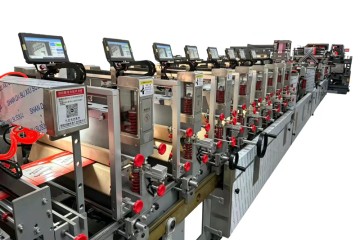
Ensures perfect alignment and defect detection at high speeds. The CCD camera monitors printing register marks and punching units in real-time, automatically correcting deviations to eliminate waste.
Replaces traditional mechanical linkages with independent servo motors. This allows for precise synchronization, faster changeovers between different pouch sizes, and reduced mechanical wear.
Capable of handling diverse film materials, including laminated films, aluminum foil, and newer recyclable mono-materials (PE/PE or PP/PP) that are gaining traction in eco-conscious markets.
Maintains consistent sealing temperatures across multiple heating zones, ensuring airtight seals even at speeds exceeding 150 pouches per minute.
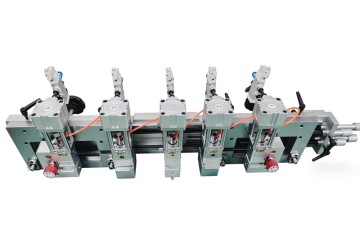
In Russia, packaging designs often feature complex graphics and multi-language labeling. Any misalignment during the folding, punching, or sealing process can ruin the visual appeal and lead to costly product recalls. The integration of the CCD Vision Punching Unit ensures that handle holes, tear notches, and euro-slots are punched with sub-millimeter accuracy. By instantly identifying errors, the machine can pause or auto-adjust, saving thousands of rubles in wasted film material daily.
Furthermore, the electronic shaft technology allows Russian operators to quickly switch production from three-side sealing bags to stand-up zipper pouches with minimal downtime. This versatility is crucial for contract packagers (co-packers) in major industrial hubs like Novosibirsk, Nizhny Novgorod, and Yekaterinburg, who handle short runs of multiple product lines.
When selecting an OEM supplier for pouch making machines, Russian buyers prioritize technical reliability, customization capability, and long-term support. A reliable OEM manufacturer must offer:
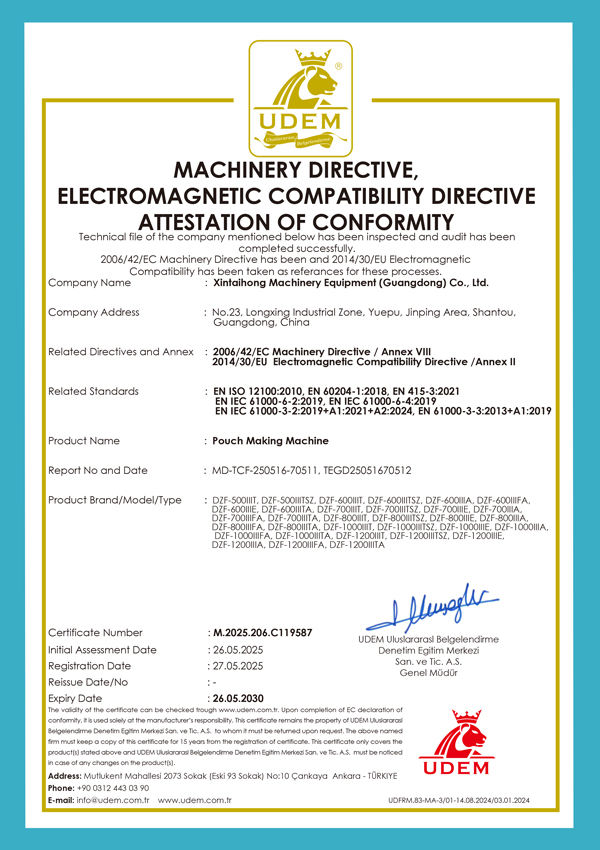
Customization (Tailored to Russian Standards): The machinery must be compatible with Russian electrical grids (typically 380V, 50Hz) and comply with safety standards. The user interface (HMI) should ideally support multiple languages, including Russian, to simplify operator training and daily operation.
Robust Build Quality for Continuous Operation: Many Russian manufacturing plants operate on a 24/7 basis. The mechanical structure of the pouch making machine must be heavy-duty, utilizing high-grade steel and components from reputable international brands (such as Siemens, Yaskawa, and SMC) to ensure longevity and easy sourcing of spare parts locally.
Seamless Material Compatibility: With changes in global supply chains, Russian converters are sourcing raw polymer films from domestic producers and Asian suppliers. The OEM machine must be versatile enough to handle varying film thicknesses and coefficients of friction without slipping or stretching.
Although the transition to green packaging is gradual, there is a clear trend towards reducing the carbon footprint. OEM pouch making machines are now being designed to process thin-gauge films and recyclable mono-structures without compromising on sealing strength or production speed.