Leave Your Message
-
Phone
-
E-mail
-
Whatsapp
-
WeChat

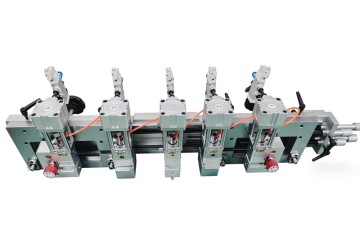
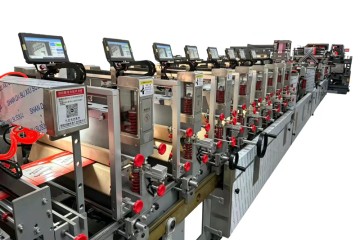
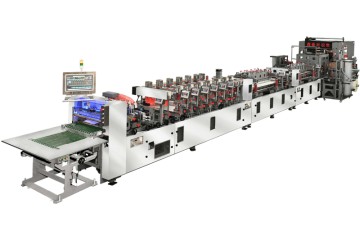
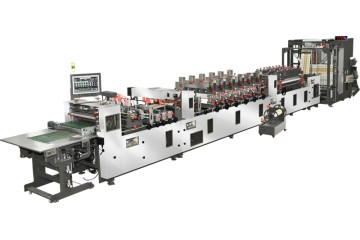
The global snack and dry food sectors are experiencing unprecedented growth, fueled by shifting consumer preferences towards convenient, single-serve, and shelf-stable packaging. High-speed flexible packaging has emerged as the gold standard for preserving freshness, extending shelf life, and delivering eye-catching shelf appeal. In this competitive landscape, manufacturers require advanced machinery capable of processing multi-layer barrier laminates, eco-friendly mono-materials, and complex pouch designs at rapid speeds without sacrificing seal integrity.
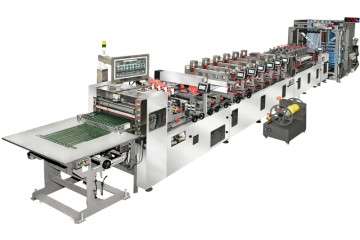
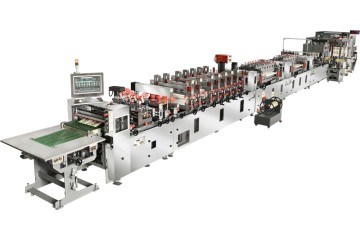
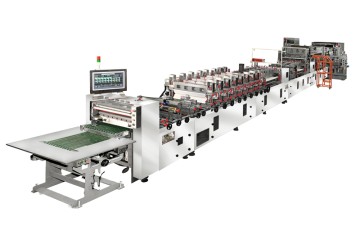
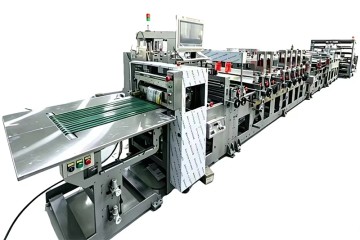
An onion bag making machine configured for flexible packaging lines represents the pinnacle of specialized automation. While traditional onion bags are associated with agricultural mesh packaging, modern industrial adaptations utilize advanced thermo-sealing, electronic shaft synchronization, and CCD vision alignment to produce high-performance stand-up pouches, flat-bottom bags, and zipper bags that serve the snack, nut, and dry food markets. These machines ensure that moisture-sensitive products like potato chips, dried fruits, granola, and pet foods remain perfectly crisp and protected from external environmental factors.
"Modern flexible packaging machinery must balance high output rates with the delicate handling of advanced barrier films. The integration of electronic shaft control and active tension management has reduced material waste by up to 35% while increasing throughput speeds."
To stay profitable, packaging converters must maximize their OEE (Overall Equipment Effectiveness). High-speed operation is no longer just about cycles per minute; it is about reducing changeover times, minimizing scrap during start-up, and ensuring consistent heat-seal quality. This is where advanced electronic shaft (servo-driven) technology plays a crucial role. By replacing mechanical linkages with independent servo motors for each station, modern bag-making machines achieve micron-level positioning accuracy even at speeds exceeding 150 cuts per minute.
Xintaihong Machinery Equipment (Guangdong) Co., Ltd. (hereinafter referred to as "Xintaihong")
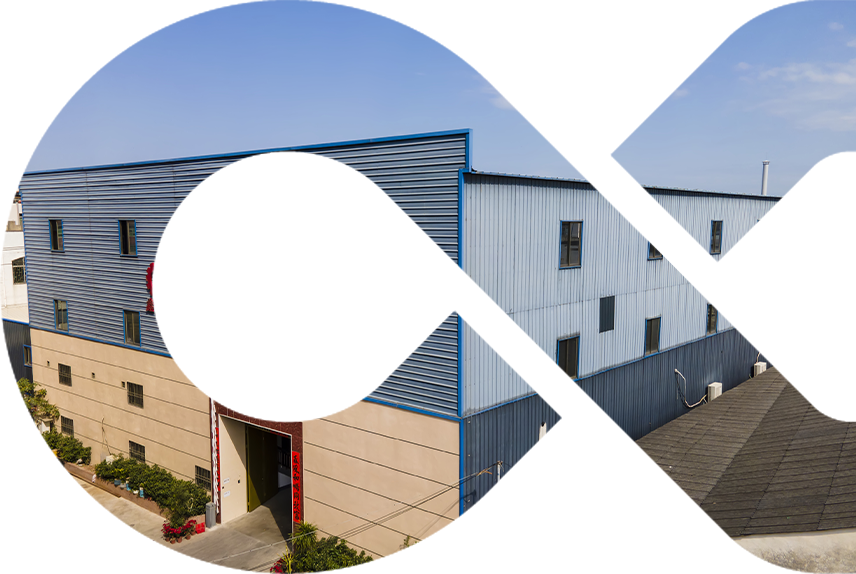


The manufacturing of flexible packaging for snacks and dry foods involves complex multi-layer films (such as PET, AL, NY, and PE laminates) that require precise temperature, pressure, and dwell time control to form hermetic seals. Any deviation can lead to package leaks, compromising food safety and shortening product shelf life. Xintaihong's advanced bag-making machinery addresses these challenges through several key technological innovations:
Stand-up pouches (Doypack) with resealable zippers have become the dominant packaging format for premium snacks, nuts, pet food, and powdered mixes. The process of inserting a zipper profile, sealing it to the inner film lining, and forming a stable self-standing bottom gusset at high speed requires sophisticated engineering. The integration of bottom-insertion mechanisms with CCD verification guarantees that the pouch expands correctly when filled, providing excellent display stability on retail shelves.
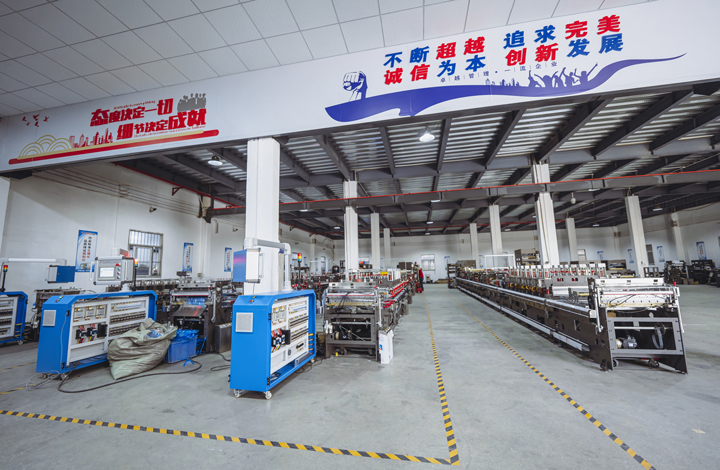

Welcome To Learn About Our Company
As global environmental regulations tighten, the flexible packaging industry is undergoing a massive shift from traditional non-recyclable multi-layer laminates to recyclable mono-material structures (such as mono-PE or mono-PP). However, mono-materials present significant challenges on high-speed bag-making lines. They have a narrow sealing temperature window and are highly sensitive to heat and tension, making them prone to stretching and deformation.
To overcome this, next-generation packaging machinery utilizes specialized cooling plates immediately following the sealing stations, along with ultra-sensitive tension sensors. By rapidly cooling the seal area under controlled tension, the machine locks in the seal structure before the film is subjected to cutting or stacking forces. This ensures that eco-friendly snack pouches maintain the same structural integrity and aesthetic quality as conventional plastic laminates.
"Adapting high-speed pouch machinery to run sustainable mono-materials requires precise tension control and rapid-cooling seal jaws. Modern systems must support both traditional laminates and recyclable substrates on the same platform with minimal changeover time."
The flat-bottom bag, also known as the box pouch or eight-side seal pouch, offers the combined advantages of a traditional gusseted bag and a stand-up pouch. With five printable surfaces, it provides maximum branding space and outstanding shelf presence. Manufacturing these complex pouches at high speeds requires precise folding boards, gusset formers, and side-seal bars. Xintaihong's patented eight-side seal technology ensures that all edges are sealed square and flat, optimizing the pouch volume for dry foods such as coffee beans, pet kibble, and premium cereal brands.
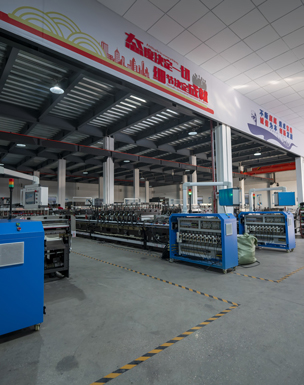
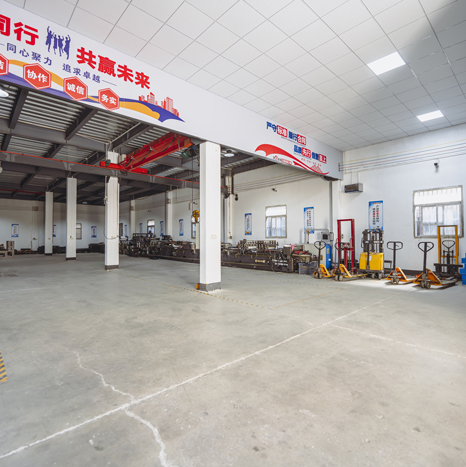
Xintaihong Machinery (Guangdong) is among China’s Top 5 suppliers of bag-making equipment, with eight-side sealing machinery as our flagship specialty. Drawing on over fifteen years of R&D experience and technical accumulation, our machines serve more than 500 clients globally and are exported to over a dozen countries, with over 2,000 units operating stably worldwide. The packaging machinery independently developed and manufactured by our company reaches domestically leading technical standards. It has won widespread acclaim from customers for stable operation, high production speed and low noise output.
years of experience


The integration of IoT (Internet of Things) and AI-driven data analytics is redefining the flexible packaging production line. Smart bag-making machines are now equipped with sensors that continuously monitor parameters such as sealing pressure, temperature profiles, film tension, and cutting accuracy. This real-time data is processed locally or uploaded to the cloud, enabling operators to predict maintenance needs before mechanical failures occur, minimizing unplanned downtime.
Furthermore, automated recipe management systems allow operators to change pouch formats—such as switching from a standard three-side seal bag to a stand-up zipper pouch—with the touch of a button. Servo motors automatically adjust the positioning of guide rails, folding triangles, and sealing jaws, reducing mechanical changeover times from hours to minutes. This level of flexibility is essential for contract packagers handling short production runs and diverse product SKUs.
For the snack and dry food sectors, hygiene and contamination prevention are paramount. Modern pouch-making machinery is designed with clean-in-place features, stainless steel contact parts, and dust-extraction ports to handle powdery products like flour, spices, or powdered beverages. Additionally, integration with inline metal detectors and checkweighers ensures that every pouch leaving the line is fully compliant with international food safety standards (such as FDA and CE certifications).