
Leave Your Message
-
Phone
-
E-mail
-
Whatsapp
-
WeChat

Direct-drive electronic shaft systems and CCD vision-guided machinery engineered for Israeli packing houses, plastic converters, and agricultural cooperatives.
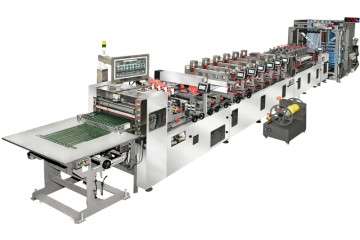
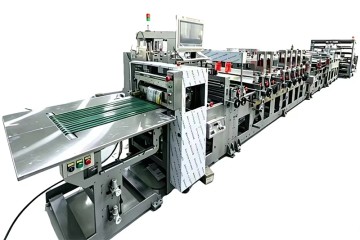

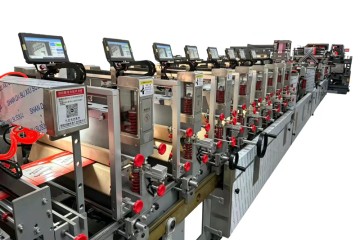
How Israel's agricultural prowess, arid-climate yields, and automated export chains demand advanced, high-efficiency bag conversion equipment.
Israel holds an internationally renowned reputation as a pioneer in arid-zone agriculture, post-harvest engineering, and precision agronomy. Within this specialized ecosystem, the cultivation and distribution of onions (including red, yellow, and sweet shallot varieties) forms a vital staple across both domestic supply chains and premium international export markets. The northern Negev desert, the fertile Jezreel Valley, the Jordan Rift basin, and the Arava Valley yield thousands of tons of high-grade alliums each cycle. However, packing and transporting root vegetables in the Middle East poses intricate thermodynamic and mechanical challenges. The high ambient temperatures, intensive sunlight exposure, and dry air conditions accelerate transpiration, bulb rot, and premature sprouting unless proper ventilation and durable packaging are maintained throughout the cold chain.
Onion exporters shipping from the Port of Ashdod and Port of Haifa to the European Union, United Kingdom, and Eastern Mediterranean destinations must adhere to strict phytosanitary guidelines (GLOBALG.A.P. and BRCGS). Mesh integrity, breathable perforations, and hermetic sealing on combined film headers prevent premature spoilage while resisting transit stress across multimodal journeys.
Historically, Israeli packing houses and plastic fabrication converters heavily relied on imported, pre-formed mesh sacks or manual stitching lines. However, rising industrial labor overheads across the Tel Aviv, Central, and Southern districts, combined with an acute workforce shortage in agricultural processing centers, have created an urgent industrial imperative: the transition to fully automated, electronic-shaft onion bag making machines. Converters serving kibbutzim, moshavim, and multinational food distributors now require machines capable of converting extruded polypropylene (PP) tubular net, raschel knits, leno weave materials, and hybrid PE/BOPP film windows at rates exceeding 120 to 180 cycles per minute with zero human intervention.
Israeli domestic retail chains have modernized shelf presentation. Bulk 25kg sacks are being complemented by consumer-facing 1kg, 2kg, and 3kg stand-up zipper pouches featuring clear inspection windows and high-tensile mesh backings. Our DZF-500 and DZF-600 series cater directly to this shift, converting micro-perforated composite pouches that allow shoppers to inspect produce while providing built-in handle punches for grab-and-go convenience.
In alignment with the Israeli Ministry of Environmental Protection’s updated directives on packaging waste and EPR (Extended Producer Responsibility), manufacturers are replacing unrecyclable multi-material laminates with mono-material PE and PP woven blends. Our machines incorporate digital temperature control systems that seal heat-sensitive recyclable monomaterials without burning or structural warping.
Engineered for unmatched positional repeatability, dynamic tension equilibrium, and defect-free high-speed bag conversion.
Conventional mechanical shaft drives utilize intricate gears, sprockets, and chains that suffer from mechanical backlash, thermal expansion drift, and continuous grease maintenance. In the demanding ambient climate of Israel, where temperatures inside packaging facilities can fluctuate drastically, mechanical gear systems frequently suffer from phase shift errors, resulting in off-register seal lines and variable pouch lengths.
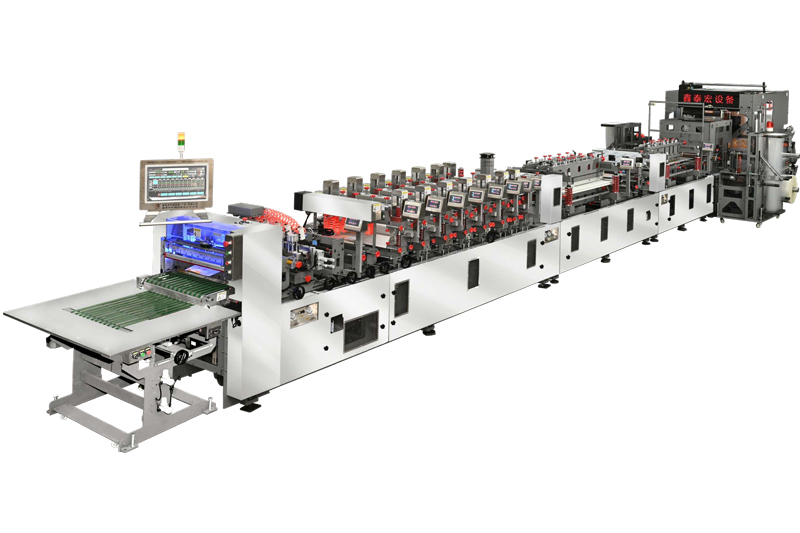
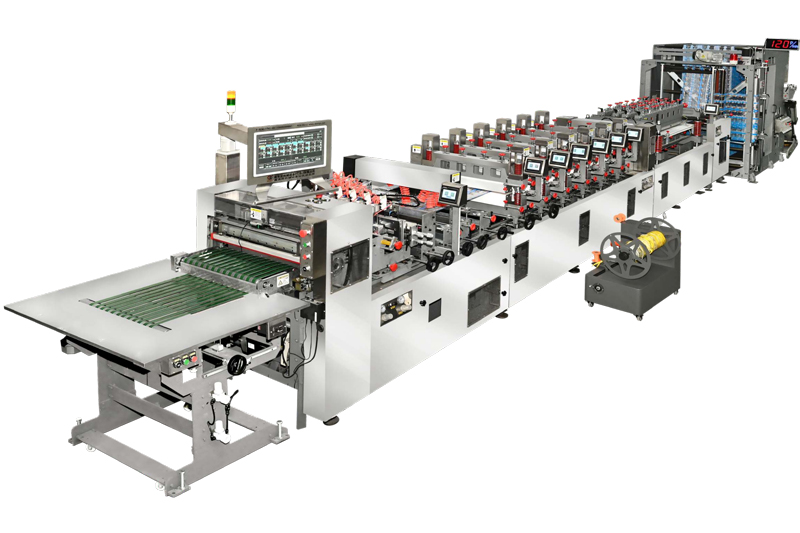
Our DZF Electronic Shaft Bag Making Systems replace centralized mechanical line shafts with independent, high-torque AC servo drives connected via high-speed EtherCAT or CANopen industrial fieldbuses. Each station—unwinding, photocell tracking, zipper insertion, punch cutting, longitudinal sealing, and cooling—is governed by an intelligent motion controller with microsecond response. This ensures ultra-accurate tension management even when handling high-slip, low-density polyethylene (LDPE) or elastic tubular mesh substrates.
Producing hybrid onion bags—combining flexographic-printed plastic branding bands with breathable leno or raschel netting—requires real-time optical correction. Variations in netting stretch often cause printed brand marks and ventilation holes to wander off-pitch.
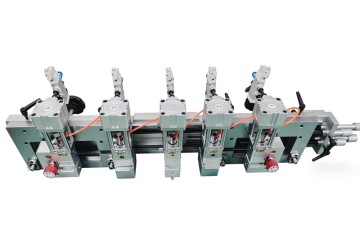
By integrating our proprietary CCD Vision Punching Unit, industrial cameras continuously inspect the web at full operating speeds. The embedded edge-computing algorithm detects millimeter-fraction deviations in the eye-mark or mesh seam, automatically sending correction commands to the servo pull rollers before punching or heat-sealing occurs. The result is a scrap reduction of up to 4.5% compared to legacy photoelectric sensors, delivering substantial raw material savings for Israeli converters handling costly imported polymer reels.
| Machine Attribute / Model | DZF-600/800IIIT Three-Side | DZF-600/800IIIT Center-Seal | DZF-500/1000TSZ Stand-Up Zip | DZF-600/1200IIIE Flat Bottom |
|---|---|---|---|---|
| Primary Israeli Application | Export Onion Pouches & Multi-Vegetable Packs | Bulk Pillow Onion Bags with Perforations | Supermarket 1-3kg Retail Onion Pouches with Handle | Heavy-Duty 5-10kg Flat Bottom Ventilated Onion Sacks |
| Drive Architecture | Full Electronic Shaft Servo Sync | Full Electronic Shaft Servo Sync | Multi-Axis Electronic Servo Drive | Heavy-Duty Electronic Shaft + Auto Slit |
| Vision Inspection System | Dual CCD Camera Registration | Standard Optical Eye-Mark / CCD Ready | Integrated CCD Vision Tracking | Industrial CCD Vision + Auto Alignment |
| Max Bag Making Speed | Up to 180 cuts/min | Up to 200 cuts/min | Up to 150 cuts/min | Up to 140 cuts/min |
| Film Compatibility | BOPP, PET, PE, Net-Composite, CPP | Tubular PP, LDPE, Co-ex Mesh Laminate | Monomaterial PE, Recyclable Woven PP | Heavy Woven PP, Multi-layer Ventilated Film |
| Electrical & Standards | CE Certified, 400V/50Hz 3-Phase | CE Certified, 400V/50Hz 3-Phase | CE Certified, 400V/50Hz 3-Phase | CE Certified, 400V/50Hz 3-Phase |
From central packing stations in the Shfela region to agricultural kibbutzim in the Negev, our equipment adapts to local operational realities.
Industrial facilities located in the southern plains or the Jordan Valley endure extreme summertime dry heat and ambient dust. Electronic cabinets in our bag making machines feature pressurized, IP54-rated cooling heat exchangers and dual filtration, safeguarding high-precision Omron, Schneider, and Yaskawa servo components from micro-particulate intrusion.
Furthermore, Israeli packaging converters often process localized polymer formulations produced by domestic suppliers (such as Carmel Olefins / Bazan Group) alongside imported resin grades. Our systems include programmable PID thermostatic heat controllers with ceramic heating elements capable of maintaining seal temperature stability within ±1°C, preventing burn-through on fine extruded PE mesh or delicate bio-based polylactic acid (PLA) compostable nets.
Modern Israeli packing facilities are rapidly integrating Industry 4.0 standards. Our bag making machinery includes open-architecture OPC-UA and Modbus TCP/IP protocols, enabling direct data telemetry export into factory-wide Enterprise Resource Planning (ERP) and Manufacturing Execution Systems (MES).
Plant managers can monitor reel consumption, instantaneous cycle output, thermal profiles, and preventive maintenance triggers from remote monitoring screens in real time, dramatically curtailing unplanned downtime during the peak onion harvest months of April through September.
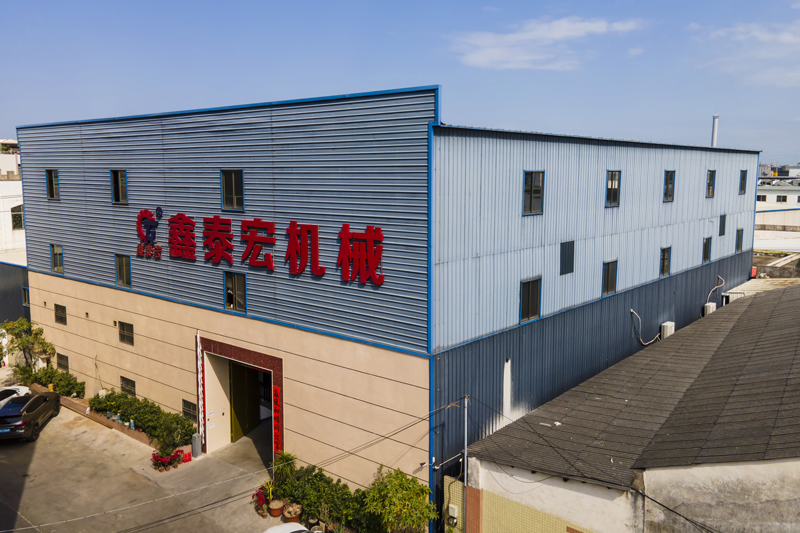
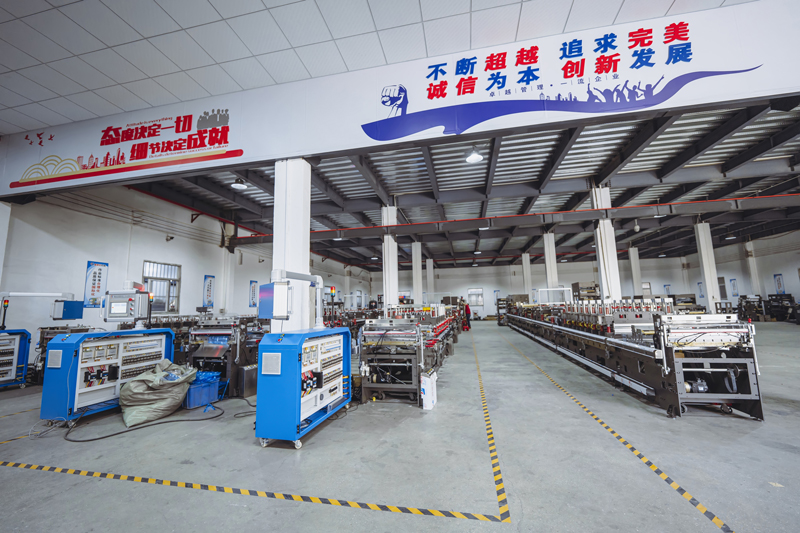
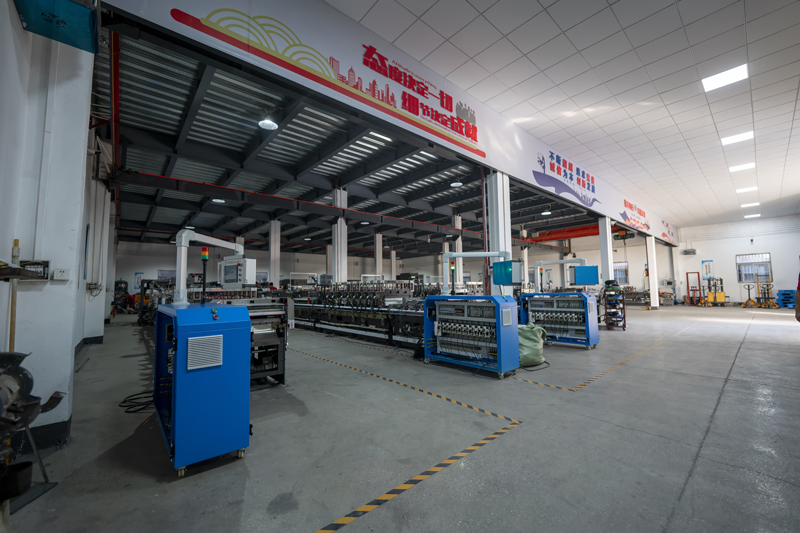
A look inside our certified manufacturing facilities, precision CNC fabrication bays, and dedicated assembly centers serving Israeli industrial partners.
Our manufacturing headquarters spans modern fabrication workshops equipped with five-axis CNC machining stations, automatic surface grinders, laser coordinate measuring machines (CMM), and specialized electrical assembly testing bays. Each machine chassis undergoes rigorous dynamic vibration analysis and heat-treatment normalization to ensure that frame distortion is virtually zero throughout decades of 24/7 industrial service.
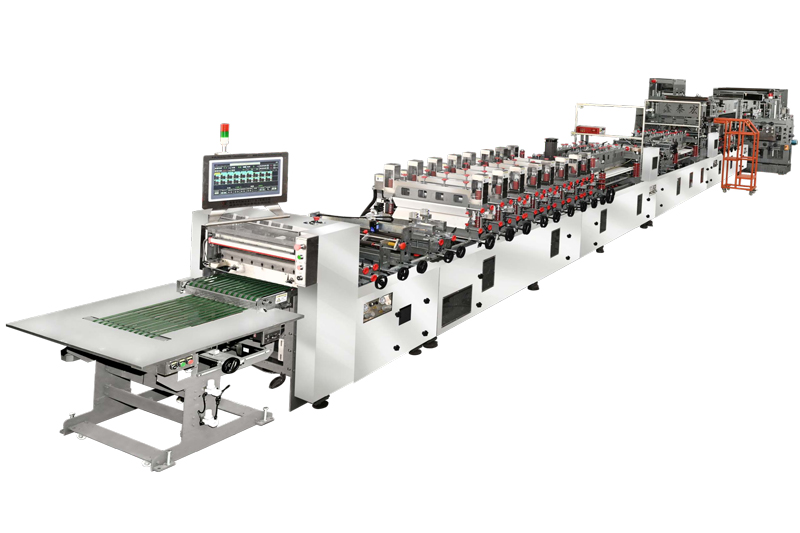
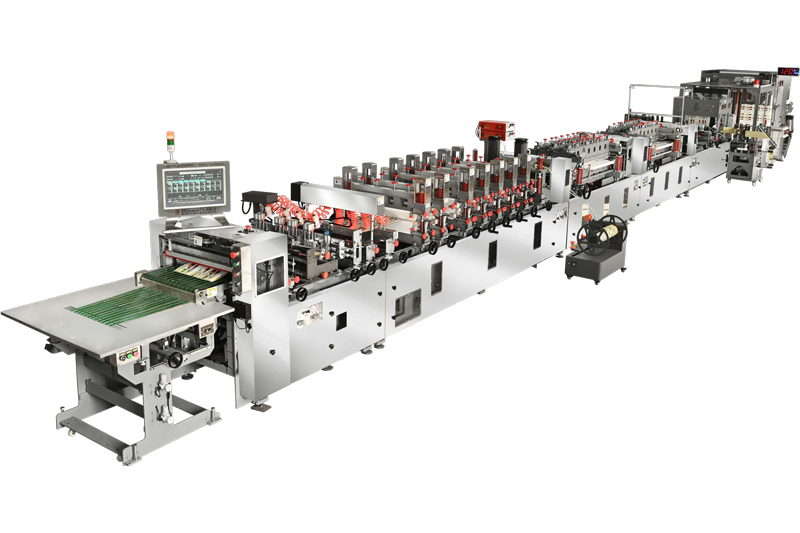
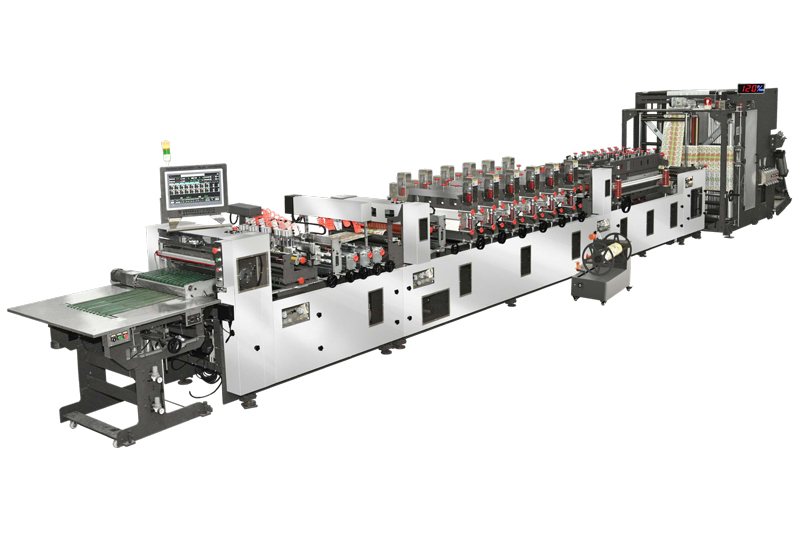
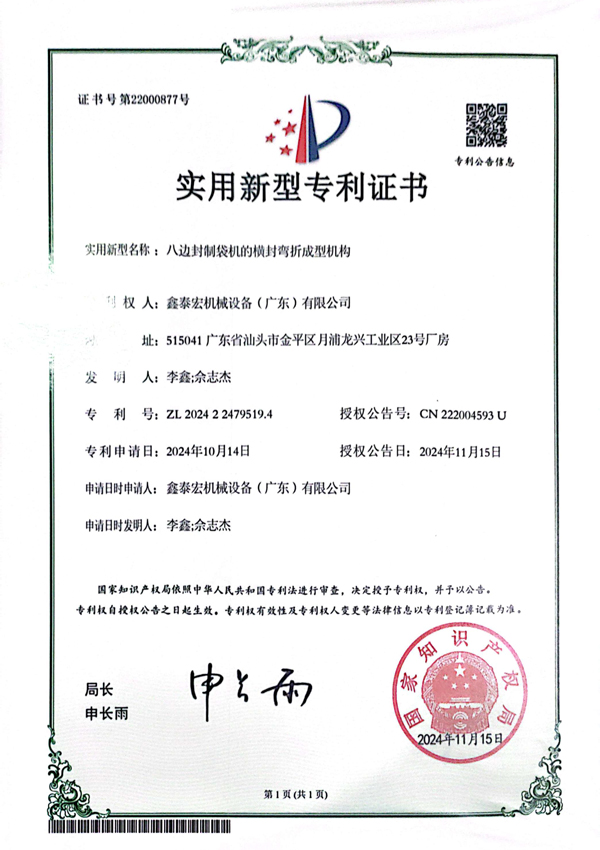
Engineered according to international CE, ISO9001, and safety mandates to satisfy Israeli Standards Institution (SII) expectations.
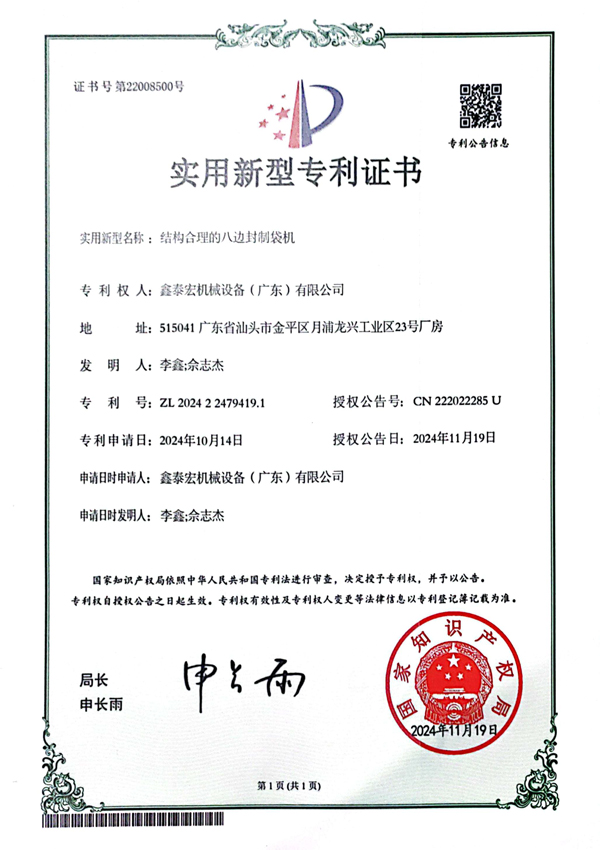
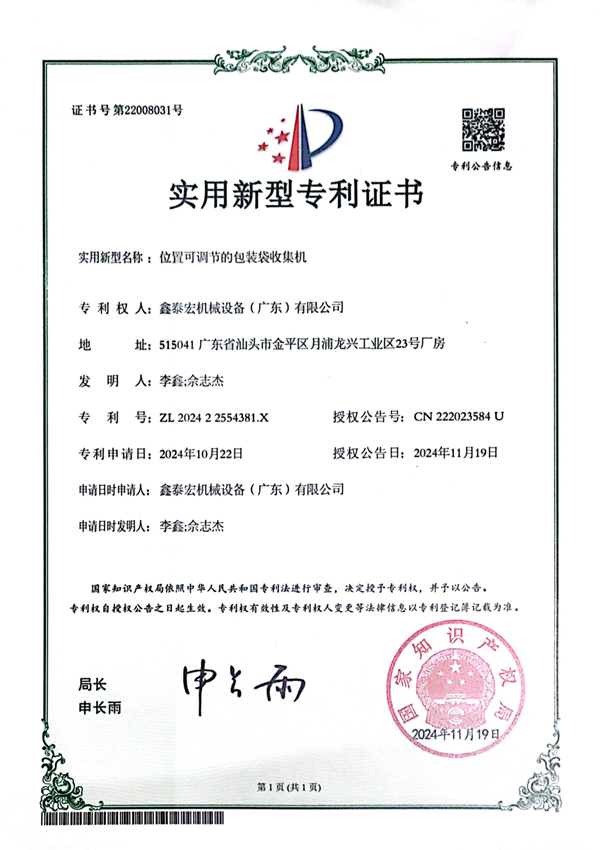
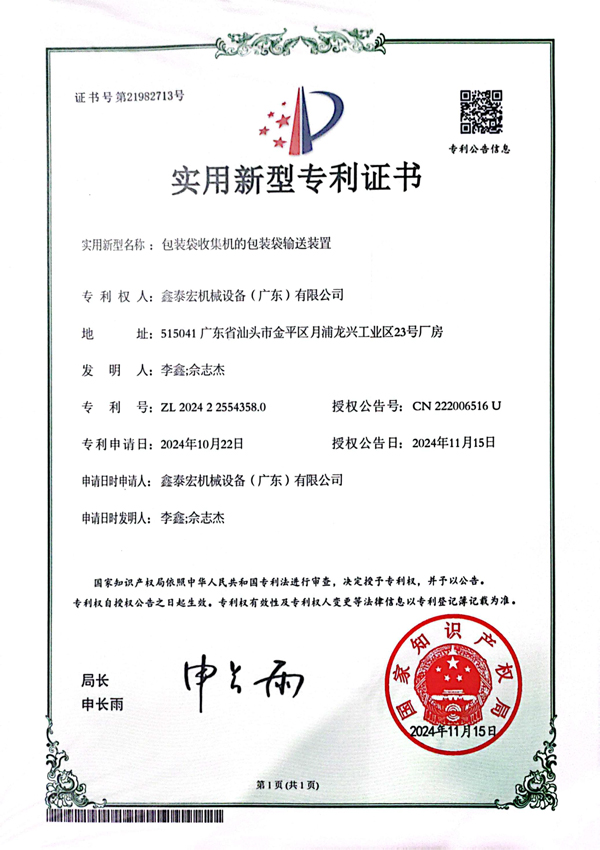
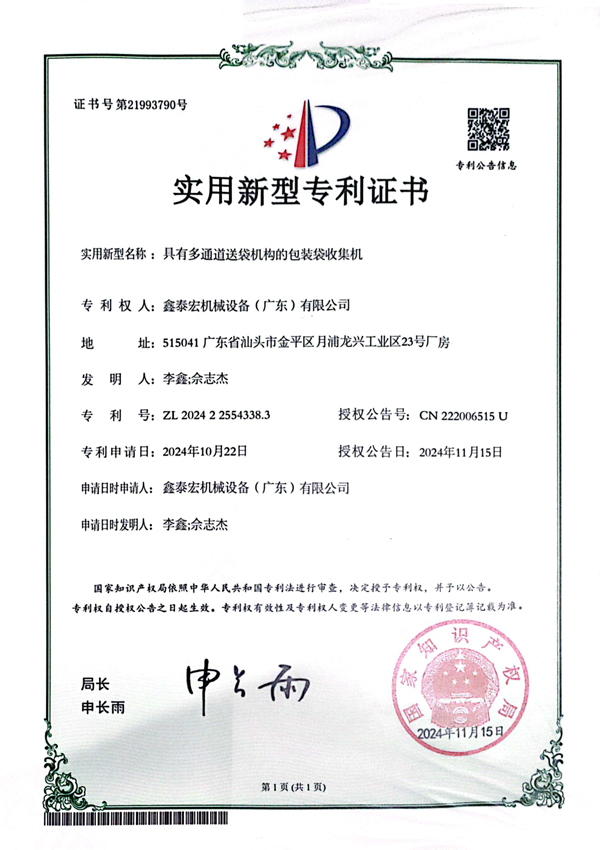
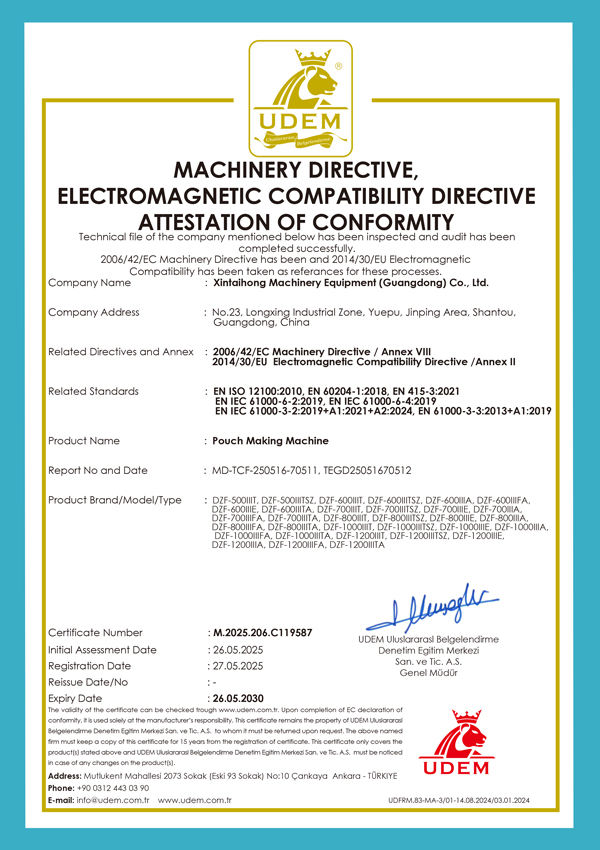
Safety and regulatory compliance represent paramount considerations when importing industrial machinery into Israel. All our electronic shaft bag making units and CCD visual punch platforms conform to European Machinery Directive 2006/42/EC, Low Voltage Directive 2014/35/EU, and Electromagnetic Compatibility (EMC) Directive 2014/30/EU. Safety interlocks, Category 4 optical light curtains, and emergency stop topologies guarantee safe working environments for Israeli machine operators.
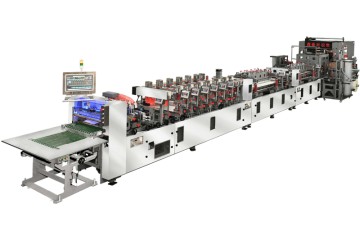
Browse our entire catalog of electronic shaft, center sealing, bottom insertion, and CCD vision pouch converting equipment serving Israel.
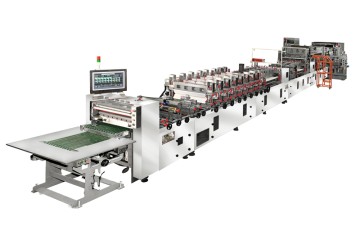
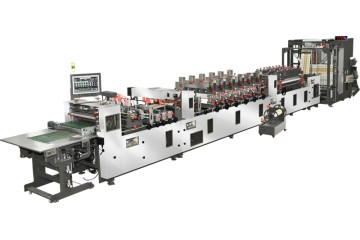
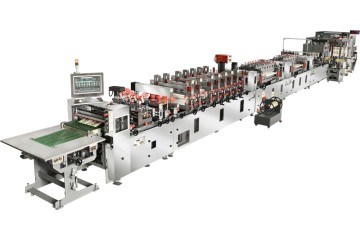
Key technical, electrical, and commercial answers for Israeli packaging converters, agricultural exporters, and plant managers.
Yes. Every machine shipped to Israel is fully configured to operate on standard 400V (±10%), 50Hz, 3-Phase + Neutral + Ground power lines, matching the electrical specifications mandated by the Israel Electric Corporation (IEC) and industrial safety norms.
Absolutely. Our DZF series can be configured with specialized mesh feeding guides, ultrasonic sealing modules, and heat-welding bars that securely bond flexible PE or BOPP label bands onto tubular netting without snagging, tears, or localized structural weakness.
We regularly ship containerized machinery directly to the Port of Ashdod and Port of Haifa. Standard ocean transit times generally range from 24 to 32 days, packed inside corrosion-inhibiting VCI barrier foil and heavy-duty fumigated wooden crates.
The CCD vision unit captures live photographic data at rates exceeding 200 frames per second. High-speed DSP processors detect mark drifts down to 0.05mm and dynamically adjust servo motor phase angles on the fly, eliminating mispunched handle holes and misaligned header seams.