Leave Your Message
-
Phone
-
E-mail
-
Whatsapp
-
WeChat

Explore our leading-edge electronic shaft bag-making machinery engineered for high-precision PA Nylon laminate processing.
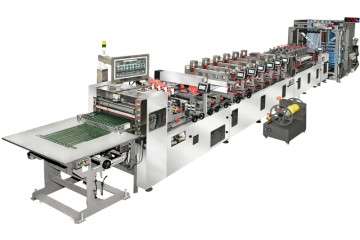
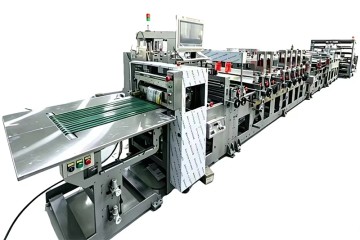
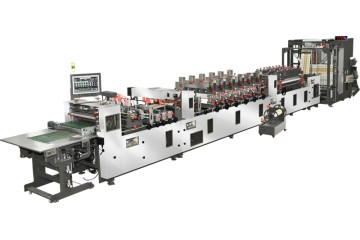
The global daily chemical industry is undergoing a monumental paradigm shift. Traditional rigid plastic bottles, once the undisputed standard for packaging liquid detergents, hand soaps, shampoos, and fabric softeners, are rapidly being replaced by flexible stand-up spout bags. This transition is not merely a design trend; it is a strategic business response to rising logistics costs, environmental regulations, and consumer preferences for convenient, lightweight, and sustainable packaging solutions.
At the center of this revolution lies PA Nylon Vacuum Bag Equipment. Polyamide (PA), commonly referred to as nylon, when combined with multi-layer co-extrusion technology, provides the essential physical barrier and mechanical structural strength required to transport and store liquids safely. Processing these sophisticated materials requires advanced manufacturing machinery capable of handling high tensile films, precise temperature control, and complex geometric sealings. Without highly specialized bag-making equipment, producing zero-leakage, high-durability spout bags at industrial speeds would be impossible.
Leakage Rate Tolerance
Electronic Shaft Synchronization
CCD Registration Accuracy
Liquid daily chemicals possess unique chemical and physical properties that make packaging design exceptionally challenging. Products such as laundry detergents, dishwashing liquids, and concentrated disinfectants contain active surfactants, alcohols, and acidic or alkaline agents. These ingredients can interact with packaging materials, leading to stress cracking, delamination, or chemical permeation. PA/Nylon laminate structures offer unparalleled protection due to several critical material characteristics:
During transportation and handling, liquid packaging is subjected to dynamic hydraulic forces. When a box of liquid pouches is dropped or vibrated, the liquid inside exerts sudden pressure on the pouch seams and walls. Nylon's high tensile strength and elasticity allow the film to absorb shock and distribute stress, preventing rupture. Furthermore, during palletization, sharp edges from secondary packaging or external objects can puncture weaker materials like PE or PP. PA layers act as a tough shield, ensuring the package remains intact throughout the entire supply chain.
Daily chemicals frequently contain volatile organic fragrances and active chemical compounds that must be preserved to maintain product efficacy. Nylon provides an exceptional barrier against oxygen, nitrogen, and carbon dioxide, preventing oxidation of the liquid formula. Simultaneously, it prevents the escape of volatile aromatic oils, ensuring that the product retains its intended scent profile from the factory floor to the consumer's home.
Surfactants present in liquid soaps and detergents are notorious for accelerating stress cracking in polyolefin plastics (PE and PP). By laminating a layer of Polyamide (PA) with Polyethylene (PE) using specialized polyurethane adhesives, packaging engineers create a composite structure where the chemically inert PE contacts the liquid, while the resilient PA provides the structural backbone. The manufacturing equipment must process these multi-layer films without causing micro-fractures in the delicate PA layer, a task requiring precise tension control and optimized sealing jaw geometries.
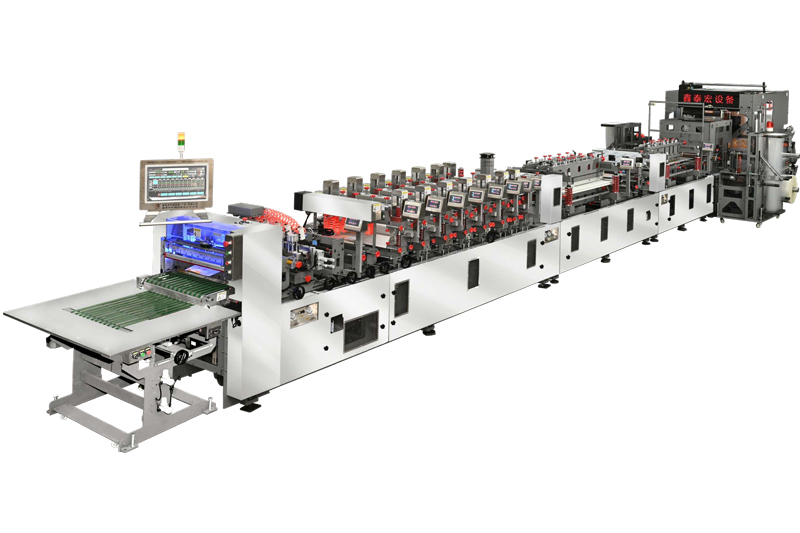
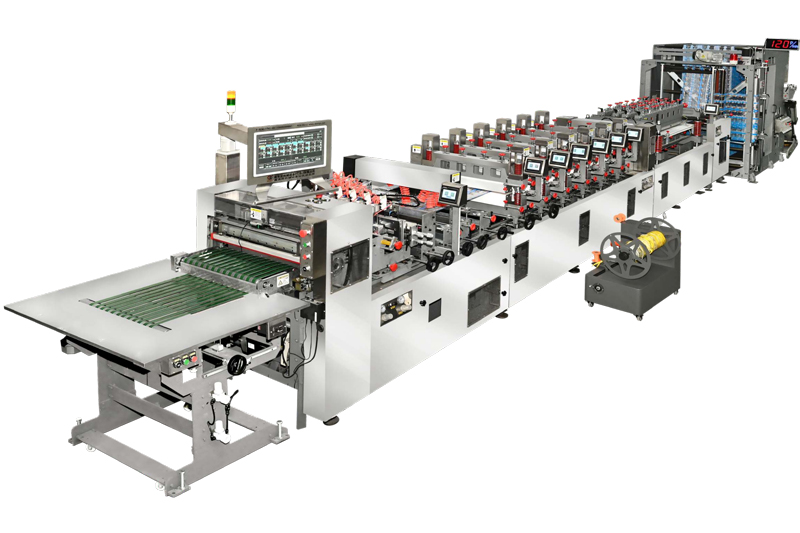
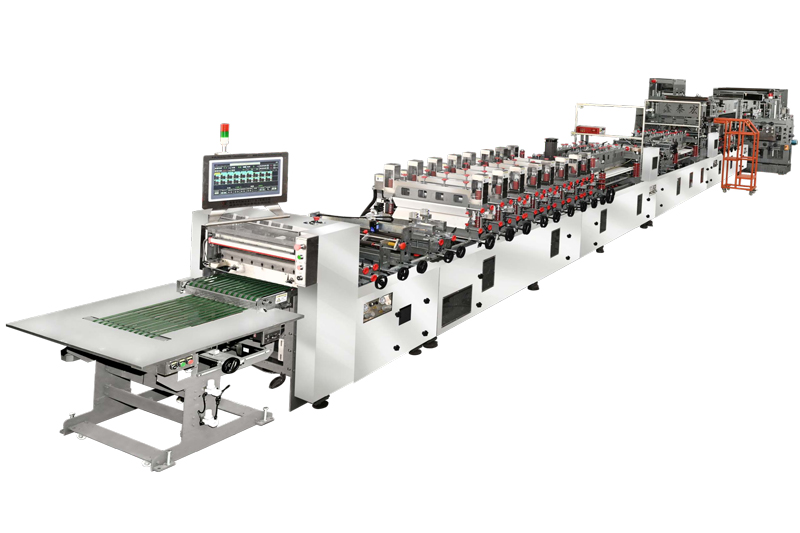
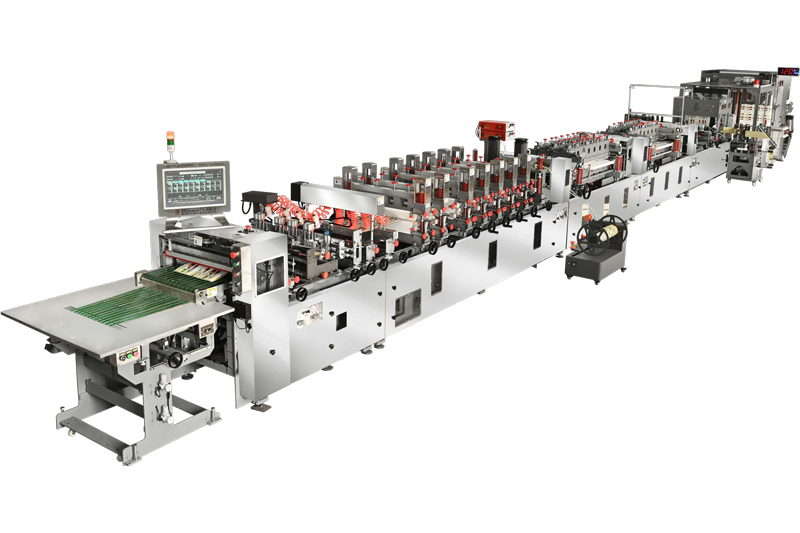
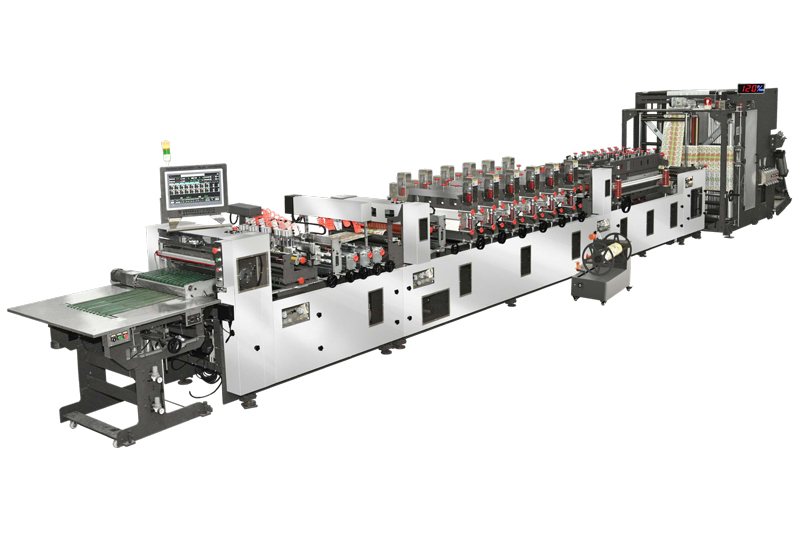
Manufacturing a stand-up pouch with a spout from raw PA/PE rolls is a complex, high-speed engineering process. Modern equipment, such as the DZF-500-1000TSZ and DZF-600-800IIIT series, utilizes state-of-the-art automation to ensure consistent quality. Let's analyze the core mechanical systems that make this possible:
Traditional bag-making machines relied on mechanical linkages, chains, and gears to synchronize the film feed, sealing bars, and cutting knives. This mechanical coupling introduced backlash, wear, and cumulative registration errors. Modern equipment features independent servo motors for each driving shaft—a system known as "Electronic Shaft" control. By utilizing high-speed industrial Ethernet protocols (such as EtherCAT), the controller coordinates the motion of every servo with microsecond precision. This ensures that the tension of the PA nylon film remains perfectly constant, preventing stretching, warping, or misalignment of the layers during high-temperature sealing.
PA nylon films are often pre-printed with high-definition graphics. As the film travels through the bag maker at speeds exceeding 100 strokes per minute, even a microscopic drift in film position can ruin the aesthetic appeal or compromise the seal placement. CCD (Charge-Coupled Device) camera systems continuously scan the registration marks on the moving web. If the camera detects a deviation as small as 0.1mm, the control system instantly adjusts the feed servo motors to realign the film before the sealing jaws close. This closed-loop feedback mechanism dramatically reduces material waste and guarantees that every spout bag meets strict quality standards.
Polyamide has a high melting point (typically around 220°C to 260°C depending on the nylon type, such as PA6 or PA66), while the inner sealing layer (usually LDPE or LLDPE) melts at around 105°C to 125°C. The bag-making machinery must apply sufficient heat to melt the inner sealing layer and bond it together, without overheating and degrading the outer PA structural layer. This requires multi-stage heating stations followed by dedicated water-cooled chilling jaws. The cooling process stabilizes the molecular structure of the newly formed seal, locking in the strength before the bag is cut and ejected.
The application of PA Nylon vacuum bag equipment extends across a wide spectrum of the daily chemical sector. Below are the primary industrial application scenarios where this technology is critical:
The packaging industry is facing intense pressure to reduce its environmental footprint. Fortunately, flexible spout bags made using PA Nylon vacuum bag equipment offer significant ecological advantages over rigid containers:
Material Reduction: A standard stand-up spout bag uses up to 70% less plastic than a rigid HDPE bottle of the same volume. This translates directly to reduced plastic consumption at the source.
Logistics Efficiency: Unfilled, flat spout bags are incredibly compact. A single truck can transport up to 10 times more empty pouches than empty rigid bottles, dramatically reducing transport emissions, warehousing space, and fuel costs.
The Rise of Monomaterial Laminates: To comply with circular economy goals, chemical companies are exploring recyclable barrier films. Modern bag-making machinery is being adapted to process advanced monomaterial PE/PE laminates or BOPE (Biaxially Oriented Polyethylene) structures, which mimic the barrier properties of nylon while remaining fully recyclable in standard PE streams. Our machinery is designed with the thermal flexibility to run both traditional PA/PE and emerging eco-friendly materials seamlessly.
When investing in capital equipment for spout bag production, manufacturers must evaluate several critical performance metrics to ensure long-term profitability and operational reliability:
High-speed bag making generates significant vibration. The machine frame should be constructed from heavy-duty, stress-relieved steel plates rather than bolted aluminum profiles. A rigid chassis minimizes vibration, ensuring that the sealing bars maintain perfect parallel alignment over millions of cycles, which is critical for preventing micro-leaks in liquid pouches.
Consumer preferences shift rapidly. A machine that can only produce three-side seal bags will limit a manufacturer's growth. Opt for modular platforms that allow for the easy integration of bottom-insertion stand-up units, zipper application modules, die-cutting shapes, and automatic spout inserters. This modularity ensures your investment remains future-proof.
In the era of Industry 4.0, data is king. Modern equipment should feature intuitive Human-Machine Interfaces (HMI) that allow operators to save recipes for different film types and bag sizes. Furthermore, remote diagnostic capabilities enable engineers to troubleshoot software issues or optimize machine parameters via secure internet connections, minimizing downtime.
Explore our full line of industrial-grade bag-making machinery, optimized for processing high-performance PA Nylon laminates for liquid packaging applications.
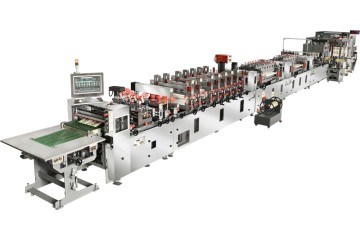
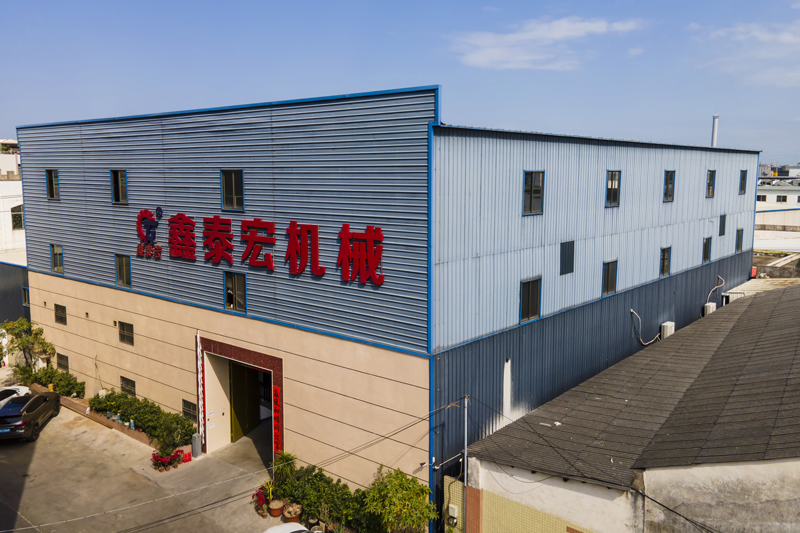
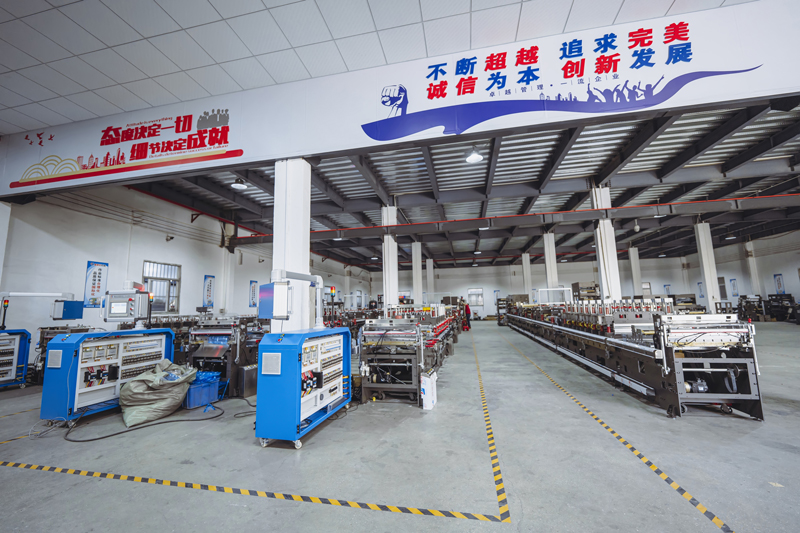
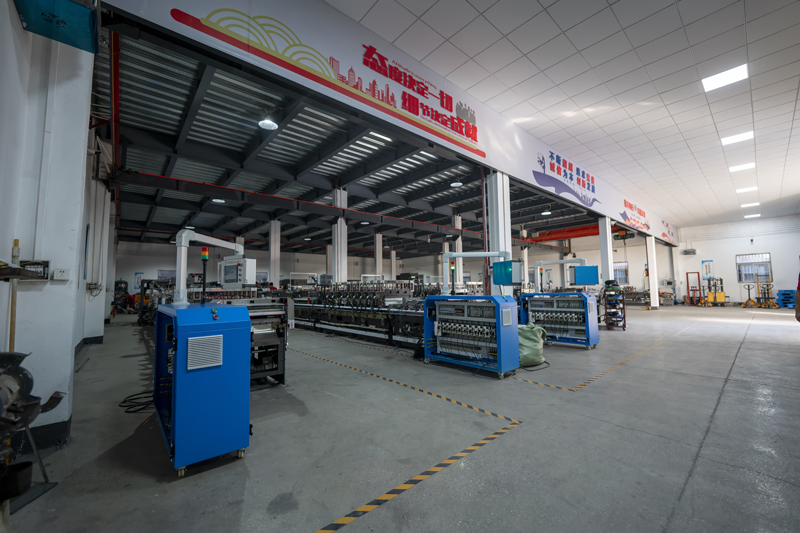
Step inside our state-of-the-art manufacturing facility where precision engineering meets advanced production technology.
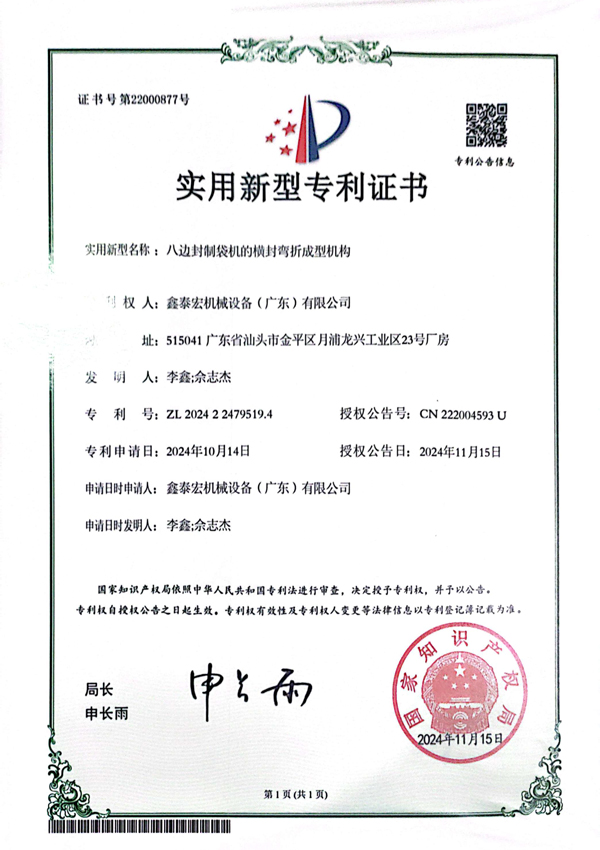
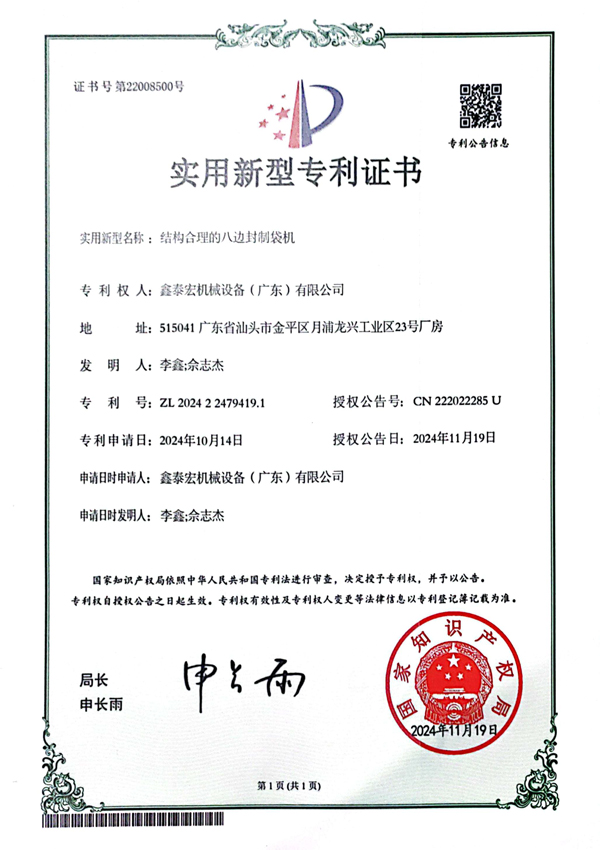
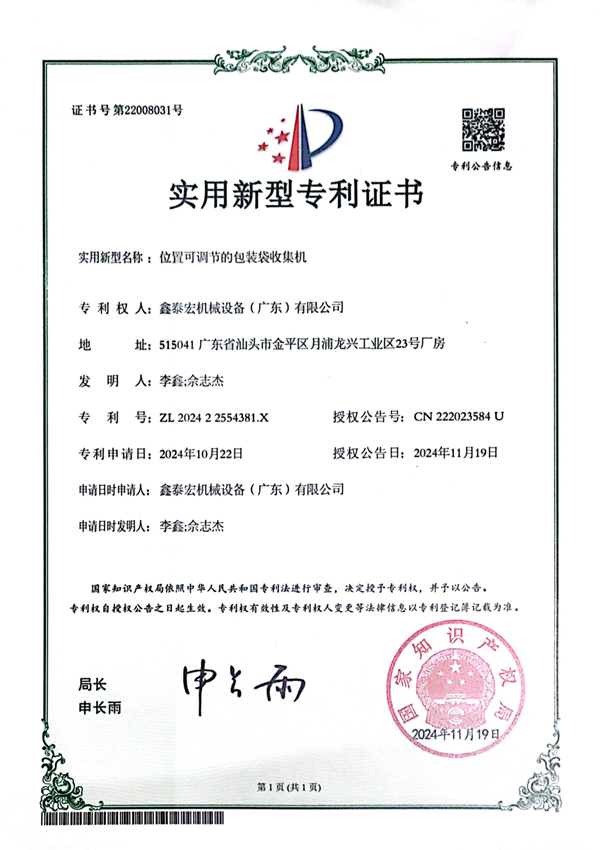
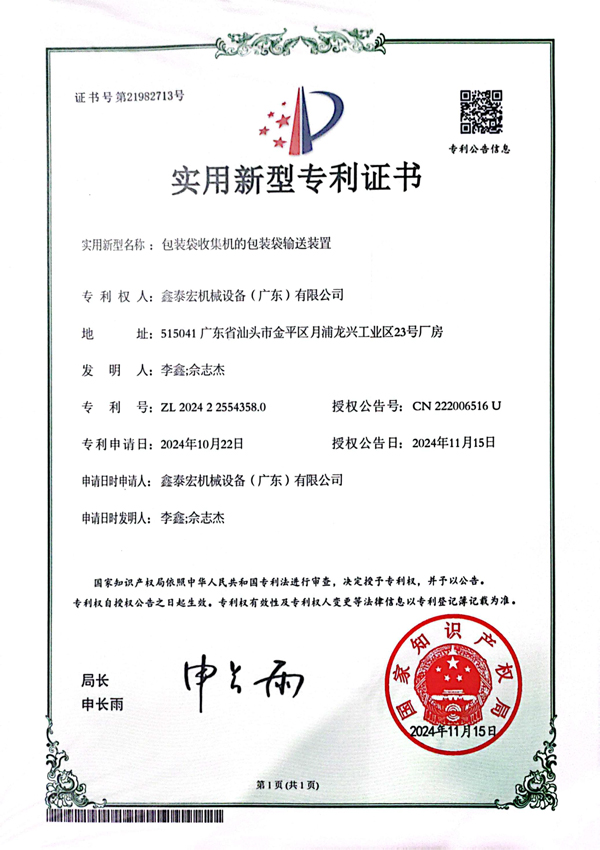
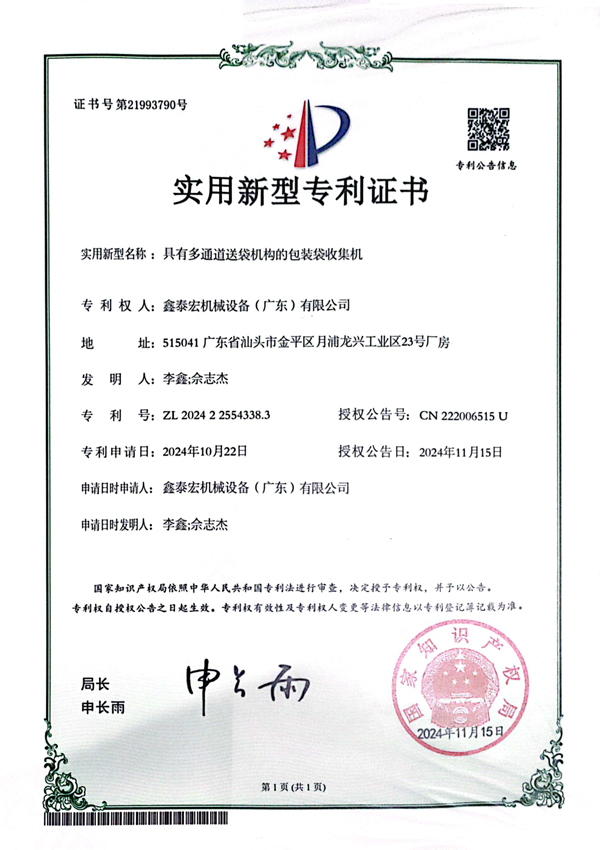
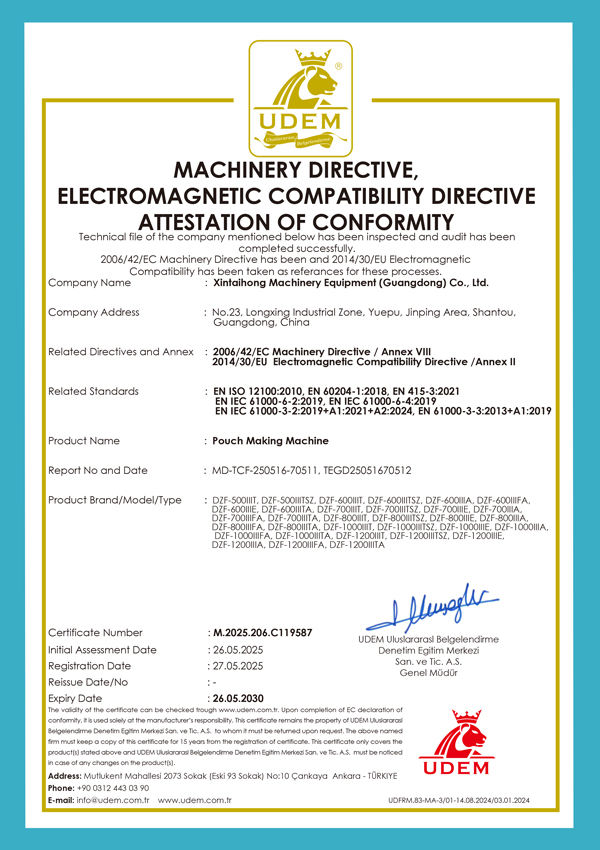
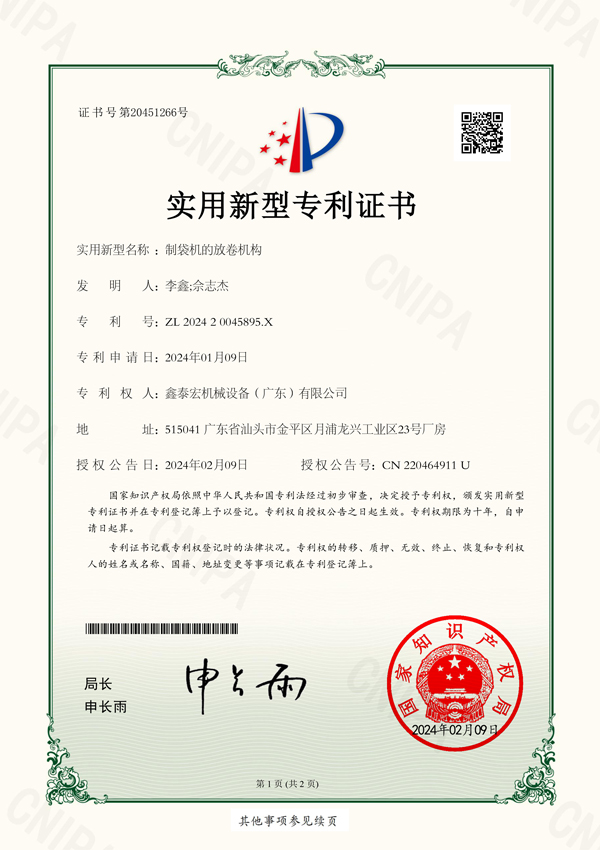
Our commitment to international quality standards, safety certifications, and continuous manufacturing excellence.