Leave Your Message
-
Phone
-
E-mail
-
Whatsapp
-
WeChat

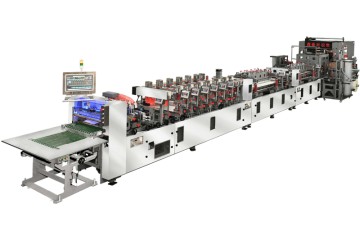
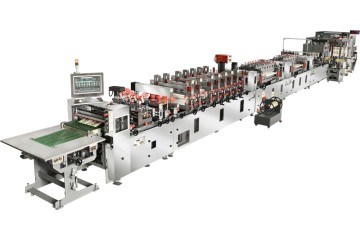
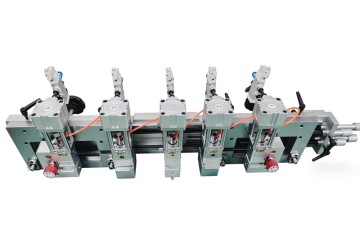
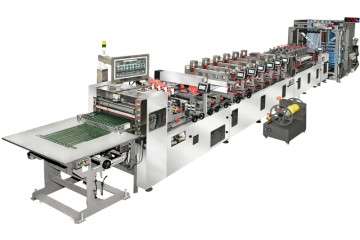
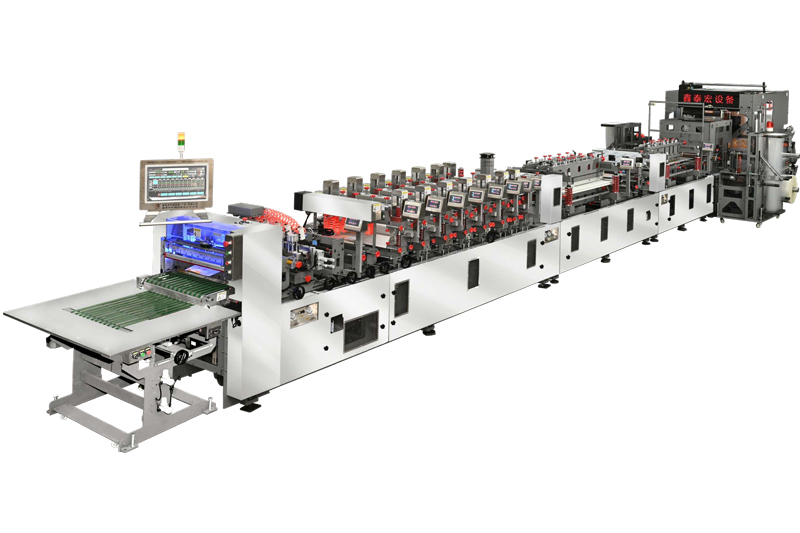
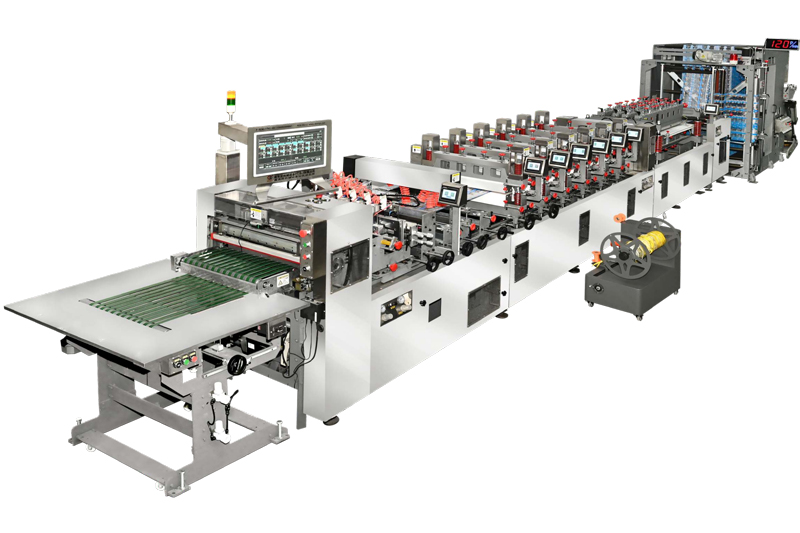
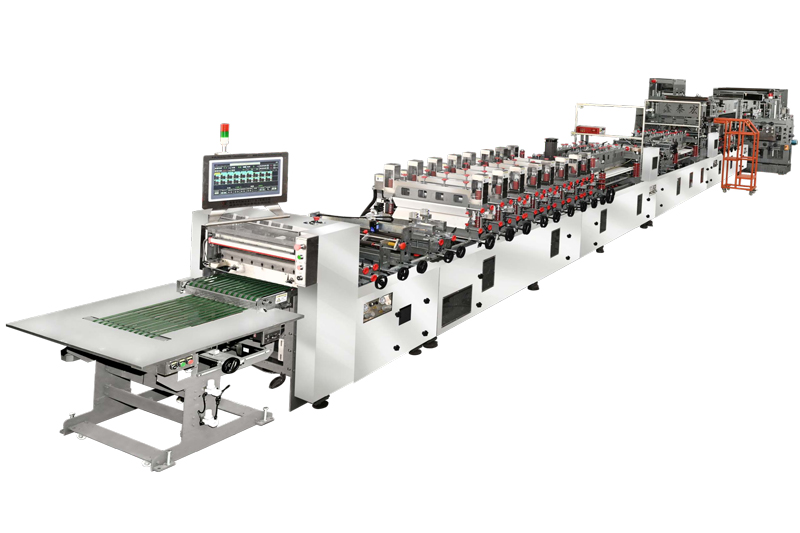
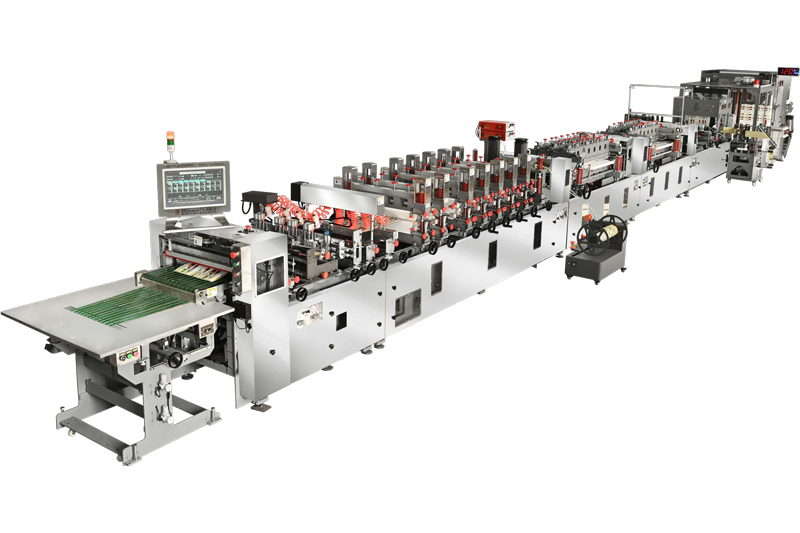
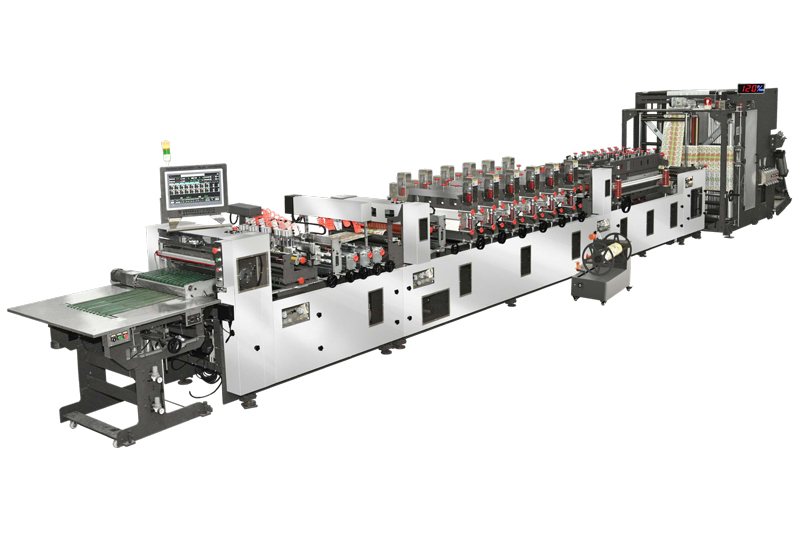
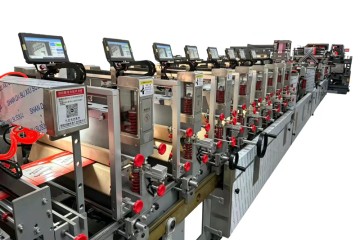
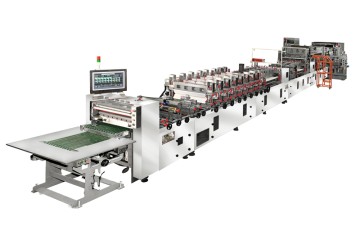
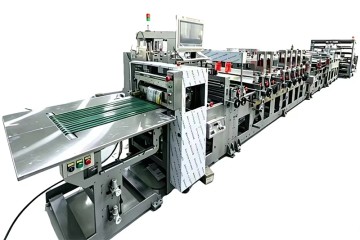
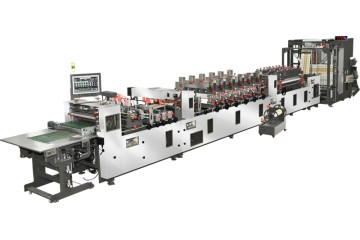
In the pharmaceutical and medical device sectors, packaging is not merely a container; it is an active component of patient safety. High-performance polyethylene (PE) bags and laminated barrier pouches act as the primary defense line against microbial ingress, moisture, oxygen transmission, and physical damage. A specialized PE bag making machine for pharmaceutical and medical barrier bag manufacturing is engineered to meet the stringent demands of sterile environments, delivering unmatched precision, cleanroom compatibility, and validation repeatability.
Unlike standard packaging machinery, medical-grade PE bag making systems must prevent contamination at every step of production. This requires cleanroom-compliant designs, lubricant-free drive systems, and advanced static eliminators. The shift toward high-barrier co-extruded films and complex laminated structures (such as Tyvek®/PE or Al/PE foils) has driven the evolution of sophisticated electronic shaft control and CCD vision systems to ensure perfect sealing integrity and zero-defect output.
Pharmaceutical packaging machines operate under strict regulatory guidelines (such as FDA Title 21 CFR Part 11 and EU GMP Annex 1). Machines must be built using medical-grade stainless steel (SUS304/SUS316L), feature clean-cut punching units that minimize airborne particulate generation, and support clean-in-place protocols to eliminate cross-contamination risks.
Maintaining uniform tension is critical when processing thin PE films and delicate barrier laminates. Traditional mechanical linkages introduce backlash and tension fluctuations, leading to sealing variations or dimensional inaccuracies. Modern electronic shaft technology replaces mechanical gears with independent servo motors for each drive station. This provides microsecond-level synchronization, preventing material stretching and ensuring consistent seal thickness—even during high-speed runs.
In medical packaging, a single compromised seal can lead to non-sterility, product recalls, and severe health risks. Integrating high-resolution CCD (Charge-Coupled Device) vision systems directly into the bag making process allows for real-time inspection of seal width, alignment, zipper placement, and punch dimensions. Non-conforming bags are automatically flagged and rejected without stopping the line, maintaining high throughput while guaranteeing 100% quality assurance.
Different medical barrier films require precise thermal profiles. PE (Polyethylene) has a relatively narrow sealing window compared to laminated structures. Advanced bag making machines utilize multi-stage heating bars with independent PID temperature controllers, combined with rapid water-cooling plates to solidify the seal. For sensitive materials, ultrasonic sealing options provide instant molecular bonding without thermal degradation of adjacent barrier layers.
The global pharmaceutical industry is actively seeking sustainable packaging alternatives to traditional multi-material laminates, which are difficult to recycle. The current trend points toward high-barrier mono-material PE pouches. These structures use specialized MDO-PE (Machine Direction Oriented Polyethylene) films combined with EVOH or barrier coatings to match the performance of traditional PET/Al/PE laminates. Consequently, modern PE bag making machines must adapt to handle these new film formulations, which demand highly precise temperature controls and specialized sealing jaw profiles to prevent film burn-through or delamination.