

Industrial Shift: The Rise of Spout Pouch Packaging for Liquid Daily Chemicals
The packaging landscape for liquid daily chemicals—ranging from laundry detergents, fabric softeners, and hand sanitizers to shampoos and household disinfectants—is undergoing a massive paradigm shift. Historically dominated by rigid plastic bottles, the industry is rapidly transitioning toward flexible packaging, specifically stand-up spout pouches made from high-performance PET composite films. This transformation is driven by a combination of economic efficiency, logistical optimization, environmental sustainability, and evolving consumer preferences.
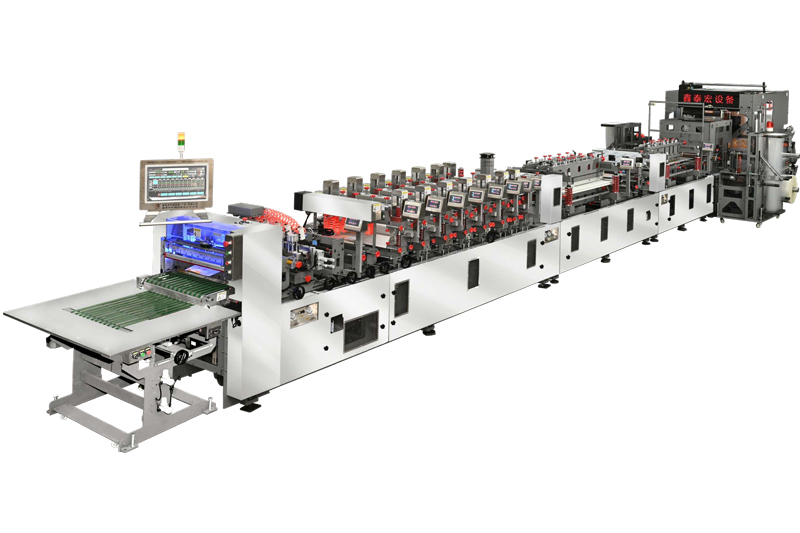
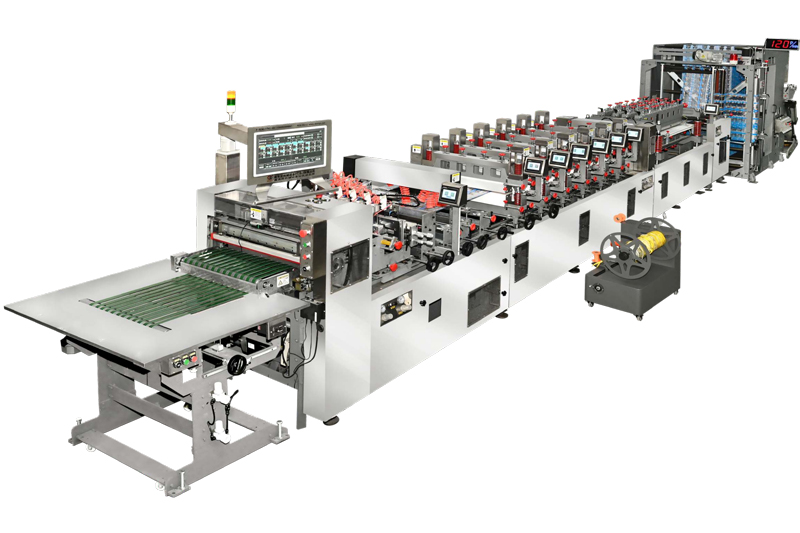
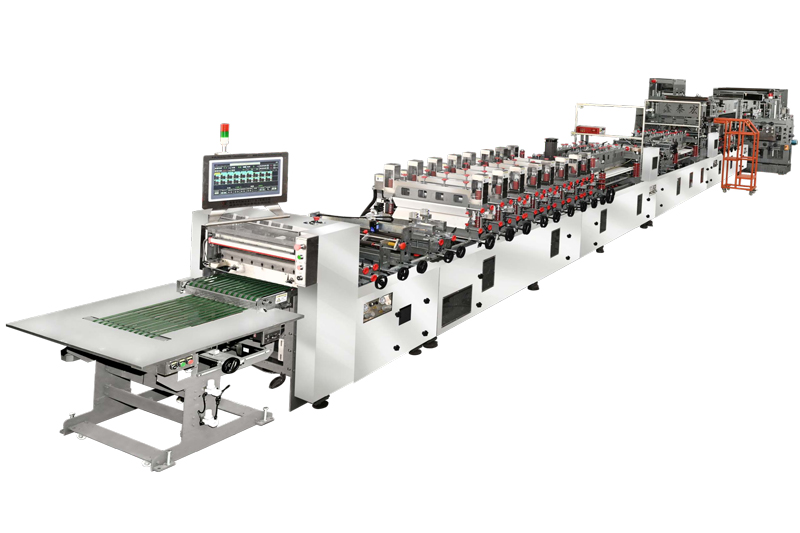
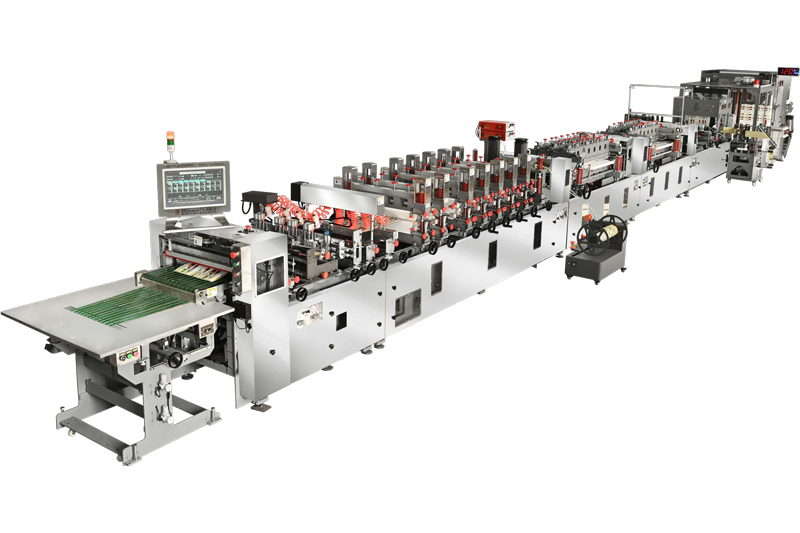
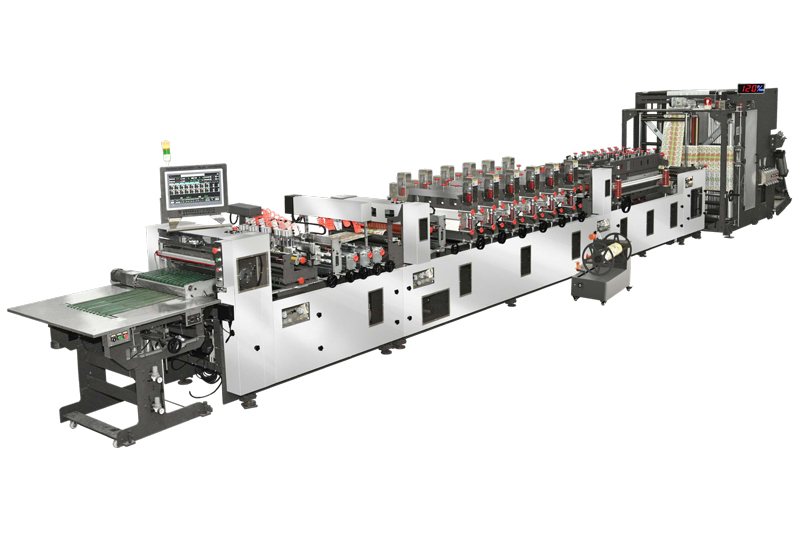
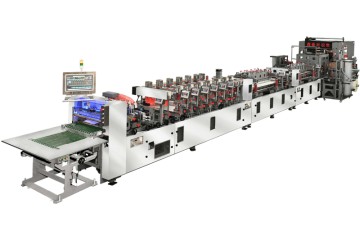
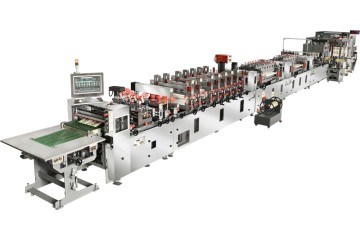
At the heart of this manufacturing revolution is the PET composite film bag machine. This specialized category of industrial machinery is engineered to process multi-layer laminated materials, execute high-precision hole punching, insert rigid plastic spouts, and create hermetic, leak-proof seals capable of holding aggressive chemical formulations. As global brands commit to reducing plastic waste, the demand for flexible spout bags as refill packs or primary packaging has soared, positioning the manufacturing machinery as a critical asset for modern packaging plants.
Key Market Driver: The Refill Economy
By utilizing a PET composite spout pouch as a refill package, brands can reduce plastic consumption by up to 70% compared to traditional rigid bottles. This not only lowers packaging material costs but also slashes transportation emissions, as empty pouches occupy a fraction of the space required by empty rigid containers.
Why PET Composite Films are Vital for Liquid Chemical Containment
Liquid daily chemicals contain active surfactants, alcohols, essential oils, and sometimes corrosive agents that can interact with packaging materials. Therefore, mono-layer films are insufficient. Instead, multi-layer composite structures are utilized, with Polyethylene Terephthalate (PET) serving as the indispensable outer layer.
Typically, a composite structure for liquid chemicals consists of:
- Outer Layer (PET): Provides excellent printability, high tensile strength, heat resistance during the sealing process, and physical protection.
- Barrier Layer (Aluminium Foil - AL, or Nylon - NY / BOPA): Provides superior gas, moisture, and light barriers to prevent active ingredients from degrading or evaporating.
- Inner Sealing Layer (PE or CPP): Ensures chemical compatibility with the product and offers low-temperature heat-sealability to form a secure bond.
Processing these complex laminates requires a bag-making machine with sophisticated temperature control, precise tension management, and highly calibrated sealing jaws. If the heat is too low, the inner PE layers will not fuse completely, leading to micro-leaks. If the heat is too high, the outer PET layer can deform or burn, ruining the pouch's aesthetic appeal and structural integrity.
Technical Challenges in Spout Bag Manufacturing
Manufacturing a standard stand-up pouch is a relatively straightforward process. However, integrating a rigid spout into a flexible composite pouch introduces several complex engineering challenges:
1. Micro-Leakage at the Spout Interface
The point where the rigid plastic spout meets the thin, flexible composite film is the most common point of failure. The machine must apply precise heat and pressure to melt the flange of the spout and fuse it seamlessly with the inner PE layer of the pouch. Any variation in pressure or temperature will result in micro-channels through which liquid chemicals can leak during transport or storage.
2. Precise Hole Punching and Registration
Before a spout can be inserted, a hole must be cleanly punched through the moving composite web. If the hole is misaligned by even a fraction of a millimeter, the spout will sit crookedly, affecting both the sealing quality and the final appearance of the pouch. This requires advanced optical inspection and registration systems.
3. Multi-Layer Web Tension Management
Because composite films consist of materials with different elasticities (e.g., PET vs. PE), maintaining constant web tension throughout the unwinding, punching, sealing, and cutting stages is incredibly difficult. Fluctuations in tension lead to wrinkles, misaligned prints, and inconsistent pouch dimensions.
How Modern PET Composite Film Bag Machines Solve These Problems
To meet the stringent standards of global daily chemical brands, bag-making machinery has evolved from simple mechanical systems into highly digitized, servo-driven, and AI-assisted production centers.
Electronic Shaft (Servo) Control Systems
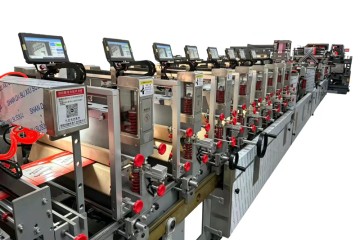
Traditional machines rely on a single main motor and complex mechanical linkages to drive all components. Modern high-speed machines utilize independent servo motors for each station—unwinding, traction, punching, sealing, and cutting. This "electronic shaft" configuration allows for real-time micro-adjustments. If the sensor detects a minor stretch in the film, the servo adjusts its speed instantly to maintain perfect registration.
CCD Vision Punching & Inspection Units
Integrating high-resolution CCD cameras allows the machine to visually inspect the printed film in real-time. The system identifies eye-marks and dynamically aligns the punching unit. Post-punching, the CCD camera verifies the hole's edge quality and position. If a defect is detected, the machine can automatically flag or reject the pouch, ensuring zero-defect output.
Non-Stop Splicing and Unwinding
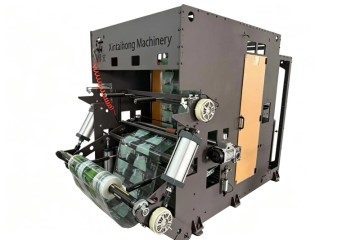
In high-volume liquid chemical packaging, downtime is the enemy of profitability. Non-stop film splicing unwinding heads allow operators to prepare a new roll of PET composite film while the machine is running. When the current roll runs out, the machine automatically splices the new roll to the tail of the old one at full production speed, eliminating the need to stop the machine and re-thread the film.
Deep Dive: Application Scenarios in Liquid Daily Chemicals
The versatility of PET composite spout bag machines allows them to produce packaging tailored to a wide range of chemical formulations:
| Product Category | Typical Film Structure | Spout Specification | Machine Requirement Focus |
|---|---|---|---|
| Laundry Detergent Refills | PET / NY / PE (High puncture resistance) | 15mm - 22mm Wide Bore Spout | Heavy-duty bottom gusset sealing & cooling |
| Hand Sanitizers & Soaps | PET / AL / PE (High chemical barrier) | 8.5mm - 10mm Push-Pull or Screw Spout | CCD vision alignment for precise corner spout insertion |
| Shampoo & Body Wash | PET / PET-G / PE (High gloss, premium feel) | Custom Ergonomic Dispensing Spout | Multi-shape die cutting for custom pouch contours |
| Corrosive Cleaners (Bleach) | PET / Special Acid-Resistant PE | Child-Resistant Spout (CRC) | Ultra-reliable sealing temperatures to prevent structural delamination |
Future Trends: Sustainability and Smart Factories
As we look to the future, two major trends are shaping the development of PET composite bag-making machines:
1. Transition to Recyclable Mono-Material Films
Traditional multi-material films (like PET/AL/PE) are difficult to recycle because separating the layers is chemically complex. The packaging industry is pushing toward mono-material composites (e.g., BOPE/PE or MDO-PE/PE). However, mono-materials have a much narrower sealing temperature window than PET-based composites. They stretch and distort easily under heat. Machinery manufacturers are responding by developing ultra-precise, water-cooled sealing bars and highly sensitive tension control systems that can handle these delicate, eco-friendly materials without reducing production speeds.
2. Industry 4.0 and Predictive Maintenance
Modern spout bag machines are becoming IoT-enabled nodes in the smart factory. Sensors continuously monitor parameters such as sealing pressure, heater temperatures, vibration, and servo motor currents. Cloud-based AI algorithms analyze this data to predict when a heating element or cutting blade is nearing failure, allowing operators to schedule maintenance before an unexpected breakdown occurs. This maximizes Overall Equipment Effectiveness (OEE) and reduces scrap rates.