Leave Your Message
-
Phone
-
E-mail
-
Whatsapp
-
WeChat

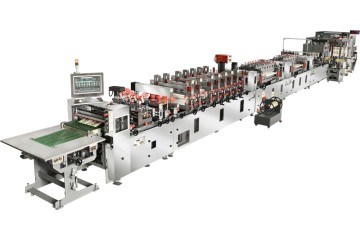
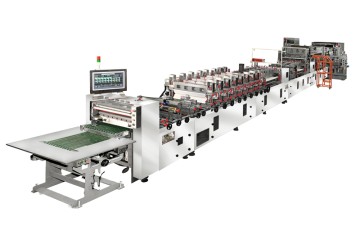
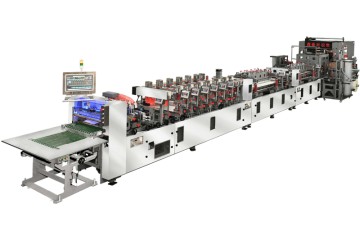
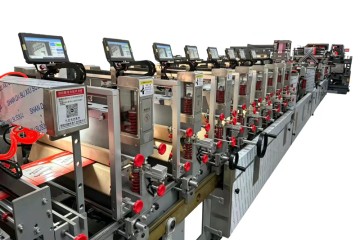
In the modern consumer goods landscape, the demand for snacks and dry foods has reached unprecedented heights. From healthy nuts, seeds, and dried fruits to indulgent potato chips, confectionery, and premium pet foods, consumers are looking for fresh, convenient, and eye-catching packaging. This shift has driven the rapid evolution of flexible packaging, a sector that is now dominated by high-speed, automated production systems.
Flexible packaging offers substantial benefits over traditional rigid packaging, including reduced material consumption, lower transportation costs, minimized carbon footprint, and enhanced design versatility. However, packaging these products at high speeds requires specialized machinery capable of handling delicate laminate films while maintaining perfect seals, accurate dimensions, and integrated features like resealable zippers and tear notches.
To meet these stringent industrial demands, modern plastic bag making machines have integrated advanced automation, servo-driven electronic shafts, and real-time CCD camera monitoring. These innovations ensure that snack and dry food manufacturers can sustain high-throughput production lines without compromising on package integrity or aesthetic appeal.
1. Shelf-Life Extension: Dry foods and snacks are highly sensitive to moisture and oxygen. High-speed bag-making machines must deliver flawless hermetic seals to preserve food freshness and prevent staling.
2. Convenience Features: Consumers demand resealable options. The integration of stand-up zipper mechanisms, slider closures, and easy-open tear notches must be performed seamlessly at maximum speeds.
3. Packaging Variety: The market is moving towards diverse pouch formats—from traditional three-side seal pouches to complex stand-up zipper pouches and flat-bottom (eight-side seal) bags that offer premium shelf presence.
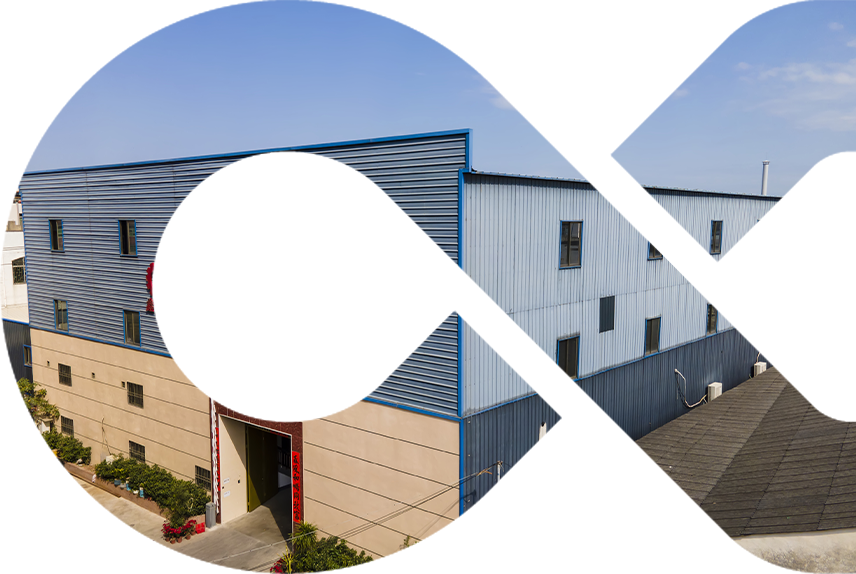
Xintaihong Machinery Equipment (Guangdong) Co., Ltd. (hereinafter referred to as "Xintaihong")


Replacing traditional mechanical linkages with independent servo motors per axis. This eliminates mechanical backlash, reduces maintenance, and enables micro-adjustments on the fly for perfect tension control.
High-resolution camera systems monitor print registration, punch positioning, and zipper alignment in real-time. Any deviation is instantly corrected, minimizing material waste and ensuring zero-defect output.
Precise temperature profiling across multiple heating and cooling stations ensures that laminated barrier films (including PET, PE, AL, and recyclable mono-materials) achieve hermetic, leak-proof seals.
During high-speed operations, maintaining uniform web tension is critical. Fluctuations in tension can lead to film stretching, misaligned graphics, or sealing failures. Modern plastic bag making machines employ closed-loop tension control systems featuring ultra-sensitive dancing rollers and load cells. These sensors feedback to the main PLC, which instantly adjusts the speed of the unwind and feed servo motors. This level of control is particularly vital when handling complex laminates used in snack packaging, where barrier layers (such as aluminum foil or metalized polyester) must not be stressed or fractured.
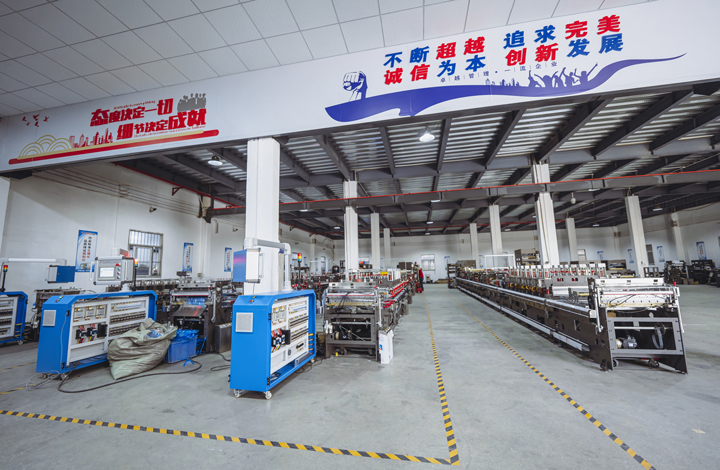

Welcome To Learn About Our Company
Nuts and dried fruits are premium snacks that consumers rarely finish in one sitting. Consequently, the packaging must feature reliable, easy-to-use resealable zippers. The plastic bag making machine must feed, cut, and seal the zipper profile onto the film web at high speeds without causing warping. Furthermore, these products are often gas-flushed (nitrogen) to prevent oil oxidation. The machine must ensure 100% airtight seals at the zipper crossings—a common point of failure in lower-quality equipment.
Flat-bottom pouches have revolutionized the premium dry food and coffee markets. By providing five flat surfaces for branding, they offer maximum shelf visibility. Structurally, they stand upright with excellent stability, even when filled with heavy products like pet kibble. Manufacturing these pouches requires a highly complex folding and gusseting process. Xintaihong’s patented flat-bottom bag making machines handle these intricate folds with mechanical precision, ensuring perfect symmetry and robust bottom seals that can withstand drop tests.
For potato chips, crackers, and candy, output speed is the primary KPI. Production lines require machines that can process three-side seal or center-seal bags at hundreds of strokes per minute. In these high-speed scenarios, even a millisecond of thermal contact variation can result in weak seals or burned film. Advanced temperature controllers combined with quick-cooling plates ensure that seals set instantly, allowing the machine to maintain maximum throughput.
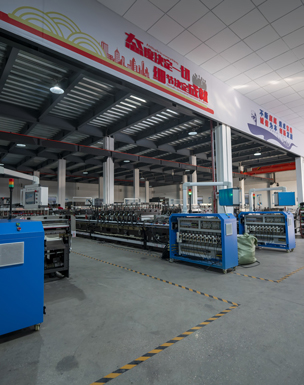
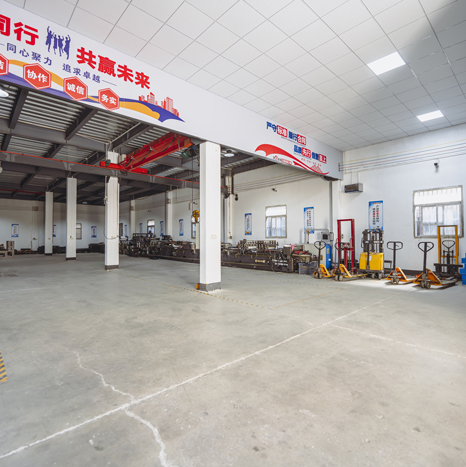
Xintaihong Machinery (Guangdong) is among China’s Top 5 suppliers of bag-making equipment, with eight-side sealing machinery as our flagship specialty. Drawing on over fifteen years of R&D experience and technical accumulation, our machines serve more than 500 clients globally and are exported to over a dozen countries, with over 2,000 units operating stably worldwide. The packaging machinery independently developed and manufactured by our company reaches domestically leading technical standards. It has won widespread acclaim from customers for stable operation, high production speed and low noise output.
of experience


Environmental regulations and consumer preferences are pushing the packaging industry toward sustainability. Traditional multi-layer laminates (e.g., PET/PE, PET/AL/PE) are difficult to recycle because separating the layers is economically unfeasible. The industry is rapidly adopting mono-material laminates, such as PE/PE or PP/PP, which can be fully recycled in standard waste streams.
However, mono-materials present significant challenges for bag-making machinery. They have a much narrower sealing temperature window and are highly sensitive to heat deformation. If the sealing jaws are slightly too hot, the film melts and warps; if too cool, the seal fails. Modern high-speed machines must incorporate ultra-precise, PID-controlled heating elements and instant-cooling systems to process these eco-friendly films reliably at high speeds.
In the era of Industry 4.0, packaging machinery is no longer an isolated island of production. Modern plastic bag making machines are equipped with IoT gateways and Ethernet interfaces. This allows plant managers to monitor real-time production metrics, such as OEE (Overall Equipment Effectiveness), output counts, waste rates, and energy consumption, from a centralized dashboard.
Furthermore, remote diagnostic capabilities enable machinery manufacturers to troubleshoot software issues, update PLC programs, and assist local operators without the need for on-site visits. This drastically reduces downtime and keeps production lines running smoothly across global manufacturing sites.