Leave Your Message
-
Phone
-
E-mail
-
Whatsapp
-
WeChat

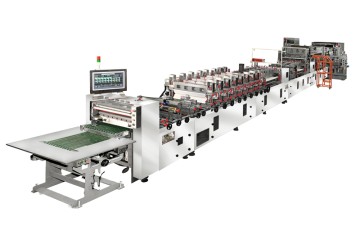
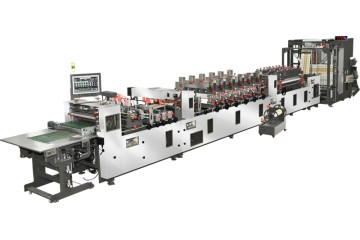
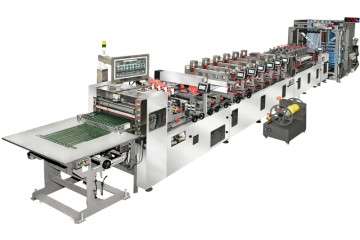
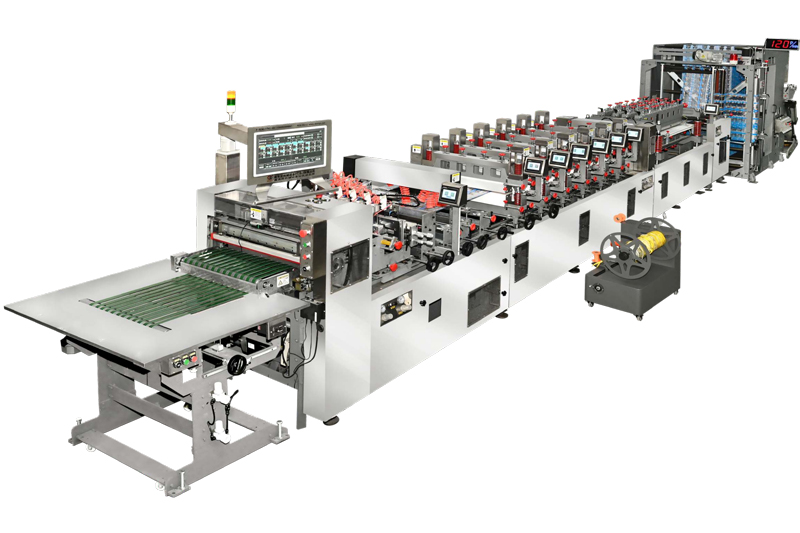
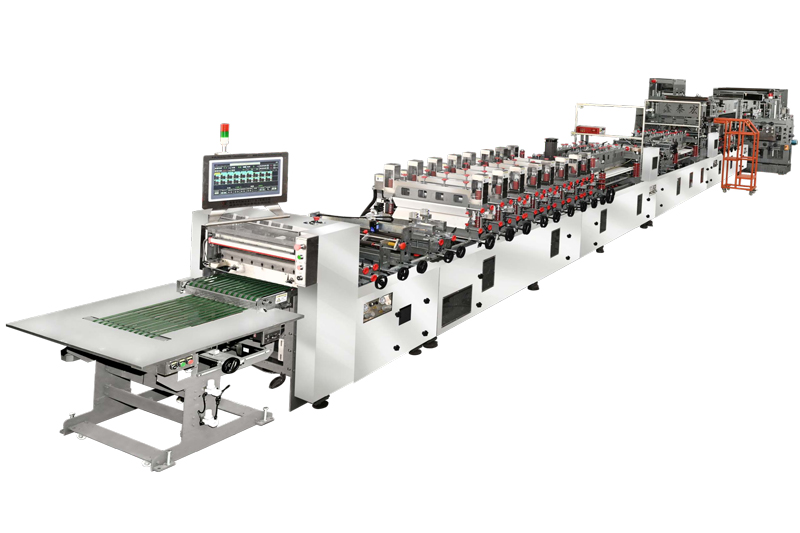
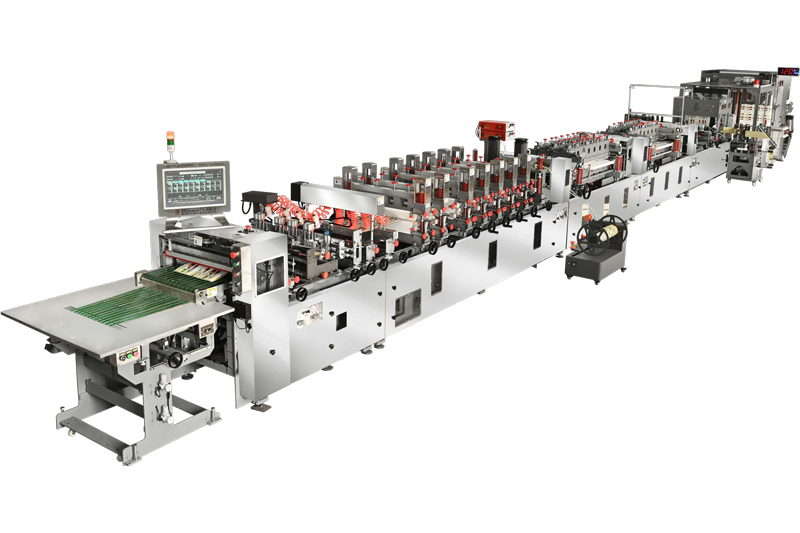
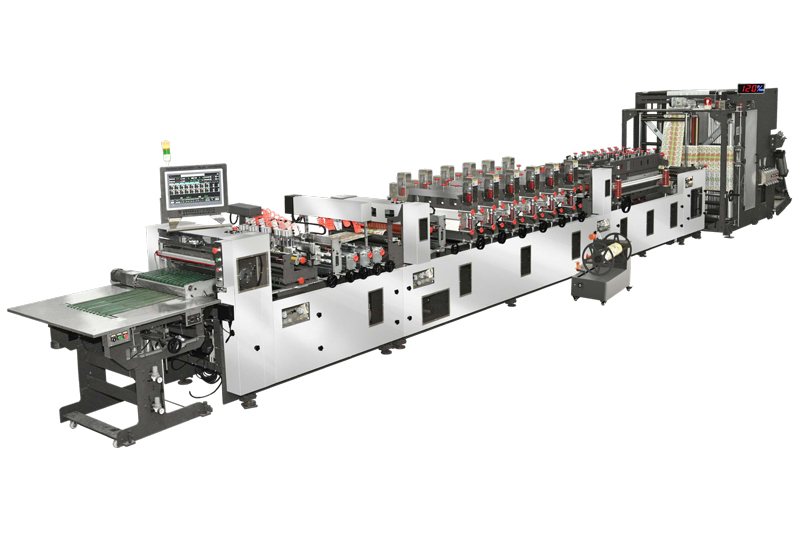
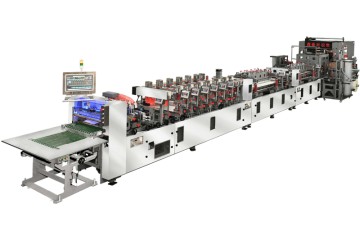
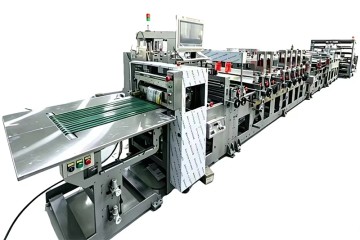
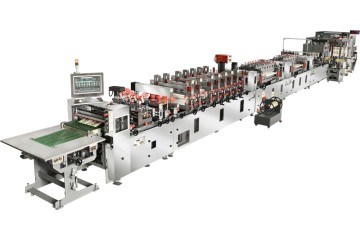
Explore our top-performing configurations engineered for precision, speed, and continuous operation in stand-up zipper pouch production lines.
How flexible packaging is transforming modern logistics, consumer convenience, and manufacturing requirements.
In the contemporary packaging landscape, the transition from rigid containers to flexible packaging solutions is accelerating. Among these, the stand-up zipper pouch (Doypack) stands out as a highly versatile and commercially successful format. From food and beverages to pharmaceuticals, pet foods, and agricultural chemicals, industries globally are embracing this format due to its exceptional shelf appeal, material efficiency, and superior resealable functionality.
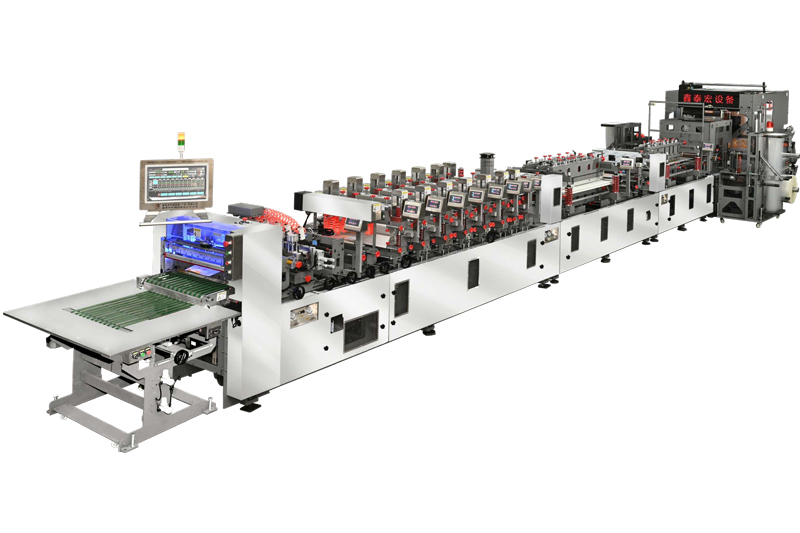
The core engine driving this industrial shift is the advanced plastic bag making machine. Modern manufacturing lines demand high throughput, waste reduction, and the ability to process complex laminated structures. The integration of electronic shaft technology, servo-driven heat sealing, and real-time vision alignment has elevated these machines from basic mechanical cutters to intelligent, automated production systems.
Today, manufacturers face the dual challenge of satisfying strict environmental regulations while maintaining cost-effective production rates. This has forced machinery builders to innovate rapidly, creating systems that can handle thinner, monomaterial recyclable films without sacrificing sealing integrity or pouch structure.
Analyzing the engineering breakthroughs that enable high-precision stand-up pouch production.
Traditional mechanical link-arm systems often suffer from wear and tear, leading to cumulative registration errors over extended runs. The introduction of electronic shaft technology replaces mechanical chains and gears with independent servo motors synchronized electronically. This ensures that every phase of the bag-making process—unwinding, bottom gusset insertion, zipper sealing, and final cutting—is executed with microsecond accuracy. This technology reduces downtime during product changeovers, as adjustments can be programmed directly into the HMI (Human-Machine Interface).
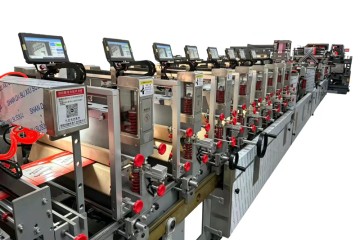
As packaging design becomes more sophisticated, shape-punching, handle-cutting, and tear-notch accuracy are paramount. Integrating a CCD (Charge-Coupled Device) vision camera onto the punching unit allows the machine to visually scan register marks in real-time. If the film stretches or shifts, the CCD system instantly calculates the deviation and auto-corrects the puncher's position before the cut is made. This completely eliminates off-center punches and drastically reduces scrap rates, which is critical when processing expensive printed laminates.
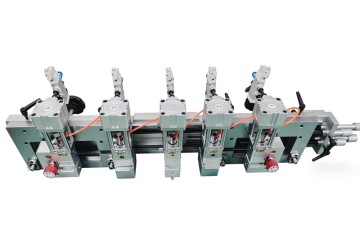
For stand-up pouches, the strength of the bottom gusset determines the pouch's ability to stand upright when filled. Our advanced bottom-insertion systems feed the gusset film independently, ensuring tension control is maintained separately from the main web. This allows for clean, leak-proof triangular seals at the base, capable of holding heavy liquids, powders, or granular items.
Modern stand-up pouches are rarely made of a single plastic layer. They typically consist of laminated structures (e.g., PET/AL/PE, BOPA/PE, or Kraft Paper/Alu/PE) designed to provide specific barrier properties against moisture, oxygen, and light. Each material has a different melting point and thermal conductivity. A premium plastic bag making machine must offer precise, multi-zone PID temperature control and adjustable sealing pressure dwell times. This ensures that the inner sealing layers (like PE) fuse perfectly without melting or wrinkling the outer aesthetic layers.
The path toward fully sustainable materials, intelligent diagnostics, and high-speed automation.
The global push for circular economies is forcing a transition from mixed-material laminates (which are difficult to recycle) to monomaterial structures, such as PE/PE or PP/PP. However, monomaterials have a much narrower sealing temperature window and are highly sensitive to heat-induced stretching. Future bag-making machinery must feature ultra-sensitive tension feedback loops and quick-cooling sealing bars to handle these sustainable materials without compromising production speeds.
By embedding IoT sensors throughout the electronic shaft and sealing assemblies, modern production lines can monitor vibration, temperature fluctuations, and motor torque. Artificial intelligence algorithms analyze this data to predict component failures—such as heater cartridge burnouts or blade dullness—before they cause unplanned downtime, optimizing overall equipment effectiveness (OEE).
Modern production facilities cannot afford dedicated machines for single pouch formats. The trend is toward multi-functional machines that can shift from producing standard 3-side seal pouches to stand-up zipper pouches, or even complex flat-bottom (box pouches) with minimal mechanical reconfiguration. Modular design allows factories to scale their capabilities as market demands evolve.
Our machinery is built to meet global safety, quality, and operational standards, ensuring reliable integration into your facility.
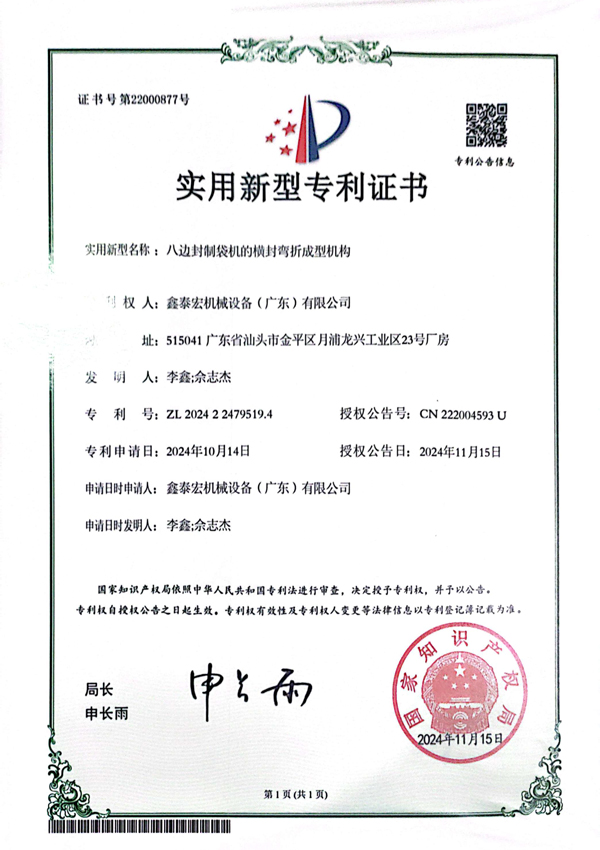
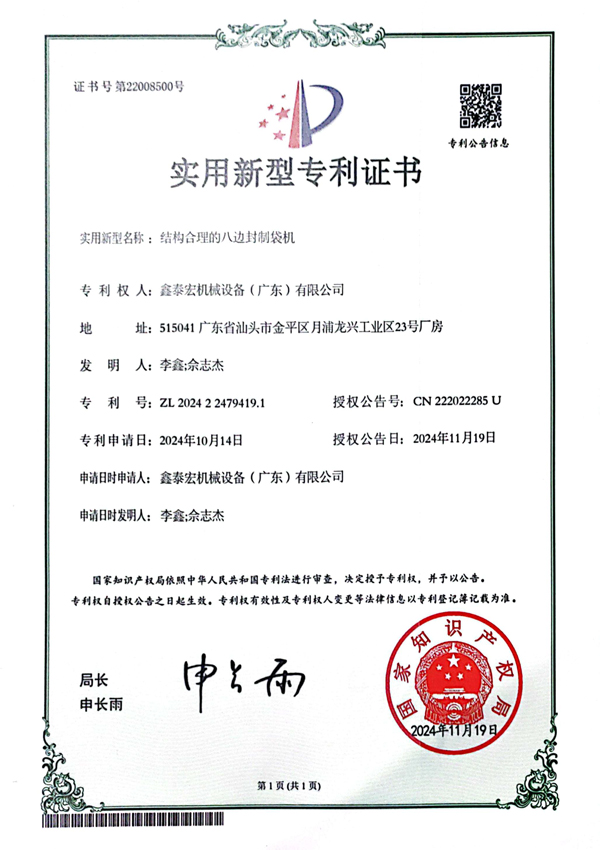
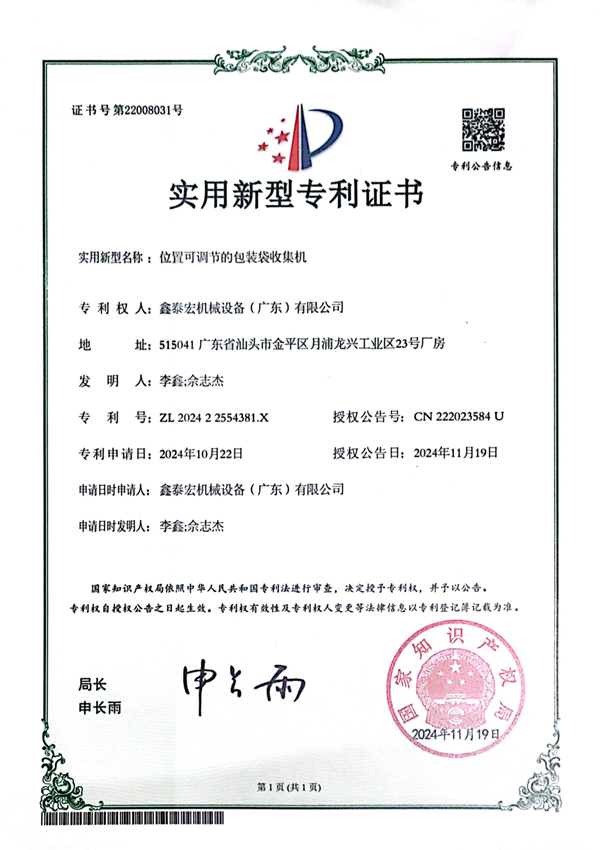
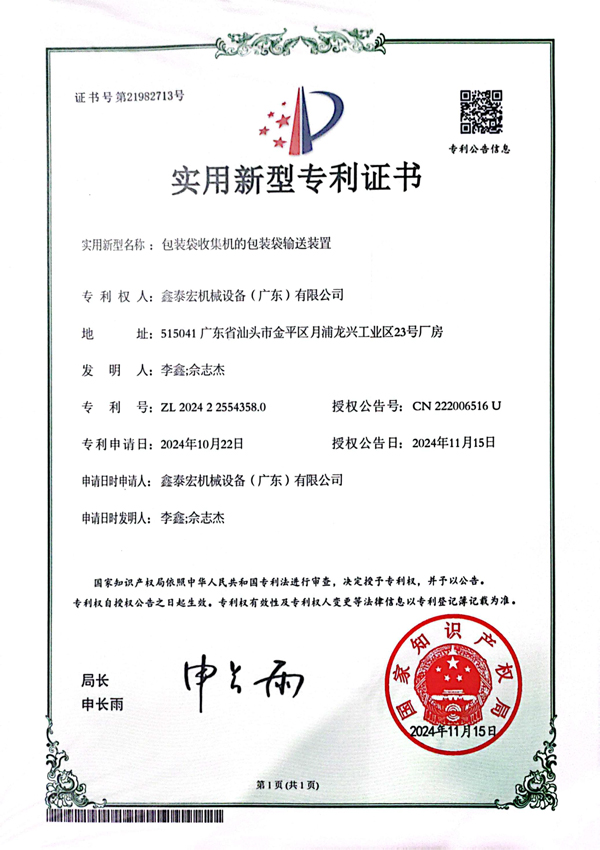
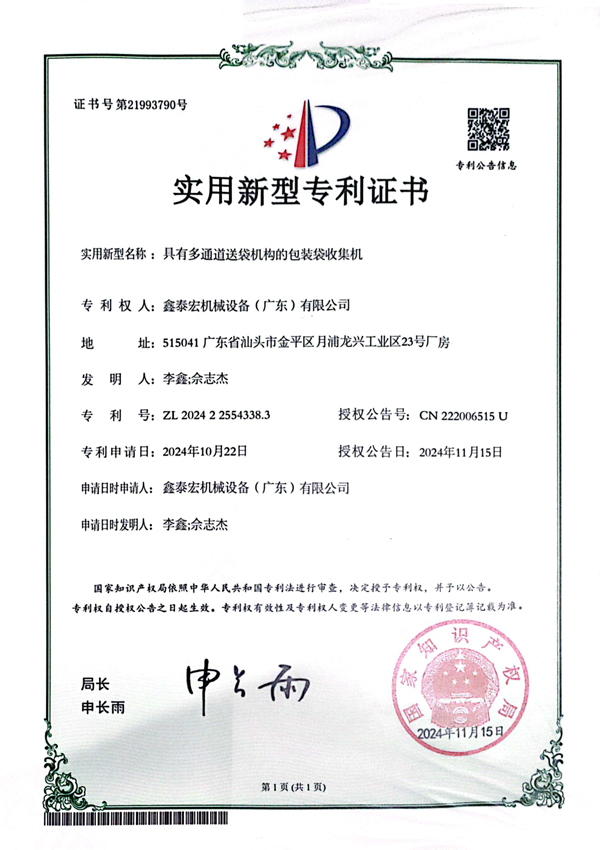
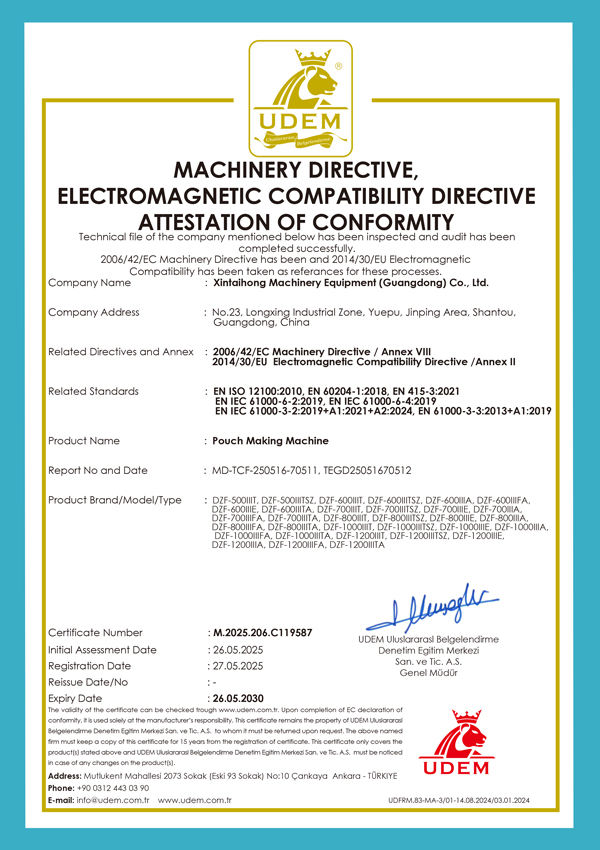
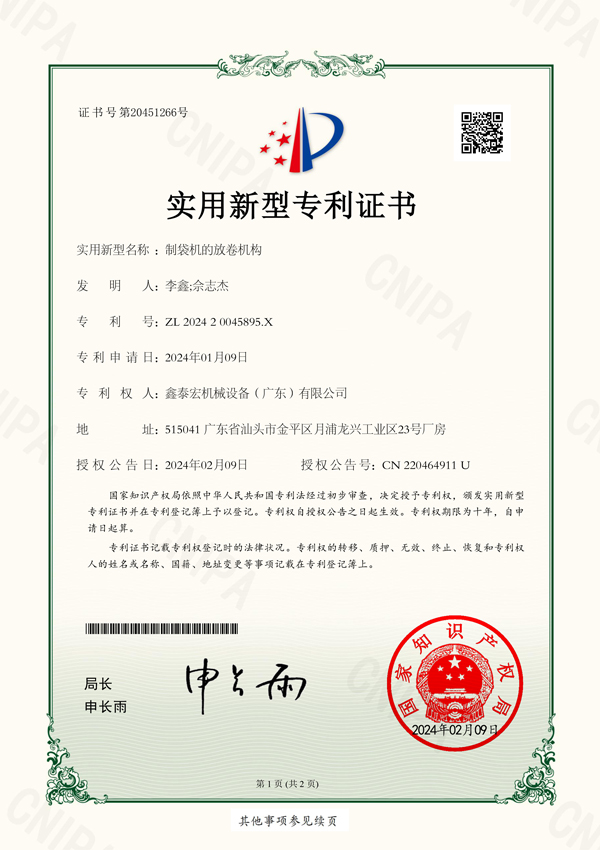
Select from our range of high-performance center sealing, side-sealing, flat-bottom, and electronic-shaft zipper pouch machines.