
Leave Your Message
-
Phone
-
E-mail
-
Whatsapp
-
WeChat

Engineered for five-panel flat-bottom configurations, side-gusseted structures, and precision resealable zipper closures with real-time digital monitoring.
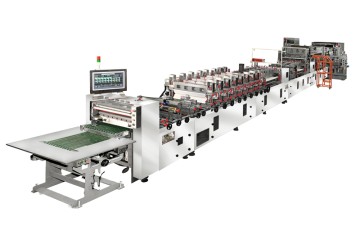
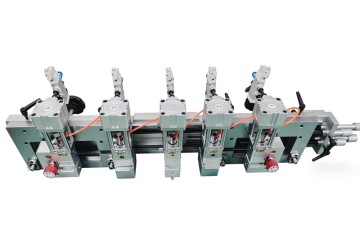
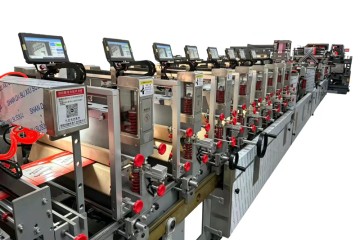
The global packaging paradigm is undergoing an unprecedented shift from rigid containers—such as tinplate cans, heavy glass jars, and corrugated cartons—toward ultra-efficient flexible packaging. At the apex of this engineering transition is the Flat-Bottom Box Pouch (also widely classified in the FMCG sector as the block-bottom pouch, flat-base pouch, or quad-seal box bag). Combining the ergonomic vertical stability of a folding carton with the barrier properties and lightweight logistics of high-barrier laminates, the box pouch has emerged as the definitive premium packaging choice across premium sectors worldwide.
Unlike standard stand-up pouches (Doypack style) which feature a rounded oval base susceptible to rocking, the flat-bottom pouch utilizes an entirely planar rectangular base anchored by four distinct vertical edge seals and two independent side gussets. This structural architecture produces five continuous printable display faces (front, back, left gusset, right gusset, and bottom). For high-speed converters and packaging suppliers, handling the mechanical complexity of feeding up to three distinct webs simultaneously demands highly sophisticated pouch equipment.
Market Insight: Converting equipment for five-panel flat-bottom pouches must sustain synchronized tensions across multiple uncoilers without inducing web curling, thermal contraction, or optical misalignment at line speeds up to 120-160 cycles per minute.
Flat-bottom formats yield up to 30% greater interior volume per surface area of web consumed compared to conventional three-side seal or pillow pouches, delivering notable logistics cost improvements.
Multiple modular cross-seal and longitudinal seal stations apply balanced heat and pneumatic pressure, securing multi-layer PET/AL/PE, OPP/CPP, and recyclable mono-PE substrates alike.
Traditional mechanical gear linkages are superseded by distributed servo drives commanded over EtherCAT industrial networks. Each pulling roller, gusset folding indexer, and sealing bar operates with absolute digital position feedback, eliminating mechanical backlash and timing belt wear.
Embedded industrial matrix cameras monitor print registration marks and punch locations at dynamic feed speeds. The system autonomously adjusts cutting and punching axes in sub-millimeter increments, preventing reject accumulations and defective bag outputs during long runs.
Managing three unwinds—main body film and dual independent side gusset webs—requires multi-stage dancer arms coupled to magnetic powder brakes and regenerative AC servo unwinders, keeping tension variance under ±1.5% across rapid start-stop cycles.
How advanced multi-axis servo machinery mitigates corner pinholing, differential tension warping, and thermal degradation in modern recyclable polymer films.
Producing a true flat-bottom box pouch represents the most demanding kinematic profile in flexible converting. The process begins with the unwinding of the main body web, which forms the front, flat base, and back panels. Simultaneously, two auxiliary unwind shafts introduce the left and right side gusset webs. These gussets are folded into precise V-shapes using engineered forming plows, punch-notched at calibrated intervals to clear corners, and then fed longitudinally into the main web assembly.
As the webs intersect, the sealing station must apply calibrated pressure across zones of varying material thickness. In a typical box pouch, the seam transitions abruptly from 2 layers of film along the face to 4 or even 6 layers at the gusset-to-base intersections. Conventional pneumatics generate pressure spikes that crush thinner regions while leaving thicker seam junctions under-sealed. Our modern pouch machinery employs independent pneumatic-servo hybrid sealing heads capable of zoned temperature profiling and micro-stepped vertical displacement.
Global environmental mandates and EPR (Extended Producer Responsibility) schemes are compelling brand owners to abandon traditional unrecyclable multi-material substrates like PET/AL/PE or PET/MET-PET/PE in favor of mono-material structures such as MDO-PE/PE, BOPE/PE, and mono-oriented PP. However, mono-PE has a significantly narrower thermal sealing window (often less than 5°C to 8°C between seal initiation and full substrate melt/deformation).
Our pouch equipment resolves this challenge by integrating water-cooled chilling bars immediately downstream of every thermal sealing cycle. By rapidly quenching the seam under active contact pressure, the polymer recrystallizes before tensile strain causes elongation or structural warping, preserving visual clarity and mechanical integrity.
| Performance Metric | Legacy Mechanical Pouch Machines | DZF Series ELS Flat-Bottom Equipment | Converter Advantage |
|---|---|---|---|
| Drive Transmission | Mechanical cam / chain linkages | Full Multi-Axis AC Servo (ELS) | Zero backlash, microsecond phase synchronization |
| Max Production Speed | 60 - 85 pouches / min | 120 - 160 pouches / min | Up to 80% output increase on standard runs |
| Tension Variance | ± 8% to 12% across webs | ≤ ± 1.5% active closed-loop | Prevents film stretching, puckering, and zipper distortion |
| Optical Punch Inspection | Manual eye inspection / static sensor | CCD Real-Time Vision Auto-Correction | Self-aligning hole punches and tear notches (±0.2mm) |
| Mono-Material Compatibility | Poor (High shrinkage and web curl) | High (Multi-stage heating + chilling) | Smooth processing of 100% recyclable PE/BOPE films |
From specialty roasted beans to bulk pet nutrition, flat-bottom packaging meets demanding shelf and consumer convenience standards.
Flat-bottom pouches offer flat display panels for branding, degassing valve integration, and pocket zippers. The rigid base prevents tipping on retail displays and kitchen shelves.
Accommodating heavy filling weights (1kg to 10kg) without pouch bursting. Reinforced quad seals provide drop resistance and puncture durability during palletization and e-commerce transit.
Crystal-clear barrier films showcase premium contents while five distinct panels provide ample canvas for nutritional, sourcing, and branding messages without bag distortion.
Hermetic barrier seals eliminate leakage and vapor transmission. Side gusset geometry facilitates orderly shelf storage and pallet packing optimization.
Wide-mouth top openings combined with robust slider or press-to-close zippers allow consumers easy access with standard measuring scoops without snagging on seam edges.
Dense filling products benefit from stable flat bottoms that mimic rigid canisters while reducing empty package shipping weight by up to 85% compared to paperboard boxes.
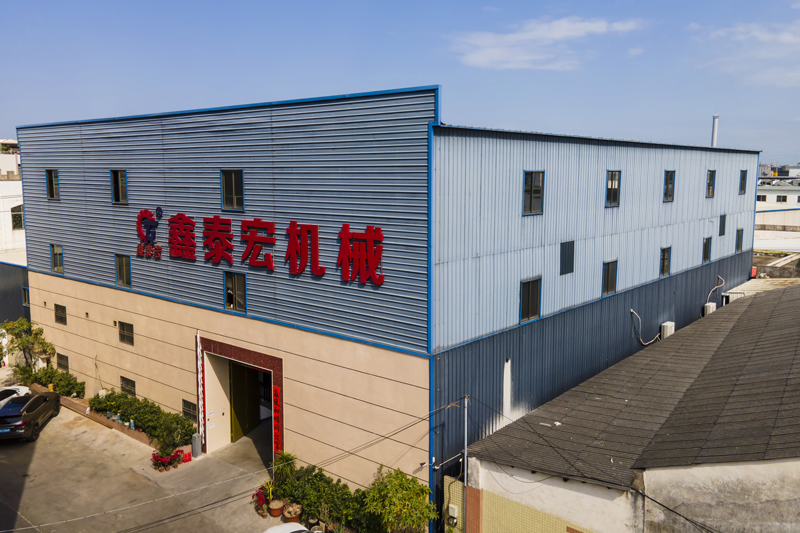
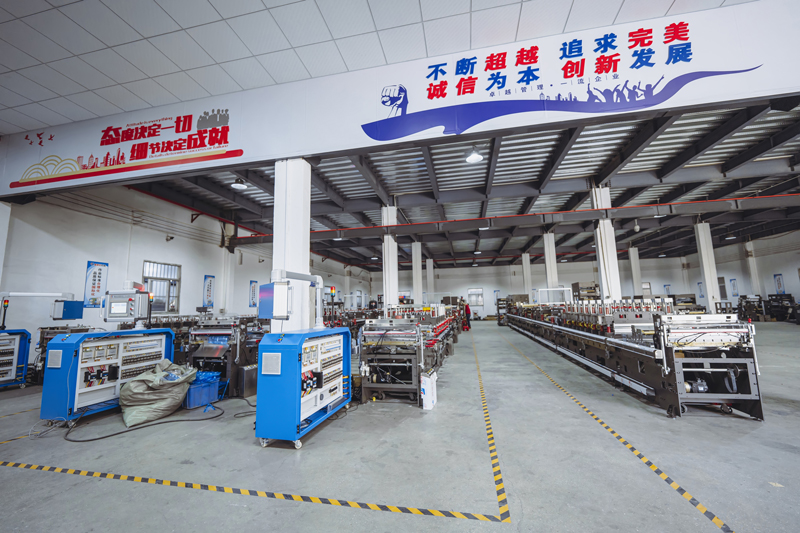
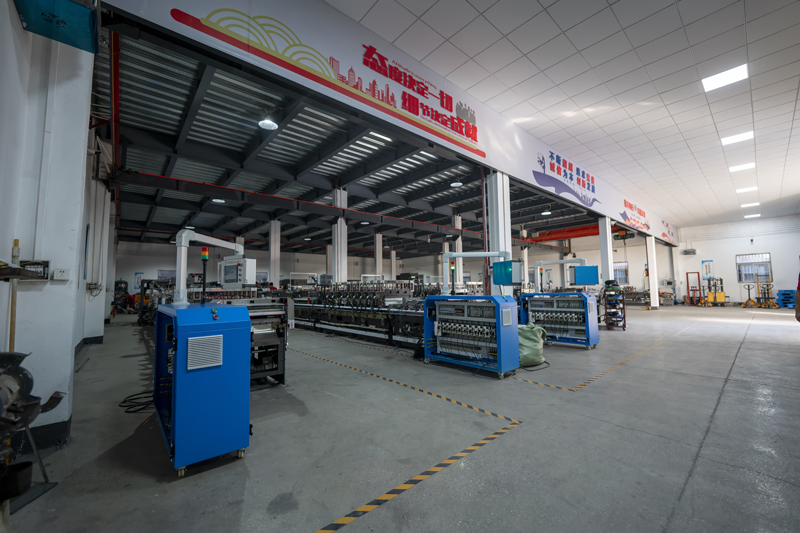
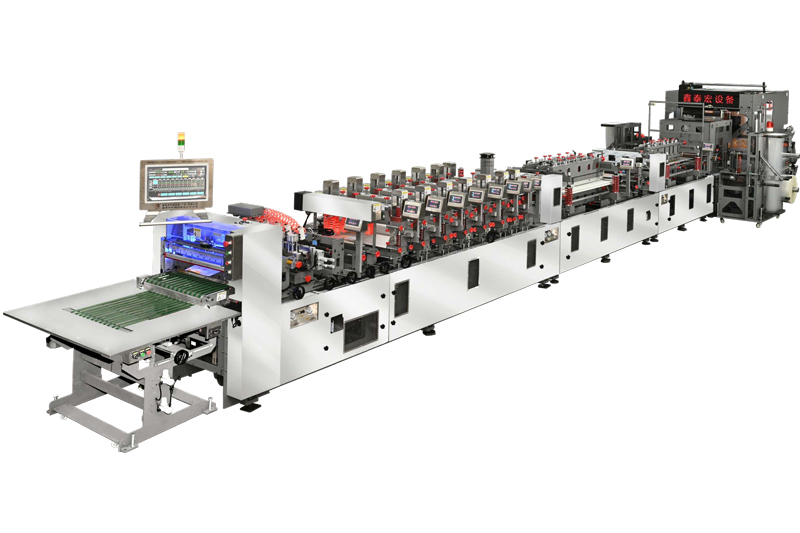
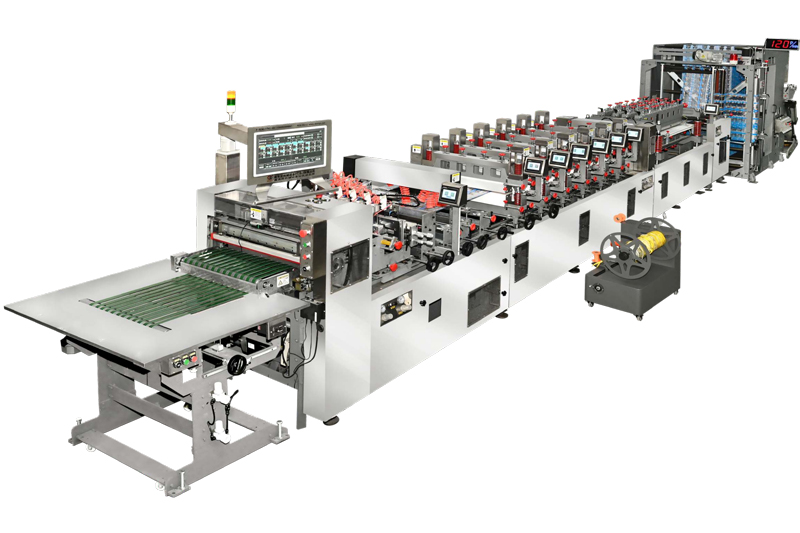
Tour our modern precision machining, assembly, and testing facilities dedicated to world-class pouch converting machinery.
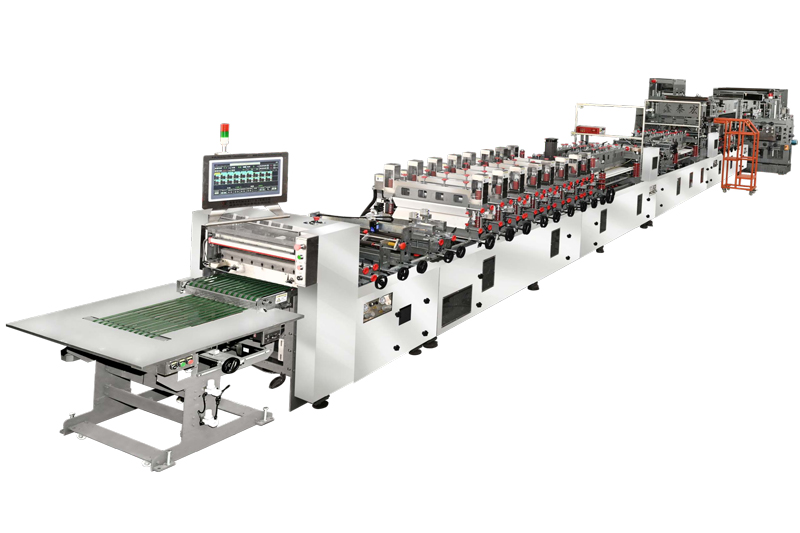
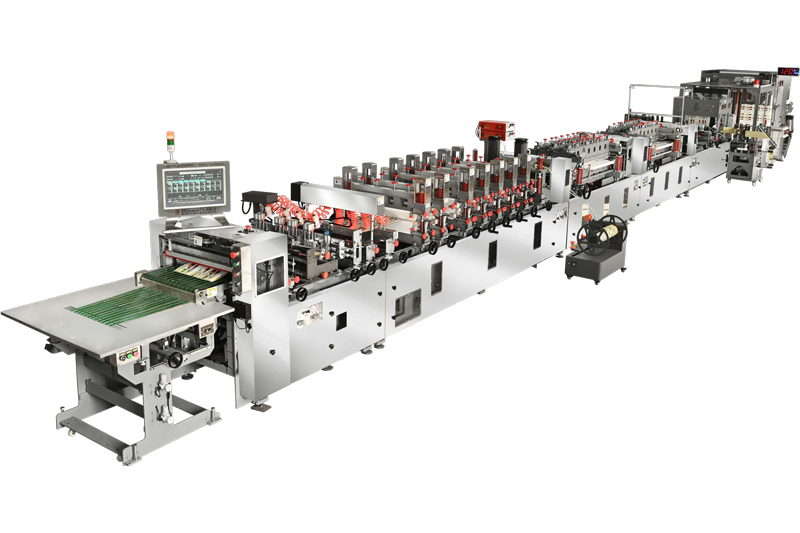
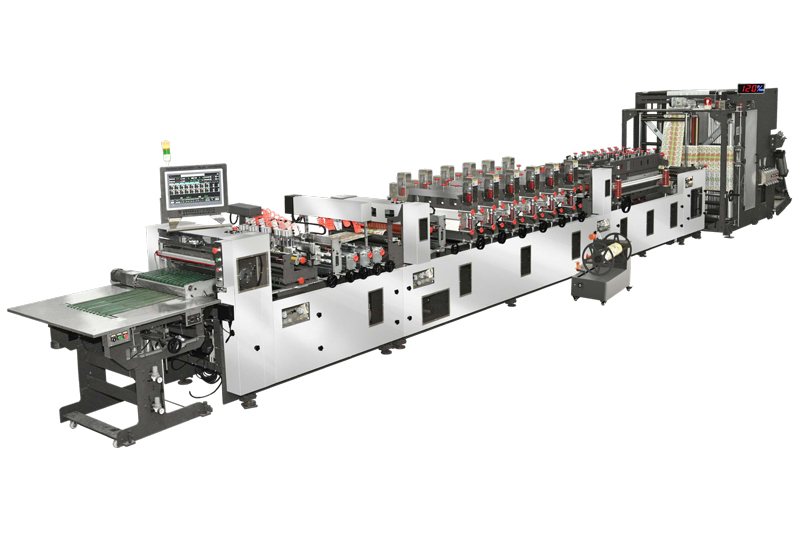
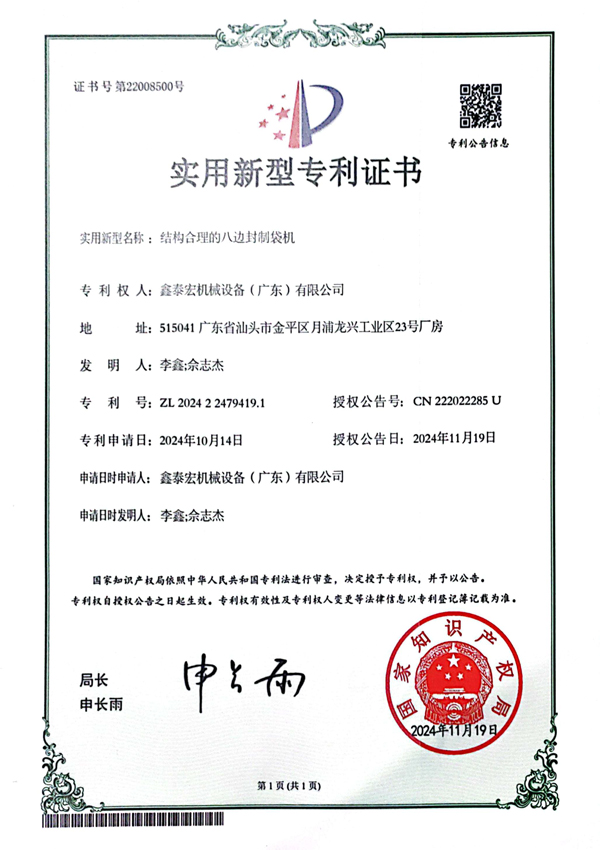
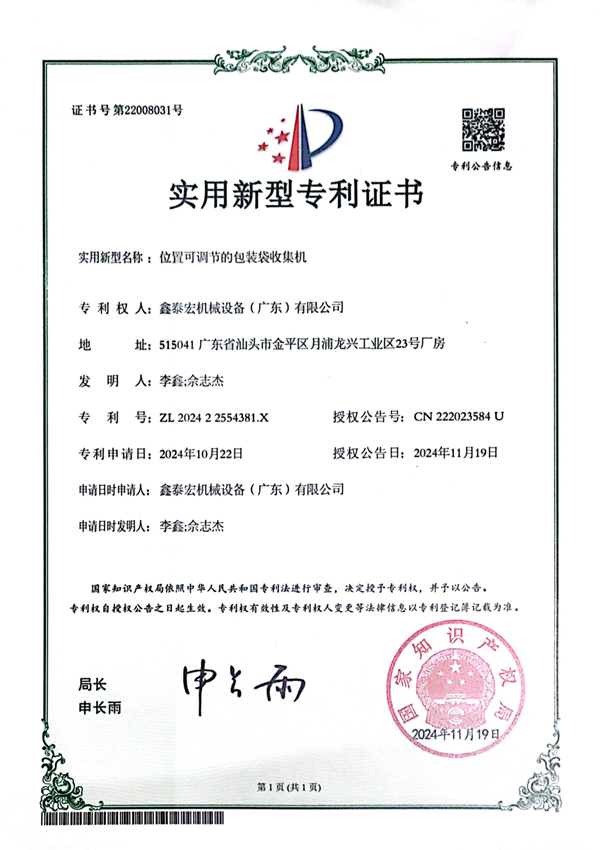
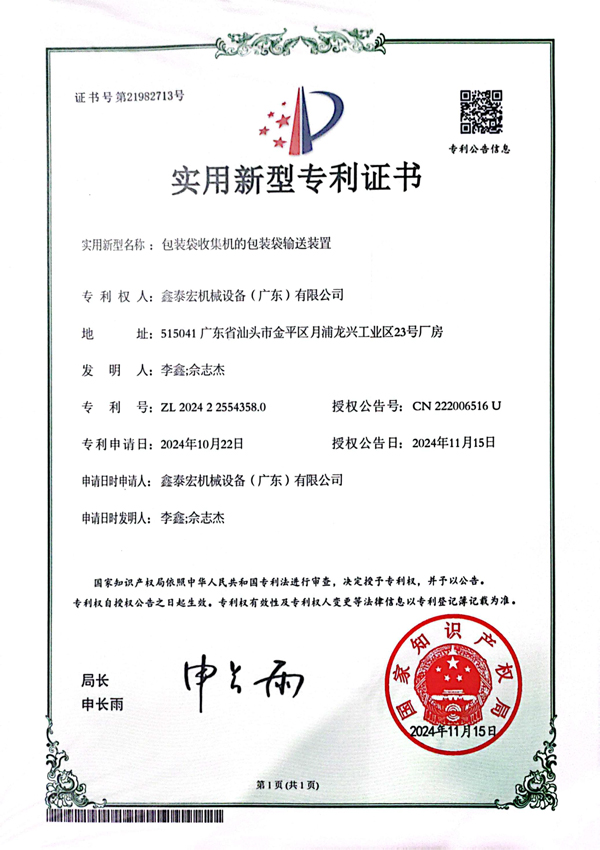
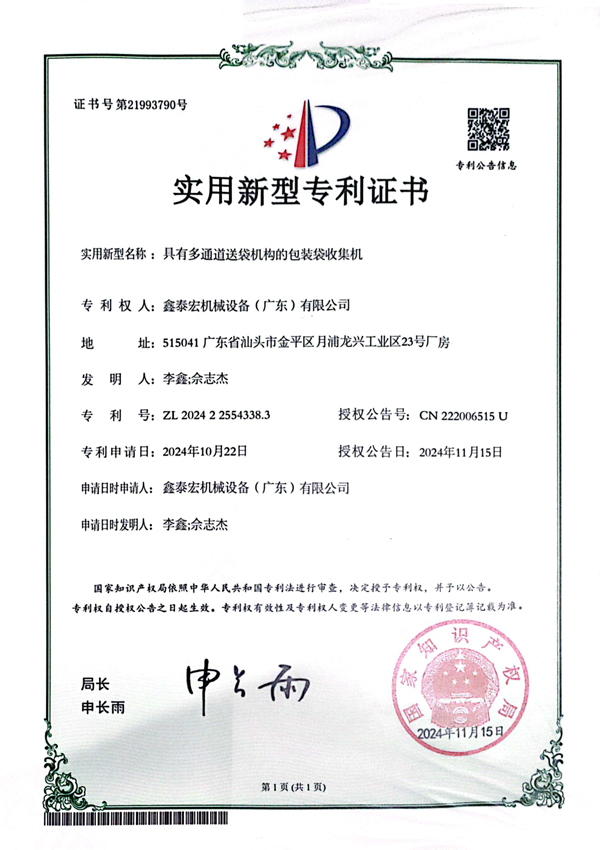
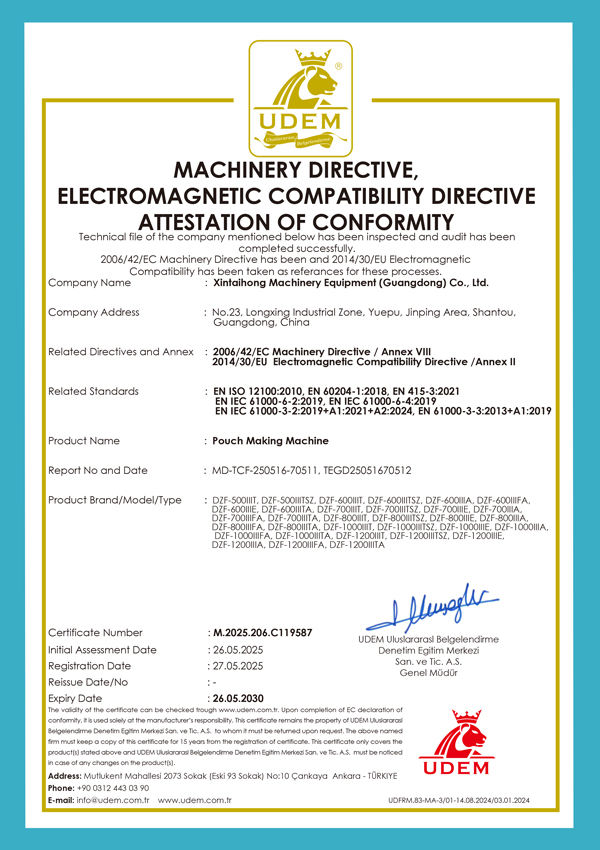
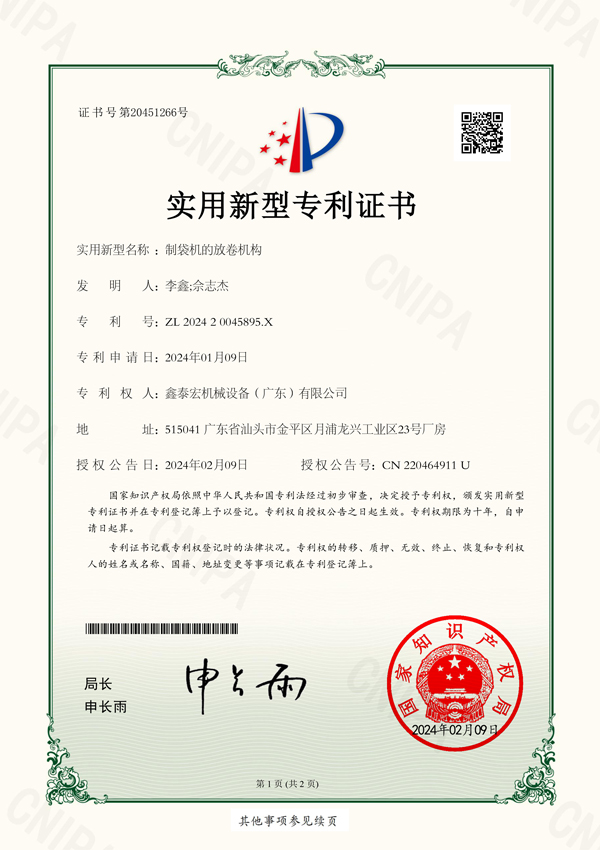
International CE conformity, ISO quality management, and technical compliance validating our machine build quality.
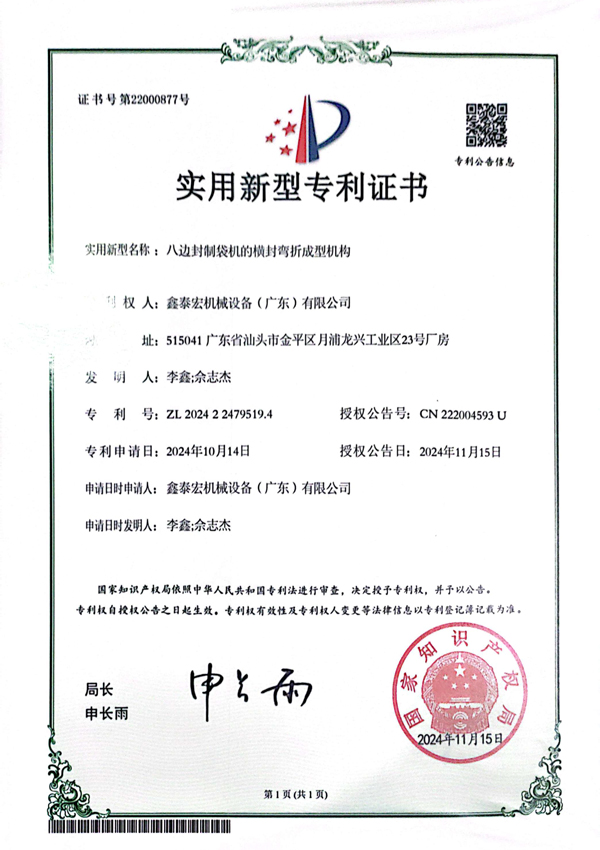
Explore our full 8-unit showcase covering customized sealing modules, high-precision slitting units, and smart automation accessories.