
Leave Your Message
-
Phone
-
E-mail
-
Whatsapp
-
WeChat

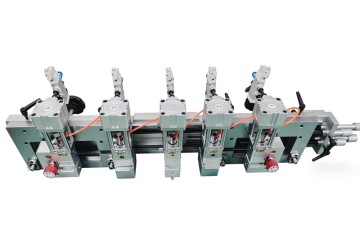
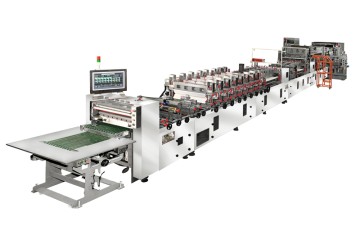
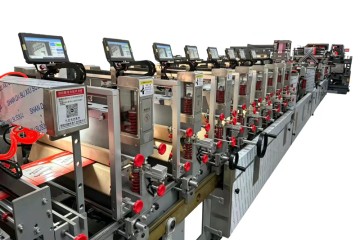
The global beauty and personal care industry is undergoing a massive transformation, driven by consumer preferences for convenience, hygiene, and product trial. Facial mask pouches and cosmetic sample sachets have emerged as pivotal marketing and packaging tools. Once regarded simply as promotional giveaways, sample sachets are now a cornerstone of direct-to-consumer (DTC) beauty campaigns, travel-sized product lines, and premium skincare sets. This shift has placed immense pressure on packaging manufacturers to deploy high-performance pouch machinery for facial mask and cosmetic sample sachet packaging that guarantees efficiency, airtight sealing, and absolute precision.
From a commercial perspective, facial sheet masks require specialized multi-layer laminated barrier films to preserve active ingredients like hyaluronic acid, retinol, and vitamin C. Any exposure to oxygen or moisture will compromise the formula. Consequently, packaging machinery must deliver flawless hermetic seals at high speeds. Furthermore, the cosmetic sample market demands diverse pouch designs—ranging from traditional three-side and four-side seals to sophisticated flat-bottom pouches with zippers and custom-shaped contours. Pouch machinery must adapt to these shifting design requirements without sacrificing operational throughput.
Advanced servo-driven systems ensure stable, high-output production, minimizing cycle times for large-scale cosmetic campaigns.
Multi-zone temperature controls guarantee leak-proof integrity for high-viscosity creams, serums, and liquid essences.
Intelligent camera tracking corrects film deviations in real-time, executing perfect die-cuts for custom-shaped sachets.
In addition, modern cosmetics manufacturing is heavily focused on sustainability. Brands are transitioning from traditional plastic-foil laminates to recyclable mono-materials and paper-based barrier sheets. Modern packaging machinery must feature advanced tension control and precise heat-sealing technologies to handle these thin, heat-sensitive eco-materials without wrinkling or tearing the substrate.
Xintaihong Machinery Equipment (Guangdong) Co., Ltd. (hereinafter referred to as "Xintaihong")



The application of pouch machinery in the beauty sector is highly specialized. Unlike dry food packaging, cosmetic packaging involves complex liquid-solid mixtures, high-viscosity creams, and delicate materials. Here, we analyze the critical application scenarios that define modern cosmetic packaging lines:
Facial sheet masks (non-woven, hydrogel, or bio-cellulose) must be folded, inserted into a pouch, and infused with liquid essence. The packaging machine must work in tandem with folding units to ensure the mask is placed neatly inside without folding defects. The liquid-filling stage requires anti-drip nozzles and vacuum sealing to prevent essence from contaminating the sealing area. Contaminated seals lead to micro-leaks, which cause the mask to dry out and render the product useless. Xintaihong's multi-functional three-side and four-side sealing machines feature advanced liquid dosing integration that ensures clean, airtight seals every time.
A growing trend in skincare is the isolation of active ingredients. Dual-chamber pouches keep two formulations separate (e.g., a dry sheet mask in one chamber and a fresh vitamin C serum in the other) until the consumer ruptures the internal seal before use. This requires precise multi-lane filling and differential heat-sealing. The machine must apply a lower temperature to the internal barrier seal (allowing it to break under pressure) and a higher temperature to the outer perimeter seals to prevent external leakage. Xintaihong's advanced electronic shaft flat-bottom pouch machinery provides the micro-precision temperature control needed to execute these complex configurations.
Cosmetic samples are designed to mimic the shape of full-sized retail bottles or jars to build brand recognition. Punching out these custom shapes at high speeds requires specialized heavy-duty cutting dies. The primary challenge is maintaining alignment between the printed design on the film and the cutting tool. This is where CCD Vision Punching Units become indispensable. By capturing real-time images of the printed registration marks, the camera-guided system adjusts the cutting tool's position dynamically, achieving sub-millimeter punching accuracy and eliminating off-center errors.
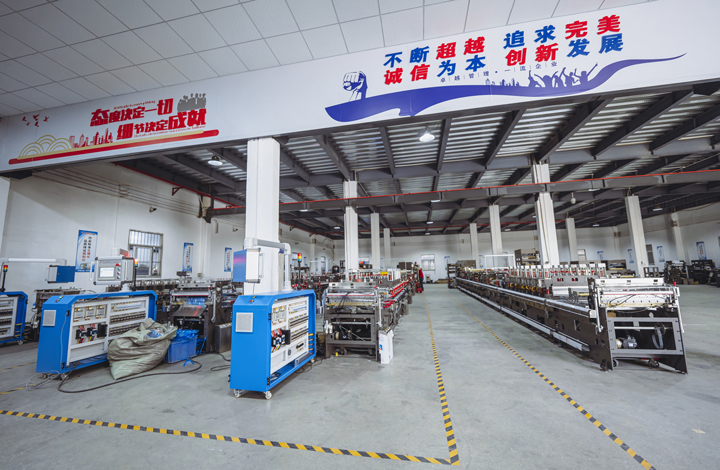

Welcome To Learn About Our Company
Manufacturing cosmetic sachets and facial mask pouches involves mechanical, thermal, and chemical complexities. Addressing these challenges requires high-end engineering, robust automation, and intelligent software integration.
Flexible packaging films are composed of multiple laminated layers (e.g., PET/AL/PE or PET/NY/PE). Each material has a different thermal expansion rate. During high-speed heat sealing, uneven heating can cause the film to warp, wrinkle, or delaminate. Xintaihong addresses this by integrating multi-axis servo systems that maintain precise tension control across the entire web line. Digital temperature controllers monitor the heating bars, ensuring a uniform thermal distribution that creates clean, flat, and aesthetically perfect seals.
Cosmetic essences vary wildly in viscosity—from watery toners to thick clay masks and sticky creams. The dosing system must be highly flexible. It must prevent dripping (which ruins the seal) and foaming (which introduces oxygen). Modern pouch machinery incorporates positive-displacement rotary pumps or piston fillers with suck-back nozzles. These systems cut off the fluid flow cleanly, ensuring zero contamination of the seal zone and keeping the sachet exterior immaculate.
As shaped pouches become the standard for luxury skincare samples, traditional mechanical die-cutters are no longer sufficient. Mechanical drift, film stretching, and slippage can cause cutting misalignment. A CCD Vision Punching Unit resolves this by utilizing high-resolution cameras that scan the registration marks on the moving web. The system's controller calculates any position deviation in milliseconds and signals the servo-driven punching head to adjust its position. This real-time correction ensures that every single sachet is cut perfectly, reducing material waste and preventing costly product recalls.
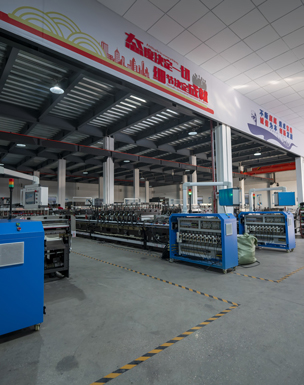
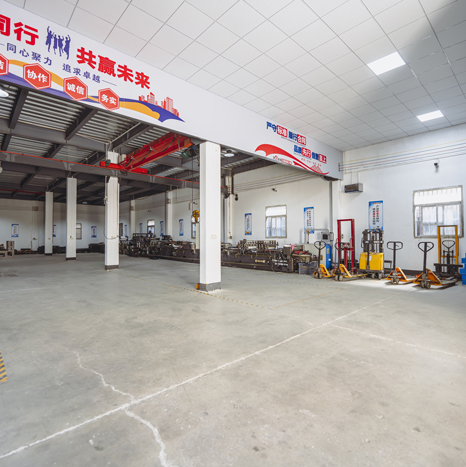
Xintaihong Machinery (Guangdong) is among China’s Top 5 suppliers of bag-making equipment, with eight-side sealing machinery as our flagship specialty. Drawing on over fifteen years of R&D experience and technical accumulation, our machines serve more than 500 clients globally and are exported to over a dozen countries, with over 2,000 units operating stably worldwide. The packaging machinery independently developed and manufactured by our company reaches domestically leading technical standards. It has won widespread acclaim from customers for stable operation, high production speed and low noise output.
of experience


The cosmetic packaging sector is evolving rapidly. Forward-thinking manufacturers must anticipate technological and regulatory shifts to remain competitive. Below are the key trends shaping the future of pouch-making machinery:
As global regulations tighten around single-use plastics, cosmetic brands are committing to recyclable, bio-based, or paper-laminated packaging. However, mono-materials (like pure PE or PP) have a narrow sealing temperature window and are prone to stretching. Next-generation pouch machinery features highly responsive thermal sealers and ultra-precise tension controllers that handle sustainable films without compromising on seal strength or production speed.
Modern production facilities require complete digital transparency. Advanced pouch-making machines are now equipped with IoT gateways, enabling operators to monitor seal temperatures, motor torque, and throughput in real-time. Predictive maintenance software analyzes this data to identify wear on cutting dies or heating elements before a breakdown occurs, minimizing unexpected downtime and optimizing overall equipment effectiveness (OEE).
To meet the soaring demand for promotional samples, manufacturers are shifting from single-lane to multi-lane pouch machines. These systems can process up to 4 or 6 lanes simultaneously, producing hundreds of sachets per minute. Maintaining consistent tension, alignment, and liquid dosing across multiple lanes requires highly synchronized servo-motor architectures, which Xintaihong continues to refine in its latest equipment designs.