Leave Your Message
-
Phone
-
E-mail
-
Whatsapp
-
WeChat

Explore our premium packaging solutions engineered specifically for high-speed snack and dry food flexible packaging lines.
The global snack and dry food sectors are experiencing unprecedented growth, driven by shifting consumer lifestyles, urbanization, and a rising preference for single-serve, convenient, and shelf-stable products. Flexible packaging has emerged as the clear winner in this dynamic market, steadily replacing traditional rigid formats like glass jars, metal cans, and rigid plastic tubs. For manufacturers, the transition to flexible packaging is not merely a marketing trend—it is a strategic decision that delivers substantial cost savings, reduces carbon footprints, and enhances logistics efficiency.
At the center of this transition is the demand for advanced pouch machinery for high-speed snack and dry food flexible packaging. Modern processing facilities require packaging systems that can keep pace with fast-operating upstream processing lines while handling delicate, high-barrier laminates. The challenges are complex: maintaining hermetic seal integrity at high cycle rates, integrating resealable closures (such as zippers or sliders), ensuring perfect graphic alignment, and handling diverse pouch shapes—ranging from standard stand-up pouches to premium flat-bottom (box) pouches.
To achieve high-speed production without sacrificing quality, modern pouch machinery utilizes state-of-the-art automation and motion control technologies. Traditional mechanical drive systems, which rely on complex gearboxes, chains, and cams, are increasingly replaced by electronic shaft (servo-driven) systems. These electronic shaft systems allow for independent control of each processing station—unwinding, folding, gusseting, zipper insertion, sealing, punching, and cutting—resulting in unparalleled precision and flexibility.
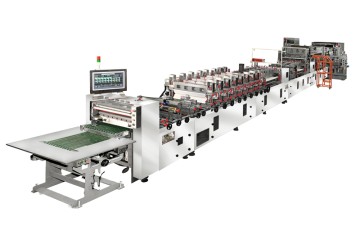
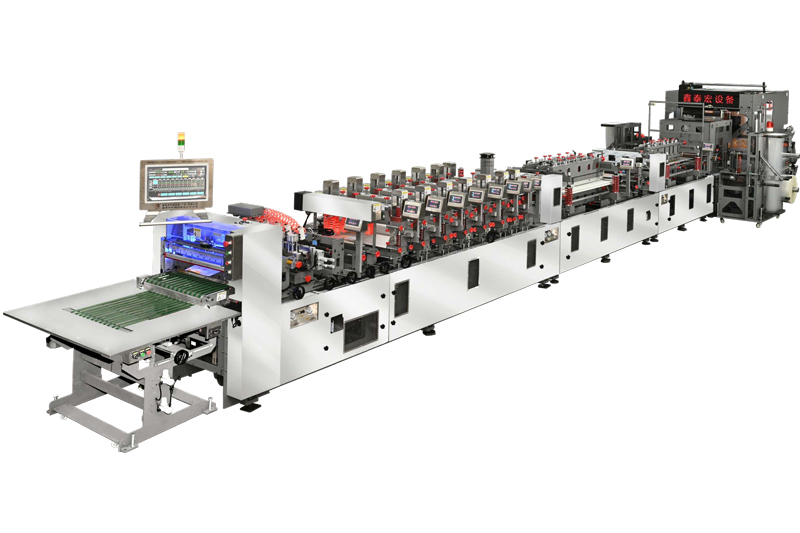
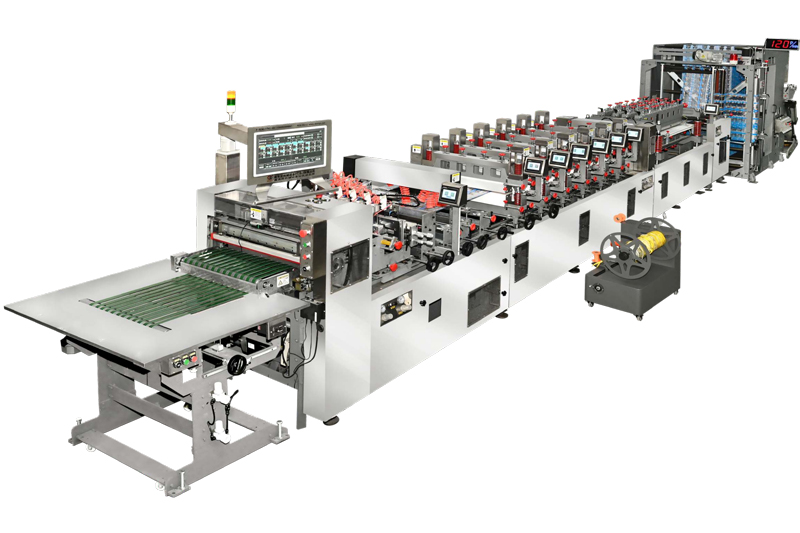
In machines like the DZF-600-1200ⅢE Vision Electronic Shaft Auto Slitter Flat bottom Pouch Machine, the integration of multi-axis servo control systems eliminates mechanical backlash. This allows for instantaneous adjustments to tension, seal time, and temperature based on real-time feedback from inline sensors. For dry food manufacturers processing variable film thicknesses, this technology ensures that tension remains constant throughout the entire unwind-to-rewind process, preventing stretching, wrinkling, or misaligned seals.
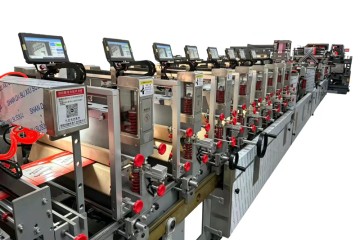
High-speed flexible packaging lines operate at speeds where human inspection is impossible. A minor misalignment in the printed film or a slight deviation in the punching position can result in thousands of wasted pouches. The integration of CCD Vision Punching Units solves this problem by utilizing high-resolution cameras that capture images of the film at speeds of hundreds of frames per second.
The heat-sealing phase is the most critical step in flexible packaging. Snacks and dry foods, such as potato chips, nuts, and powdered mixes, are highly sensitive to moisture and oxygen. The sealing bars must apply precise pressure, temperature, and dwell time to create a perfect barrier. Modern pouch machinery utilizes advanced PID temperature controllers and segmented heating zones to ensure even heat distribution across the seal area, preventing burn-through on thin films and ensuring complete seal fusion on thick, multi-layer laminates.
Different snacks and dry foods present unique packaging challenges. A one-size-fits-all approach is insufficient. High-performance pouch machinery must be customized to handle the specific physical and chemical characteristics of the product being packaged.
Salty snacks are highly susceptible to oxidation and staling. The packaging film typically features a metallized barrier layer (such as BOPP/VM-PET/PE). The pouch machinery must handle these high-barrier materials gently to prevent micro-cracking of the barrier layer. Furthermore, because these products are lightweight and high-volume, they require gas flushing (usually nitrogen) to displace oxygen. The sealing system must handle the presence of nitrogen while maintaining high-speed throughput and airtight seals.
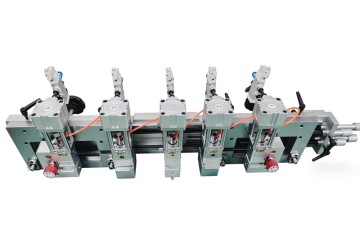
Nuts and dried fruits are heavy and abrasive. They require robust pouch designs, such as stand-up pouches or flat-bottom pouches with durable zippers. The machinery must be capable of processing thick, high-strength films and applying heavy-duty zippers. The zipper insertion unit must seal the zipper profile securely to the inner lining of the pouch without creating thick, unsealable points at the side gussets—a common point of failure in low-quality packaging machinery.
Dry powders, such as flour, starch, cocoa, and spices, generate dust during the filling process. If dust contaminates the sealing area, it will prevent a secure seal, leading to leaks and product spoilage. Pouch machinery for powders must feature dust-extraction systems at the sealing station and utilize ultrasonic sealing technology or specialized heat-sealing profiles that push dust particles out of the seal area during the compression cycle.
The pet food market has rapidly adopted large flat-bottom pouches with side gussets and slider zippers. These heavy pouches (often ranging from 2kg to 15kg) require exceptional structural strength. Pouch machinery for this segment must be engineered with heavy-duty mechanics, capable of handling wide film webs, forming deep side gussets, and applying robust zipper profiles that can withstand the weight of the product during transport and handling.
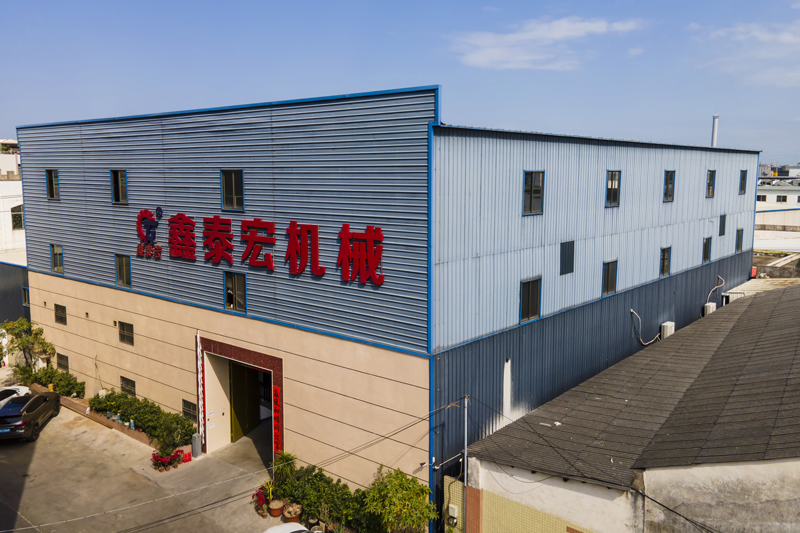
Take a virtual tour of our manufacturing facility and see where our high-speed pouch machinery is engineered and assembled.
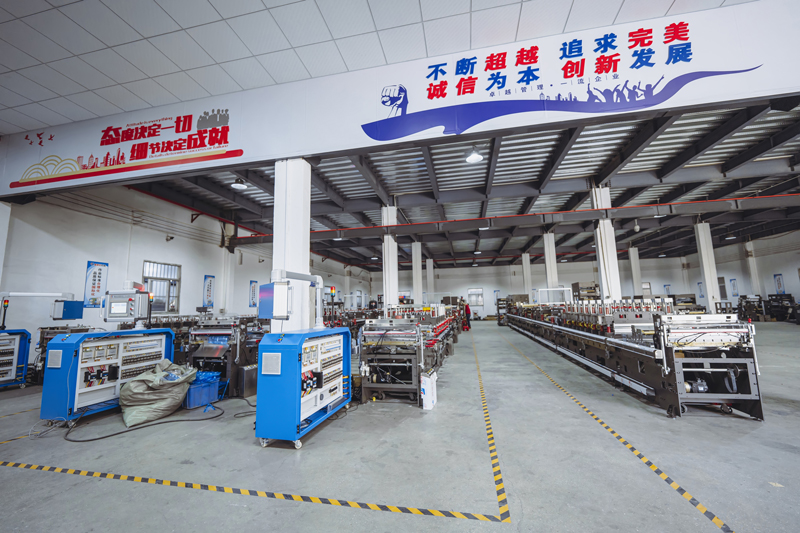
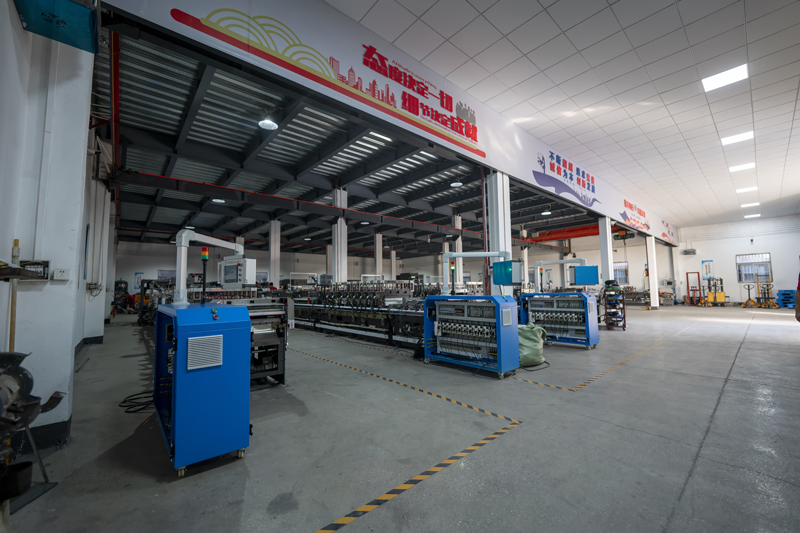
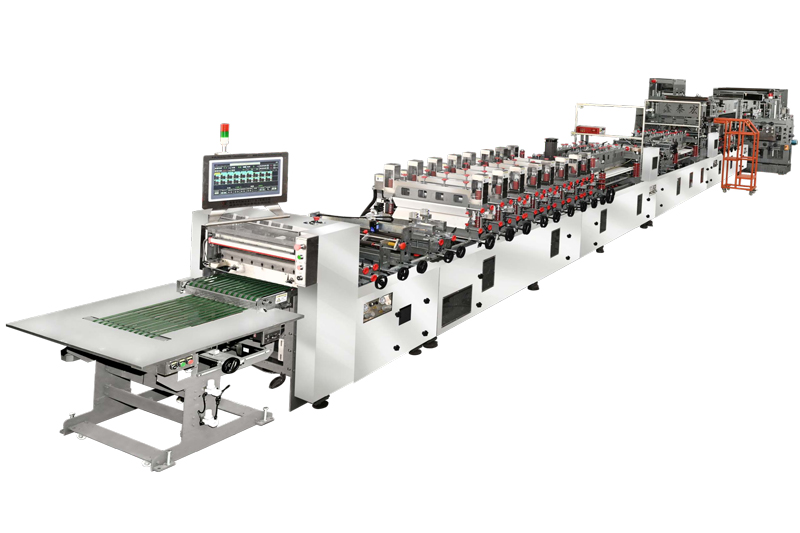
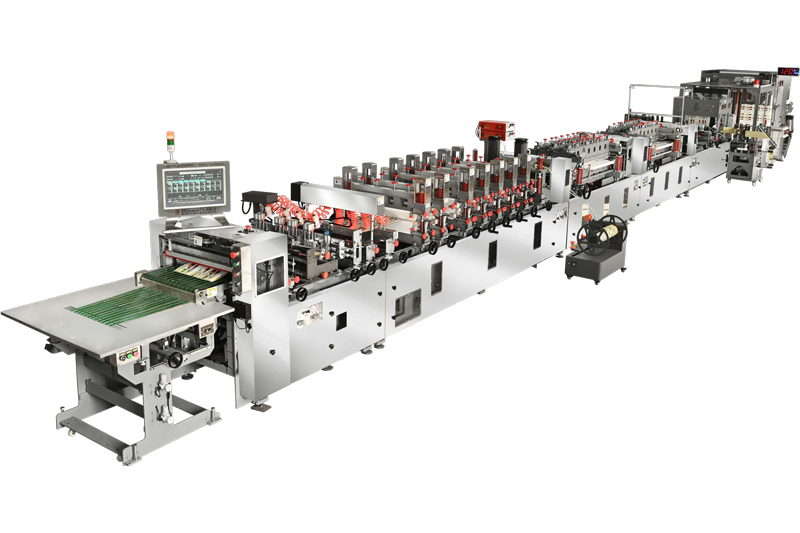
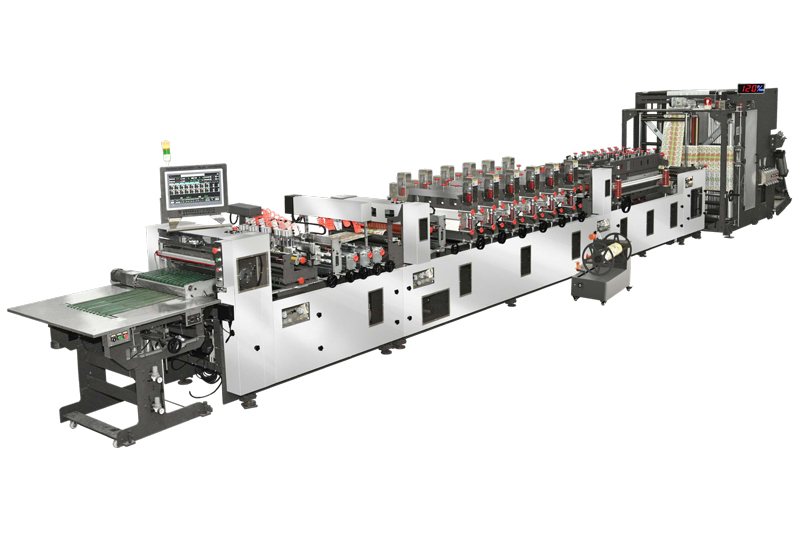
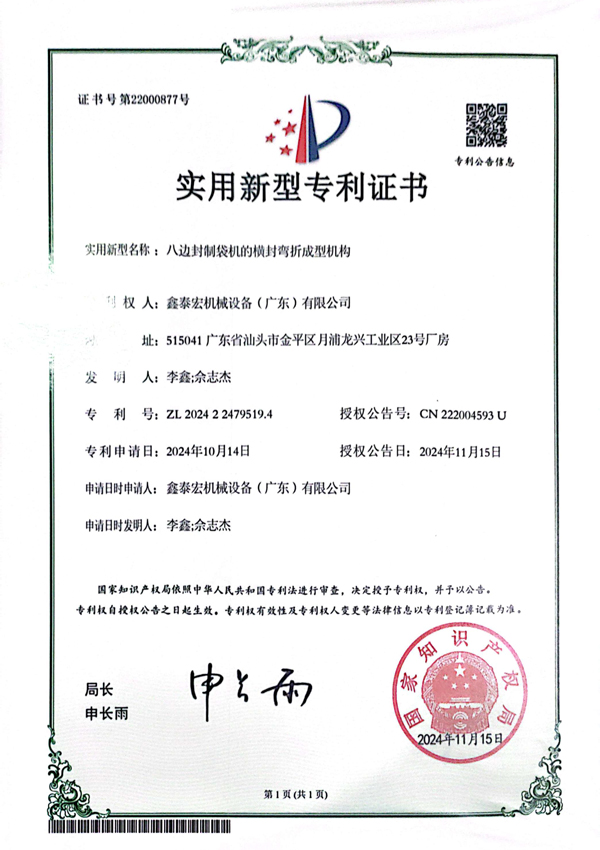
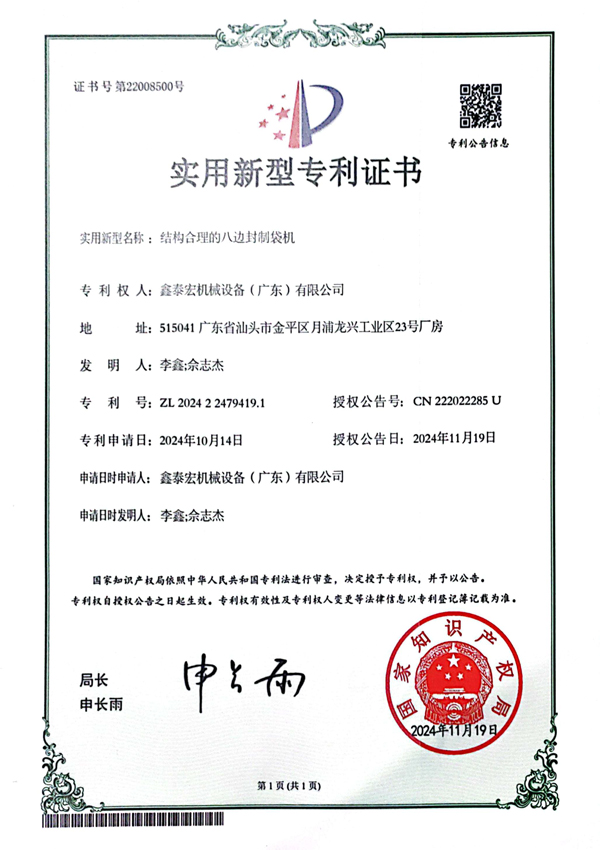
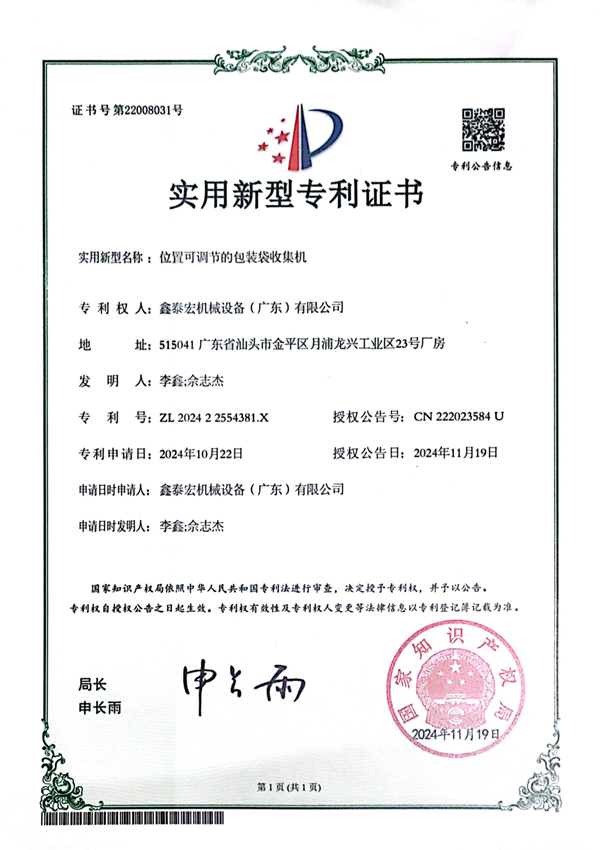
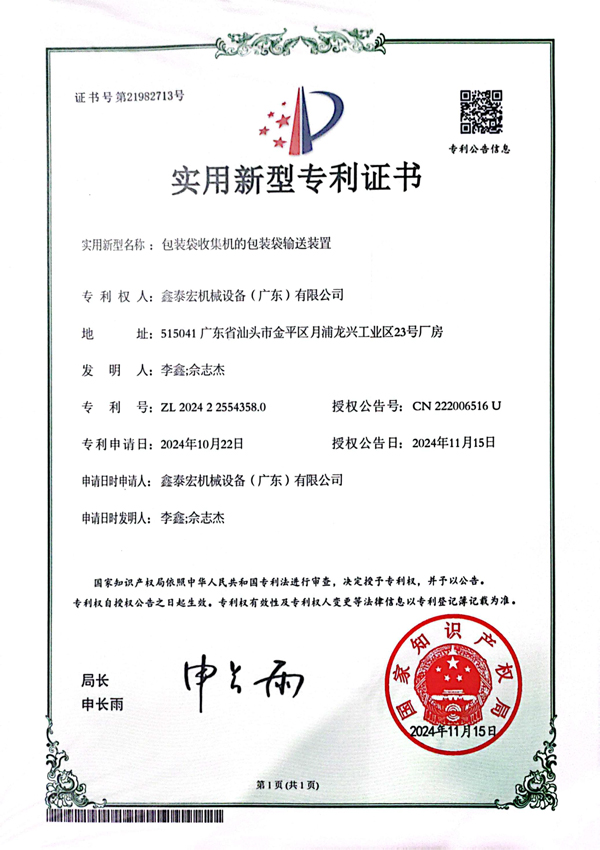
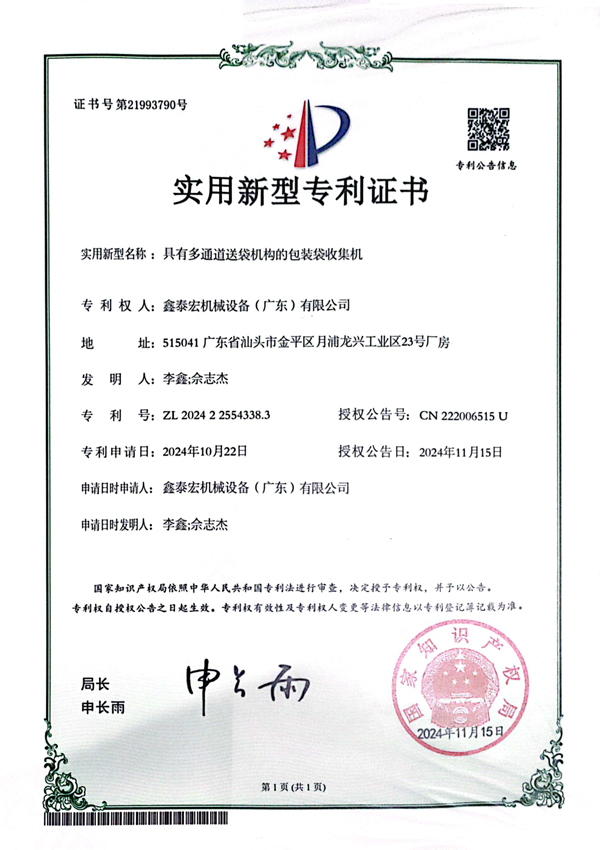
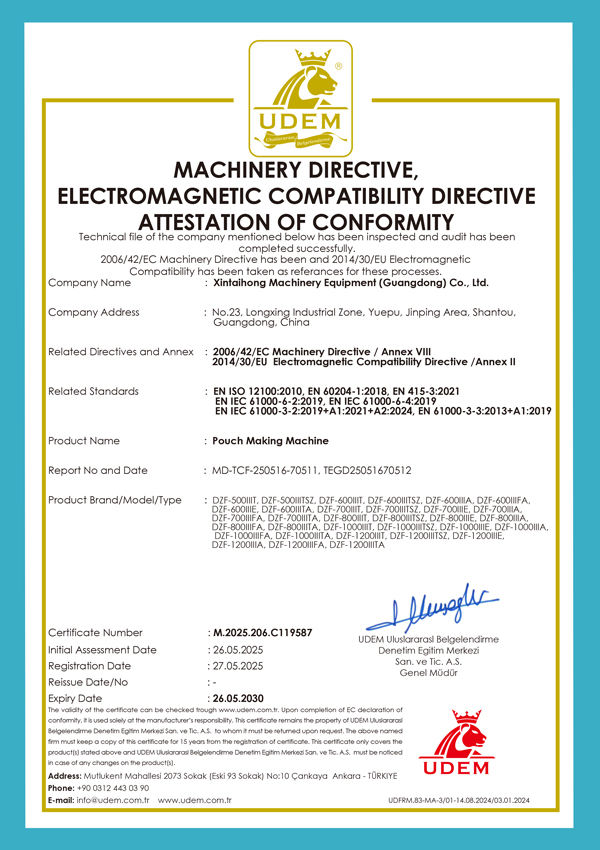
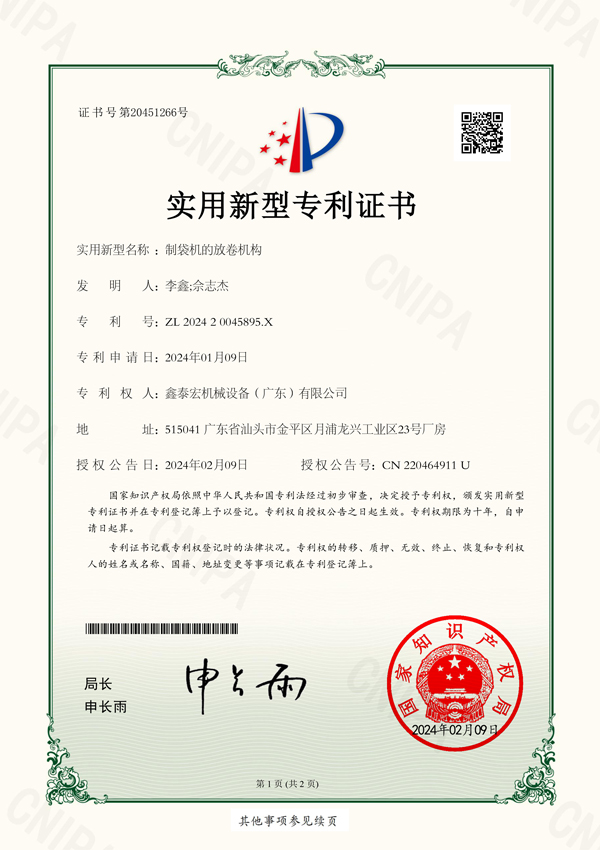
Our commitment to excellence is backed by international certifications, ensuring safety, reliability, and precision.
As we look to the future, the integration of Industry 4.0 concepts, artificial intelligence, and advanced eco-friendly materials will define the next generation of pouch machinery. Manufacturers who adopt these technologies early will achieve significant competitive advantages in operational efficiency and sustainability.
Modern high-speed packaging lines cannot afford unscheduled downtime. Future pouch machines will feature integrated sensor arrays that continuously monitor vibration, motor temperature, and actuator speed. AI algorithms will analyze this data to predict component wear and schedule maintenance before a breakdown occurs. Furthermore, self-diagnostic systems will automatically adjust machine parameters (such as sealing pressure or film tension) to compensate for minor variations in raw materials, reducing operator intervention.
The transition to recyclable mono-materials (such as all-PE structures) and paper-based barriers presents major challenges for traditional heat-sealing systems. Mono-materials have a narrow sealing window, meaning that even small temperature fluctuations can cause the film to melt or fail to seal. Paper-based materials, on the other hand, require longer dwell times and different folding techniques. Future pouch machinery will feature highly responsive heating elements and specialized folding tools designed to handle these sustainable substrates at high speeds.
With the rise of e-commerce and personalized consumer demands, packaging lines must handle a wider variety of pouch sizes and styles. Modular machinery designs allow operators to swap out forming collars, sealing bars, and punching units in minutes, rather than hours. Quick-change tooling, combined with digital recipe recall on the HMI (Human-Machine Interface), ensures that transitioning from a standard stand-up pouch to a zippered flat-bottom pouch is seamless and error-free.
Discover our comprehensive selection of high-speed pouch machinery and auxiliary units designed to optimize your production efficiency.