Leave Your Message
-
Phone
-
E-mail
-
Whatsapp
-
WeChat

Engineered for high-stress hardware environments, delivering unmatched precision, speed, and structural integrity.
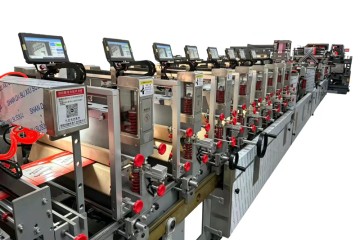
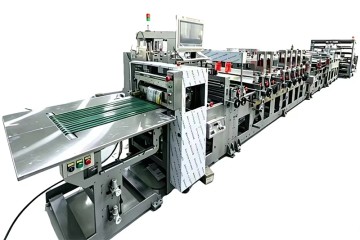
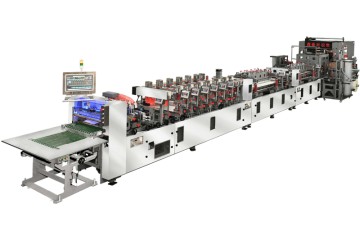
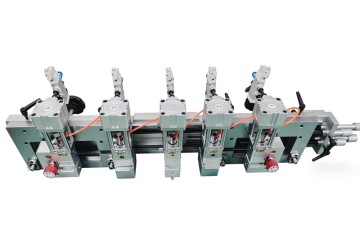
In the modern manufacturing landscape, the packaging of industrial hardware, fasteners, and small electronic components has transitioned from simple containment to a highly technical, automated process. Polypropylene (PP) packaging stands at the forefront of this shift. As global supply chains demand greater durability, cost-efficiency, and sustainability, the role of high-performance PP bag making machines has become paramount. This article explores the commercial realities, technological innovations, and deep application scenarios of PP bag making machinery in the hardware and small components packaging sectors.
Eliminating mechanical wear and backlash, multi-axis servo electronic shaft systems ensure micro-millimeter cutting accuracy and consistent sealing pressure under high-speed operation.
Smart camera alignment inspects and adjusts print positioning, punching coordinates, and seal integrity in real-time, drastically reducing material waste.
Engineered to process modern, recyclable mono-material PP and thin-gauge high-strength films without sacrificing pouch structural integrity.
Industrial hardware—ranging from heavy steel bolts, brass fittings, and sharp self-tapping screws to delicate micro-chips and automotive relays—poses unique challenges for flexible packaging. Historically, these items were packed in rigid boxes or low-grade polyethylene (PE) bags. However, PP bags have emerged as the industry standard due to their high tensile strength, exceptional puncture resistance, and crystal-clear transparency. This transparency is crucial for inventory management, allowing automated barcode scanning and visual verification without opening the package.
From a commercial perspective, manufacturers face rising labor costs and demands for faster throughput. Manual packing is no longer viable for high-volume operations. Integrating a specialized, automated PP bag making machine directly into the production line allows manufacturers to transition to just-in-time (JIT) packaging, reducing storage space for pre-made bags and lowering overall packaging material costs by up to 30%.
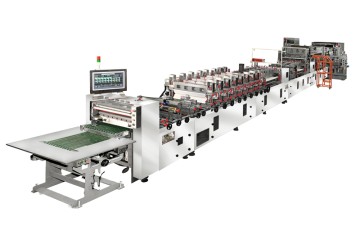
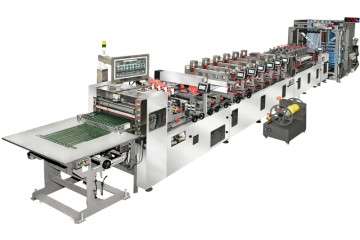
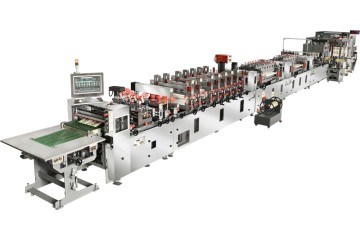
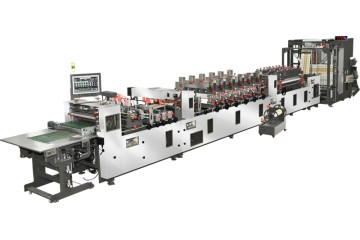
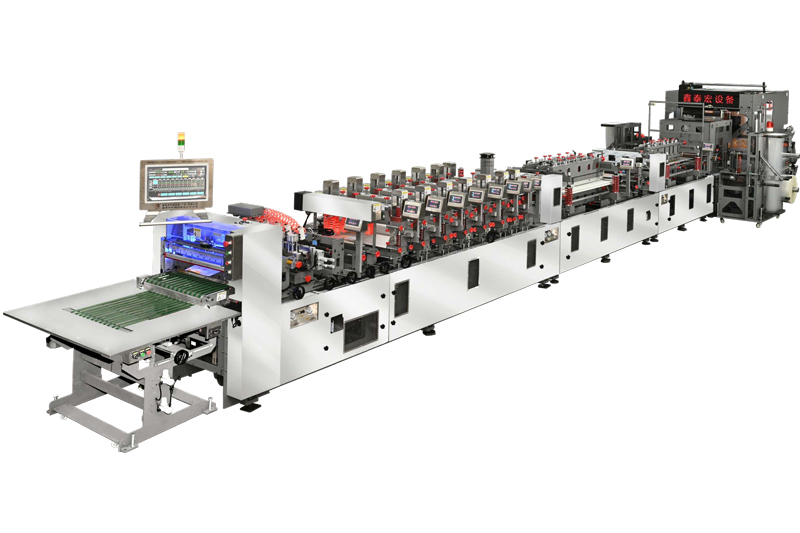
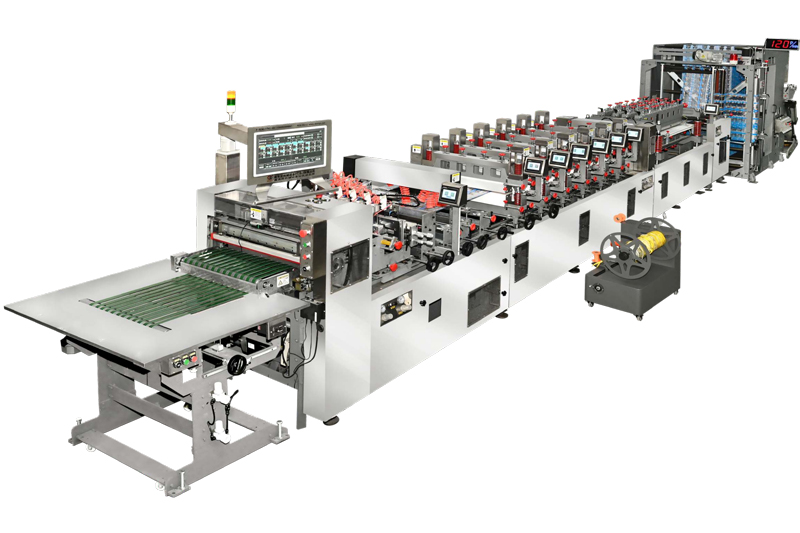
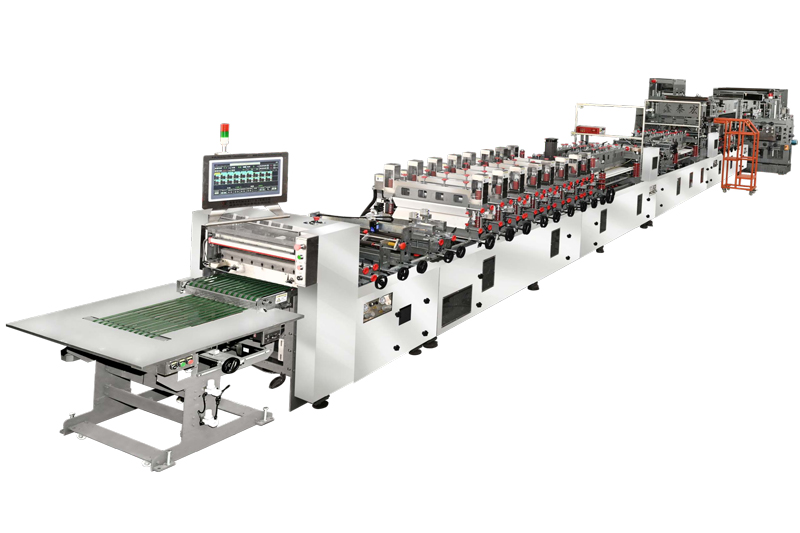
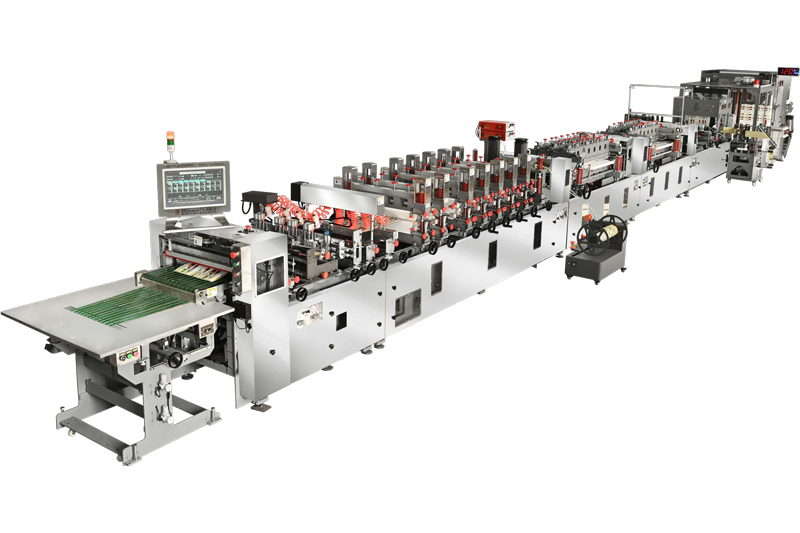
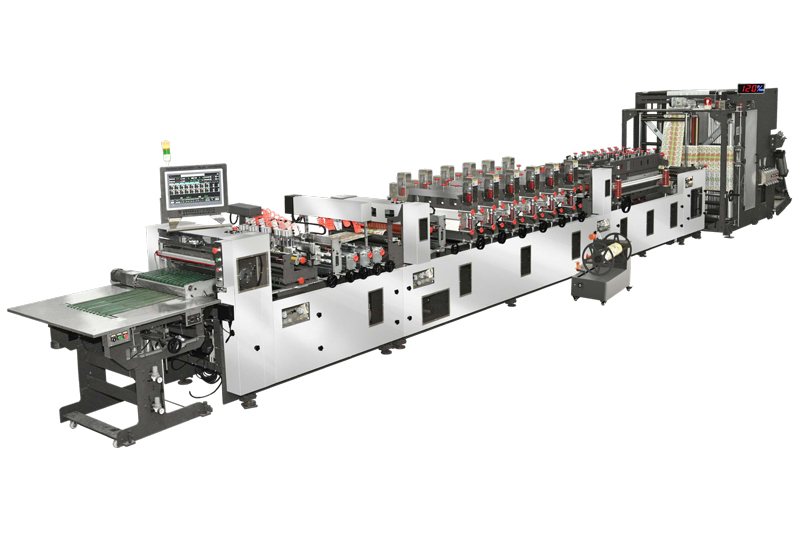
For heavy, sharp items like nails, bolts, and industrial rivets, structural integrity is the primary concern. Standard bags easily tear, leading to product loss and shipping hazards. Modern PP bag making machines resolve this by utilizing reinforced heavy-gauge laminated films and executing robust center-seal or three-side seal configurations. By utilizing machines like the DZF-600-800IIIT Center Sealing Bag Making Machine, factories can produce high-strength bags capable of holding up to 5kg of metal hardware without seam failure.
Automotive components, such as rubber O-rings, fuel injector nozzles, and sensor assemblies, require packaging that prevents contamination from dust, moisture, and oils. Stand-up zipper pouches are particularly popular here. They allow mechanics to open the bag, retrieve the required component, and reseal the remaining parts to keep them clean. The integration of bottom-insertion stand-up zipper pouch makers ensures these bags can stand upright on warehouse shelves, optimizing storage space and presentation.
Delicate micro-components require anti-static (ESD) properties and highly precise bag dimensions to fit into automated pick-and-place feeders. In this sector, the precision of the cut and seal is non-negotiable. Machines equipped with CCD Vision Punching Units and electronic shaft controls provide the micro-level accuracy required to produce small-format pouches with integrated hang holes, tear notches, and anti-static coatings, ensuring the components remain undamaged during transit.
Environmental regulations are forcing a shift away from multi-material laminated films (such as PET/PE or PET/AL/PE), which are notoriously difficult to recycle. The packaging industry is rapidly adopting mono-material PP structures (such as BOPP/CPP laminates). These structures are fully recyclable within existing PP streams. However, mono-PP films have a narrower sealing temperature window and are prone to stretching under tension. The latest generation of PP bag making machines utilizes highly sensitive, closed-loop tension control systems and precise digital temperature controllers to process these eco-friendly films at high speeds without deformation or burn-through.
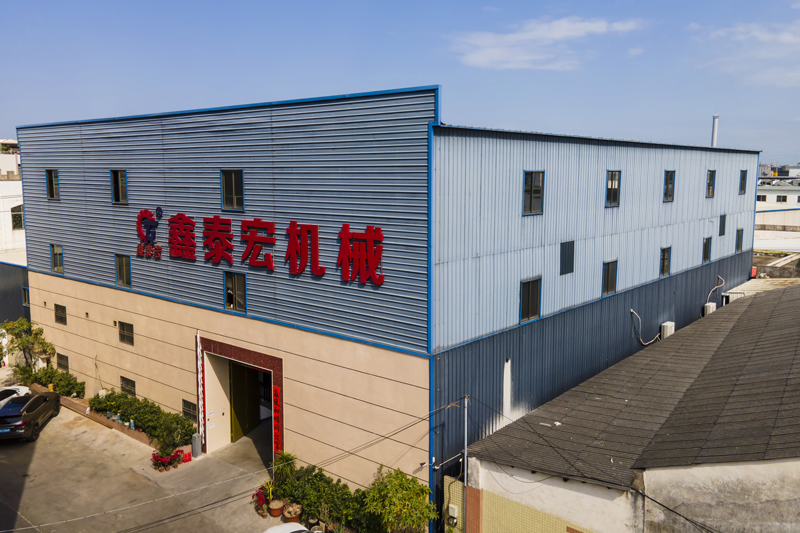
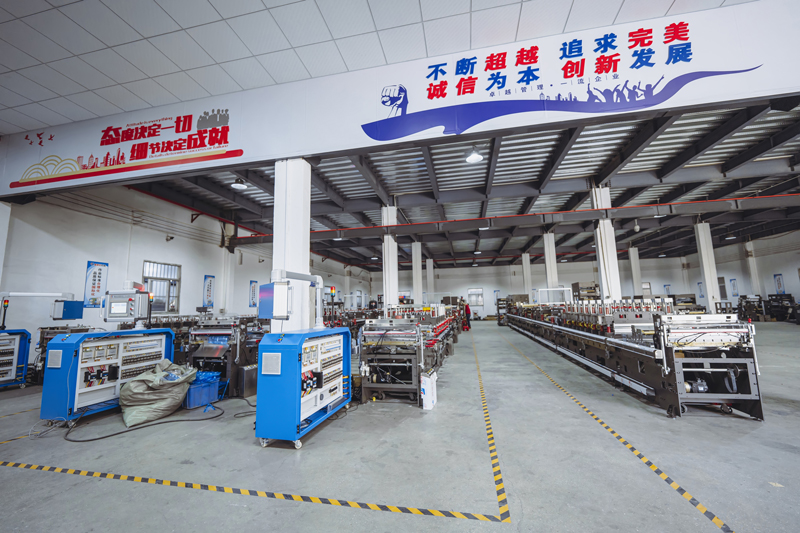
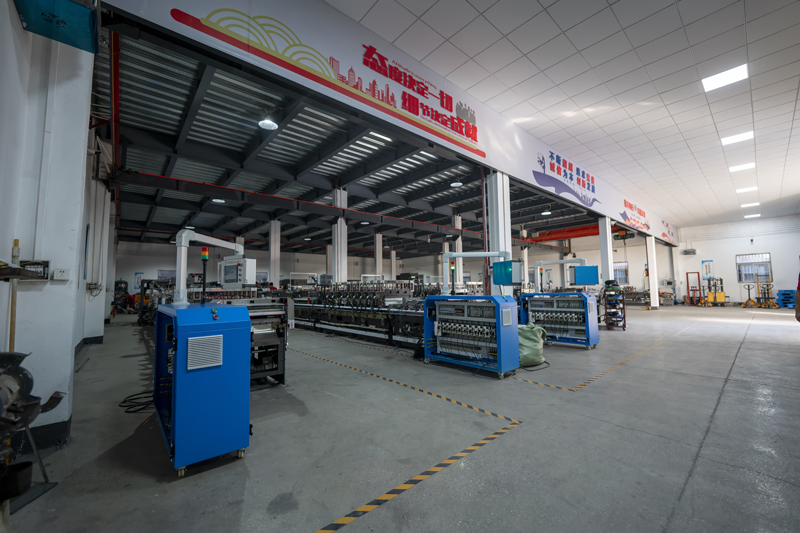
Explore our state-of-the-art production facility where precision engineering meets advanced assembly technologies.
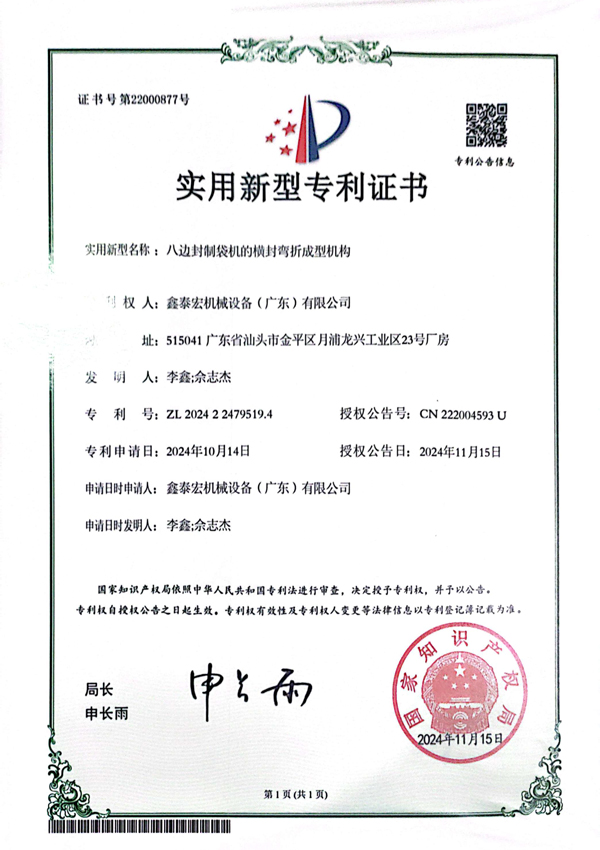
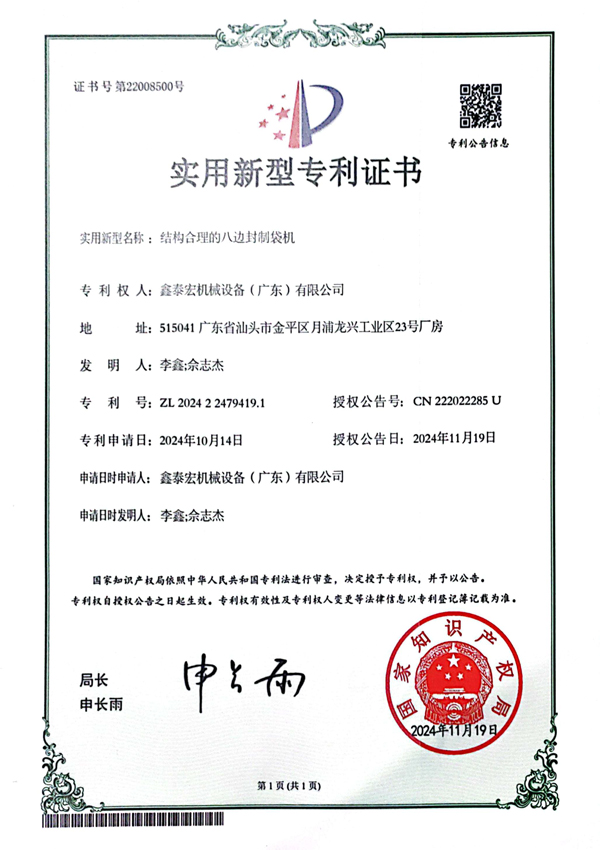
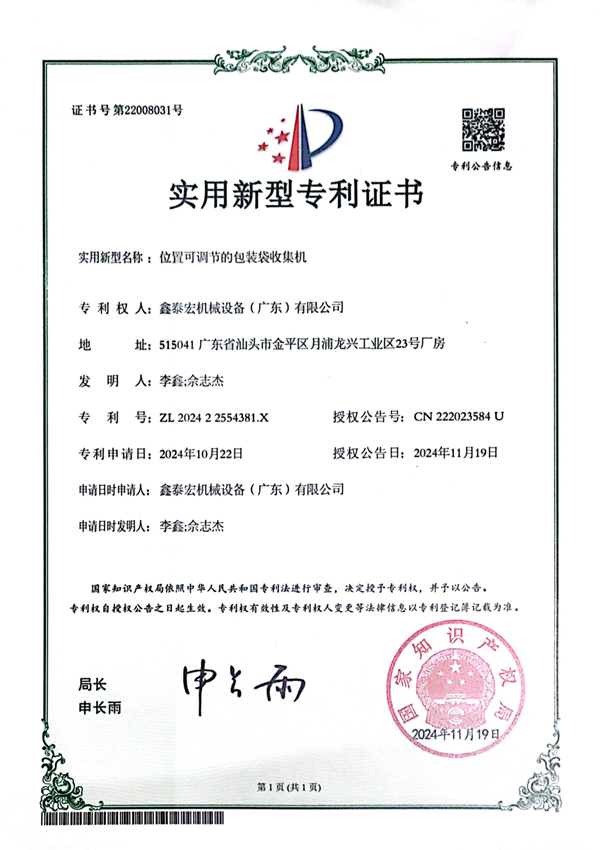
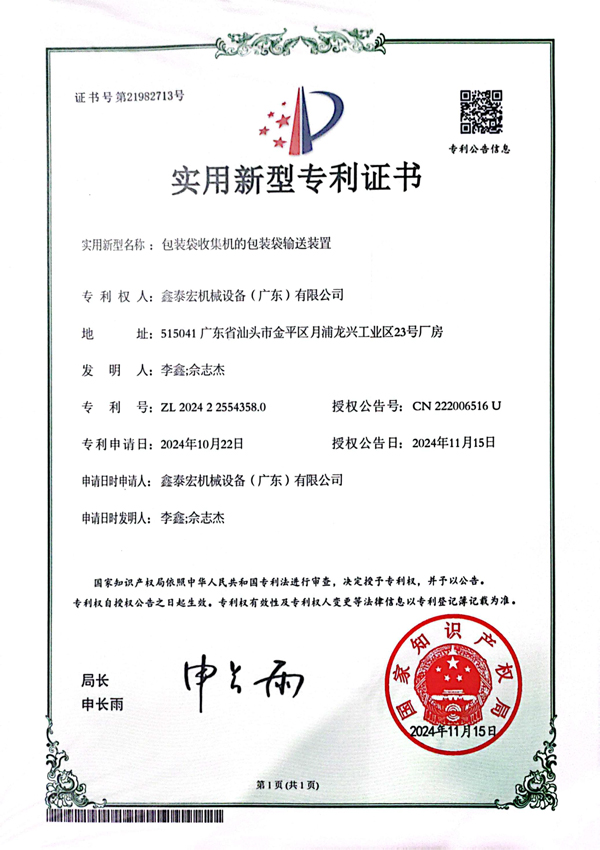
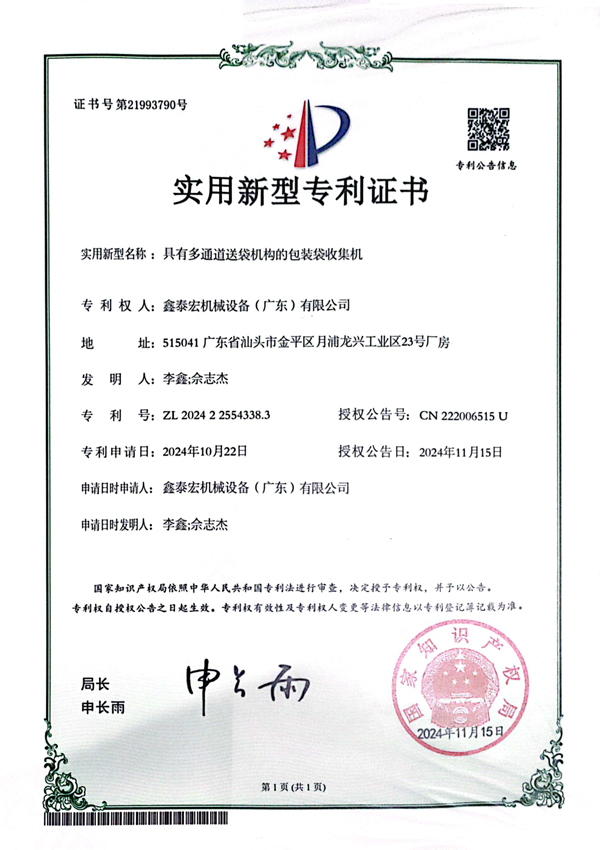
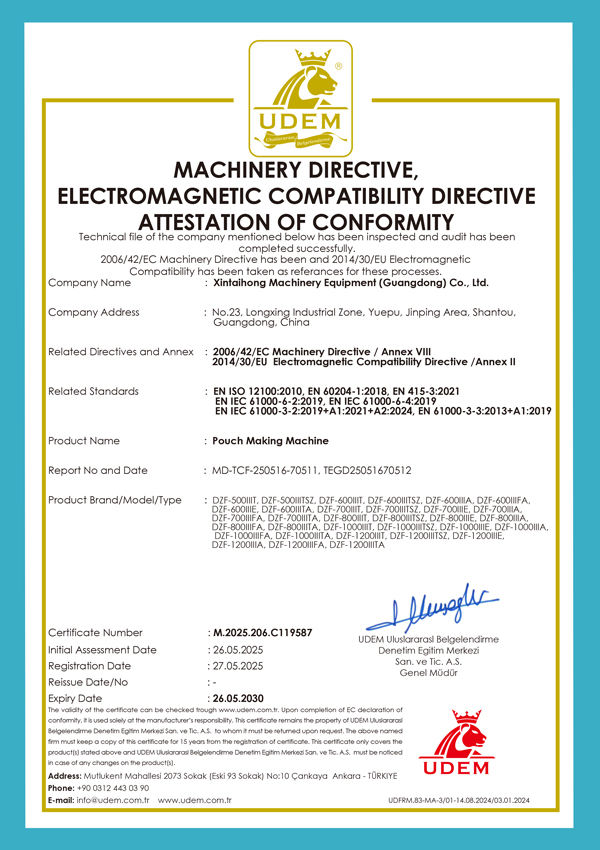
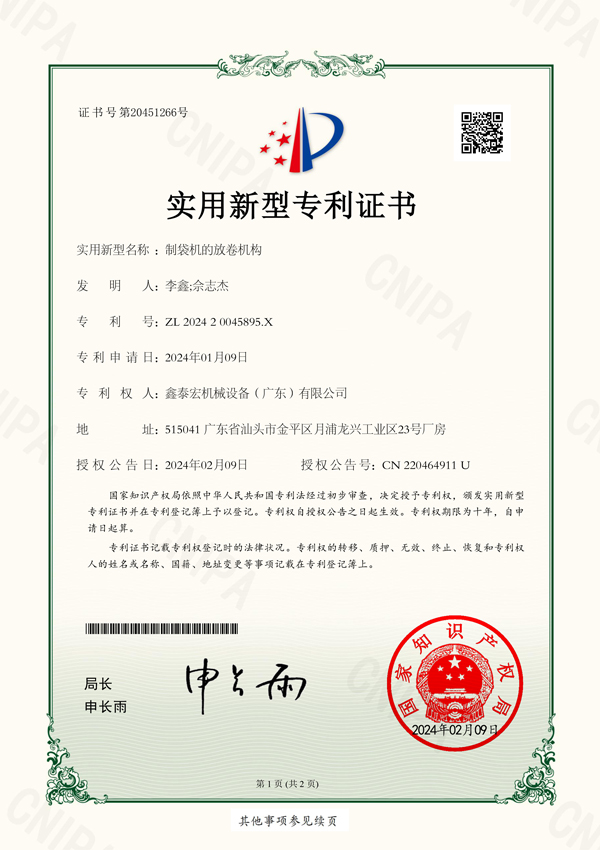
Our commitment to precision, safety, and reliability is verified by global standards organizations.
Explore our complete range of high-performance bag making machinery designed for industrial hardware and component packaging.