
Leave Your Message
-
Phone
-
E-mail
-
Whatsapp
-
WeChat

Explore our state-of-the-art machinery engineered for high-performance spout bag production and liquid daily chemical packaging.
In the highly competitive market of liquid daily chemicals—encompassing products like liquid laundry detergents, fabric softeners, hand soaps, body washes, shampoos, and household cleaning agents—packaging plays a pivotal role in brand differentiation, logistics efficiency, and sustainability. Historically dominated by rigid HDPE or PET bottles, the industry is witnessing a massive structural migration toward flexible stand-up spout pouches. This paradigm shift is driven by the unparalleled benefits of flexible packaging, which uses up to 70% less plastic than rigid alternatives, drastically reducing shipping weight and carbon emissions throughout the supply chain.
The polypropylene (PP) bag making machine stands at the heart of this packaging revolution. Engineered to process complex laminated films, including recyclable mono-material structures (such as PP/PP or PE/PE laminates), these machines are essential for producing durable, leak-proof, and aesthetically striking spout bags. As global consumer goods giants pledge to transition to 100% recyclable packaging by 2030, the demand for advanced PP bag making machines equipped with precision heat-sealing, CCD vision alignment, and automated spout insertion technology has reached an all-time high.
Traditional multi-layer laminated films (e.g., PET/AL/PE) are difficult to recycle due to the challenge of separating different material layers. The industry is rapidly moving toward mono-material PP (Polypropylene) laminated films. Our advanced machinery is specifically calibrated to handle the narrow heat-sealing window of mono-PP, ensuring leak-free performance for aggressive liquid chemicals.
Manufacturing spout bags for liquid daily chemicals presents unique engineering challenges. Unlike dry goods, liquids exert continuous hydrostatic pressure on the seals, and the chemical composition of soaps and detergents can degrade inferior packaging materials. Therefore, the bag-making process must guarantee absolute seal integrity. Modern PP bag making machines have evolved to incorporate cutting-edge technologies to meet these rigorous standards:
Traditional mechanical chain-driven machines are prone to wear and registration errors over time. The integration of electronic shaft technology replaces mechanical linkages with independent, synchronized servo motors. This ensures ultra-precise tension control of the laminated film as it moves through the folding, gusseting, and sealing stations. The result is consistent pouch dimensions, perfect print registration, and minimal material waste during high-speed runs.
For spout bags, the precise positioning of the spout hole is critical. A minor misalignment can cause spout-sealing failures, leading to product leakage. Advanced machines utilize CCD (Charge-Coupled Device) vision systems that scan print marks in real-time. The system automatically adjusts the punching unit to ensure the spout hole is cut with sub-millimeter accuracy, even at production speeds exceeding 120 bags per minute.
To seal polypropylene films effectively, heat must be applied precisely. PP bag making machines utilize multiple stages of longitudinal and transverse sealing bars, followed by high-capacity cooling bars. The cooling process stabilizes the molecular structure of the freshly sealed PP, locking in the seal strength and preventing deformation. This is especially vital for the bottom gusset area of stand-up pouches, which bears the weight of the liquid contents.
The versatility of the stand-up spout pouch allows it to cater to diverse product categories within the daily chemical sector. Different products impose specific requirements on the bag-making machinery:
The flat-bottom pouch (box pouch) represents the pinnacle of modern packaging design, offering five printable panels for maximum branding. When combined with advanced spout mechanisms, it provides the stability of a rigid bottle with the lightweight advantages of flexible film.
Looking ahead, the integration of Industry 4.0 concepts into PP bag making machinery is shaping the future of packaging production. Predictive maintenance algorithms monitor servo motor temperatures and sealing bar pressure to detect anomalies before machine downtime occurs. Remote diagnostic capabilities allow engineers to optimize machine parameters from anywhere in the world. Furthermore, as manufacturers aim for zero-defect production, inline inspection systems powered by AI are being deployed to detect micro-leaks and cosmetic defects in real-time, ensuring only perfect pouches reach the filling line.
Take a virtual tour of our state-of-the-art manufacturing facility, where high-precision engineering meets industrial innovation.
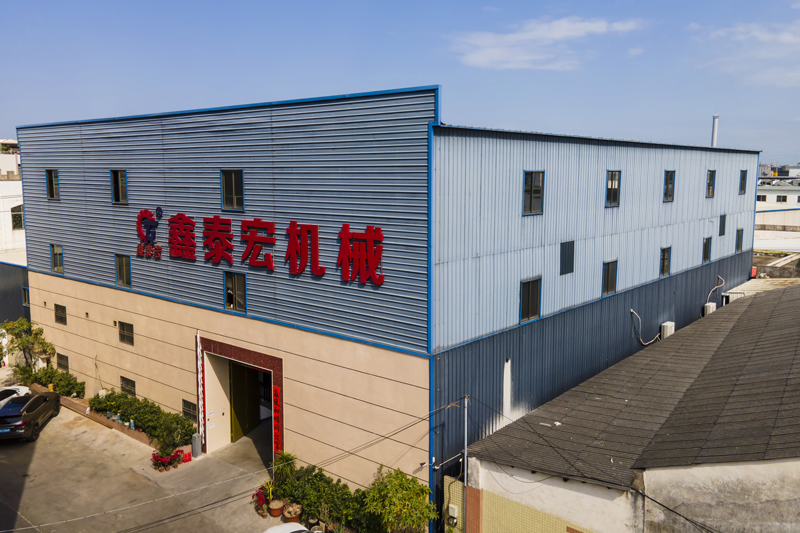
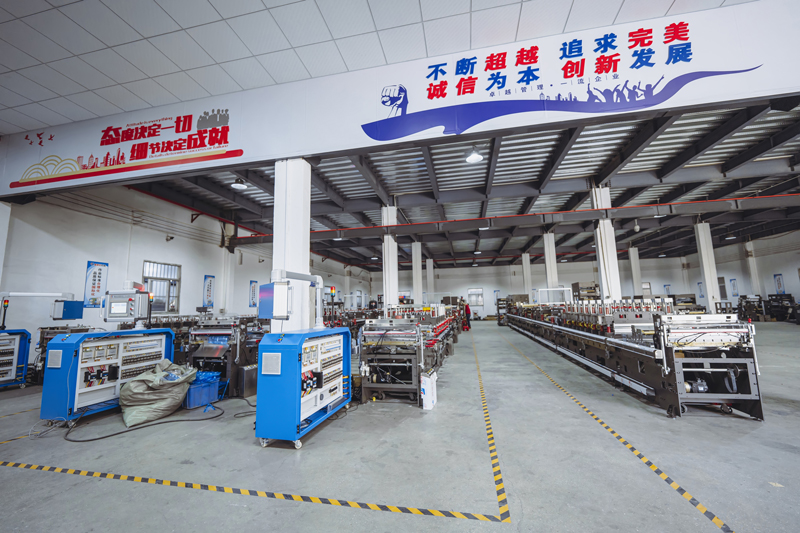
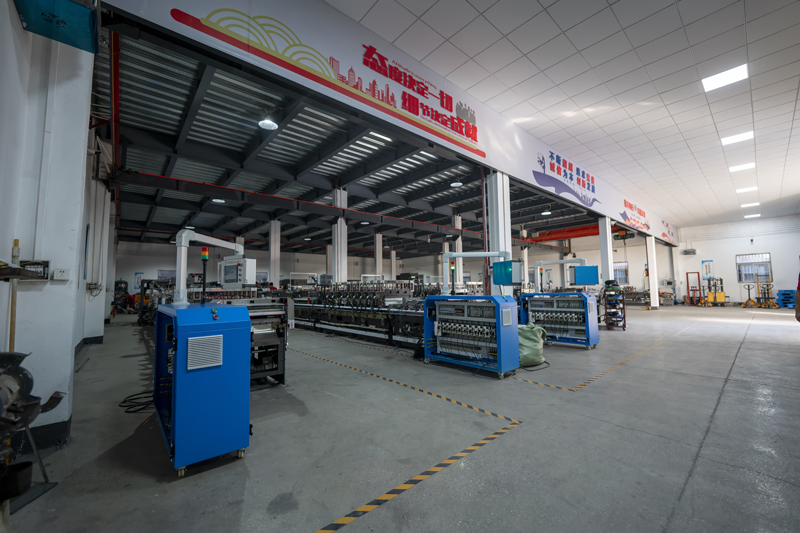
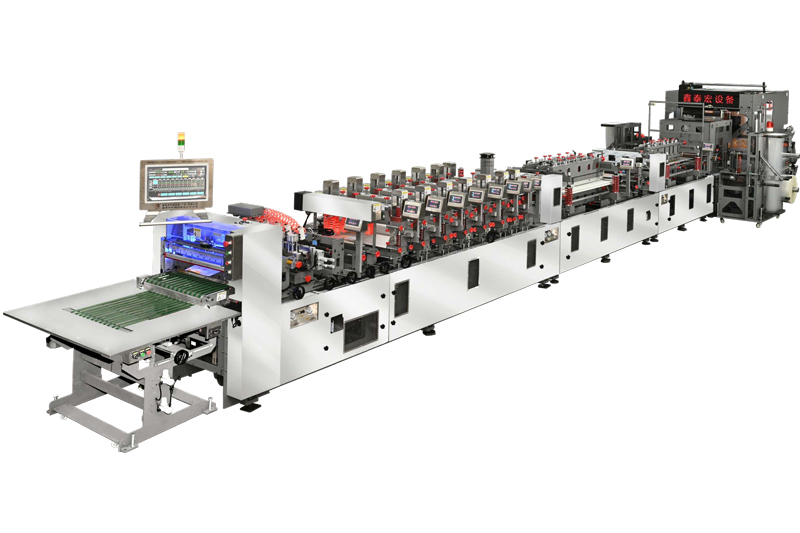
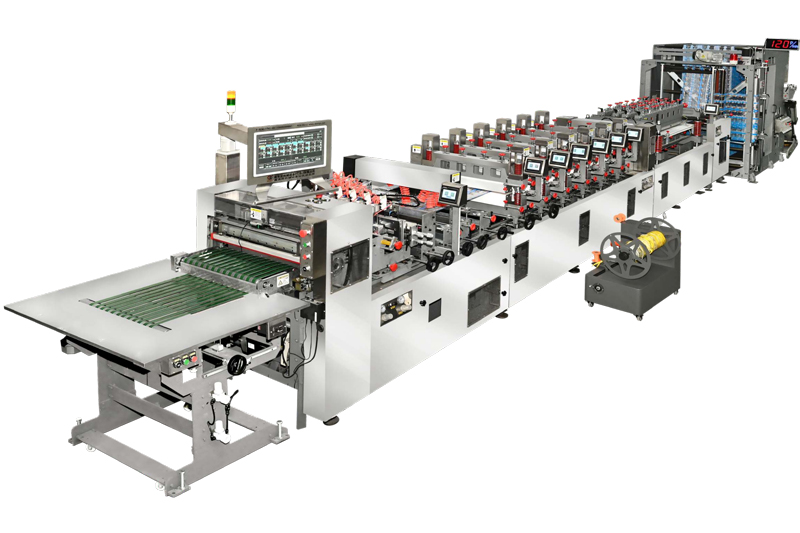
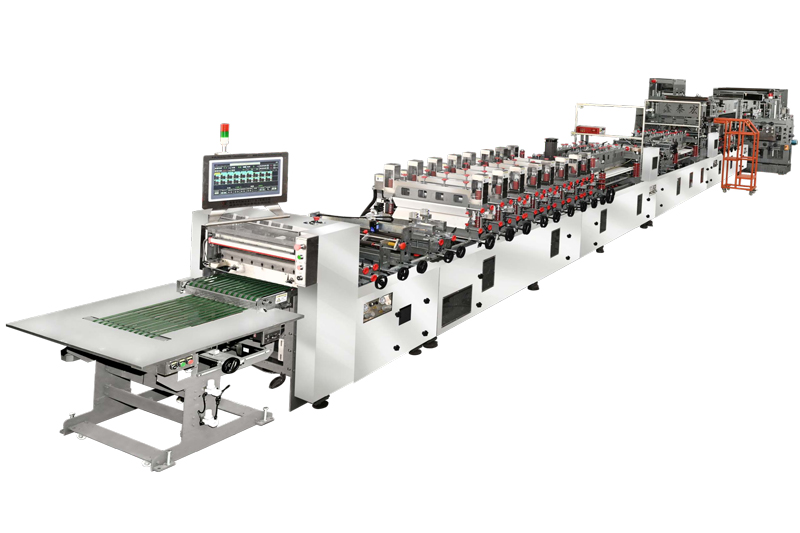
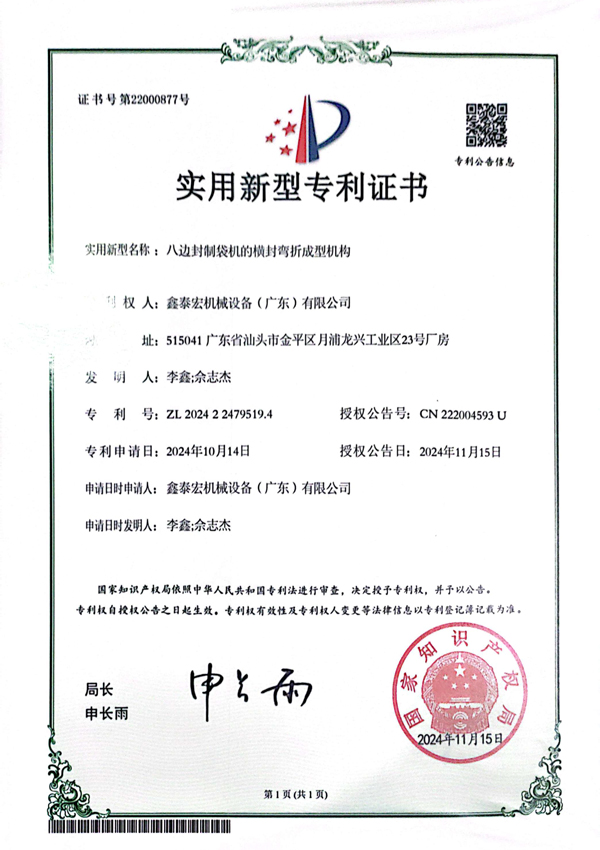
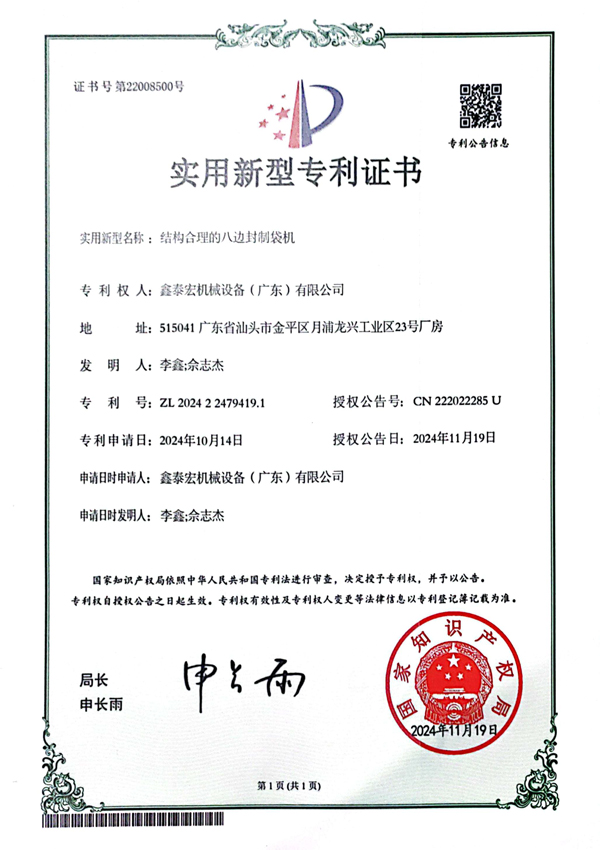
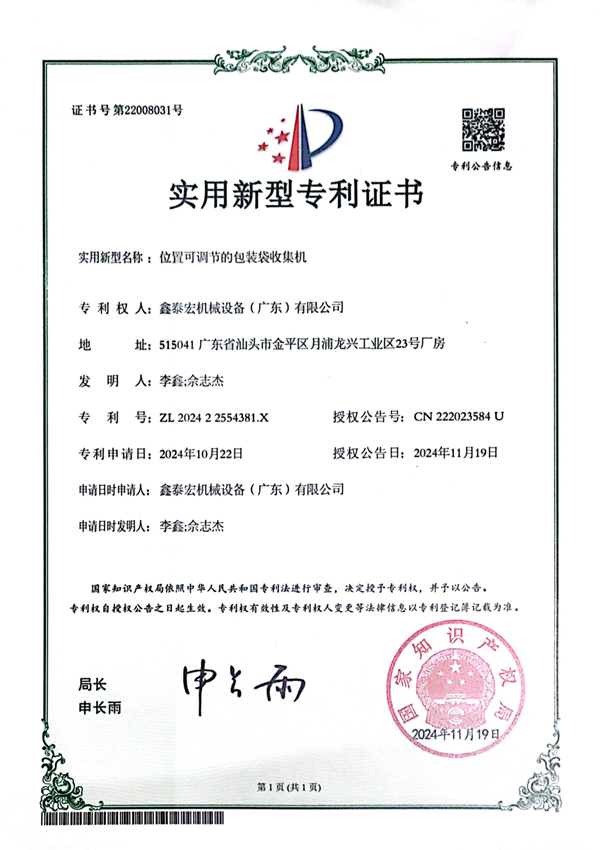
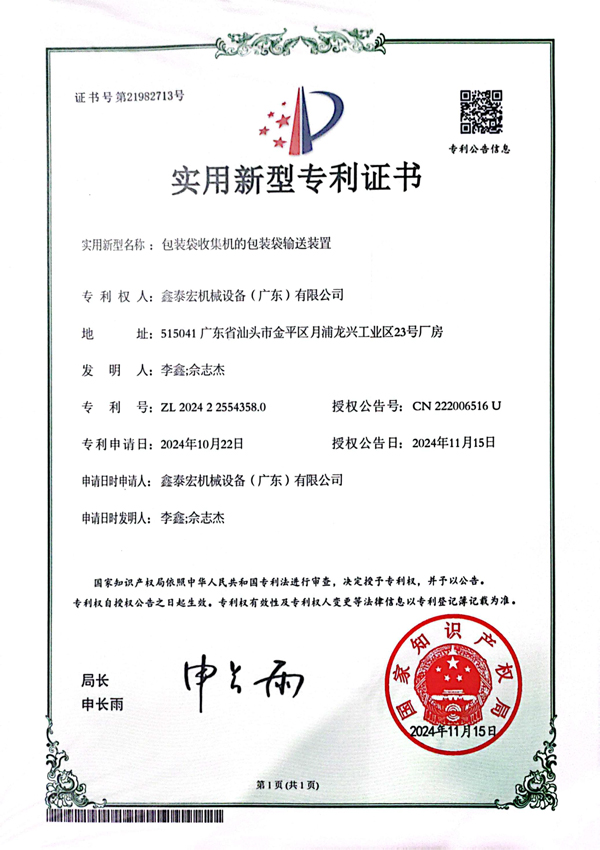
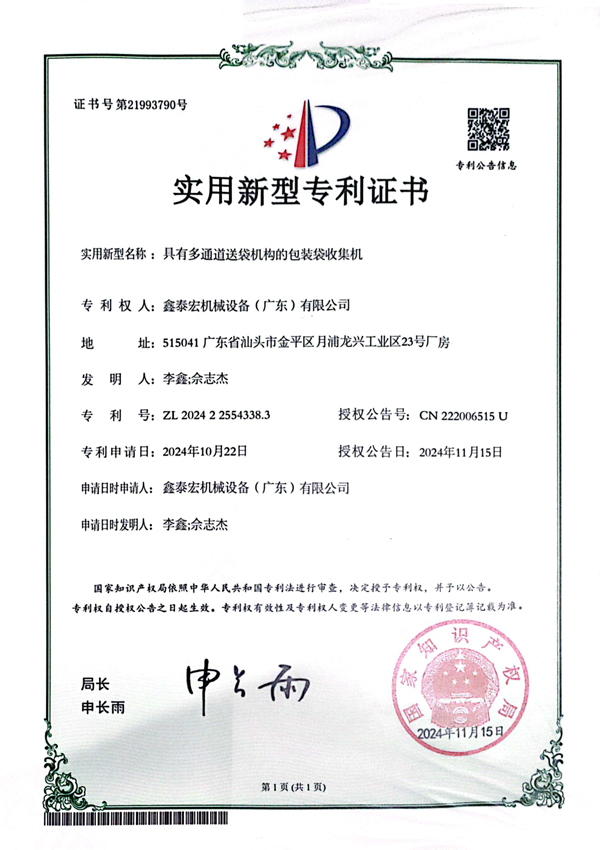
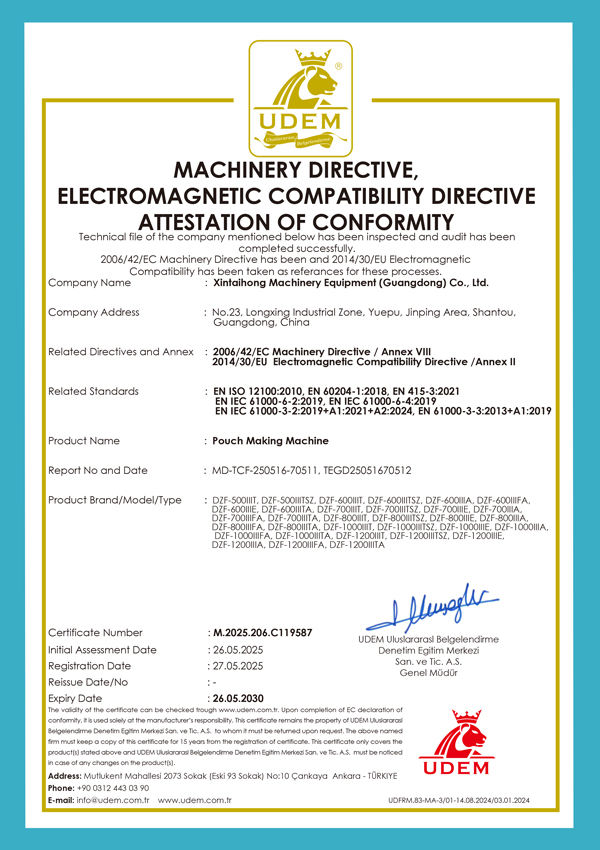
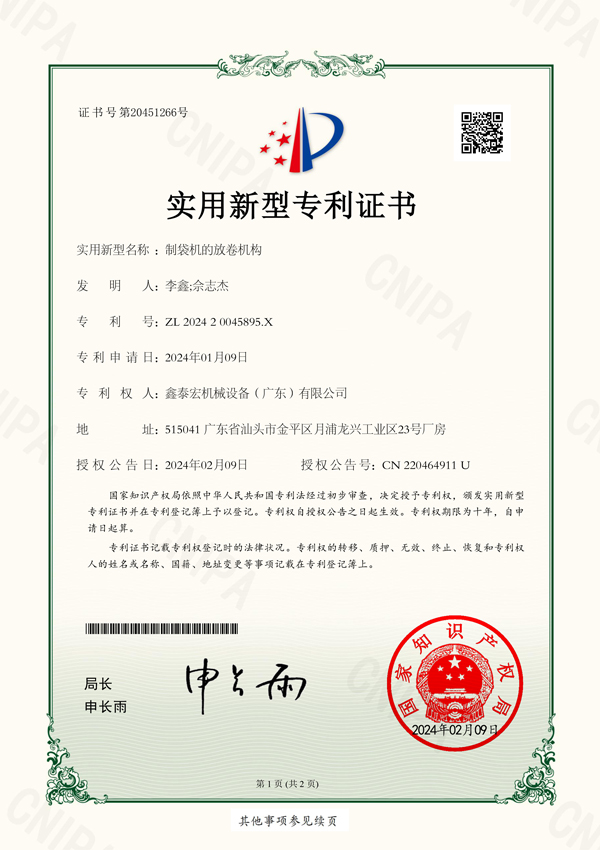
Our commitment to quality is backed by rigorous international standards and certifications.
Explore our full line of bag making machinery designed to optimize your production efficiency and packaging quality.
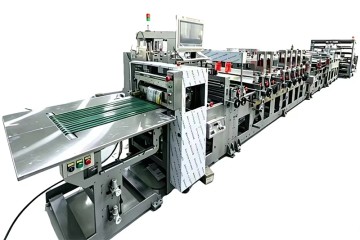 DZF-600-800IIIT Center Sealing Bag Making Machine
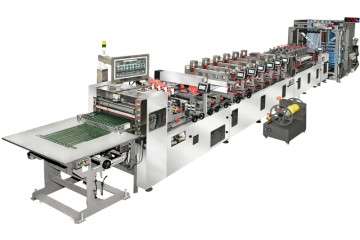 DZF-600-800IIIT Electronic Shaft Three Side Sealing Bag Making Machine with CCD
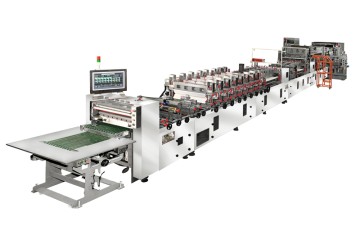 DZF-600-1200ⅢE Flat Bottom Pouch Machine With Zipper
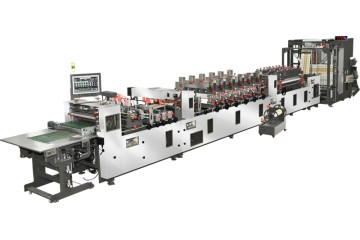 DZF-600-800IIIT Three Side Sealing Bag Making Machine with CCD
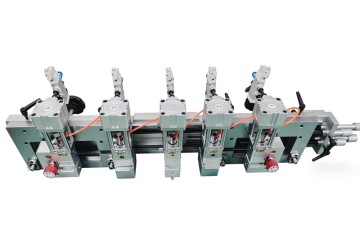 CCD Vision Punching Unit for Pouch Machine
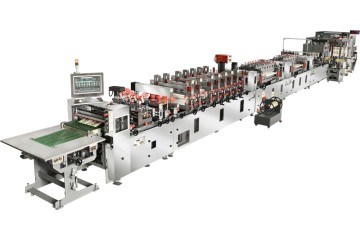 DZF-500-1000TSZ Multi-Function Bottom-Insertion Stand-Up Zipper Bag Making Machine with CCD
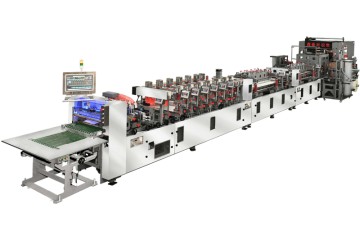 DZF-500-1000TSZ Electronic Shaft Bottom-Insertion Stand-Up Zipper Bag Making Machine with CCD
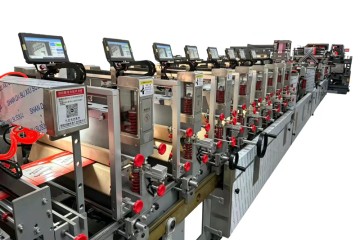 DZF-600-1200ⅢE Vision Electronic Shaft Auto Slitter Flat Bottom Pouch Machine