Leave Your Message
-
Phone
-
E-mail
-
Whatsapp
-
WeChat

Engineered for high output, precise heat sealing, and minimal downtime across East African industrial parks
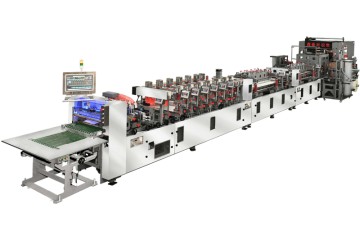
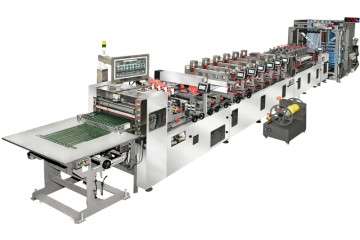
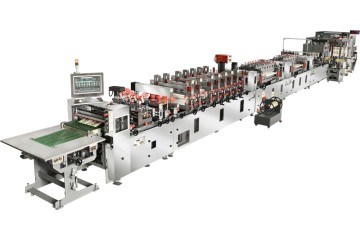
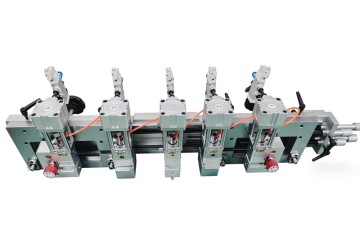
Economic transformation, agricultural exports, and the modernization of flexible packaging lines
From Hawassa to Bole Lemi, Ethiopia's rapid industrialization accelerates local demand for versatile woven, laminated, and stand-up polypropylene packaging systems.
Coffee, pulses, oilseeds, and grains require tough, moisture-resistant PP multi-layer and flat-bottom bags capable of surviving maritime trade routes.
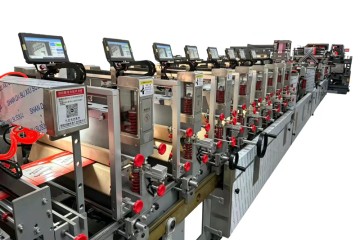
Integration of servo electronic shafts and CCD optical vision ensures micro-millimeter precision, reducing scrap rates and lowering manual labor dependency.
Ethiopia stands as one of the most dynamic economies in Sub-Saharan Africa. The Federal Democratic Republic of Ethiopia has initiated intensive structural economic programs geared toward manufacturing, import substitution, and agricultural value addition. In this fast-evolving industrial climate, polypropylene (PP) bag making machinery plays a pivotal role in bridging basic production with high-value international retail and export standards.
Historically reliant on imported finished bags from the Middle East and Asia, Ethiopian entrepreneurs and packaging converters located throughout Addis Ababa, Oromia, Dire Dawa, and the Amhara region are heavily investing in localized conversion infrastructure. Advanced polypropylene pouch making machines, electronic-shaft bag making equipment, and automated bottom-gusset zipper lines have shifted from luxury investments to industrial necessities. With reliable plastic extrusion lines, blown film systems, and high-speed bag making machinery, Ethiopian producers can manufacture heavy-duty woven sacks for bulk grains as well as high-barrier retail pouches for Ethiopia's world-renowned specialty coffee beans.
Tailored configurations solving electrical volatility, high altitude, and versatile substrate demands
Ethiopia is the birthplace of Arabica coffee. To preserve volatile aromatics and oils during sea transit to Europe, America, and Asia, coffee exporters rely on flat-bottom pouch systems and bottom-insertion stand-up zipper bags. Our equipment creates airtight three-side seals and installs one-way degassing valves directly on laminated PP and foil substrates.
With infrastructure projects booming across the Grand Ethiopian Renaissance Dam (GERD) corridor and urban rail projects, local demand for heavy PP woven valve bags has surged. Machinery equipped with multi-point ultrasonic sealing and heavy-gauge mechanical punches ensures sacks withstand high pressures during rapid filling.
Domestic staple processing mills in Nazret (Adama) and Bahir Dar need reliable center-sealing and gusseted PP sacks. Automated cut-and-seal electronic systems run non-stop with minimal wear on heating blades, ensuring maximum uptime even under demanding 24/7 production shifts.
Manufacturing in East Africa introduces unique environmental and logistical parameters:
Selecting the optimal pouch-making technology for East African manufacturing facilities
When selecting a PP bag making machine factory for your venture in Ethiopia, choosing between mechanical line-shaft equipment and modern electronic-shaft systems is crucial. Traditional mechanical drive machines rely on chains, gears, and long mechanical linkages. Over time, mechanical wear leads to pouch length drift, misaligned print marks, and extensive maintenance downtime.
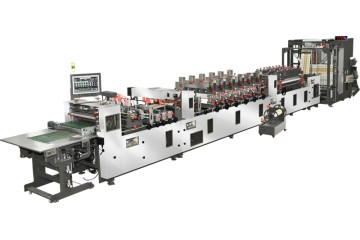
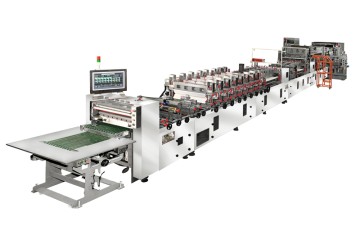
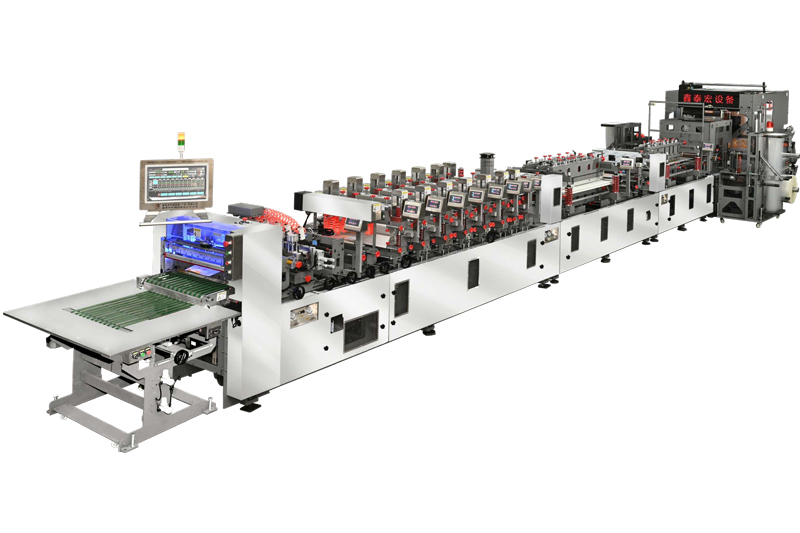
In contrast, electronic-shaft bag making machines assign independent high-torque servo motors to each sealing, feeding, punching, and collection station. A central industrial computer synchronizes every motion axis via high-speed EtherCAT or CANopen fieldbus communications. For factory operators in Ethiopia, this architecture provides significant benefits:
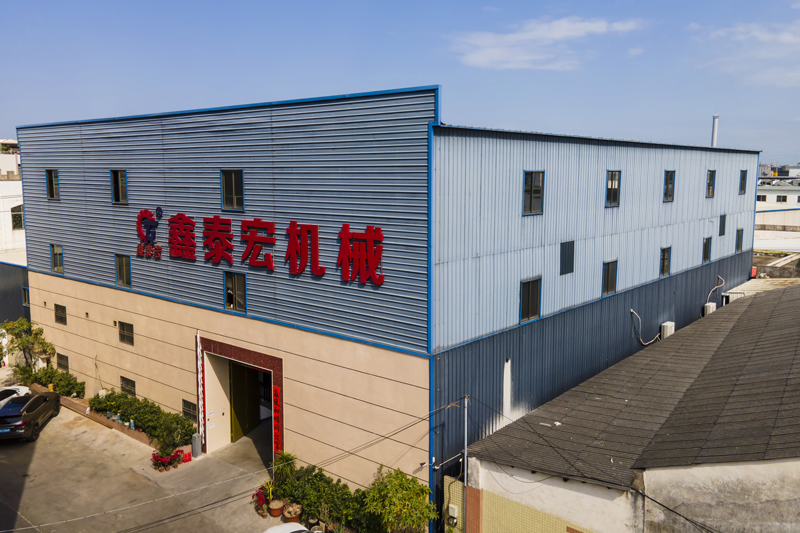
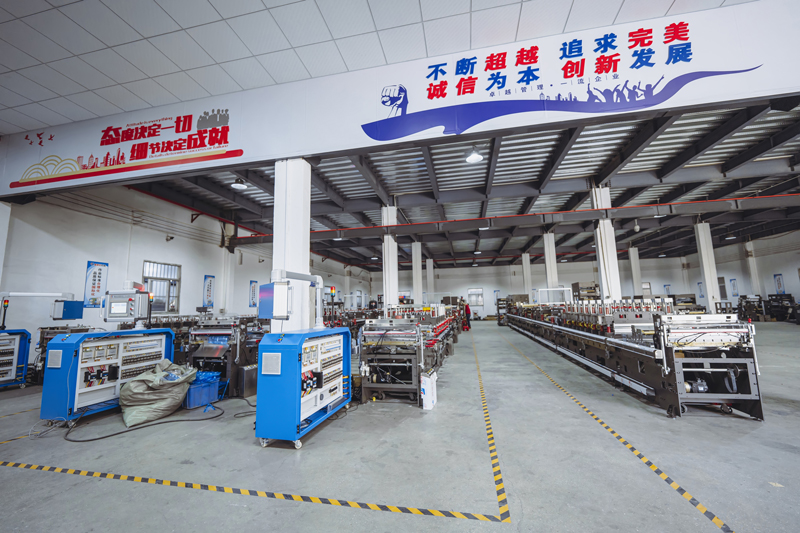
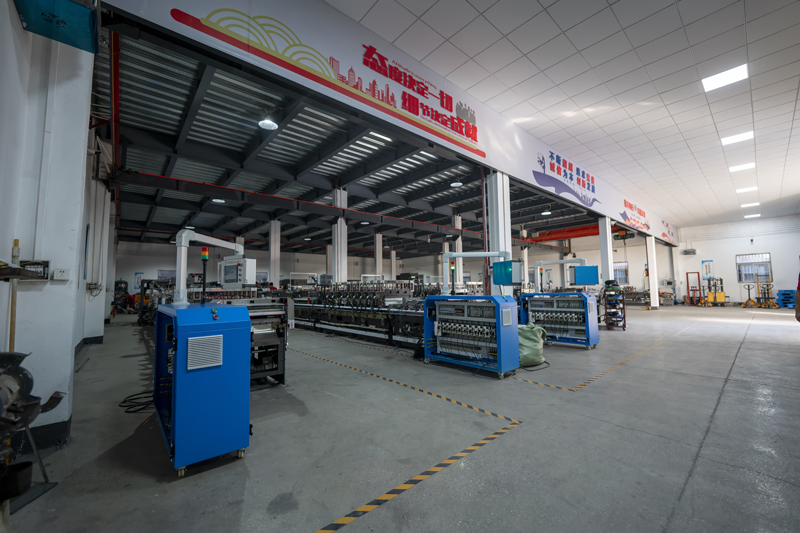
State-of-the-art CNC precision workshops and rigorous assembly line protocols
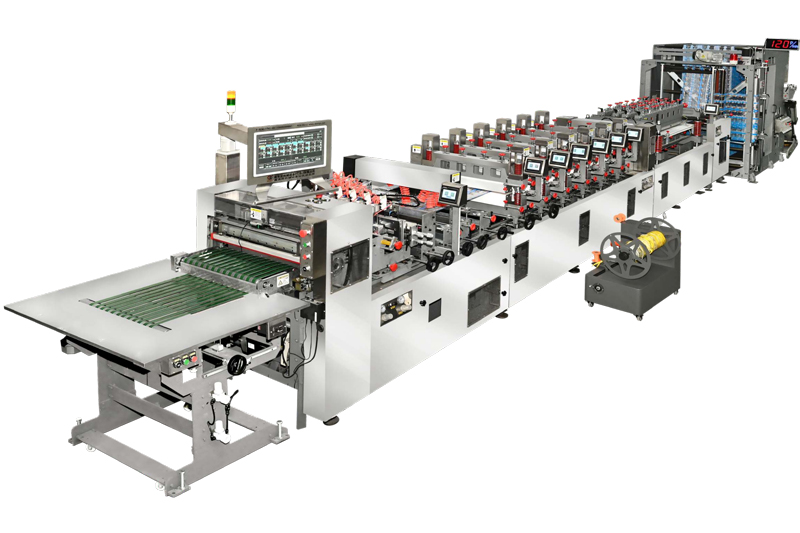
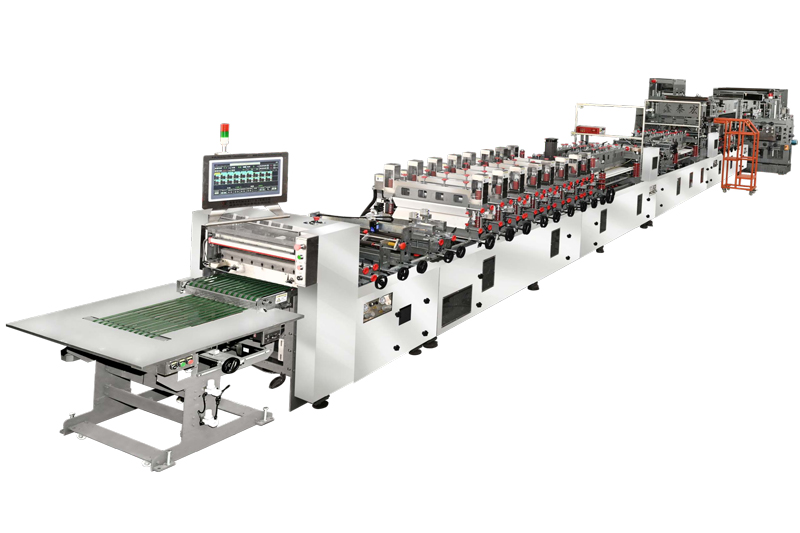
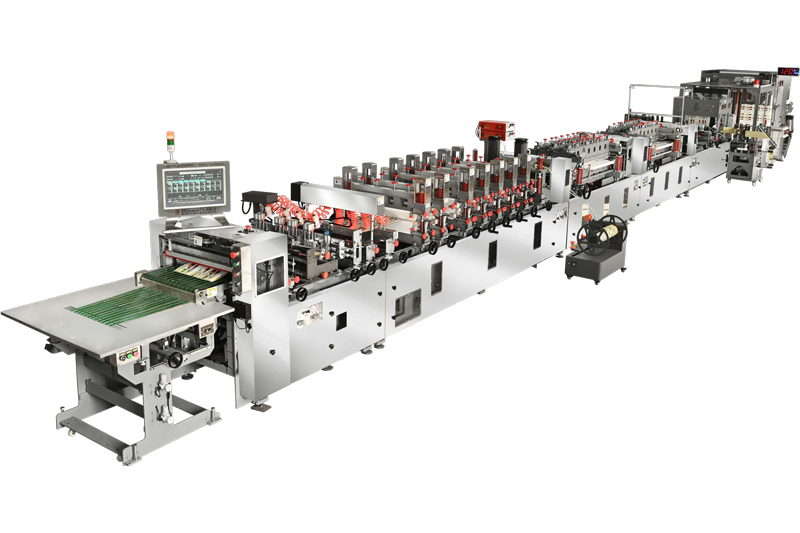
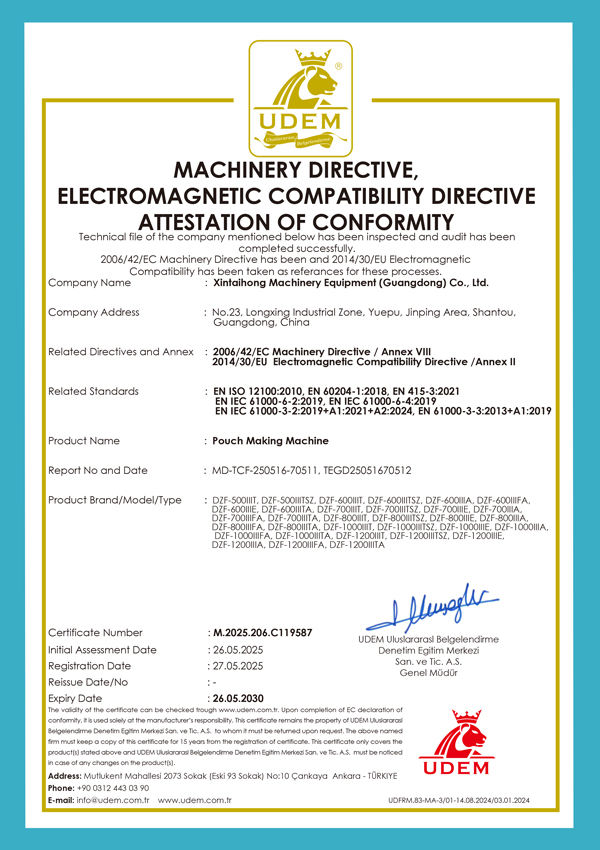
Fully compliant with CE, ISO, and international safety guidelines for turnkey projects
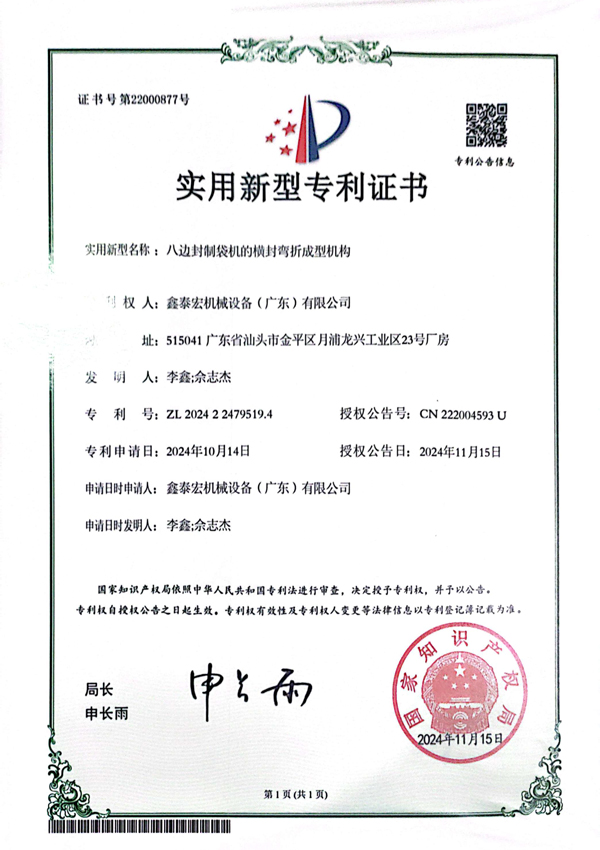
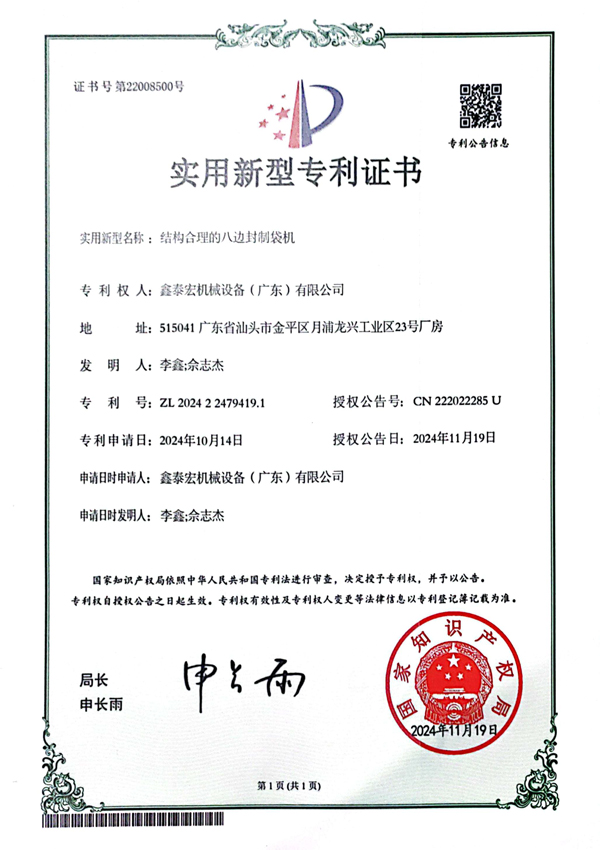
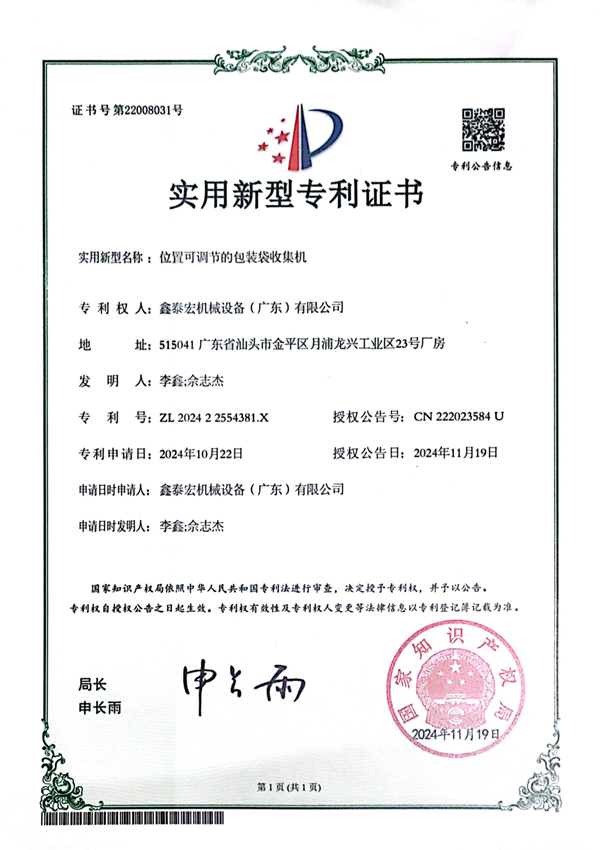
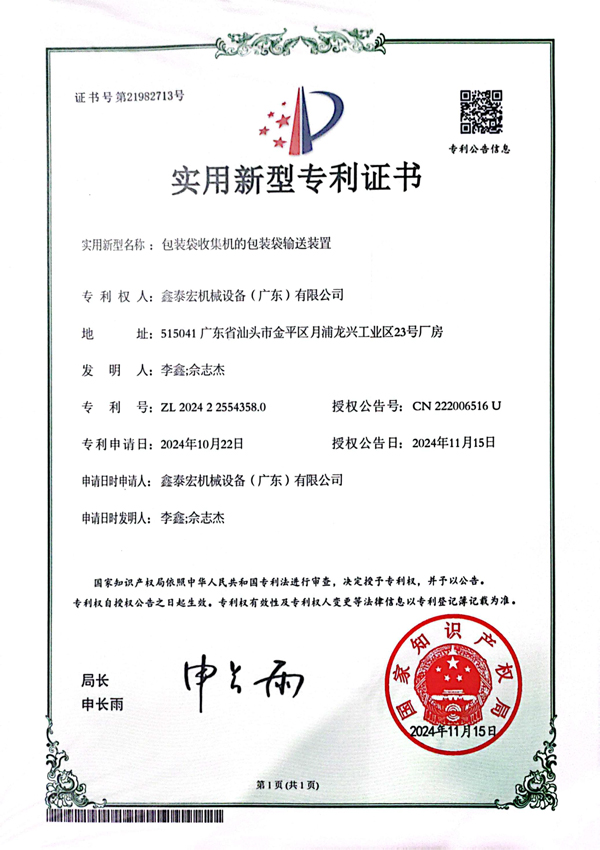
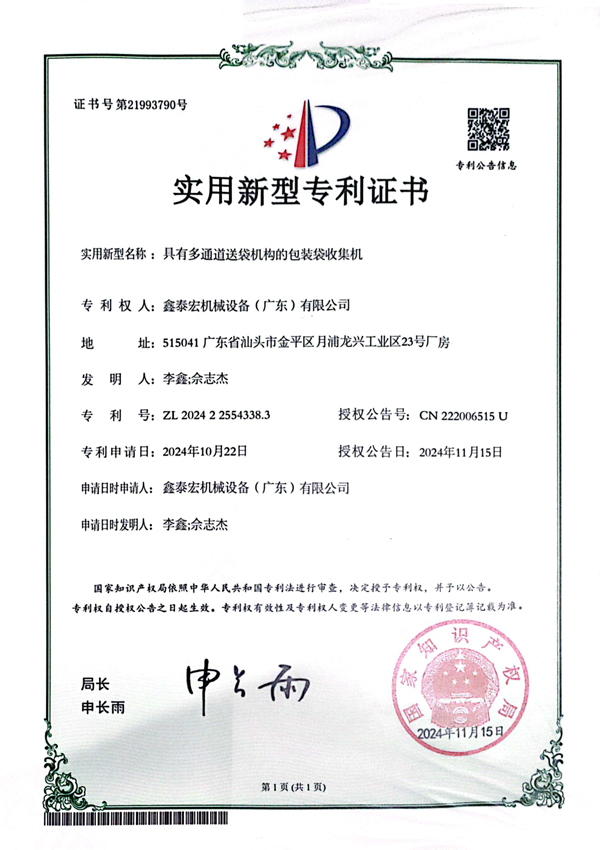
Explore our complete machinery line deployed worldwide and supporting modern packaging plants across Ethiopia