Leave Your Message
-
Phone
-
E-mail
-
Whatsapp
-
WeChat

Discover our high-precision, automatic bag making solutions tailored for Thai packaging manufacturers, integrating state-of-the-art CCD vision systems and electronic shaft controls.
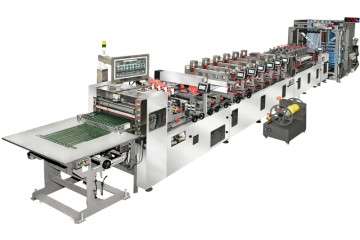
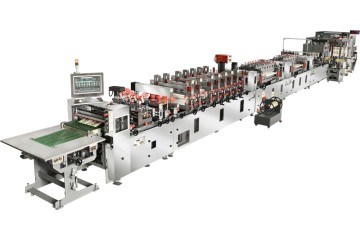
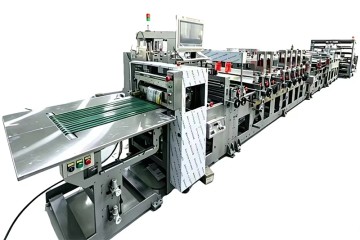
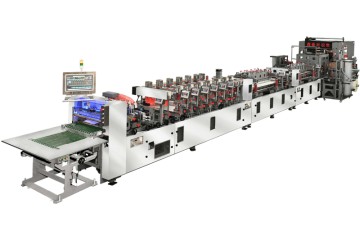
Thailand’s packaging industry is undergoing a monumental shift driven by the expansion of its agricultural, food processing, and retail sectors. As one of the world's leading exporters of agricultural commodities such as rice, sugar, tapioca, and processed foods, the demand for durable, flexible, and high-quality packaging has skyrocketed. Polypropylene (PP) bags, including woven sacks, non-woven bags, and flexible laminated pouches, form the backbone of this massive supply chain.
Local manufacturers in key industrial hubs like Samut Prakan, Chonburi, and Rayong are rapidly upgrading their production lines. To remain competitive globally, Thai factories are transitioning from labor-intensive traditional machines to advanced PP polypropylene bag equipment. These high-tech machines enable local suppliers to achieve high-volume outputs with minimal waste, meeting both local consumption requirements and international export standards.
By integrating cutting-edge technologies like computerized CCD visual alignment and electronic shaft drive systems, factories can ensure precise cutting, sealing, and printing. This is particularly crucial for Thailand’s booming pet food and snack packaging industries, where visual presentation and shelf-life extension are of paramount importance.
EEC Zone Expansion: The Eastern Economic Corridor has attracted foreign direct investment, pushing local factories to automate manufacturing lines.
Agricultural Demand: Over 10 million tons of rice and sugar exported annually require robust woven and laminated PP bags.
Eco-Friendly Transition: High demand for recyclable mono-material PP structures that require specialized sealing machinery.
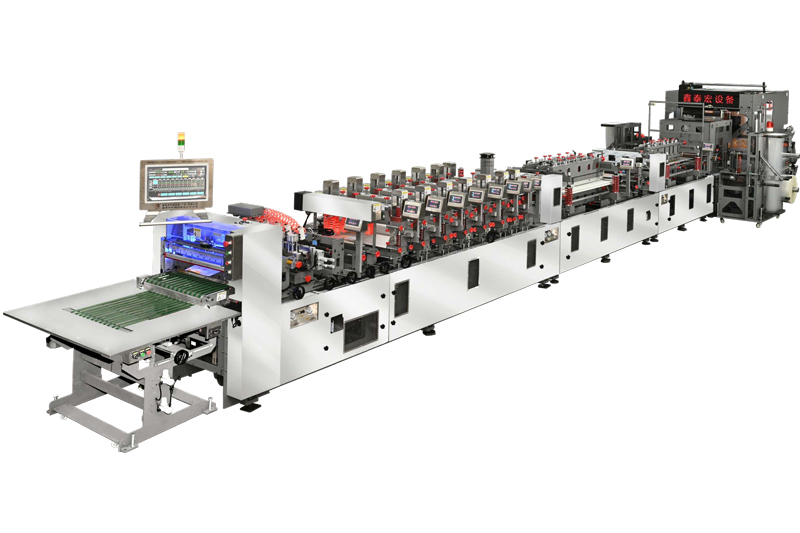
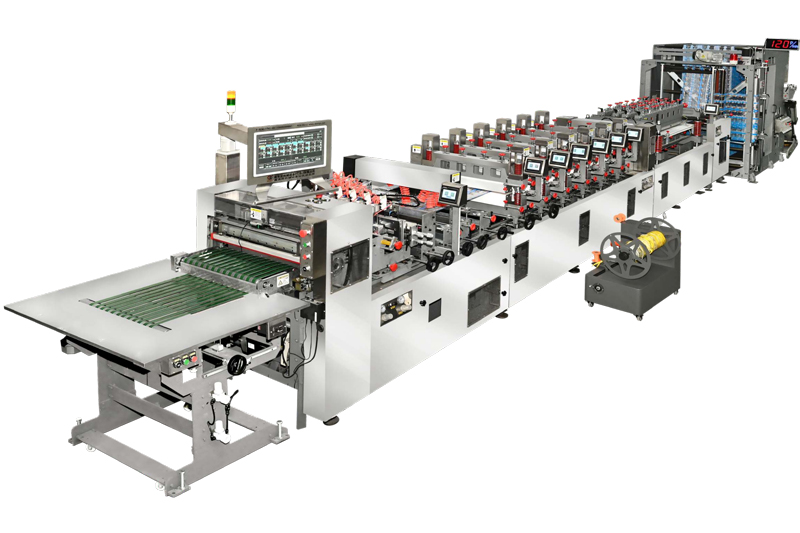
Equipped with high-resolution CCD cameras to detect print marks instantly, ensuring automatic compensation and zero-defect alignment during high-speed sealing.
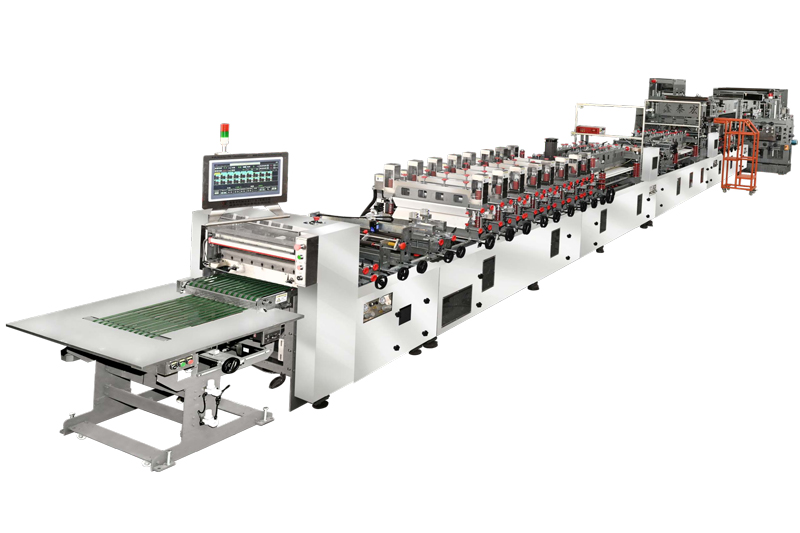
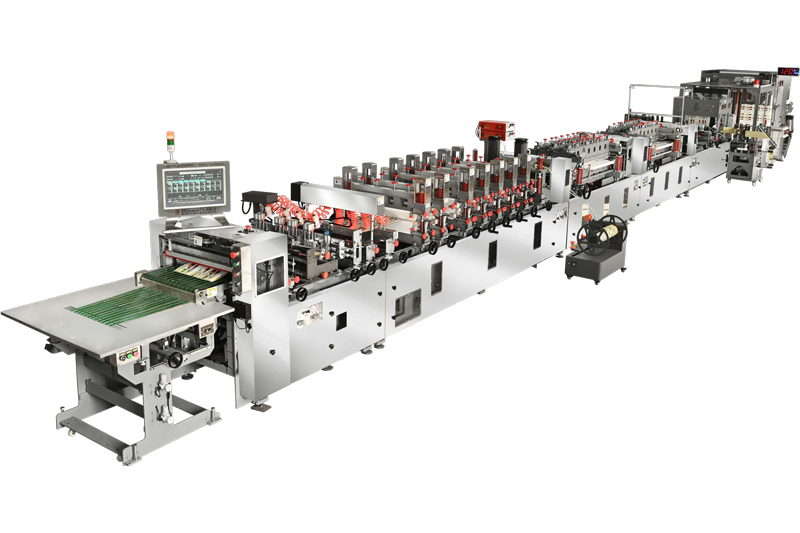
Features independent servo-motor controls for each sealing and feeding station, minimizing mechanical wear and reducing changeover times for diverse bag shapes.
Easily switch between three-side sealing, center sealing, and stand-up zipper pouch formats to cater to various retail and industrial applications in Thailand.
Modern manufacturing in Bangkok, Nonthaburi, and Pathum Thani is moving rapidly toward automation and Industry 4.0 integration. High labor costs and the need for precision have made manual or semi-automatic bag sealing obsolete. PP bag equipment suppliers are responding by offering fully automated systems with smart diagnostic capabilities.
One major trend is the adoption of multi-functional stand-up zipper pouch machinery. Stand-up pouches offer excellent shelf presence and resealability, making them highly popular in Thai supermarkets for packaging dried fruits, spices, and pet treats. The bottom-insertion method ensures that the bags stand upright perfectly, even when filled with heavier contents.
Furthermore, waste reduction is a key environmental goal in Thailand. Machinery equipped with electronic shafts allows operators to program precise tension controls. This tension consistency prevents film stretching and misalignment, directly reducing plastic scrap rates. When combined with CCD visual inspection, defective bags are flagged and sorted automatically, protecting the brand reputation of local packaging suppliers.
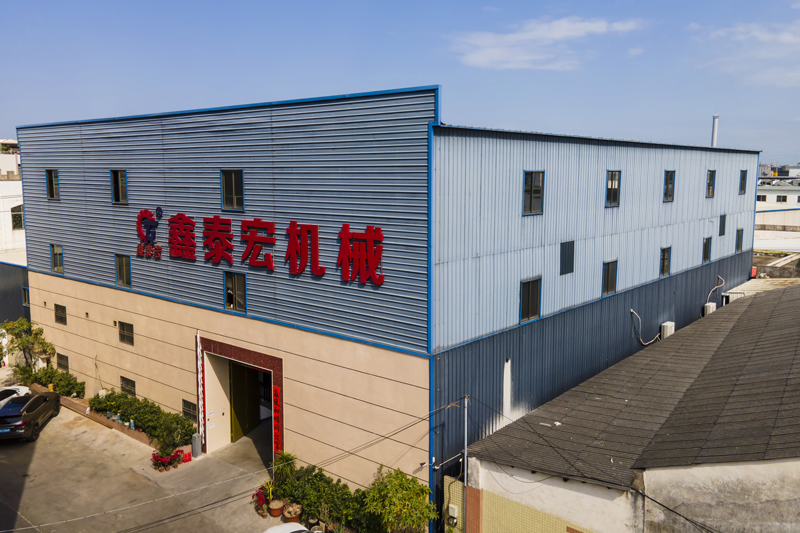
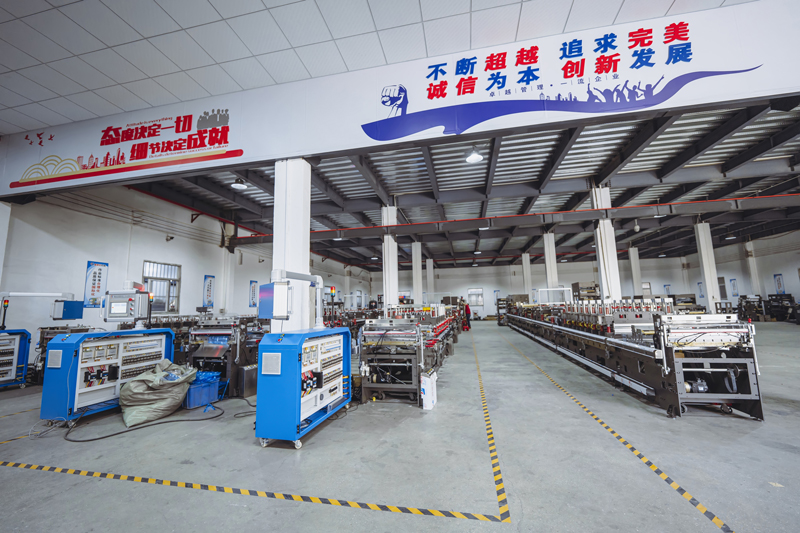
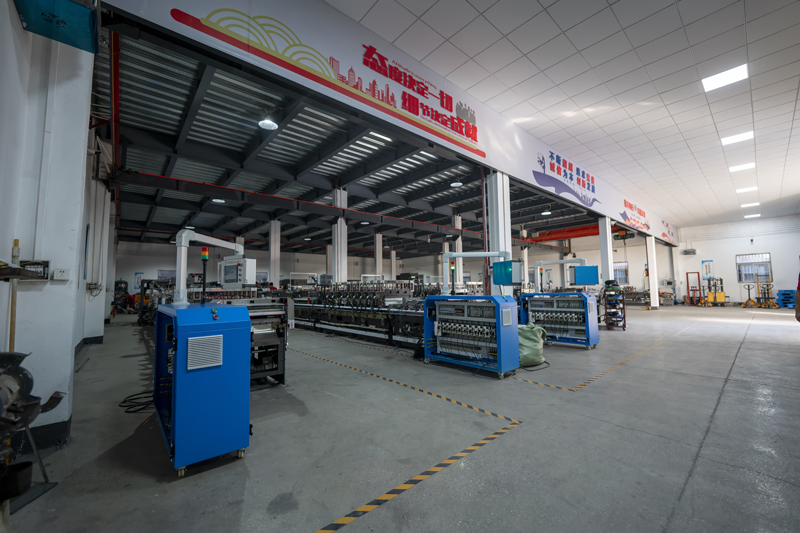
Take a virtual tour of our state-of-the-art manufacturing plants where our high-performance PP bag making machines are engineered and assembled.
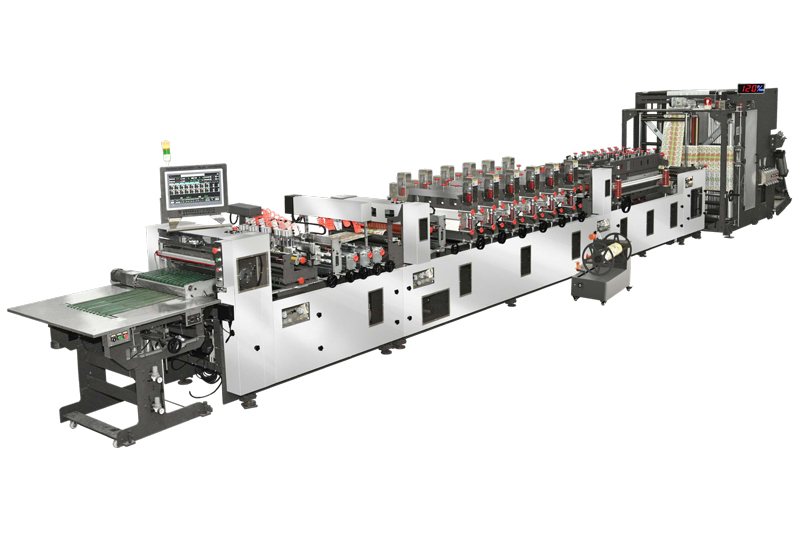
The applications for PP bags in Thailand span multiple critical sectors, each requiring specific bag-making configurations:
Thailand's world-famous Jasmine Rice, sugar, and animal feed require heavy-duty woven PP bags. Center-sealing and gusseted bag making machines are essential for producing bags that can withstand rough handling, long-distance maritime transport, and humid tropical storage conditions.
For high-end retail food markets, stand-up pouches with zippers are the standard. Utilizing the DZF-500-1000TSZ series allows manufacturers to produce premium stand-up bags with resealable zippers, keeping snacks crispy and dry in Thailand's humid climate.
The petrochemical and agricultural chemical factories in the Map Ta Phut Industrial Port area rely on heavy-duty, chemically resistant three-side sealed PP and PE bags. Precision sealing is non-negotiable here to prevent toxic leaks and product degradation.
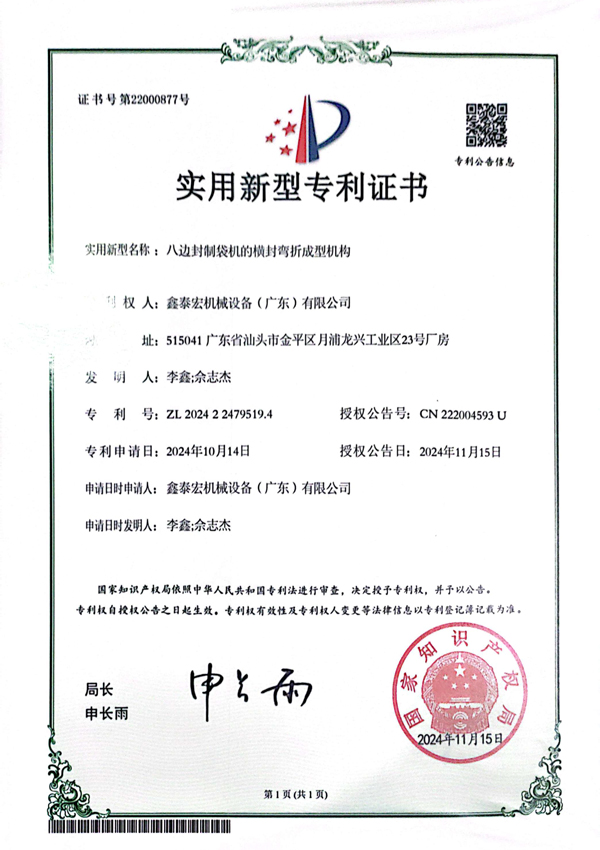
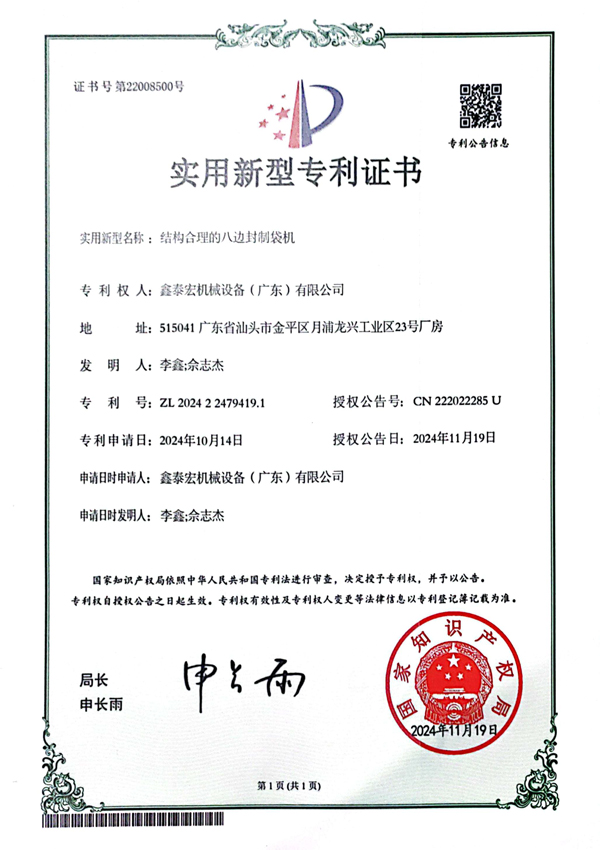
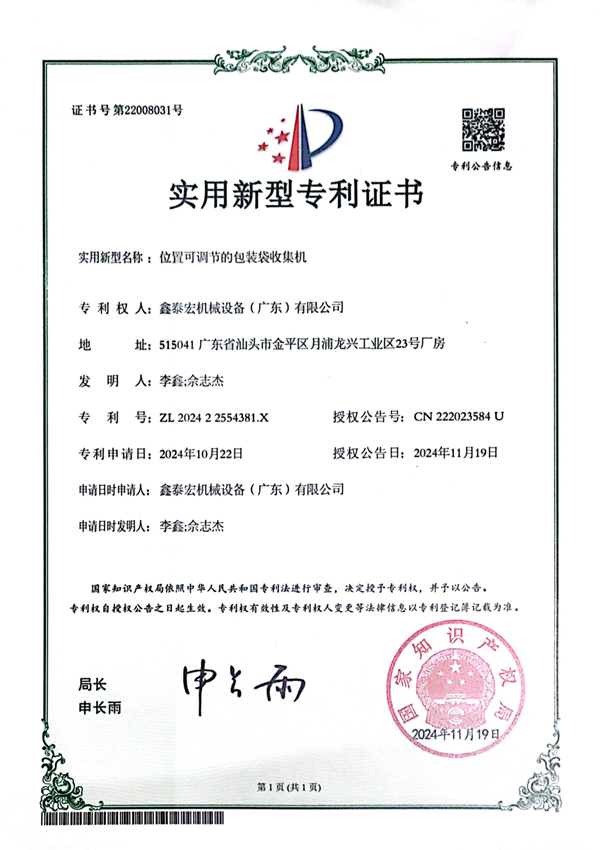
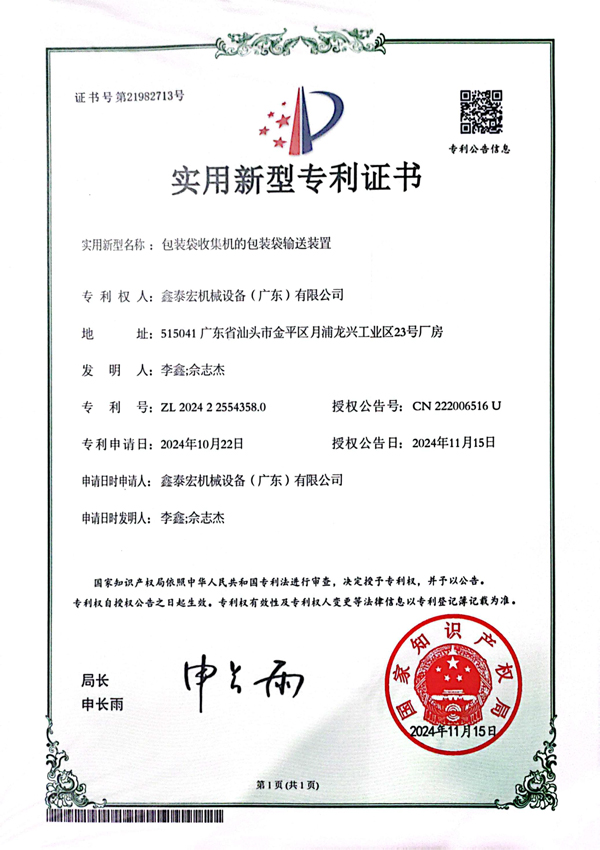
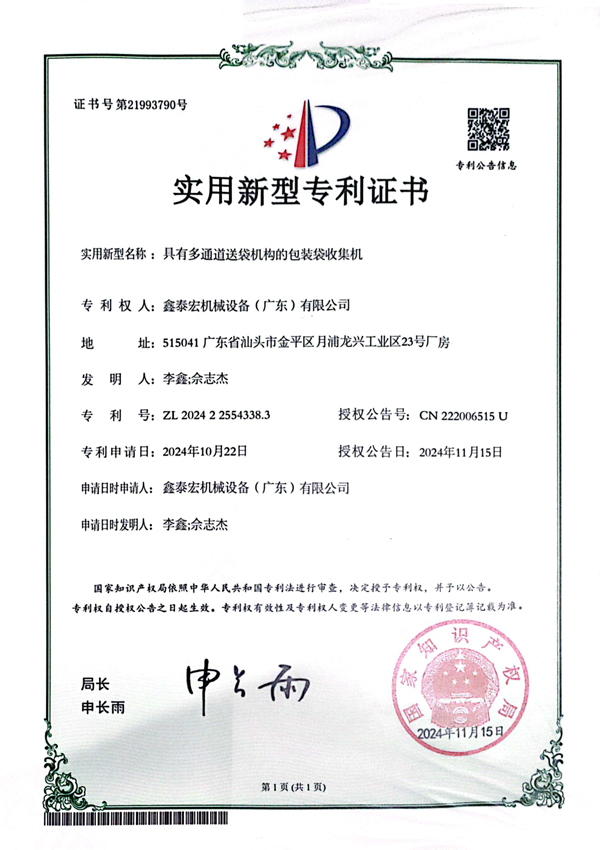
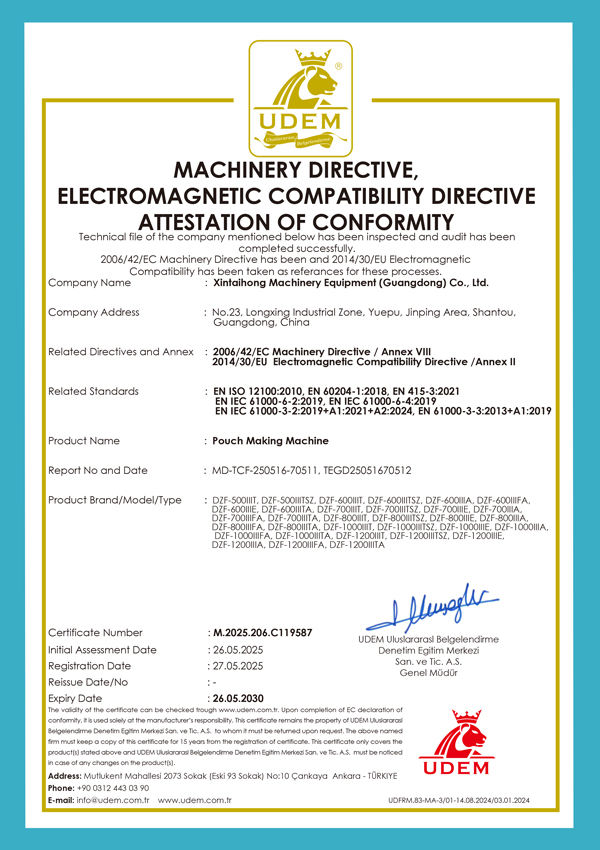
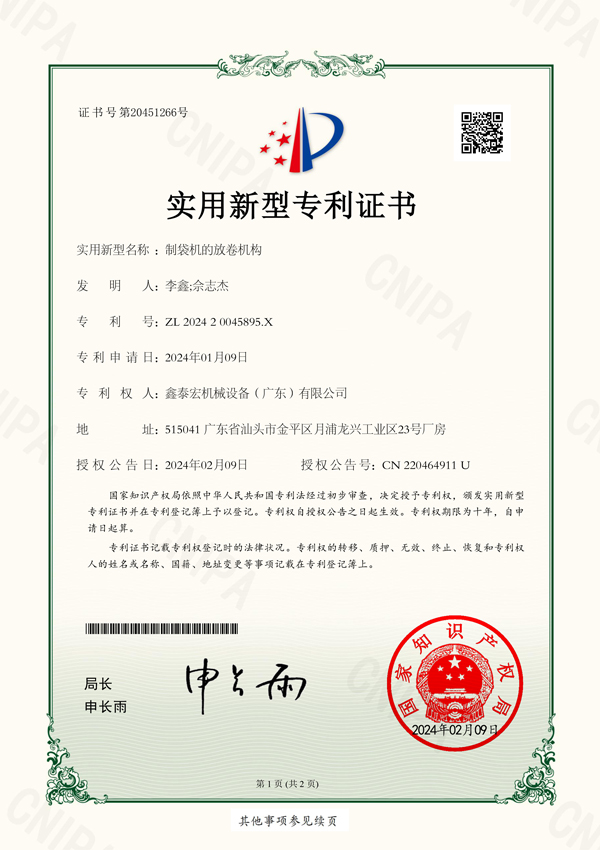
Our machinery is certified to meet international safety and performance standards, ensuring reliable operation for Thai manufacturing facilities.
As Thailand aligns with global sustainability goals, the packaging sector is facing pressure to adopt circular economy principles. This has led to the development of recyclable mono-material PP films and biodegradable polypropylene alternatives. However, these new eco-friendly films have narrower sealing temperature windows compared to traditional plastics.
To process these sensitive materials without melting or weak seals, advanced PP bag equipment must feature micro-processor-controlled heating elements and precise cooling stations. The integration of electronic shaft technology allows for instantaneous adjustments to pressure and dwell time, ensuring that even the most delicate bio-plastics are sealed securely without sacrificing production speed.
By partnering with a reliable supplier that understands these technical nuances, Thai manufacturers can future-proof their operations, transitioning seamlessly to eco-friendly packaging formats as market demands shift.
Browse our full range of high-efficiency bag making machinery, trusted by factories across Thailand for high precision, versatility, and heavy-duty output.