
Leave Your Message
-
Phone
-
E-mail
-
Whatsapp
-
WeChat

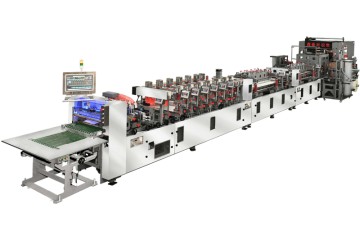
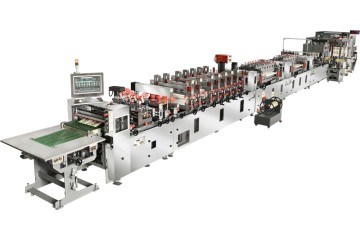
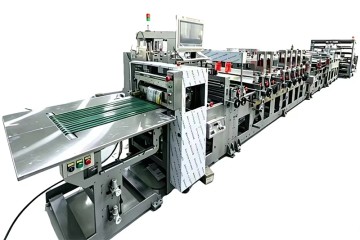
The People's Democratic Republic of Algeria represents one of the most dynamic industrial landscapes in North Africa and the Mediterranean basin. As the Algerian government accelerates its comprehensive economic diversification program away from exclusive hydrocarbon extraction toward robust domestic manufacturing and value addition, the demand for sophisticated polypropylene (PP) bag making equipment has surged to record levels. Algerian packaging processors and manufacturing enterprises in major commercial centers—including Algiers, Oran, Constantine, Sétif, Blida, and Béjaïa—are aggressively replacing legacy machinery with automated, electronic-shaft, servo-driven packaging equipment capable of delivering pristine visual alignment, mechanical resilience, and continuous high-speed production.
Central to this expansion is Algeria's strategic domestic advantage: access to downstream petrochemical polymers. The expansion of downstream polyolefin refining complexes operated by Sonatrach and affiliated joint ventures, such as the STEP (Société Tuniso-Algérienne de Polypropylène) initiatives and refining units near Arzew and Skikda, provides local bag manufacturers with reliable streams of polymer resins, including virgin Polypropylene Homopolymer (PP-H) and Random Copolymers (PP-R). Converting these raw pellets into biaxially oriented polypropylene (BOPP) laminated films, tubular woven PP textiles, and composite barrier laminates necessitates world-class bag-making machinery engineered to execute high-tolerance sealing under intensive continuous shifts.
Algerian trade regulations prioritizing domestic value creation encourage converters to manufacture flexible barrier packaging locally rather than importing finished bags from Europe and Asia.
Proximity to indigenous polyolefin feedstocks from national refining complexes ensures cost-effective input supplies for industrial woven PP sacks and multi-layer BOPP barrier films.
Multi-axis servo systems with electronic line-shaft synchronization minimize mechanical vibration, reduce downtime, and cut operational kilowatt consumption by up to 28%.
Polypropylene bag equipment suppliers serving the Algerian market must engineer machines tailored to distinctive industrial applications across several foundational sectors:
Operating converting machinery in North Africa presents distinct operational requirements: equipment must tolerate variable ambient temperatures ranging from Mediterranean humidity to dry, high-heat desert environments, while maintaining micron-level registration accuracy on printed flexible substrates. Our machinery portfolio incorporates several advanced structural innovations:
Unlike traditional optical phototubes that struggle with holographic foils, matte films, or low-contrast print patterns, our bag-making machines integrate high-speed industrial CCD (Charge-Coupled Device) visual inspection cameras. The real-time AI visual edge-guide detects printing pitch discrepancies and micro-distortions in polypropylene substrates caused by ambient thermal fluctuations, dynamically micro-adjusting servo feed rollers within milliseconds. This eliminates miscuts, preserves brand integrity, and slashes material scrap rates during high-speed runs.
By eliminating cumbersome mechanical gearboxes, chains, and long line-shafts, our Electronic Shaft bag-making machines dedicate individual high-torque AC servo motors to sealing heads, film tension unwinders, bottom gusset inserters, and rotary cutters. Programmed via an intuitive centralized industrial touchscreen HMI, operators can switch from a three-side sealed vacuum bag to a stand-up bottom-insertion zipper pouch in minutes rather than hours, reducing setup waste and empowering agile short-to-medium batch manufacturing.
| Feature Parameter | DZF-500-1000TSZ Stand-Up Zipper Series | DZF-600-800IIIT Center Sealing Series | DZF-600-800IIIT Three-Side Sealing Series |
|---|---|---|---|
| Target Bag Formats | Doypack, Stand-up Zipper, Bottom Insertion | Center Back Seal, Pillow Bag, Gusseted Tube | 3-Side Seal, Vacuum Pouch, Zipper Pouch |
| Maximum Line Speed | Up to 160 cuts/min (substrate dependent) | Up to 200 cuts/min | Up to 180 cuts/min |
| Substrate Compatibility | BOPP, CPP, Pet/Al/PE, Co-extruded PP, Nylon | PP Woven, Laminated BOPP, Pearlized PP | BOPP, Multi-layer Barrier PP, Retort Films |
| Registration Accuracy | ±0.15 mm (via High-Speed CCD Vision) | ±0.3 mm (Digital Color Mark Tracking) | ±0.15 mm (CCD Visual Camera Unit) |
| Thermal Sealing Method | Independent Multi-Zone PID Heating Bars | Continuous Ultrasonic / Longitudinal Bars | Pneumatic Constant Pressure PID Heated Dies |
| Motion Control Architecture | Electronic Shaft Multi-Servo Synchronization | Dual Servo Feed with PLC Central Engine | Multi-Axis Electronic Shaft Servo System |
Machinery installed in Algeria must withstand harsh geographic conditions. Dust mitigation filters protect sensitive electronic cabinets, optical cameras, and linear bearings from airborne fine sand prevalent in inland logistics corridors such as Djelfa or Ghardaïa. Simultaneously, anti-corrosive hard-anodized aluminum and stainless steel structural components prevent oxidation in coastal industrial ports like Béjaïa and Mostaganem.
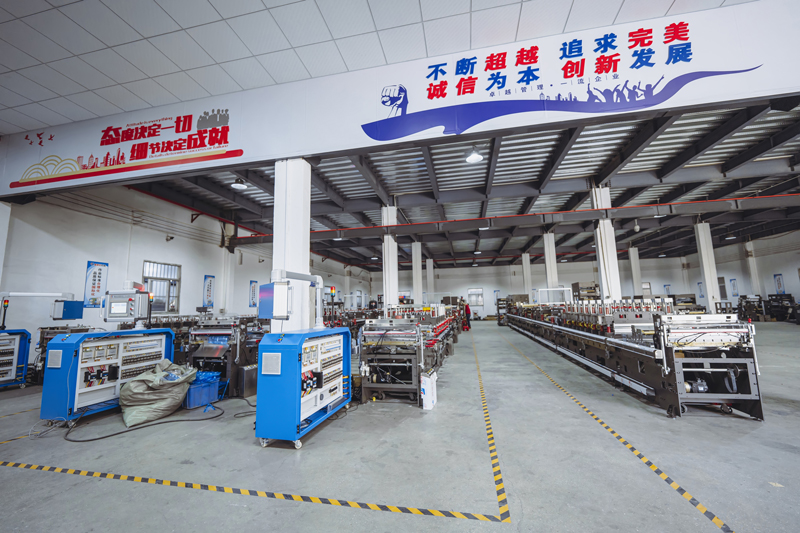
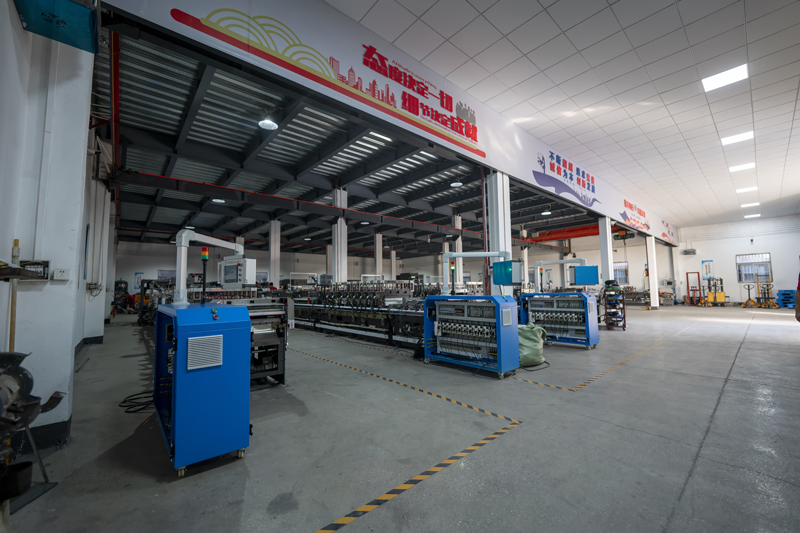
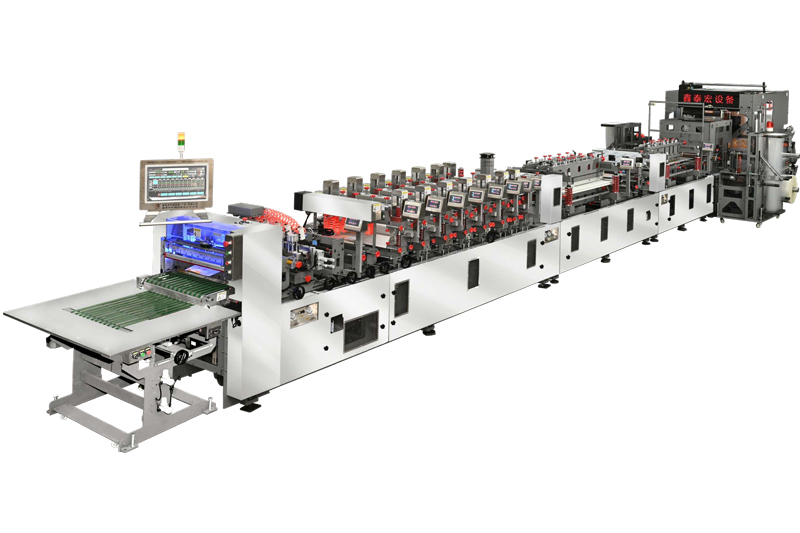
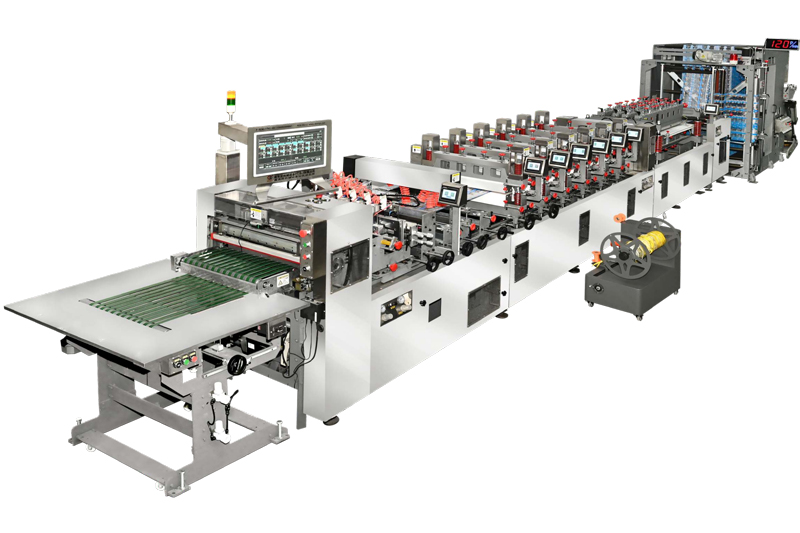
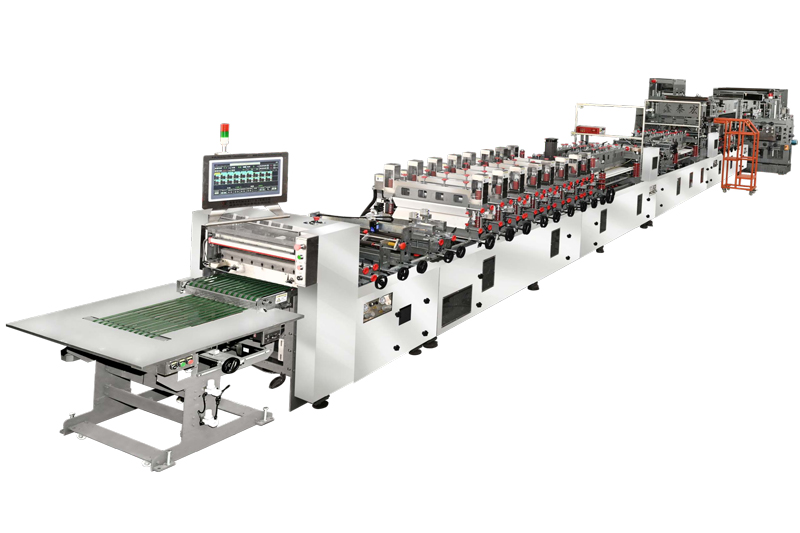
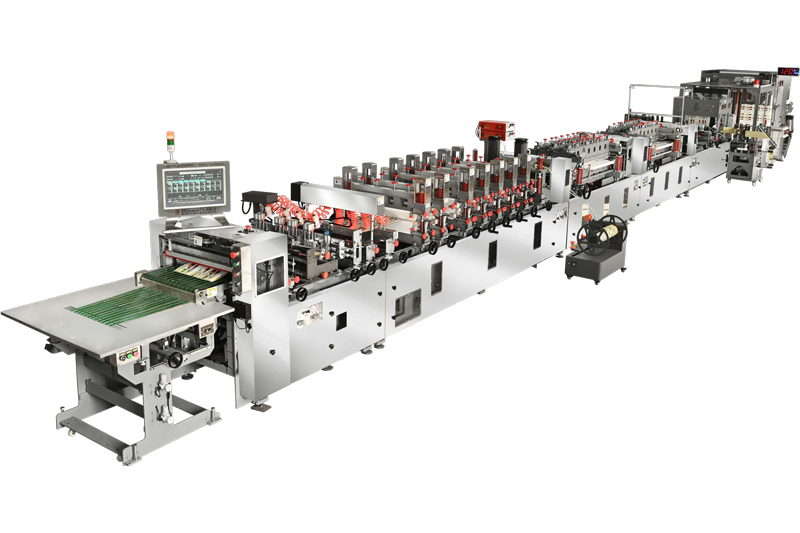
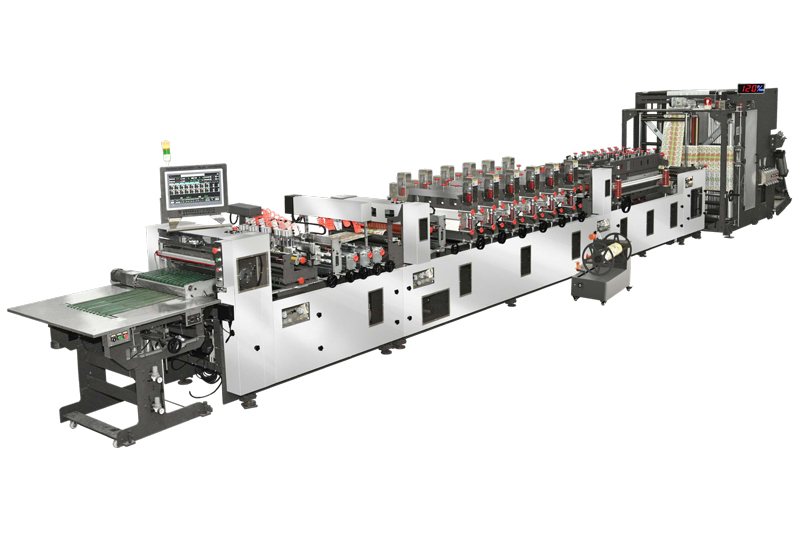
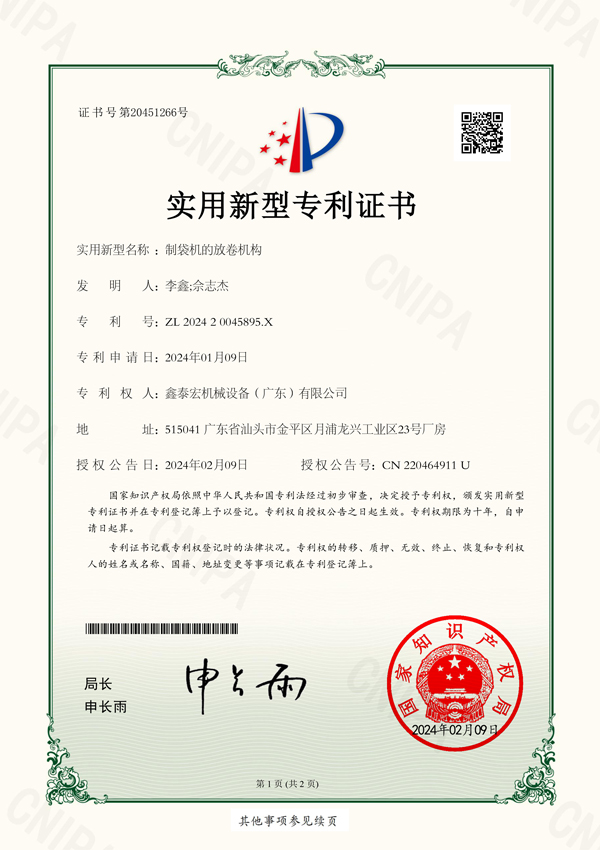
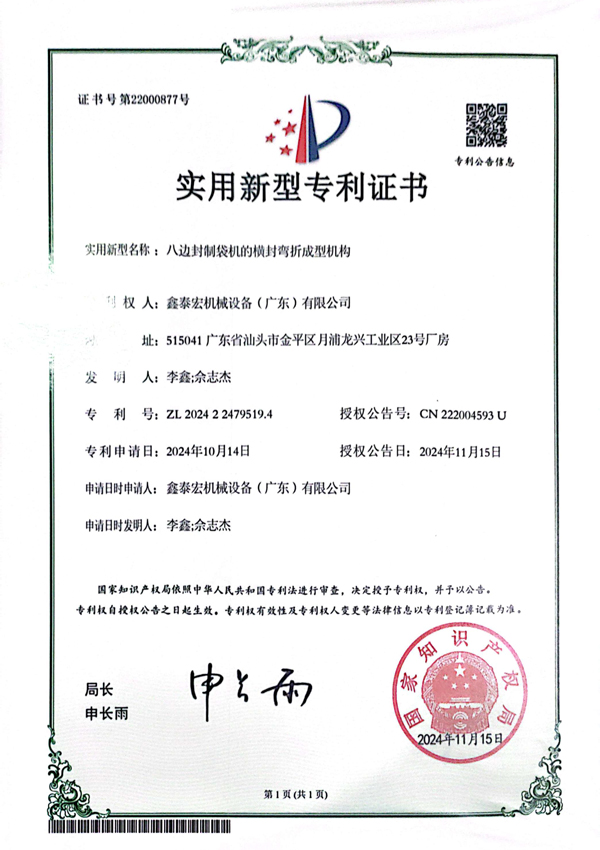
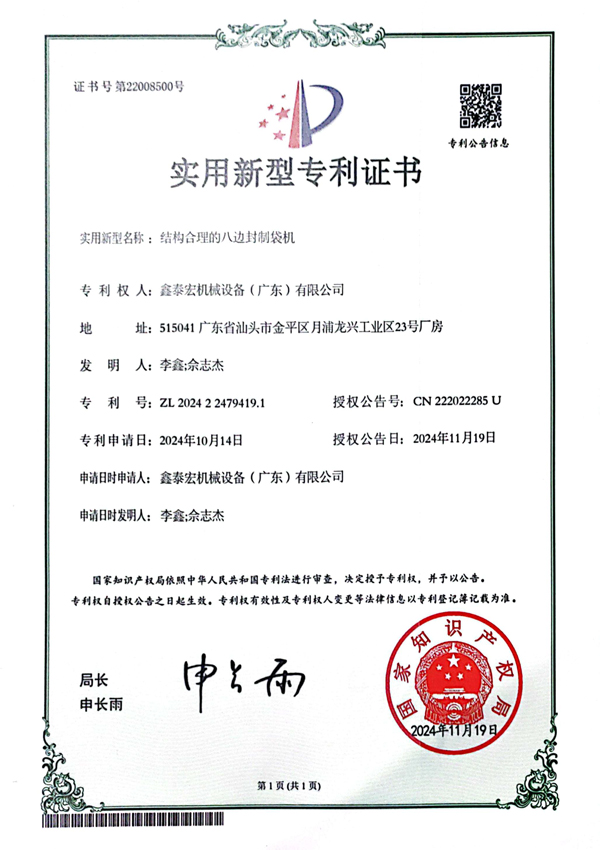
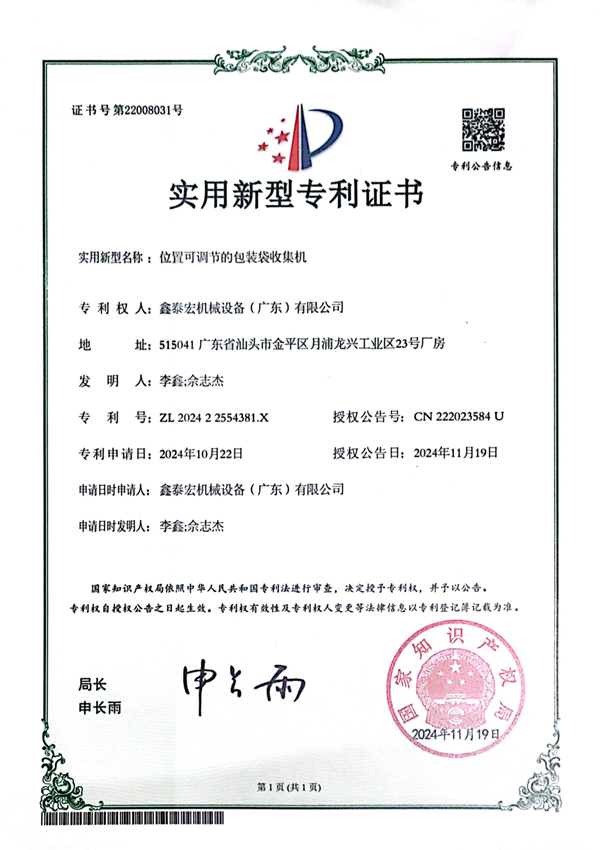
Procuring capital industrial machinery in Algeria requires assessing production speed, energy consumption, customs classification under the Algerian Customs Tariff (Tarif Douanier), and post-installation support. Modern Algerian processors require versatile production lines capable of switching substrates with minimal mechanical recalibration:
With environmental packaging standards tightening across the Maghreb and Europe, Algerian exporters are moving toward fully recyclable packaging solutions. Rather than utilizing multi-material laminates (such as PET/Aluminum/PE) which cannot be reprocessed in local recycling facilities, convertors are adopting monomaterial all-PP structures (such as BOPP laminated with Cast PP/CPP). Sealing monomaterial PP requires strict, narrow thermal sealing windows—a minor variance of ±2°C can cause film shrinkage or weak bonding. Our machines feature digital multi-zone PID controllers with high-frequency solid-state relays to maintain seal integrity across broad web widths.
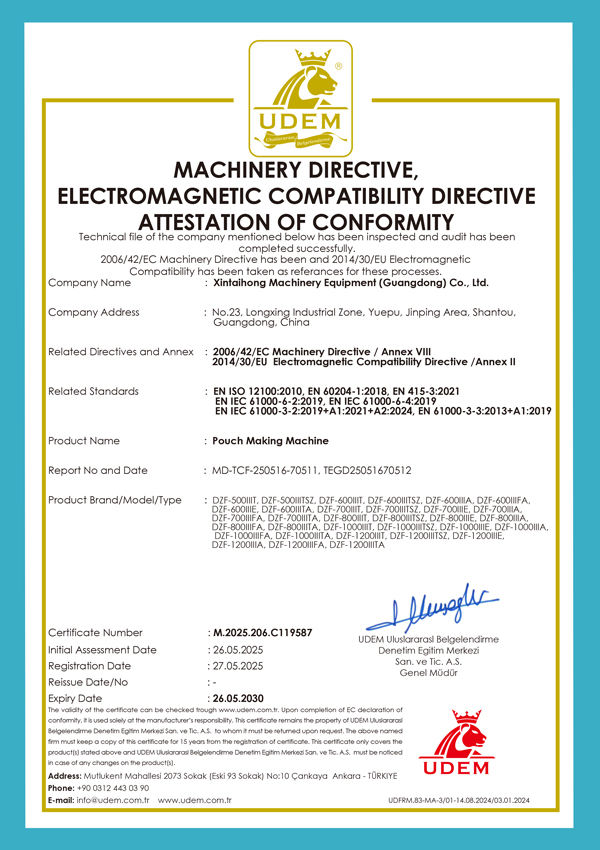
Under the Algerian Investment Promotion Agency (AAPI, formerly ANDI), purchasing manufacturing capital equipment benefits from substantial fiscal and customs incentives, including exemptions from customs duties and Value Added Tax (TVA) on imported industrial machinery. As an experienced machinery supplier serving Algerian enterprises, we deliver complete technical files: precise HS-code classifications, CE compliance certificates, EUR.1 / Certificate of Origin documentations, electrical schematics compatible with Sonelgaz 380V/400V 50Hz 3-phase power grids, and foundation engineering blueprints to ensure seamless port clearance at Alger Port, Port of Oran, or Djen Djen.
Industrial uptime is vital. Our equipment comes equipped with secure industrial IoT remote access modules. In the event of an electrical fault or parameter mismatch, our software engineers can diagnose PLC logic registers remotely via encrypted Ethernet connection, providing instantaneous troubleshooting support to plant maintenance technicians in Blida or Batna. Comprehensive training manuals, on-site commissioning technicians, and standardized modular spare parts ensure your lines operate continuously at peak throughput.
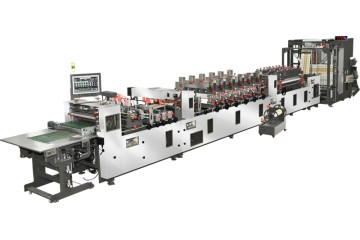
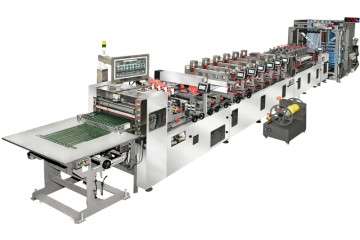
Whether launching a new industrial converting plant in Algiers, Oran, Blida, Sétif, or upgrading an existing bag manufacturing line with high-speed CCD visual inspection and electronic shaft servo synchronization, our engineering team provides turnkey project support—from factory floor plan optimization and equipment sizing to customs documentation and on-site commissioning across Algeria.
Consult an Algerian Packaging Equipment Specialist