Leave Your Message
-
Phone
-
E-mail
-
Whatsapp
-
WeChat

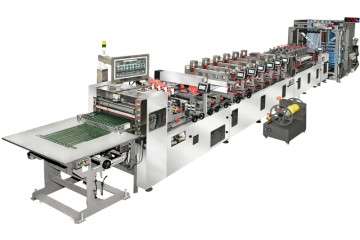
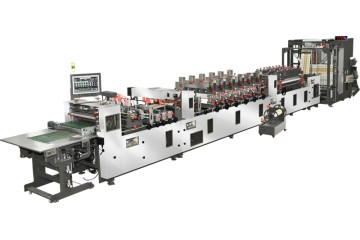
High-precision, servo-driven packaging equipment designed for PP and laminated films in the cosmetic and beauty industries.
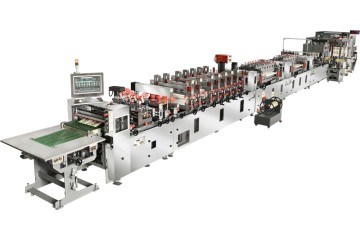
The beauty and personal care industry is experiencing an unprecedented surge in demand for single-use packaging formats, specifically facial masks and cosmetic sample sachets. Economically, sachets act as a powerful marketing tool, allowing consumers to test premium products before committing to full-sized purchases. From a manufacturing perspective, the adoption of Polypropylene (PP) and laminated structures has become the gold standard due to their exceptional barrier properties and cost efficiency.
Today's cosmetic brands require packaging equipment that can handle diverse, complex formulations—ranging from highly viscous creams and water-like essences to clay-based masks. The machinery must run continuously at high speeds while maintaining absolute seal integrity. Any microscopic leak in a cosmetic sachet can lead to oxidation, contamination, or product drying, rendering the entire batch useless. Consequently, the industry is transitioning away from manual or semi-automated mechanical systems toward high-speed, servo-driven, and electronically synchronized machinery.
Industry Insight: Global consumer behavior shows a dramatic shift towards hygienic, travel-friendly, and portion-controlled packaging. The sachet format is no longer just a "sample" but a mainstream product delivery system for active-ingredient skin care.
Polypropylene (PP) is highly favored in cosmetic packaging for its chemical inertness, flexibility, and thermal resistance. When formulating facial masks or serums containing active ingredients like Vitamin C, Retinol, or Hyaluronic Acid, the packaging material must not react with the product. PP acts as an inert shield, ensuring the formula's chemistry remains stable throughout its shelf life.
Furthermore, PP serves as a crucial sealant layer in multi-layer laminated films (such as PET/AL/PP or BOPP/VMCPP). It provides excellent heat-sealability at relatively low temperatures, allowing for rapid sealing cycles without compromising the structural integrity of the outer decorative layers. The material's recyclability also aligns with the modern cosmetic industry's push toward sustainable, circular-economy packaging initiatives.
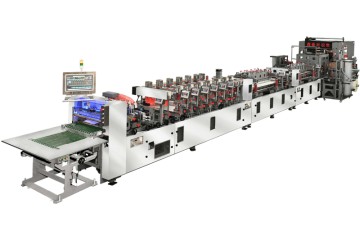
To keep pace with high-output cosmetic manufacturing lines, modern PP bag-making machines incorporate cutting-edge electronic and mechanical systems. Key among these is the integration of electronic shaft control and CCD (Charge-Coupled Device) vision inspection systems.
Traditional bag-making machines relied on mechanical linkages, gears, and chains to synchronize feeding, sealing, and cutting processes. These mechanical systems were prone to wear, required frequent downtime for adjustments, and struggled to maintain high accuracy at elevated speeds. In contrast, modern electronic shaft systems utilize independent servo motors for each functional station (e.g., film feeding, sealing bars, punching units, and cutters). These motors are synchronized electronically via a central motion controller. This setup allows for micro-second adjustments, precise tension control, and seamless changeovers between different sachet sizes with minimal mechanical intervention.
With cosmetic packaging, visual presentation is paramount. A misaligned logo, a crooked tear notch, or a wrinkled seal can ruin a brand's premium image. Integrating high-speed CCD cameras into the bag-making line allows for real-time monitoring of print registration, seal alignment, and overall bag geometry. The system automatically detects deviations and rejects defective bags without stopping the production line, ensuring a 100% defect-free output.
Cosmetic packaging demands diverse formats: three-side seal sachets, center-seal bags, and stand-up pouches with bottom insertions and zippers. Advanced PP bag equipment features modular sealing stations that can be configured to produce various bag types. This versatility is highly beneficial for contract packers (CMOs) who handle multiple brands and packaging configurations daily.
Facial sheet masks are saturated with liquid essence, requiring unique handling during the packaging process. The bag-making equipment must prepare a robust three-side or four-side sealed pouch that can withstand the subsequent liquid filling and vacuum sealing processes. The inner PP layer must be perfectly sealed to prevent the liquid essence from migrating into the laminated seams, which could cause delamination or leakage. Furthermore, the machine must punch precise tear notches to ensure consumers can open the mask easily in wet bathroom environments.
Sample sachets for foundations, lotions, and hair serums are often produced in multi-lane configurations to maximize throughput. High precision is required to ensure that the small surface area of the sachet accommodates the brand logo, product information, and ingredients list perfectly. The bag-making machinery must maintain absolute tension control over the film roll to prevent stretching, which could distort the printed graphics or misalign the cutting blade.
A growing trend in the cosmetic sector is the packaging of multiple sheet masks (e.g., 7-day or 30-day packs) in a single stand-up pouch with a resealable zipper. This application requires highly sophisticated bottom-insertion and zipper-sealing modules. The machine must feed the zipper profile, seal it securely to the front and back panels of the PP film, and shape the bottom gusset to ensure the pouch stands upright on retail shelves. The sealing temperature and pressure must be precisely controlled to avoid melting the zipper structure while ensuring a leak-proof hermetic seal.
As the cosmetic sector moves toward Industry 4.0, packaging machinery is evolving to become smarter, more connected, and highly sustainable. The integration of IoT (Internet of Things) sensors allows manufacturers to track real-time machine health, predict maintenance needs, and optimize energy consumption. Machine learning algorithms are also being applied to analyze data from CCD cameras, allowing the equipment to self-correct sealing temperatures or feeding speeds dynamically before defects occur.
On the environmental front, the demand for mono-material packaging is rising. Instead of complex multi-material laminates that are difficult to recycle, brands are demanding 100% PP structures (mono-PP). Sealing mono-PP films requires highly precise temperature control, as the material has a narrow sealing window compared to traditional laminates. Modern bag-making machines are being engineered with advanced heat-conduction systems and cooling phases to handle these eco-friendly films without warping or burning.
Looking Ahead: The future belongs to highly adaptable, zero-waste packaging lines capable of switching from conventional plastics to bio-based polymers with the touch of a button. Automation will move beyond simple mechanical tasks to intelligent, self-optimizing processes.
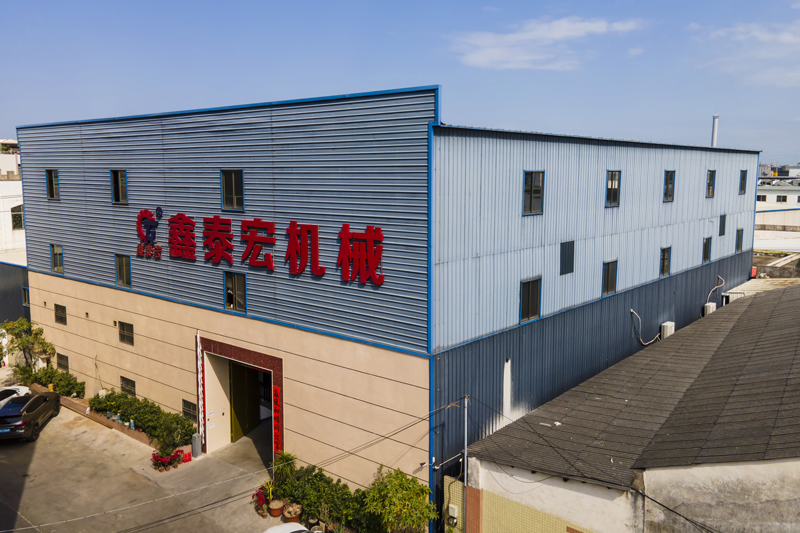
Explore our state-of-the-art manufacturing facilities, where we build high-precision packaging machinery designed to meet international standards.
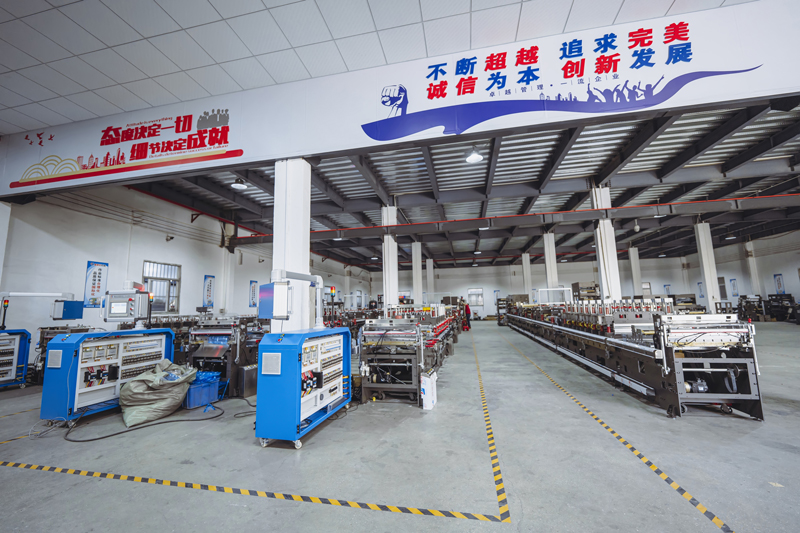
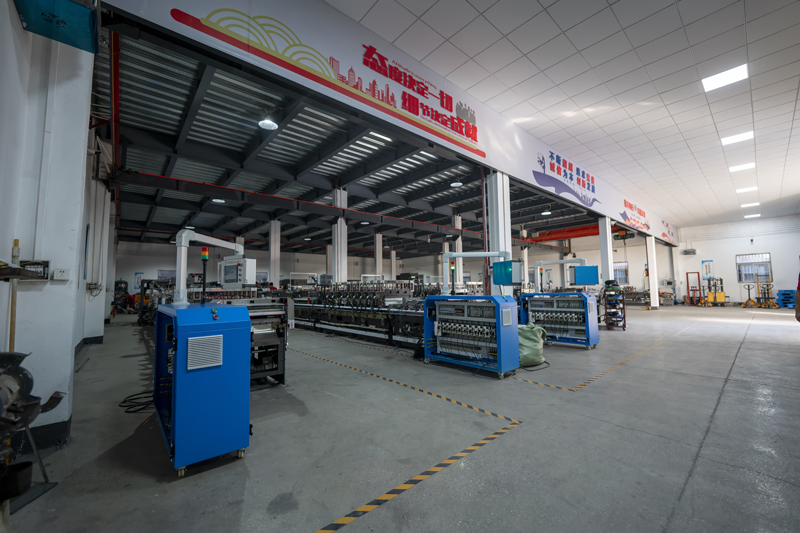
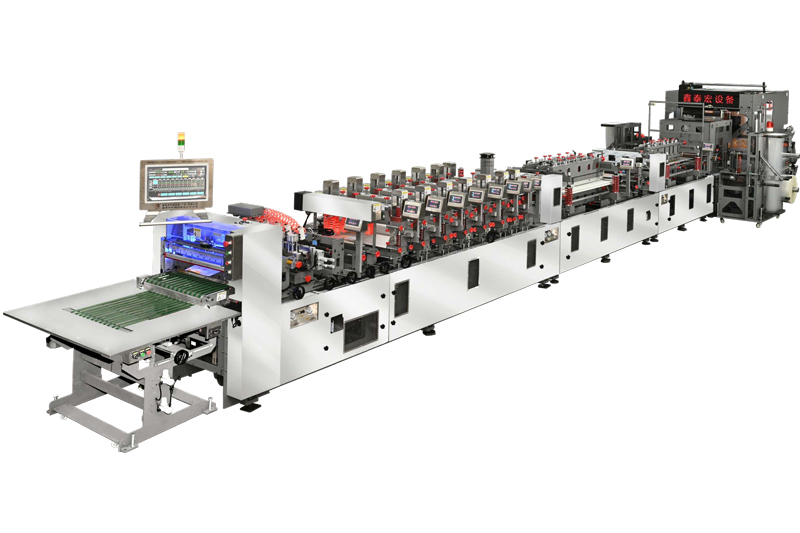
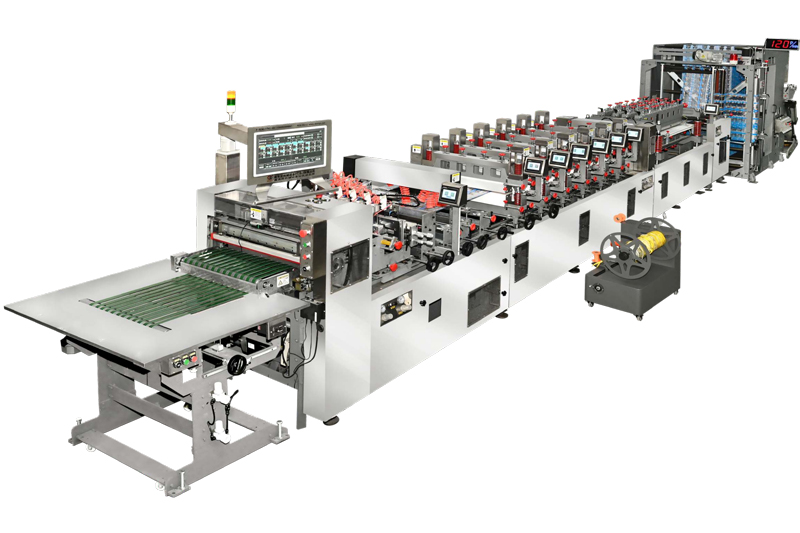
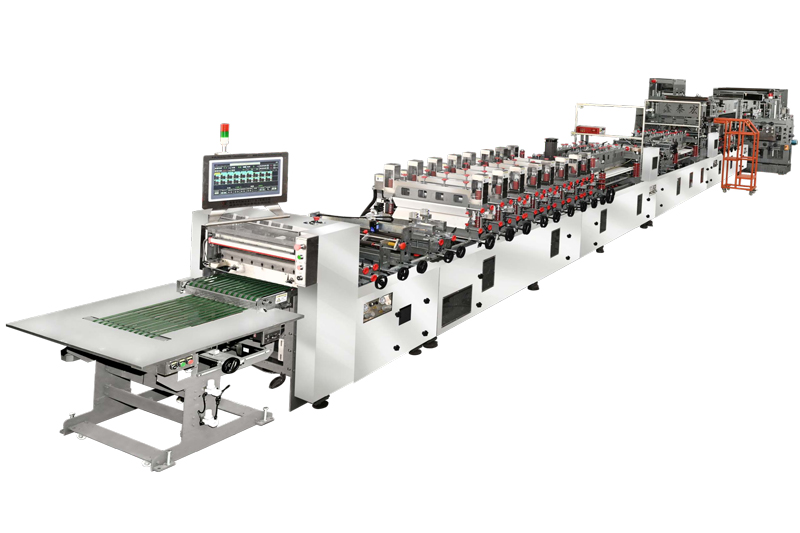
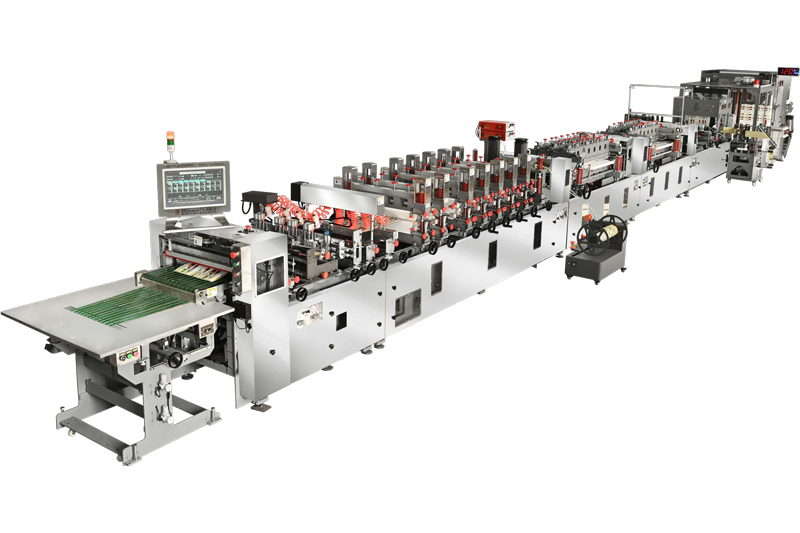
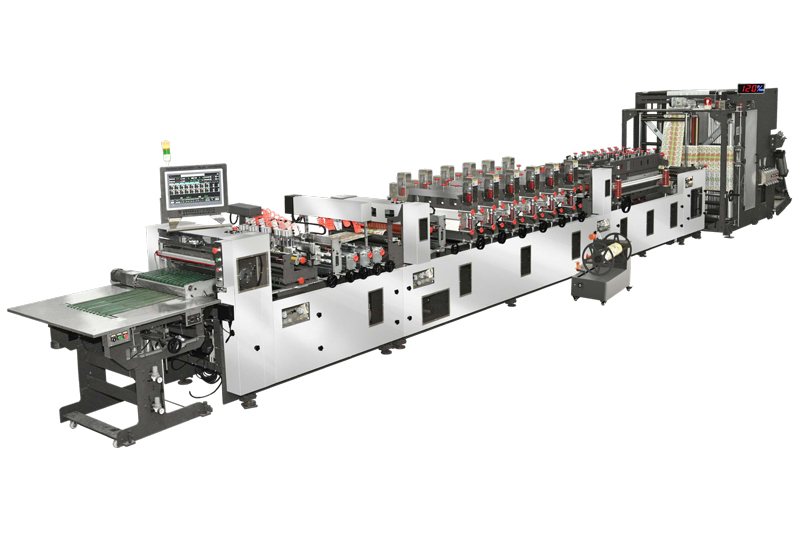
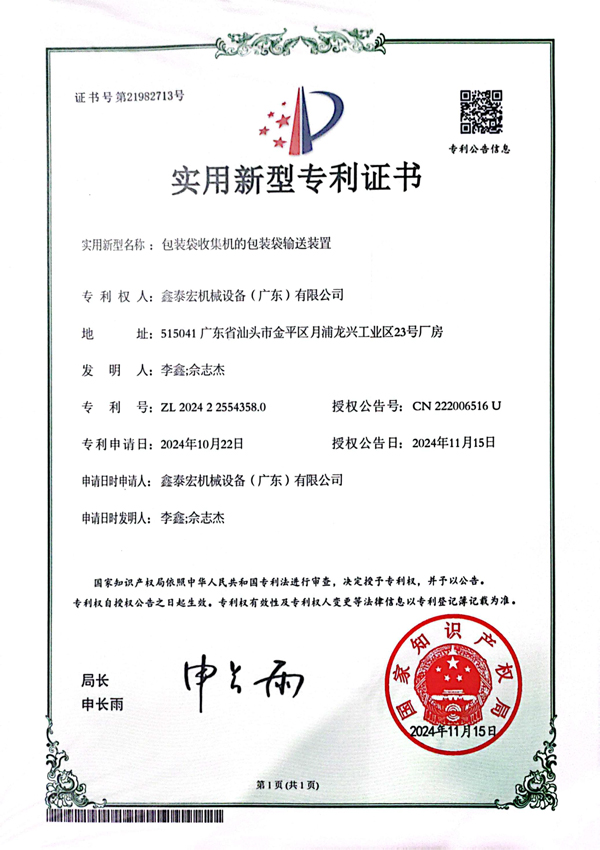
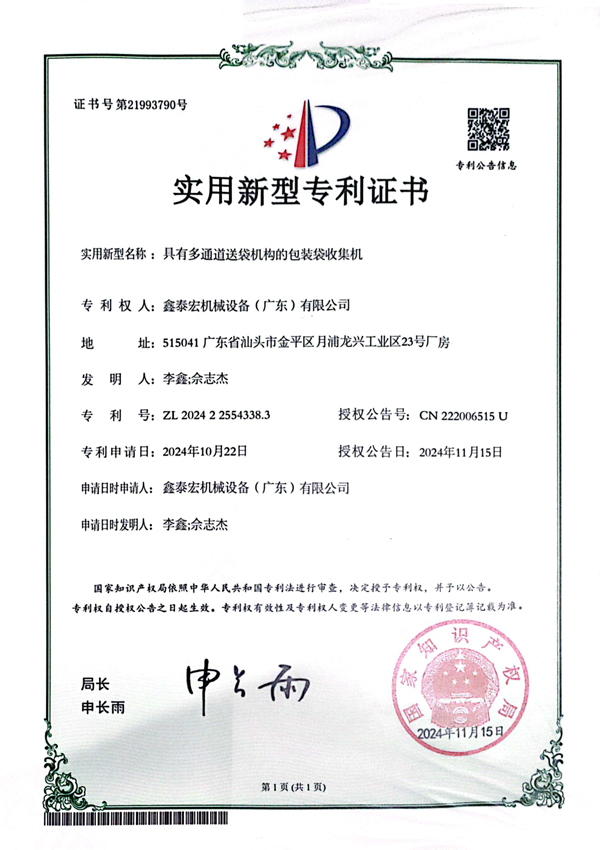
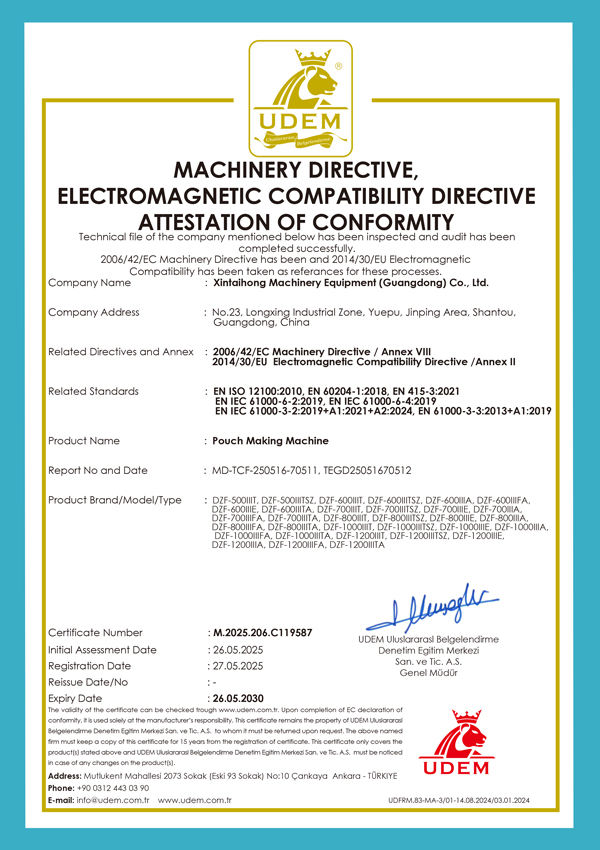
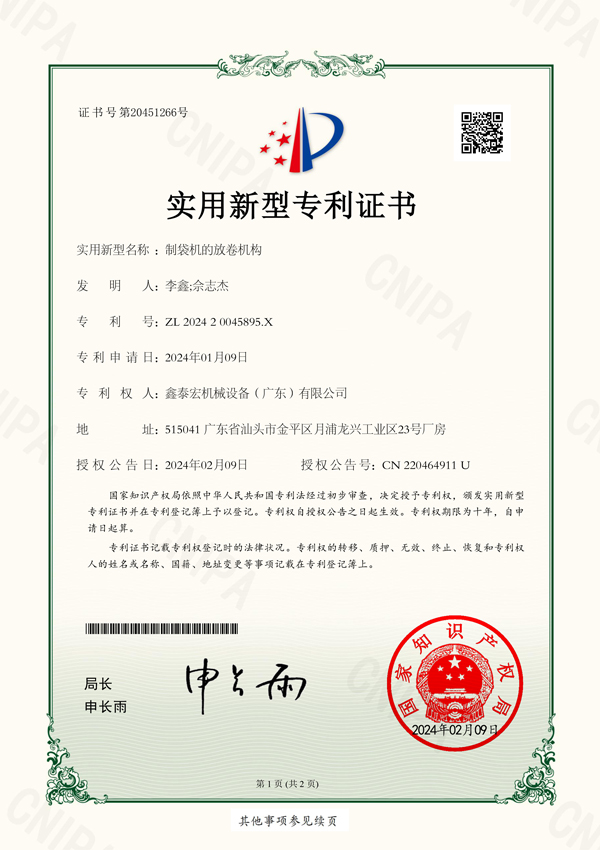
Our machinery is manufactured under strict quality management systems, fully certified to comply with global safety and performance regulations.
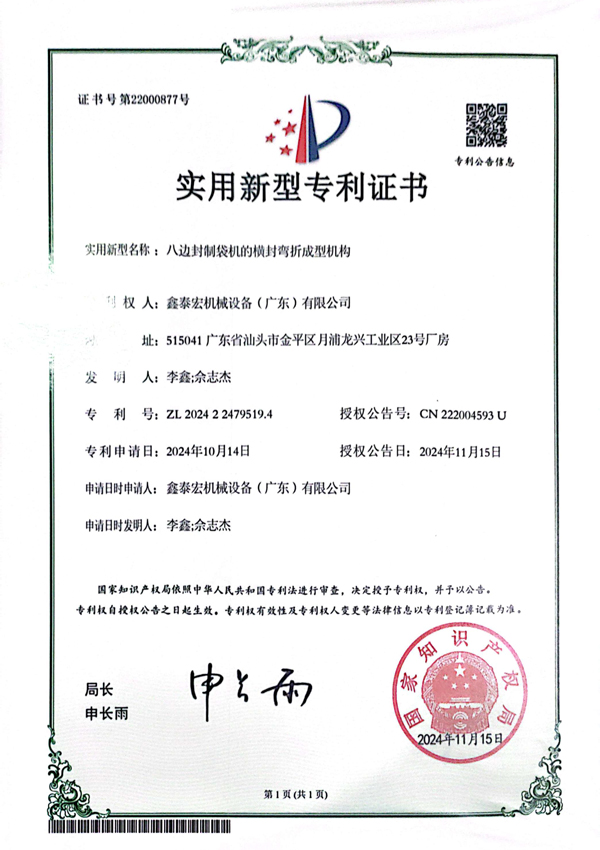
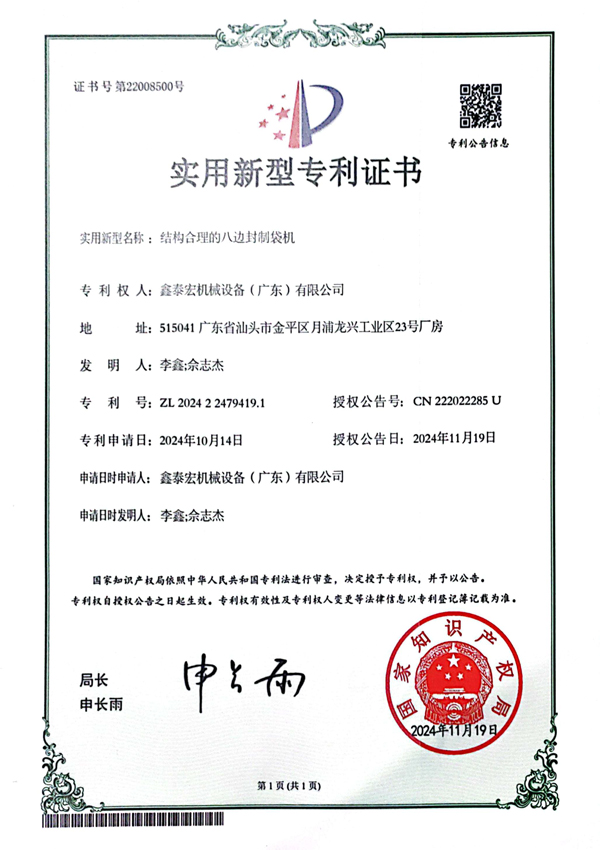
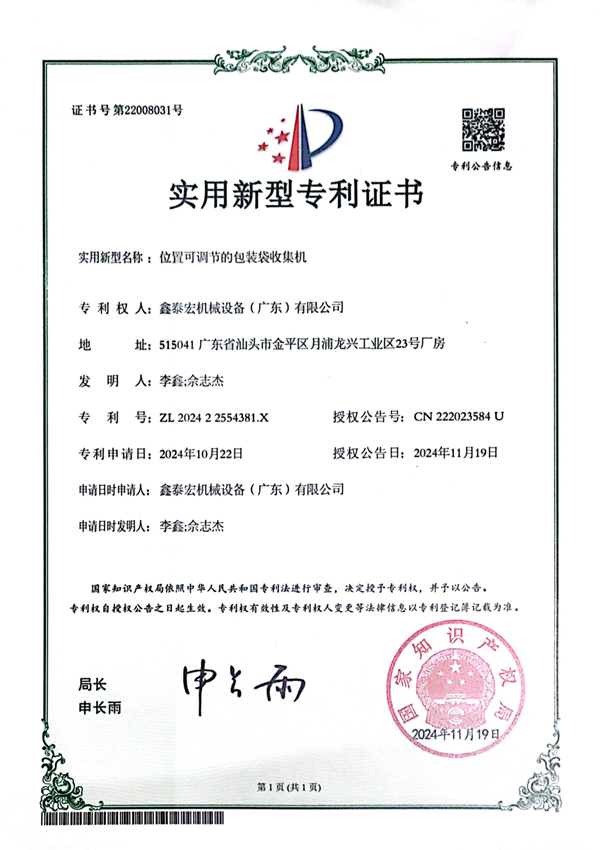
Browse our complete lineup of high-performance bag-making systems designed for facial masks, cosmetic sachets, and stand-up pouches.