Leave Your Message
-
Phone
-
E-mail
-
Whatsapp
-
WeChat

High-speed, hermetic-sealing converting equipment specifically optimized for multi-layer PP, BOPP, and laminate films utilized in seed protection and fertilizer preservation.
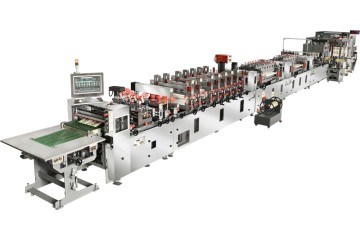
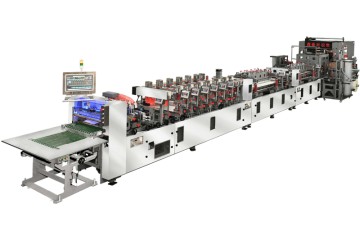
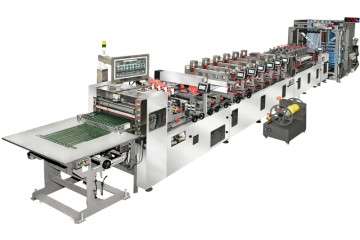
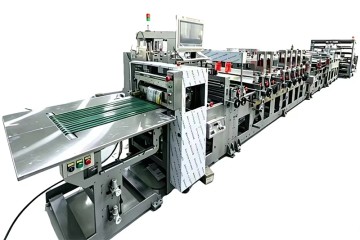
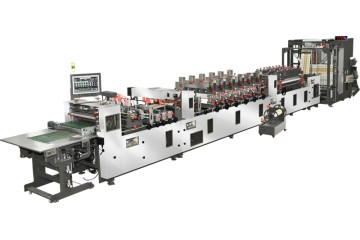
In modern agricultural supply chains, agricultural seeds and synthetic fertilizers represent high-value, biochemically sensitive commodities. Uncontrolled moisture ingress during transcontinental shipping, multi-climate warehousing, and prolonged farm storage leads to catastrophic product degradation. For hybrid seeds (including maize, paddy, sunflower, canola, and specialty horticulture), ambient relative humidity exceeding critical thresholds induces premature metabolic respiration, mold infestation, enzymatic deterioration, and drastic declines in germination rate. In fertilizer logistics—encompassing Urea, Diammonium Phosphate (DAP), NPK compounds, Calcium Ammonium Nitrate, and water-soluble micro-nutrients—hygroscopic water absorption triggers severe caking, lump formation, chemical breakdown, and nozzle-clogging paste consistencies that paralyze automated farm spreaders.
To overcome these vulnerability points, the agrochemical packaging sector has systematically shifted toward high-performance Polypropylene (PP) and oriented polypropylene (BOPP) composite substrates. Fabricated via advanced PP Polypropylene Bag Equipment, these multi-layer, hermetically sealed structures deliver virtually impenetrable Water Vapor Transmission Rates (WVTR), robust mechanical puncture resistance, and extended shelf life under extreme tropical humidity.
Multi-layer PP lamination architectures bonded with metallized or EVOH co-extrusions mitigate atmospheric vapor diffusion, preserving seed cellular vitality and keeping chemical fertilizers free-flowing.
Fully synchronized multi-axis servo controllers maintain ultra-stable web tension across varying thermal zones, preventing micro-creasing and microscopic pinholes along structural seams.
Integrated high-definition CCD vision systems inspect 100% of seal geometries, zipper alignments, and tear-notch cuts at full production velocity, discarding sub-standard pouches automatically.
A resilient moisture barrier is only as dependable as its weakest seam. While polymer chemistries provide raw substrate resistance, the converting machine must execute uniform thermal bonding, rapid cooling stabilization, and stress-free tension handling. Contemporary PP bag making equipment incorporates several breakthrough technological sub-systems engineered precisely to guarantee airtight hermetic seals:
Polypropylene requires strict thermal processing windows. Excessive heat causes polymer degradation, thinning the barrier layer, whereas insufficient heat yields incomplete molecular entanglement. Our equipment leverages independent multi-zone PID temperature controllers coupled with precision ground copper-alloy heat seal bars. Following the primary thermal weld, specialized cooling stations instantly quench the weld seam under pressure, locking the crystalline matrix of the PP layer to prevent stress cracking and micro-capillary vapor leakage.
Laminated PP films, particularly woven PP bonded with BOPP film and PE liners, exhibit anisotropic tensile behaviors. Our electronic shaft drive architecture assigns dedicated servo motors to uncoiling, traction, folding, gusseting, and cutting stations. This eliminates mechanical transmission backlash, ensuring zero web slippage and absolute registration accuracy even at speeds up to 180 to 220 cuts per minute.
Traditional bag converting relies on periodic post-batch visual checks, allowing hundreds of defective units to pass undetected. With integrated CCD high-speed visual scanning, our machinery monitors color registration, side-seal consistency, zipper bottom fusion, and punching symmetry in real time. Anomalies trigger instant auto-rejection mechanisms without decelerating the production line, ensuring zero moisture failure risk for end customers.
For seed bags opened intermittently across multi-week planting cycles, moisture entry after opening is a primary failure mode. The integrated ultrasonic zipper-crushing and continuous thermal welding system bonds moisture-proof airtight zippers directly into the stand-up bottom gusset pouch structure, ensuring airtight reclosure.
PP bag making machinery covers a diverse spectrum of packaging topologies tailored to specific farm chemical and agronomic requirements:
Multi-function stand-up bottom-insertion pouches (100g to 5kg) featuring BOPP/PP/Alu-barrier laminates with resealable zippers. Keeps seed moisture content below 8-10%, prohibiting fungal dormancy break during tropical warehouse storage.
Center-sealing and three-side-sealing heavy-duty bags (5kg to 25kg) for drip irrigation fertilizers, chelates, and foliar nutrients. Extreme burst strength combined with zero-seam pinholes guarantees zero atmospheric hydration.
Specialized side-gusset and bottom-fold pouches engineered for living bacterial soil enhancers and mycorrhizal inoculants that require precise micro-climate stability and protection against UV and vapor degradation.
Our modernized manufacturing facility integrates precision CNC machining centers, high-accuracy assembly bays, and multi-stage testing rigs to build packaging equipment with decades of operational reliability.
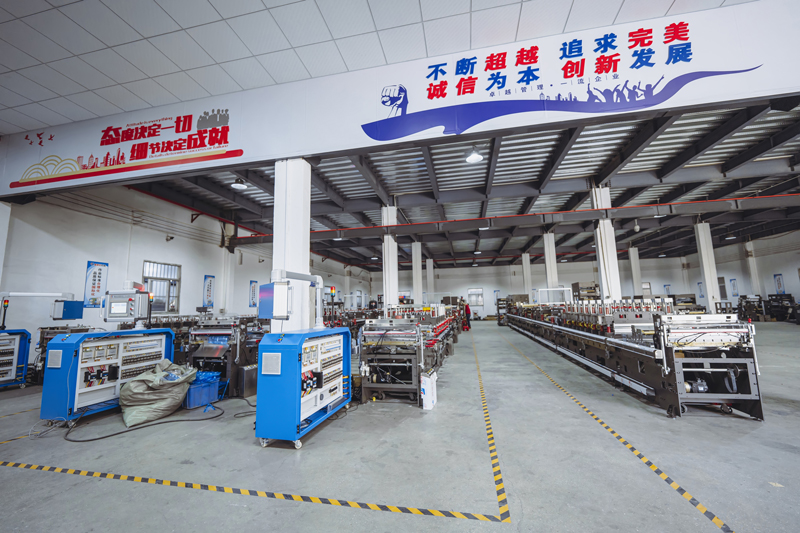
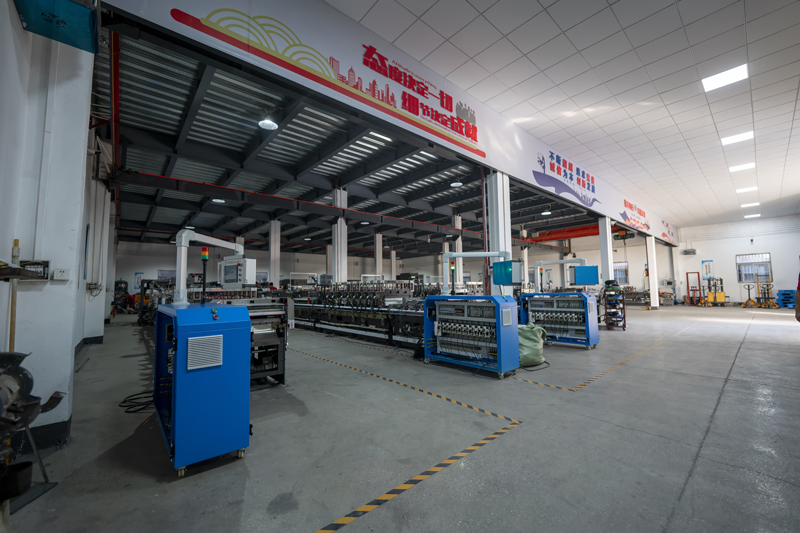
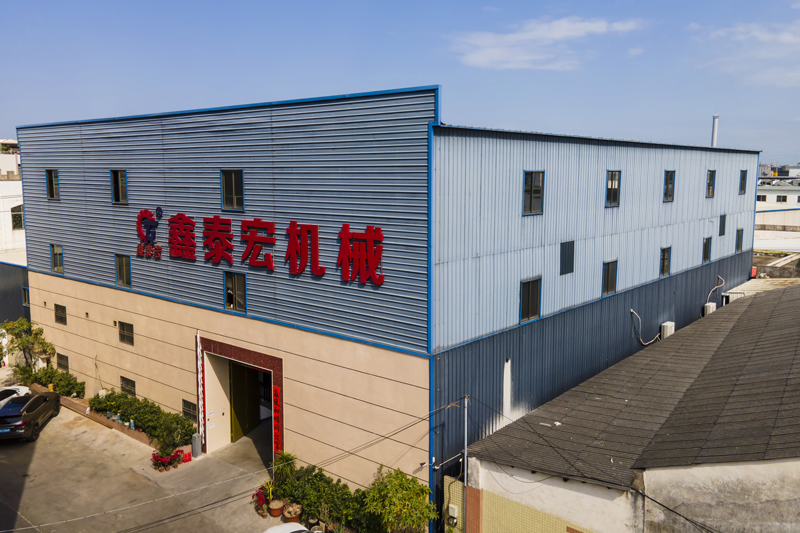
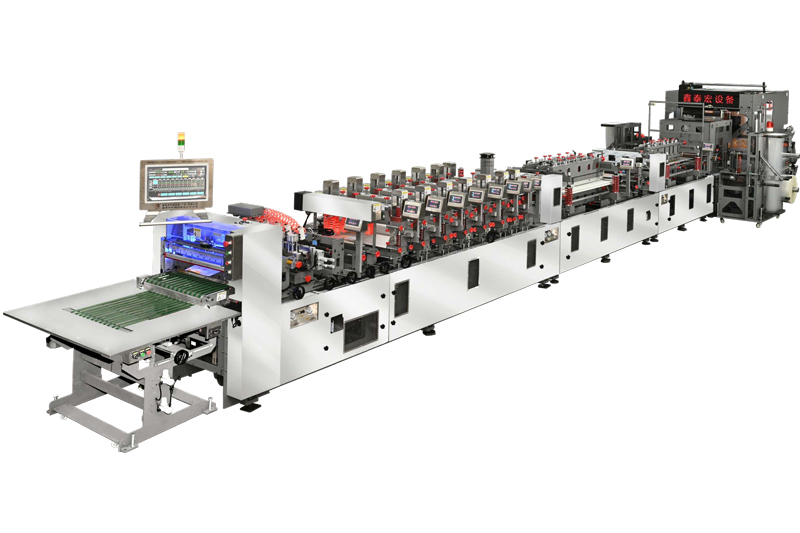
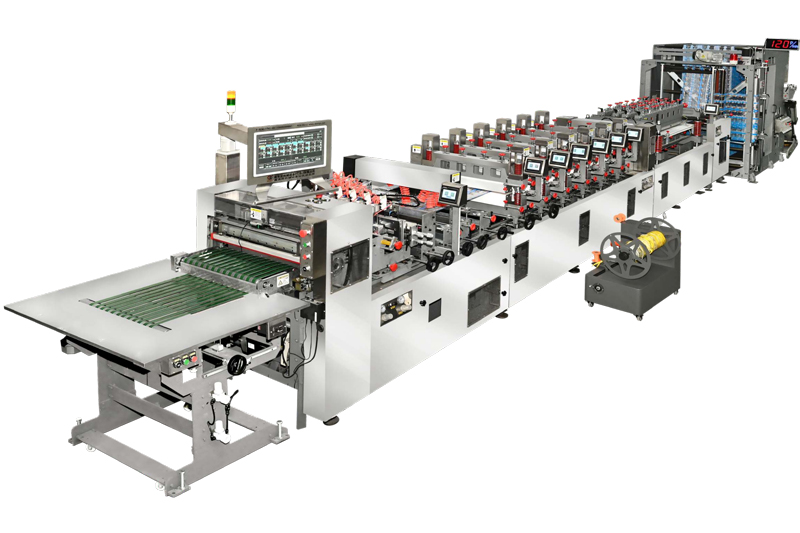
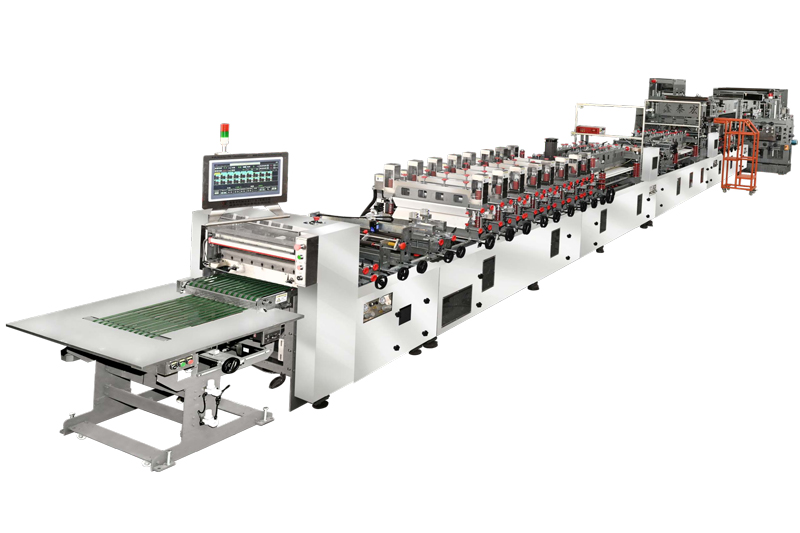
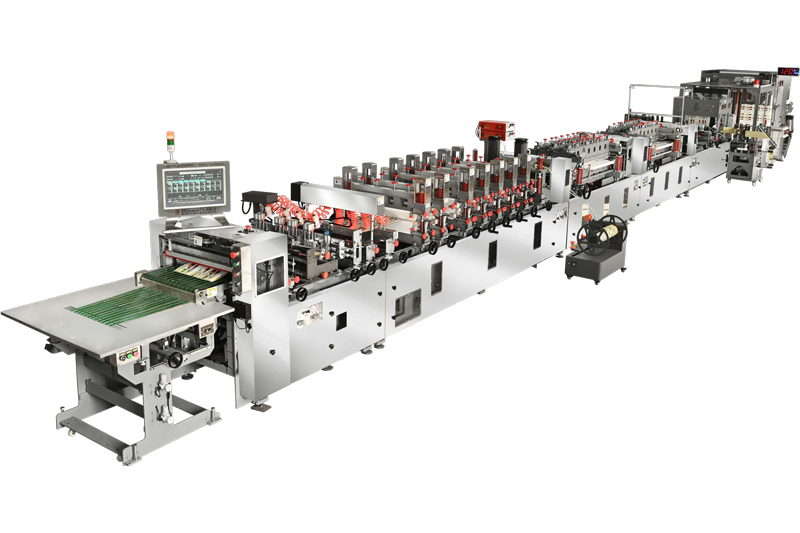
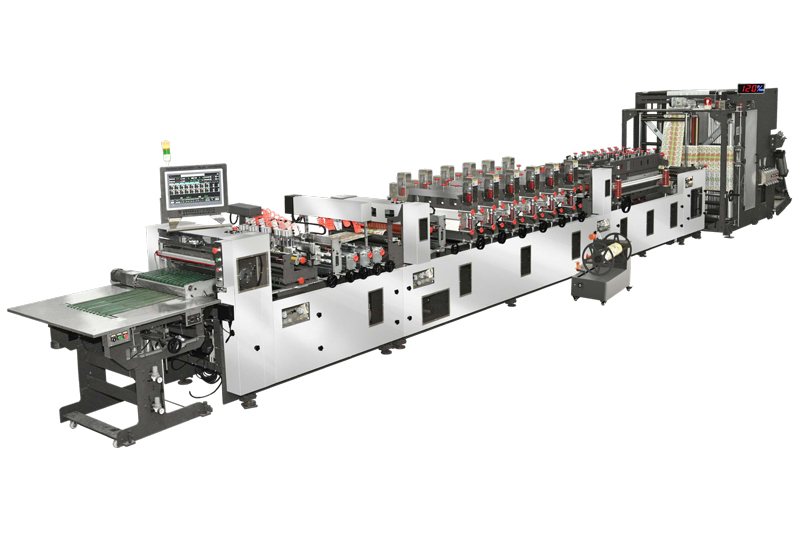
The agricultural packaging sector is undergoing two monumental disruptions: the urgent demand for circular economy compliance and the integration of digitalized Industry 4.0 smart manufacturing networks.
Historically, achieving ultra-low moisture vapor transmission required multi-material composites such as PET/Alu/PE or Paper/PE laminates. However, these multi-material films cannot be mechanically recycled, incurring escalating landfill taxes and regulatory bans across the European Union and North America. Modern PP bag making equipment is engineered to process next-generation High-Barrier Mono-PP Laminates (BO-PP laminated to cast PP). Mono-PP possesses a very narrow melting point differential between the outer face and inner sealant layer. Our equipment's precision electronic heat profile control prevents web deformation while delivering flawless hermetic seams, enabling agrochemical manufacturers to transition to 100% circular, recyclable packaging without compromising barrier performance.
Downtime in the peak fertilizer production or seed harvesting season causes severe logistics bottlenecks. Our PP bag machines incorporate intelligent PLC interfaces equipped with OPC-UA protocols. Key metrics—including heating element impedance, servo motor torque anomalies, seal pressure variations, and blade wear rates—are tracked continuously. Plant engineers receive proactive maintenance alerts before mechanical failures occur, ensuring 99.2% operational uptime.
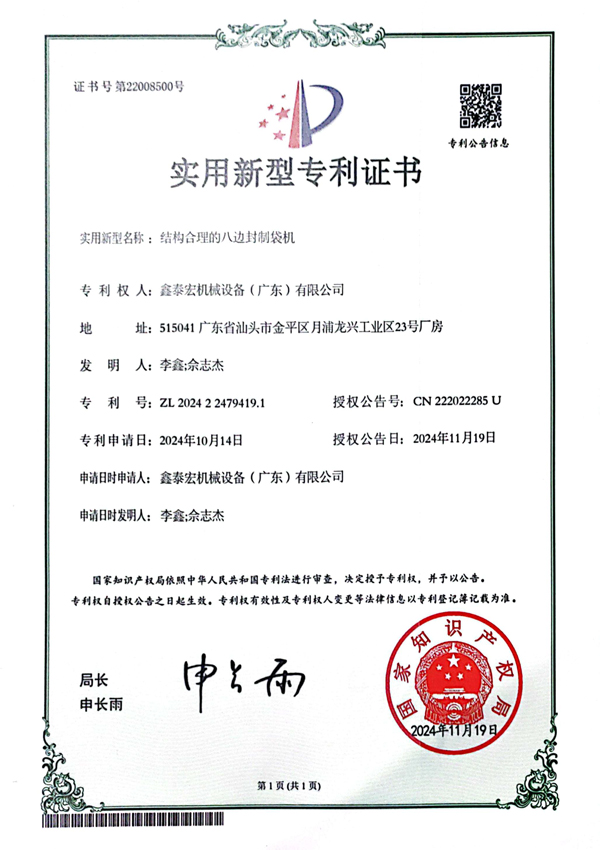
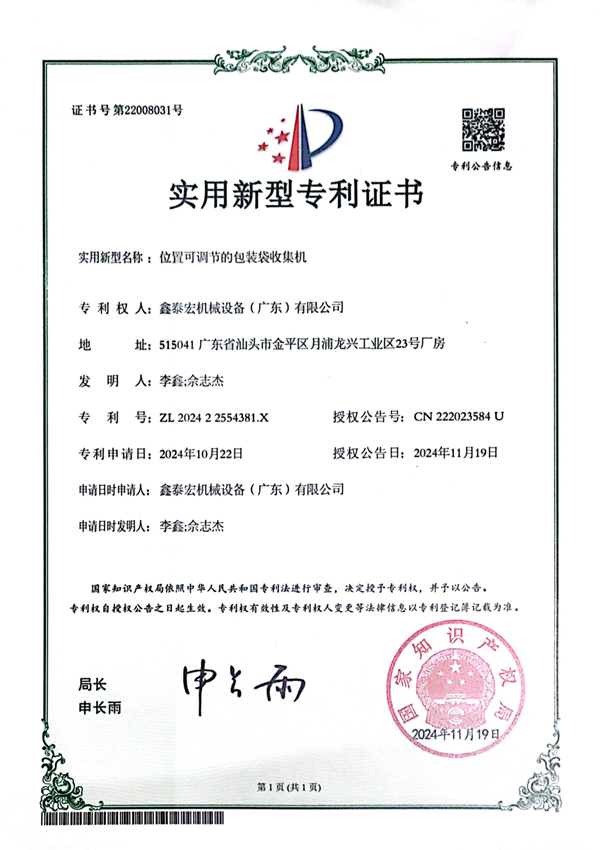
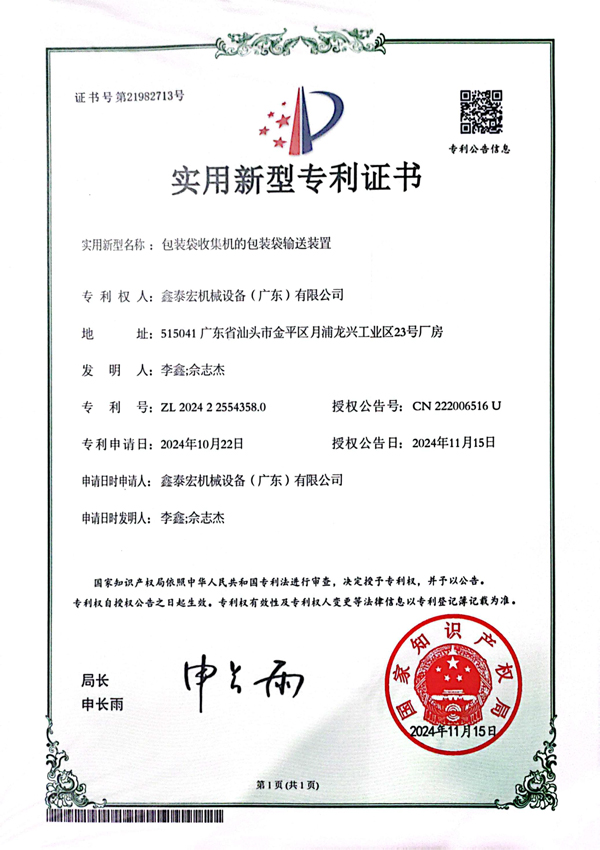
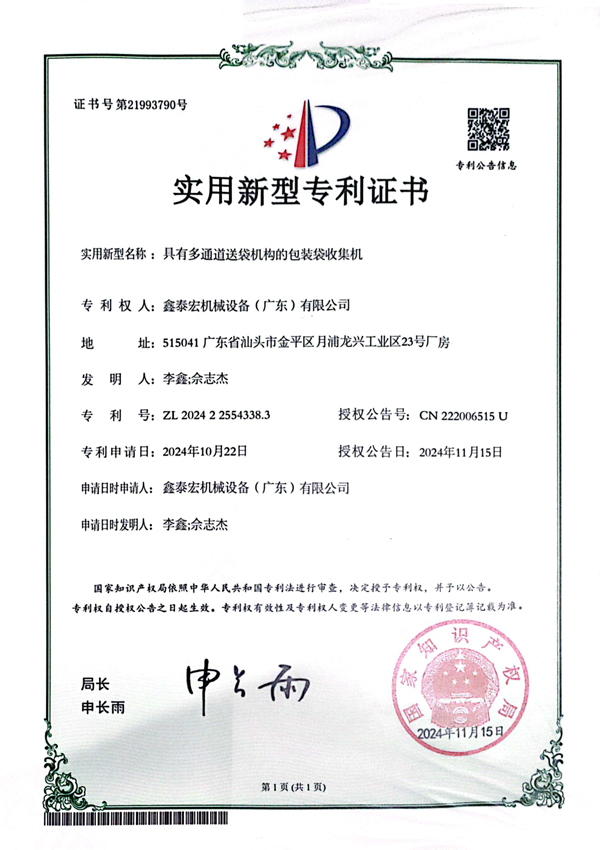
Every PP bag manufacturing machine adheres to rigorous international electrical, mechanical safety, and quality management standards verified by global accredited institutions.
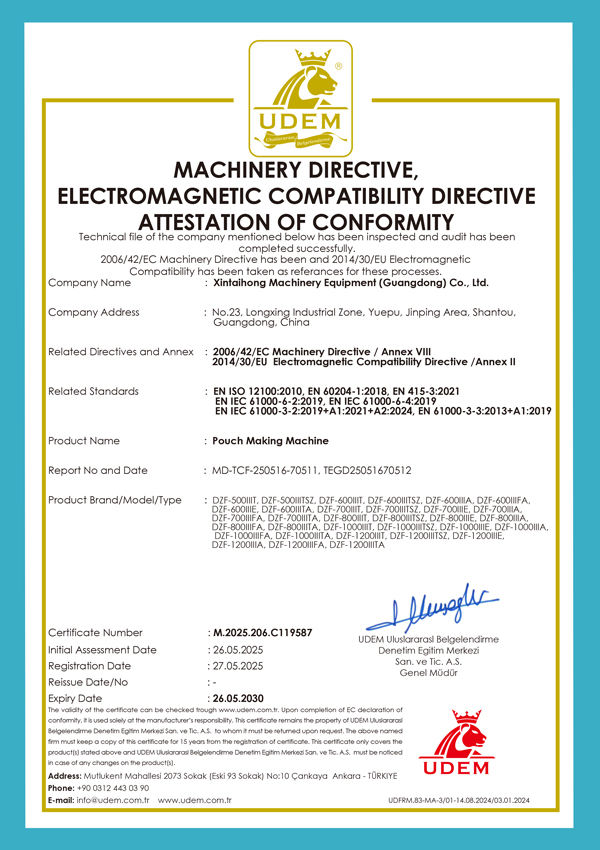
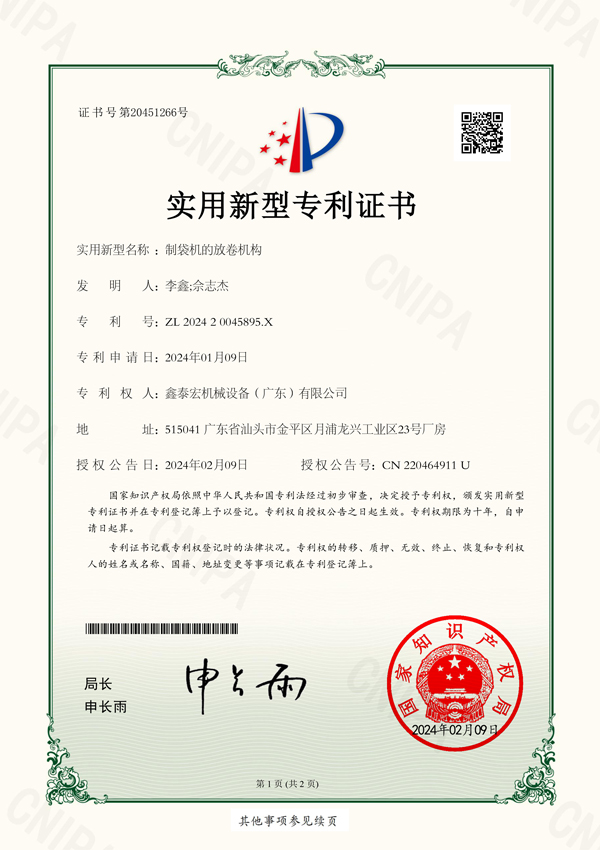
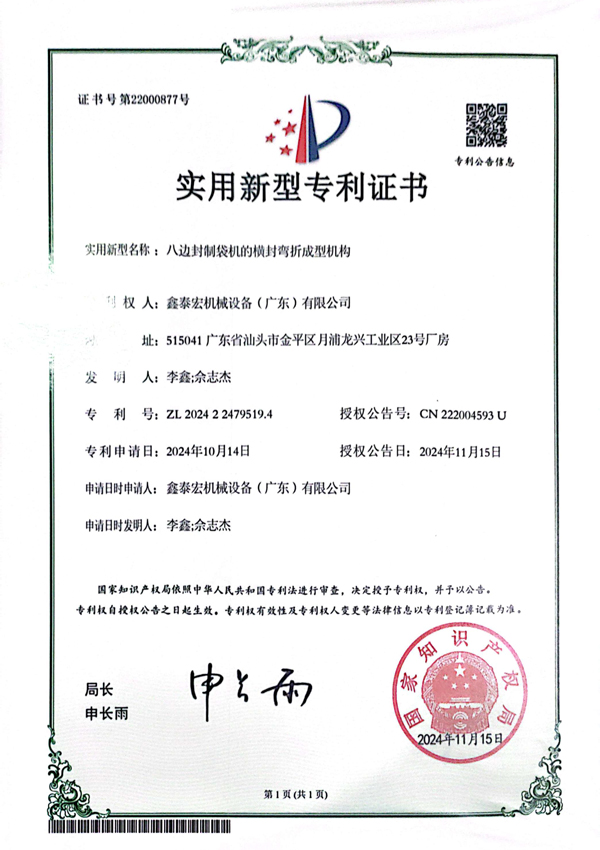
Key engineering and commercial insights to assist plant managers, conversion specialists, and agribusiness procurement teams.
Polypropylene (especially BOPP and oriented PP co-extrusions) provides superior intrinsic barrier properties against water vapor diffusion compared to low-density polyethylene (LDPE), while offering significantly higher tensile modulus, scratch resistance, and clarity for high-resolution brand printing. When laminated into multi-layer matrices with barrier resins, PP prevents seed metabolic activation and moisture-induced spoilage.
Traditional mechanical line-shaft machines suffer from cumulative gear backlash and torsional flexing under high load, causing intermittent film stretching. An electronic shaft architecture utilizes synchronized digital servo drives at each mechanical axis. Position and tension feedback loops execute micro-adjustments within milliseconds, guaranteeing that delicate PP barrier substrates experience zero mechanical elongation or sealing misalignment.
Yes. Models such as the DZF-600-800IIIT series are engineered with heavy-duty structural frames, reinforced heat sealing bars, and high-pressure pneumatic/servo toggle clamping assemblies specifically calibrated to fuse multi-layer BOPP laminated woven PP webs with integrated internal PE liners, ensuring ultra-tough drop resistance and hermetic seam integrity under heavy bulk loading.
A microscopic breach as small as 50 microns can ruin a 10kg batch of hygroscopic fertilizer or elite vegetable seed stock. The CCD vision system conducts high-resolution optical inspection of continuous weld lines, bottom insertion folds, corner seal junctions, and zipper alignment at production line speeds. Defective units are recorded and automatically diverted without halting the machine.
Explore our comprehensive lineup of advanced PP bag converting machinery designed for high-capacity agrochemical, seed, and fertilizer packaging operations.