Leave Your Message
-
Phone
-
E-mail
-
Whatsapp
-
WeChat

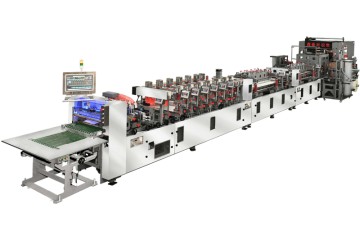
In the rapidly evolving flexible packaging sector, PP Polypropylene Bag Equipment for stand-up zipper pouch production lines has emerged as a cornerstone technology. As global consumer demand shifts towards convenience, product freshness, and lightweight packaging, the stand-up zipper pouch (SUP) has become one of the fastest-growing formats in packaging history. Polypropylene (PP), known for its excellent moisture barrier properties, high chemical resistance, thermal stability, and exceptional clarity, is the material of choice for these sophisticated packaging structures.
Historically, manufacturing high-quality stand-up pouches with PP films presented significant mechanical challenges. PP is highly sensitive to temperature variations and tension fluctuations during the high-speed sealing process. Traditional bag-making machinery often suffered from sealing wrinkles, poor zipper alignment, and inconsistent pouch geometry. Today, modern industrial manufacturing demands zero-defect production, higher throughput, and minimal material waste. This has driven equipment manufacturers to develop advanced, electronic-shaft-driven machinery integrated with CCD camera inspection systems to ensure absolute precision.
With global environmental regulations tightening, the packaging industry is rapidly transitioning from multi-layer laminated structures (such as PET/AL/PE) to mono-material recyclable PP structures. Mono-PP laminates are fully recyclable but demand highly precise temperature and tension control during sealing. Our advanced PP bag equipment is specifically engineered to handle these sensitive eco-friendly films without stretching or burning.
The integration of Electronic Shaft technology represents a massive leap forward from traditional mechanical drive systems. In mechanical bag-making machines, a single motor drives multiple stations via chains, gears, and shafts, leading to mechanical wear, backlash, and cumulative errors. Electronic shaft technology replaces these mechanical links with independent, synchronized servo motors for each functional station (unwinding, tension control, zipper sealing, bottom insertion, and cutting). This allows for micro-adjustments in real-time, eliminating tension spikes and ensuring perfect pouch geometry even at speeds exceeding 150 cuts per minute.
Furthermore, the implementation of CCD (Charge-Coupled Device) vision alignment systems has revolutionized quality control. The CCD camera continuously scans the printed registration marks on the PP web. If any deviation is detected due to film stretch or slippage, the system instantly communicates with the electronic shaft controller to correct the sealing or cutting position. This level of automation guarantees that every stand-up zipper pouch is perfectly aligned, reducing scrap rates to near zero and maximizing overall equipment effectiveness (OEE).
The versatility of stand-up zipper pouches produced by modern PP bag equipment spans across diverse industries, each requiring specific pouch characteristics:
In the food industry, preserving freshness and extending shelf life are paramount. Stand-up zipper pouches are widely used for snacks, nuts, dried fruits, coffee, and pet food. The bottom-insertion gusset provides structural stability, allowing the pouch to stand upright on retail shelves, maximizing brand visibility. The reclosable zipper feature adds immense consumer convenience, preventing food spoilage after opening. PP's high thermal resistance also makes it ideal for hot-fill applications and retort pouches that undergo sterilization.
The pharmaceutical sector demands cleanroom-compatible production and absolute seal integrity. PP pouches are used to package medical devices, diagnostics kits, and single-dose powders. The integration of CCD vision systems ensures that every pouch is free from seal voids or contamination, meeting strict regulatory standards. The high moisture and oxygen barrier of specialized PP co-extrusions protects sensitive active ingredients from degradation.
From household detergents and liquid soaps to agricultural chemicals, stand-up pouches are replacing rigid plastic bottles due to their lower carbon footprint and reduced plastic usage. These applications require exceptionally strong seals to prevent leakage during transport. The multi-function bottom-insertion and heavy-duty sealing bars of the DZF-500-1000TSZ series ensure that the bottom seal can withstand the hydrostatic pressure of liquids and gels.
As we progress into the era of Industry 4.0, the demand for smart, connected packaging machinery is surging. Future developments in PP Polypropylene Bag Equipment will focus heavily on IoT integration, predictive maintenance, and AI-driven process optimization. Modern machines will not only detect defects via CCD cameras but will also autonomously adjust heating profiles and tension settings dynamically, utilizing machine learning algorithms to predict and prevent failures before they occur.
Additionally, the global push for circular economies will accelerate the refinement of mono-material processing. Machinery manufacturers are designing specialized cooling and sealing systems that can manage the narrow sealing window of recyclable PP without sacrificing production speed. By investing in advanced machinery today, packaging converters ensure they remain competitive and compliant with future environmental mandates.
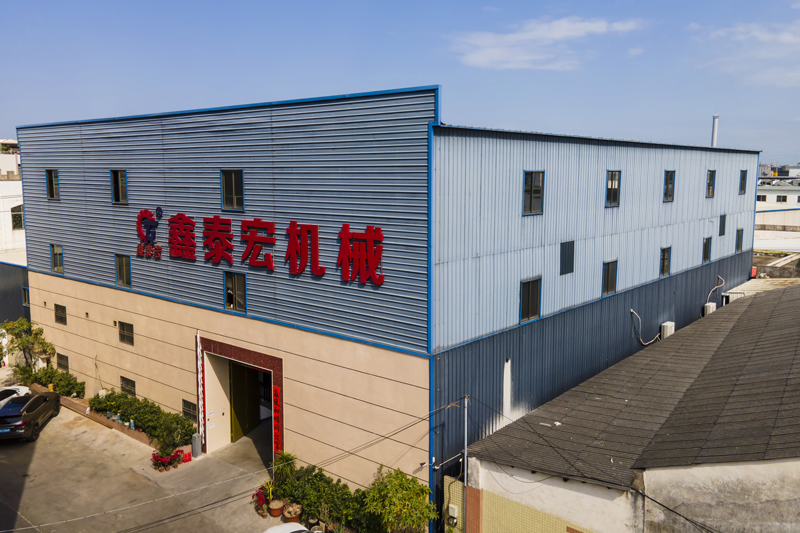
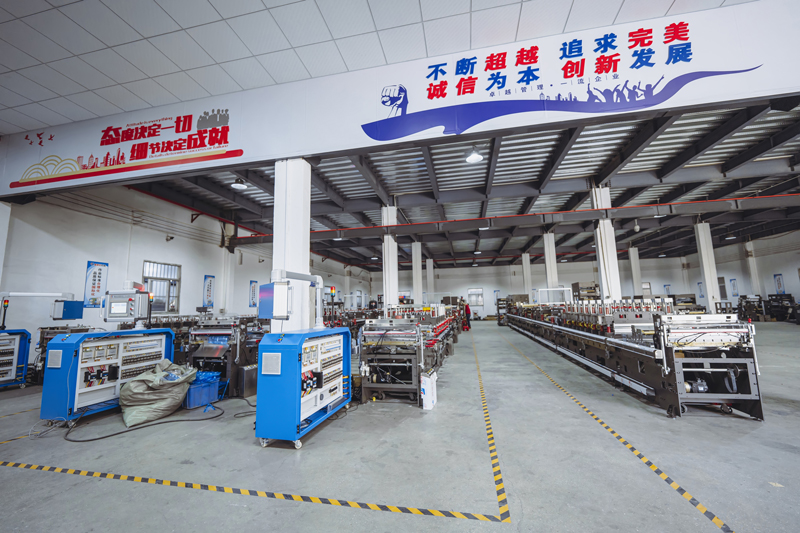
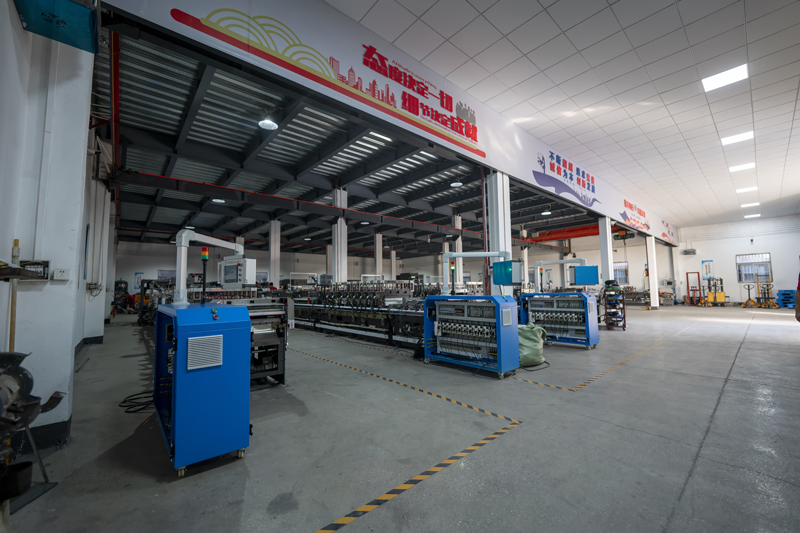
Explore our state-of-the-art manufacturing facility equipped with precision machining centers, assembly lines, and rigorous quality control testing bays.
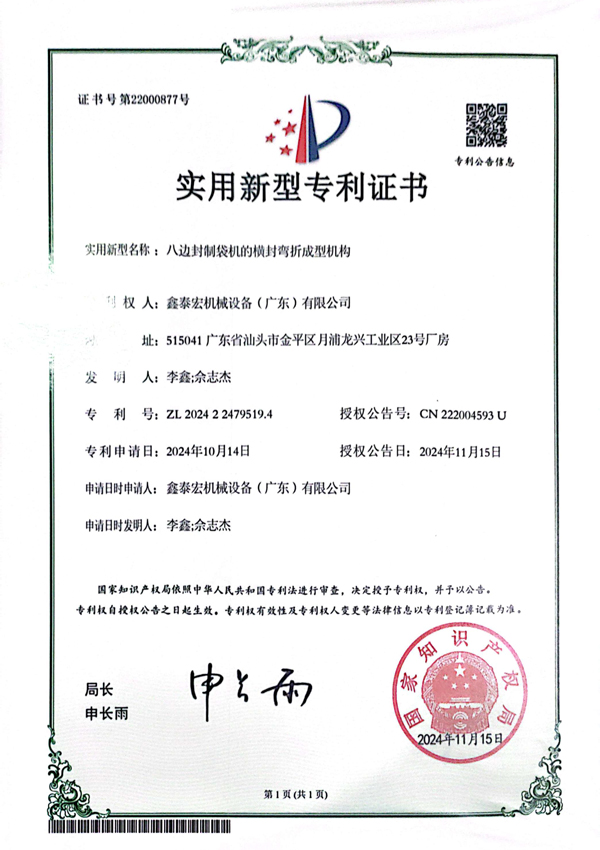
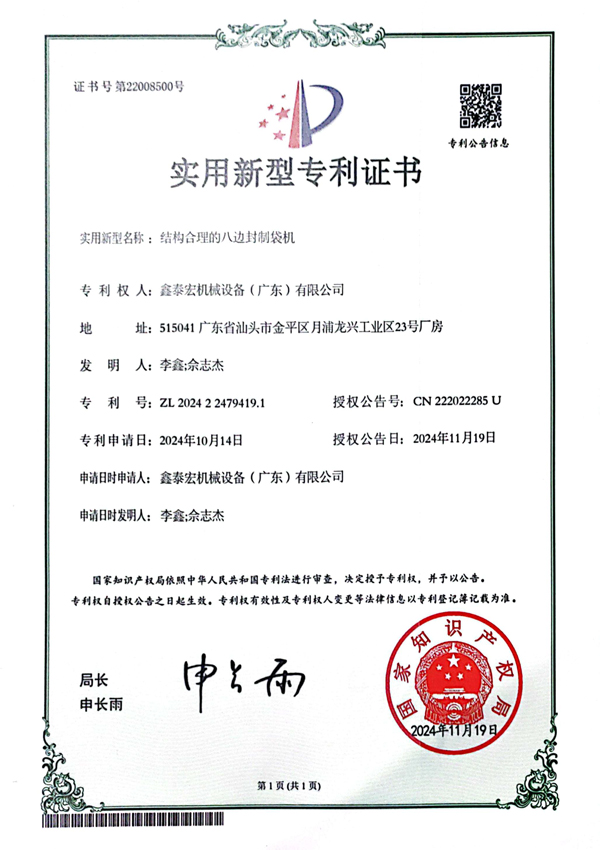
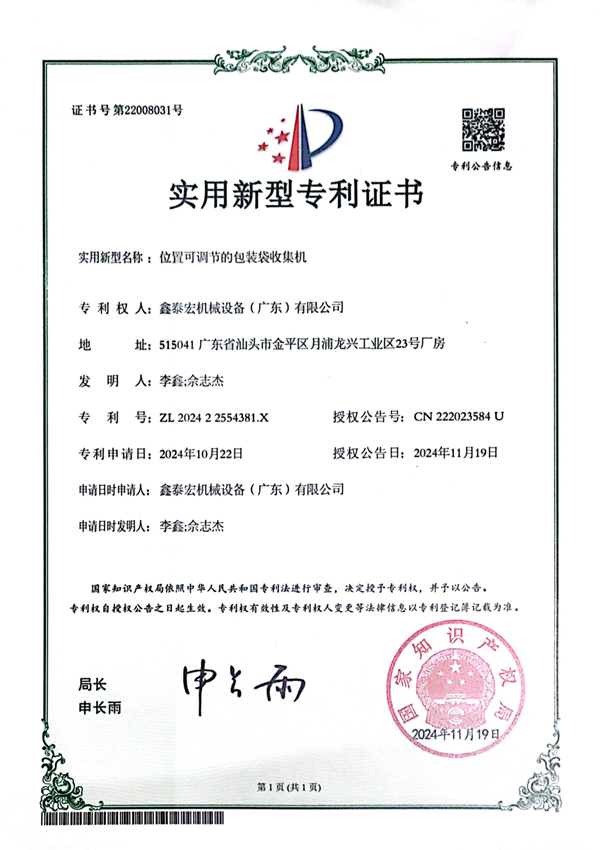
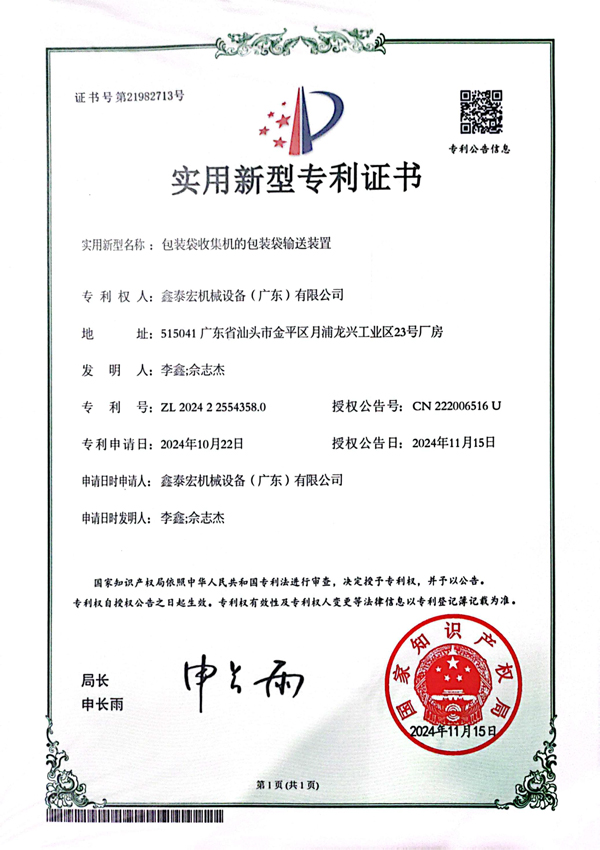
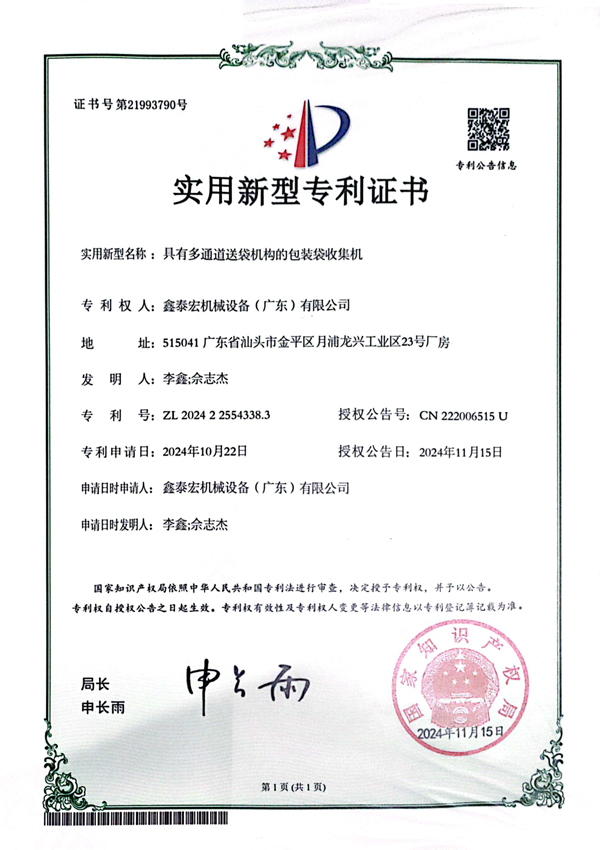
Our equipment is built to meet the highest safety and quality standards, backed by international certifications including CE and ISO.
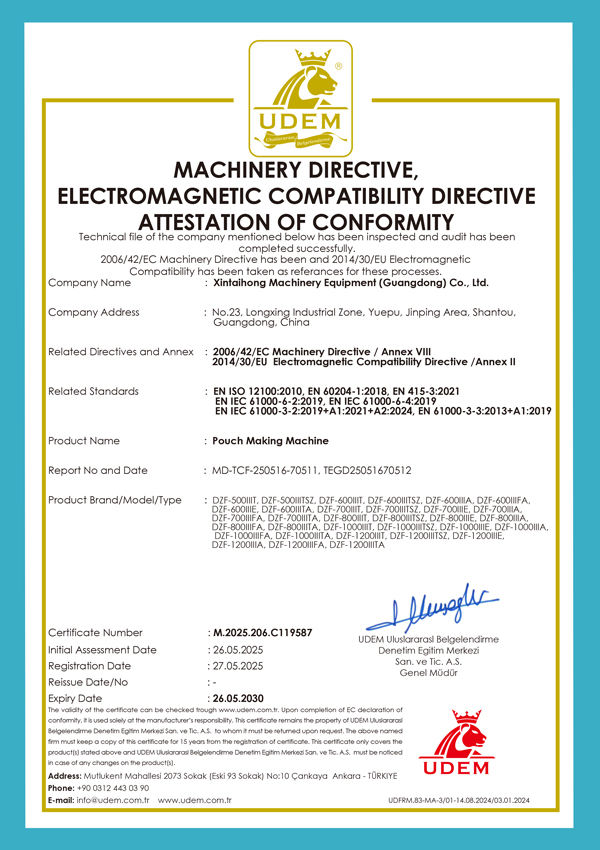
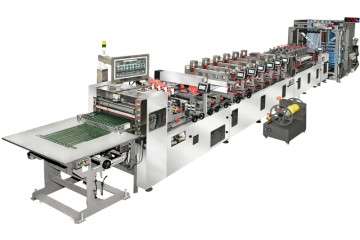
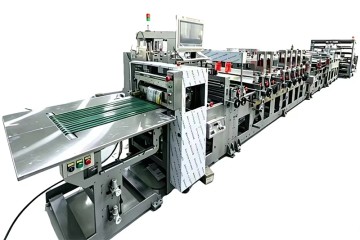
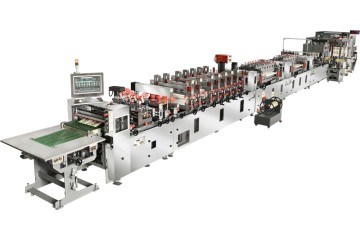
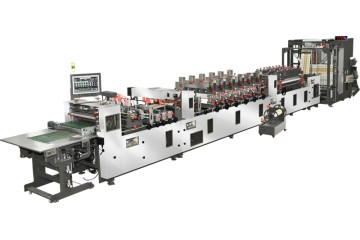
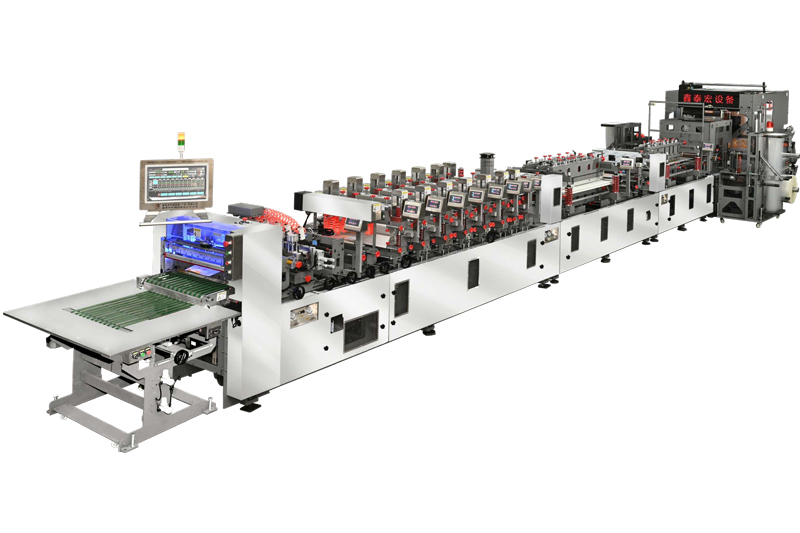
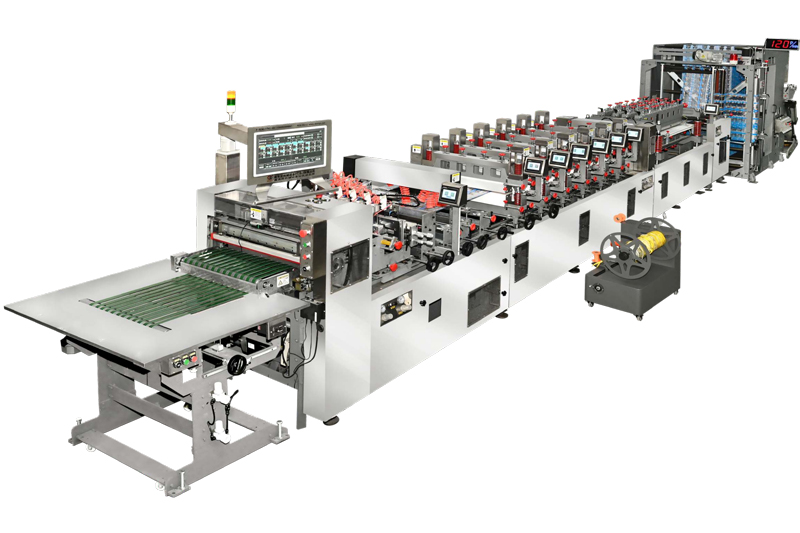
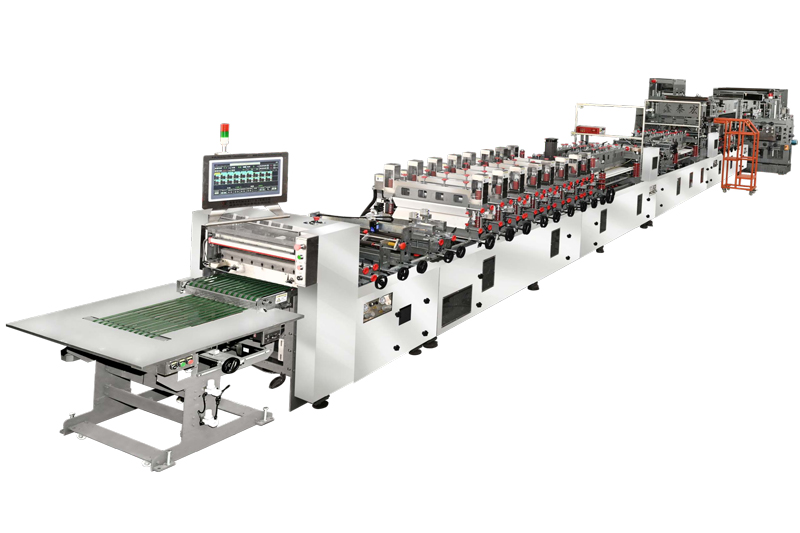
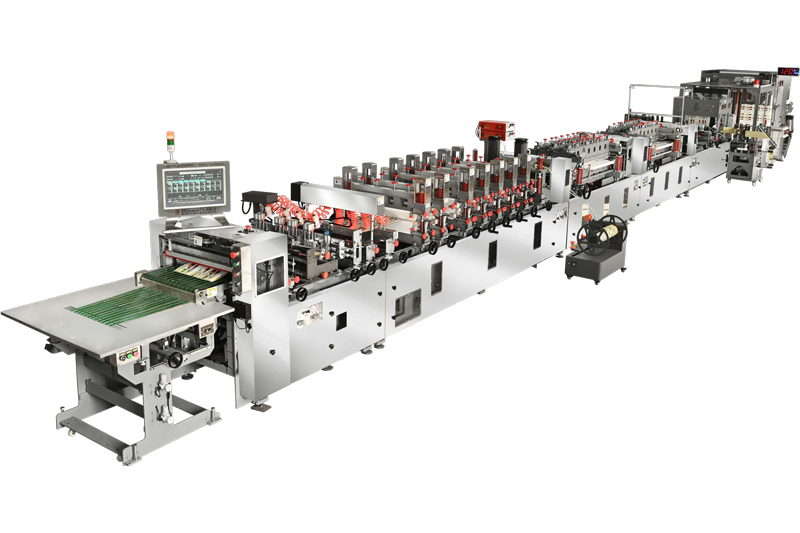
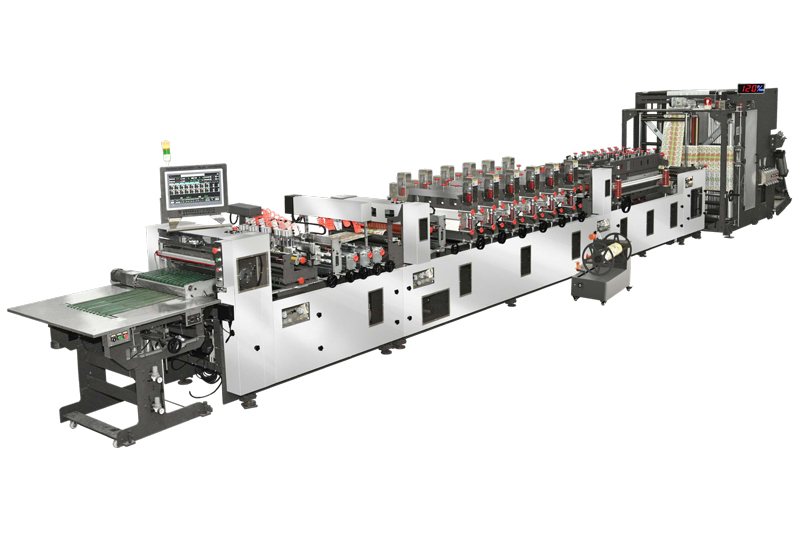
Discover the high-efficiency DZF-500-1000TSZ series, featuring dedicated electronic shaft control and CCD vision systems optimized for bottom-insertion stand-up zipper pouches.