
Leave Your Message
-
Phone
-
E-mail
-
Whatsapp
-
WeChat

High-precision converting platforms engineered to deliver superior hermetic sealing, rigid side-gusset geometries, and immaculate optical alignment.
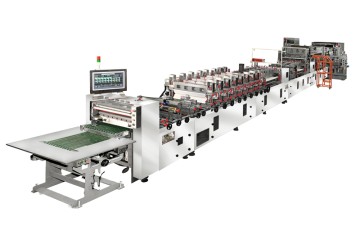
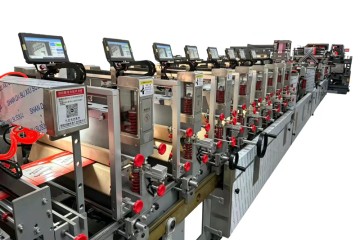
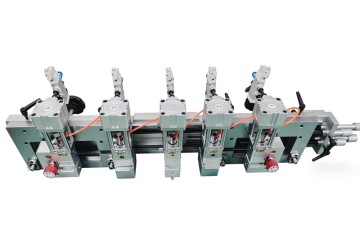
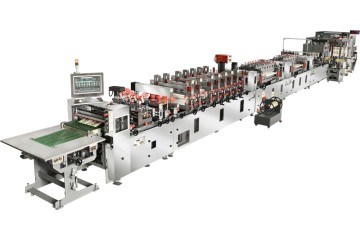
Exploring how advanced compact bag making machinery is revolutionizing packaging aesthetics, structural rigidity, and logistical sustainability across competitive global consumer markets.
The global flexible packaging sector has witnessed an unprecedented transformation over the past decade. Traditional three-side seal bags and standard stand-up pouches (Doypacks), while economical, face inherent physical limitations in high-tier retail environments. When filled with dense granular products, pet foods, or specialty whole-bean coffee, conventional pouches tend to bulge, tilt, or collapse on store shelves. Enter the Flat-Bottom Box Pouch (also known in industrial converter terminology as the eight-side seal pouch, brick pouch, or quad-seal flat-bottom bag).
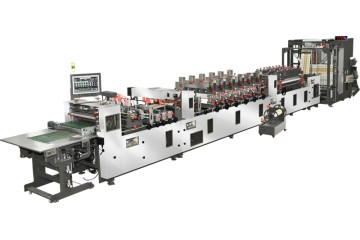
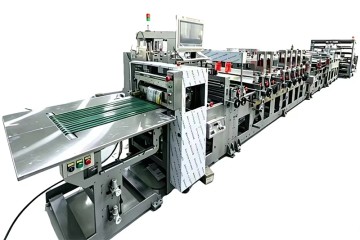
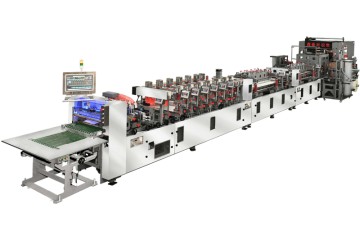
Flat-bottom box pouches combine the best attributes of a rigid carton with the lightweight, barrier-preserving characteristics of flexible films. Featuring five distinct printable display panels (front, back, left gusset, right gusset, and bottom), these containers maximize branding real estate while offering unmatched vertical stability. However, converting these sophisticated structures historically required colossal, capital-intensive manufacturing lines spanning upwards of 25 meters with prolonged changeover times. Today, the advent of the compact, agile, small plastic bag making machine is democratizing flat-bottom pouch manufacturing, empowering converters to execute high-mix, low-volume (HMLV) orders with zero sacrifice in structural precision.
Flat-bottom pouches offer completely flat bases that stand rigidly perpendicular to retail shelves. Their cubic geometry reduces secondary packaging corrugated box volume by up to 30%, optimizing container freight shipping and retail stocking density.
Engineered for delicate barrier films (PET/AL/PE, EVOH, and recyclable MDO-PE), modern compact machines utilize independent digital thermal controls to eliminate corner pinhole leaks at multi-layer web crossover points.
With separate side gussets and a dedicated bottom panel, converters can combine matte and gloss varnishes, transparent viewing windows, and continuous narrative graphics that draw premium retail consumer engagement.
Deconstructing the core electro-mechanical sub-assemblies, electronic shaft kinematics, and automated inspection optics that redefine modern flexible packaging converting.
Traditional mechanical bag makers relied on intricate physical gear trains, universal drive shafts, and mechanical cam linkages. When switching between pouch formats or adjusting draw lengths, operators faced substantial downtime for mechanical realignment, generating massive substrate scrap. Modern compact flat-bottom pouch systems integrate Electronic Line Shaft (ELS) architecture.
In an electronic shaft system, individual high-torque AC servo motors drive each vital converting station—unwinding, gusset insertion, longitudinal sealing, transverse bottom welding, cooling, zipper pressing, and shearing—synchronized via high-speed industrial EtherCAT or PROFINET industrial fieldbuses. This technological shift unlocks unprecedented operational advantages:
Fully digital HMI touchscreen systems store over 500 formulation profiles, automatically adjusting feed strokes, cutter intervals, and ultrasonic zipper weld parameters in under 15 minutes.
Plug-and-play auxiliary stations enable instant switching between pocket zippers, front-zipper sliders, top tear notches, degassing valve applicators, and specialized euro-slot carry handles.
Integrated common-bus servo power units recycle kinetic deceleration energy back into thermal heating arrays, slashing total plant electrical energy draw by up to 28% compared to pneumatic machines.
From artisanal specialty coffee to veterinary nutrition and technical dry chemicals, compact flat-bottom converters provide unrivaled protection and brand prestige.
Specialty coffee roasters demand immaculate oxygen barriers and degassing valve integration. Small flat-bottom box pouch making machines execute thermal weld seals capable of withstanding the internal pressure of CO2 off-gassing while preserving delicate aromatic volatiles and complex oils over a 18-month shelf-life window. The flat base prevents the package from tipping when displayed on retail shelves.
Pet owners increasingly demand premium freeze-dried raw meats and organic kibble in resealable packaging. Compact converting lines integrate heavy-duty press-to-close zippers and slide closures into multi-layer laminates (such as metallized PET and co-extruded heavy PE), ensuring puncture resistance against sharp kibble edges and maintaining maximum moisture barrier integrity.
For whey protein isolates, collagen peptides, and supergreen blends, fine powder entrapment in conventional seals frequently causes micro-channel leakage. Modern electronic shaft machines apply multi-step ultrasonic gusset pre-sealing and staged cooling bars to guarantee hermetic barrier closure, preventing humidity contamination and safeguarding bio-active ingredients.
In hazardous fine chemical and agricultural seed packaging, bag integrity under compressive pallet stacking loads is non-negotiable. Flat-bottom pouches converted on high-rigidity servo lines distribute vertical downward forces evenly across all four perimeter side seals, eliminating stress concentrations and guaranteeing drop-test survivability.
How advanced compact pouch machinery conquers the narrow thermal processing windows of recyclable mono-PE, mono-PP, and PCR flexible films.
With the global enactment of strict Extended Producer Responsibility (EPR) regulations and plastic packaging taxes (such as the EU Packaging and Packaging Waste Directive), brand owners are actively eliminating unrecyclable multi-material laminate combinations (e.g., PET/AL/PE). Instead, the flexible packaging market is pivoting aggressively toward 100% recyclable mono-material structures (such as MDO-PE/PE and BOPE/PE) as well as films incorporating Post-Consumer Recycled (PCR) content.
However, converting mono-materials into complex flat-bottom box pouches presents severe manufacturing challenges: mono-PE films exhibit a drastically narrower heat sealing temperature window (frequently less than Δ5°C between ideal weld flow and structural burn-through deformation) compared to legacy polyester webs. Small plastic bag making machines resolve this bottleneck through state-of-the-art thermal engineering:
Take a virtual tour inside our advanced machining centers, ISO-compliant assembly halls, and rigorous multi-stage quality testing environments.
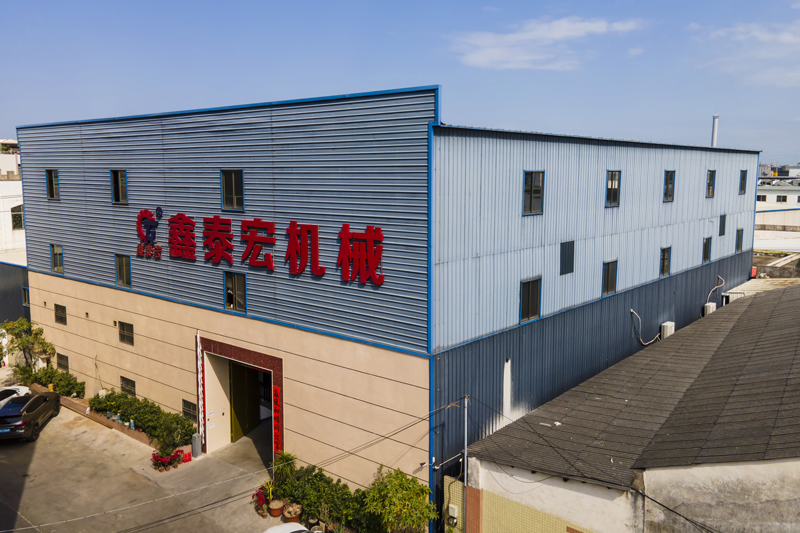
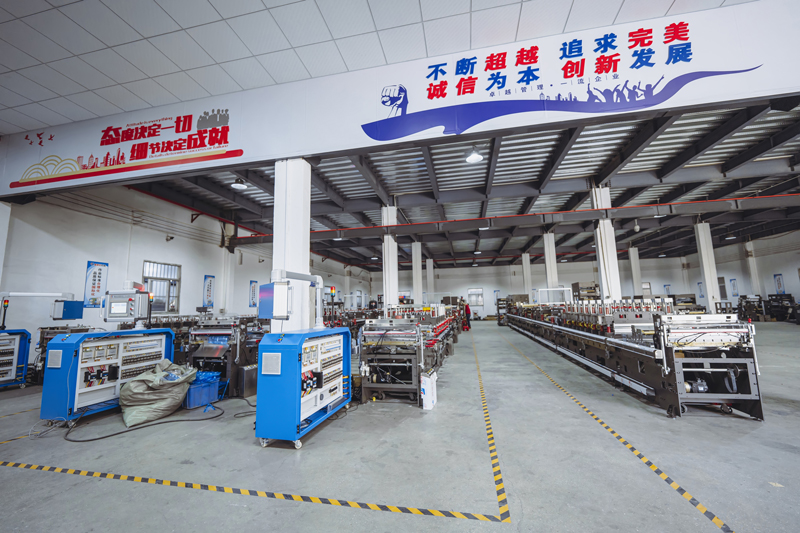
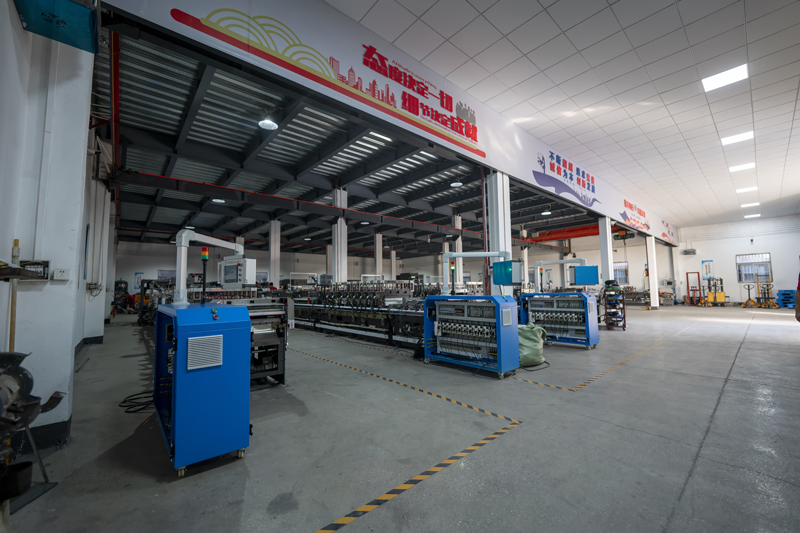
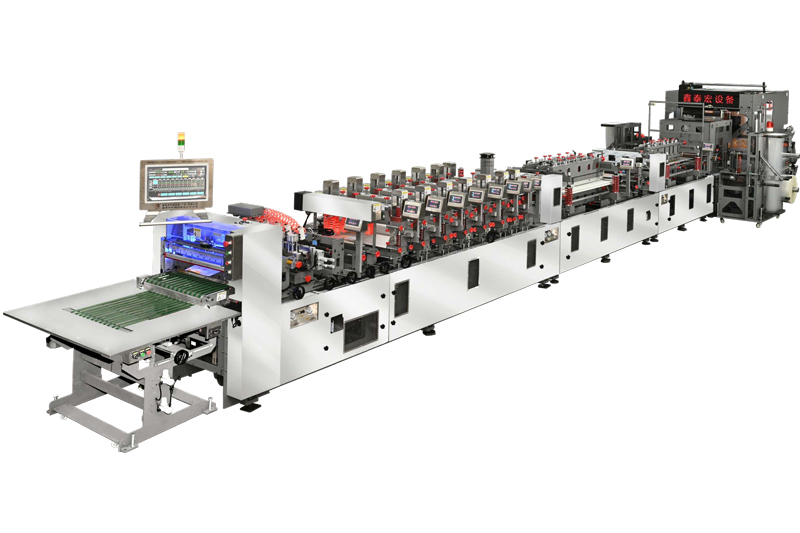
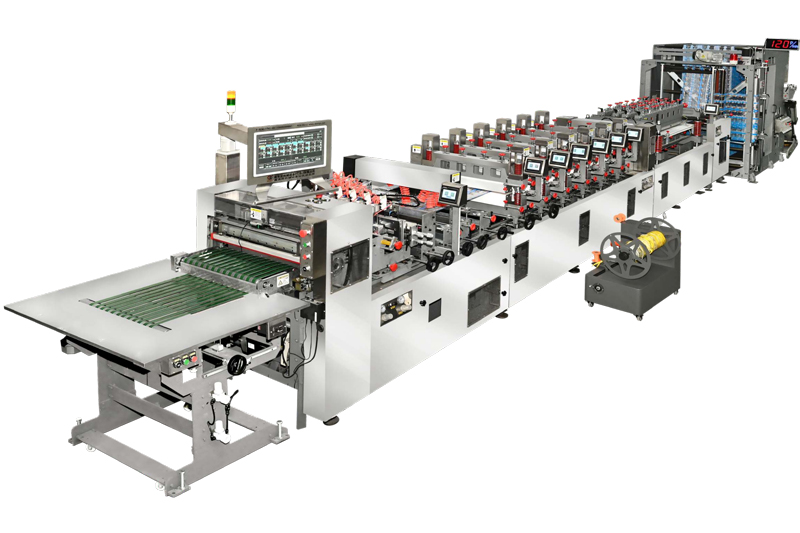
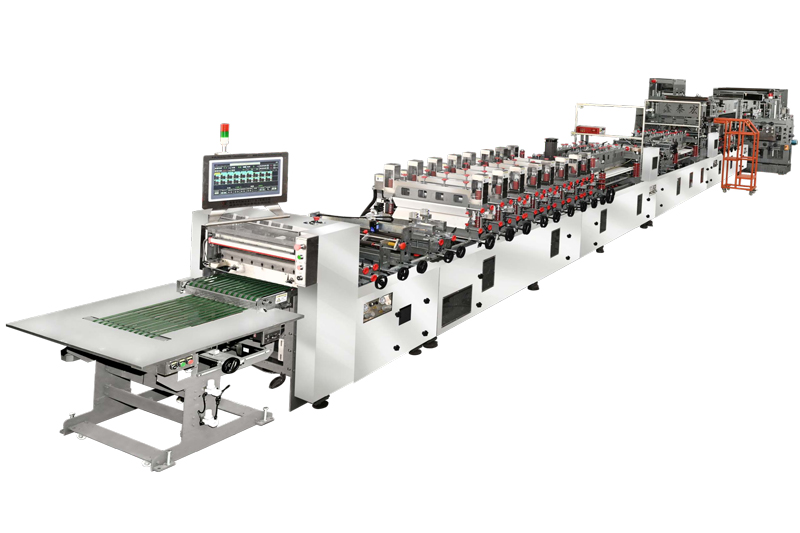
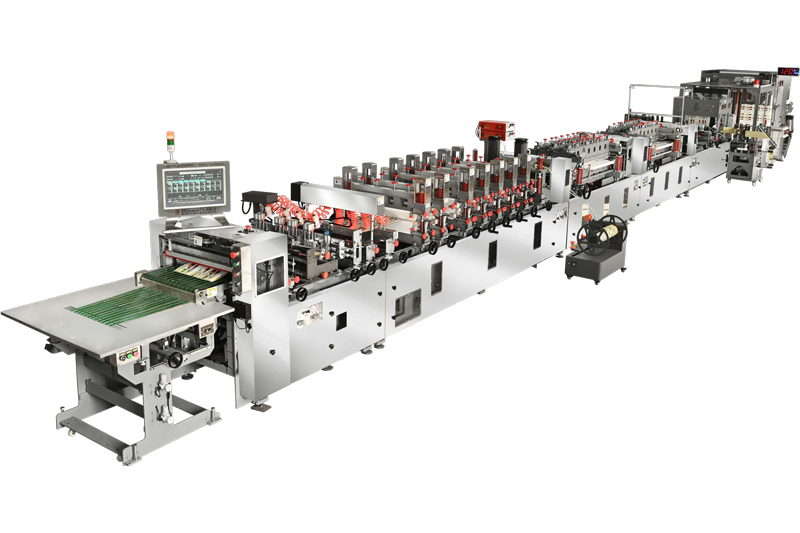
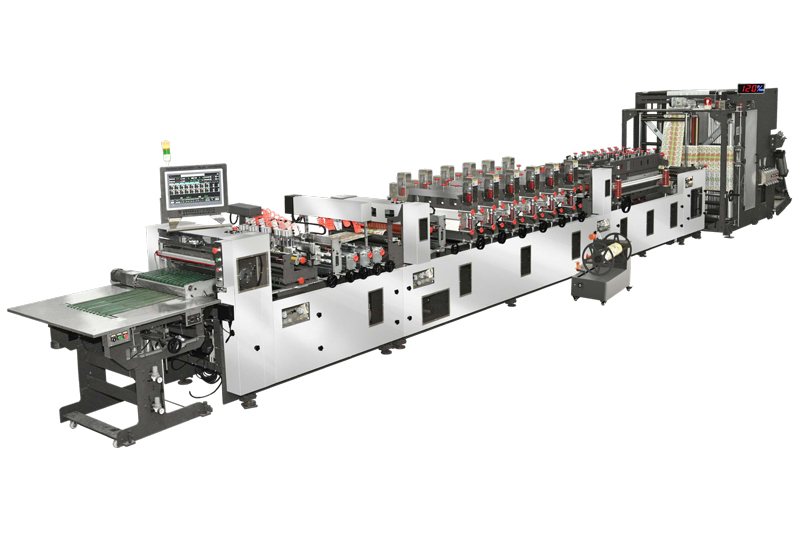
Strict compliance with CE machinery safety directives, ISO 9001 quality systems, and proprietary electronic shaft converting patents.
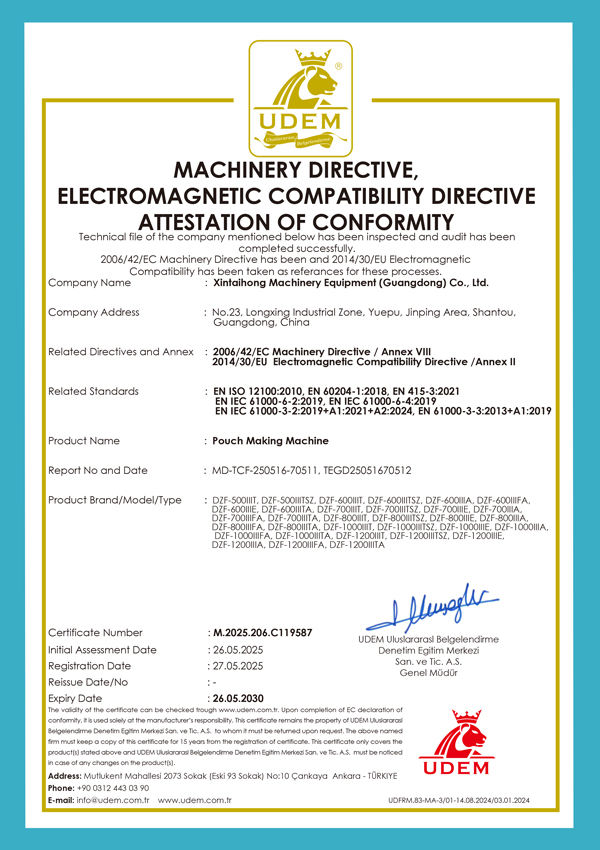
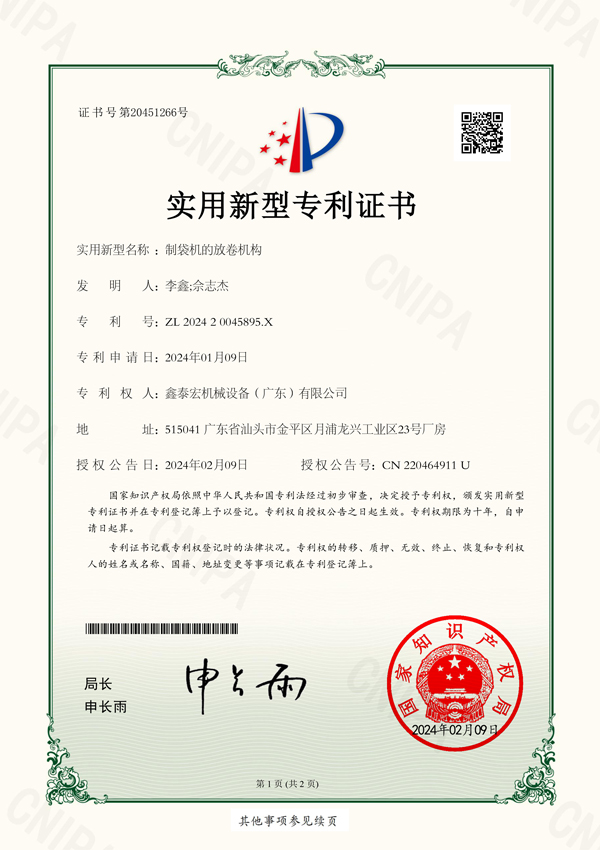
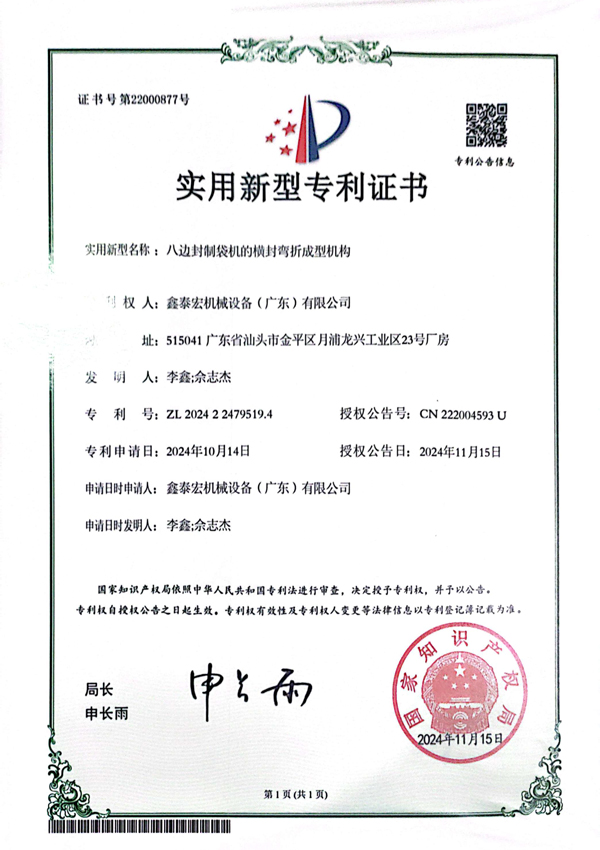
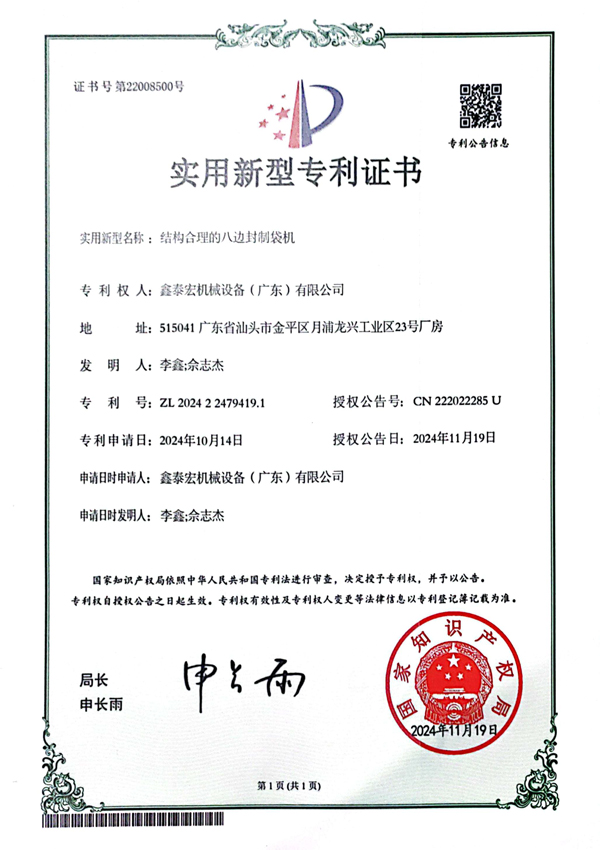
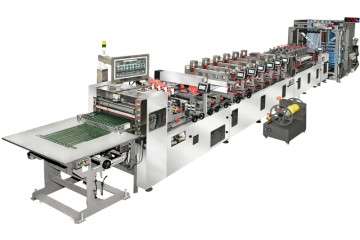
Explore our full machinery catalog spanning multi-format flat bottom pouch converters, three-side seal machines, center-seal units, and CCD vision systems.
Expert technical insights regarding machine capability, material compatibility, cycle speeds, and operational troubleshooting.
The system utilizes a multi-reel feeding setup where the main body web and two independent side-gusset webs are synchronized simultaneously. Using electronic shaft servo drives and servo-driven triangular folding horns, the machine inserts and seals the bottom and gussets with zero mechanical backlash, forming a rigid, four-corner squared base.
The industrial CCD camera captures high-frequency optical images of printed registration marks at line speeds exceeding 120 cycles/minute. If it detects longitudinal pitch stretching or lateral print skewing, it dynamically adjusts the punching die and cut-off blade positions in real time, preventing visual graphic misalignment and keeping scrap rates below 1.2%.
Yes. By employing multi-stage digital temperature zoning (±1°C precision), ultrasonic zipper sealing to avoid bulk distortion, and high-efficiency water-cooled stabilization bars, our machines convert MDO-PE/PE, BOPE, and mono-PP recyclable films without burning or web elongation.
Operational conversion rates generally range from 60 to 130 pouches per minute depending on web thickness, material composition, zipper profile complexity, and pouch dimensions. The electronic shaft architecture maintains continuous high-speed synchronization without mechanical vibration wear.