Leave Your Message
-
Phone
-
E-mail
-
Whatsapp
-
WeChat

In the global healthcare sector, the integrity of packaging is directly linked to patient safety. Pharmaceutical and medical barrier bags represent a highly specialized segment of the flexible packaging industry, designed to protect sensitive medical devices, diagnostics, and pharmaceutical products from external contaminants such as moisture, oxygen, light, and microbial organisms. The manufacturing of these bags demands unparalleled precision, sterility compliance, and material compatibility, which has driven the evolution of specialized small plastic bag making machines.
Unlike standard commercial packaging, medical-grade bags must adhere to stringent international standards, including ISO 11607 (Packaging for terminally sterilized medical devices) and FDA Title 21 CFR. This regulatory landscape has transformed the design of modern bag-making machinery. Today's industrial systems are no longer just mechanical cutters and sealers; they are integrated, cleanroom-compatible production centers equipped with advanced sensors, electronic shaft drives, and computerized vision systems to guarantee zero-defect manufacturing.
The modern manufacturing environment is shifting rapidly toward Class 10,000 (ISO 7) and Class 100,000 (ISO 8) cleanrooms. Small plastic bag making machines engineered for this space must feature non-shedding components, oil-free pneumatic systems, and localized HEPA filtration compatibility to ensure that the interior of the medical pouch remains entirely free of particulate contamination during the forming and sealing stages.
The selection of substrates for medical packaging has grown increasingly complex. Manufacturers now work with a diverse spectrum of high-performance films, including:
Operating these diverse materials requires a highly versatile and responsive bag-making machine capable of micro-adjusting sealing temperatures, dwell times, and mechanical tension on the fly.
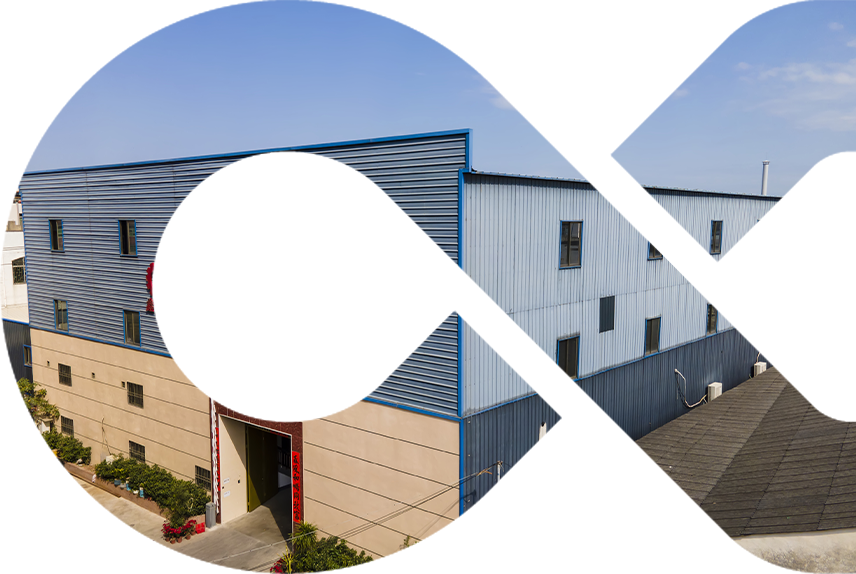
Xintaihong Machinery Equipment (Guangdong) Co., Ltd. (hereinafter referred to as "Xintaihong")


The versatility of small-format bag making machinery makes them indispensable across various niches within the pharmaceutical and medical device manufacturing industries. Below are the primary application scenarios where these machines operate with high efficiency and precision.
Sterile medical devices, such as surgical sutures, catheters, syringes, and orthopedic implants, require packaging that can be sterilized post-packaging and opened cleanly in an operating room without shedding fibers. Small plastic bag making machines configured for three-side sealing are used to combine a film layer with a porous web (such as Tyvek® or medical-grade paper). The machine must ensure consistent seal strength to allow easy, fiber-free peeling by medical personnel while preventing any micro-channeling that could compromise sterility.
For liquid medicines, powders, and oral solid dosages, unit-dose packaging prevents contamination and ensures accurate dosing. Small bag making machines construct high-barrier pouches (often using multi-layer aluminum or PET/EVOH/PE films) that protect the chemical stability of the drug. In these applications, the machine's sealing jaws must apply uniform heat and pressure to prevent leaks, especially for liquid-filled sachets.
Rapid diagnostic test kits (such as pregnancy tests, COVID-19 assays, and blood glucose strips) are highly sensitive to ambient moisture. They are typically packaged in small, flat barrier pouches alongside a desiccant pack. The bag-making machinery must run at high speeds while maintaining precise registration control, ensuring that the tear notches and zipper closures (if applicable) are perfectly aligned to facilitate quick access in clinic environments.
In medical manufacturing, even a 0.1mm deviation in seal alignment can lead to a product recall. Integrating CCD (Charge-Coupled Device) vision inspection units allows the machine to scan every single pouch in real-time, checking for seal width consistency, print registration, and punching accuracy. Non-conforming bags are automatically flagged and rejected without stopping the production line.
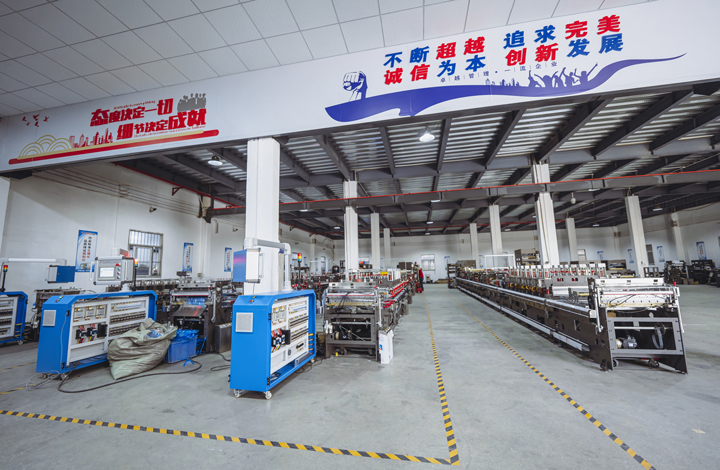

Welcome To Learn About Our Company
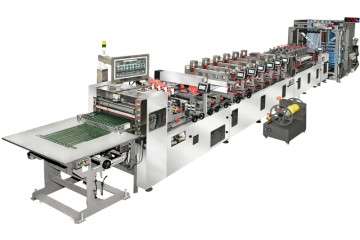
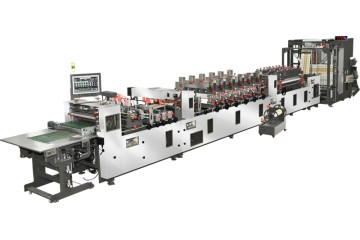
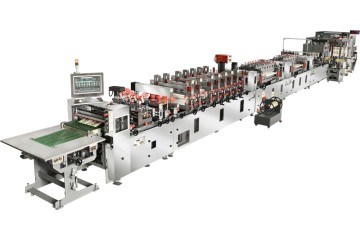
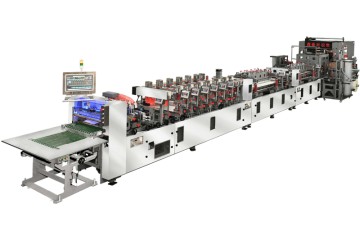
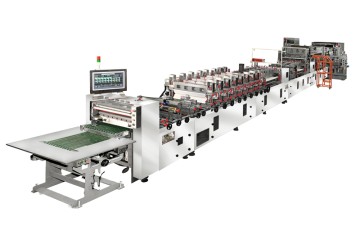
To meet the rigorous standards of pharmaceutical and medical barrier bag manufacturing, modern machine designs incorporate advanced mechanical and electronic systems. These features ensure repeatable accuracy, high throughput, and minimized material waste.
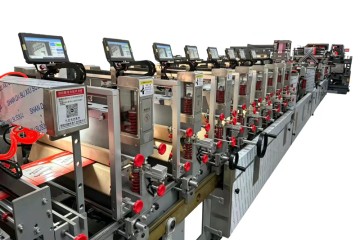
Traditional mechanical link systems are prone to wear, leading to drift in cutting and sealing accuracy over time. Modern medical pouch machines utilize multi-axis electronic shaft technology, where every drive roller, sealing bar, and cutter is controlled by an independent, synchronized servo motor. This allows for absolute control over film tension, preventing stretching or wrinkling of delicate barrier films, and guarantees precise seal positioning within fractions of a millimeter.
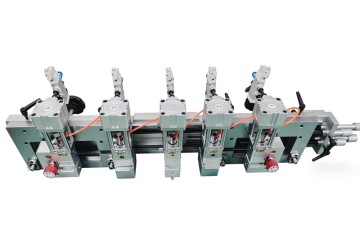
Medical barrier packaging materials often have narrow sealing temperature windows. If the sealing temperature is too low, the barrier fails; if too high, the polymer degrades, creating weak spots. Bag-making machines utilize PID temperature controllers to maintain sealing jaw temperatures within ±1°C. For heat-sensitive or thicker laminate materials, ultrasonic sealing technology is increasingly used, generating heat directly inside the polymer layers to create clean, hermetic seals without affecting the external barrier coatings.
Medical pouches frequently require functional additions, such as tear notches for easy opening, round corners to prevent scratching of surgical gloves, and hang holes for retail display or clinical storage. Modular punching units, integrated with CCD vision alignment, ensure these features are cut cleanly, leaving no loose plastic fragments that could compromise cleanroom standards.
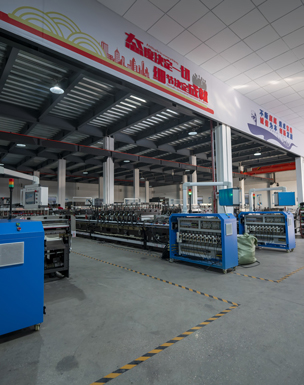
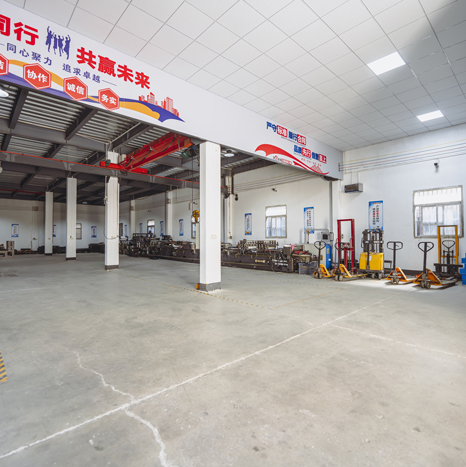
Xintaihong Machinery (Guangdong) is among China’s Top 5 suppliers of bag-making equipment, with eight-side sealing machinery as our flagship specialty. Drawing on over fifteen years of R&D experience and technical accumulation, our machines serve more than 500 clients globally and are exported to over a dozen countries, with over 2,000 units operating stably worldwide. The packaging machinery independently developed and manufactured by our company reaches domestically leading technical standards. It has won widespread acclaim from customers for stable operation, high production speed and low noise output.
years of experience


For pharmaceutical manufacturers, purchasing a bag-making machine is only the first step. The equipment must undergo rigorous validation protocols to prove it consistently produces pouches that meet the defined quality standards. This process is typically split into three phases:
Modern small plastic bag making machines facilitate these qualification processes by offering integrated data-logging software, allowing operators to export real-time pressure, temperature, and seal speed metrics for batch records and regulatory audits.