Leave Your Message
-
Phone
-
E-mail
-
Whatsapp
-
WeChat

Innovative, High-Performance Machinery Tailored for Modern Spout Pouch Manufacturing
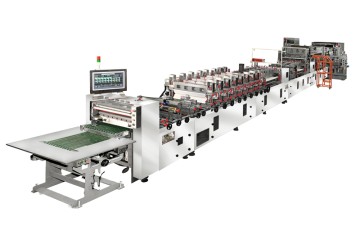
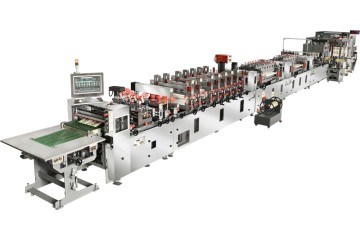
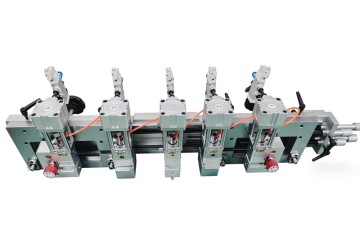
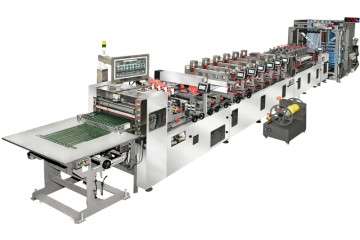
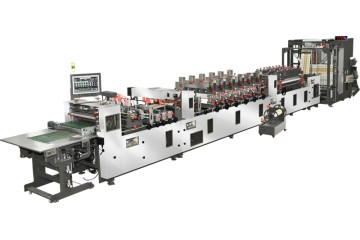
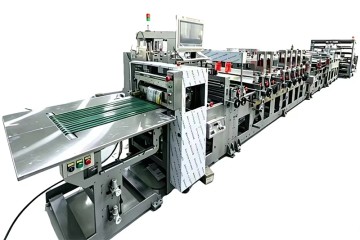
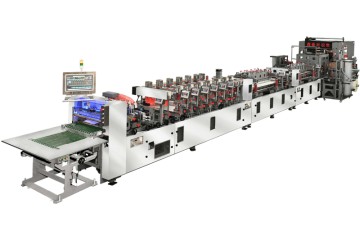
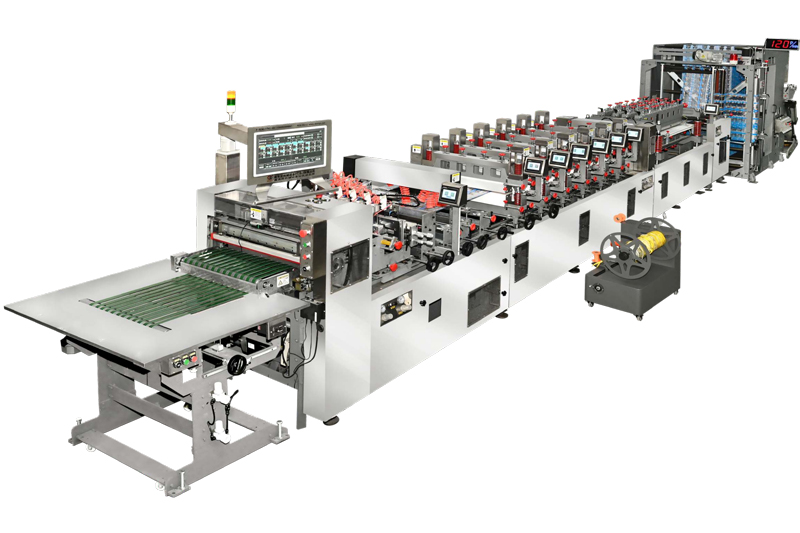
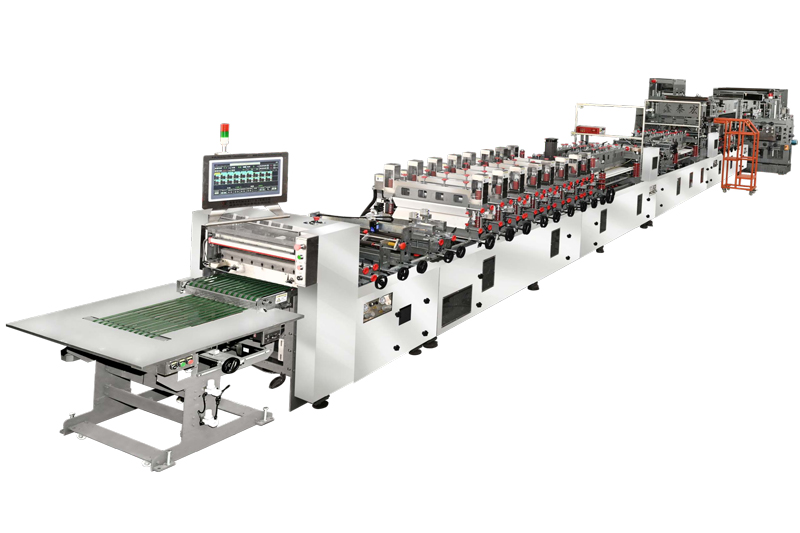
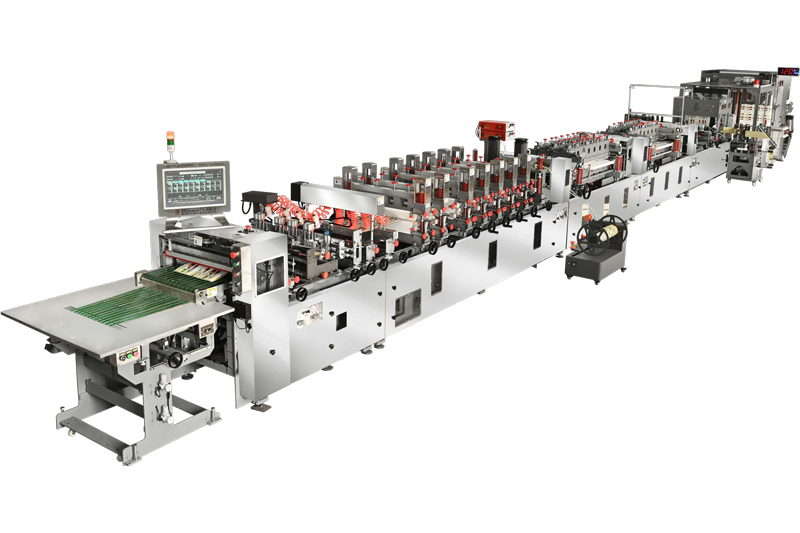
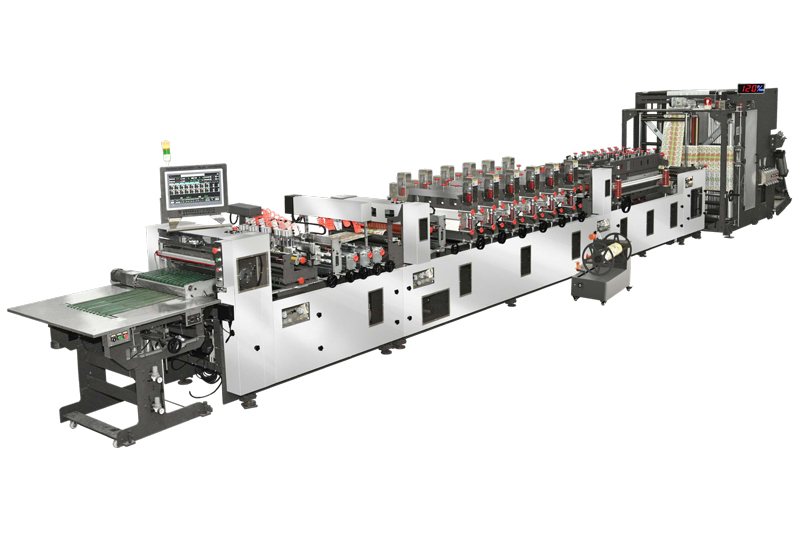
In the modern packaging landscape, the transition from rigid containers to flexible packaging has accelerated dramatically. The daily chemical industry—encompassing liquid detergents, hand sanitizers, body washes, shampoos, and household cleaners—is at the forefront of this revolution. Central to this transition is the small plastic bag making machine for spout bag packaging of liquid daily chemicals. These specialized machines enable manufacturers to produce lightweight, durable, and highly functional stand-up pouches with integrated spouts, replacing traditional bulky plastic bottles.
Why Spout Bags? Compared to rigid plastic bottles, spout bags reduce plastic consumption by up to 70%, lower transportation carbon footprints due to their lightweight and flat-packed nature, and offer consumers superior convenience and product evacuation rates (leaving less wasted product inside).
The global market for liquid daily chemicals is experiencing a surge in refill-culture adoption. Consumers are increasingly purchasing large refill pouches to replenish reusable dispensers at home. This shift is driven by both environmental regulations and economic factors. For manufacturers, shipping flexible pouches filled with liquid is far more cost-effective than shipping heavy, rigid bottles. Consequently, investing in a robust, high-efficiency small plastic bag making machine has become a strategic priority for contract packagers (COPs) and fast-moving consumer goods (FMCG) brands alike.
Modern small-scale and medium-scale manufacturing plants require highly flexible machinery. Unlike dedicated, massive production lines, a small plastic bag making machine offers the agility to switch between different bag sizes, shapes, and film structures (such as recyclable mono-materials or high-barrier laminated films) with minimal downtime. This versatility is crucial for handling diverse product lines, from viscous laundry gels to highly volatile chemical cleaners.
The application of spout bags in the daily chemical sector is diverse, each presenting unique engineering challenges that the bag-making machinery must address:
To meet the strict quality standards of the daily chemical industry, modern bag-making machines incorporate several advanced technologies:
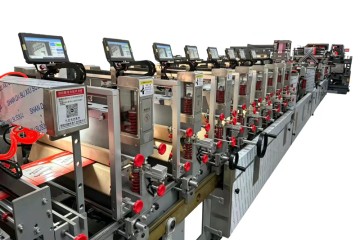
One of the most significant breakthroughs is the integration of CCD (Charge-Coupled Device) vision registration. Liquid packaging cannot tolerate misalignment; a microscopic shift in the punching or spout-welding area leads to leaks. The CCD Vision Punching Unit dynamically inspects the printed film in real-time, adjusting the punching position automatically to compensate for film stretch or printing variances. This ensures a zero-defect production flow.
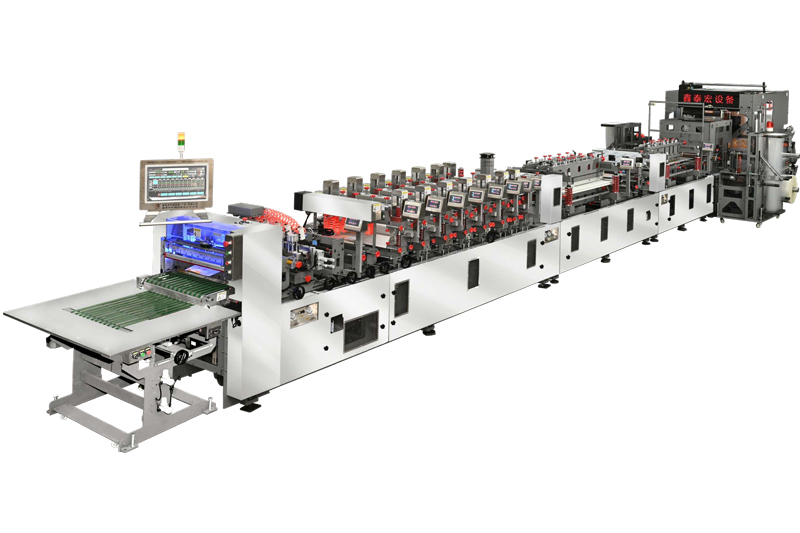
Older mechanical link-driven machines struggle with tension control, leading to inconsistent seal strength. Modern electronic shaft bag-making machines utilize independent servo motors for each station (unwinding, pulling, sealing, punching, and cutting). This allows for precise control over the dwell time and pressure of the sealing bars, which is vital for sealing thick, multi-layer barrier films used for liquid chemicals.
For a spout bag to stand upright on retail shelves, a stable bottom gusset is required. Bottom-insertion stand-up bag making machines automatically insert a separate bottom film web, sealing it to the front and back panels. This creates a robust "doypack" structure capable of holding heavy liquids without collapsing.
Sustainability Trend: Mono-Material Processing
The packaging industry is shifting toward 100% recyclable PE-to-PE laminated structures. These mono-materials have a narrow sealing temperature window. Advanced bag making machines feature intelligent temperature control loops to prevent burn-through while ensuring hermetic seals.
Looking forward, the integration of Industry 4.0 and AI in bag-making machinery will continue to rise. Predictive maintenance, remote diagnostic capabilities, and automatic adjustment of sealing parameters based on film thickness variations will become standard. Furthermore, as bio-based plastics and water-soluble barrier coatings gain traction, small plastic bag making machines must adapt to handle more sensitive raw materials without compromising on output speeds.
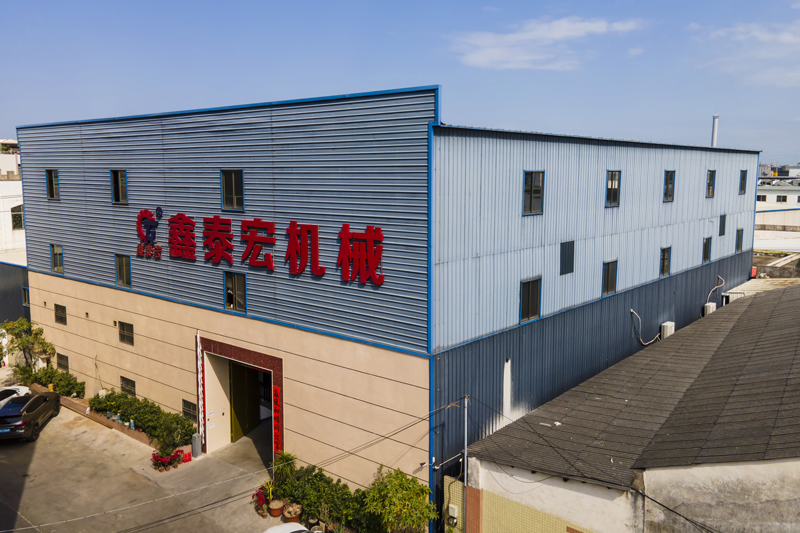
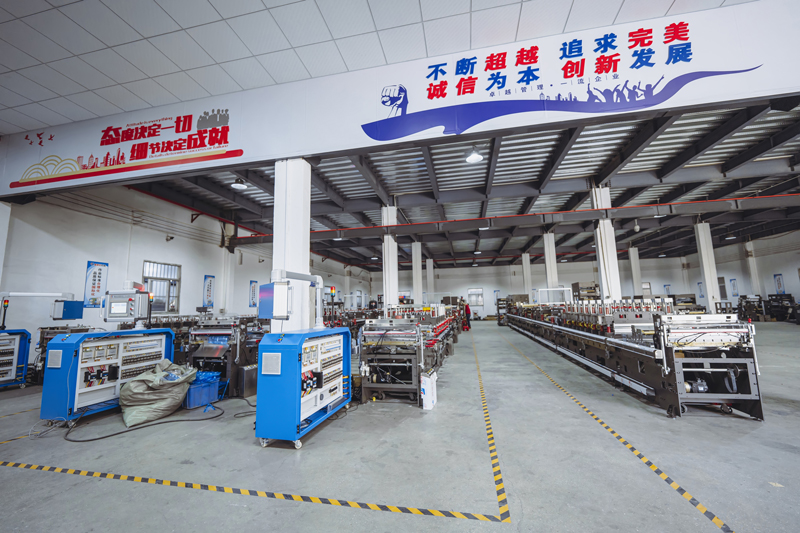
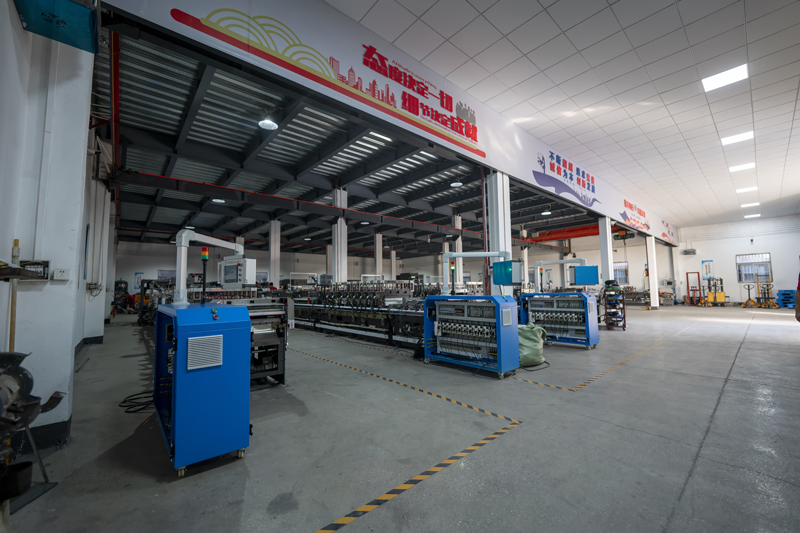
Explore Our State-of-the-Art Manufacturing Facility and Precision Processing Equipment
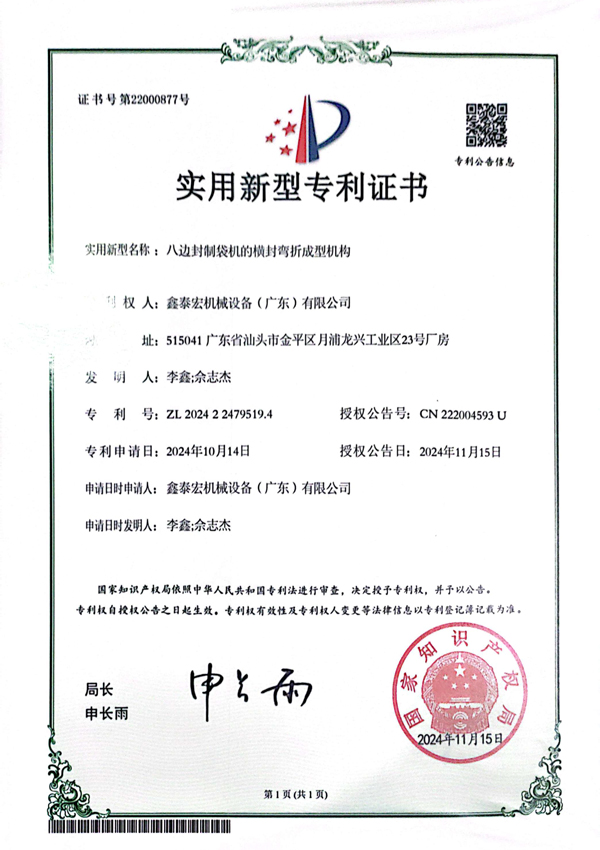
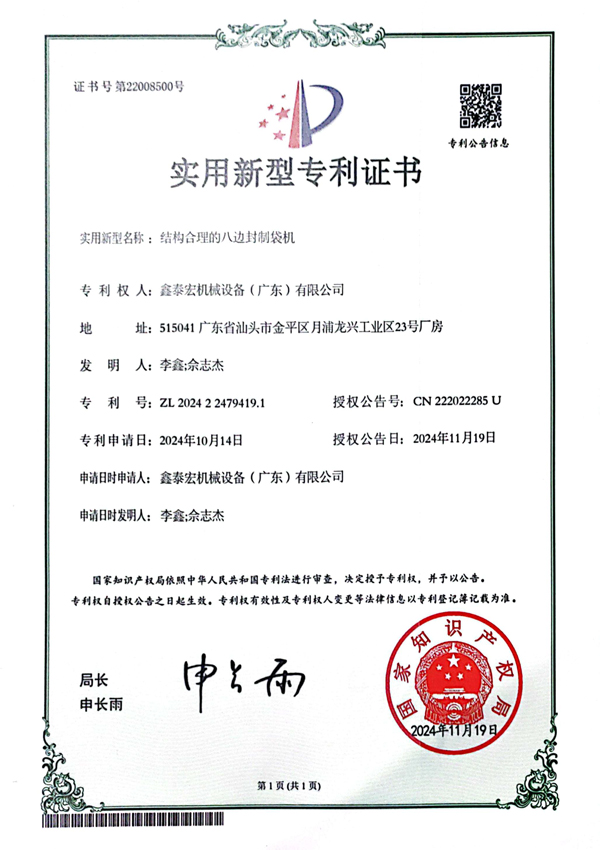
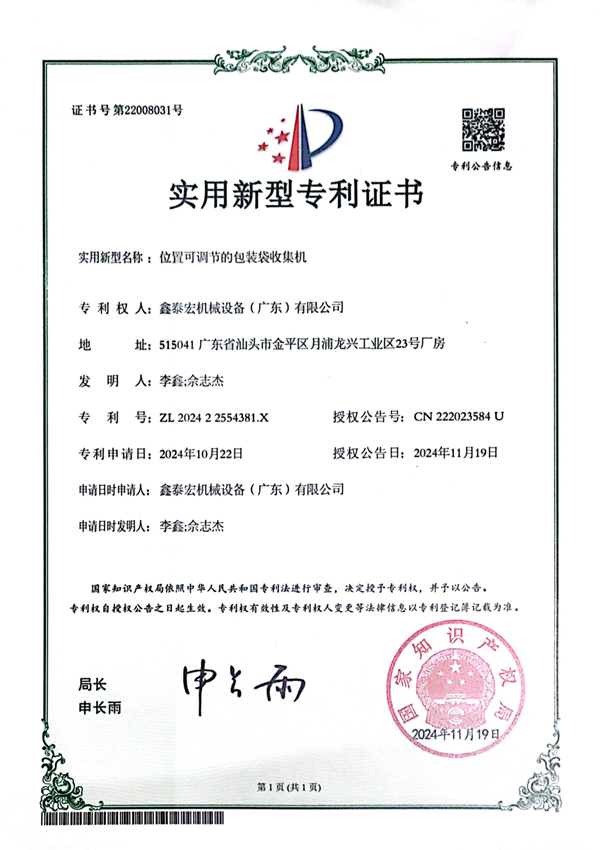
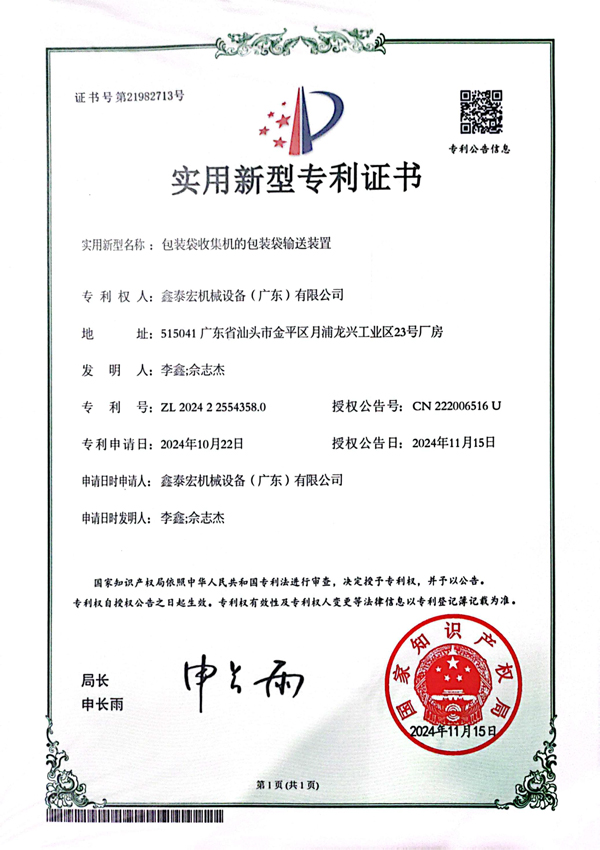
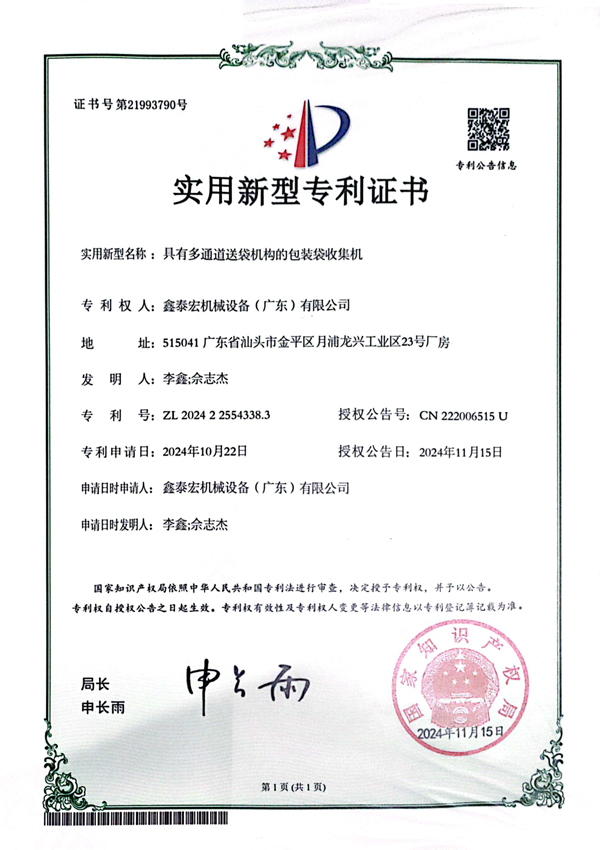
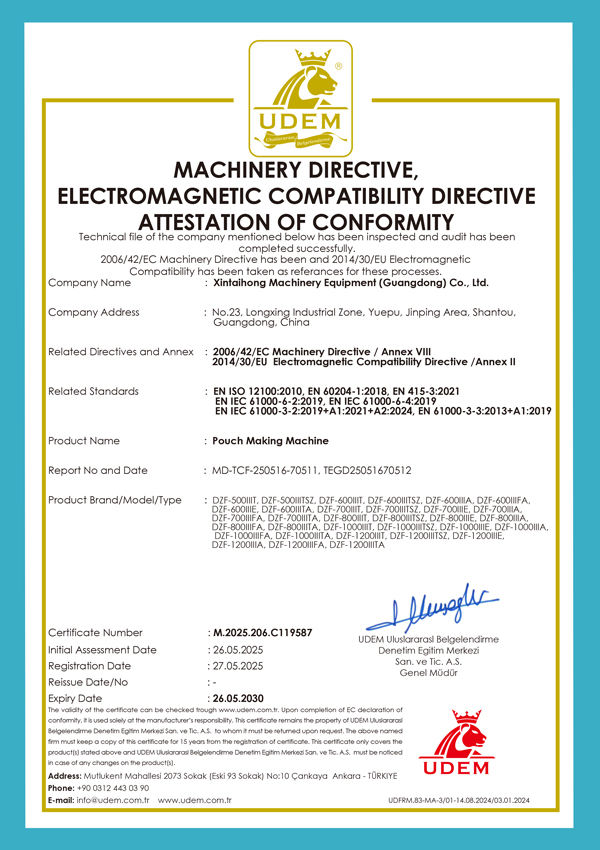
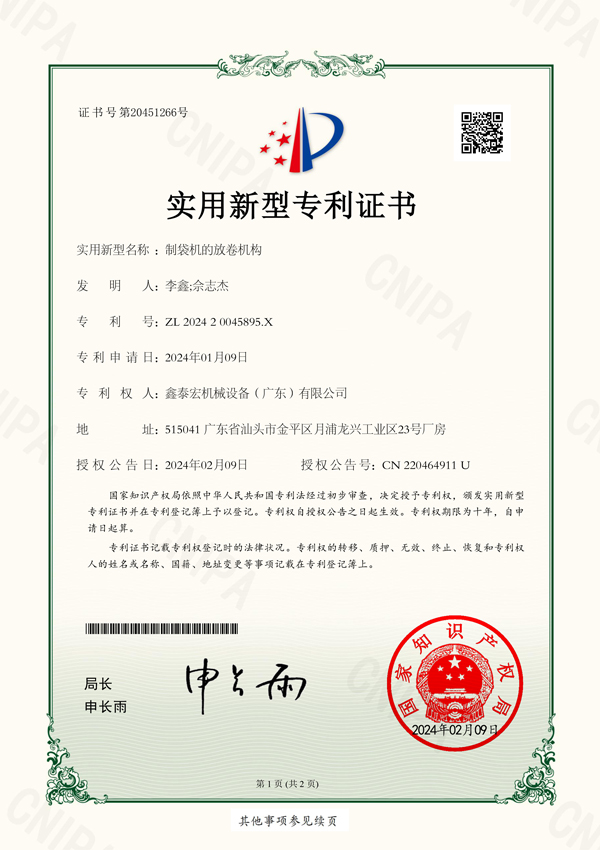
Quality Assured Through International Standards and Certifications
Browse Our Full Range of Precision Bag Making Machinery & Components