Leave Your Message
-
Phone
-
E-mail
-
Whatsapp
-
WeChat

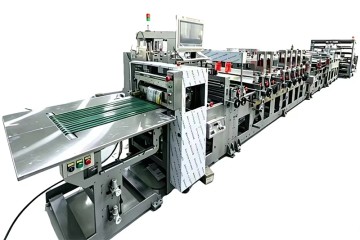
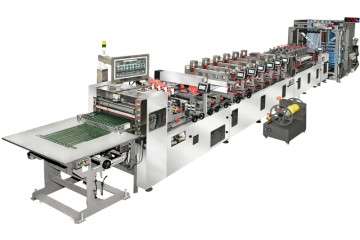
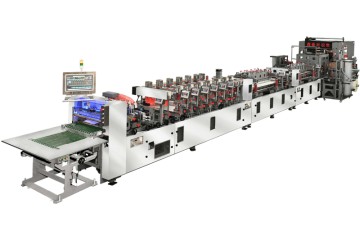
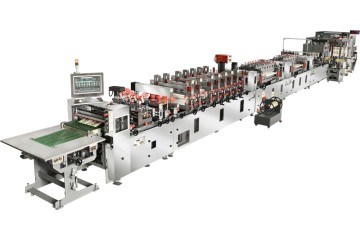
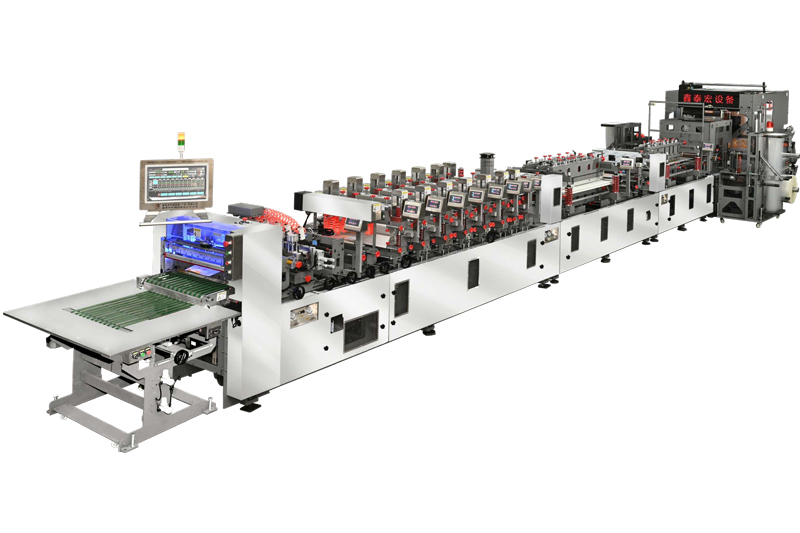
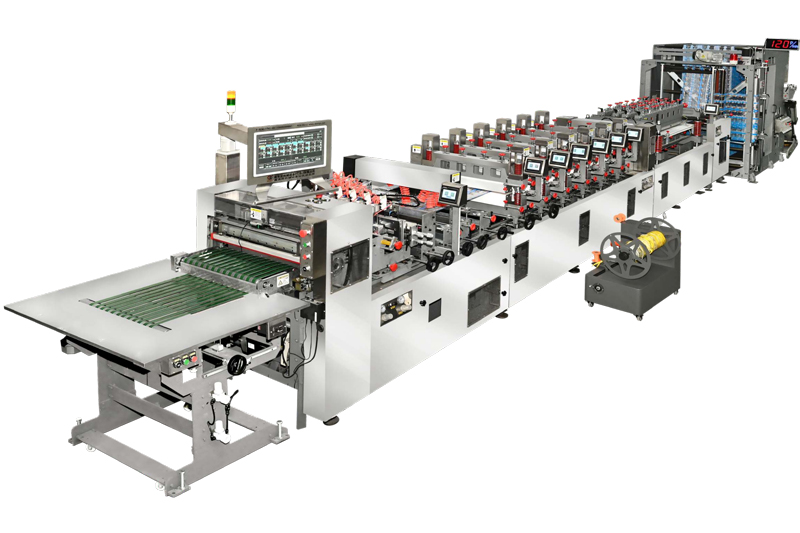
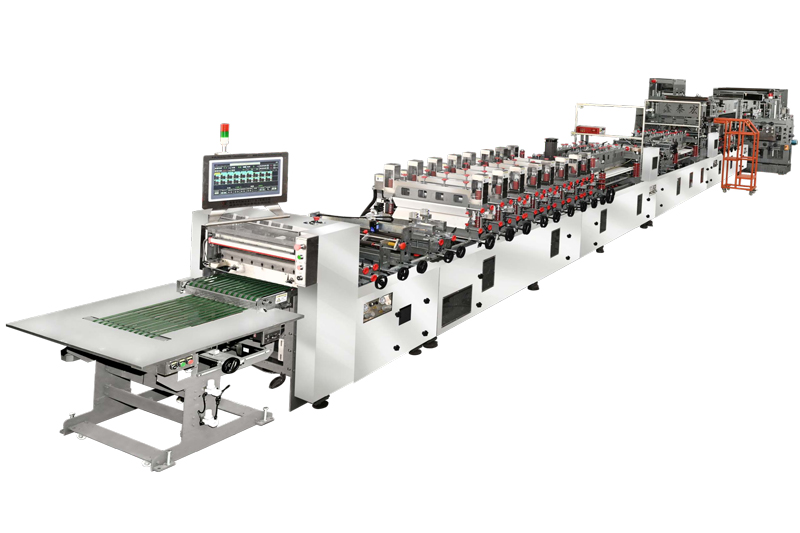
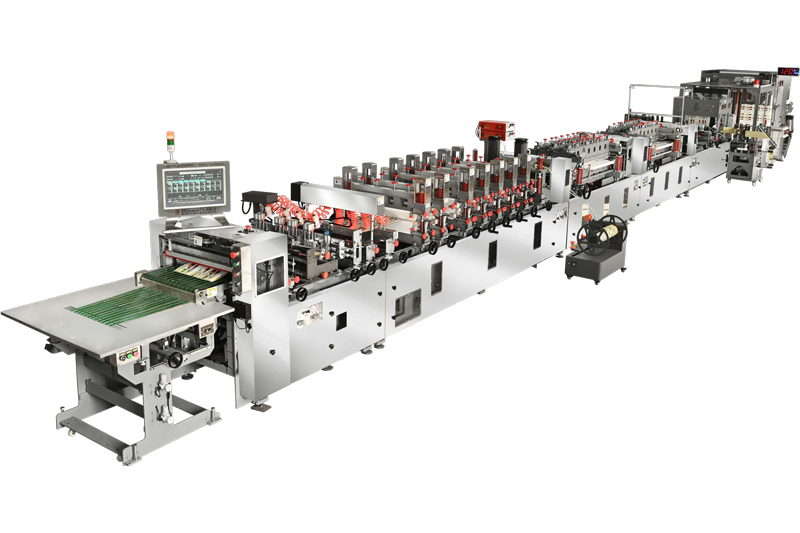
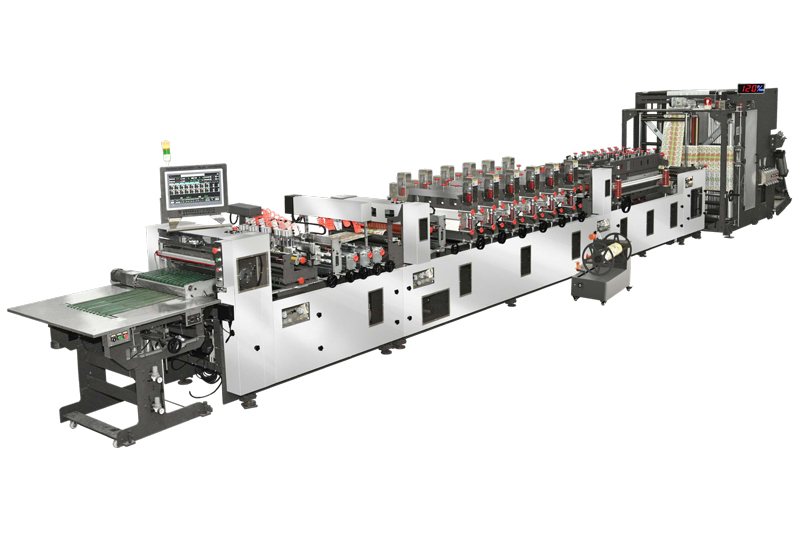
Precision vision punching units and electronic shaft pouch making systems designed for optimal throughput.
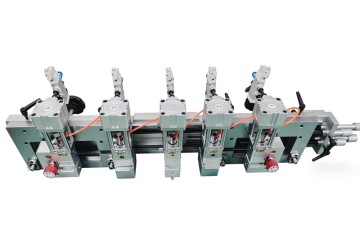
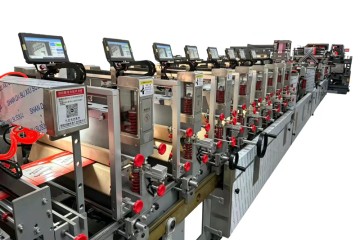
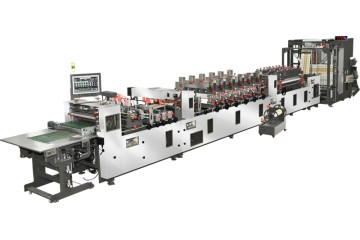
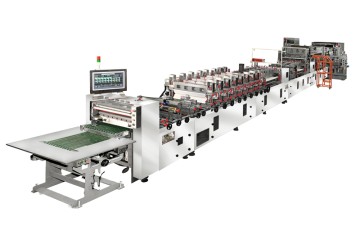
In the contemporary packaging landscape, the transition from rigid containers to flexible packaging has accelerated significantly. Within this shift, the demand for high-performance, specialized packaging like vacuum and retort pouches has skyrocketed. Historically, packaging was designed primarily for containment and transport. Today, it plays a vital role in food safety, shelf-life extension, and economic efficiency. The integration of small polythene bag making machines optimized for high-volume vacuum and retort pouch production is at the heart of this revolution.
Vacuum and retort pouches represent the pinnacle of flexible packaging technology. Vacuum packaging removes atmospheric oxygen to inhibit the growth of aerobic bacteria and fungi, thereby preserving the freshness, flavor, and nutritional value of perishable items. Retort packaging takes this a step further by utilizing multi-layered laminated structures capable of withstanding thermal processing (typically 121°C to 135°C under high pressure) for in-container sterilization. This process yields shelf-stable products that do not require refrigeration, matching the longevity of traditional tin cans while offering superior logistics, lower weight, and reduced environmental footprint.
Global demand for ready-to-eat (RTE) meals, wet pet food, and sterile pharmaceutical packaging is expanding at a CAGR of over 6.5%. Manufacturers require agile, high-speed bag making machinery that can handle complex multi-layer substrates without compromising seal integrity.
It is a common misconception in industrial manufacturing that high-volume production requires massive, sprawling machinery. In modern smart factories, floor space is a premium asset. The development of compact, highly efficient small polythene bag making machines has solved the dilemma of balancing high output with space constraints. These machines are engineered with high-density components, integrated servo control systems, and modular structures that deliver high-speed production lines within a significantly smaller footprint.
These compact machines offer distinct advantages over their larger predecessors. Firstly, they feature reduced mechanical inertia, allowing for faster start-stop cycles, higher cutting frequencies, and lower energy consumption. Secondly, their modularity allows operators to easily configure lines for different bag styles—such as three-side seal bags, stand-up pouches, or flat-bottom pouches. Lastly, shorter web paths mean less material wastage during setup and changeover, directly improving the manufacturer’s bottom line.
Modern vacuum and retort pouch manufacturing demands precision, speed, and reliability.
Multi-axis servo synchronization replaces mechanical linkages, ensuring precise tension control and infinitely adjustable cut lengths with zero mechanical wear.
Real-time optical monitoring detects print registration and punch alignment, automatically correcting deviations at speeds of up to 250 cycles per minute.
Advanced temperature controllers maintain exact heat distribution across multi-layer barrier films, securing hermetic seals crucial for retort processing.
Understanding the distinct requirements of vacuum and retort pouch production is essential for optimizing machinery configuration. While both packaging types aim to extend shelf life, their material compositions and mechanical stresses differ significantly.
Vacuum pouches typically utilize co-extruded or laminated structures consisting of Polyamide (Nylon) and Polyethylene (PE). Nylon provides an exceptional oxygen barrier and puncture resistance, while PE serves as the heat-seal layer. During the vacuum sealing process, the pouch is subjected to atmospheric pressure differentials. The bag-making machine must ensure that the side seals are perfectly homogeneous and free of micro-voids or capillary channels that could allow slow oxygen ingress over time. The sealing jaws of a small polythene bag making machine must apply uniform pressure and heat to weld these layers together seamlessly.
Retort pouches are far more complex, often composed of four-layer laminates: PET (outer layer for print and strength), Nylon (puncture resistance), Aluminum Foil (absolute gas and light barrier), and Cast Polypropylene (CPP - inner heat-seal layer capable of withstanding sterilization temperatures up to 135°C). The inclusion of aluminum foil makes the web stiffer and more prone to cracking if subjected to sharp bends. Therefore, the bag making machine must feature gentle web handling, precise tension control, and specialized sealing profiles. The cooling phase of the seal is also critical; the machine must cool the sealed area under pressure to lock in the crystalline structure of the CPP, preventing delamination during subsequent autoclave sterilization.
Modern high-volume bag makers must process a wide array of substrates: PET/AL/NY/CPP, PET/NY/AL/PE, and emerging eco-friendly mono-material PE/PE laminates. The heat sealing system must feature adaptive PID temperature control to prevent burn-through on thin layers while ensuring complete fusion on thick barrier laminates.
Achieving high-volume output while maintaining the stringent quality standards required for food and medical grade packaging presents several technical challenges:
Our range of DZF series machines addresses these challenges through the integration of electronic shaft technology, active tension feedback loops, and advanced static neutralizing systems, ensuring stable running even at maximum design speeds.
As the flexible packaging industry adapts to global changes, bag making machinery must evolve to stay competitive. Several key trends are shaping the future of high-volume vacuum and retort pouch production:
Traditional multi-material laminates (like PET/AL/PE) are difficult to recycle because separating the layers is economically unviable. The industry is rapidly moving toward mono-material solutions, primarily based on specialized Polyethylene (PE) or Polypropylene (PP) formulations. However, mono-materials have a narrow heat-sealing window and are highly sensitive to stretching under tension. Next-generation small polythene bag making machines feature extremely sensitive tension controls and high-precision, pulse-sealing technologies to handle these sustainable films without deformation or leakage.
Modern production lines require integration with Manufacturing Execution Systems (MES) and Enterprise Resource Planning (ERP) software. Bag making machines are now equipped with IoT sensors that continuously monitor parameters such as sealing pressure, temperature, cutting speed, and motor load. This data is analyzed in real-time to predict mechanical failures, optimize maintenance schedules, and track overall equipment effectiveness (OEE).
The integration of AI with CCD vision systems marks a massive leap forward in quality control. Instead of relying on static registration marks, AI-driven vision systems can detect surface defects, seal wrinkles, and micro-tears in real-time, automatically rejecting defective pouches without slowing down the production line. This level of automation is essential for high-volume operations where manual inspection is impossible.
Our commitment to quality is backed by certified compliance with international manufacturing and safety standards.
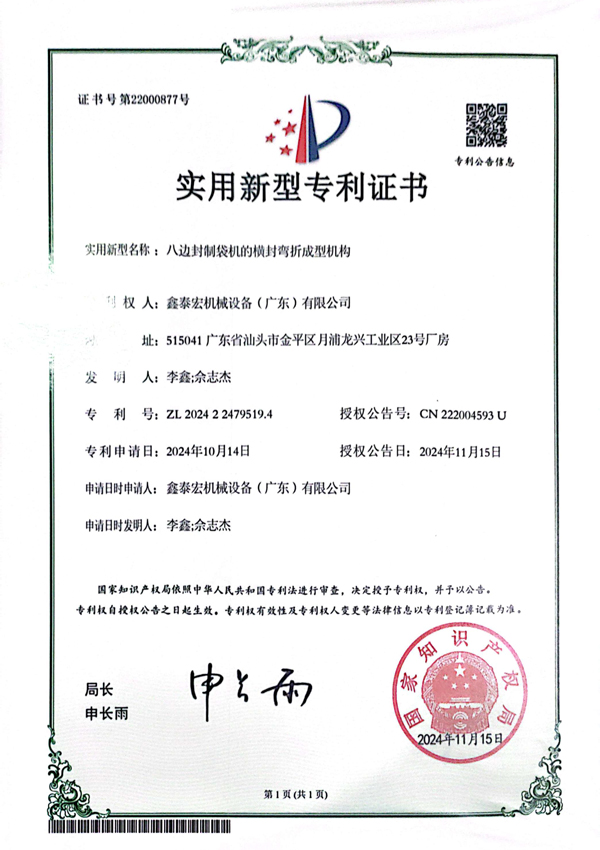
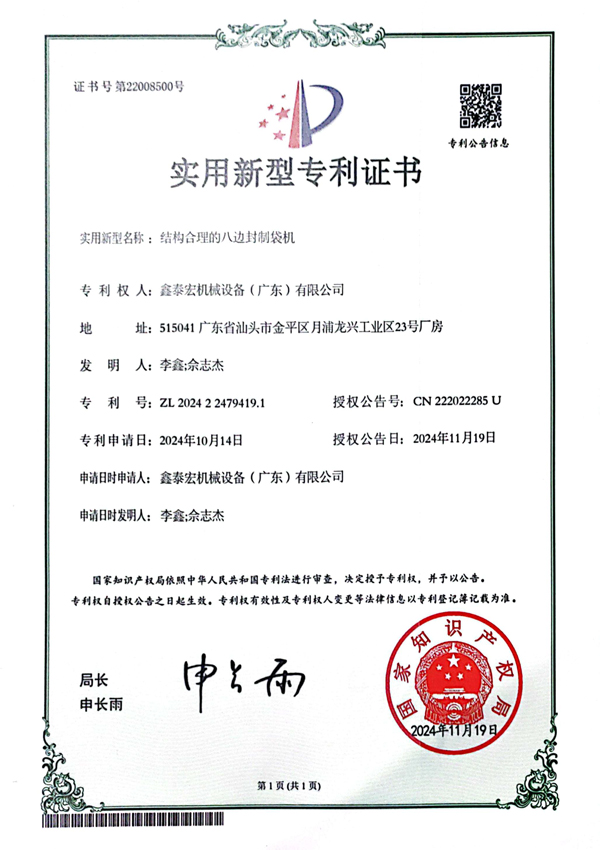
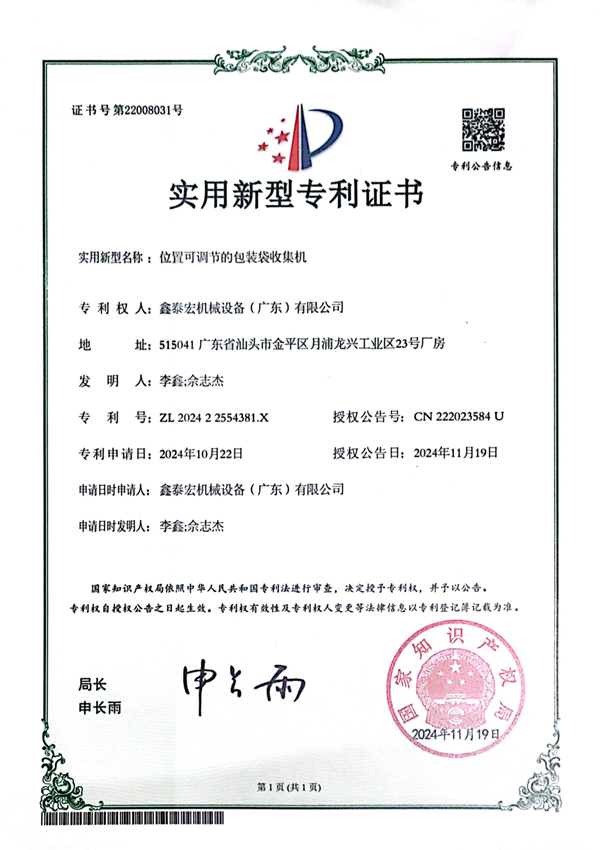
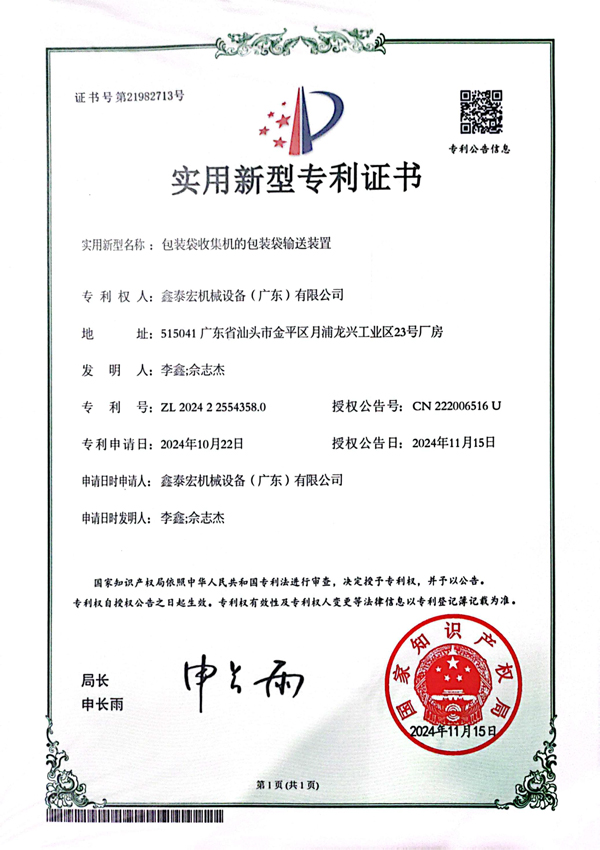
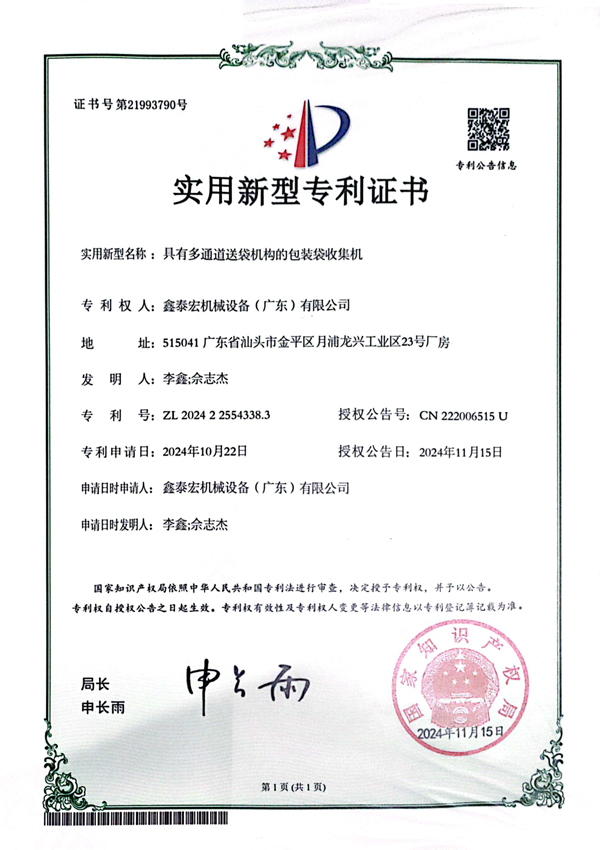
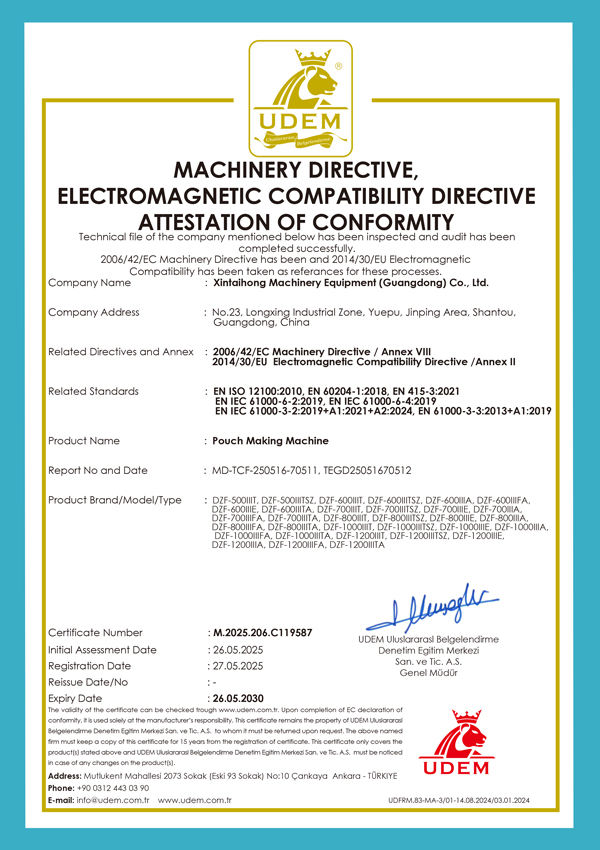
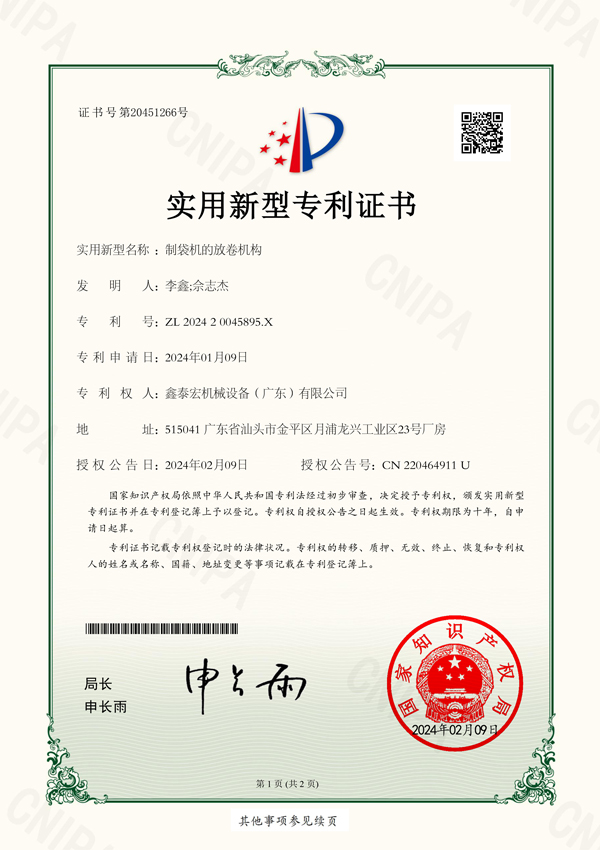
Explore our comprehensive lineup of advanced bag making machines engineered for vacuum, retort, and stand-up pouch production.