

Industrial Hardware & Small Components Packaging: Market Overview & Trends
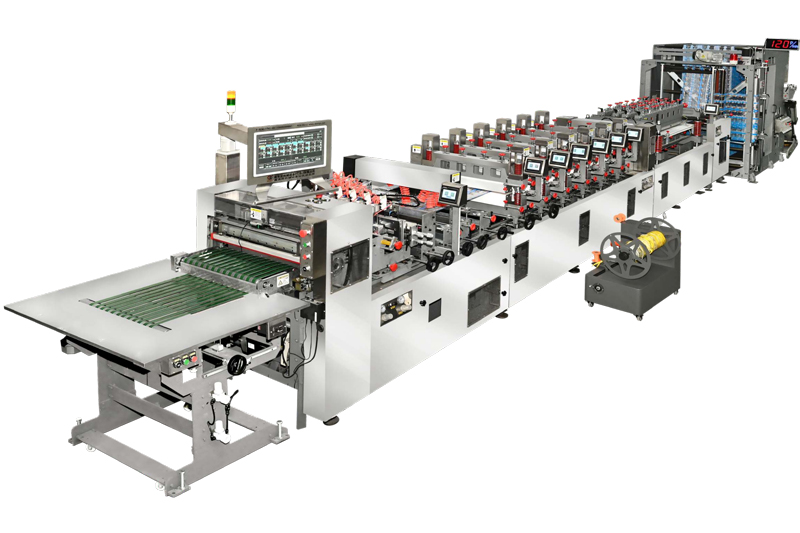
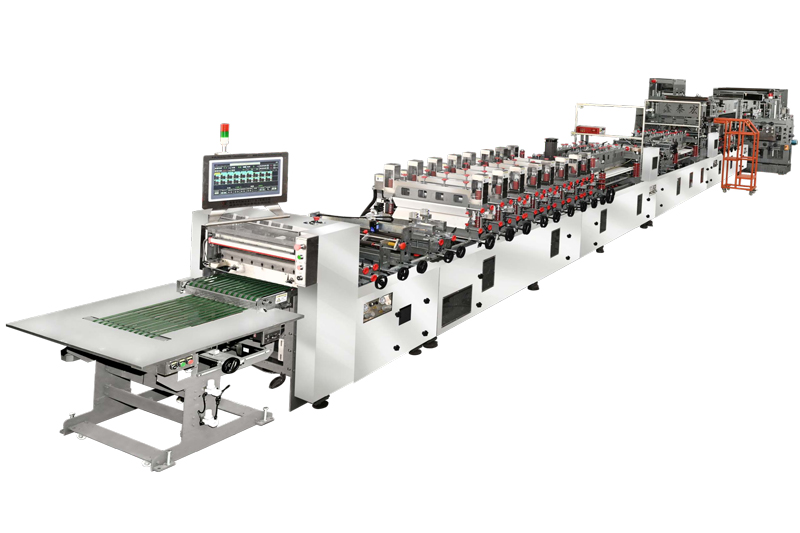
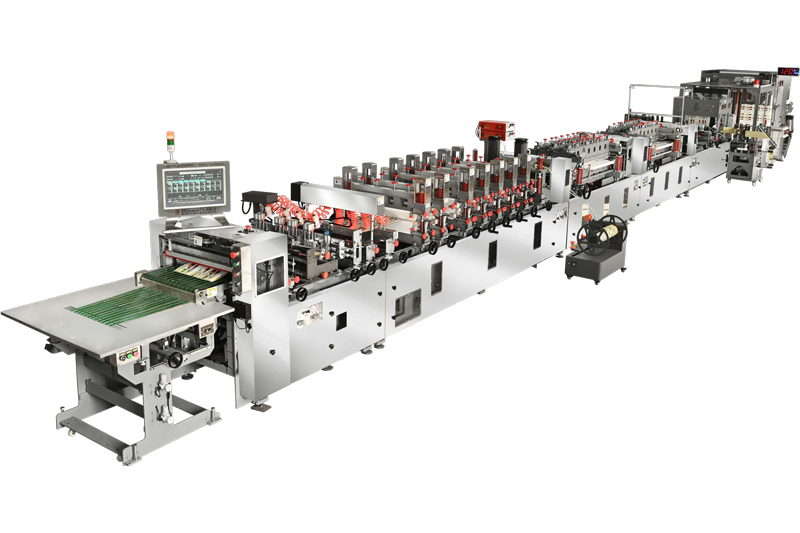
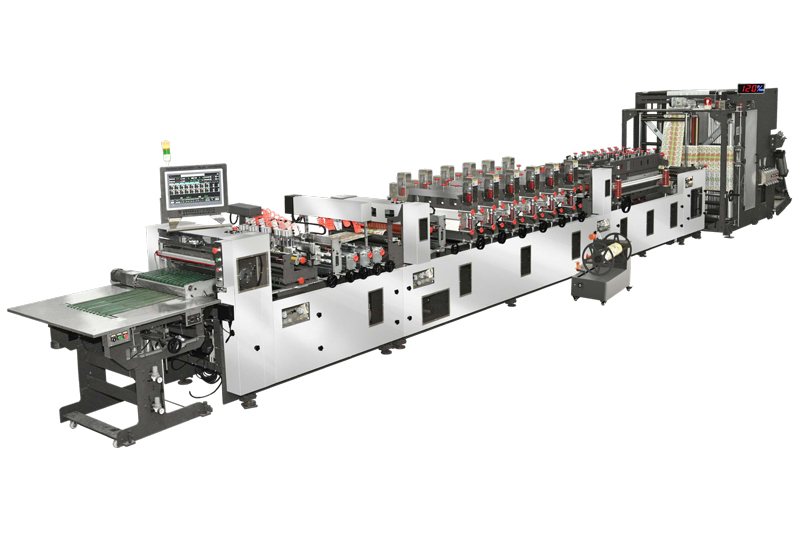
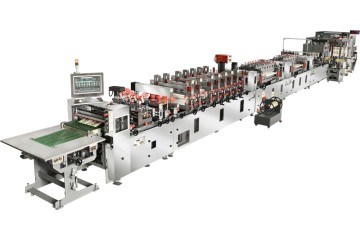
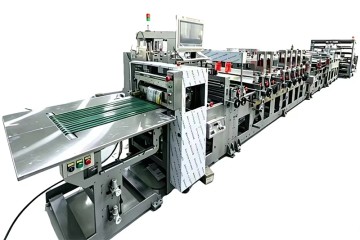
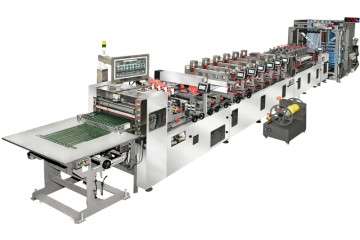
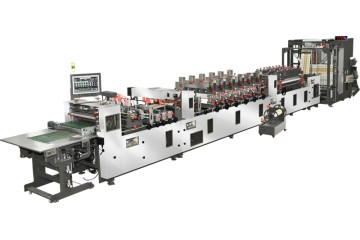
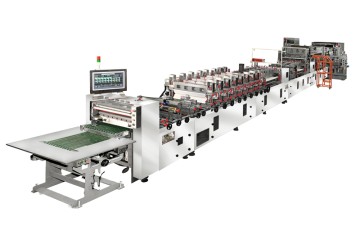
In the modern manufacturing and supply chain landscape, the demand for fast, efficient, and damage-resistant packaging is higher than ever. The hardware and electronic components industries handle millions of individual units daily—ranging from tiny microchips, resistors, and capacitors to heavy-duty industrial fasteners, screws, bolts, and custom CNC machined parts. Packaging these diverse items efficiently requires specialized, heavy-duty machinery. The Small Polythene Bag Making Machine for Industrial Hardware and Small Components Packaging has emerged as the definitive solution to address these complex needs.
Polythene (or polyethylene) remains the material of choice for industrial component packaging due to its exceptional tensile strength, flexibility, cost-effectiveness, and moisture barrier properties. However, processing this material at high speeds while ensuring airtight seals and maintaining strict dimensional accuracy requires advanced technological integration. Today's manufacturing facilities are moving away from manual packaging processes, which are prone to errors and high labor costs, toward smart, automated systems that integrate directly with weighing, counting, and sorting machinery.
Why Hardware Packaging Demands Specialized Bag Making Technology
Industrial hardware and small components present unique challenges that standard packaging machines cannot handle. Unlike food or soft goods, hardware items are often heavy, sharp, oily, or highly sensitive to electrostatic discharge (ESD). A dedicated small polythene bag making machine must be engineered to handle thick film gauges (often exceeding 100 microns) to prevent punctures from sharp screws or heavy metal brackets. Furthermore, the sealing process must be incredibly robust to support the weight of dense metal parts without bursting during transit.
Key Engineering Focus for Industrial Hardware Bagging:
Industrial components require packaging that is not just a container, but a protective shield. The bags must withstand mechanical stress, resist oil contamination from rust-preventative coatings on fasteners, and offer airtight closures to prevent oxidation and corrosion of sensitive metal surfaces.
Furthermore, small electronics components require precise anti-static (ESD) polythene films. The bag-making machinery must feed, cut, and seal these specialized materials without generating static electricity that could damage delicate circuits. This is where high-end technology, such as electronic shaft control and CCD vision alignment systems, becomes indispensable.
Deep Application Scenarios & Technological Breakdowns
1. Fastener and Automotive Hardware Packaging
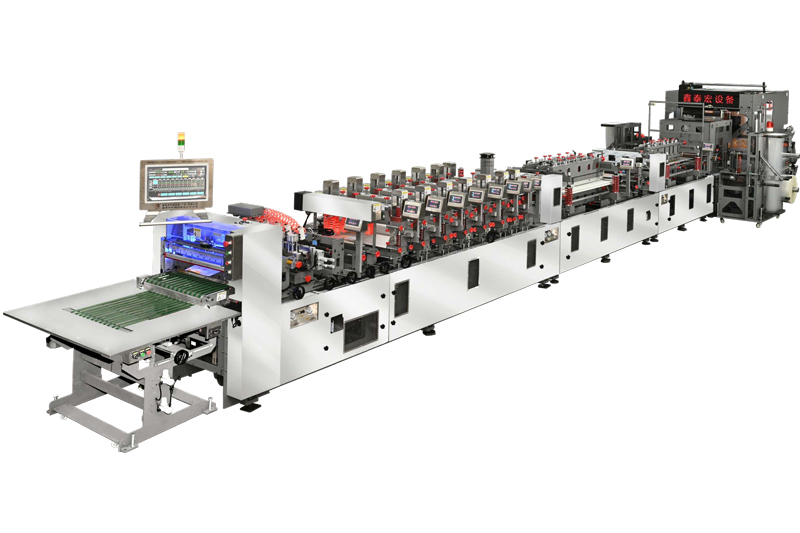
In the automotive and construction sectors, fasteners such as nuts, bolts, washers, and anchors are typically sold in pre-counted or pre-weighed kits. A high-speed small polythene bag making machine is integrated directly with multi-head vibratory bowl feeders. The machine creates the bag from roll stock, holds it open for the hardware drop, seals it securely, and cuts it. Because these items are heavy, the machine must support bottom-insertion and stand-up pouch styles (like the DZF-500-1000TSZ series) to ensure the package can stand on retail shelves or sit securely in warehouse bins without collapsing.
2. Electronic Components and Semiconductor Kits
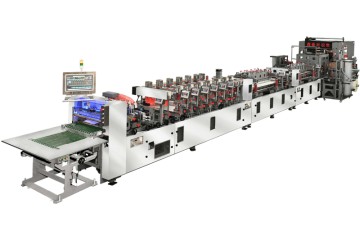
For microelectronics, the packaging must protect against dust, moisture, and static. Small polythene bags with built-in zipper closures allow technicians to open the package, retrieve the necessary components, and reseal the remaining parts safely. Advanced flat-bottom pouch machines with zipper integration, such as the DZF-600-1200ⅢE, allow manufacturers to create compact, highly organized packages that optimize shipping space and protect micro-components from physical impact.
3. DIY Furniture Assembly Kits (KDF Kits)
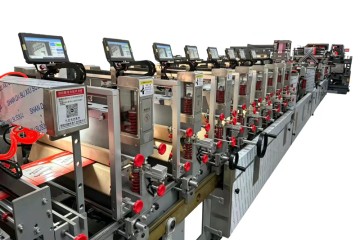
Anyone who has purchased flat-pack furniture is familiar with the small plastic bags containing wooden dowels, hex keys, screws, and brackets. These kits must be packaged with zero-defect accuracy. Modern bag making machines utilize CCD vision systems to verify print alignment, ensure the integrated zipper is perfectly sealed, and punch clean hang holes. The integration of CCD Vision Punching Units ensures that every single bag is punched in the exact millimeter required, avoiding misaligned holes that could cause bags to tear or hang crookedly on retail racks.
Key Technological Advantages of GDXTHJX Machinery
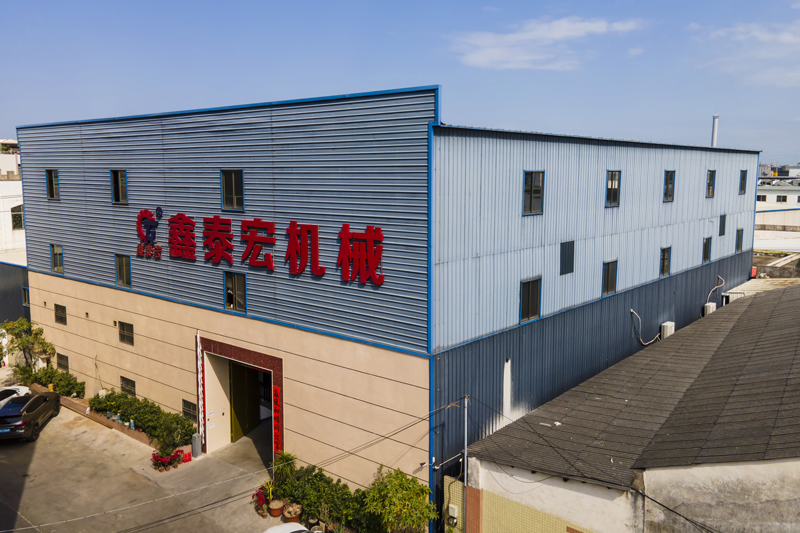
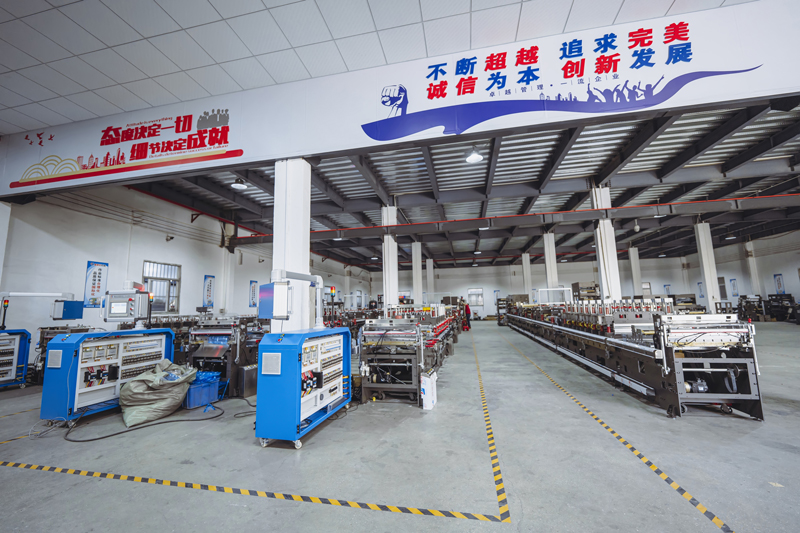
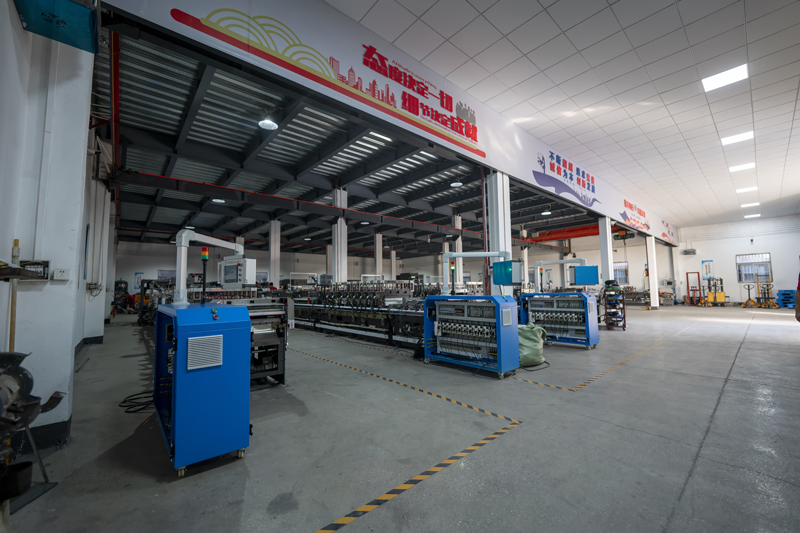
GDXTHJX has pioneered the development of high-performance bag making machinery designed specifically for the demanding industrial packaging sector. By incorporating state-of-the-art automation and optical checking systems, our machines resolve the most common pain points of traditional bag makers.
- Electronic Shaft Control System: Replaces mechanical linkages with independent servo motors for each axis. This ensures absolute precision in film feeding, sealing, and cutting, drastically reducing mechanical wear and maintenance downtime.
- CCD Vision Alignment & Defect Detection: Real-time camera monitoring ensures that printed films are aligned perfectly before cutting. It automatically detects and rejects bags with printing errors or misaligned seals, guaranteeing 100% quality output.
- Multi-functional Sealing Capabilities: Easily switch between three-side sealing, center sealing, and flat-bottom zipper configurations depending on the specific hardware kit being processed.
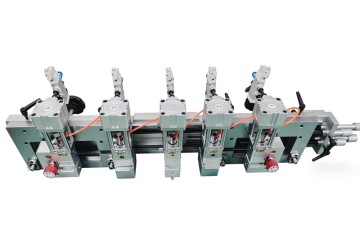
- Heavy-Duty Heat Sealing Bars: Engineered to deliver uniform heat and pressure across thick, industrial-grade polythene films, ensuring leak-proof and tear-resistant seals.
Future Industry Trends: Industry 4.0 & Sustainability
As the industrial sector moves toward smart manufacturing, packaging machinery must evolve. Future trends point toward fully connected packaging lines where the bag making machine communicates directly with ERP systems to adjust bag sizes dynamically based on the production batch. IoT-enabled sensors monitor component wear and heat seal consistency in real-time, predicting maintenance needs before a breakdown occurs.
Additionally, sustainability is reshaping the plastics industry. Small polythene bag making machines are now being optimized to run thinner, high-strength films, recycled PE, and biodegradable polymers. Achieving a perfect seal on bio-based materials requires highly sensitive temperature control systems, a feature that GDXTHJX has integrated across its entire product lineup.