Top 10 Hand Bag Making Machine Manufacturers Worldwide
The global market for handbag making machines caters to brands, contract factories, and workshops of all sizes. In this guide, I’ll walk through ten different manufacturers, highlighting their unique strengths, production setups, and regional reach. Some focus mainly on industrial sewing systems, while others develop equipment for cutting, embossing, edge-painting, or automated assembly — you know, the whole shebang.
When choosing a machine, I looked at a bunch of factors: info from public sources, machine specs, what kinds of factory applications they’re best suited for, the kind of tech support they offer, and what industry experience they've reported. But it's not just about big-picture stuff — I also consider practical details like how consistent the stitches are, whether the machine can handle different materials, how quickly it can switch over from one task to another, energy consumption, and how easy it is for operators to learn and use. These things really matter, especially when you're working with materials like leather, coated fabrics, canvas, or synthetic stuff over long production runs. Honestly, a glossy brochure won’t tell you the whole story.
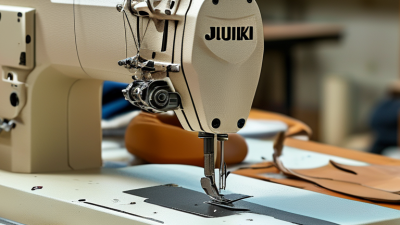
Names like JUKI, Dürkopp Adler, PFAFF Industrial, Seiko Sewing Machine, and Typical might come up alongside specialized equipment suppliers. But keep in mind, what works well for one handbag style or factory size might not be ideal for another, especially depending on your region’s service network. For example, a machine built for flat canvas panels might choke on thick, layered corners — a detail that’s easy to overlook if you're not careful.
Now, I should mention, no ranking system is perfect. The data available publicly can be incomplete, sometimes poorly translated, or just outdated. So, think of this overview as a helpful starting point for comparing suppliers — but definitely don’t rely on it alone. It’s crucial to do real factory trials or technical audits before making a decision. Don’t forget to ask for sample production runs, warranty info, spare parts availability, safety documents, and installation support. Also, always verify the real output figures — don’t just take them at face value. A good handbag making machine should fit your specific product, workforce skills, and quality standards — not just look quick and fast on paper.
Read more »